Omega
Seamaster Planet Ocean 600M
Omega's large-format professional diver - 600m water resistance, helical ceramic bezel, and the Co-Axial Master Chronometer Cal. 8912. The Planet Ocean traces its DNA to the 1957 Seamaster 300 but occupies a distinct design space: larger, more aggressive, and rated for far deeper water.
N/A
Community
64
Expert
10 reviews
References
197
References in this Family
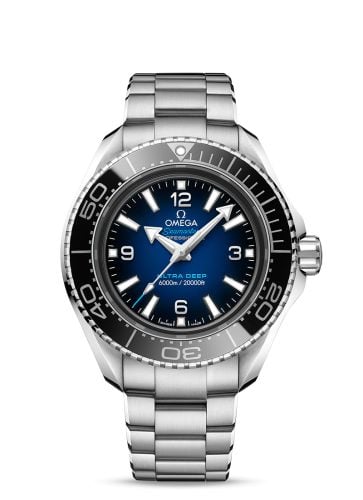
Omega
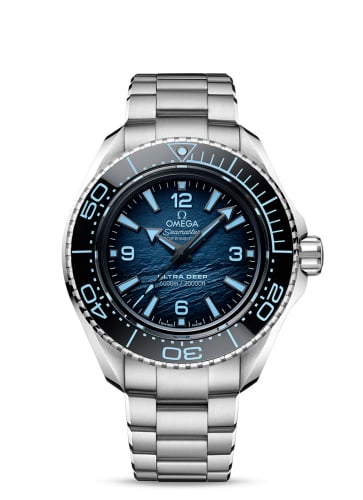
Seamaster Planet Ocean Ultra Deep O-Megasteel / Summer Blue / Bracelet
Ref. 215.30.46.21.03.002
CN/A
E84
Omega
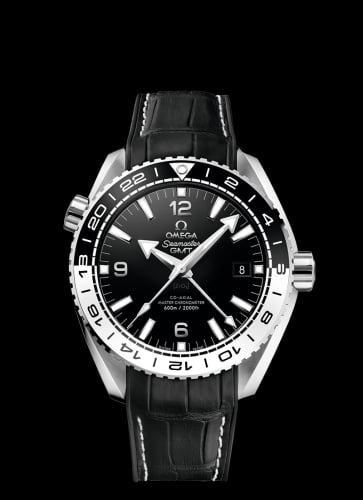
Seamaster Planet Ocean 600M Co-Axial 43.5 Master Chronometer GMT Stainless Steel / Black White / Alligator
Ref. 215.33.44.22.01.001
CN/A
E80
Omega
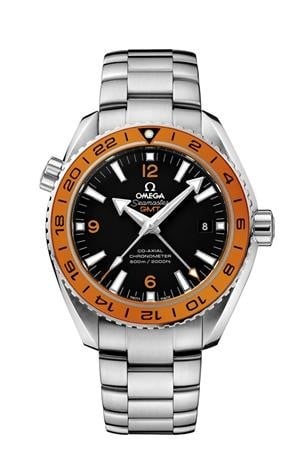
Seamaster Planet Ocean 600M Co-Axial 43.5 GMT Stainless Steel / Orange Numerals / Bracelet
Ref. 232.30.44.22.01.003
CN/A
E79
Omega
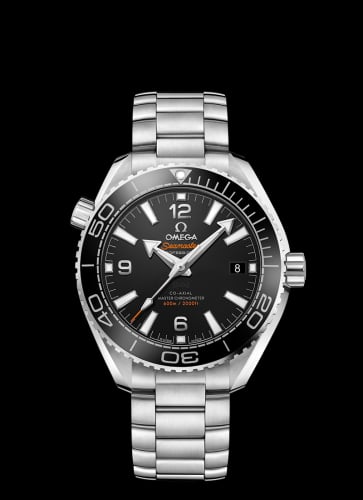
Seamaster Planet Ocean 600M
Ref. 215.30.40.20.01.001
CN/A
E76
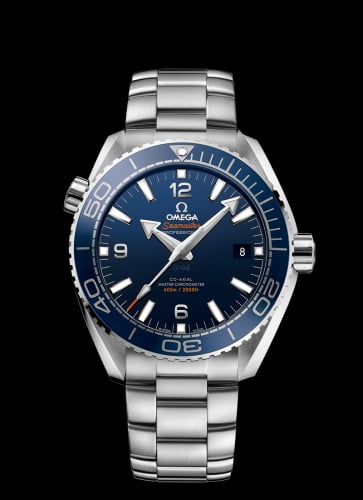
Omega
Seamaster Planet Ocean 600M
Ref. 215.30.44.21.03.001
CN/A
E71
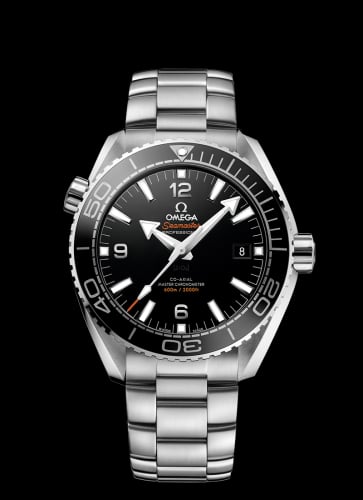
Omega
Seamaster Planet Ocean 600M
Ref. 215.30.44.21.01.001
CN/A
E70
Omega
Seamaster Planet Ocean 600M
Ref. 215.30.46.21.03.001
CN/A
E68
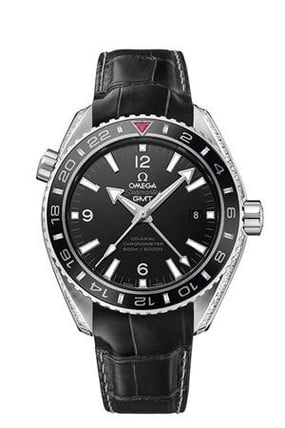
Omega
Seamaster Planet Ocean 600M Co-Axial 43.5 GMT Platinum / Diamond / Dubai
Ref. 232.98.44.22.01.004
CN/A
E37
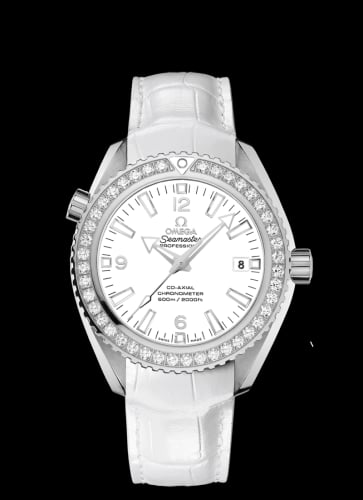
Omega
Seamaster Planet Ocean 600M Co-Axial 42 Stainless Steel / Diamond / White / Alligator
Ref. 232.18.42.21.04.001
CN/A
EN/A
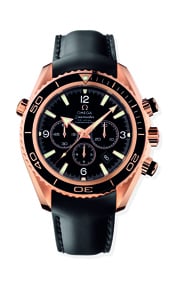
Omega
Seamaster Planet Ocean 600M Co-Axial 45.5 Chronograph Red Gold / Black / Rubber
Ref. 222.62.46.50.01.001
CN/A
EN/A
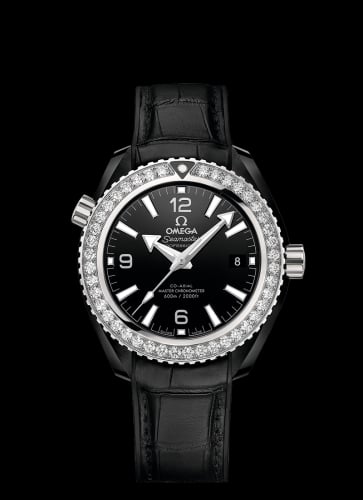
Omega
Seamaster Planet Ocean 600M Co-Axial 39.5 Master Chronometer Deep Black / Black / Strap
Ref. 215.98.40.20.01.001
CN/A
EN/A
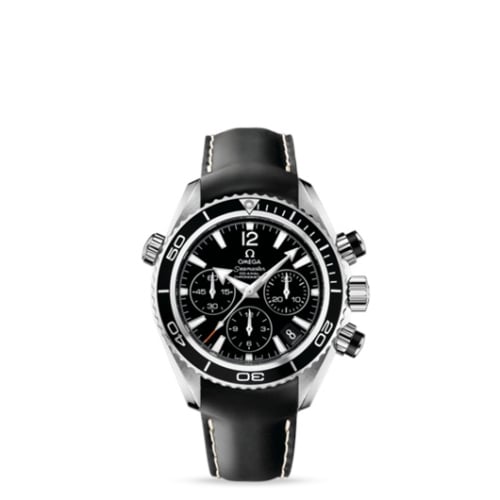
Omega
Seamaster Planet Ocean 600M Co-Axial 37.5 Chronograph Stainless Steel / Black / Rubber
Ref. 222.32.38.50.01.001
CN/A
EN/A
Omega
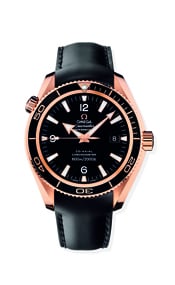
Seamaster Planet Ocean 600M Co-Axial 42 Red Gold / Black / Rubber
Ref. 222.62.42.20.01.001
CN/A
EN/A
Omega
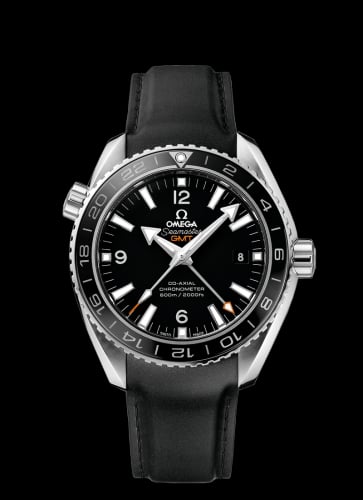
Seamaster Planet Ocean 600M Co-Axial 43.5 GMT Stainless Steel / Black / Rubber
Ref. 232.32.44.22.01.001
CN/A
EN/A
Omega
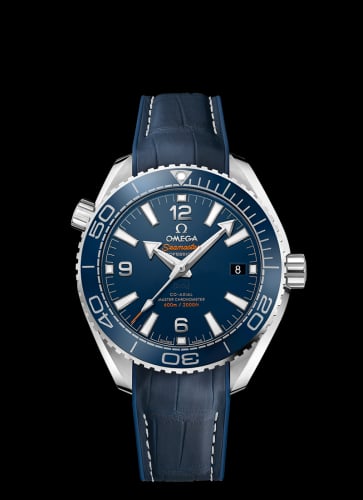
Seamaster Planet Ocean 600M Co-Axial 39.5 Master Chronometer Stainless Steel / Blue / Alligator
Ref. 215.33.40.20.03.001
CN/A
EN/A
Omega
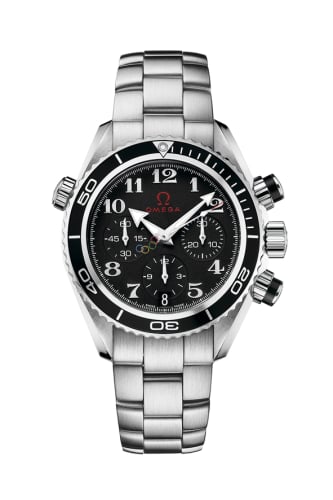
Seamaster Planet Ocean 600M Co-Axial 37.5 Chronograph Stainless Steel / Black / Bracelet / Olympic Timeless
Ref. 222.30.38.50.01.003
CN/A
EN/A
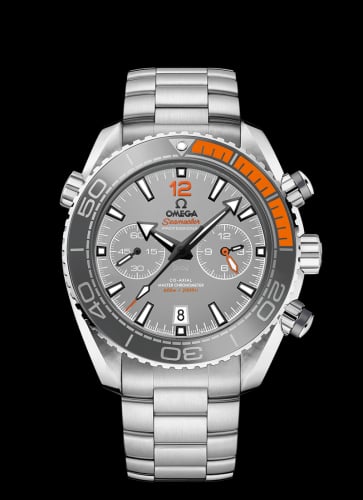
Omega
Seamaster Planet Ocean 600M Co-Axial 45.5 Master Chronometer Chronograph Titanium / Grey / Bracelet
Ref. 215.90.46.51.99.001
CN/A
EN/A
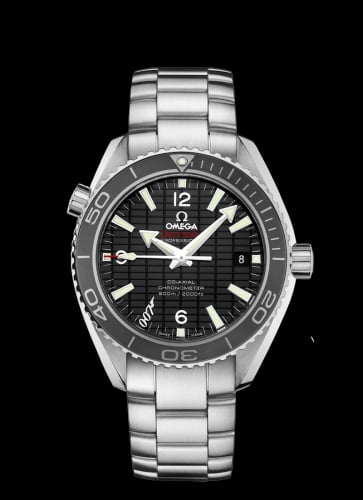
Omega
Seamaster Planet Ocean 600M Co-Axial 42 Stainless Steel / Black / Bracelet / James Bond Skyfall
Ref. 232.30.42.21.01.004
CN/A
EN/A
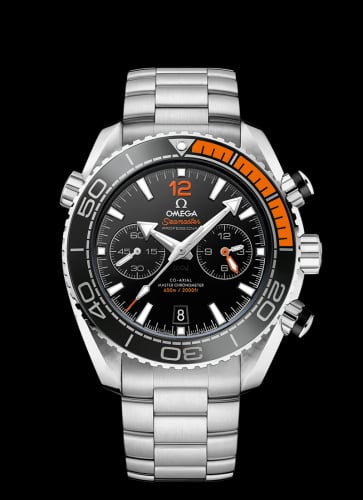
Omega
Seamaster Planet Ocean 600M Co-Axial 45.5 Master Chronometer Chronograph Stainless Steel / Orange / Bracelet
Ref. 215.30.46.51.01.002
CN/A
EN/A
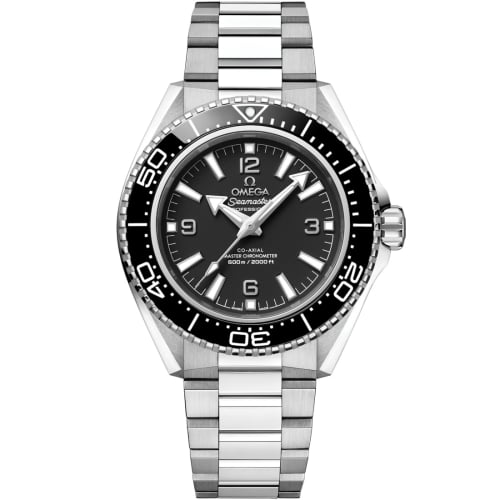
Omega
Seamaster Planet Ocean 600M Co-Axial 42 Stainless Steel - Black / Black / Bracelet
Ref. 217.30.42.21.01.001
CN/A
EN/A
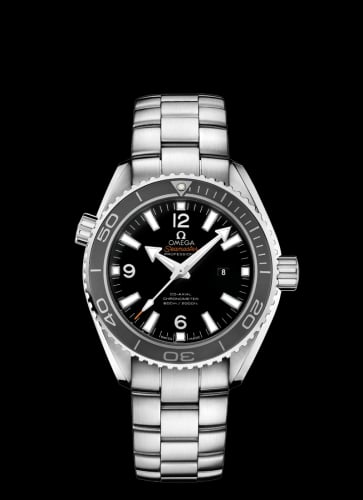
Omega
Seamaster Planet Ocean 600M Co-Axial 37.5 Stainless Steel / Black / Bracelet
Ref. 232.30.38.20.01.001
CN/A
EN/A
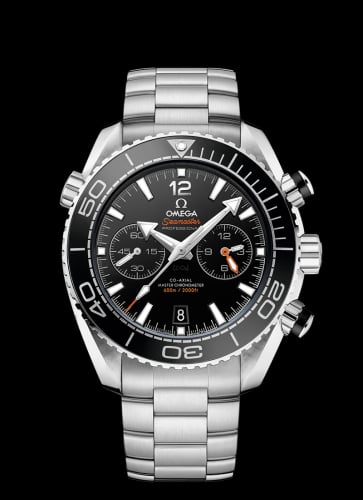
Omega
Seamaster Planet Ocean 600M Co-Axial 45.5 Master Chronometer Chronograph Stainless Steel / Black / Bracelet
Ref. 215.30.46.51.01.001
CN/A
EN/A
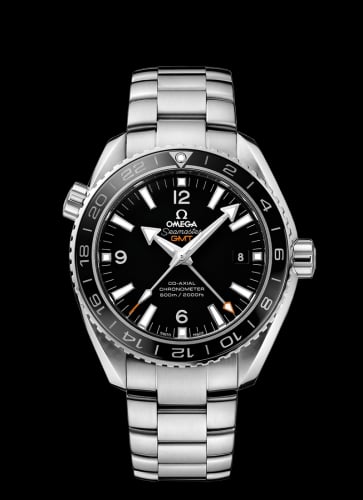
Omega
Seamaster Planet Ocean 600M Co-Axial 43.5 GMT Stainless Steel / Black / Bracelet
Ref. 232.30.44.22.01.001
CN/A
EN/A
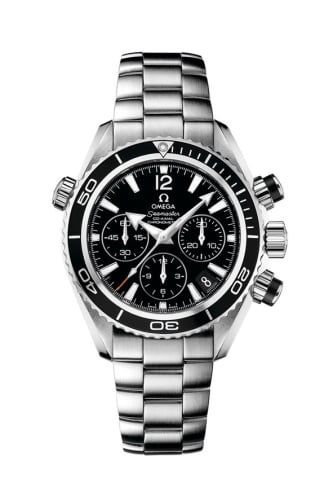
Omega
Seamaster Planet Ocean 600M Co-Axial 37.5 Chronograph Stainless Steel / Black / Bracelet
Ref. 222.30.38.50.01.001
CN/A
EN/A
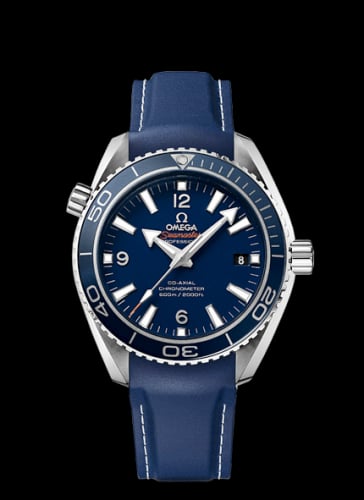
Omega
Seamaster Planet Ocean 600M Co-Axial 42 Titanium / LiquidMetal / Rubber
Ref. 232.92.42.21.03.001
CN/A
EN/A
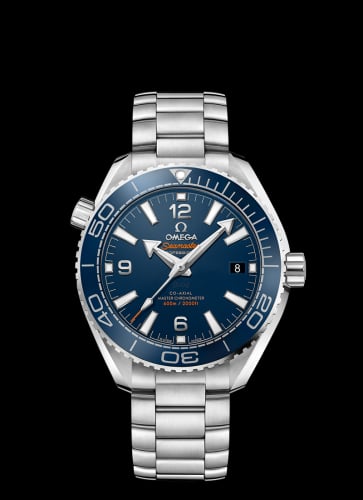
Omega
Seamaster Planet Ocean 600M Co-Axial 39.5 Master Chronometer Stainless Steel / Blue / Bracelet
Ref. 215.30.40.20.03.001
CN/A
EN/A
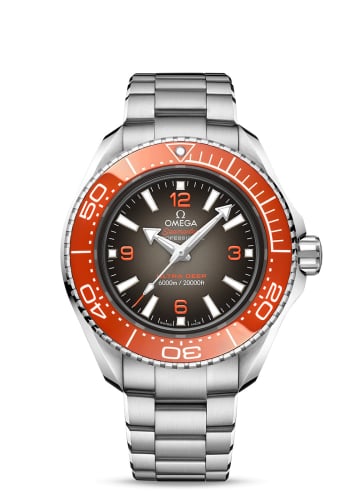
Omega
Seamaster Planet Ocean Ultra Deep O-Megasteel / Grey / Bracelet
Ref. 215.30.46.21.06.001
CN/A
EN/A
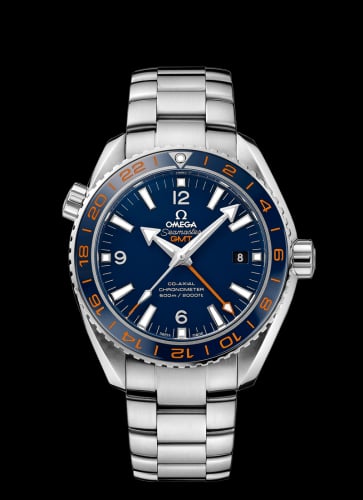
Omega
Seamaster Planet Ocean 600M Co-Axial 43.5 GMT Stainless Steel / GoodPlanet / Bracelet
Ref. 232.30.44.22.03.001
CN/A
EN/A
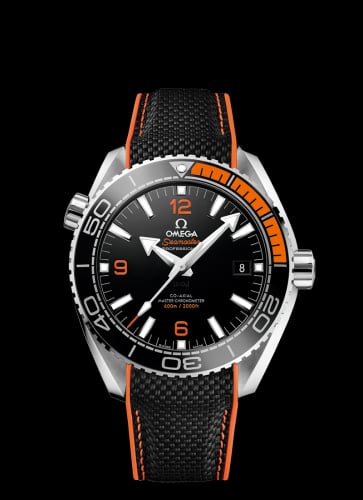
Omega
Seamaster Planet Ocean 600M Co-Axial 43.5 Master Chronometer Stainless Steel / Orange / Rubber
Ref. 215.32.44.21.01.001
CN/A
EN/A
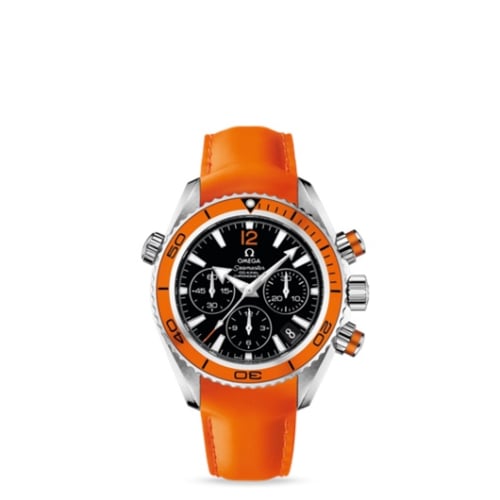
Omega
Seamaster Planet Ocean 600M Co-Axial 37.5 Chronograph Stainless Steel / Orange / Rubber
Ref. 222.32.38.50.01.003
CN/A
EN/A
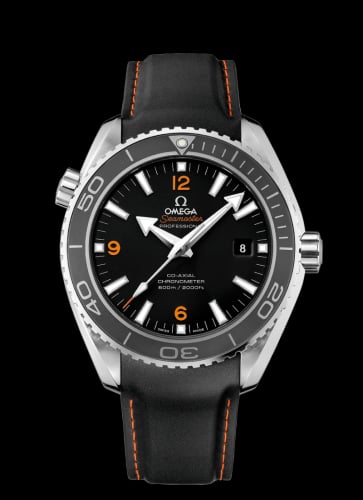
Omega
Seamaster Planet Ocean 600M Co-Axial 45.5 Stainless Steel / Black / Rubber
Ref. 232.32.46.21.01.005
CN/A
EN/A
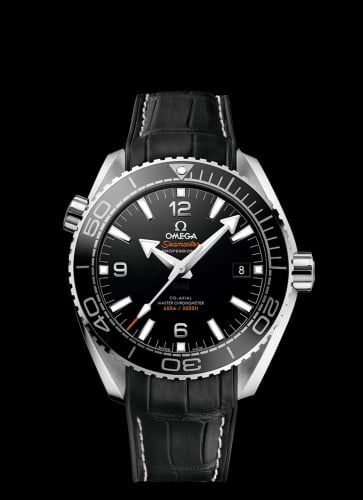
Omega
Seamaster Planet Ocean 600M Co-Axial 43.5 Master Chronometer Stainless Steel / Black / Alligator
Ref. 215.33.44.21.01.001
CN/A
EN/A
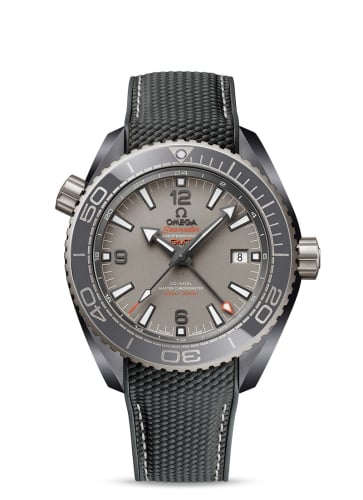
Omega
Seamaster Planet Ocean 600M Co-Axial 45.5 Master Chronometer GMT Dark Grey
Ref. 215.92.46.22.99.002
CN/A
EN/A
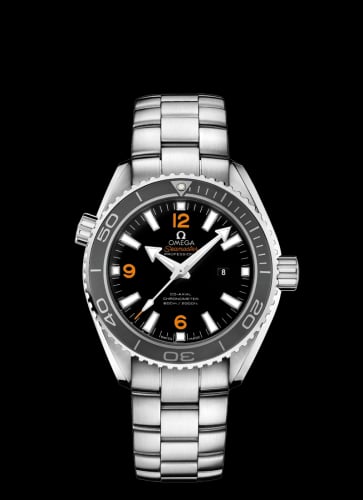
Omega
Seamaster Planet Ocean 600M Co-Axial 37.5 Stainless Steel / Orange Numerals / Bracelet
Ref. 232.30.38.20.01.002
CN/A
EN/A
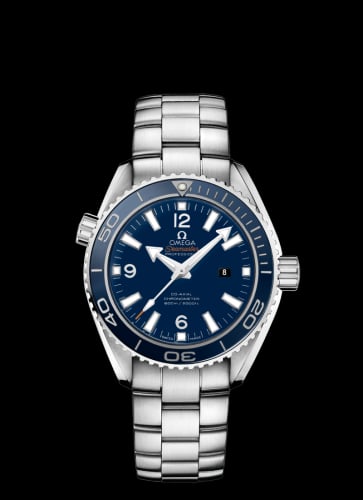
Omega
Seamaster Planet Ocean 600M Co-Axial 37.5 Titanium / LiquidMetal / Bracelet
Ref. 232.90.38.20.03.001
CN/A
EN/A
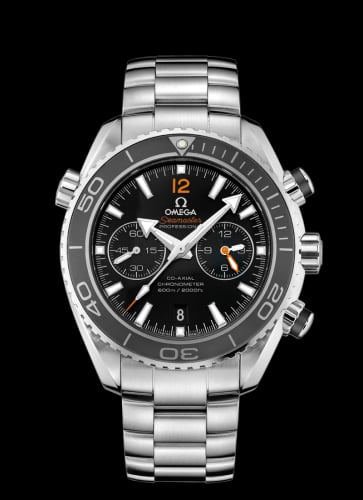
Omega
Seamaster Planet Ocean 600M Co-Axial 45.5 Chronograph Stainless Steel / Orange Numerals / Bracelet
Ref. 232.30.46.51.01.003
CN/A
EN/A
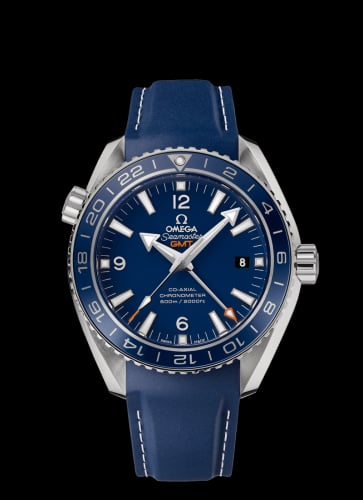
Omega
Seamaster Planet Ocean 600M Co-Axial 43.5 GMT Titanium / Blue / Rubber
Ref. 232.92.44.22.03.001
CN/A
EN/A
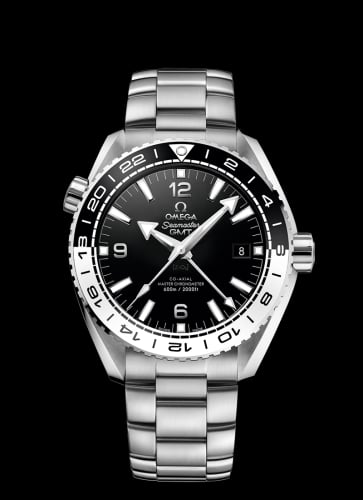
Omega
Seamaster Planet Ocean 600M Co-Axial 43.5 Master Chronometer GMT Stainless Steel / Black White / Bracelet
Ref. 215.30.44.22.01.001
CN/A
EN/A
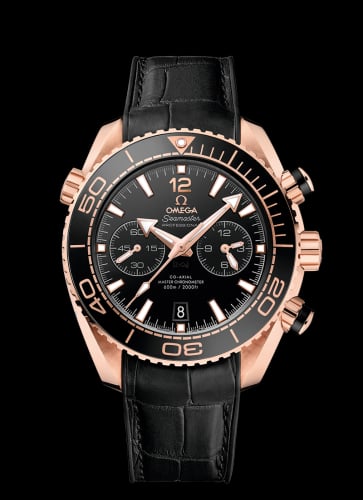
Omega
Seamaster Planet Ocean 600M Co-Axial 45.5 Master Chronometer Chronograph Sedna Gold / Black / Alligator
Ref. 215.63.46.51.01.001
CN/A
EN/A
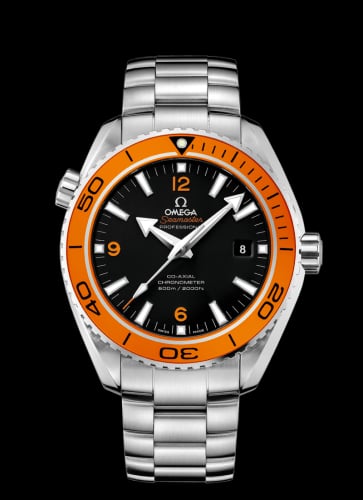
Omega
Seamaster Planet Ocean 600M Co-Axial 45.5 Stainless Steel / Orange / Bracelet
Ref. 232.30.46.21.01.002
CN/A
EN/A
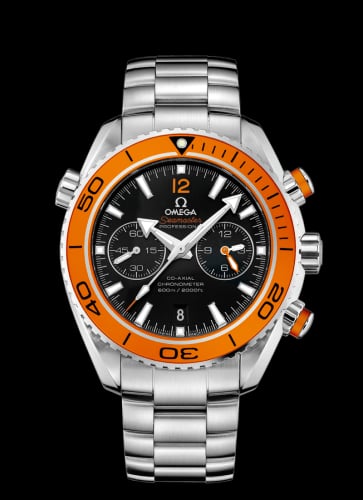
Omega
Seamaster Planet Ocean 600M Co-Axial 45.5 Chronograph Stainless Steel / Orange / Bracelet
Ref. 232.30.46.51.01.002
CN/A
EN/A
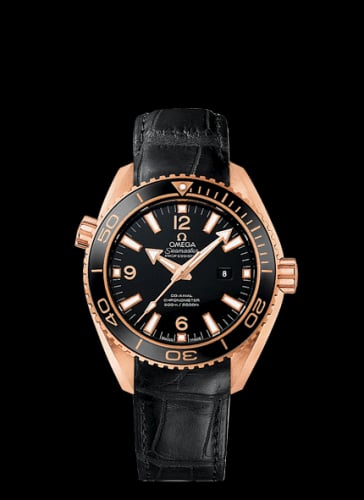
Omega
Seamaster Planet Ocean 600M Co-Axial 37.5 Red Gold / Black / Alligator
Ref. 232.63.38.20.01.001
CN/A
EN/A
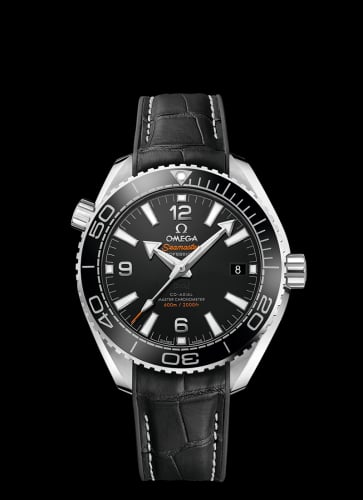
Omega
Seamaster Planet Ocean 600M Co-Axial 39.5 Master Chronometer Stainless Steel / Black / Strap
Ref. 215.33.40.20.01.001
CN/A
EN/A
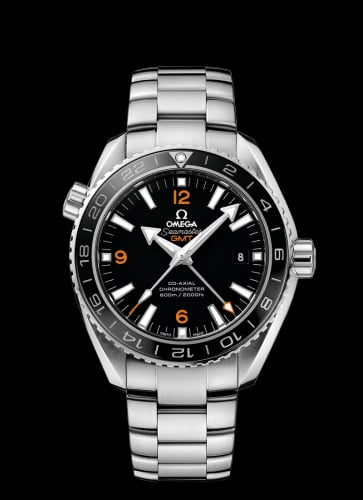
Omega
Seamaster Planet Ocean 600M Co-Axial 43.5 GMT Stainless Steel / Orange Numerals / Bracelet
Ref. 232.30.44.22.01.002
CN/A
EN/A
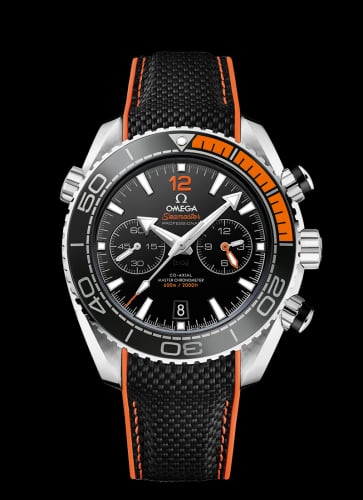
Omega
Seamaster Planet Ocean 600M Co-Axial 45.5 Master Chronometer Chronograph Stainless Steel / Orange / Rubber
Ref. 215.32.46.51.01.001
CN/A
EN/A
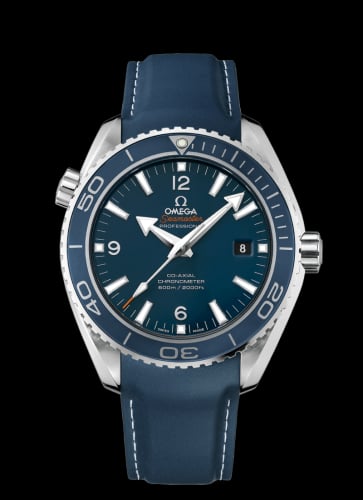
Omega
Seamaster Planet Ocean 600M Co-Axial 45.5 Titanium / Liquidmetal / Rubber
Ref. 232.92.46.21.03.001
CN/A
EN/A
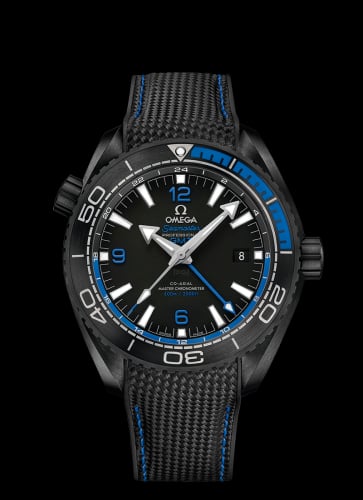
Omega
Seamaster Planet Ocean 600M Co-Axial 45.5 Master Chronometer GMT Deep Black Blue
Ref. 215.92.46.22.01.002
CN/A
EN/A
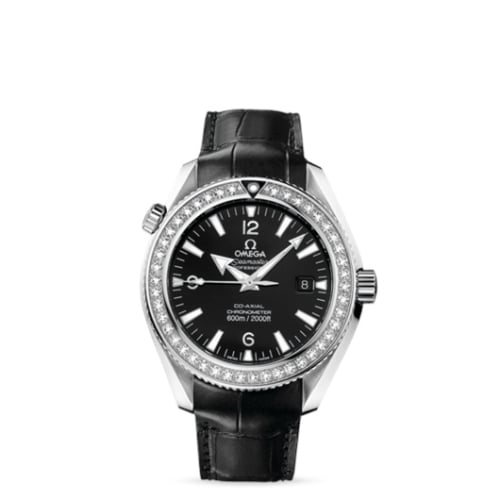
Omega
Seamaster Planet Ocean 600M Co-Axial 42 Stainless Steel / Diamond / Black / Alligator
Ref. 222.18.42.20.01.001
CN/A
EN/A
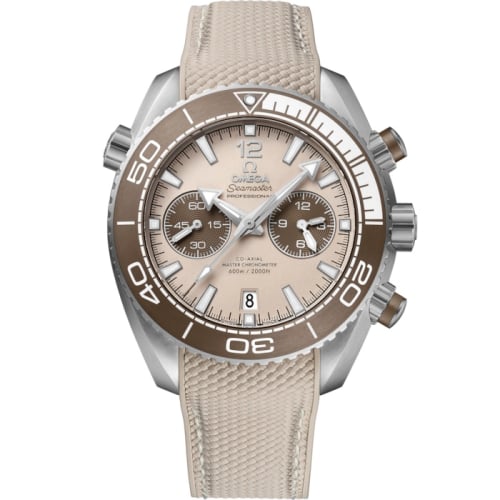
Omega
Seamaster Planet Ocean 600M Co-Axial 45.5 Master Chronometer Chronograph Stainless Steel / Beige / Rubber
Ref. 215.32.46.51.09.001
CN/A
EN/A
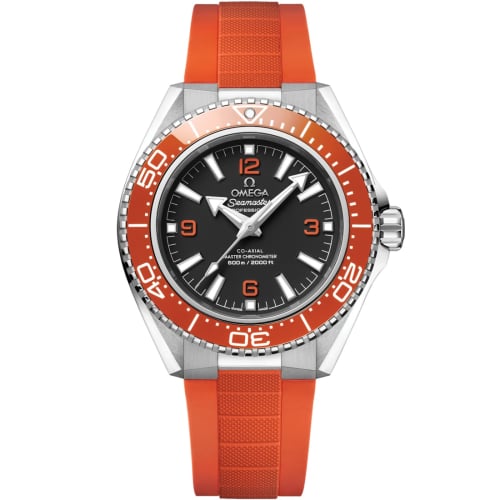
Omega
Seamaster Planet Ocean 600M Co-Axial 42 Stainless Steel - Orange / Black / Rubber
Ref. 217.32.42.21.01.004
CN/A
EN/A
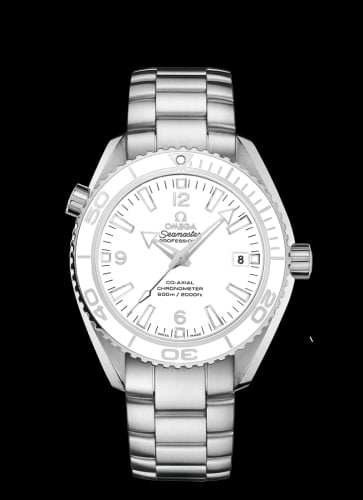
Omega
Seamaster Planet Ocean 600M Co-Axial 42 Stainless Steel / White / Bracelet
Ref. 232.30.42.21.04.001
CN/A
EN/A
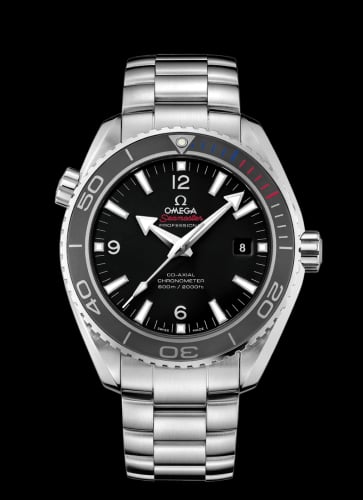
Omega
Seamaster Planet Ocean 600M Co-Axial 45.5 Olympic Collection Sochi 2014
Ref. 522.30.46.21.01.001
CN/A
EN/A
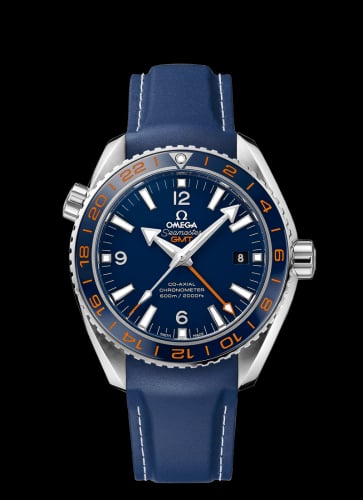
Omega
Seamaster Planet Ocean 600M Co-Axial 43.5 GMT Stainless Steel / GoodPlanet / Rubber
Ref. 232.32.44.22.03.001
CN/A
EN/A
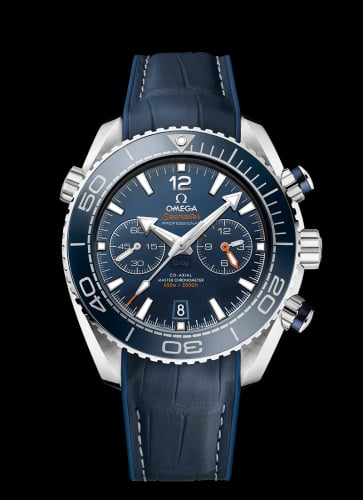
Omega
Seamaster Planet Ocean 600M Co-Axial 45.5 Master Chronometer Chronograph Stainless Steel / Blue / Alligator
Ref. 215.33.46.51.03.001
CN/A
EN/A
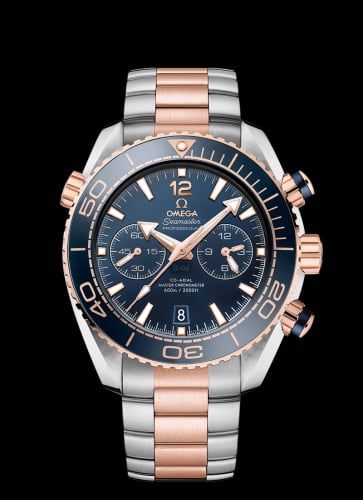
Omega
Seamaster Planet Ocean 600M Co-Axial 45.5 Master Chronometer Chronograph Stainless Steel / Sedna Gold / Blue / Bracelet
Ref. 215.20.46.51.03.001
CN/A
EN/A
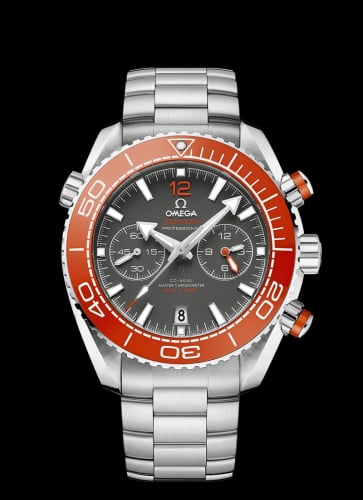
Omega
Seamaster Planet Ocean 600M Co-Axial 45.5 Master Chronometer Chronograph Stainless Steel / Grey / Bracelet
Ref. 215.30.46.51.99.001
CN/A
EN/A
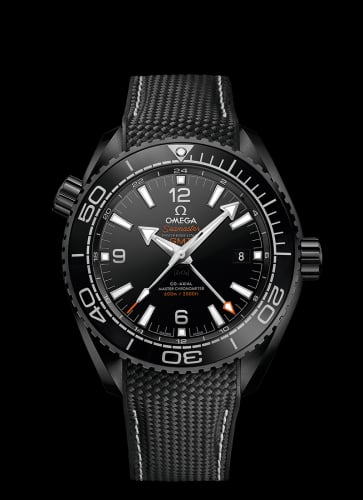
Omega
Seamaster Planet Ocean 600M Co-Axial 45.5 Master Chronometer GMT Deep Black
Ref. 215.92.46.22.01.001
CN/A
EN/A
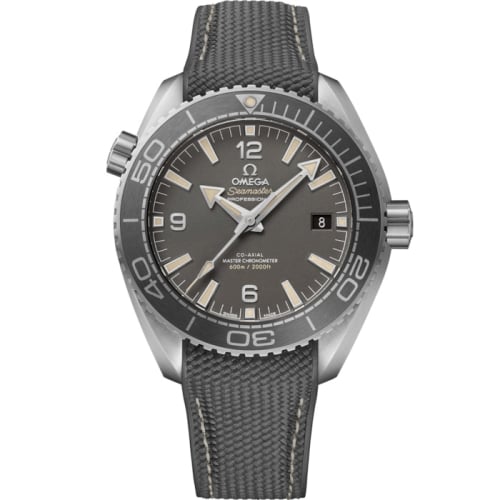
Omega
Seamaster Planet Ocean 600M Co-Axial 43.5 Master Chronometer Stainless Steel / Green / Rubber
Ref. 215.32.44.21.01.002
CN/A
EN/A
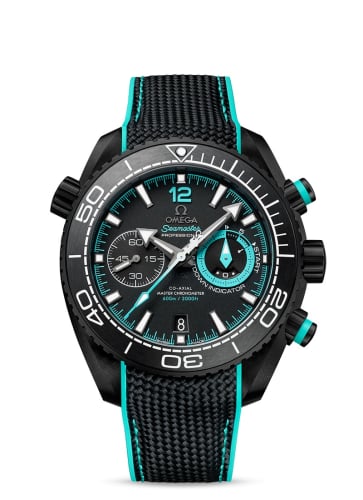
Omega
Seamaster Planet Ocean 600M Co-Axial 45.5 Master Chronometer Chronograph Deep Black ETNZ
Ref. 215.92.46.51.01.003
CN/A
EN/A
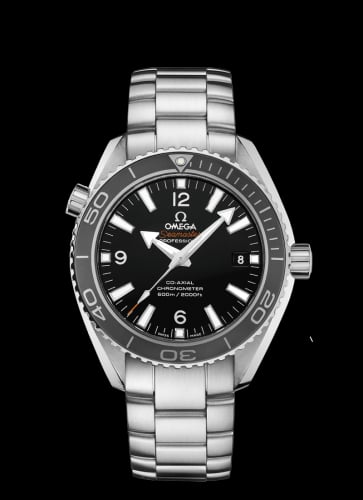
Omega
Seamaster Planet Ocean 600M Co-Axial 42 Stainless Steel / Black / Bracelet / Korps Commandotroepen
Ref. 232.30.42.21.01.007
CN/A
EN/A
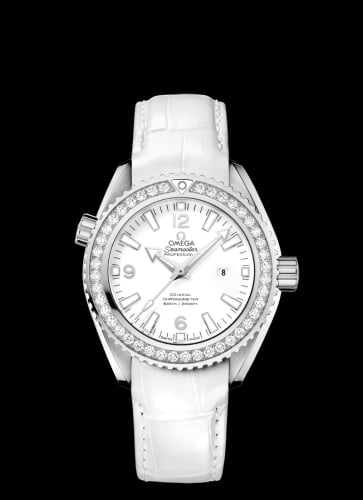
Omega
Seamaster Planet Ocean 600M Co-Axial 37.5 Stainless Steel / Diamond / White / Alligator
Ref. 232.18.38.20.04.001
CN/A
EN/A
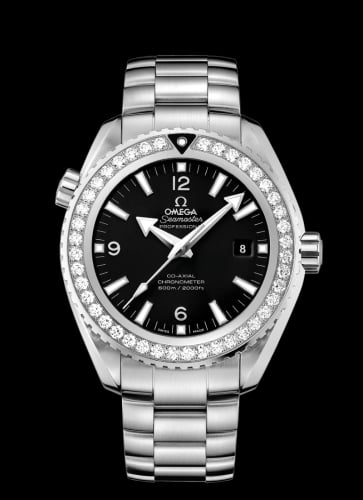
Omega
Seamaster Planet Ocean 600M Co-Axial 45.5 Stainless Steel / Diamond / Black / Bracelet
Ref. 232.15.46.21.01.001
CN/A
EN/A
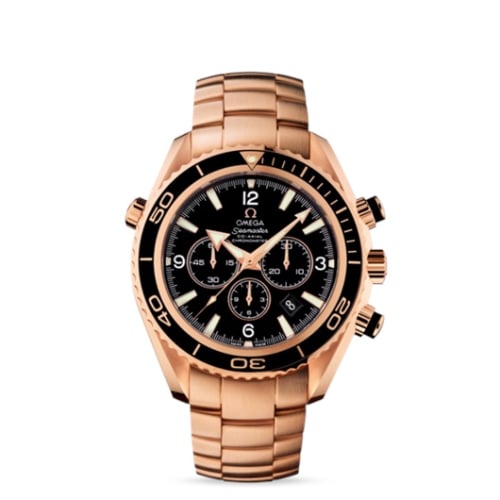
Omega
Seamaster Planet Ocean 600M Co-Axial 45.5 Chronograph Red Gold / Black / Bracelet
Ref. 222.60.46.50.01.001
CN/A
EN/A
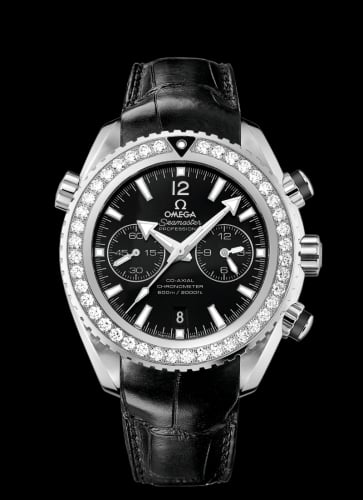
Omega
Seamaster Planet Ocean 600M Co-Axial 45.5 Chronograph Stainless Steel / Diamond / Black / Alligator
Ref. 232.18.46.51.01.001
CN/A
EN/A
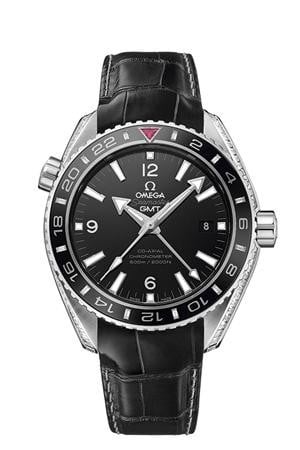
Omega
Seamaster Planet Ocean 600M Co-Axial 43.5 GMT Platinum / Diamond / Oman
Ref. 232.98.44.22.01.002
CN/A
EN/A
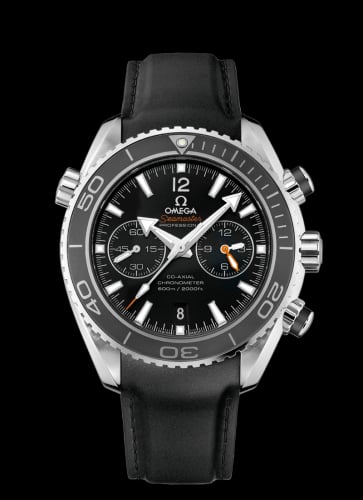
Omega
Seamaster Planet Ocean 600M Co-Axial 45.5 Chronograph Stainless Steel / Black / Rubber
Ref. 232.32.46.51.01.003
CN/A
EN/A
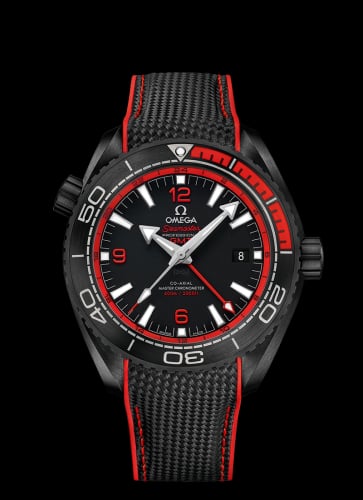
Omega
Seamaster Planet Ocean 600M Co-Axial 45.5 Master Chronometer GMT Deep Black Red
Ref. 215.92.46.22.01.003
CN/A
EN/A
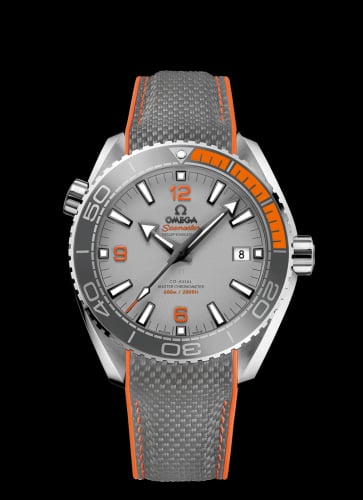
Omega
Seamaster Planet Ocean 600M Co-Axial 43.5 Master Chronometer Titanium / Grey / Rubber
Ref. 215.92.44.21.99.001
CN/A
EN/A
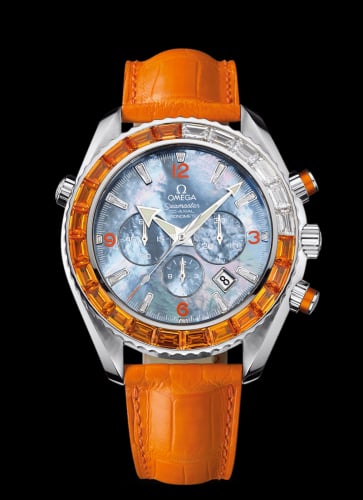
Omega
Seamaster Planet Ocean 600M Co-Axial 45.5 Chronograph Mécanique 18 Sapphires
Ref. 222.28.46.50.57.001
CN/A
EN/A
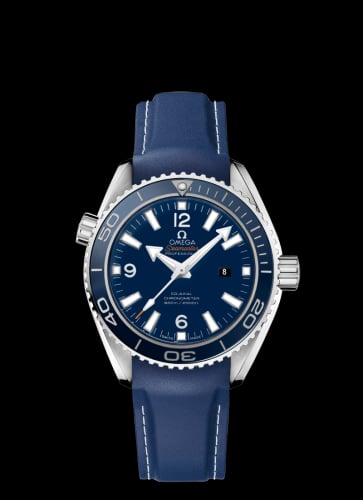
Omega
Seamaster Planet Ocean 600M Co-Axial 37.5 Titanium / Liquidmetal / Rubber
Ref. 232.92.38.20.03.001
CN/A
EN/A
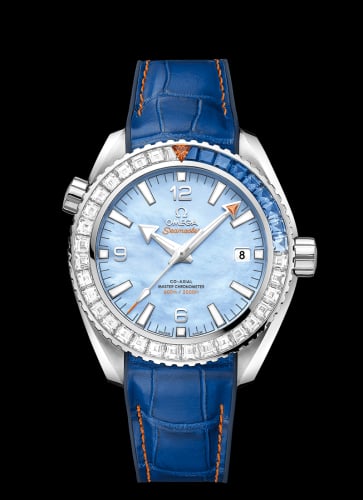
Omega
Seamaster Planet Ocean 600M Co-Axial 43.5 Master Chronometer White Gold / Diamond / Blue MOP
Ref. 215.58.44.21.07.001
CN/A
EN/A
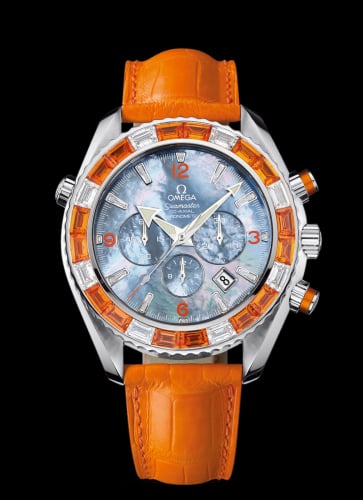
Omega
Seamaster Planet Ocean 600M Co-Axial 45.5 Chronograph Mécanique 16 Sapphires
Ref. 222.28.46.50.57.002
CN/A
EN/A
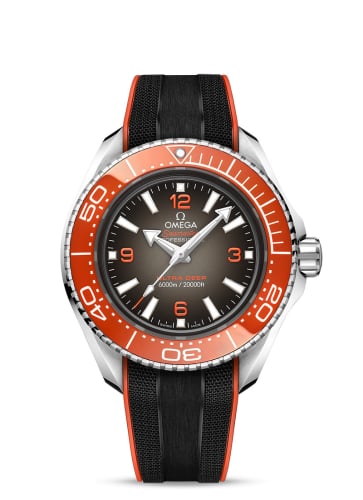
Omega
Seamaster Planet Ocean Ultra Deep O-Megasteel / Grey / Rubber
Ref. 215.32.46.21.06.001
CN/A
EN/A
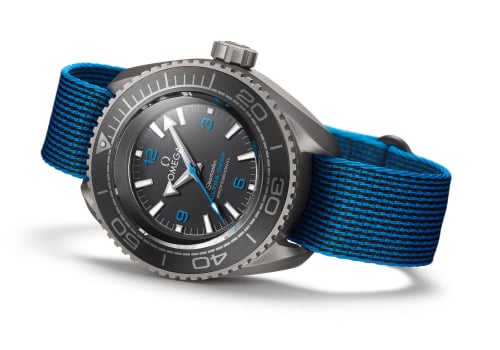
Omega
Seamaster Planet Ocean Ultra Deep Professional
Ref. 215.92.52.21.99.001
CN/A
EN/A
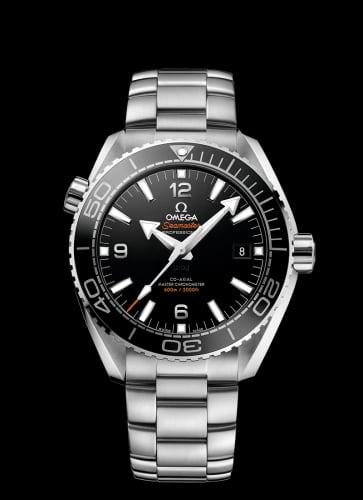
Omega
Seamaster Planet Ocean 600M Co-Axial 43.5 Master Chronometer Stainless Steel / Black / Bracelet / NOCS
Ref. 215.30.44.21.01.003
CN/A
EN/A
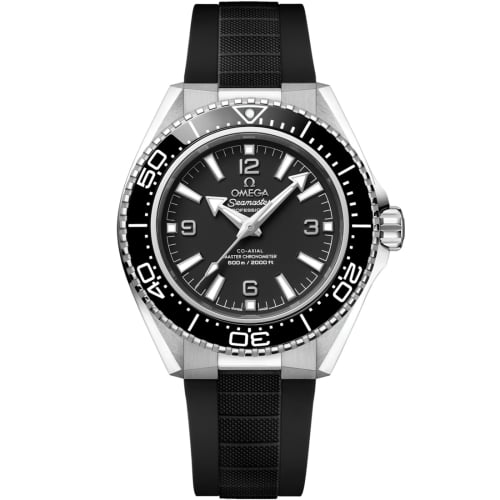
Omega
Seamaster Planet Ocean 600M Co-Axial 42 Stainless Steel - Black / Black / Rubber
Ref. 217.32.42.21.01.001
CN/A
EN/A
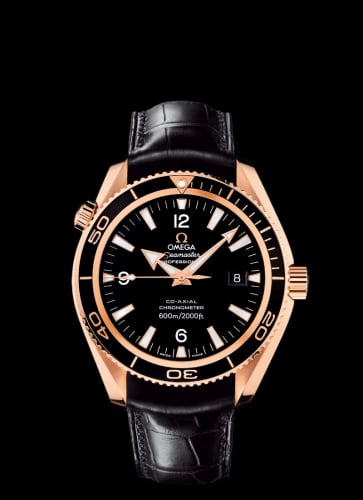
Omega
Seamaster Planet Ocean 600M Co-Axial 42 Red Gold / Black / Alligator
Ref. 222.63.42.20.01.001
CN/A
EN/A
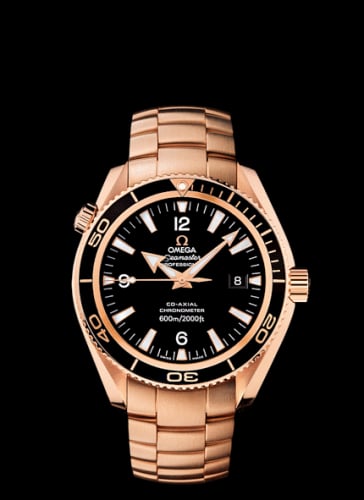
Omega
Seamaster Planet Ocean 600M Co-Axial 42 Red Gold / Black / Bracelet
Ref. 222.60.42.20.01.001
CN/A
EN/A
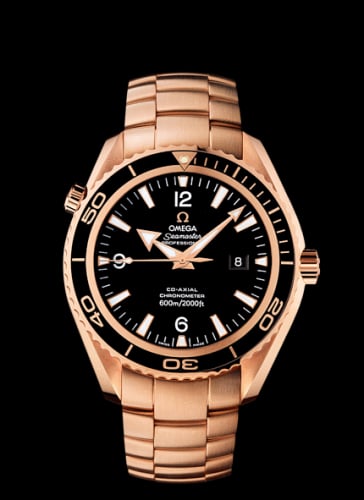
Omega
Seamaster Planet Ocean 600M Co-Axial 45.5 Red Gold / Black / Bracelet
Ref. 222.60.46.20.01.001
CN/A
EN/A
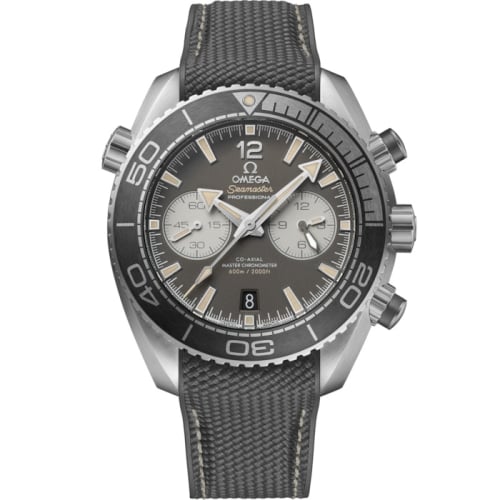
Omega
Seamaster Planet Ocean 600M Co-Axial 45.5 Master Chronometer Chronograph Stainless Steel / Green / Rubber
Ref. 215.32.46.51.01.004
CN/A
EN/A
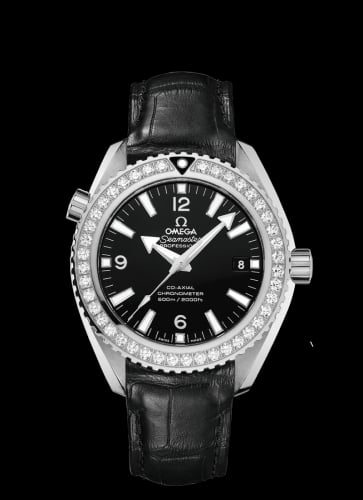
Omega
Seamaster Planet Ocean 600M Co-Axial 42 Stainless Steel / Diamond / Black / Alligator
Ref. 232.18.42.21.01.001
CN/A
EN/A
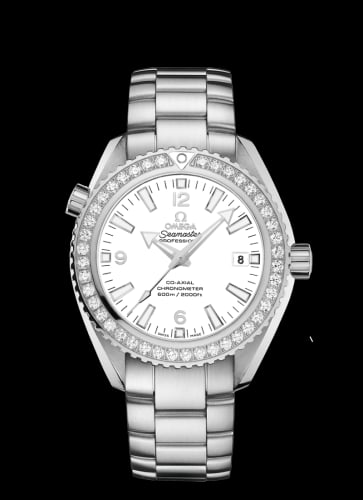
Omega
Seamaster Planet Ocean 600M Co-Axial 42 Stainless Steel / Diamond / White / Bracelet
Ref. 232.15.42.21.04.001
CN/A
EN/A
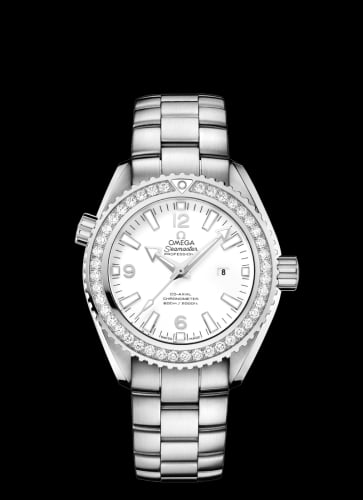
Omega
Seamaster Planet Ocean 600M Co-Axial 37.5 Stainless Steel / Diamond / White / Bracelet
Ref. 232.15.38.20.04.001
CN/A
EN/A
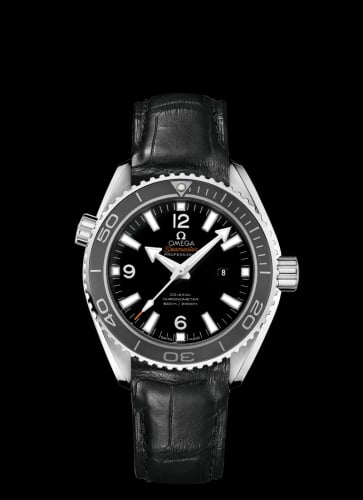
Omega
Seamaster Planet Ocean 600M Co-Axial 37.5 Stainless Steel / Black / Alligator
Ref. 232.33.38.20.01.001
CN/A
EN/A
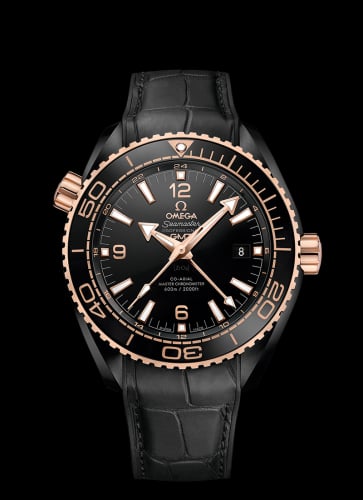
Omega
Seamaster Planet Ocean 600M Co-Axial 45.5 Master Chronometer GMT Deep Black Sedna
Ref. 215.63.46.22.01.001
CN/A
EN/A
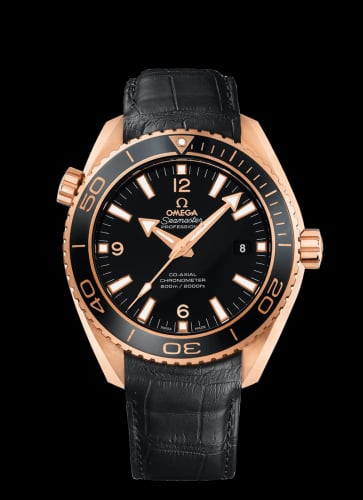
Omega
Seamaster Planet Ocean 600M Co-Axial 45.5 Red Gold / Ceragold / Alligator
Ref. 232.63.46.21.01.001
CN/A
EN/A
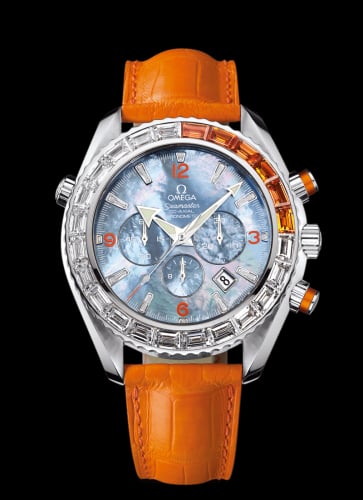
Omega
Seamaster Planet Ocean 600M Co-Axial 45.5 Chronograph Mécanique 6 Sapphires
Ref. 222.28.46.50.57.003
CN/A
EN/A
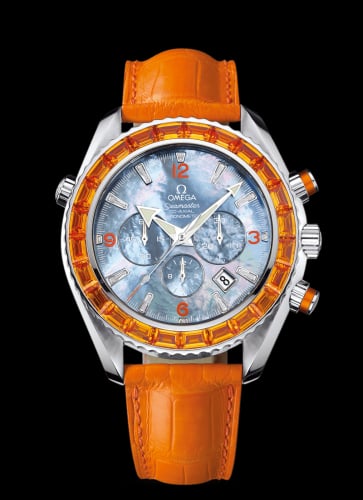
Omega
Seamaster Planet Ocean 600M Co-Axial 45.5 Chronograph Mécanique 24 Sapphires
Ref. 222.28.46.50.57.005
CN/A
EN/A
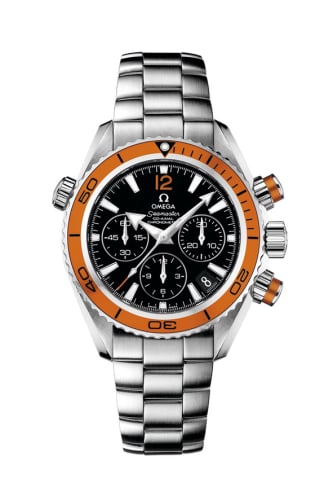
Omega
Seamaster Planet Ocean 600M Co-Axial 37.5 Chronograph Stainless Steel / Orange / Bracelet
Ref. 222.30.38.50.01.002
CN/A
EN/A
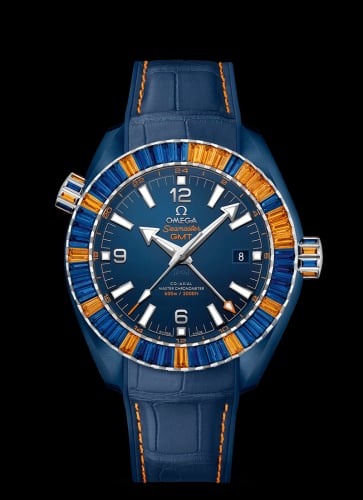
Omega
Seamaster Planet Ocean 600M Co-Axial 45.5 Master Chronometer GMT Deep Blue Sapphire
Ref. 215.98.46.22.03.001
CN/A
EN/A
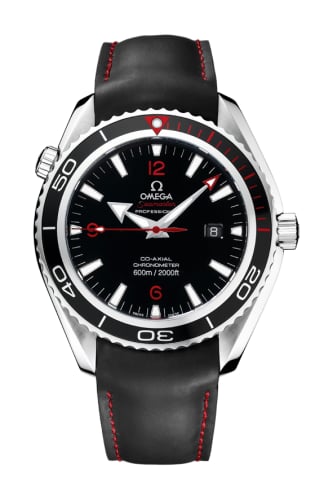
Omega
Seamaster Planet Ocean 600M Co-Axial 45.5 Stainless Steel / Black / Rubber / Product Red
Ref. 222.32.46.20.01.001
CN/A
EN/A
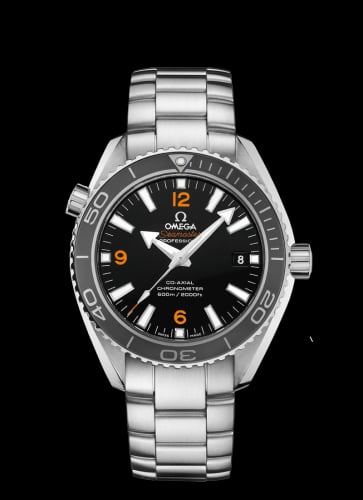
Omega
Seamaster Planet Ocean 600M Co-Axial 42 Stainless Steel / Orange Numerals / Bracelet / Panama
Ref. 232.30.42.21.01.005
CN/A
EN/A
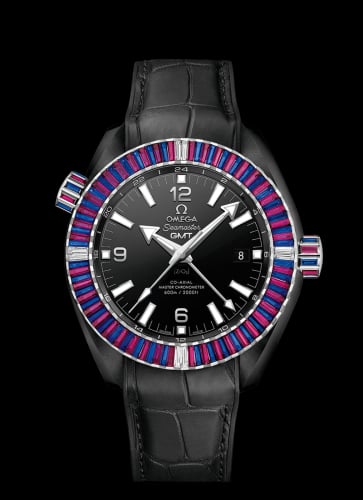
Omega
Seamaster Planet Ocean 600M Co-Axial 45.5 Master Chronometer GMT Deep Black Sapphire
Ref. 215.98.46.22.01.003
CN/A
EN/A
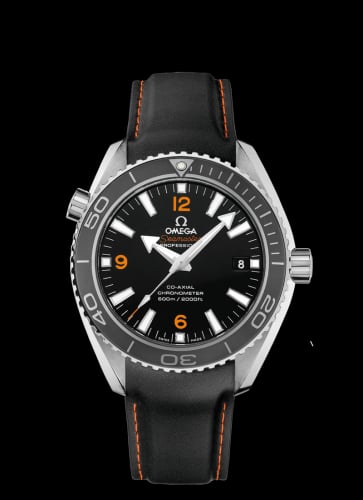
Omega
Seamaster Planet Ocean 600M Co-Axial 42 Stainless Steel / Orange Numerals / Rubber
Ref. 232.32.42.21.01.005
CN/A
EN/A
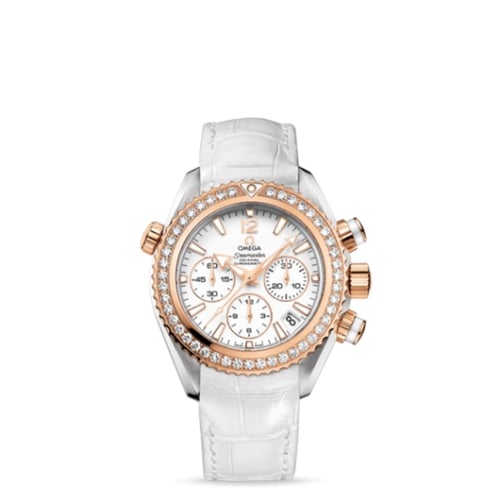
Omega
Seamaster Planet Ocean 600M Co-Axial 37.5 Chronograph Stainless Steel / Red Gold / Diamond / White / Alligator
Ref. 222.28.38.50.04.001
CN/A
EN/A
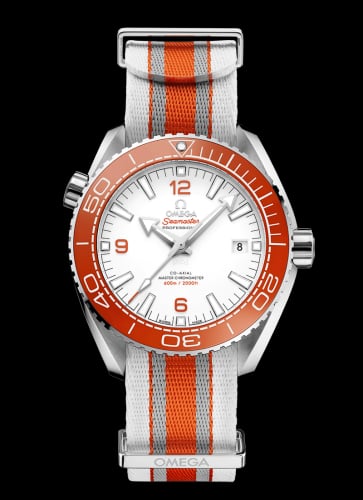
Omega
Seamaster Planet Ocean 600M Co-Axial 43.5 Master Chronometer Stainless Steel / White / NATO
Ref. 215.32.44.21.04.001
CN/A
EN/A
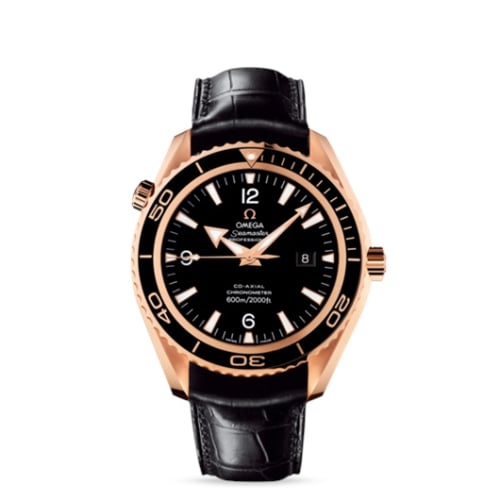
Omega
Seamaster Planet Ocean 600M Co-Axial 45.5 Red Gold / Black / Alligator
Ref. 222.63.46.20.01.001
CN/A
EN/A
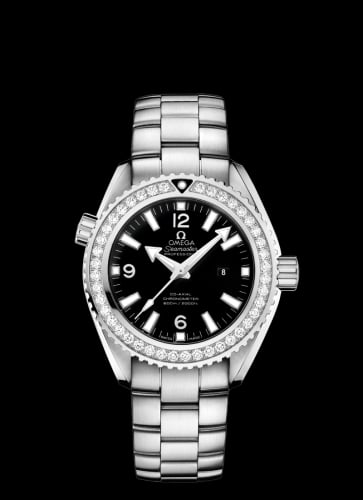
Omega
Seamaster Planet Ocean 600M Co-Axial 37.5 Stainless Steel / Diamond / Black / Bracelet
Ref. 232.15.38.20.01.001
CN/A
EN/A
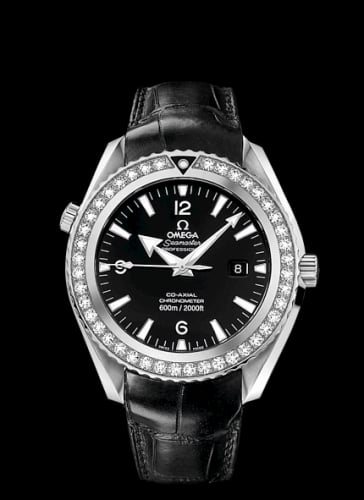
Omega
Seamaster Planet Ocean 600M Co-Axial 45.5 Stainless Steel / Diamond / Black / Alligator
Ref. 222.18.46.20.01.001
CN/A
EN/A
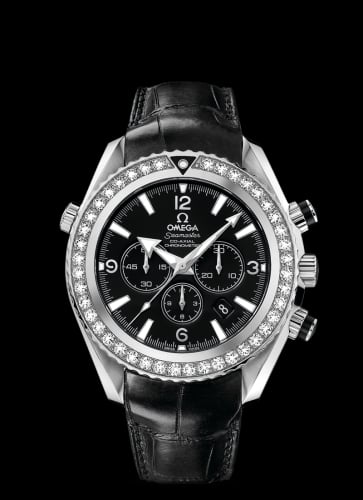
Omega
Seamaster Planet Ocean 600M Co-Axial 45.5 Chronograph Stainless Steel / Diamond / Black / Alligator
Ref. 222.18.46.50.01.001
CN/A
EN/A
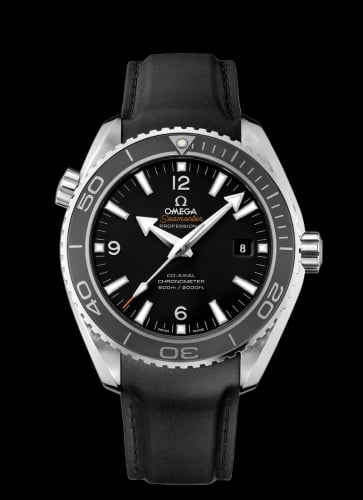
Omega
Seamaster Planet Ocean 600M Co-Axial 45.5 Stainless Steel / Black / Rubber
Ref. 232.32.46.21.01.003
CN/A
EN/A
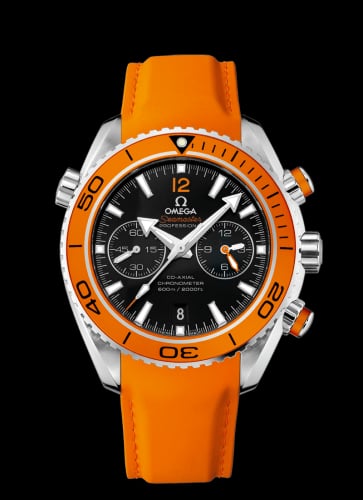
Omega
Seamaster Planet Ocean 600M Co-Axial 45.5 Chronograph Stainless Steel / Orange / Rubber
Ref. 232.32.46.51.01.001
CN/A
EN/A
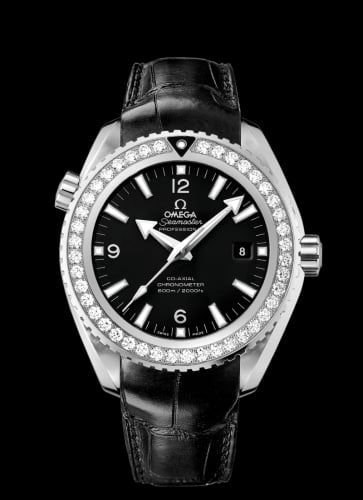
Omega
Seamaster Planet Ocean 600M Co-Axial 45.5 Stainless Steel / Diamond / Black / Alligator
Ref. 232.18.46.21.01.001
CN/A
EN/A
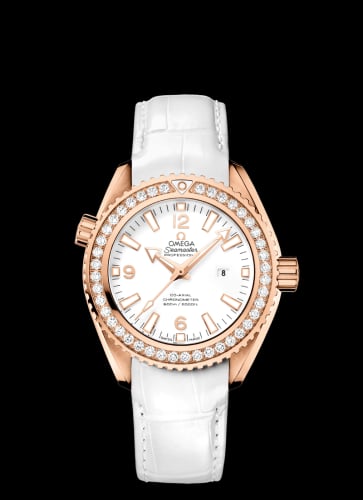
Omega
Seamaster Planet Ocean 600M Co-Axial 37.5 Red Gold / Diamond / White / Alligator
Ref. 232.58.38.20.04.001
CN/A
EN/A
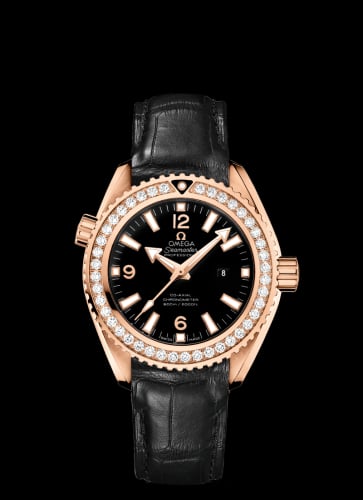
Omega
Seamaster Planet Ocean 600M Co-Axial 37.5 Red Gold / Diamond / Alligator
Ref. 232.58.38.20.01.001
CN/A
EN/A
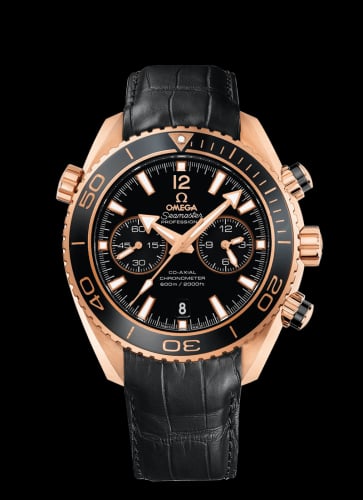
Omega
Seamaster Planet Ocean 600M Co-Axial 45.5 Chronograph Red Gold / Ceragold / Alligator
Ref. 232.63.46.51.01.001
CN/A
EN/A
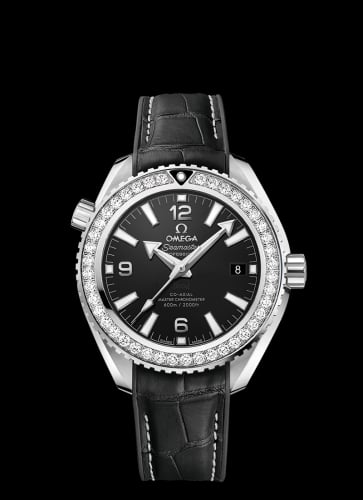
Omega
Seamaster Planet Ocean 600M Co-Axial 39.5 Master Chronometer Stainless Steel / Diamond / Black / Alligator
Ref. 215.18.40.20.01.001
CN/A
EN/A
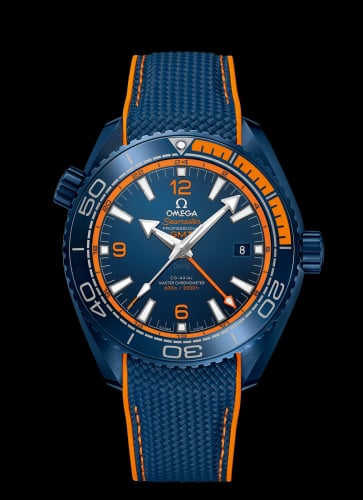
Omega
Seamaster Planet Ocean 600M Co-Axial 45.5 Master Chronometer GMT Big Blue
Ref. 215.92.46.22.03.001
CN/A
EN/A
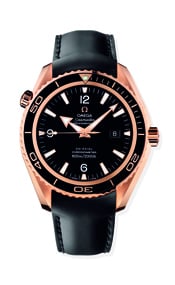
Omega
Seamaster Planet Ocean 600M Co-Axial 45.5 Red Gold / Black / Rubber
Ref. 222.62.46.20.01.001
CN/A
EN/A
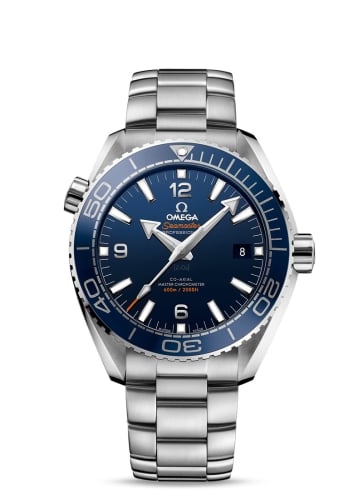
Omega
Seamaster Planet Ocean 600M Co-Axial 43.5 Master Chronometer Stainless Steel / Blue / Bracelet
Ref. 215.30.44.21.03.003
CN/A
EN/A
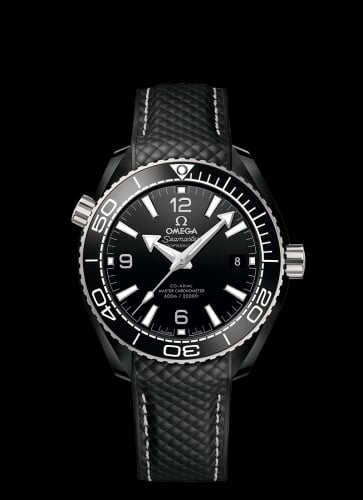
Omega
Seamaster Planet Ocean 600M Co-Axial 39.5 Master Chronometer Deep Black / Black / Strap
Ref. 215.92.40.20.01.001
CN/A
EN/A
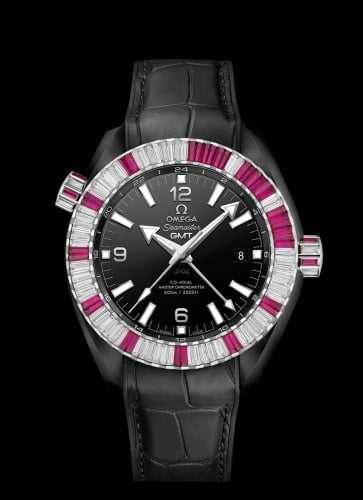
Omega
Seamaster Planet Ocean 600M Co-Axial 45.5 Master Chronometer GMT Deep Black Ruby
Ref. 215.98.46.22.01.002
CN/A
EN/A
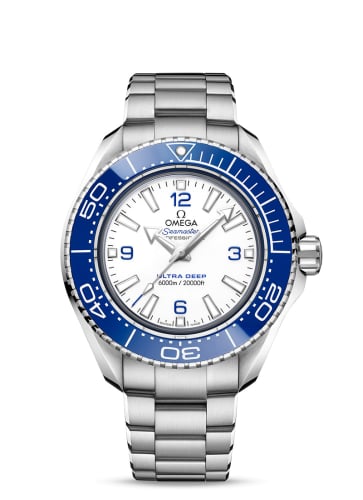
Omega
Seamaster Planet Ocean Ultra Deep O-Megasteel / White / Bracelet
Ref. 215.30.46.21.04.001
CN/A
EN/A
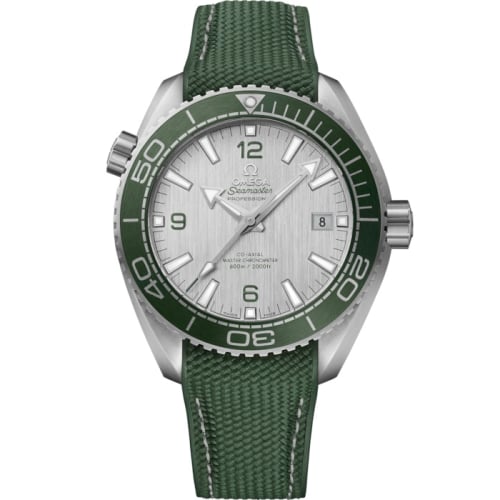
Omega
Seamaster Planet Ocean 600M Co-Axial 43.5 Master Chronometer Stainless Steel / Silver / Rubber
Ref. 215.32.44.21.06.001
CN/A
EN/A
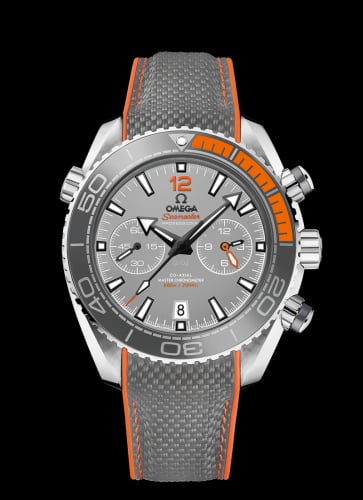
Omega
Seamaster Planet Ocean 600M Co-Axial 45.5 Master Chronometer Chronograph Titanium / Grey / Strap
Ref. 215.92.46.51.99.001
CN/A
EN/A
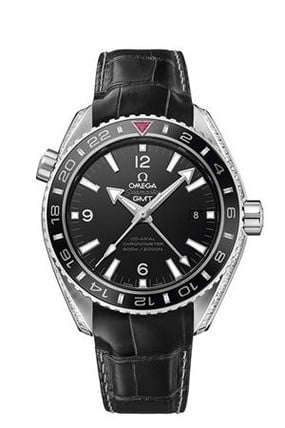
Omega
Seamaster Planet Ocean 600M Co-Axial 43.5 GMT Platinum / Diamond / Abu Dhabi
Ref. 232.98.44.22.01.005
CN/A
EN/A
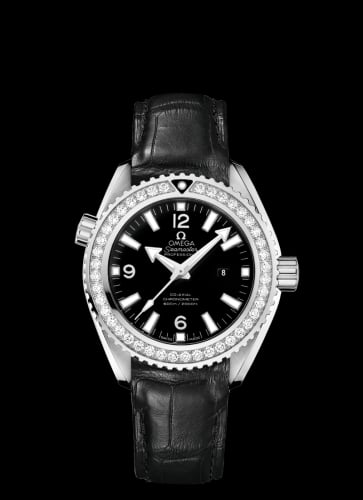
Omega
Seamaster Planet Ocean 600M Co-Axial 37.5 Stainless Steel / Diamond / Black / Alligator
Ref. 232.18.38.20.01.001
CN/A
EN/A
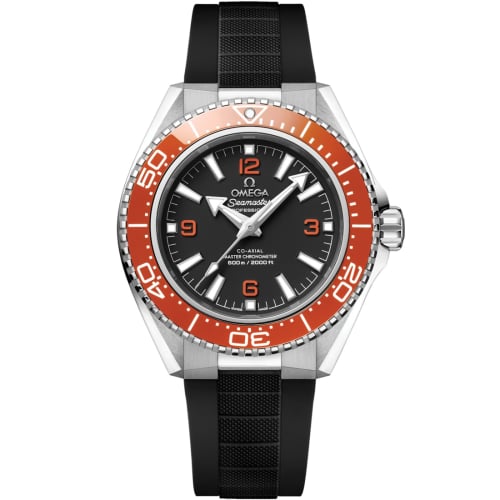
Omega
Seamaster Planet Ocean 600M Co-Axial 42 Stainless Steel - Orange / Black / Rubber
Ref. 217.32.42.21.01.003
CN/A
EN/A
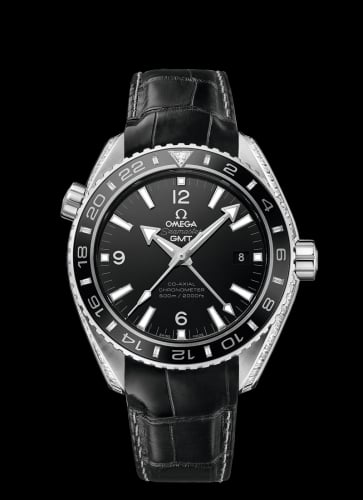
Omega
Seamaster Planet Ocean 600M Co-Axial 43.5 GMT Platinum / Diamond / Black / Alligator
Ref. 232.98.44.22.01.001
CN/A
EN/A
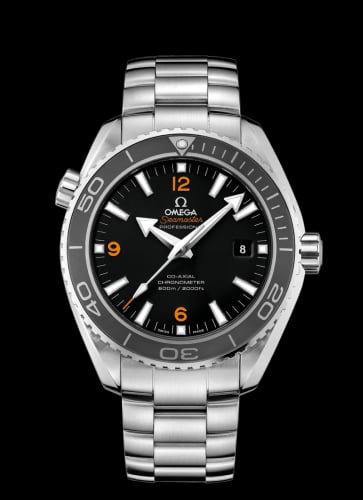
Omega
Seamaster Planet Ocean 600M Co-Axial 45.5 Stainless Steel / Orange Numerals / Bracelet
Ref. 232.30.46.21.01.003
CN/A
EN/A
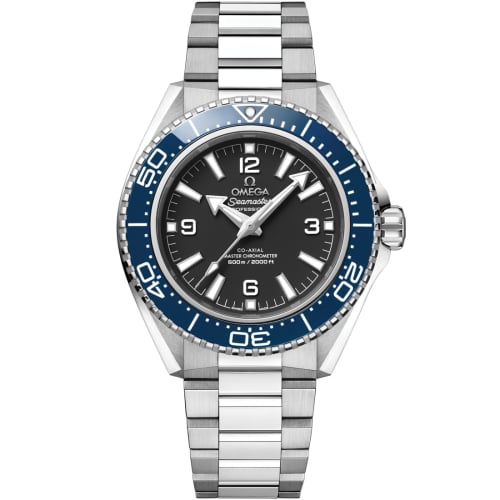
Omega
Seamaster Planet Ocean 600M Co-Axial 42 Stainless Steel - Blue / Black / Bracelet
Ref. 217.30.42.21.01.002
CN/A
EN/A
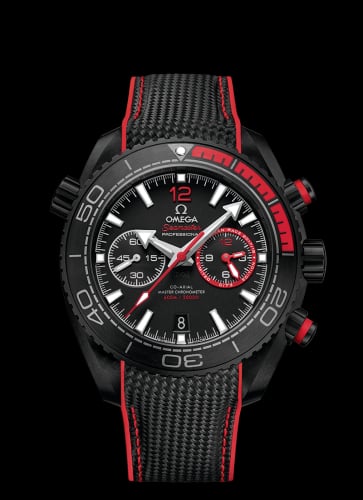
Omega
Seamaster Planet Ocean 600M Co-Axial 45.5 Master Chronometer Chronograph Deep Black Red / Volvo Ocean Race
Ref. 215.92.46.51.01.002
CN/A
EN/A
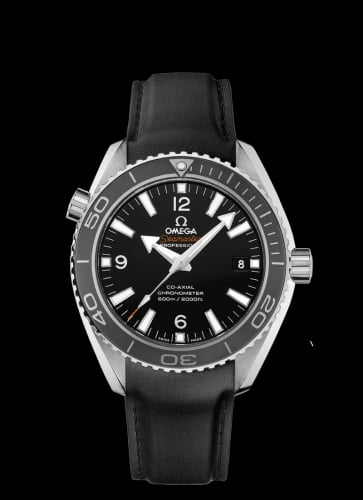
Omega
Seamaster Planet Ocean 600M Co-Axial 42 Stainless Steel / Black / Rubber
Ref. 232.32.42.21.01.003
CN/A
EN/A
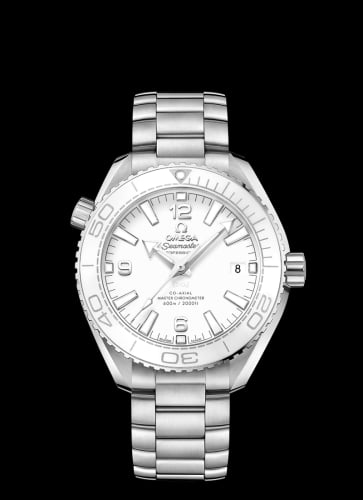
Omega
Seamaster Planet Ocean 600M Co-Axial 39.5 Master Chronometer Stainless Steel / White / Bracelet
Ref. 215.30.40.20.04.001
CN/A
EN/A
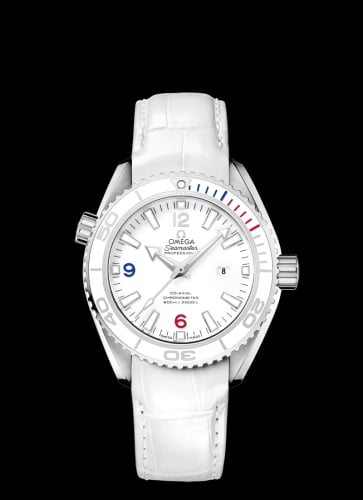
Omega
Seamaster Planet Ocean 600M Co-Axial 37.5 Olympic Collection Sochi 2014
Ref. 522.33.38.20.04.001
CN/A
EN/A
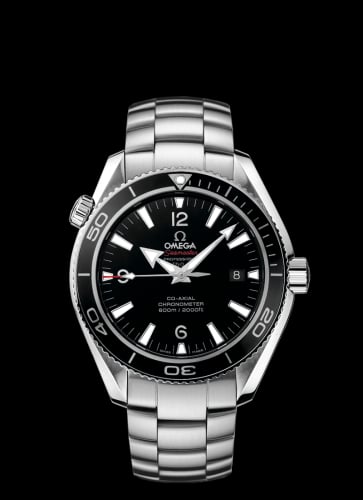
Omega
Seamaster Planet Ocean 600M Co-Axial 42 Stainless Steel / LiquidMetal / Bracelet
Ref. 222.30.42.20.01.001
CN/A
EN/A
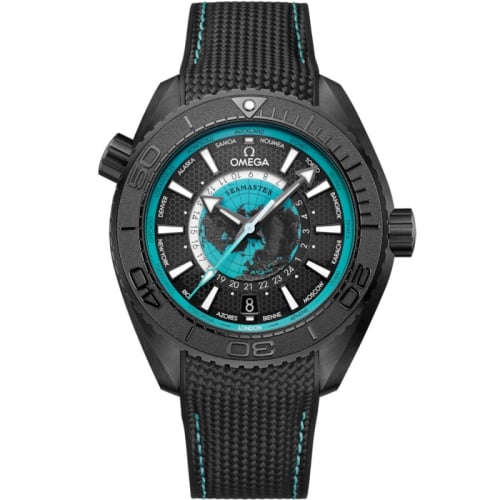
Omega
Seamaster Planet Ocean 600M Co-Axial Worldtimer 45.5 Master Chronometer GMT Ceramic / Black - Turquoise / Rubber
Ref. 215.92.46.22.01.006
CN/A
EN/A
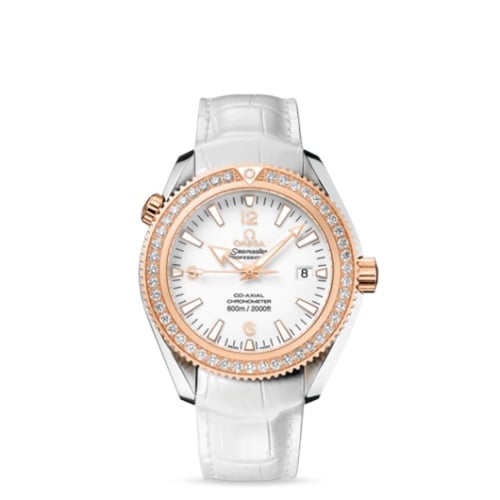
Omega
Seamaster Planet Ocean 600M Co-Axial 42 Stainless Steel / Red Gold / Diamond / White / Alligator
Ref. 222.28.42.20.04.001
CN/A
EN/A
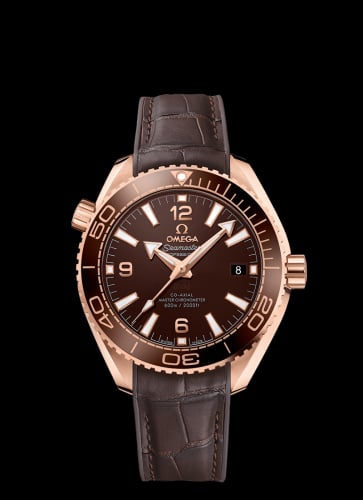
Omega
Seamaster Planet Ocean 600M Co-Axial 39.5 Master Chronometer Sedna Gold / Chocolate / Alligator
Ref. 215.63.40.20.13.001
CN/A
EN/A
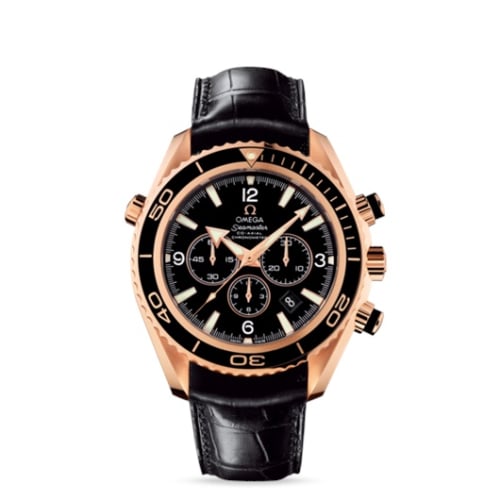
Omega
Seamaster Planet Ocean 600M Co-Axial 45.5 Chronograph Red Gold / Black / Alligator
Ref. 222.63.46.50.01.001
CN/A
EN/A
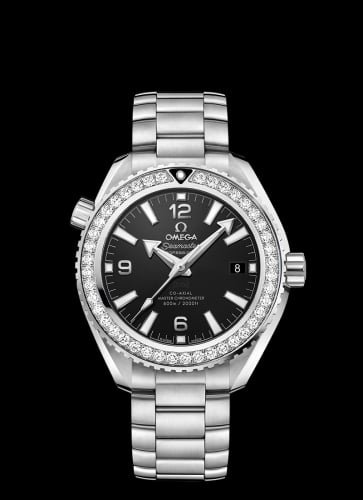
Omega
Seamaster Planet Ocean 600M Co-Axial 39.5 Master Chronometer Stainless Steel / Diamond / Black / Bracelet
Ref. 215.15.40.20.01.001
CN/A
EN/A
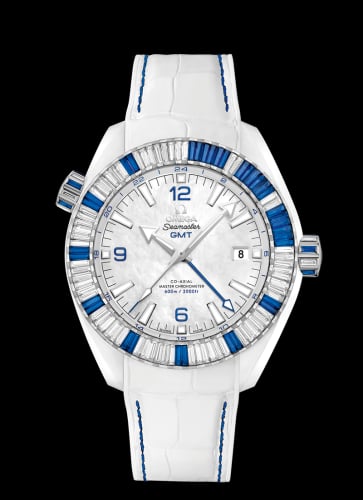
Omega
Seamaster Planet Ocean 600M Co-Axial 45.5 Master Chronometer GMT Deep White Sapphire
Ref. 215.98.46.22.05.001
CN/A
EN/A
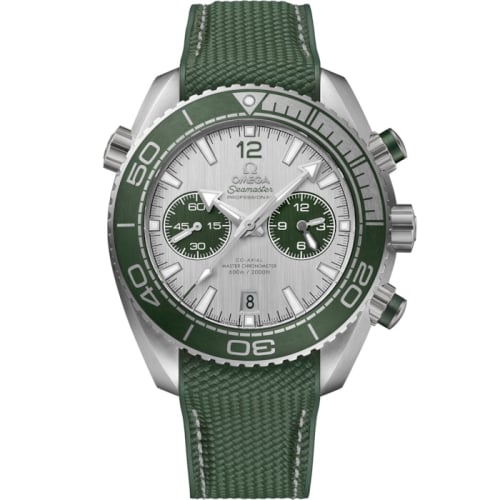
Omega
Seamaster Planet Ocean 600M Co-Axial 45.5 Master Chronometer Chronograph Stainless Steel / Silver / Rubber
Ref. 215.32.46.51.06.001
CN/A
EN/A
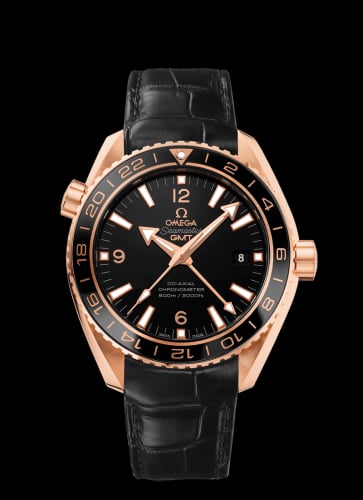
Omega
Seamaster Planet Ocean 600M Co-Axial 43.5 GMT Red Gold / Ceragold / Alligator
Ref. 232.63.44.22.01.001
CN/A
EN/A
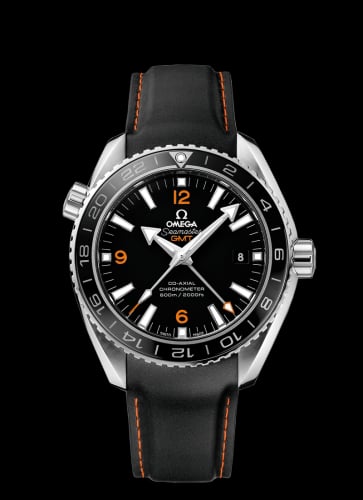
Omega
Seamaster Planet Ocean 600M Co-Axial 43.5 GMT Stainless Steel / Orange Numerals / Rubber
Ref. 232.32.44.22.01.002
CN/A
EN/A
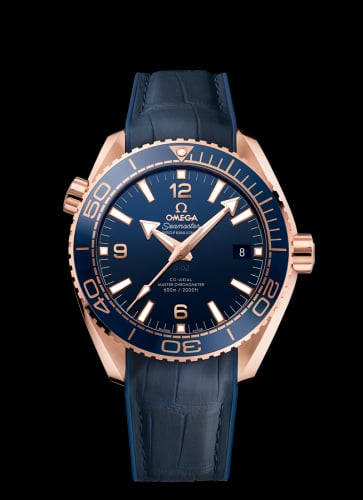
Omega
Seamaster Planet Ocean 600M Co-Axial 43.5 Master Chronometer Sedna Gold / Blue / Strap
Ref. 215.63.44.21.03.001
CN/A
EN/A
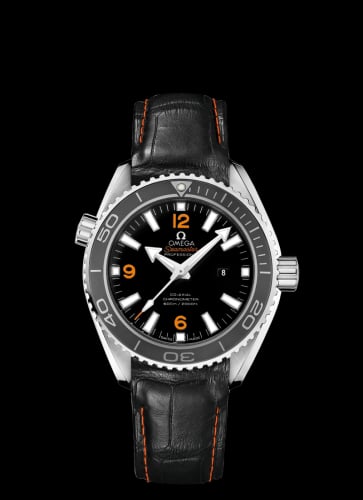
Omega
Seamaster Planet Ocean 600M Co-Axial 37.5 Stainless Steel / Orange Numerals / Alligator
Ref. 232.33.38.20.01.002
CN/A
EN/A
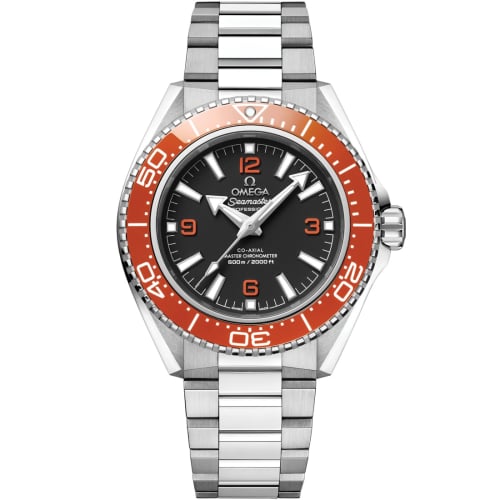
Omega
Seamaster Planet Ocean 600M Co-Axial 42 Stainless Steel - Orange / Black / Bracelet
Ref. 217.30.42.21.01.003
CN/A
EN/A
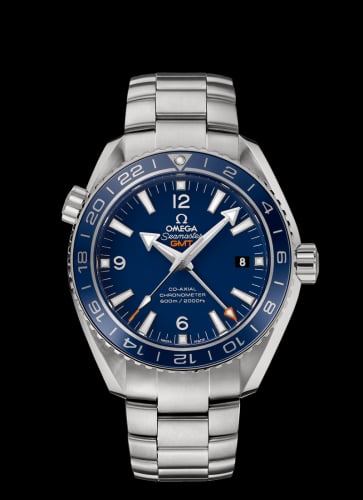
Omega
Seamaster Planet Ocean 600M Co-Axial 43.5 GMT Titanium / Blue / Bracelet
Ref. 232.90.44.22.03.001
CN/A
EN/A
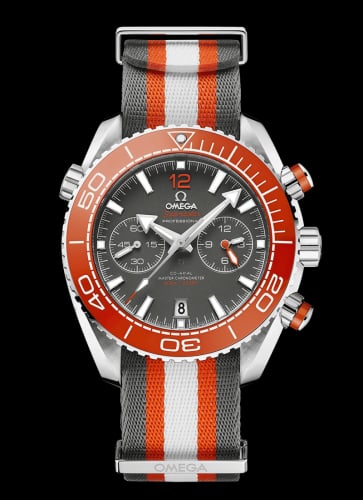
Omega
Seamaster Planet Ocean 600M Co-Axial 45.5 Master Chronometer Chronograph Stainless Steel / Grey / NATO
Ref. 215.32.46.51.99.001
CN/A
EN/A
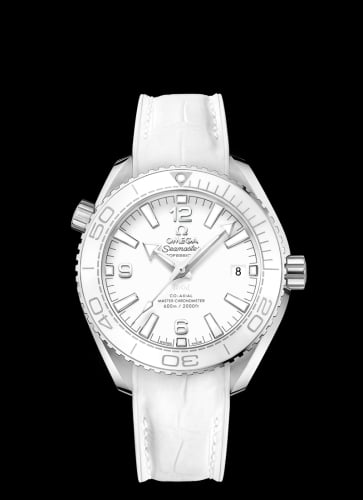
Omega
Seamaster Planet Ocean 600M Co-Axial 39.5 Master Chronometer Stainless Steel / White / Alligator
Ref. 215.33.40.20.04.001
CN/A
EN/A
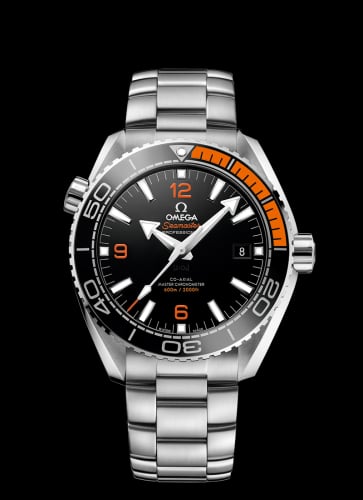
Omega
Seamaster Planet Ocean 600M Co-Axial 43.5 Master Chronometer Stainless Steel / Orange / Bracelet
Ref. 215.30.44.21.01.002
CN/A
EN/A
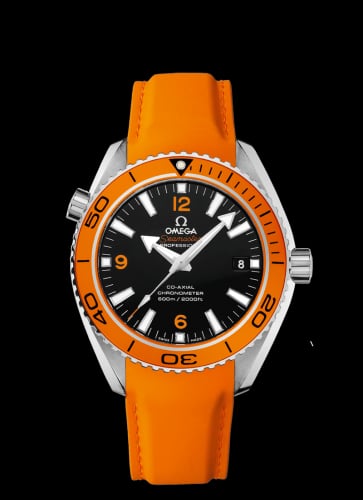
Omega
Seamaster Planet Ocean 600M Co-Axial 42 Stainless Steel / Orange / Orange Rubber
Ref. 232.32.42.21.01.001
CN/A
EN/A
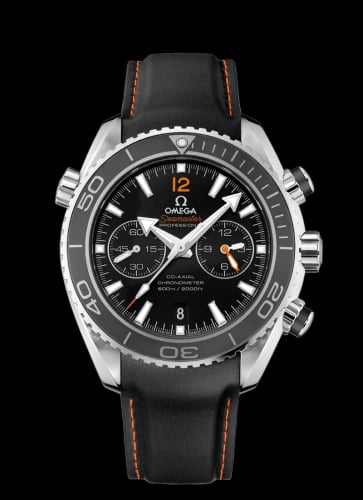
Omega
Seamaster Planet Ocean 600M Co-Axial 45.5 Chronograph Stainless Steel / Orange Numerals / Rubber
Ref. 232.32.46.51.01.005
CN/A
EN/A
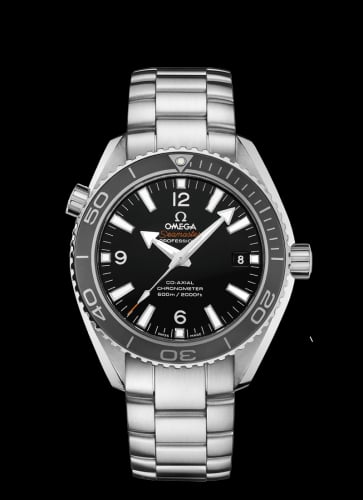
Omega
Seamaster Planet Ocean 600M Co-Axial 42 Stainless Steel / Black / Bracelet / SBS
Ref. 232.30.42.21.01.006
CN/A
EN/A
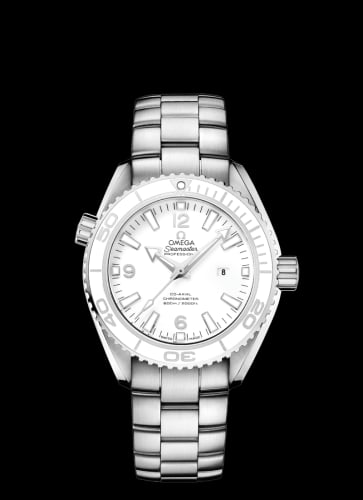
Omega
Seamaster Planet Ocean 600M Co-Axial 37.5 Stainless Steel / White / Bracelet
Ref. 232.30.38.20.04.001
CN/A
EN/A
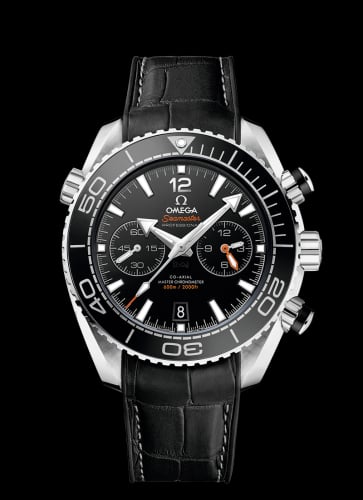
Omega
Seamaster Planet Ocean 600M Co-Axial 45.5 Master Chronometer Chronograph Stainless Steel / Black / Alligator
Ref. 215.33.46.51.01.001
CN/A
EN/A
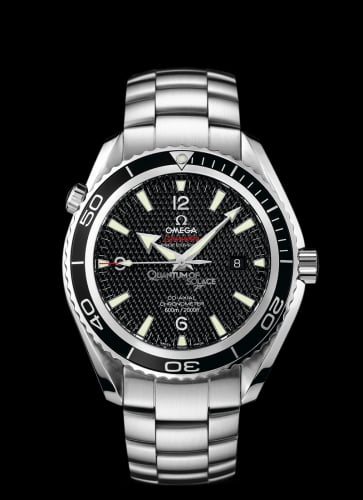
Omega
Seamaster Planet Ocean 600M Co-Axial 45.5 Stainless Steel / Black / Bracelet / Quantum of Solace
Ref. 222.30.46.20.01.001
CN/A
EN/A
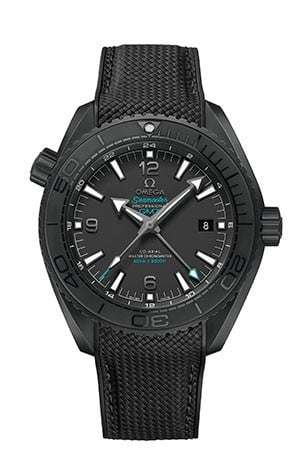
Omega
Seamaster Planet Ocean 600M Co-Axial 45.5 Master Chronometer GMT Deep Black Casamigos
Ref. 215.92.46.22.01.005
CN/A
EN/A
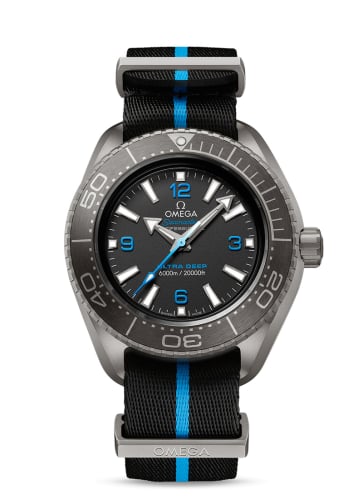
Omega
Seamaster Planet Ocean Ultra Deep Titanium / Black / Nato
Ref. 215.92.46.21.01.001
CN/A
EN/A
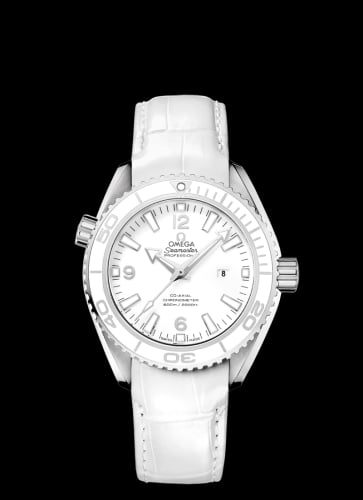
Omega
Seamaster Planet Ocean 600M Co-Axial 37.5 Stainless Steel / White / Alligator
Ref. 232.33.38.20.04.001
CN/A
EN/A
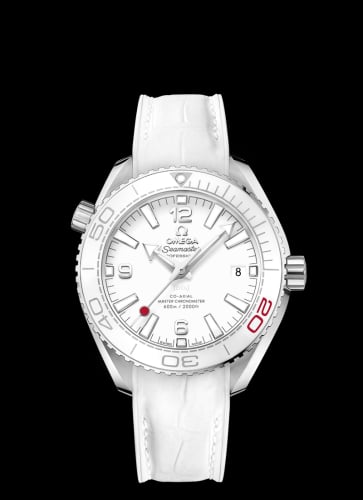
Omega
Seamaster Planet Ocean 600M Co-Axial 39.5 Master Chronometer Stainless Steel / White / Alligator
Ref. 522.33.40.20.04.001
CN/A
EN/A
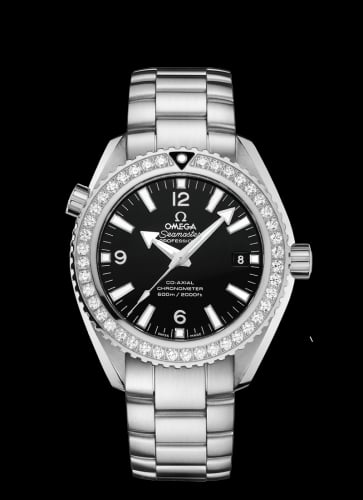
Omega
Seamaster Planet Ocean 600M Co-Axial 42 Stainless Steel / Diamond / Black / Bracelet
Ref. 232.15.42.21.01.001
CN/A
EN/A
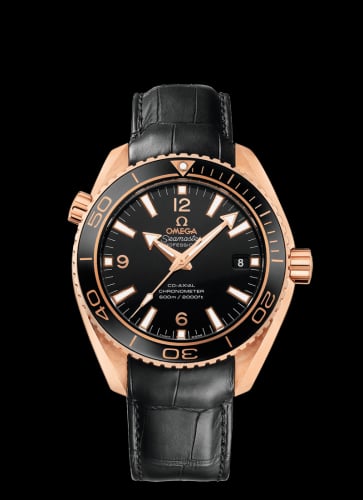
Omega
Seamaster Planet Ocean 600M Co-Axial 42 Red Gold / Black / Alligator
Ref. 232.63.42.21.01.001
CN/A
EN/A
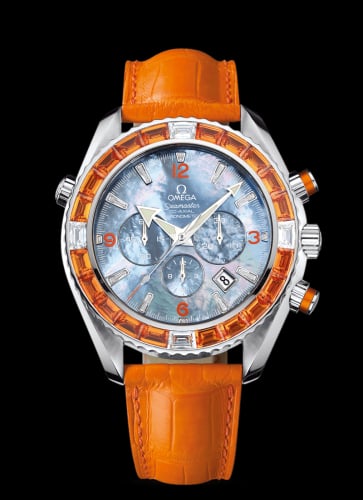
Omega
Seamaster Planet Ocean 600M Co-Axial 45.5 Chronograph Mécanique 20 Sapphires
Ref. 222.28.46.50.57.004
CN/A
EN/A
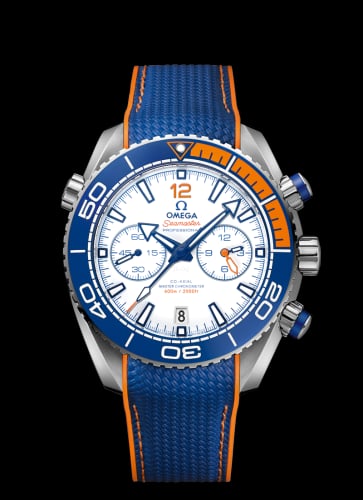
Omega
Seamaster Planet Ocean 600M Co-Axial 45.5 Master Chronometer Chronograph Stainless Steel / White / Rubber / Michael Phelps
Ref. 215.32.46.51.04.001
CN/A
EN/A
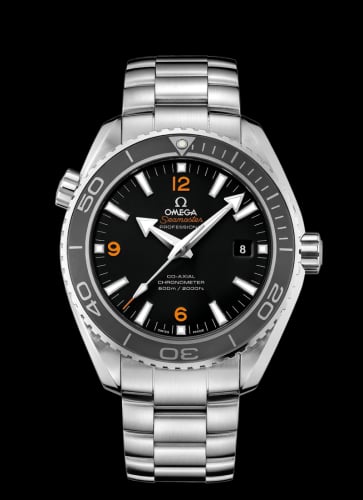
Omega
Seamaster Planet Ocean 600M Co-Axial 45.5 Stainless Steel / Orange Numerals / Bracelet / Panama Canal
Ref. 232.30.46.21.01.005
CN/A
EN/A
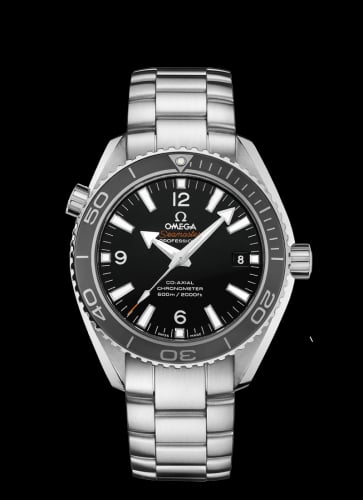
Omega
Seamaster Planet Ocean 600M Co-Axial 42 Stainless Steel / Black / Bracelet
Ref. 232.30.42.21.01.001
CN/A
EN/A
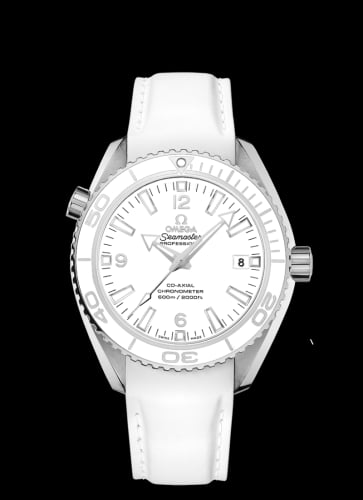
Omega
Seamaster Planet Ocean 600M Co-Axial 42 Stainless Steel / White / Rubber
Ref. 232.32.42.21.04.001
CN/A
EN/A
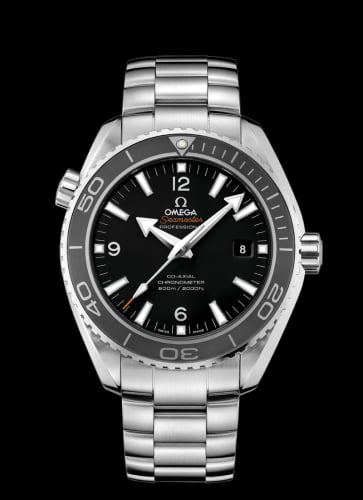
Omega
Seamaster Planet Ocean 600M Co-Axial 45.5 Stainless Steel / Black / Bracelet / SAS
Ref. 232.30.46.21.01.006
CN/A
EN/A
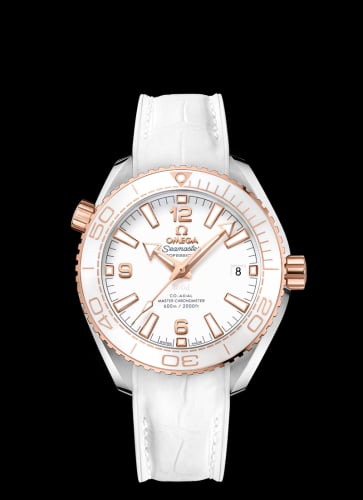
Omega
Seamaster Planet Ocean 600M Co-Axial 39.5 Master Chronometer Stainless Steel / Sedna Gold / White / Alligator
Ref. 215.23.40.20.04.001
CN/A
EN/A
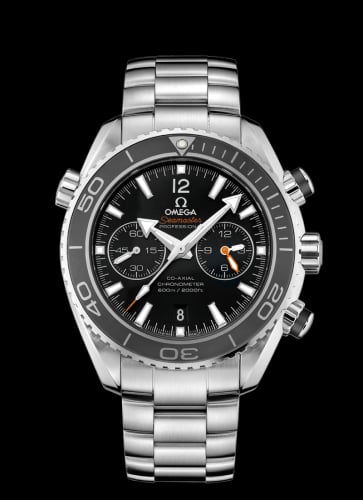
Omega
Seamaster Planet Ocean 600M Co-Axial 45.5 Chronograph Stainless Steel / Black / Bracelet
Ref. 232.30.46.51.01.001
CN/A
EN/A
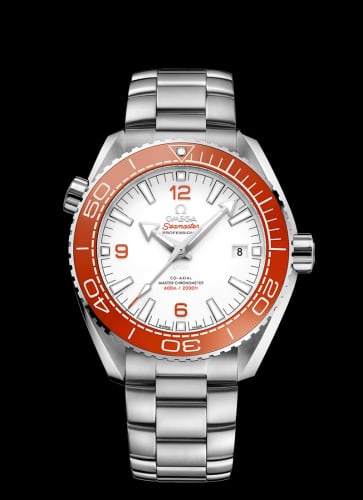
Omega
Seamaster Planet Ocean 600M Co-Axial 43.5 Master Chronometer Stainless Steel / White / Bracelet
Ref. 215.30.44.21.04.001
CN/A
EN/A
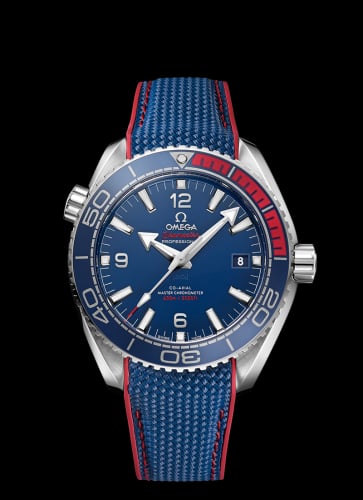
Omega
Seamaster Planet Ocean 600M Co-Axial 43.5 Master Chronometer Stainless Steel / Blue / Rubber / PyeongChang 2018
Ref. 522.32.44.21.03.001
CN/A
EN/A
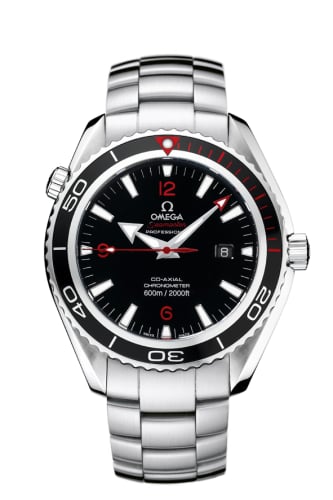
Omega
Seamaster Planet Ocean 600M Co-Axial 45.5 Stainless Steel / Black / Bracelet / Product Red
Ref. 222.30.46.20.01.002
CN/A
EN/A
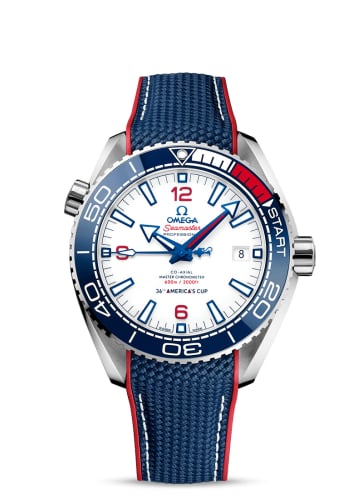
Omega
Seamaster Planet Ocean 600M Co-Axial 43.5 Master Chronometer Stainless Steel / White / America's Cup
Ref. 215.32.43.21.04.001
CN/A
EN/A
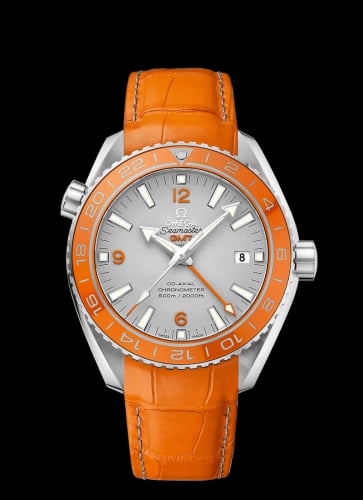
Omega
Seamaster Planet Ocean 600M Co-Axial 43.5 GMT Platinum / Orange / Alligator
Ref. 232.93.44.22.99.001
CN/A
EN/A
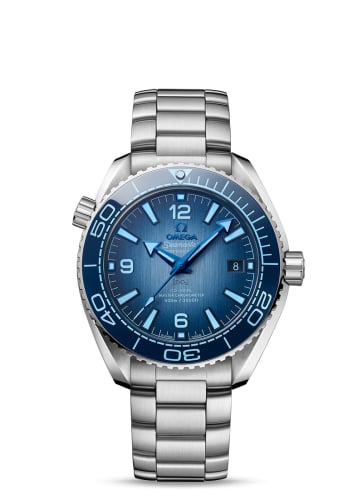
Omega
Seamaster Planet Ocean 600M Co-Axial 39.5 Master Chronometer Stainless Steel / Blue / Bracelet
Ref. 215.30.40.20.03.002
CN/A
EN/A
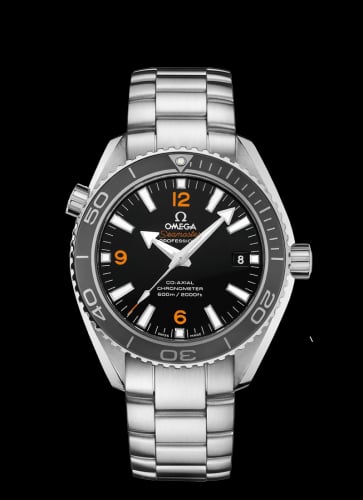
Omega
Seamaster Planet Ocean 600M Co-Axial 42 Stainless Steel / Orange Numerals / Bracelet
Ref. 232.30.42.21.01.003
CN/A
EN/A
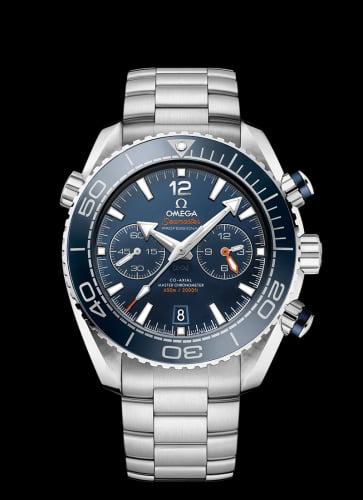
Omega
Seamaster Planet Ocean 600M Co-Axial 45.5 Master Chronometer Chronograph Stainless Steel / Blue / Bracelet
Ref. 215.30.46.51.03.001
CN/A
EN/A
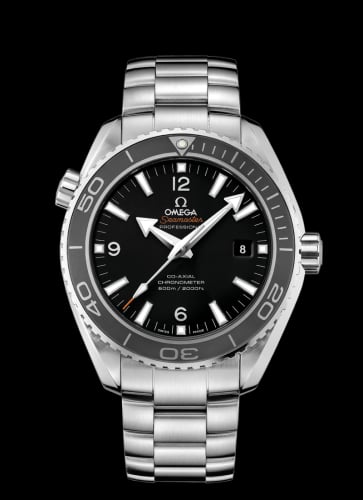
Omega
Seamaster Planet Ocean 600M Co-Axial 45.5 Stainless Steel / Black / Bracelet
Ref. 232.30.46.21.01.001
CN/A
EN/A
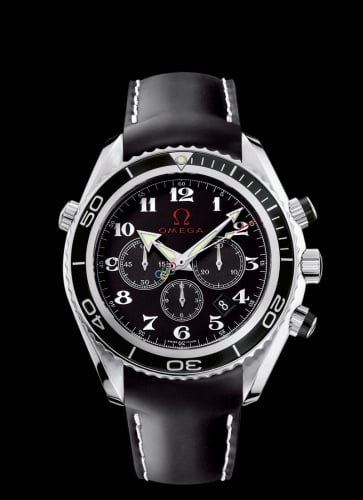
Omega
Seamaster Planet Ocean 600M Co-Axial 45.5 Chronograph Stainless Steel / Black / Rubber / Olympic Timeless
Ref. 222.32.46.50.01.001
CN/A
EN/A
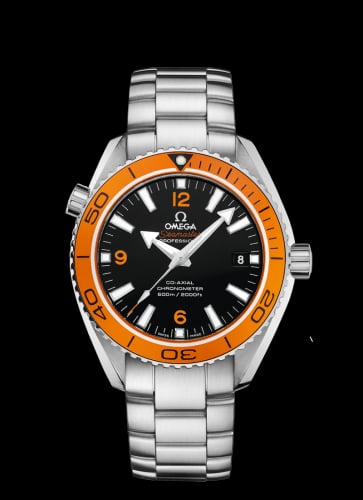
Omega
Seamaster Planet Ocean 600M Co-Axial 42 Stainless Steel / Orange / Bracelet
Ref. 232.30.42.21.01.002
CN/A
EN/A
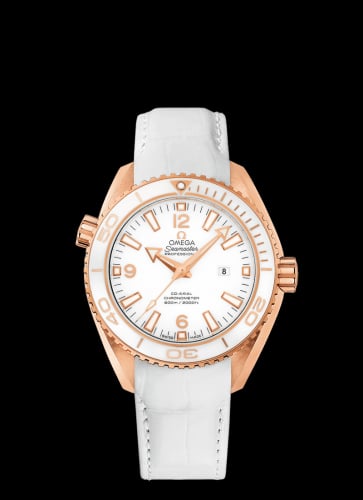
Omega
Seamaster Planet Ocean 600M Co-Axial 37.5 Red Gold / White Planet St. Moritz
Ref. 232.63.38.20.04.001
CN/A
EN/A
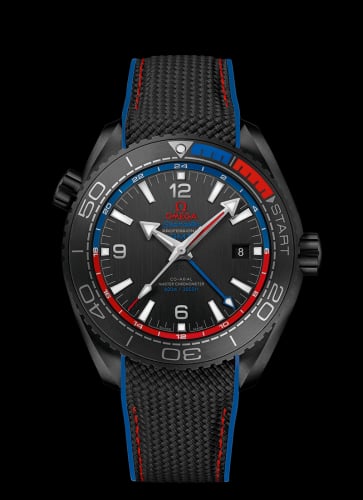
Omega
Seamaster Planet Ocean 600M Co-Axial 45.5 Master Chronometer GMT Deep Black ETNZ
Ref. 215.92.46.22.01.004
CN/A
EN/A
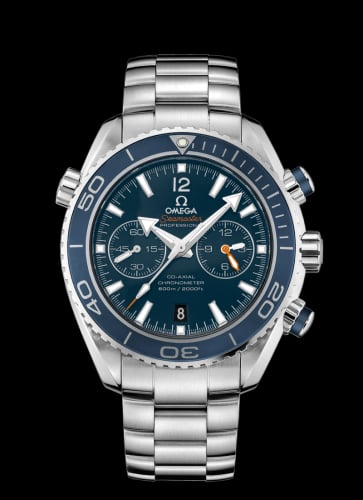
Omega
Seamaster Planet Ocean 600M Co-Axial 45.5 Chronograph Titanium / Liquidmetal / Bracelet
Ref. 232.90.46.51.03.001
CN/A
EN/A
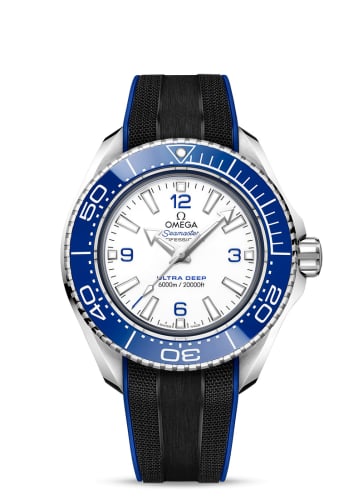
Omega
Seamaster Planet Ocean Ultra Deep O-Megasteel / White / Rubber
Ref. 215.32.46.21.04.001
CN/A
EN/A
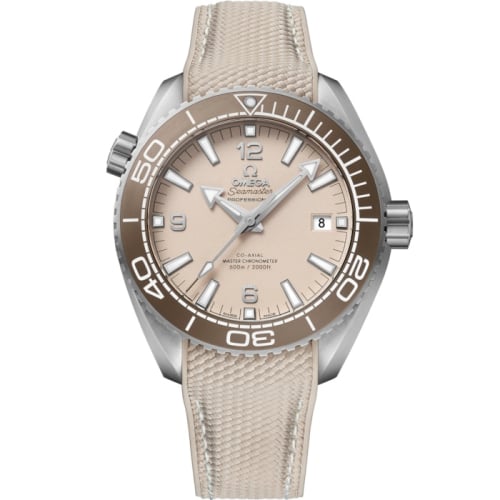
Omega
Seamaster Planet Ocean 600M Co-Axial 43.5 Master Chronometer Stainless Steel / Beige / Rubber
Ref. 215.32.44.21.09.001
CN/A
EN/A
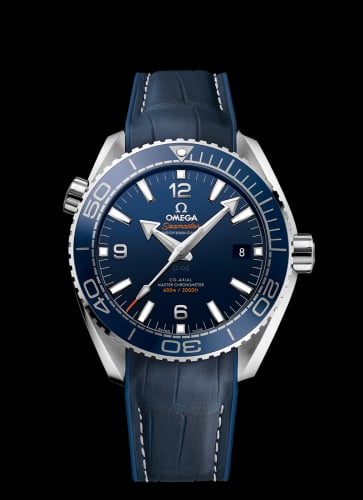
Omega
Seamaster Planet Ocean 600M Co-Axial 43.5 Master Chronometer Stainless Steel / Blue / Alligator
Ref. 215.33.44.21.03.001
CN/A
EN/A
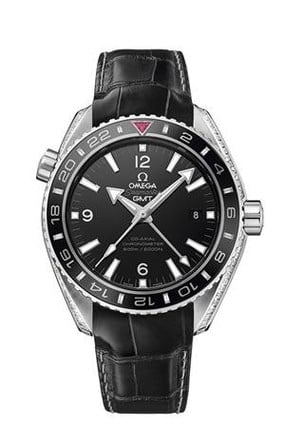
Omega
Seamaster Planet Ocean 600M Co-Axial 43.5 GMT Platinum / Diamond / Qatar
Ref. 232.98.44.22.01.003
CN/A
EN/A
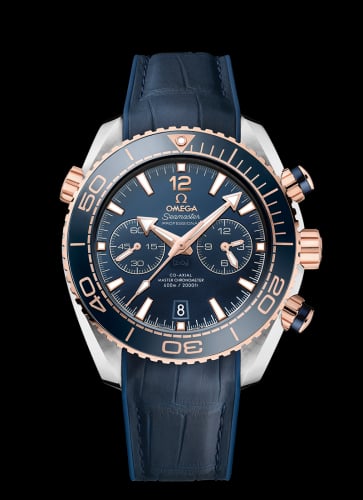
Omega
Seamaster Planet Ocean 600M Co-Axial 45.5 Master Chronometer Chronograph Stainless Steel / Sedna Gold / Blue / Alligator
Ref. 215.23.46.51.03.001
CN/A
EN/A
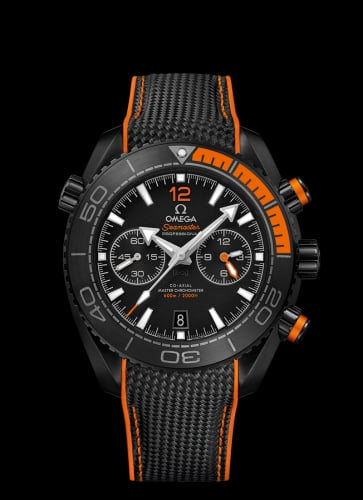
Omega
Seamaster Planet Ocean 600M Co-Axial 45.5 Master Chronometer Chronograph Deep Black Orange
Ref. 215.92.46.51.01.001
CN/A
EN/A
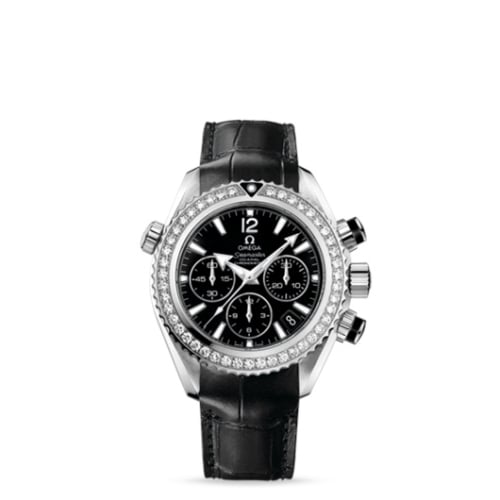
Omega
Seamaster Planet Ocean 600M Co-Axial 37.5 Chronograph Stainless Steel / Diamond / Black / Alligator
Ref. 222.18.38.50.01.001
CN/A
EN/A
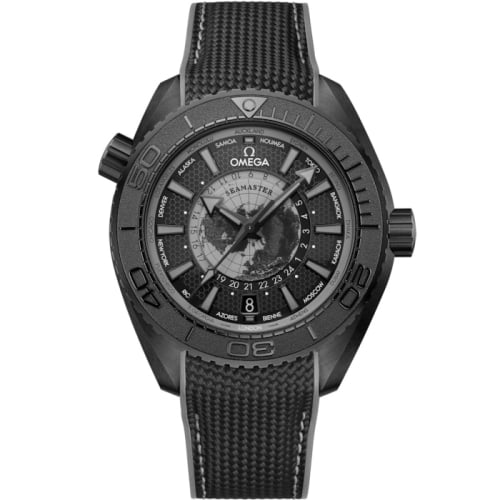
Omega
Seamaster Planet Ocean 600M Co-Axial Worldtimer 45.5 Master Chronometer GMT Ceramic / Black - Grey / Rubber
Ref. 215.92.46.22.01.007
CN/A
EN/A
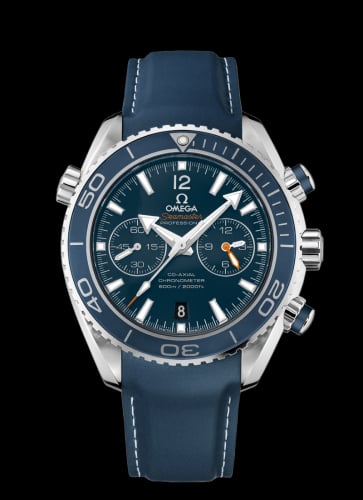
Omega
Seamaster Planet Ocean 600M Co-Axial 45.5 Chronograph Titanium / Liquidmetal / Rubber
Ref. 232.92.46.51.03.001
CN/A
EN/A
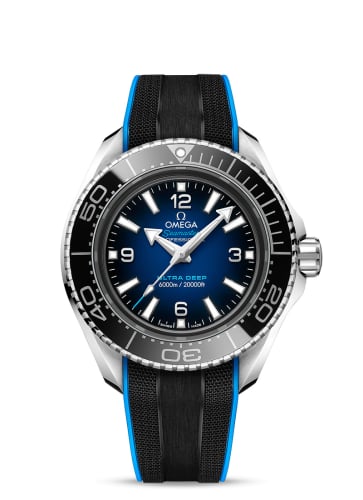
Omega
Seamaster Planet Ocean Ultra Deep O-Megasteel / Blue / Rubber
Ref. 215.32.46.21.03.001
CN/A
EN/A
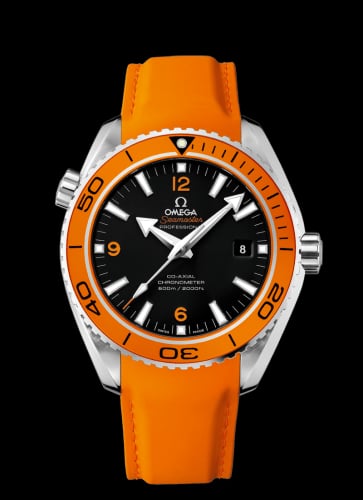
Omega
Seamaster Planet Ocean 600M Co-Axial 45.5 Stainless Steel / Orange / Orange Rubber
Ref. 232.32.46.21.01.001
CN/A
EN/A
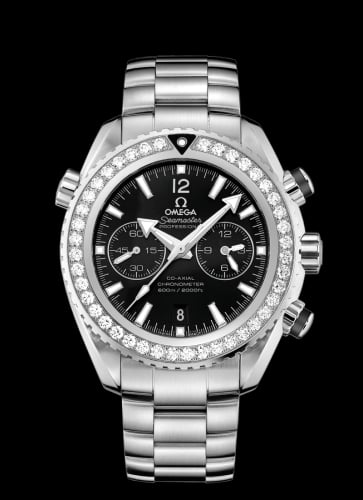
Omega
Seamaster Planet Ocean 600M Co-Axial 45.5 Chronograph Stainless Steel / Diamond / Black / Bracelet
Ref. 232.15.46.51.01.001
CN/A
EN/A
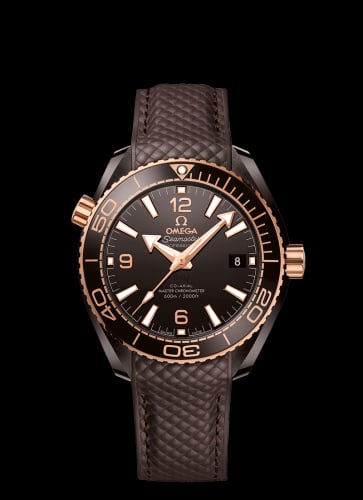
Omega
Seamaster Planet Ocean 600M Co-Axial 39.5 Master Chronometer Deep Brown / Brown / Strap
Ref. 215.62.40.20.13.001
CN/A
EN/A
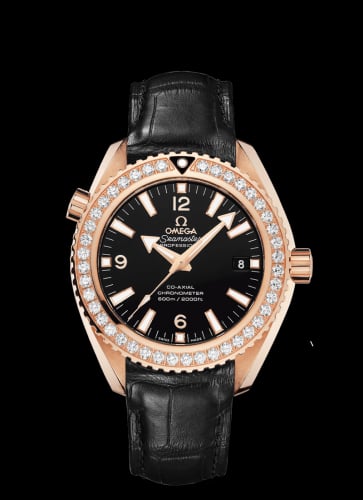
Omega
Seamaster Planet Ocean 600M Co-Axial 42 Red Gold / Diamond / Alligator
Ref. 232.58.42.21.01.001
CN/A
EN/A
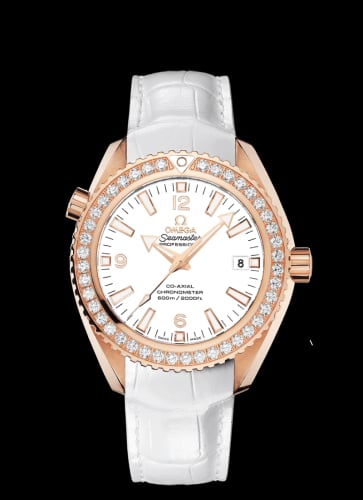
Omega
Seamaster Planet Ocean 600M Co-Axial 42 Red Gold / Diamond / White / Alligator
Ref. 232.58.42.21.04.001
CN/A
EN/A
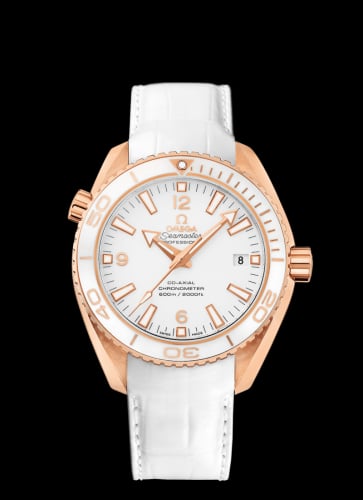
Omega
Seamaster Planet Ocean 600M Co-Axial 42 Red Gold / White / Alligator
Ref. 232.63.42.21.04.001
CN/A
EN/A
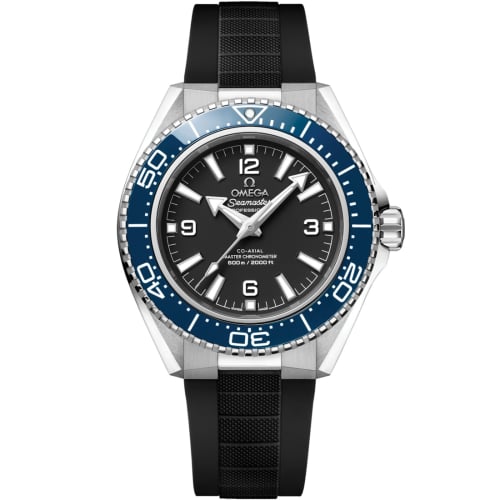
Omega
Seamaster Planet Ocean 600M Co-Axial 42 Stainless Steel - Blue / Black / Rubber
Ref. 217.32.42.21.01.002
CN/A
EN/A
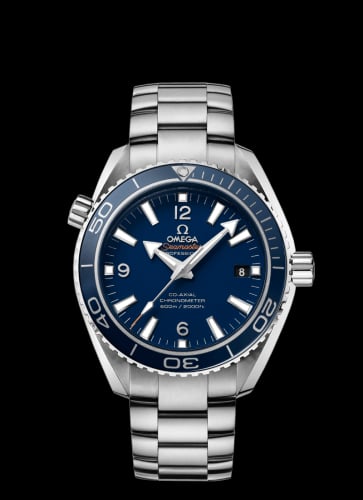
Omega
Seamaster Planet Ocean 600M Co-Axial 42 Titanium / LiquidMetal / Bracelet
Ref. 232.90.42.21.03.001
CN/A
EN/A
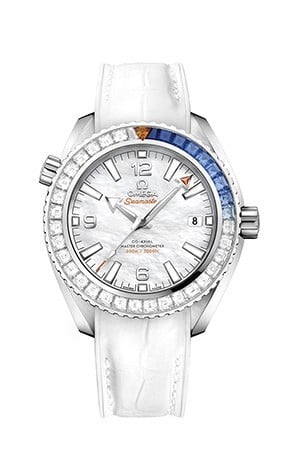
Omega
Seamaster Planet Ocean 600M Co-Axial 39.5 Master Chronometer White Gold / Diamond / MOP
Ref. 215.58.40.20.05.001
CN/A
EN/A
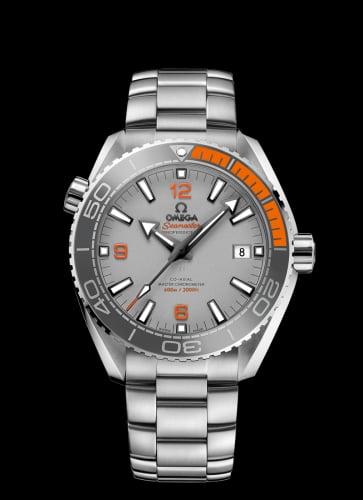
Omega
Seamaster Planet Ocean 600M Co-Axial 43.5 Master Chronometer Titanium / Grey / Bracelet
Ref. 215.90.44.21.99.001
CN/A
EN/A
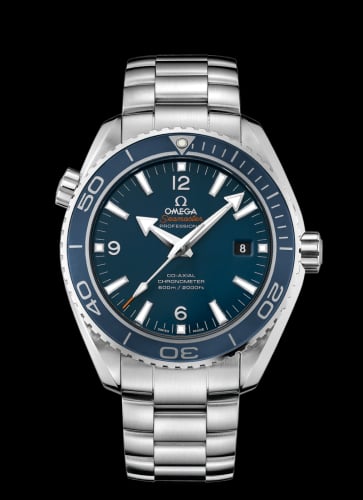
Omega
Seamaster Planet Ocean 600M Co-Axial 45.5 Titanium / Liquidmetal / Bracelet
Ref. 232.90.46.21.03.001
CN/A
EN/A
All Reviews(10 across all references)

The Architect
ExpertSep 27, 2026
68
74
Dial & Handset62
Case & Design81
Movement72
Bracelet / Strap55
Wearability