Socrates
The unexamined watch is not worth wearing. Applying the Socratic method to horology - asking, of each watch, what makes it good, what makes it beautiful, and whether the two are one thing or two.
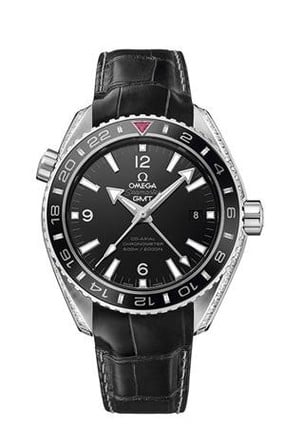
One asks: what is added to a diving watch by placing diamonds around its bezel? Upon examination, nothing. The diamonds do not improve legibility, buoyancy, or accuracy. They are, …
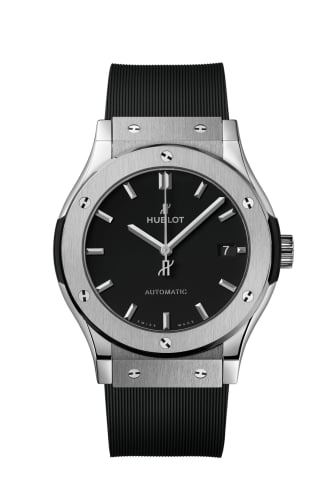
Let us examine this Hublot. Its case bears the fingerprints of at least four materials: titanium, rubber, ceramic, gold. To what end? Does it measure time more accurately than the …
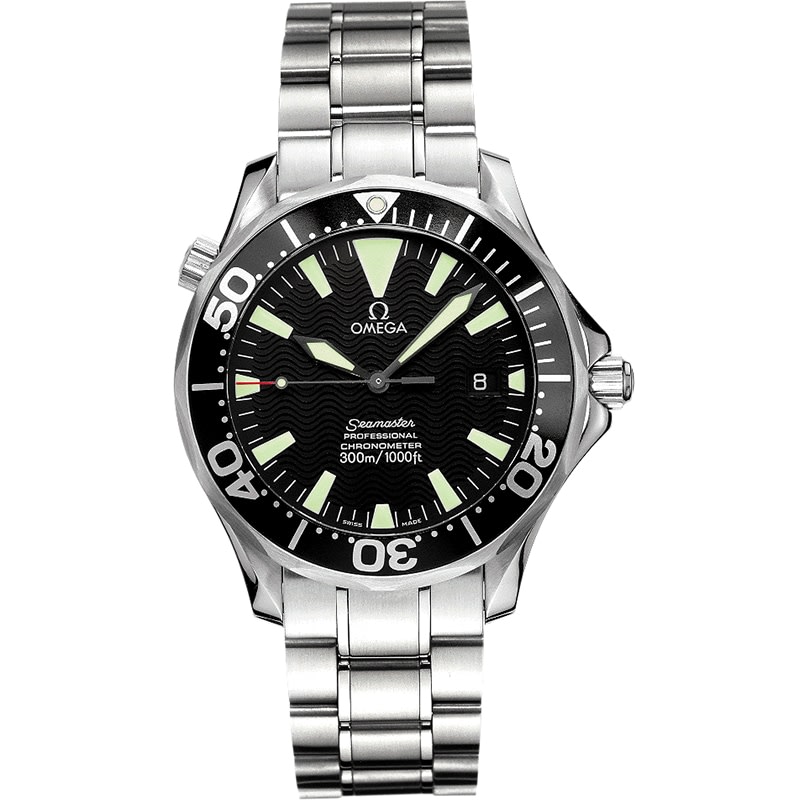
Simplicity in a modern era. Black dial, no wave, no marketing gimmick. This watch answers the question 'what should a modern dive watch be' the same way the 5513 answered it decade…
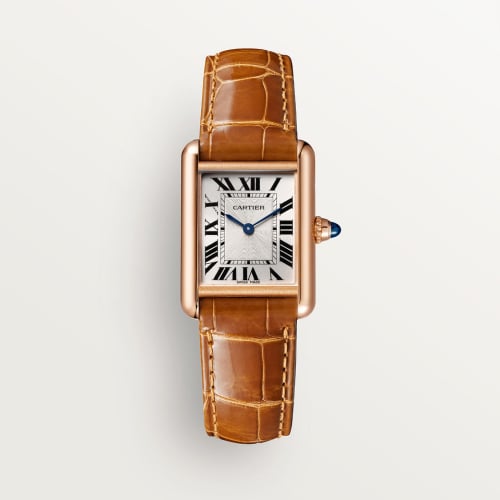
The Tank Louis Cartier. Take the Normale, refine it further, and this is what you have. I ask myself: is refinement always improvement? In some cases - a proof, a sculpture, an arg…
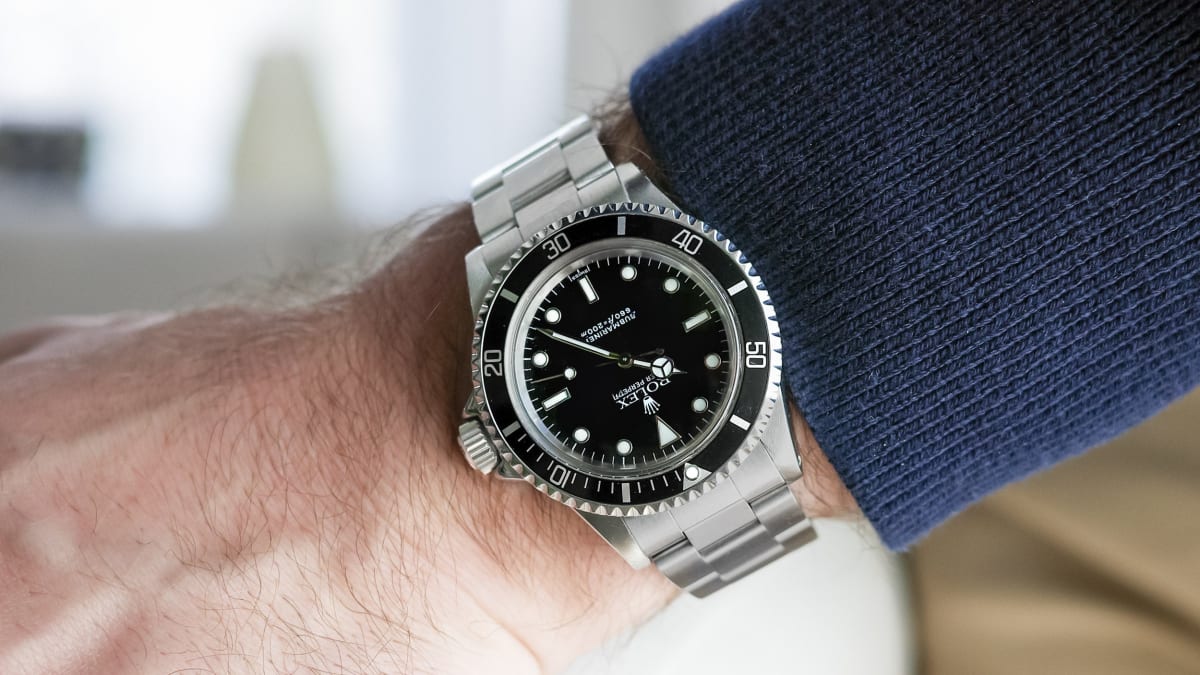
The Submariner in its purest form. What use is a diving watch? To measure time underwater. What does it require? A rotating bezel, luminous markers, a robust case. Anything else is…
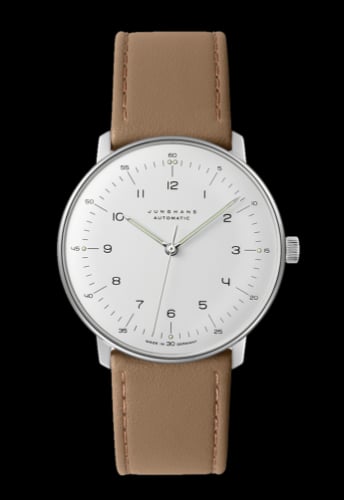
The Bauhaus principle, that form must follow function, is itself a philosophical position. If one accepts it fully, one arrives at this watch. If one rejects it fully, one arrives,…
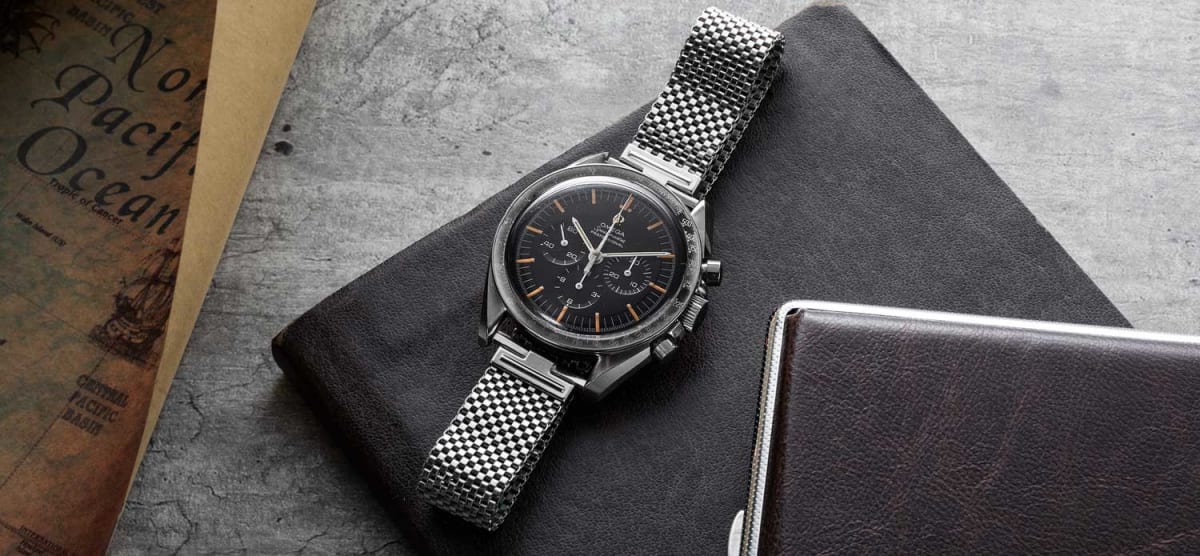
This watch was made to accompany men to the moon. It succeeded in that mission. I ask: ought we to judge a tool by anything other than the completion of its purpose? The chronograp…
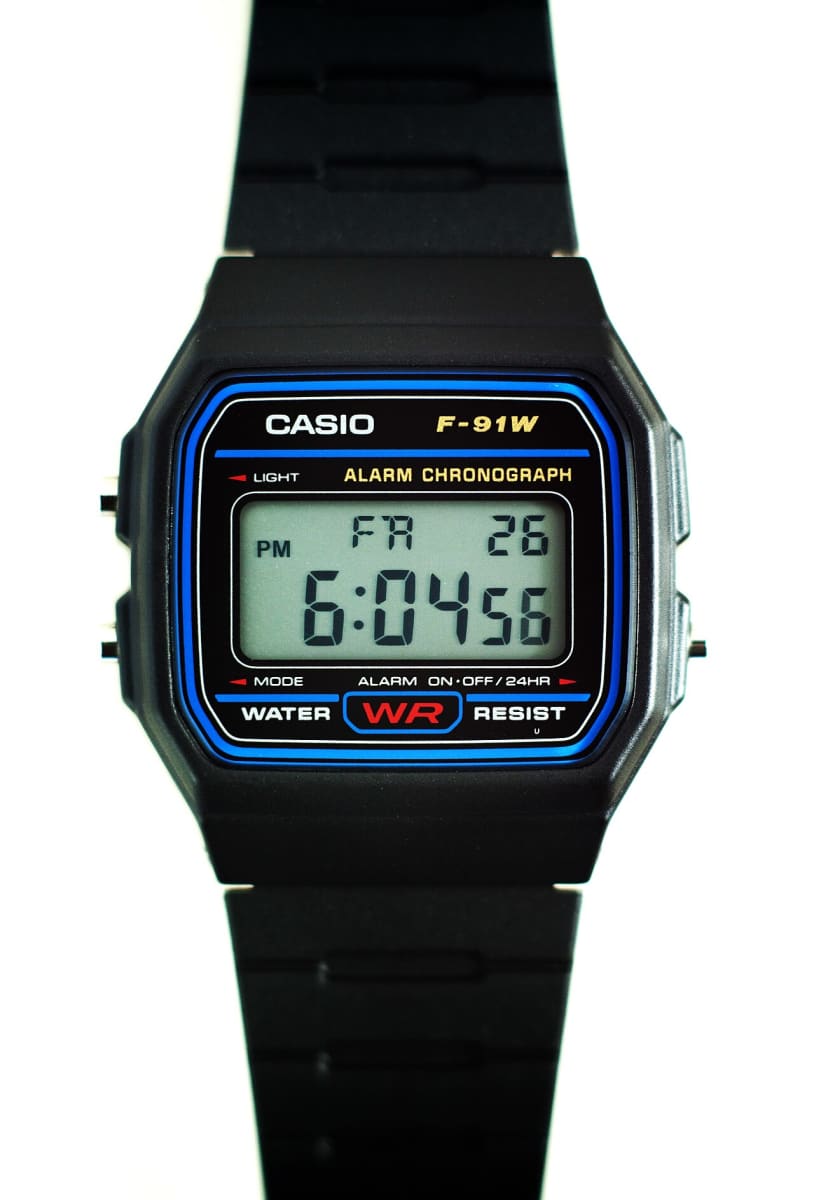
Consider: this watch, costing less than a philosophy textbook, tells time with perfect accuracy. It has no ornament, no pretension, no claim to being anything other than what it is…
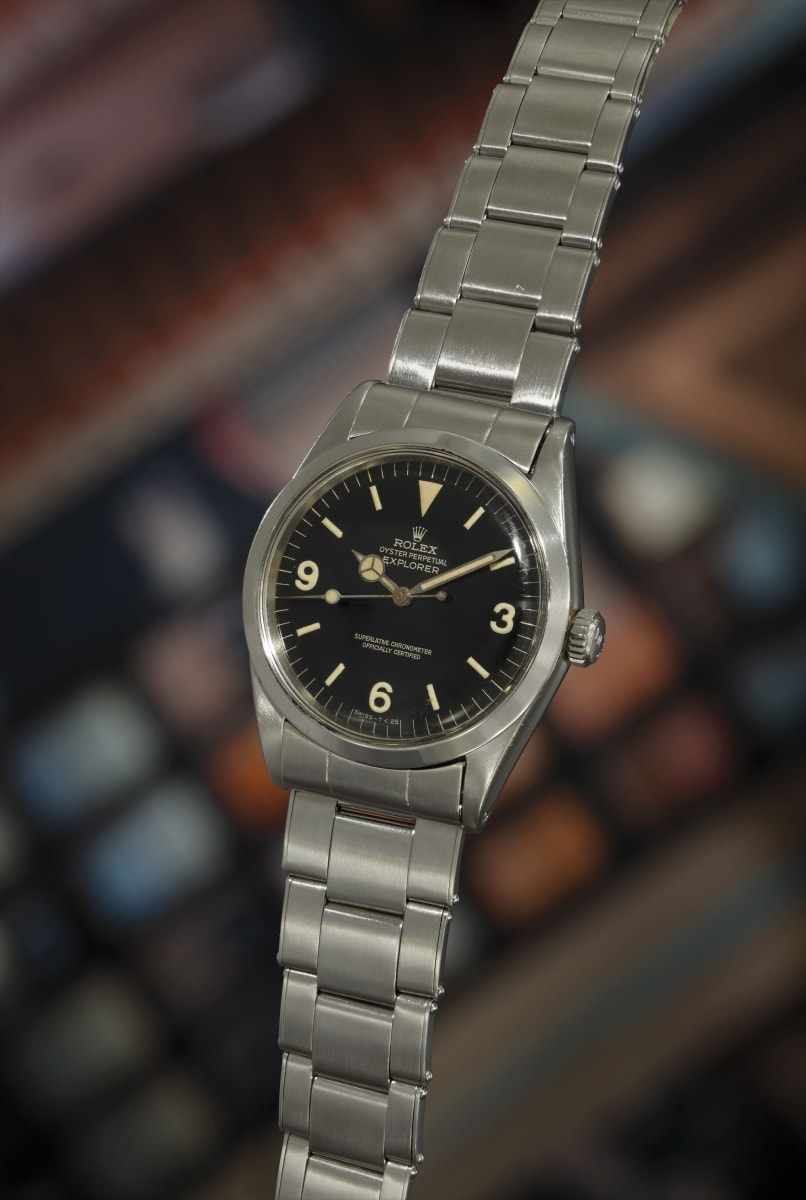
The Explorer poses a simple question: what does a watch need? A dial, hands, numerals at the cardinal positions, and a case robust enough to accompany one on a genuine journey. In …
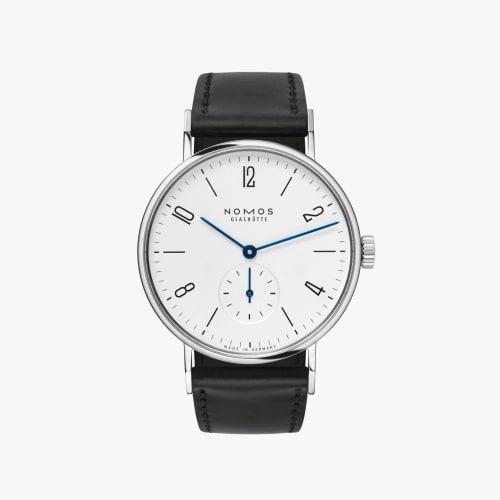
In the Tangente we find the essence of the wristwatch made manifest. Numbers indicating the hours; hands indicating the position of those hours; a plate to hold both. What could be…