TAG Heuer
Monaco
80
Community
1 review
83
Expert
2 reviews
References
97
References in this Family
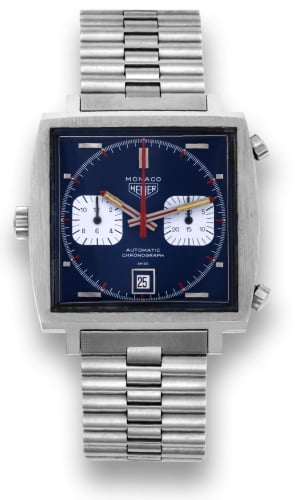
TAG Heuer
Monaco Calibre 12 Blue
Ref. 1133B
C80
E94
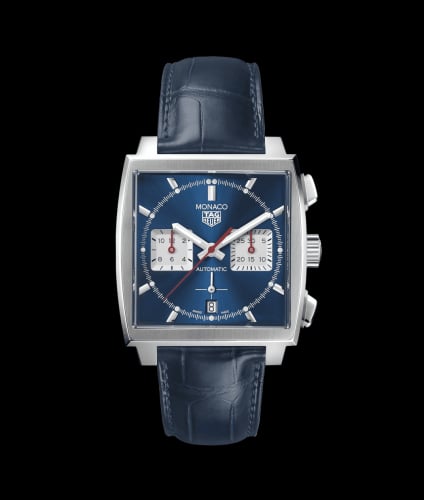
TAG Heuer
Monaco
Ref. CBL2111.FC6453
CN/A
E71
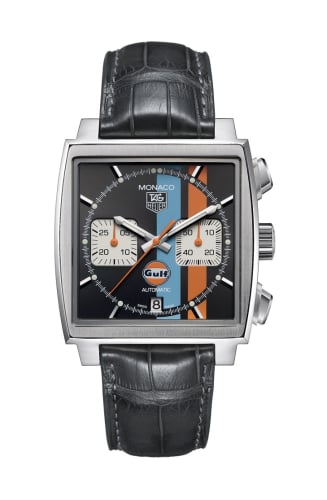
TAG Heuer
Monaco Calibre 12 Gulf Black
Ref. CAW2113-FC6250
CN/A
EN/A
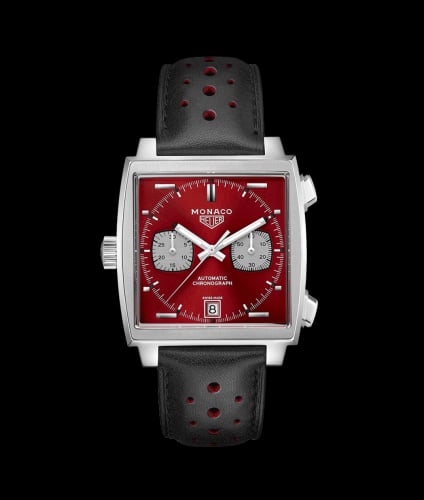
TAG Heuer
Monaco Calibre 11 1979 -1989 Special Edition
Ref. CAW211W-FC6467
CN/A
EN/A

TAG Heuer
Monaco Split-Seconds Chronograph F1
Ref. CBW2190-FC8356
CN/A
EN/A
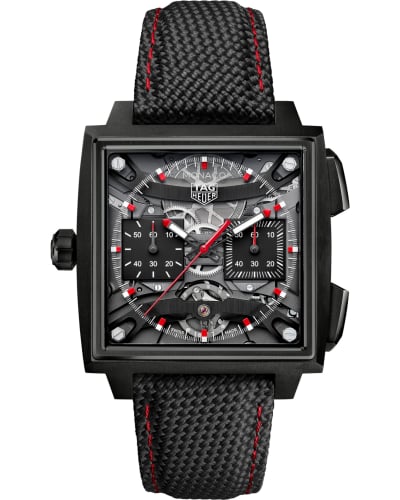
TAG Heuer
Monaco Evergraph DLC / Black
Ref. CEW5180-FT8122
CN/A
EN/A

TAG Heuer
Monaco Chronograph Titanium Stopwatch
Ref. CAW218F-FC6356
CN/A
EN/A
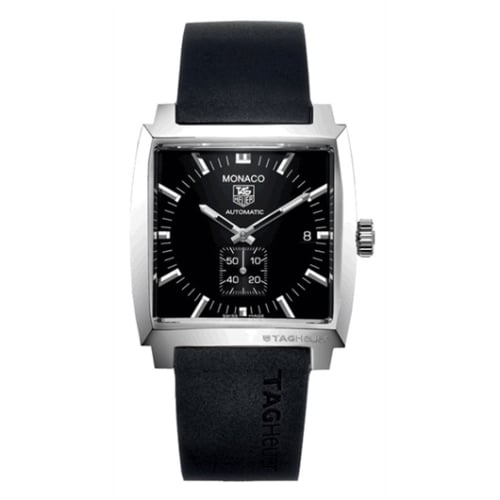
TAG Heuer
Calibre 6 Automatic
Ref. WAW2110-FT6005
CN/A
EN/A
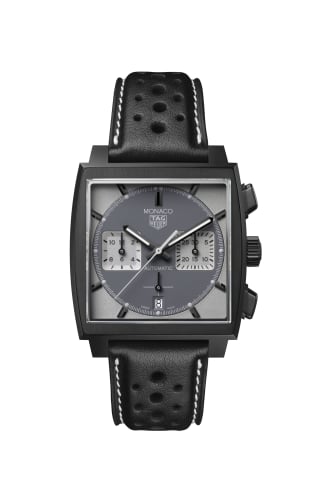
TAG Heuer
Monaco Calibre Heuer 02 Titanium DLC / Grey
Ref. CBL2181-FC6515
CN/A
EN/A
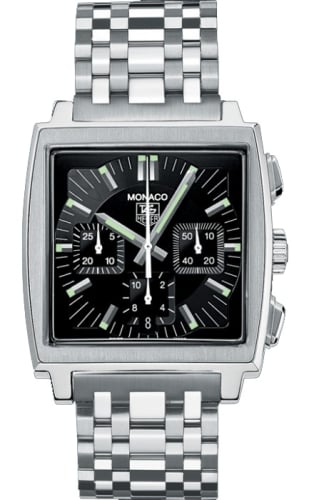
TAG Heuer
Monaco Calibre 17 Stainless Steel / Black / Bracelet
Ref. CW2111-BA0780
CN/A
EN/A
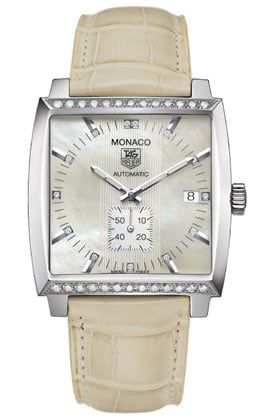
TAG Heuer
Monaco Automatic Stainless Steel - Diamond / MOP - Diamond / Alligator
Ref. WW2114-FC6215
CN/A
EN/A
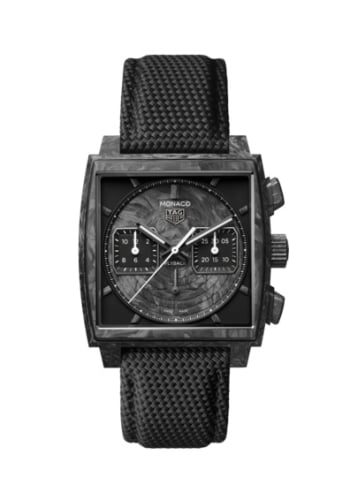
TAG Heuer
Monaco Flyback Chronograph TH-Carbonspring
Ref. CBL5190-FT6313
CN/A
EN/A
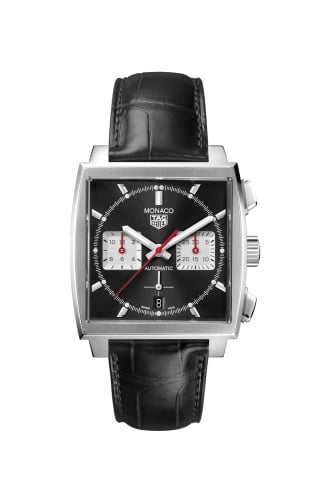
TAG Heuer
Monaco Calibre Heuer 02 Stainless Steel / Black
Ref. CBL2113-FC6177
CN/A
EN/A
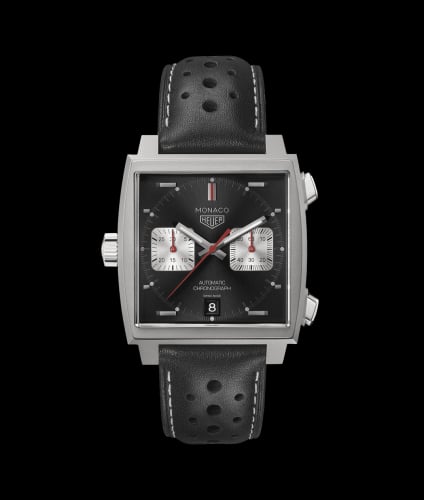
TAG Heuer
Monaco Calibre 11 1999 -2009 Special Edition
Ref. CAW211Z-FC6470
CN/A
EN/A
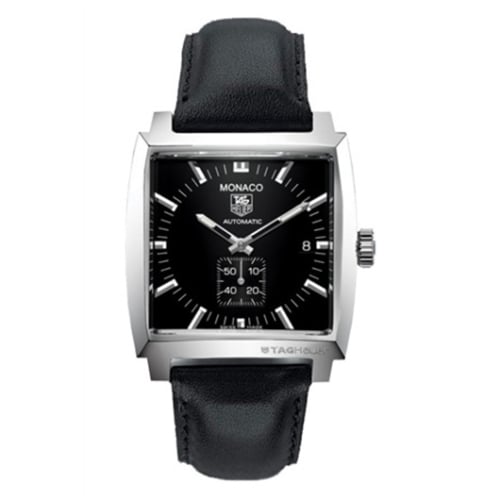
TAG Heuer
Monaco Calibre 6 Automatic Stainless Steel / Black / Calf
Ref. WW2110-FC6171
CN/A
EN/A
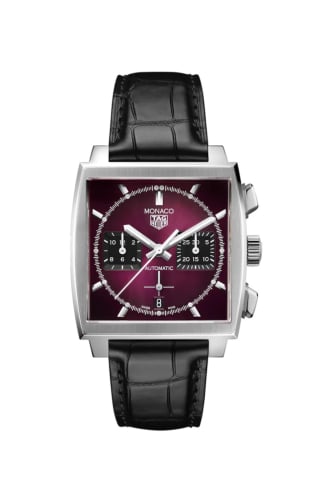
TAG Heuer
Monaco Calibre Heuer 02 Stainless Steel / Purple
Ref. CBL2118-FC6518
CN/A
EN/A
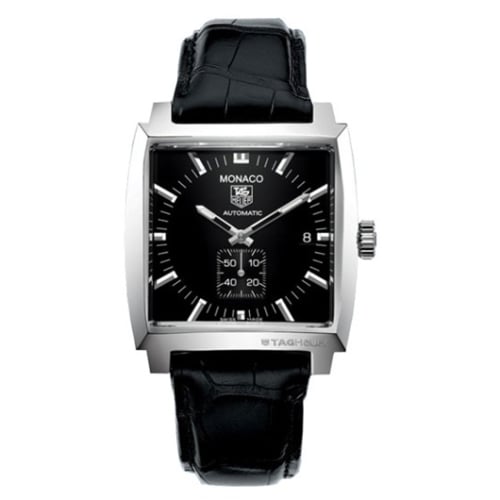
TAG Heuer
Monaco Calibre 6 Automatic Stainless Steel / Black / Alligator
Ref. WW2110-FC6177
CN/A
EN/A
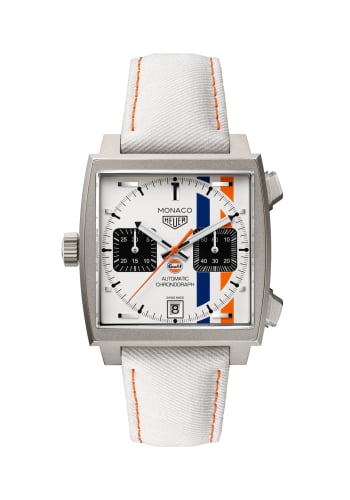
TAG Heuer
Monaco Chronograh Titanium Gulf
Ref. CAW218G-EB0393
CN/A
EN/A
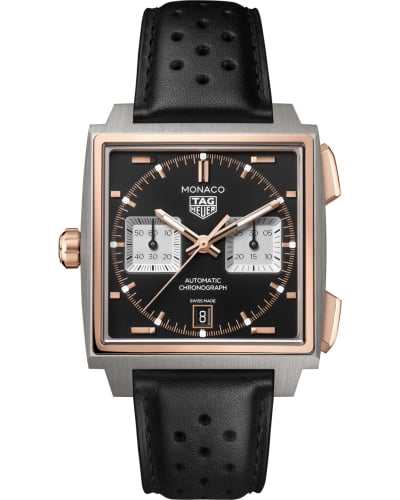
TAG Heuer
Monaco TH20 Titanium - Rose Gold / Black
Ref. CDW2150-FC8360
CN/A
EN/A
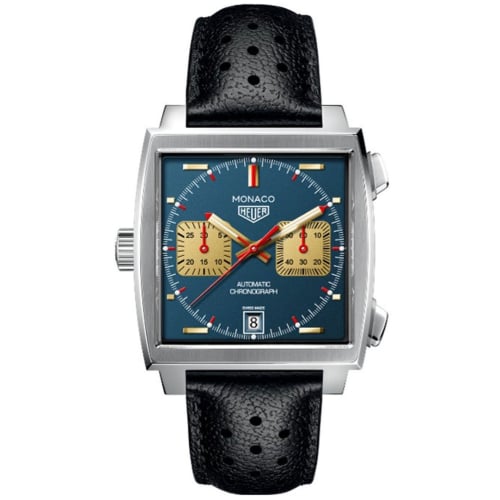
TAG Heuer
Monaco Boutique
Ref. CAW218D-BC6663
CN/A
EN/A
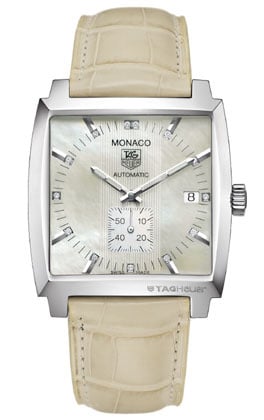
TAG Heuer
Monaco Automatic Stainless Steel / MOP - Diamond / Alligator
Ref. WW2113-FC6215
CN/A
EN/A
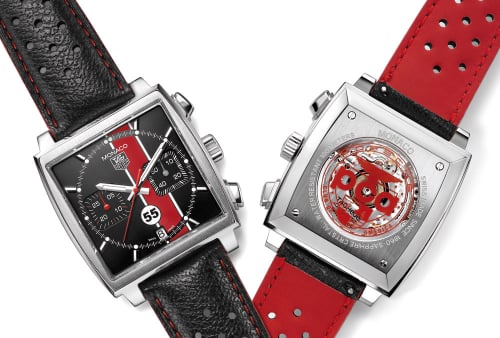
TAG Heuer
Monaco Calibre 12 Porsche Club of America
Ref. CAW2118-FC6285
CN/A
EN/A
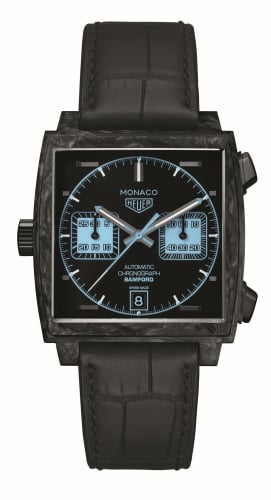
TAG Heuer
Monaco Calibre 11 Bamford
Ref. CAW2190-FC6437
CN/A
EN/A
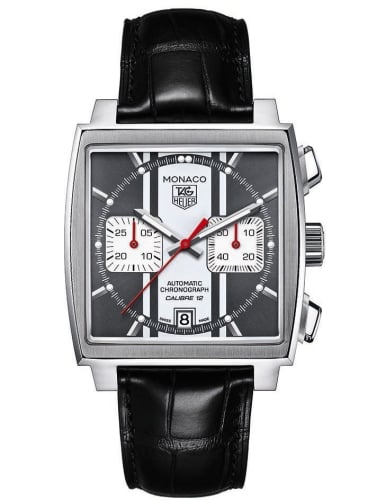
TAG Heuer
Monaco Calibre 12 Boutique Edition
Ref. CAW211N-FC6177
CN/A
EN/A
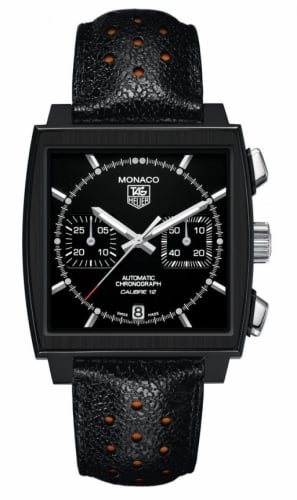
TAG Heuer
Monaco Calibre 12 Automobile Club de Monaco
Ref. CAW211M-FC6324
CN/A
EN/A
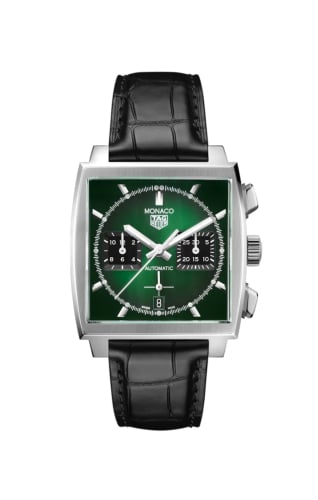
TAG Heuer
Monaco Calibre Heuer 02 Stainless Steel / Green
Ref. CBL2116-FC6497
CN/A
EN/A
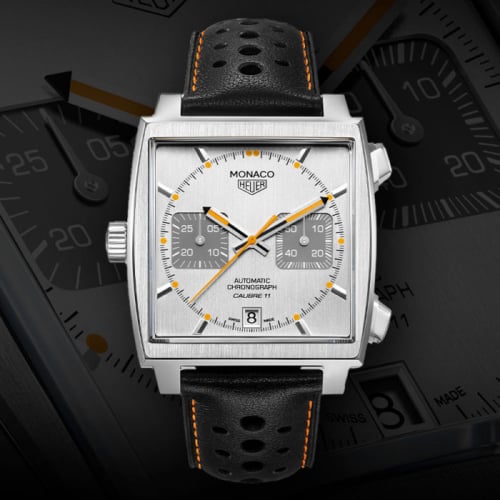
TAG Heuer
Monaco Calibre 11 Stainless Steel / China
Ref. CAW211AC-FC6550
CN/A
EN/A
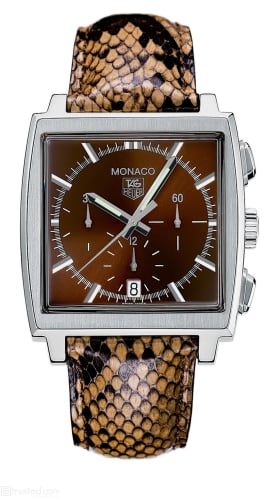
TAG Heuer
Monaco Calibre 17 Python
Ref. CW2114-EB0017
CN/A
EN/A
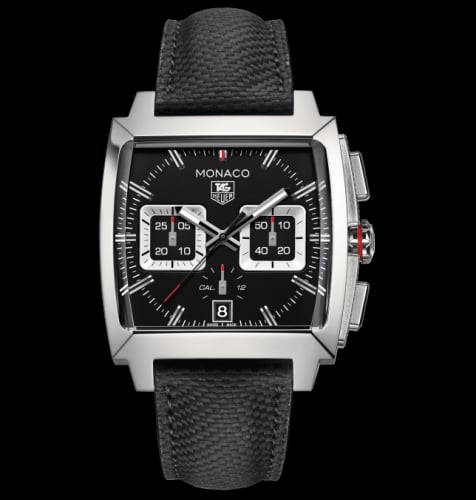
TAG Heuer
Monaco Calibre 12 Steve McQueen
Ref. CAL2113-FC6536
CN/A
EN/A
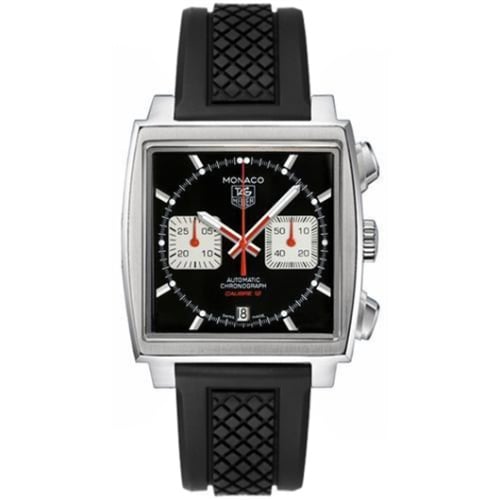
TAG Heuer
Monaco Calibre 12 Black / Silver / Rubber
Ref. CAW2114-FT6021
CN/A
EN/A
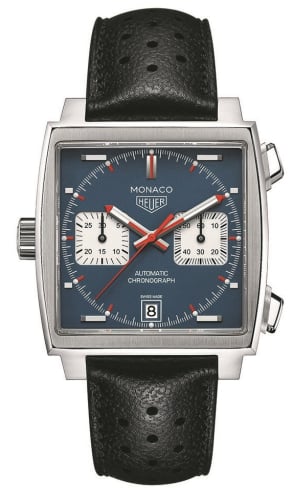
TAG Heuer
Monaco Calibre 11 Steve McQueen
Ref. CAW211P-FC6356
CN/A
EN/A
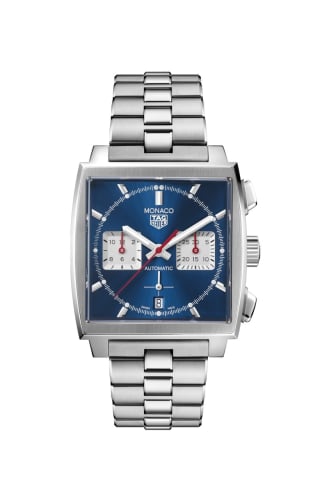
TAG Heuer
Monaco Calibre Heuer 02 Stainless Steel / Blue / Bracelet
Ref. CBL2111-BA0644
CN/A
EN/A
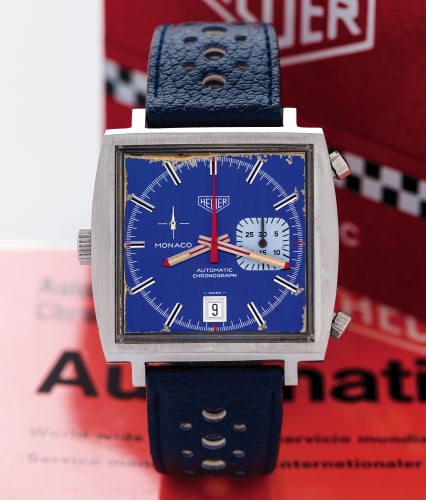
TAG Heuer
Monaco Calibre 15 Blue
Ref. 1533B
CN/A
EN/A
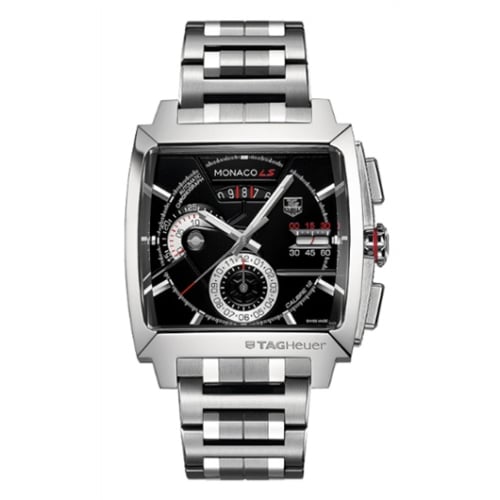
TAG Heuer
Monaco LS Bracelet
Ref. CAL2110-BA0781
CN/A
EN/A
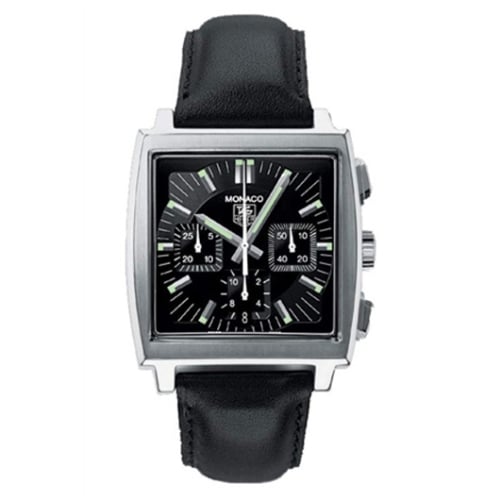
TAG Heuer
Monaco Calibre 17 Stainless Steel / Black
Ref. CW2111-FC6171
CN/A
EN/A
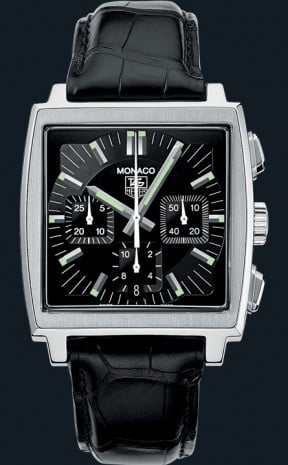
TAG Heuer
Monaco Calibre 17 Stainless Steel / Black
Ref. CW2111-FC6177
CN/A
EN/A
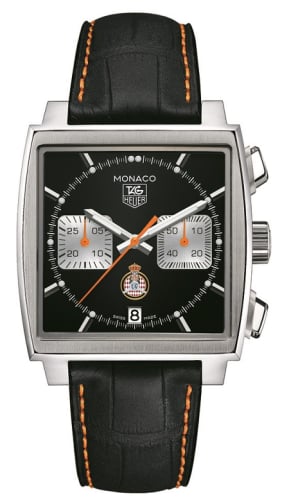
TAG Heuer
Monaco Calibre 12 ACM Monaco Grand Prix
Ref. CAW211K-FC6311
CN/A
EN/A
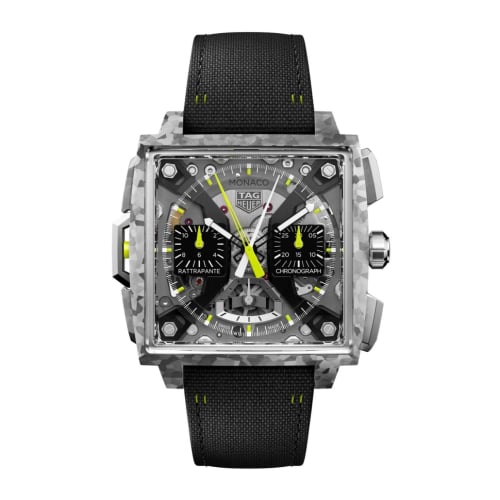
TAG Heuer
Monaco Split-Seconds Chronograph Texturized Titanium
Ref. CBW2185-FC8350
CN/A
EN/A
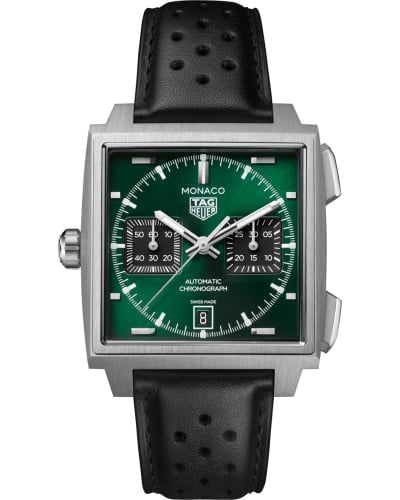
TAG Heuer
Monaco TH20 Titanium / Green
Ref. CDW2180-FC8360
CN/A
EN/A
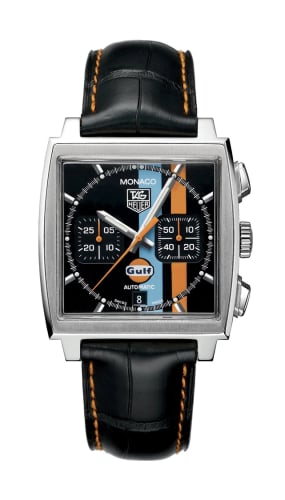
TAG Heuer
Monaco Calibre 17 Gulf Black
Ref. CW211A-FC6228
CN/A
EN/A
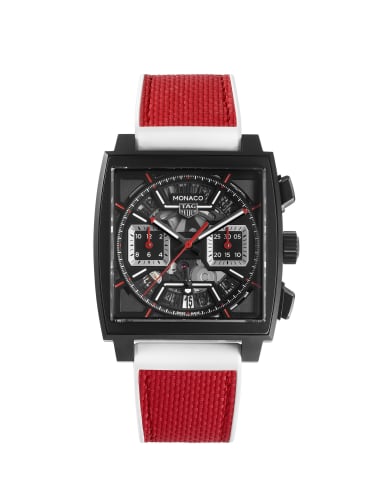
TAG Heuer
Monaco Calibre Heuer 02 2024 Monaco Historic Grand Prix
Ref. CBL218C-EB0336
CN/A
EN/A
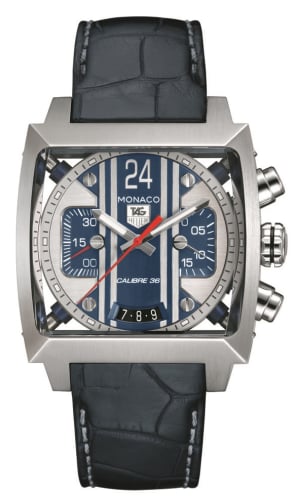
TAG Heuer
Monaco 24 McQueen
Ref. CAL5111-FC6299
CN/A
EN/A
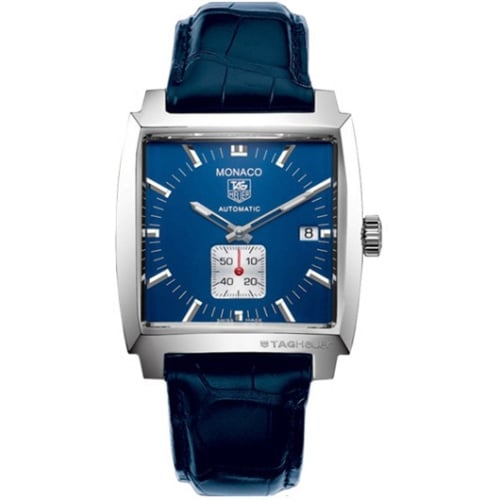
TAG Heuer
Monaco Calibre 6 Automatic Stainless Steel / Blue / Alligator
Ref. WW2111-FC6204
CN/A
EN/A
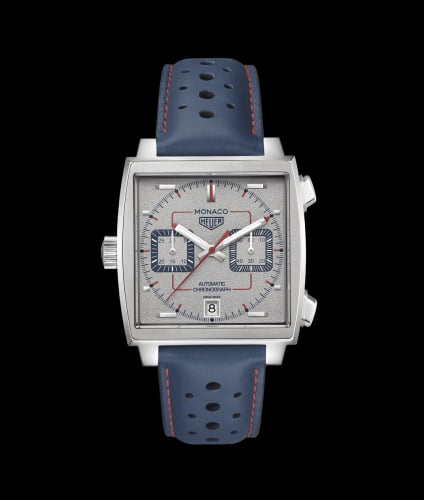
TAG Heuer
Monaco Calibre 11 1989 -1999 Special Edition
Ref. CAW211X-FC6468
CN/A
EN/A
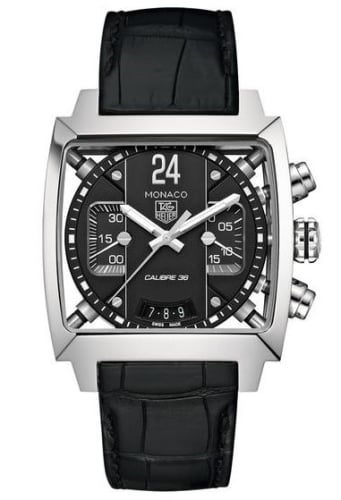
TAG Heuer
Monaco 24 Black
Ref. CAL5113-FC6329
CN/A
EN/A
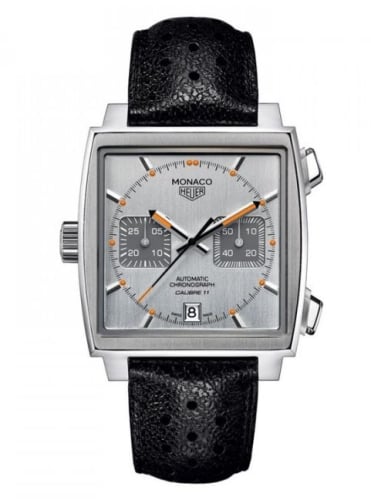
TAG Heuer
Monaco Calibre 11 Silver & Orange
Ref. CAW211C-FC6241
CN/A
EN/A
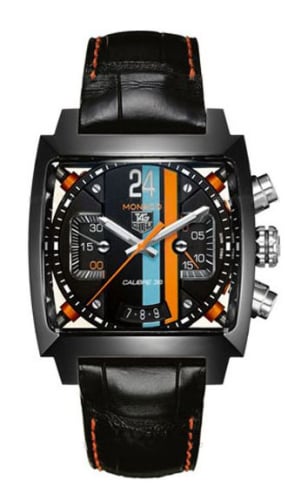
TAG Heuer
Monaco 24 Gulf
Ref. CAL5110-FC6265
CN/A
EN/A
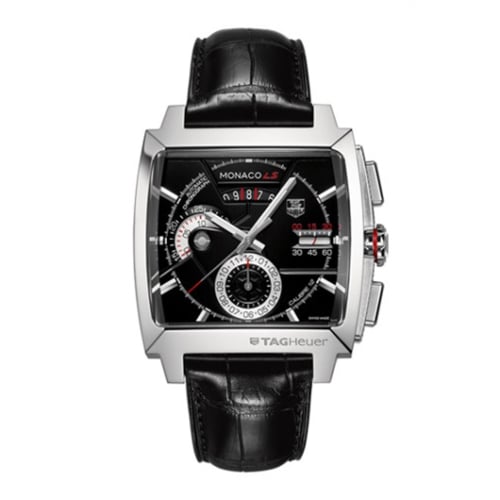
TAG Heuer
Monaco LS
Ref. CAL2110-FC6257
CN/A
EN/A
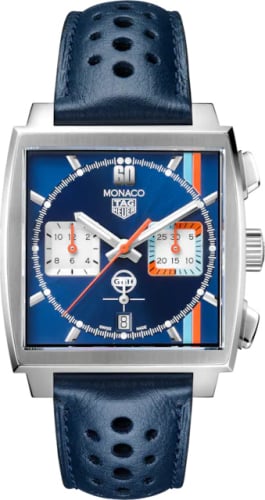
TAG Heuer
Monaco Calibre Heuer 02 Stainless Steel / Gulf
Ref. CBL2115-FC6494
CN/A
EN/A
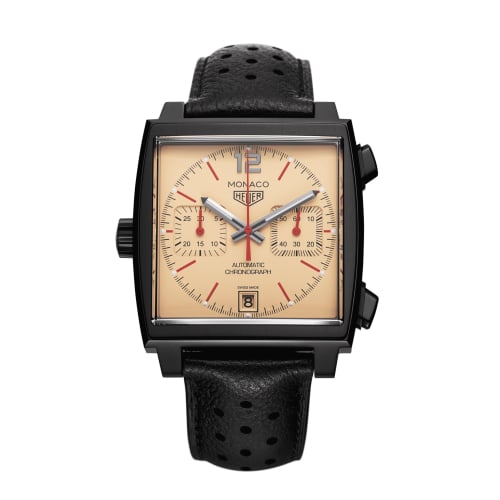
TAG Heuer
Monaco Calibre 11 PVD / Beige / The Hour Glass
Ref. CAW211U-FC6356
CN/A
EN/A
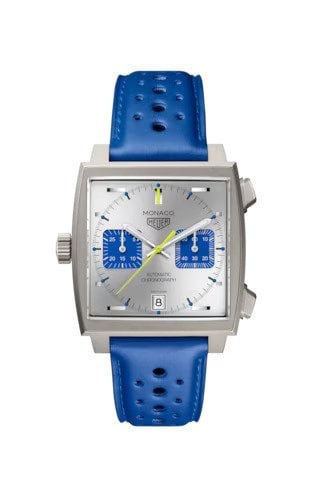
TAG Heuer
Monaco Racing Blue
Ref. CAW218C-FC6548
CN/A
EN/A
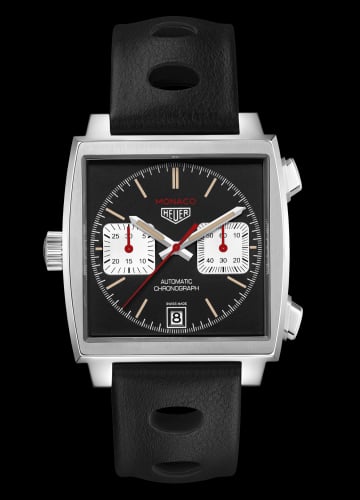
TAG Heuer
Monaco Calibre 11 France Edition
Ref. CAW211S-FC6375
CN/A
EN/A
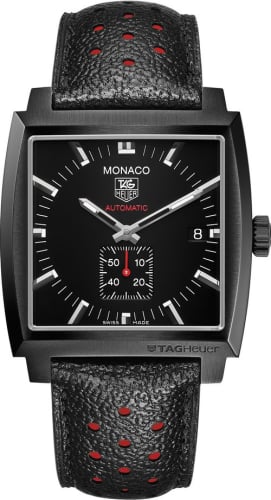
TAG Heuer
Calibre 6 Automatic PVD / Black
Ref. WW2119-FC6338
CN/A
EN/A
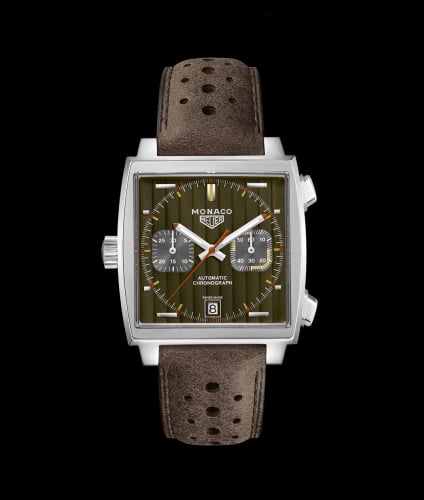
TAG Heuer
Monaco Calibre 11 1969 -1979 Special Edition
Ref. CAW211V-FC6466
CN/A
EN/A
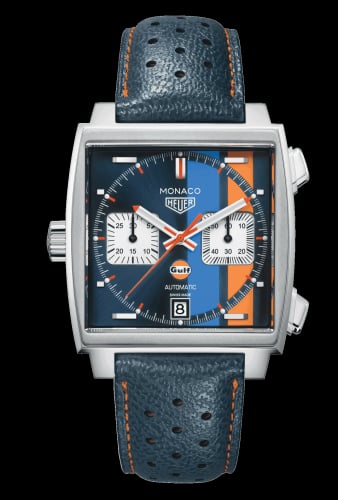
TAG Heuer
Monaco Calibre 11 Stainless Steel / Blue / Gulf
Ref. CAW211R-FC6401
CN/A
EN/A
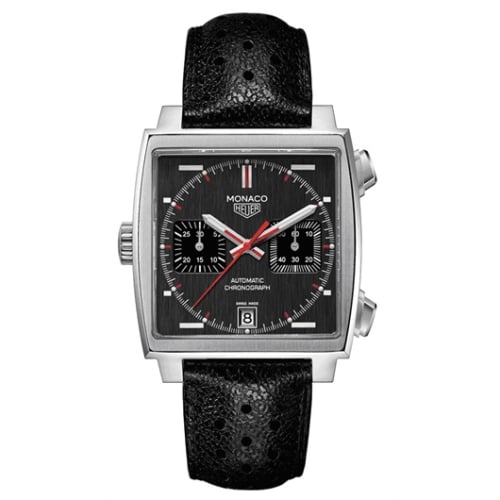
TAG Heuer
Monaco Calibre 11 Vintage Edition
Ref. CAW211B-FC6241
CN/A
EN/A
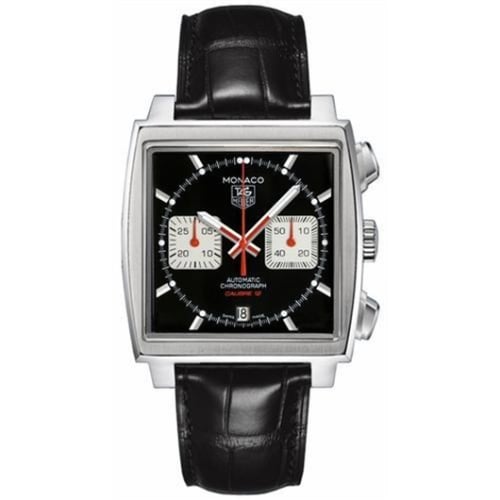
TAG Heuer
Monaco Calibre 12 Black / Silver
Ref. CAW2114-FC6177
CN/A
EN/A
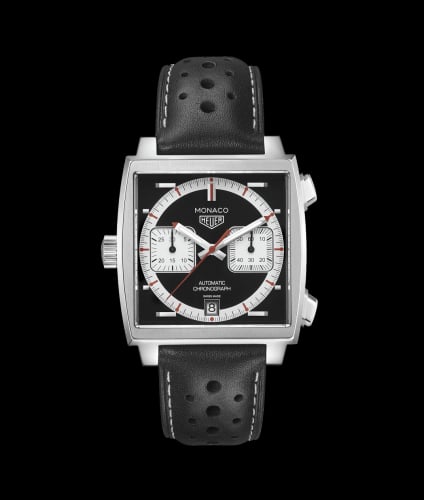
TAG Heuer
Monaco Calibre 11 1999 - 2009 Special Edition
Ref. CAW211Y-FC6469
CN/A
EN/A
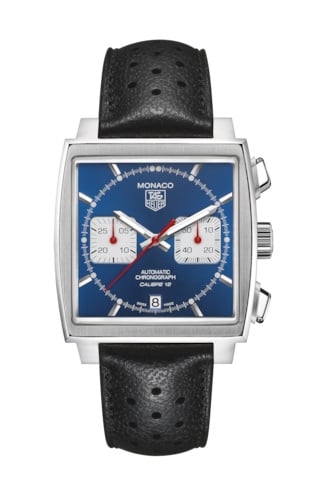
TAG Heuer
Monaco Calibre 12 Stainless Steel / Blue
Ref. CAW2111-FC6356
CN/A
EN/A
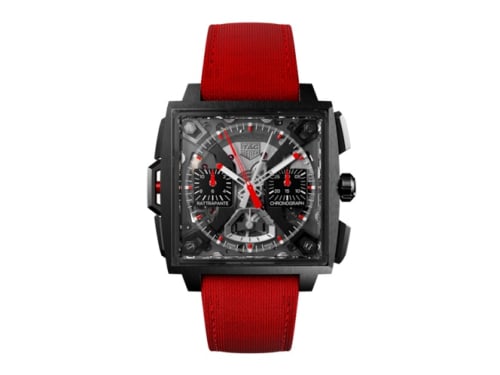
TAG Heuer
Monaco Split-Seconds Chronograph Racing Red
Ref. CBW2181-FC8322
CN/A
EN/A
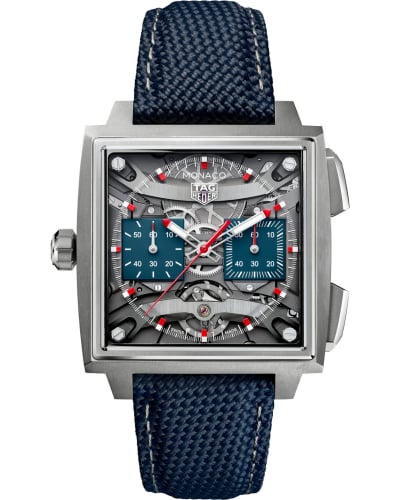
TAG Heuer
Monaco Evergraph Titanium / Blue
Ref. CEW5181-FT8123
CN/A
EN/A
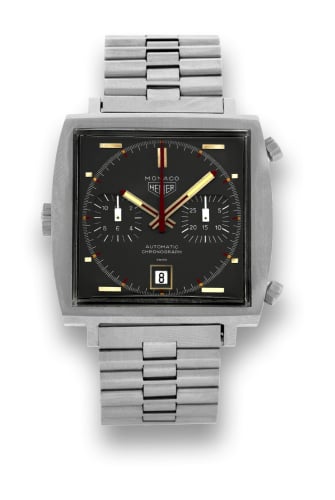
TAG Heuer
Monaco Calibre 12 Grey
Ref. 1133G
CN/A
EN/A
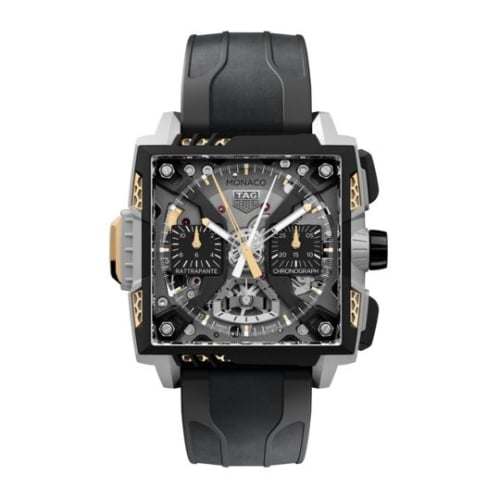
TAG Heuer
Monaco Split-Seconds Chronograph Air 1
Ref. CBW218B-FT8124
CN/A
EN/A
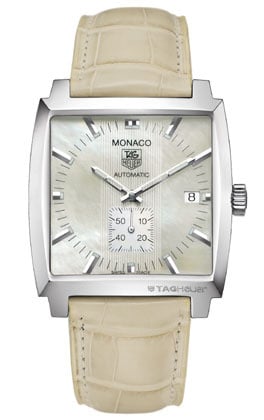
TAG Heuer
Monaco Calibre 6 Stainless Steel / MOP / Alligator
Ref. WW2112-FC6215
CN/A
EN/A
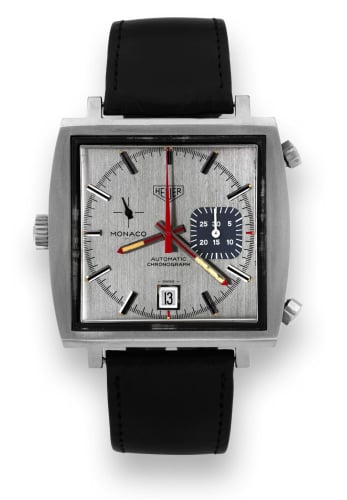
TAG Heuer
Monaco Calibre 15 Grey
Ref. 1533G
CN/A
EN/A
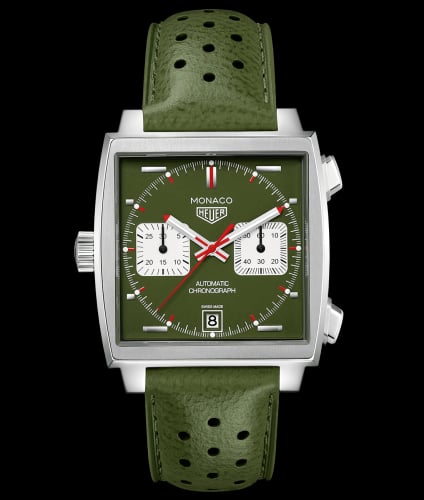
TAG Heuer
Monaco Calibre 11 Men's Club Japan
Ref. CAW211E-FC6414
CN/A
EN/A
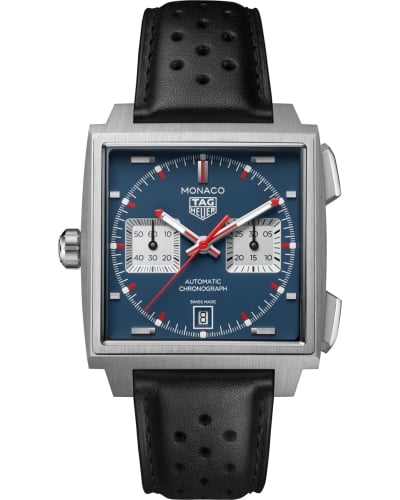
TAG Heuer
Monaco TH20 Titanium / Blue / Steve McQueen
Ref. CDW2181-FC8360
CN/A
EN/A
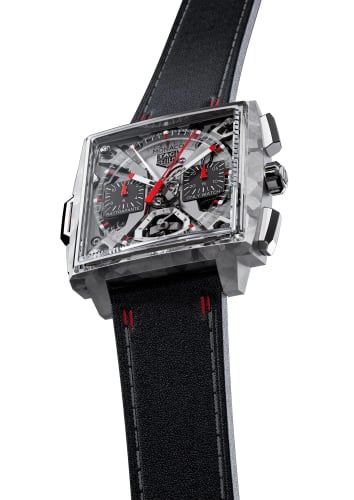
TAG Heuer
Monaco Rattrapante Only Watch 2023
Ref. CBW2180-FC8321
CN/A
EN/A
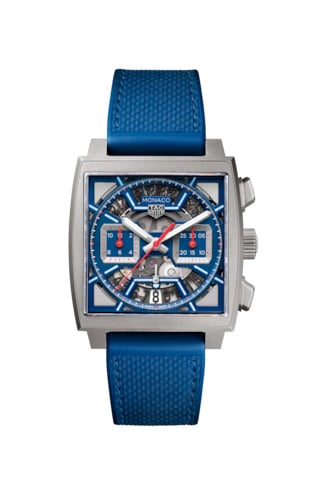
TAG Heuer
Monaco Calibre Heuer 02 Titanium / Skeleton Racing - Blue
Ref. CBL2182-FT6235
CN/A
EN/A
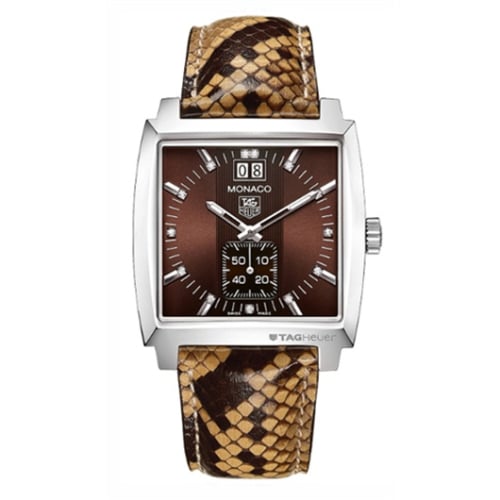
TAG Heuer
Monaco Quartz Big Date Stainless Steel / Brown / Python
Ref. WAW1315-FC6217
CN/A
EN/A
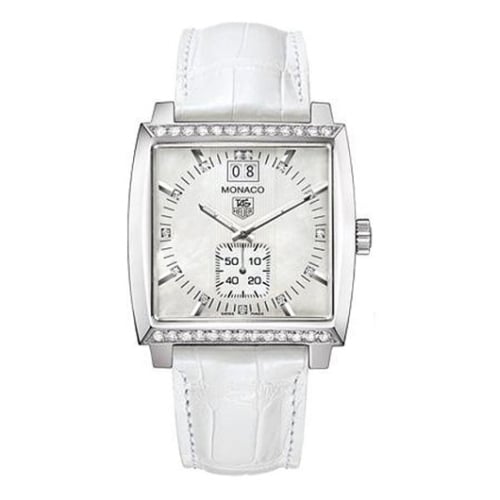
TAG Heuer
Monaco Quartz Big Date Stainless Steel / Diamond / MOP / Alligator
Ref. WAW1313-FC6247
CN/A
EN/A
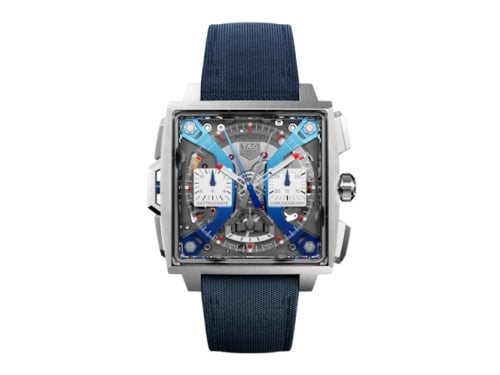
TAG Heuer
Monaco Split-Seconds Chronograph Original Blue
Ref. CBW2182-FC8339
CN/A
EN/A
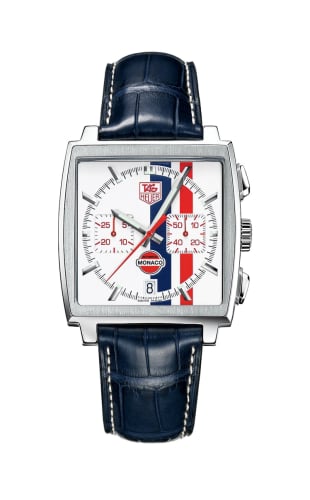
TAG Heuer
Monaco Calibre 17 Gulf
Ref. CW2118-FC6207
CN/A
EN/A
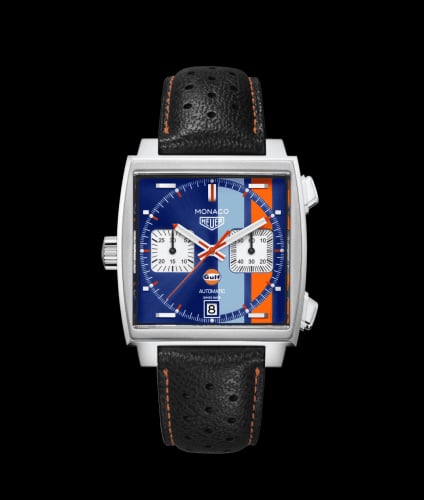
TAG Heuer
Monaco Calibre 11 Stainless Steel / Blue / Gulf 50th Anniversary
Ref. CAW211T-FC6440
CN/A
EN/A
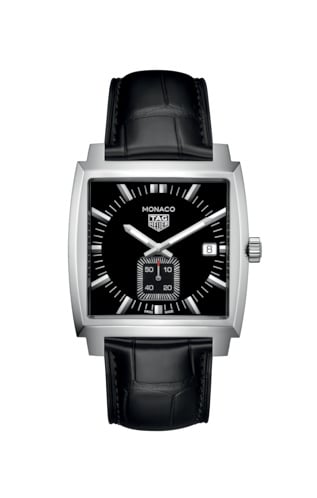
TAG Heuer
Monaco Quartz Stainless Steel / Black
Ref. WAW131A-FC6177
CN/A
EN/A
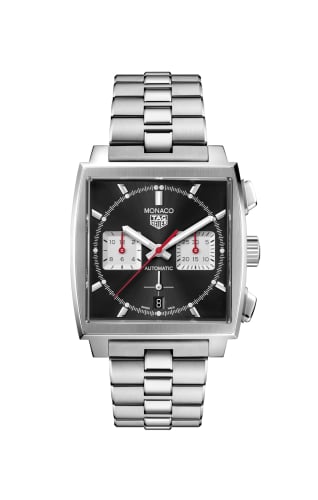
TAG Heuer
Monaco Calibre Heuer 02 Stainless Steel / Black / Bracelet
Ref. CBL2113-BA0644
CN/A
EN/A
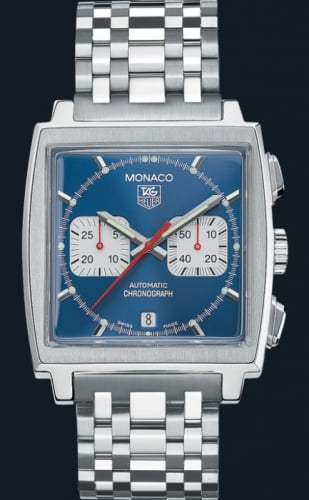
TAG Heuer
Monaco Calibre 17 Stainless Steel / Blue / Bracelet
Ref. CW2113-BA0780
CN/A
EN/A
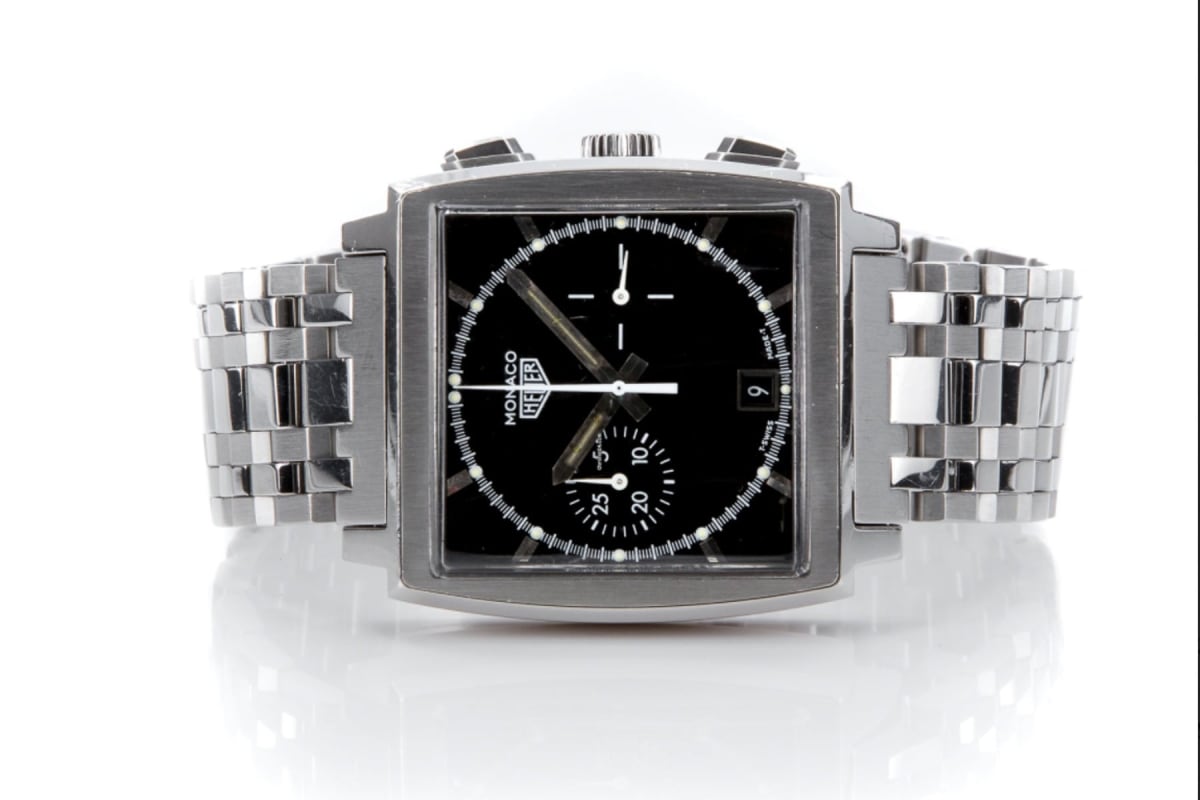
TAG Heuer
Monaco Re-Edition
Ref. CS2110
CN/A
EN/A
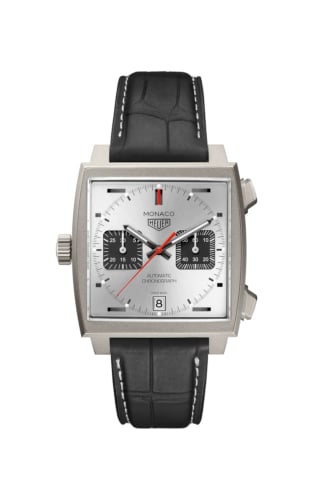
TAG Heuer
Monaco Titan
Ref. CAW218B-FC6496
CN/A
EN/A
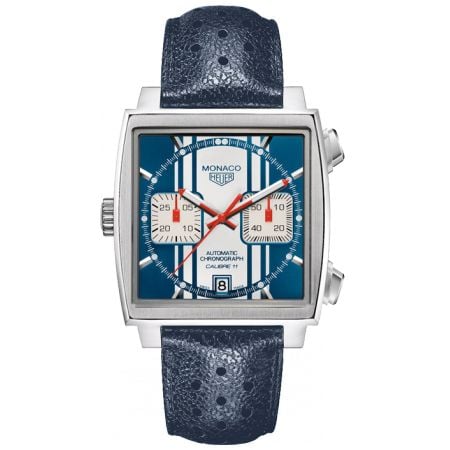
TAG Heuer
Monaco Calibre 11 Steve McQueen Striping
Ref. CAW211D-FC6300
CN/A
EN/A
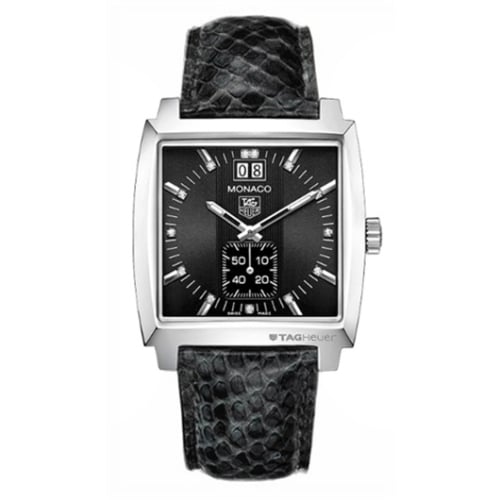
TAG Heuer
Monaco Quartz Big Date Stainless Steel / Black / Python
Ref. WAW1310-FC6216
CN/A
EN/A
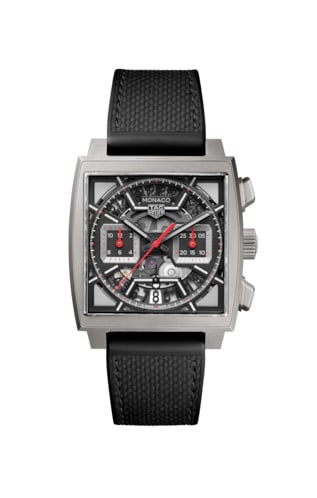
TAG Heuer
Monaco Calibre Heuer 02 Titanium / Skeleton Racing - Red
Ref. CBL2183-FT6236
CN/A
EN/A
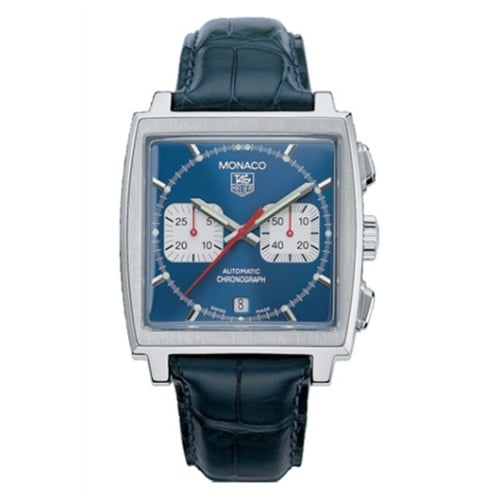
TAG Heuer
Monaco Calibre 17 Stainless Steel / Blue
Ref. CW2113-FC6183
CN/A
EN/A
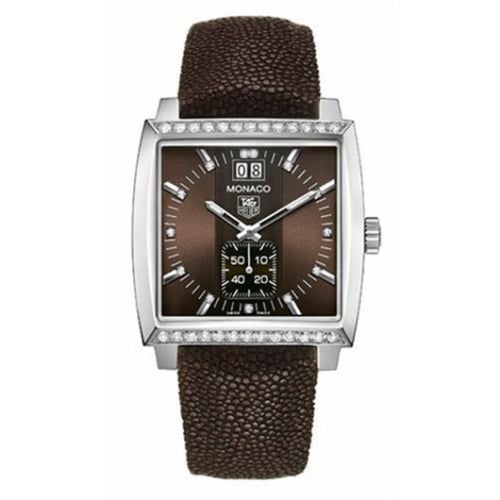
TAG Heuer
Monaco Quartz Big Date Stainless Steel / Diamond / Brown / Galuchat
Ref. WAW1316-EB0025
CN/A
EN/A
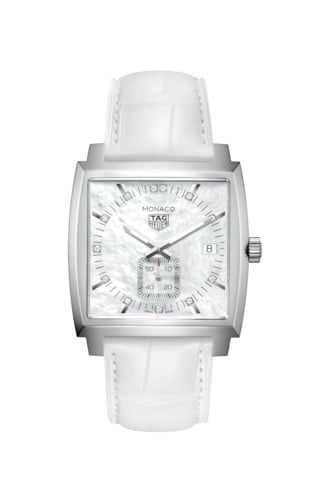
TAG Heuer
Monaco Quartz Stainless Steel / MOP
Ref. WAW131B-FC6247
CN/A
EN/A
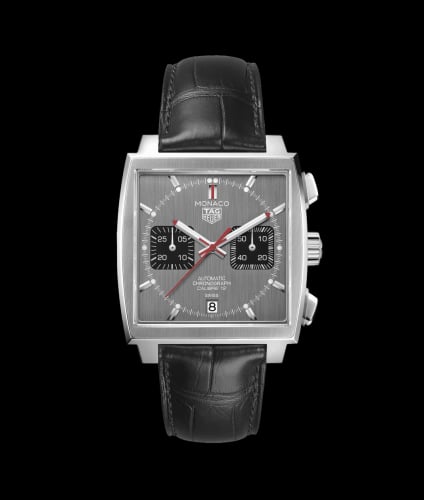
TAG Heuer
Monaco Calibre 12 Stainless Steel / Grey / Final Edition
Ref. CAW211J-FC6476
CN/A
EN/A
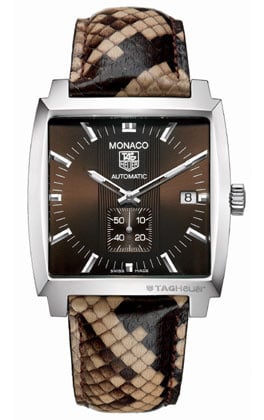
TAG Heuer
Monaco Calibre 6 Automatic Stainless Steel / Brown / Python
Ref. WW2115-FC6217
CN/A
EN/A
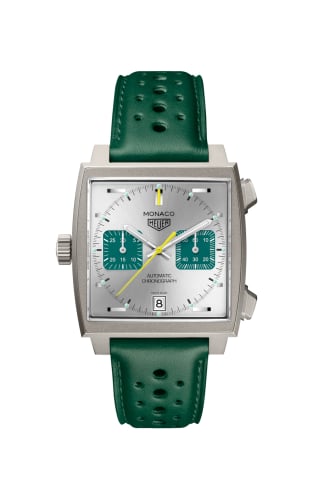
TAG Heuer
Monaco Racing Green
Ref. CAW218E-FC6565
CN/A
EN/A
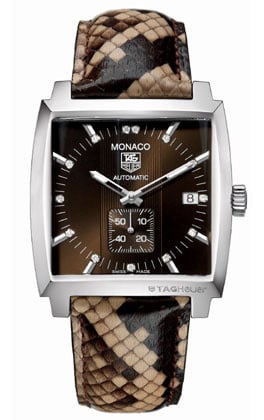
TAG Heuer
Monaco Automatic Stainless Steel / Brown - Diamond / Python
Ref. WW2116-FC6217
CN/A
EN/A
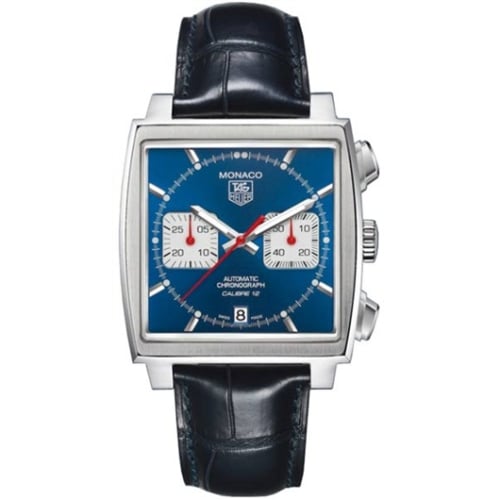
TAG Heuer
Monaco Calibre 12 Steve McQueen
Ref. CAW2111-FC6183
CN/A
EN/A
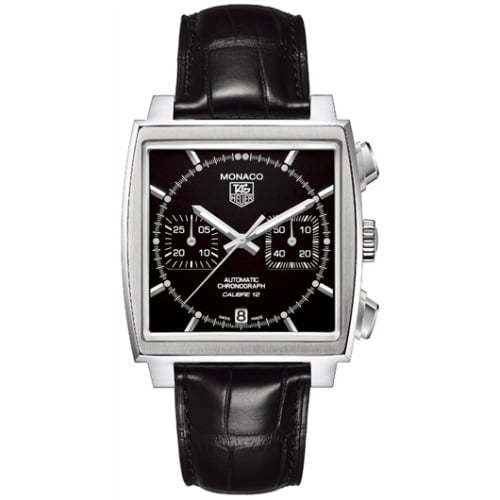
TAG Heuer
Monaco Calibre 12 Black
Ref. CAW2110-FC6177
CN/A
EN/A
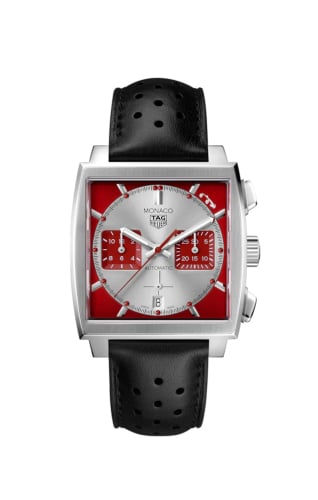
TAG Heuer
Monaco Calibre Heuer 02 Grand Prix Historique de Monaco
Ref. CBL2114-FC6486
CN/A
EN/A
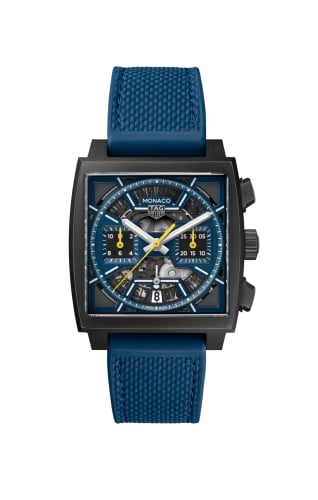
TAG Heuer
Monaco Calibre Heuer 02 Titanium DLC / Skeleton Racing - Blue
Ref. CBL2188-FT6261
CN/A
EN/A
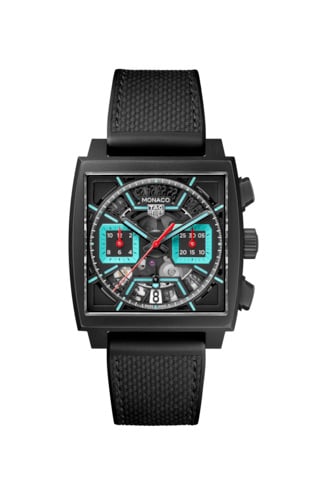
TAG Heuer
Monaco Calibre Heuer 02 Titanium DLC / Skeleton - Turquoise
Ref. CBL2184-FT6236
CN/A
EN/A
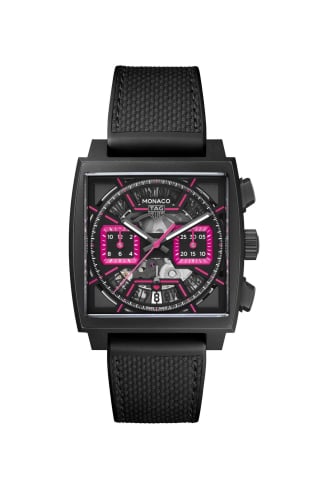
TAG Heuer
Monaco Calibre Heuer 02 Titanium DLC / Skeleton - Pink / Las Vegas
Ref. CBL218B-FT6236
CN/A
EN/A
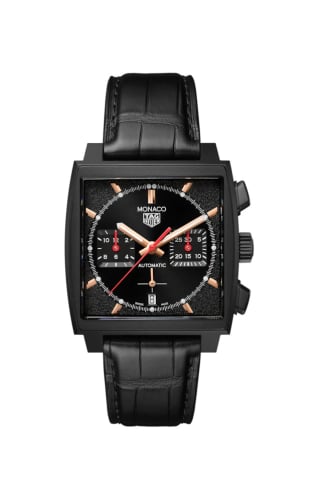
TAG Heuer
Monaco Calibre Heuer 02 Titanium DLC / Black
Ref. CBL2180-FC6497
CN/A
EN/A
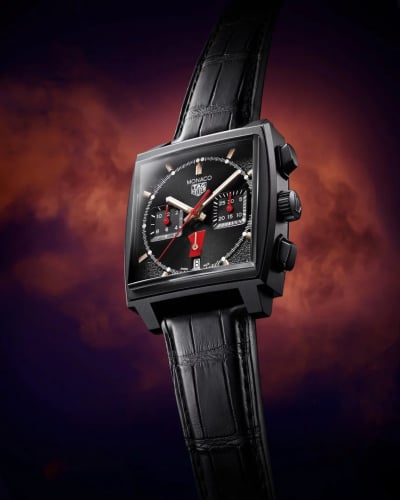
TAG Heuer
Monaco Calibre Heuer 02 Titanium DLC / Max Verstappen
Ref. CBL2180-FC6497-MV
CN/A
EN/A
All Reviews(3 across all references)

The Architect
ExpertSep 27, 2026
71
74
Dial & Handset78
Case & Design76
Movement63
Bracelet / Strap65
Wearability