TAG Heuer
Autavia
N/A
Community
70
Expert
1 review
References
36
References in this Family
TAG Heuer
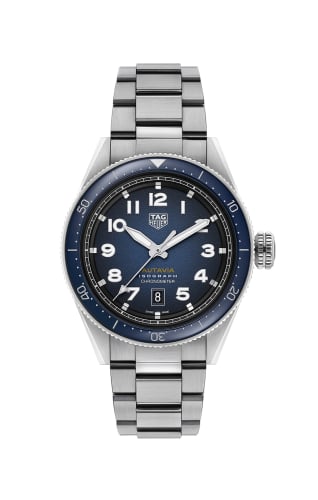
Autavia Isograph
Ref. WBE5112.EB0173
CN/A
E70
TAG Heuer
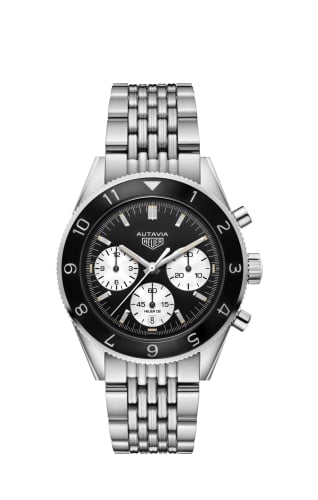
Autavia Heuer 02 Stainless Steel / Inverted Panda / Bracelet
Ref. CBE2110-BA0687
CN/A
EN/A
TAG Heuer
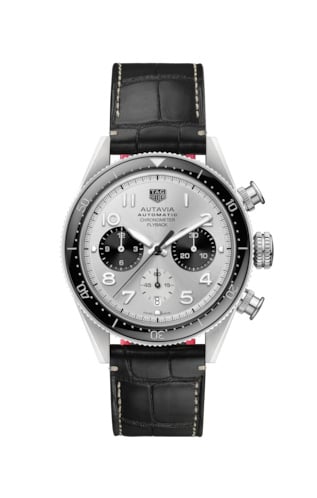
Autavia Heuer 02 Chronometer Flyback Stainless Steel / Panda
Ref. CBE511B-FC8279
CN/A
EN/A
TAG Heuer
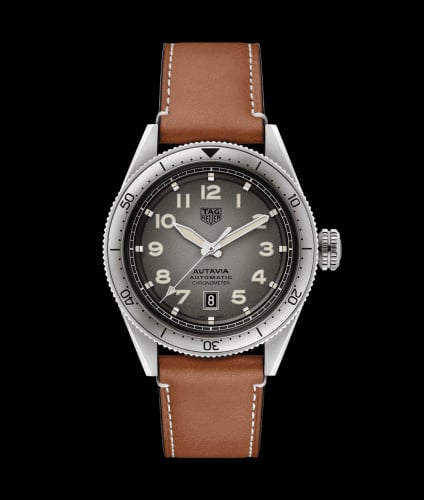
Autavia Calibre 5 Stainless Steel / Grey / Leather
Ref. WBE5111-FC8267-1
CN/A
EN/A
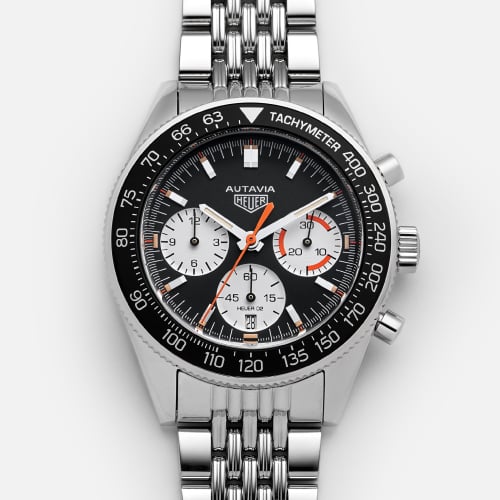
TAG Heuer
Autavia Heuer 02 Stainless Steel / Hodinkee / Bracelet
Ref. CBE2117-BA0687
CN/A
EN/A
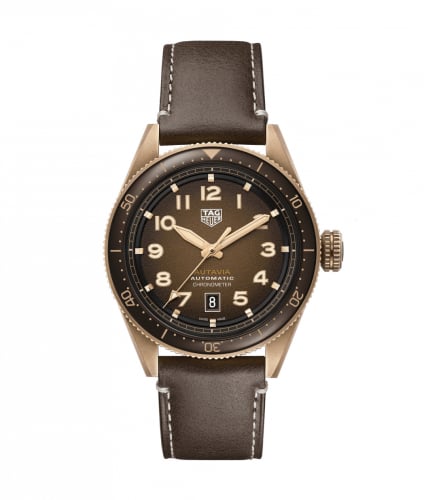
TAG Heuer
Autavia Calibre 5 Bronze / Brown
Ref. WBE5191-FC8276
CN/A
EN/A
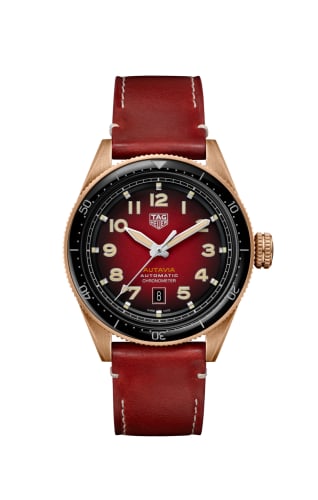
TAG Heuer
Autavia Calibre 5 Bronze / Red
Ref. WBE5192-FC8300
CN/A
EN/A
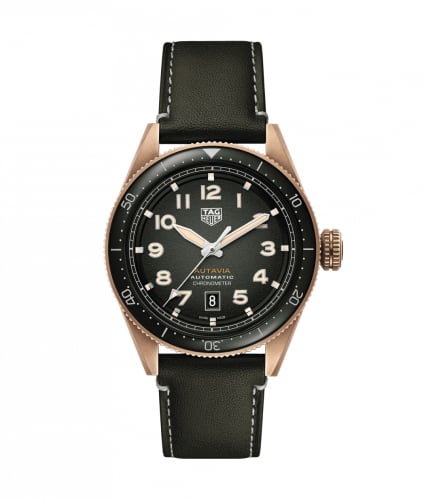
TAG Heuer
Autavia Calibre 5 Bronze / Green
Ref. WBE5190-FC8268
CN/A
EN/A
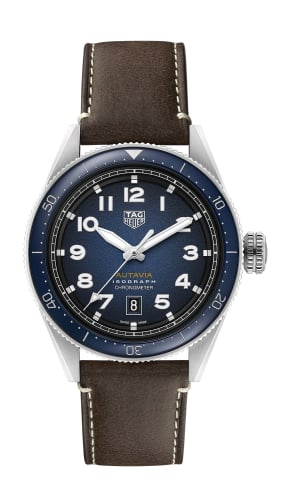
TAG Heuer
Autavia Isograph Calibre 5 Stainless Steel / Blue / Leather
Ref. WBE5112-FC8266
CN/A
EN/A
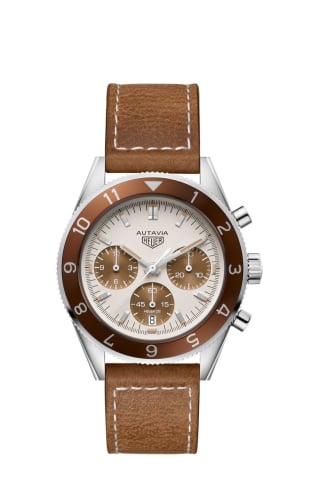
TAG Heuer
Autavia Heuer 02 Stainless Steel / Tropical Panda / Strap / UAE Edition
Ref. CBE2113-FC8226
CN/A
EN/A
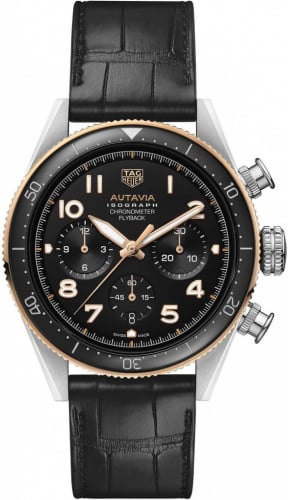
TAG Heuer
Autavia Heuer 02 Isograph Stainless Steel / Rose Gold / Black / Strap
Ref. CBE5150-FC8280
CN/A
EN/A
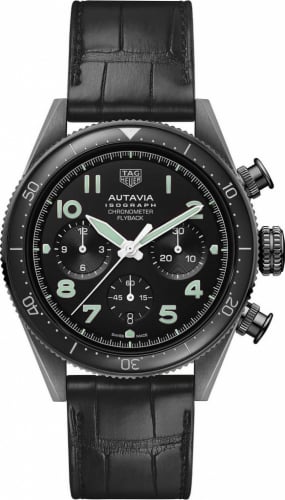
TAG Heuer
Autavia Heuer 02 Isograph Stainless Steel / Black / Bracelet
Ref. CBE5115-FC8280
CN/A
EN/A
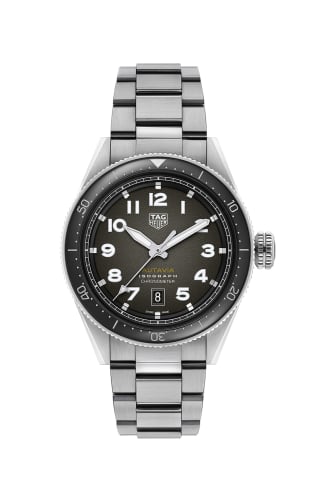
TAG Heuer
Autavia Isograph Calibre 5 Stainless Steel / Black / Bracelet
Ref. WBE5110-EB0173
CN/A
EN/A
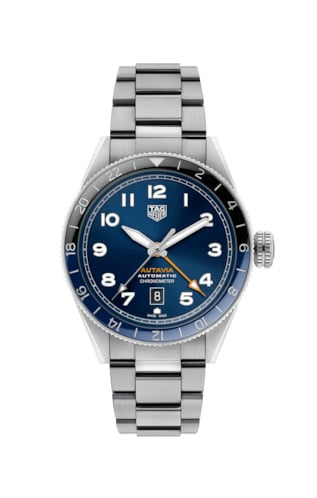
TAG Heuer
Autavia Calibre 7 Twin Time Stainless Steel / Blue
Ref. WBE511A-BA0650
CN/A
EN/A
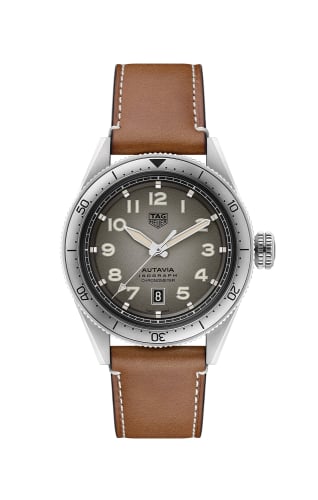
TAG Heuer
Autavia Isograph Calibre 5 Stainless Steel / Grey / Leather
Ref. WBE5111-FC8267
CN/A
EN/A
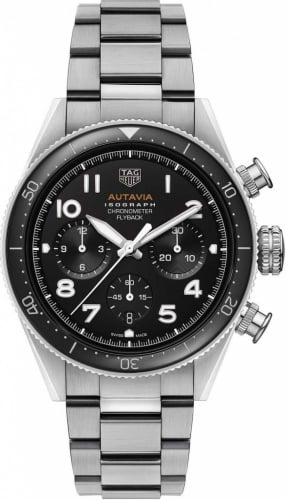
TAG Heuer
Autavia Heuer 02 Isograph Stainless Steel / Black / Bracelet
Ref. CBE5113-BA0650
CN/A
EN/A
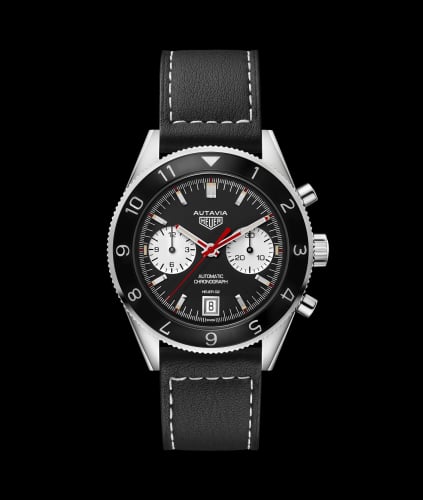
TAG Heuer
Autavia Heuer 02 Stainless Steel / Inverted Panda / 1972 Edition
Ref. CBE2118-FC8246
CN/A
EN/A
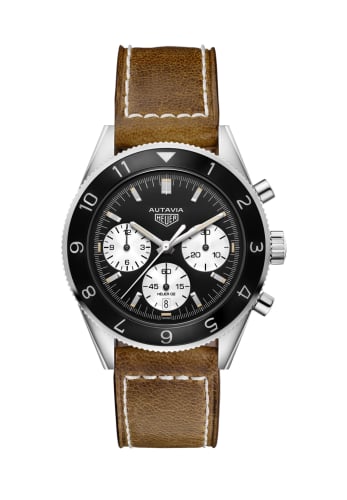
TAG Heuer
Autavia Heuer 02 Stainless Steel / Inverted Panda / Strap
Ref. CBE2110-FC8226
CN/A
EN/A
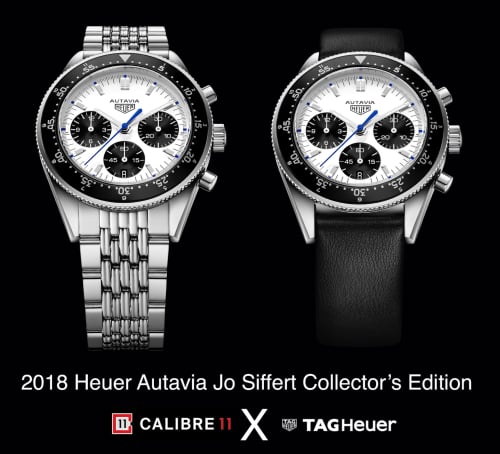
TAG Heuer
Autavia Heuer 02 Stainless Steel / Panda / Bracelet / Jo Siffert
Ref. CBE2114-BA0687
CN/A
EN/A
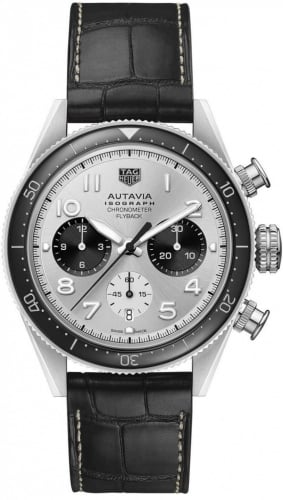
TAG Heuer
Autavia Heuer 02 Isograph Stainless Steel / Panda / Strap
Ref. CBE5114-FC8279
CN/A
EN/A
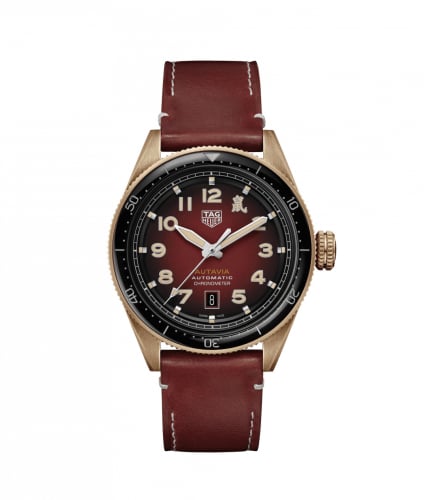
TAG Heuer
Autavia Calibre 5 Bronze / Year of the Rat
Ref. WBE5193-FC8300
CN/A
EN/A
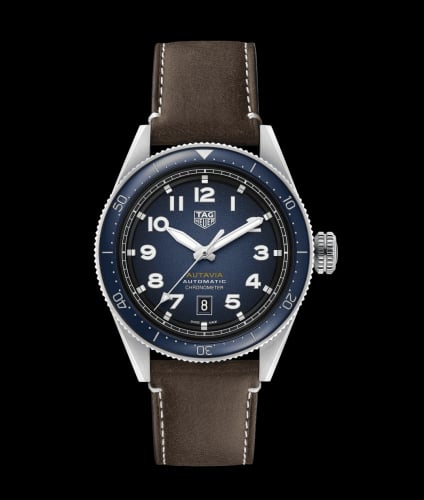
TAG Heuer
Autavia Calibre 5 Stainless Steel / Blue / Leather
Ref. WBE5116-FC8266
CN/A
EN/A
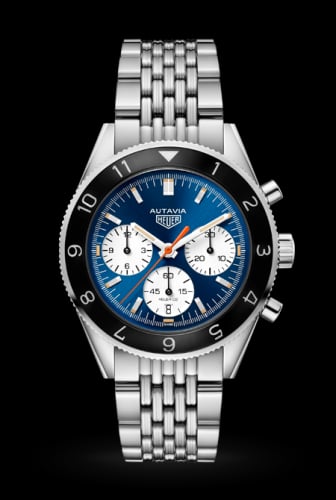
TAG Heuer
Autavia Heuer 02 Stainless Steel / Watches of Switzerland / Bracelet
Ref. CBE2115-BA0687
CN/A
EN/A
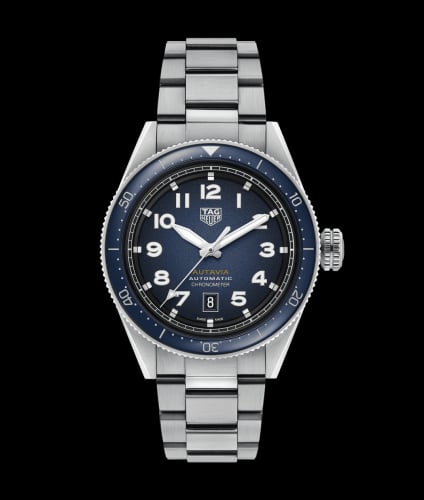
TAG Heuer
Autavia Calibre 5 Stainless Steel / Blue / Bracelet
Ref. WBE5116-EB0173
CN/A
EN/A
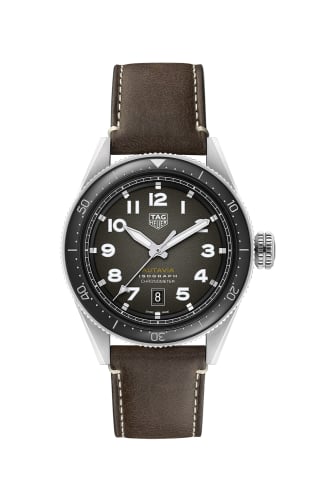
TAG Heuer
Autavia Isograph Calibre 5 Stainless Steel / Black / Leather
Ref. WBE5110-FC8266
CN/A
EN/A
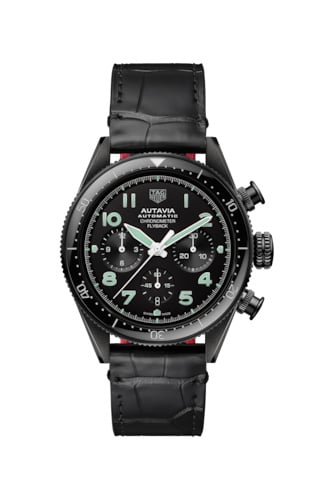
TAG Heuer
Autavia Heuer 02 Chronometer Flyback DLC / Black
Ref. CBE511C-FC8280
CN/A
EN/A
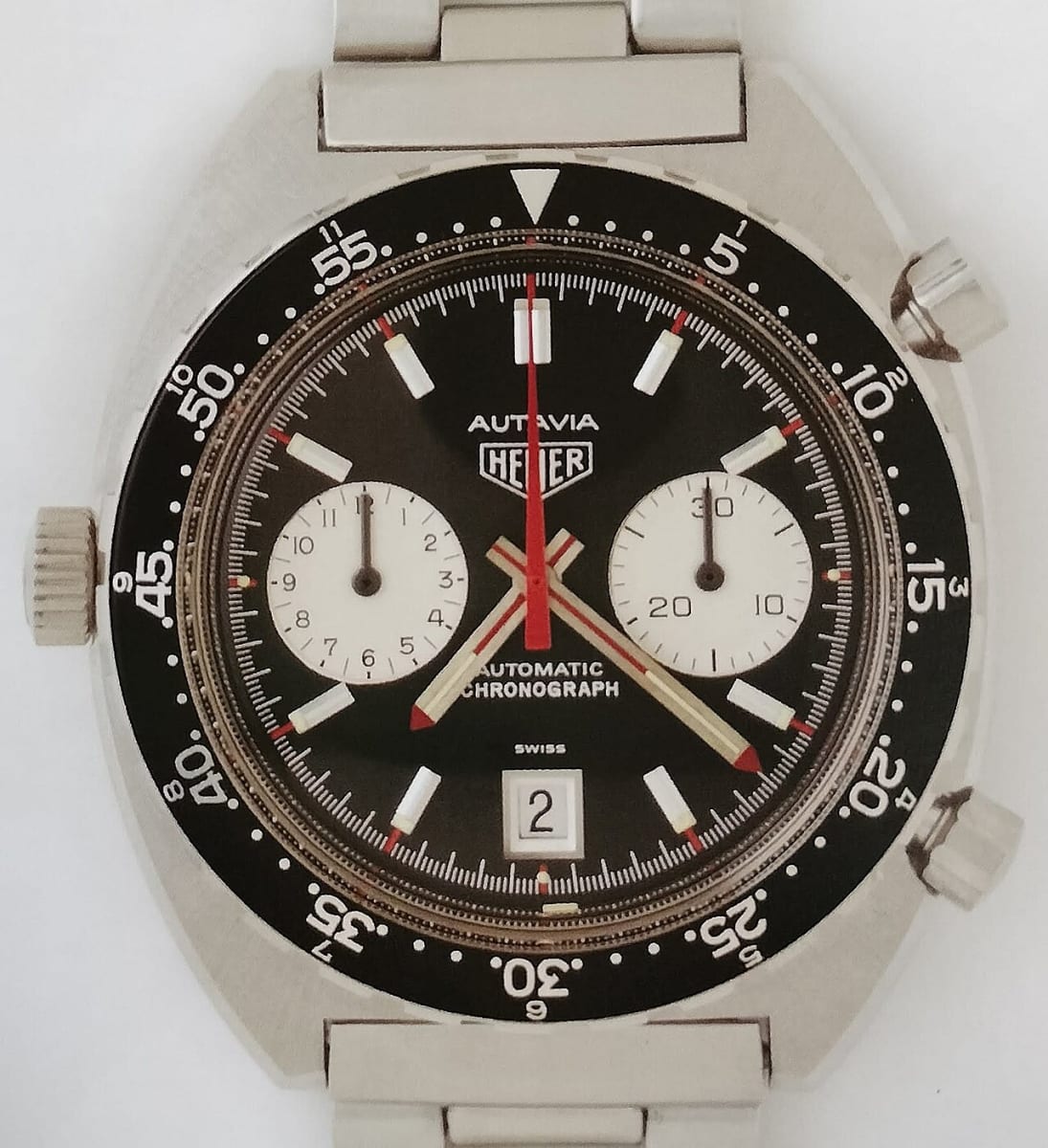
TAG Heuer
Autavia
Ref. 1163
CN/A
EN/A
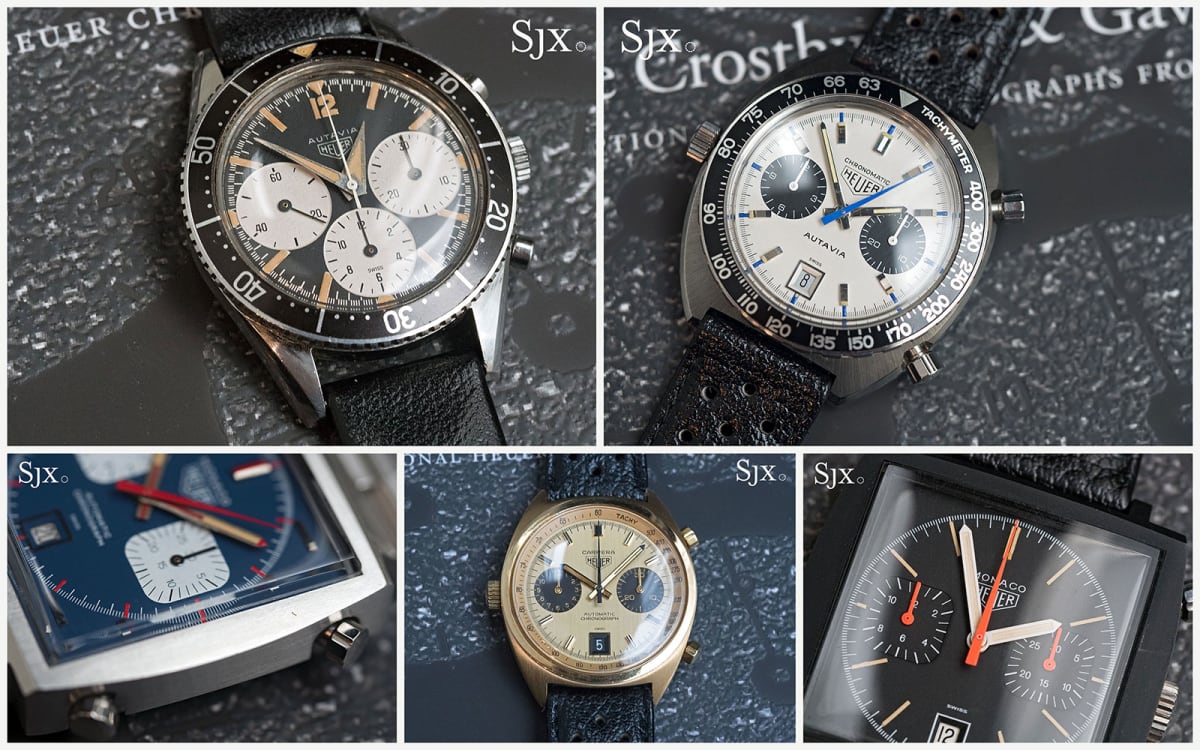
TAG Heuer
Autavia
Ref. 2446
CN/A
EN/A
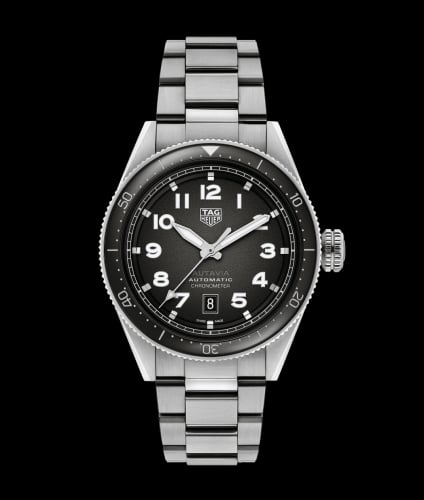
TAG Heuer
Autavia Calibre 5 Stainless Steel / Black / Bracelet
Ref. WBE5114-EB0173
CN/A
EN/A
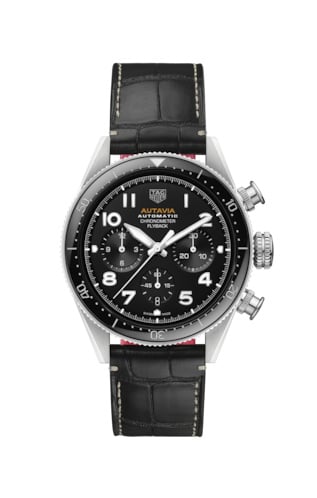
TAG Heuer
Autavia Heuer 02 Chronometer Flyback Stainless Steel / Black
Ref. CBE511A-FC8279
CN/A
EN/A
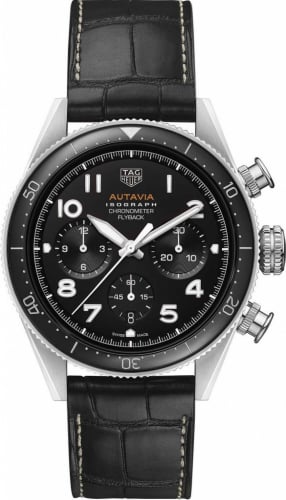
TAG Heuer
Autavia Heuer 02 Isograph Stainless Steel / Black / Strap
Ref. CBE5113-FC8279
CN/A
EN/A
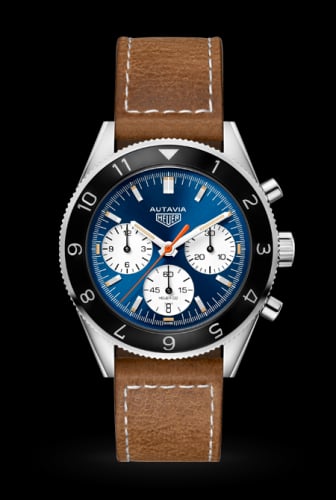
TAG Heuer
Autavia Heuer 02 Stainless Steel / Watches of Switzerland / Strap
Ref. CBE2115-FC8226
CN/A
EN/A
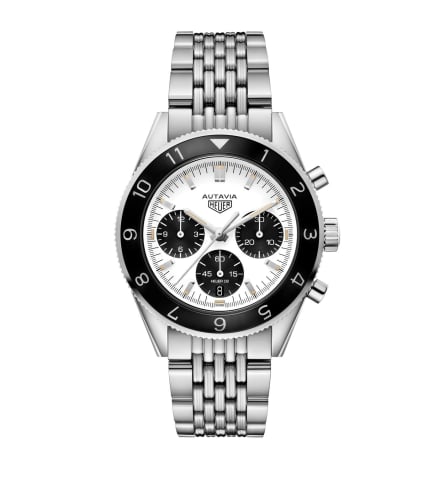
TAG Heuer
Autavia Heuer 02 Stainless Steel / Panda / Harrods
Ref. CBE2116-EB0156
CN/A
EN/A
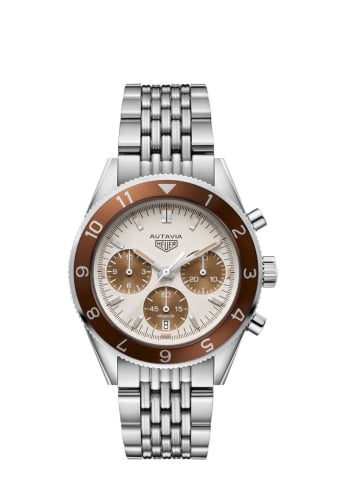
TAG Heuer
Autavia Heuer 02 Stainless Steel / Tropical Panda / Bracelet / UAE Edition
Ref. CBE2113-BA0687
CN/A
EN/A
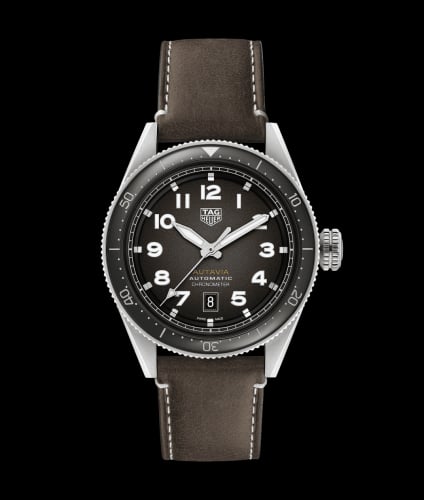
TAG Heuer
Autavia Calibre 5 Stainless Steel / Black / Leather
Ref. WBE5114-FC8266
CN/A
EN/A
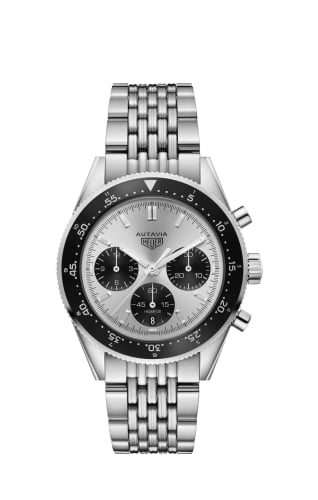
TAG Heuer
Autavia Heuer 02 Stainless Steel / Panda / Bracelet / Jack Heuer
Ref. CBE2111-BA0687
CN/A
EN/A
All Reviews(1 across all references)

The Architect
ExpertSep 27, 2026
70
74
Dial & Handset71
Case & Design78
Movement66
Bracelet / Strap65
Wearability