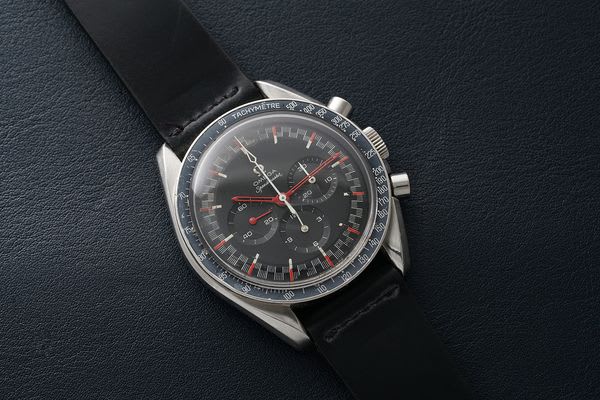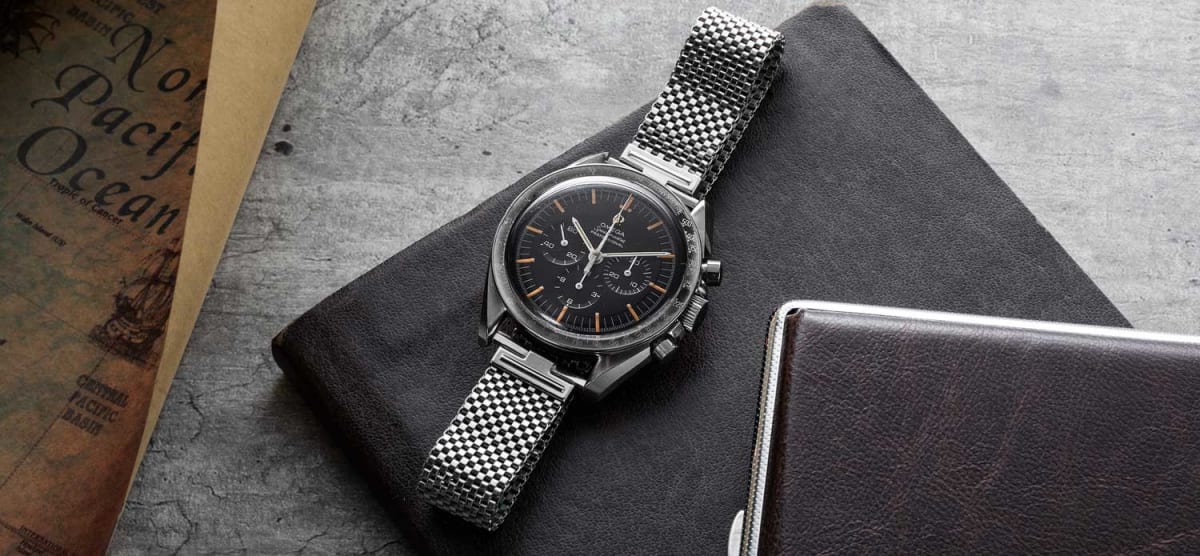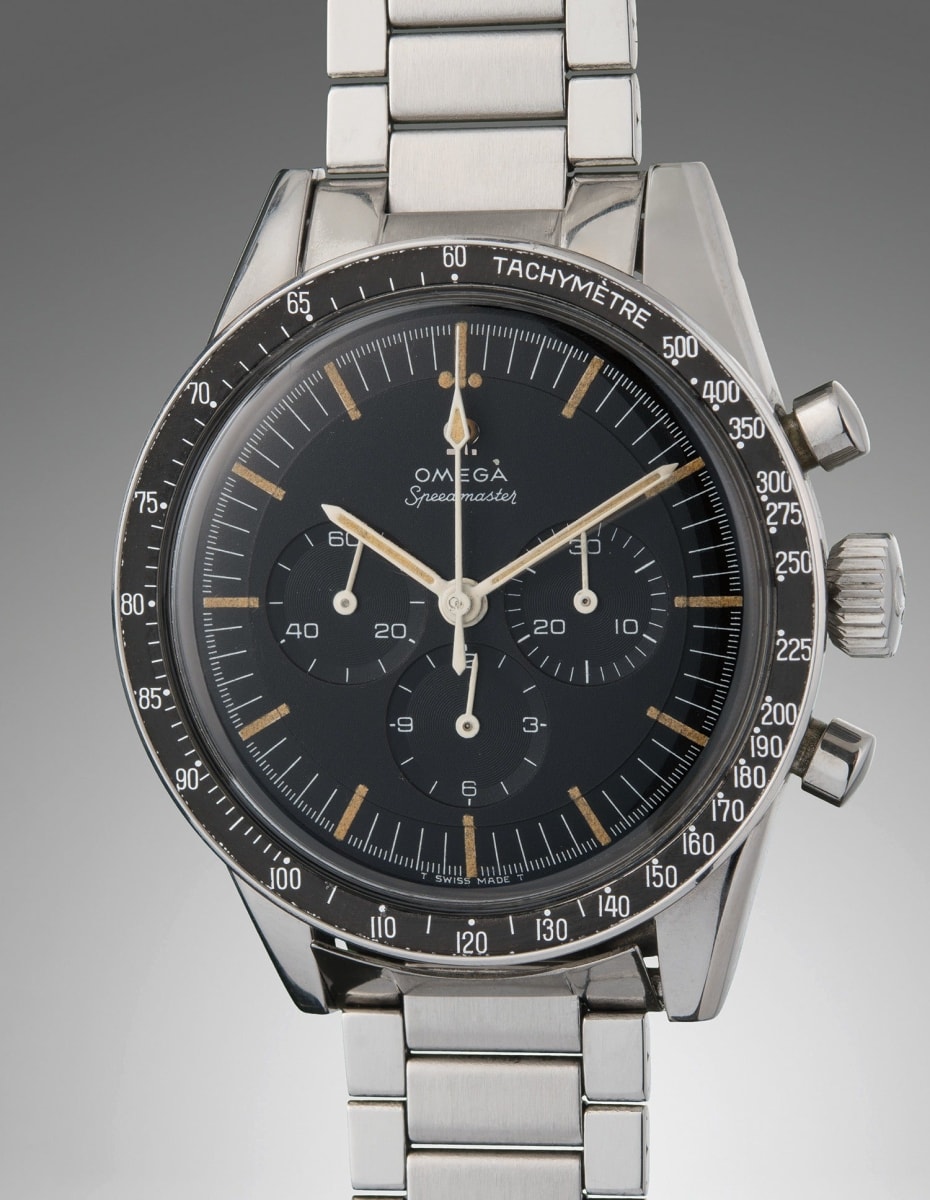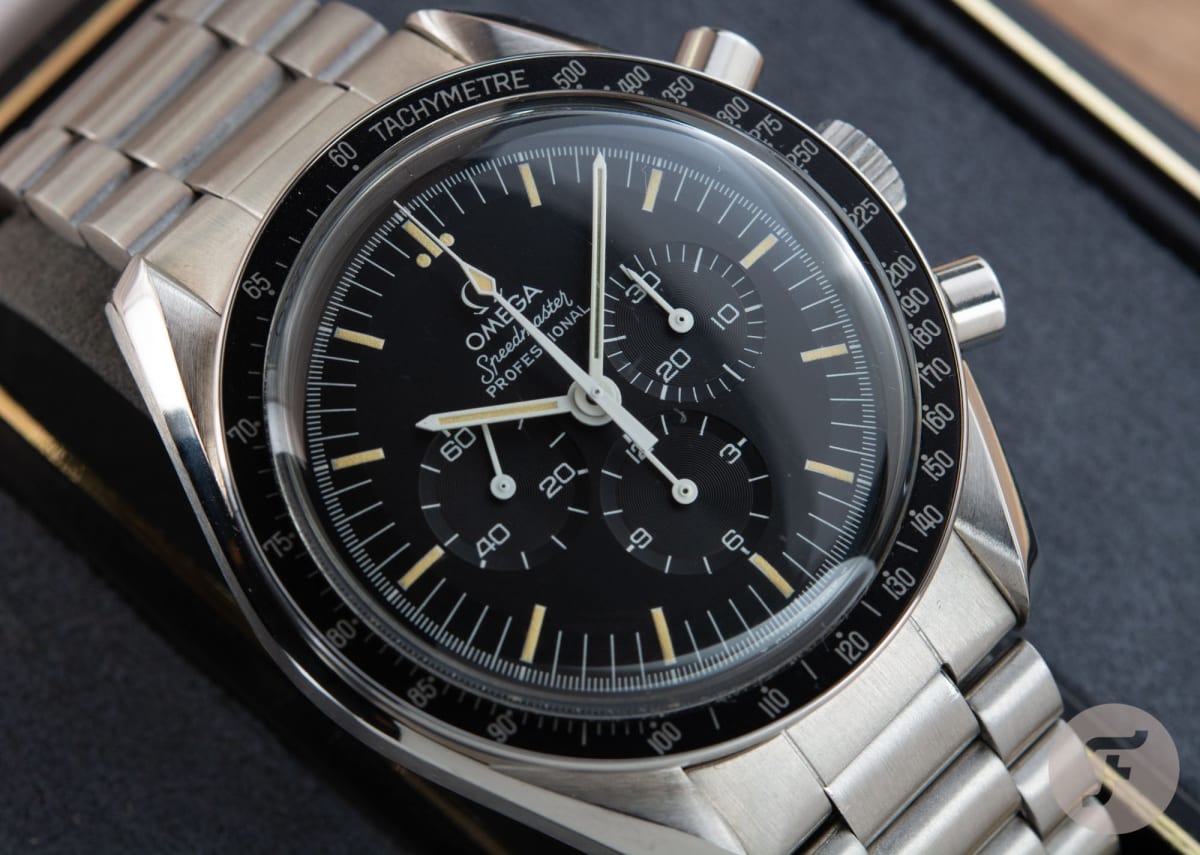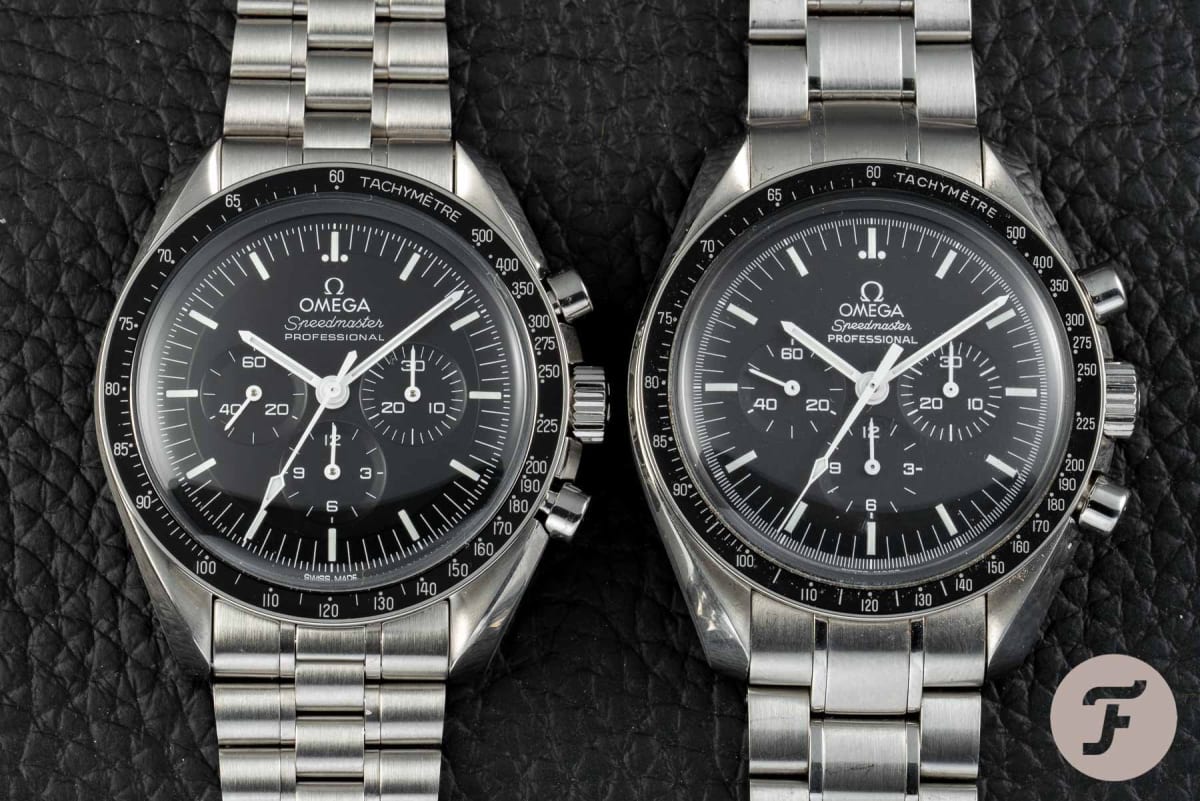
The 145.012 is the last Speedmaster to use the legendary cal. 321 - a column-wheel chronograph that's arguably the most beautiful movement Omega ever produced. It's the reference NASA-certified for the moon missions, and it wears with real vintage warmth: chunky lugs, proper hesalite dome, and that pre-Moonwatch subdial layout. This is the collector's Speedmaster.
The cal. 321 in this is a genuine mechanical work of art. Column-wheel chronograph, beautifully finished, and it's the reference NASA certified for the moon. Wrist presence is real - this wears bigger than modern Speedys somehow. If you're a Speedmaster person and can find a clean 105.012, prioritize it.
The moon watch, man. Look, I'm no astronaut. But there's something about a watch that actually went to space that I can respect. It's chunky. It's honest. It doesn't have any diamonds on it. That last part is important.
This watch was made to accompany men to the moon. It succeeded in that mission. I ask: ought we to judge a tool by anything other than the completion of its purpose? The chronograph's purpose was fulfilled at Tranquility Base. Everything else - its price, its collectibility, its associations - comes after, and is therefore secondary.
The Speedmaster Professional. Manual wind. NASA-certified. I own one - it is what one wears when playing at being 'casual.' It communicates that one is a serious person who understands watches without needing to shout about them. However. I would not wear this to Dorsia. There are limits.
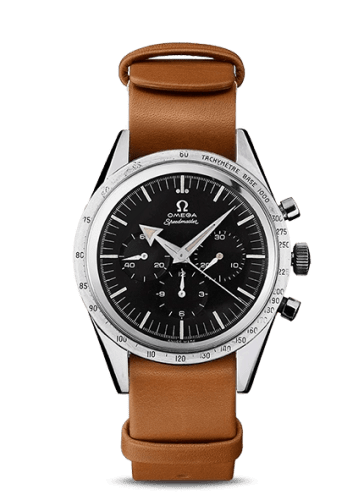
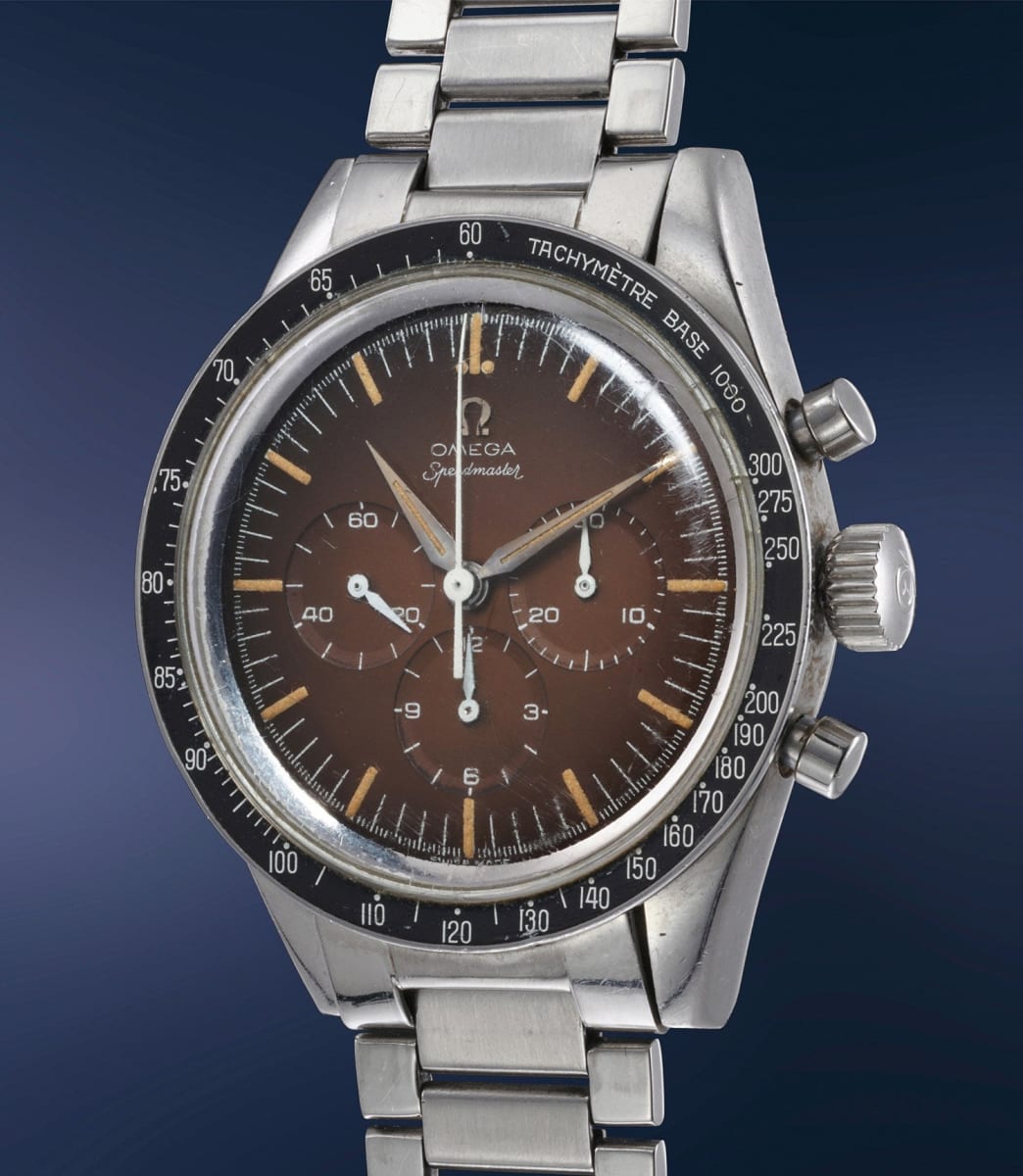
The CK2998 is the first Speedmaster in space - worn by Wally Schirra during the Mercury Sigma 7 mission. The Alpha-hands, the black tachymeter bezel, the straight lugs - it's exactly what a chronograph should look like. Cal. 321 inside, of course. Any early Speedmaster is special but the CK2998 has that historical resonance that puts it in the pantheon.
First speedy in space - huge significance - great design - a tad bit expensive