Omega
Seamaster Diver 300M
Omega's iconic professional dive watch, introduced in 1993 and worn by James Bond since GoldenEye. The current generation features the Co-Axial Master Chronometer Cal. 8800, a ceramic helical bezel, and wave-brushed dials across a range of steel and ceramic configurations.
N/A
Community
77
Expert
9 reviews
References
104
References in this Family
Omega
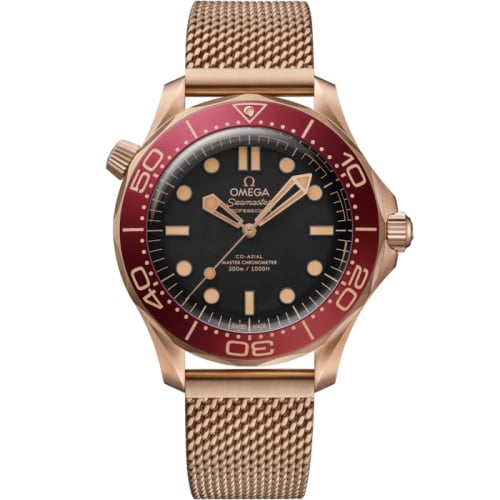
Seamaster Diver 300M Master Co-Axial 42 Bronze Gold / Black / Bracelet
Ref. 210.90.42.20.01.003
CN/A
E86
Omega
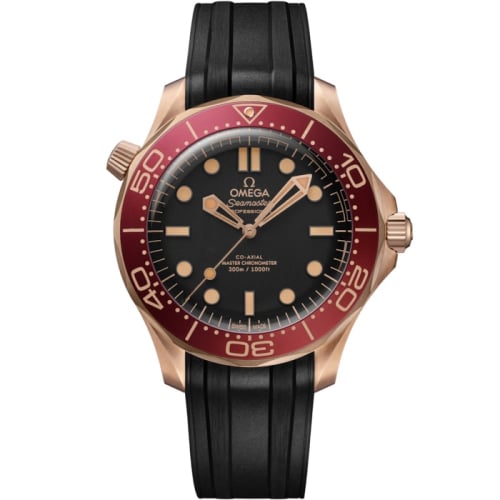
Seamaster Diver 300M Master Co-Axial 42 Bronze Gold / Black / Rubber
Ref. 210.92.42.20.01.003
CN/A
E84
Omega
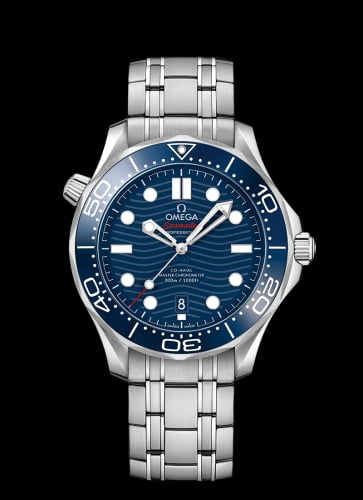
Seamaster Diver 300M
Ref. 210.30.42.20.03.001
CN/A
E82
Omega
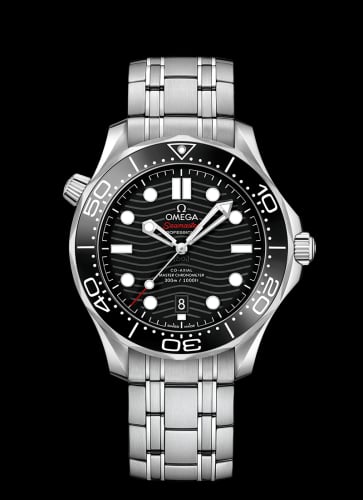
Seamaster Professional 300M
Ref. 210.30.42.20.01.001
CN/A
E76
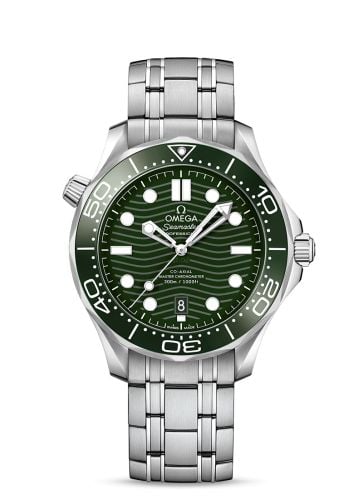
Omega
Seamaster Diver 300M
Ref. 210.30.42.20.10.001
CN/A
E75
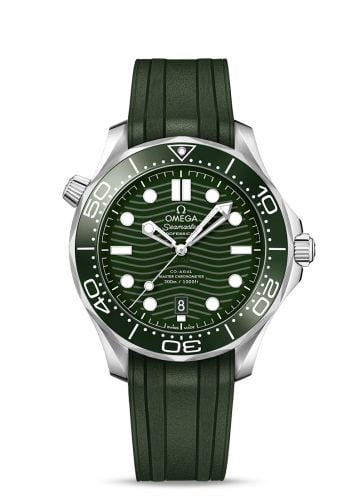
Omega
Seamaster Diver 300M
Ref. 210.32.42.20.10.001
CN/A
E74
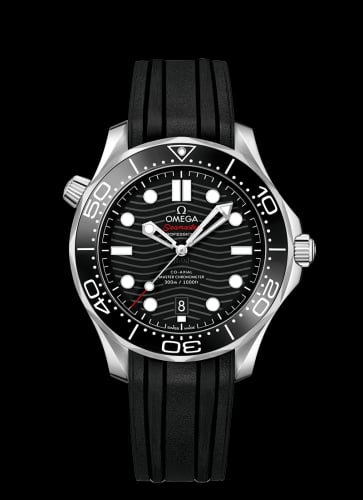
Omega
Seamaster Diver 300M
Ref. 210.32.42.20.01.001
CN/A
E74
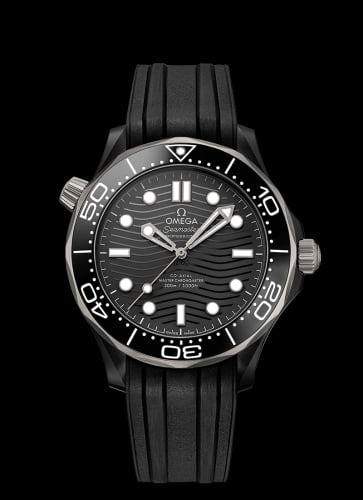
Omega
Seamaster Diver 300M
Ref. 210.92.44.20.01.001
CN/A
E73
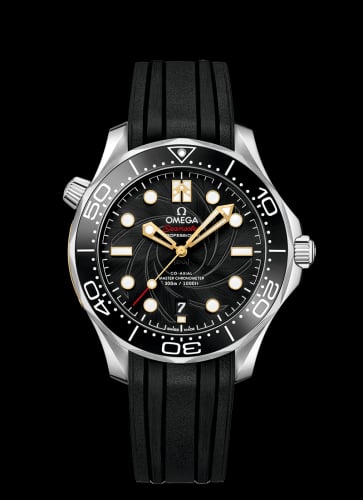
Omega
Seamaster Diver 300M
Ref. 210.22.42.20.01.004
CN/A
E72
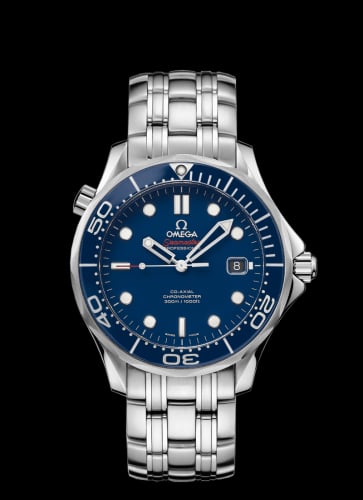
Omega
Seamaster Diver 300M Co-Axial 41 Stainless Steel / Blue / Bracelet / Ceramic
Ref. 212.30.41.20.03.001
CN/A
EN/A
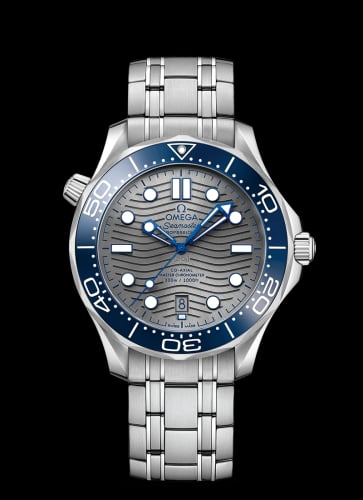
Omega
Seamaster Diver 300M Master Co-Axial 42 Stainless Steel / Grey / Bracelet
Ref. 210.30.42.20.06.001
CN/A
EN/A
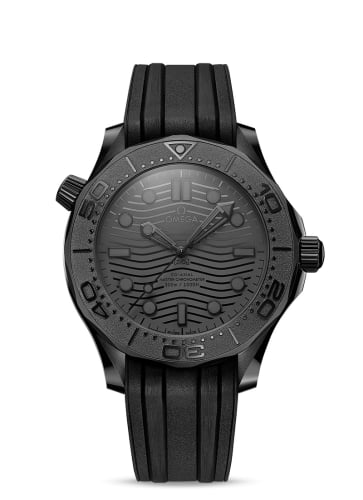
Omega
Seamaster Diver 300M Master Co-Axial 43.5 Black Black
Ref. 210.92.44.20.01.003
CN/A
EN/A
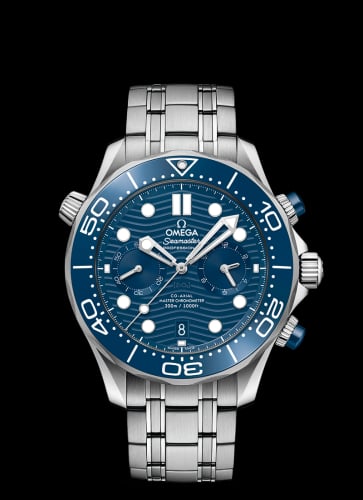
Omega
Seamaster Diver 300M Master Co-Axial 44 Chronograph Stainless Steel / Blue / Bracelet
Ref. 210.30.44.51.03.001
CN/A
EN/A
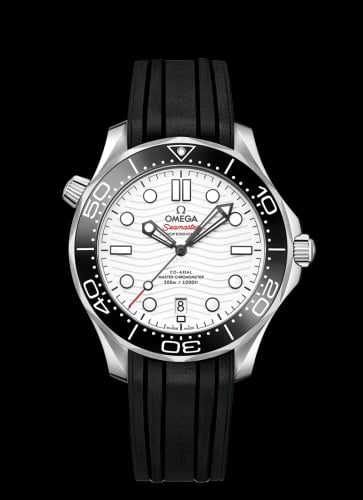
Omega
Seamaster Diver 300M Master Co-Axial 42 Stainless Steel / White / Rubber
Ref. 210.32.42.20.04.001
CN/A
EN/A
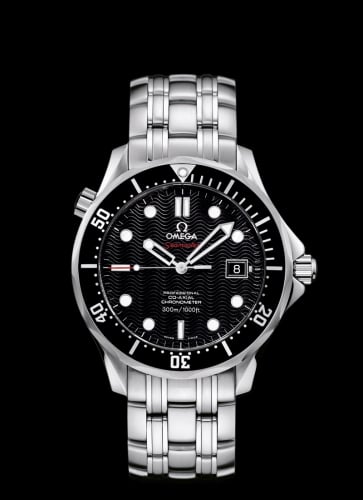
Omega
Seamaster Diver 300M Co-Axial 41 Stainless Steel / Black / Bracelet
Ref. 212.30.41.20.01.002
CN/A
EN/A
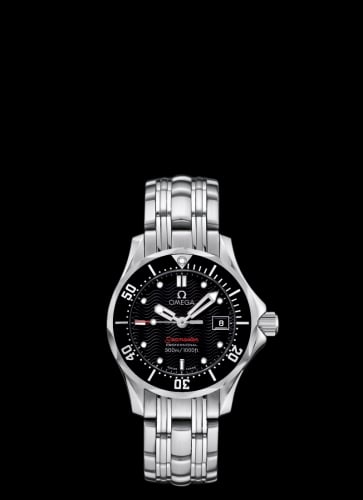
Omega
Seamaster Diver 300M Quartz 28 Stainless Steel / Black / Bracelet
Ref. 212.30.28.61.01.001
CN/A
EN/A
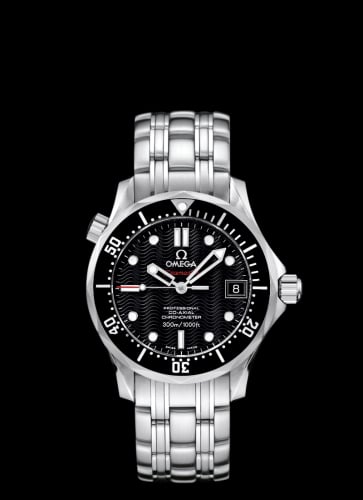
Omega
Seamaster Diver 300M Co-Axial 36.25 Stainless Steel / Black / Bracelet
Ref. 212.30.36.20.01.001
CN/A
EN/A
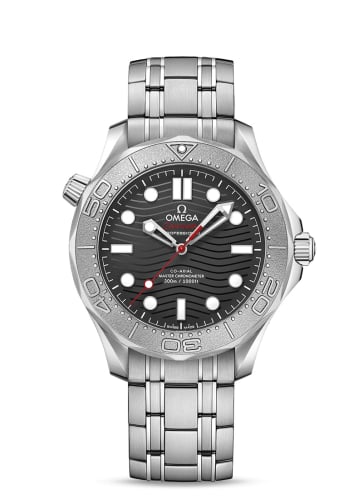
Omega
Seamaster Diver 300M Nekton Edition / Bracelet
Ref. 210.30.42.20.01.002
CN/A
EN/A
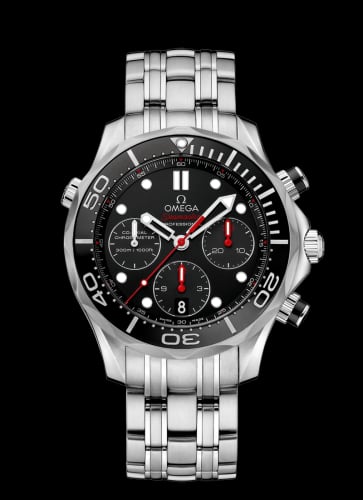
Omega
Seamaster Diver 300M Co-Axial 44 Chronograph Stainless Steel / Black / Bracelet
Ref. 212.30.44.50.01.001
CN/A
EN/A
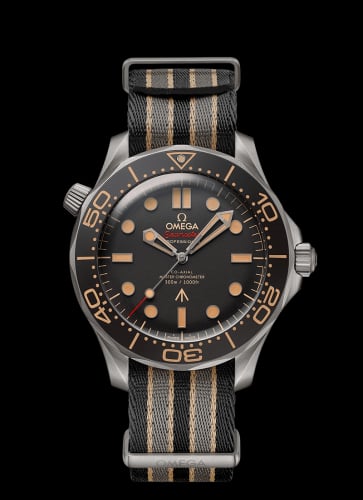
Omega
Seamaster Diver 300M Master Co-Axial 42 James Bond No Time to Die / NATO
Ref. 210.92.42.20.01.001
CN/A
EN/A
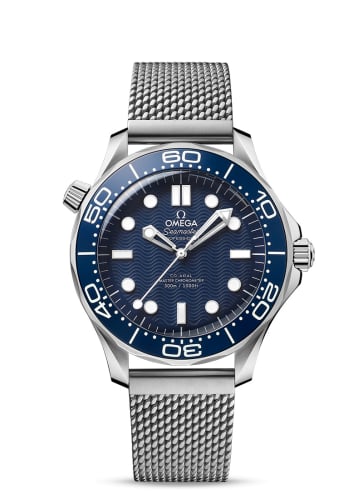
Omega
Seamaster Diver 300M Master Co-Axial 42 Stainless Steel / James Bond 60th Anniversary
Ref. 210.30.42.20.03.002
CN/A
EN/A
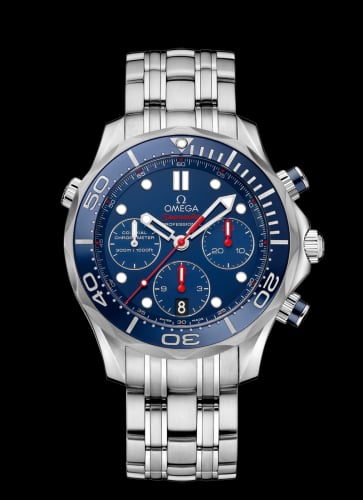
Omega
Seamaster Diver 300M Co-Axial 44 Chronograph Stainless Steel / Blue / Bracelet
Ref. 212.30.44.50.03.001
CN/A
EN/A
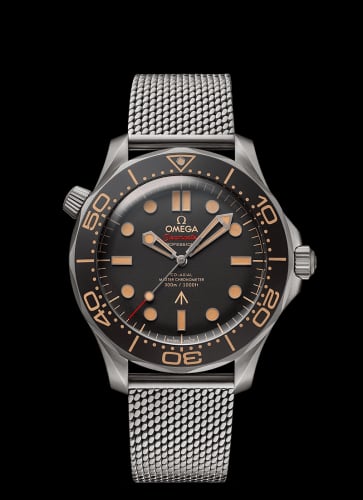
Omega
Seamaster Diver 300M Master Co-Axial 42 James Bond No Time to Die / Bracelet
Ref. 210.90.42.20.01.001
CN/A
EN/A
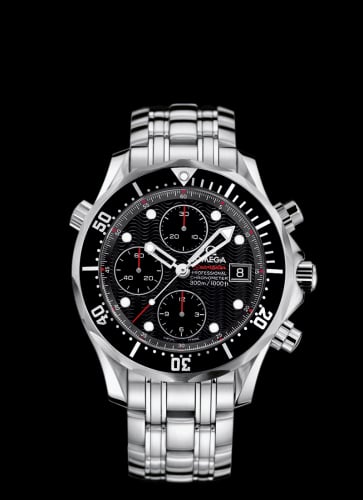
Omega
Seamaster Diver 300M Automatic 41.5 Chronograph Stainless Steel / Black / Bracelet
Ref. 213.30.42.40.01.001
CN/A
EN/A
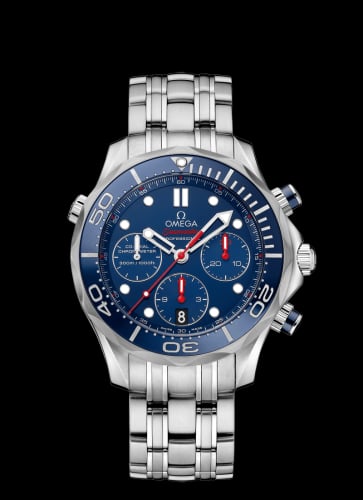
Omega
Seamaster Diver 300M Co-Axial 41.5 Chronograph Stainless Steel / Blue / Bracelet
Ref. 212.30.42.50.03.001
CN/A
EN/A
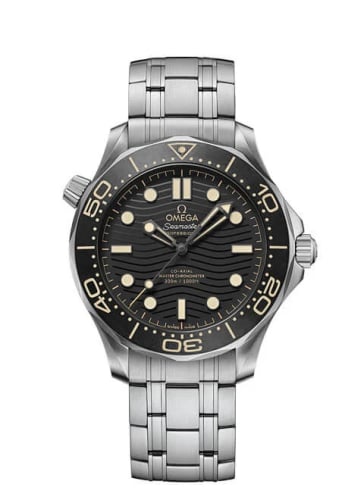
Omega
Seamaster Diver 300M Master Co-Axial 42 Swiss Armed Forces
Ref. 210.30.42.20.01.003
CN/A
EN/A
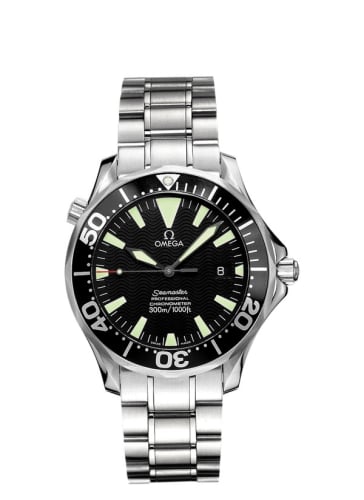
Omega
Seamaster Diver 300M Automatic 41 Stainless Steel / Black / Bracelet / SAS SFC
Ref. 212.30.41.10.01.001
CN/A
EN/A
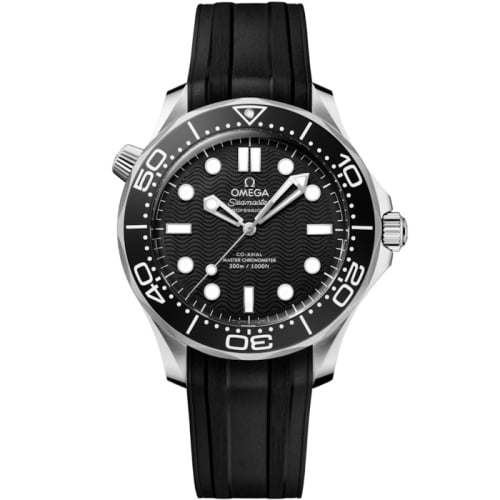
Omega
Seamaster Diver 300M No-Date Master Co-Axial 42 Stainless Steel / Black / Rubber
Ref. 210.32.42.20.01.003
CN/A
EN/A
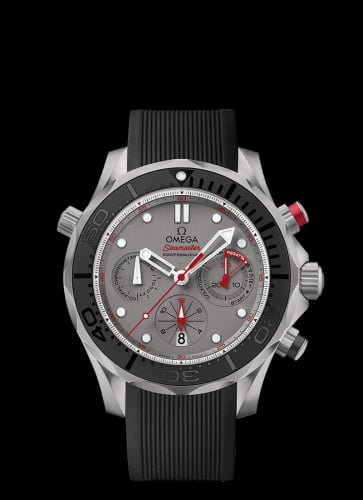
Omega
Seamaster Diver 300M Co-Axial 44 Chronograph Titanium / Grey / Rubber / ETNZ
Ref. 212.92.44.50.99.001
CN/A
EN/A
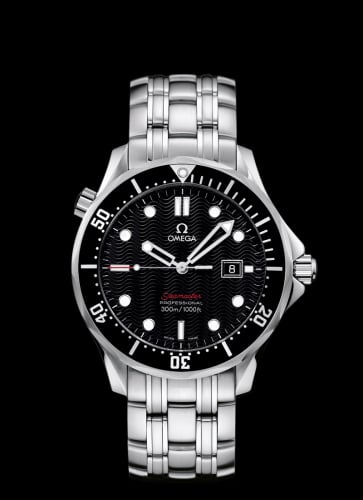
Omega
Seamaster Diver 300M Quartz 41 Stainless Steel / Black / Bracelet
Ref. 212.30.41.61.01.001
CN/A
EN/A
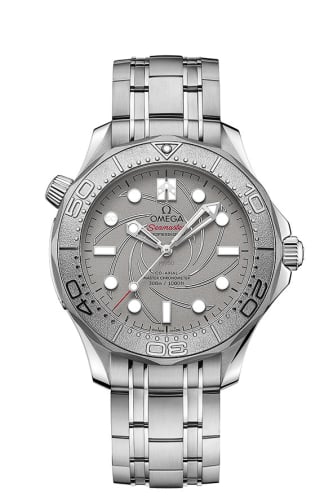
Omega
Seamaster Diver 300M Master Co-Axial 42 Platinum Aston Martin Neiman Marcus
Ref. 210.93.42.20.99.001
CN/A
EN/A
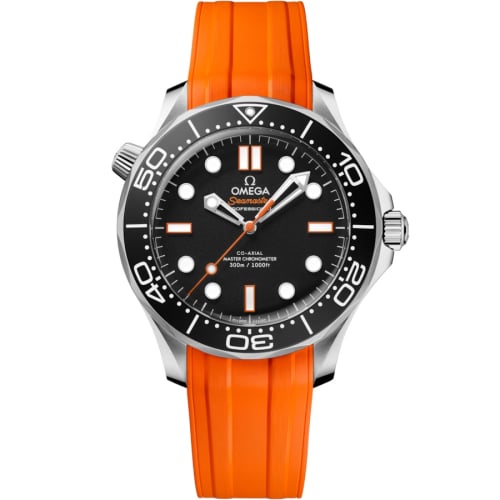
Omega
Seamaster Diver 300M Master Co-Axial 42 No-Date Stainless Steel / Black - Orange / Rubber
Ref. 210.32.42.20.01.006
CN/A
EN/A
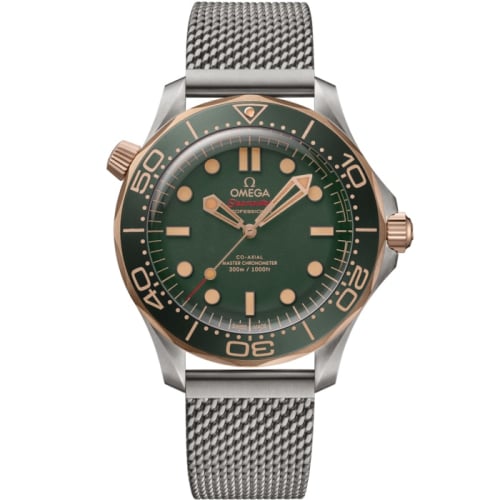
Omega
Seamaster Diver 300M Master Co-Axial 42 Titanium - Bronze Gold / Green / Bracelet
Ref. 210.90.42.20.10.001
CN/A
EN/A
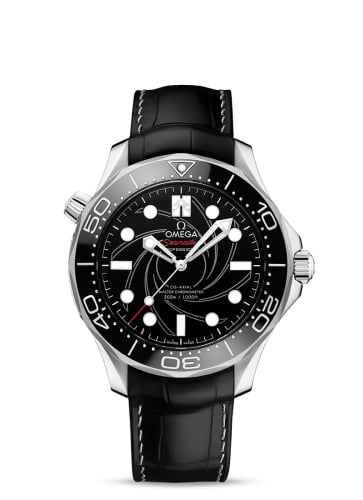
Omega
Seamaster Diver 300M Master Co-Axial 42 James Bond Platinum / Black
Ref. 210.93.42.20.01.001
CN/A
EN/A
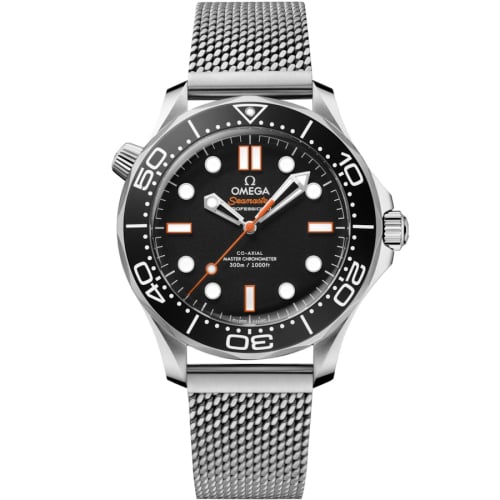
Omega
Seamaster Diver 300M Master Co-Axial 42 No-Date Stainless Steel / Black - Orange / Mesh
Ref. 210.30.42.20.01.018
CN/A
EN/A
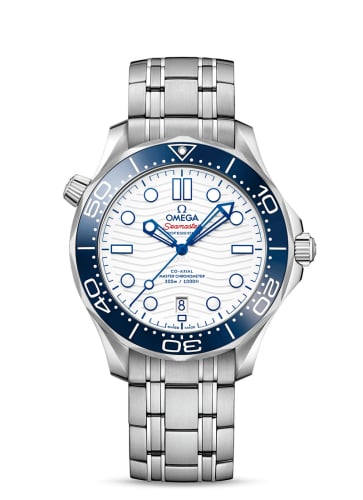
Omega
Seamaster Diver 300M Master Co-Axial 42 Tokyo 2020 Olympics
Ref. 522.30.42.20.04.001
CN/A
EN/A
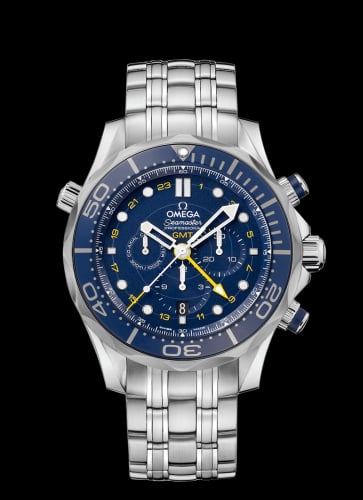
Omega
Seamaster Diver 300M Co-Axial 44 GMT Chronograph Stainless Steel / Blue / Bracelet
Ref. 212.30.44.52.03.001
CN/A
EN/A
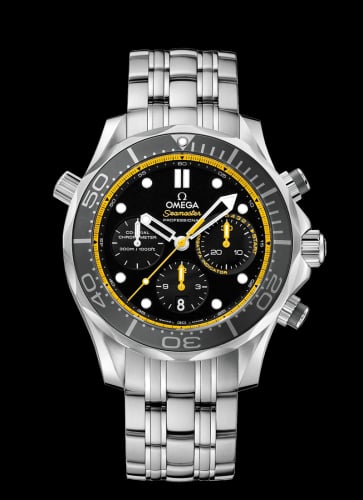
Omega
Seamaster Diver 300M Co-Axial 44 Regatta Chronograph Stainless Steel / Black / Bracelet
Ref. 212.30.44.50.01.002
CN/A
EN/A
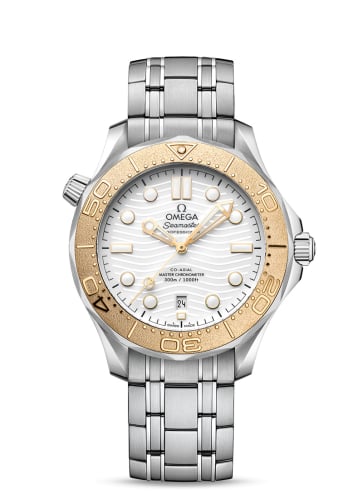
Omega
Seamaster Diver 300M Master Co-Axial 42 Paris 2024 Olympics
Ref. 522.21.42.20.04.001
CN/A
EN/A
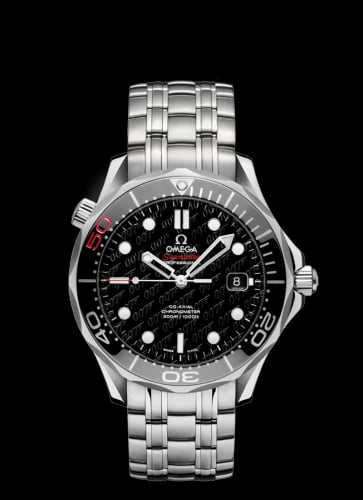
Omega
Seamaster Diver 300M Co-Axial 41 Stainless Steel / Black / Bracelet James Bond 50th Anniversary
Ref. 212.30.41.20.01.005
CN/A
EN/A
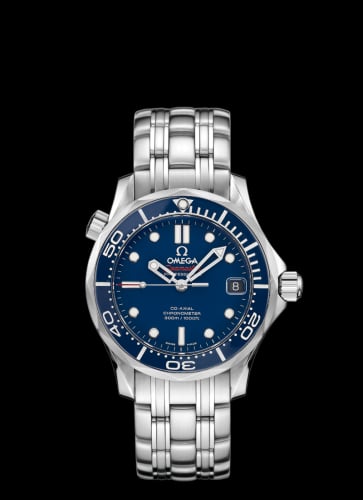
Omega
Seamaster Diver 300M Co-Axial 36.25 Stainless Steel / Blue/ Bracelet / Ceramic
Ref. 212.30.36.20.03.001
CN/A
EN/A
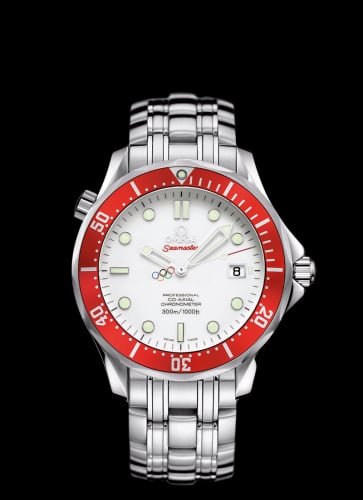
Omega
Seamaster Diver 300M Co-Axial 41 Stainless Steel / White / Bracelet / Vancouver Olympics
Ref. 212.30.41.20.04.001
CN/A
EN/A
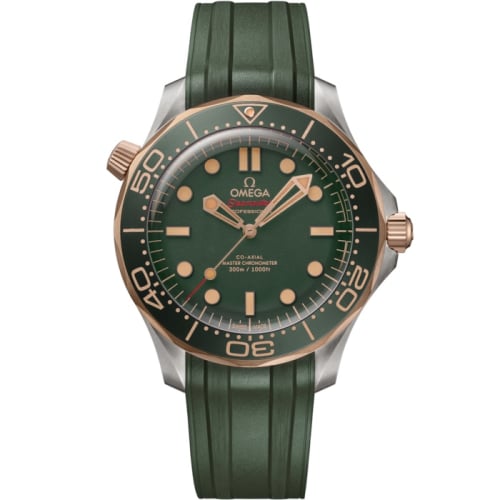
Omega
Seamaster Diver 300M Master Co-Axial 42 Titanium - Bronze Gold / Green / Rubber
Ref. 210.92.42.20.10.001
CN/A
EN/A
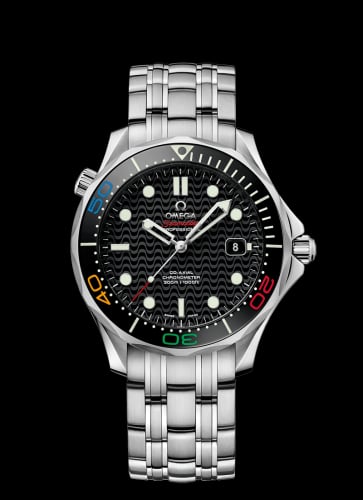
Omega
Seamaster Diver 300M Co-Axial 41.5 Stainless Steel / Black / Bracelet / Olympic Collection Rio
Ref. 522.30.41.20.01.001
CN/A
EN/A
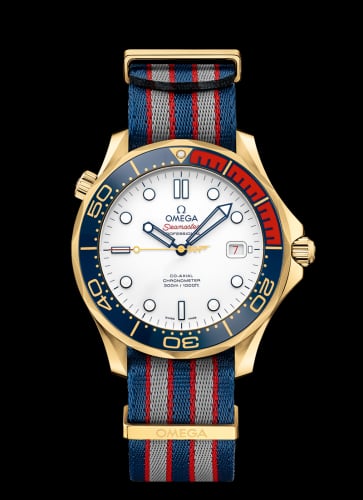
Omega
Seamaster Diver 300M Co-Axial 41 Yellow Gold /James Bond Commander's Watch
Ref. 212.62.41.20.04.001
CN/A
EN/A
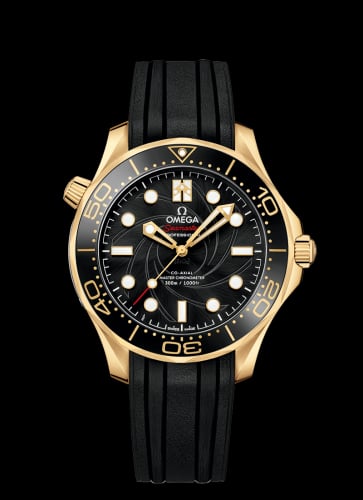
Omega
Seamaster Diver 300M Master Co-Axial 42 James Bond Yellow Gold / Black / Rubber
Ref. 210.62.42.20.01.001
CN/A
EN/A
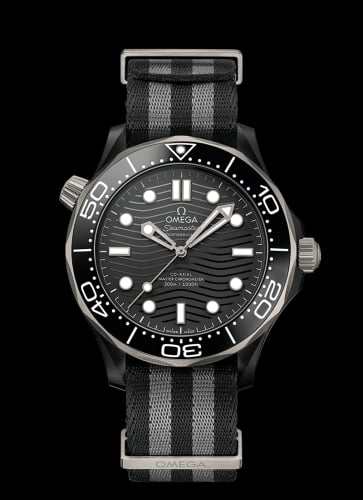
Omega
Seamaster Diver 300M Master Co-Axial 43.5 Ceramic / Titanium / Black / NATO
Ref. 210.92.44.20.01.002
CN/A
EN/A
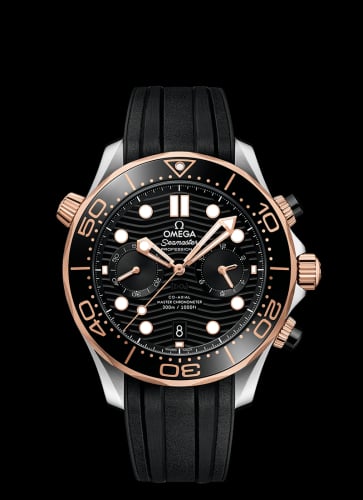
Omega
Seamaster Diver 300M Master Co-Axial 44 Chronograph Stainless Steel / Sedna Gold / Black / Rubber
Ref. 210.22.44.51.01.001
CN/A
EN/A
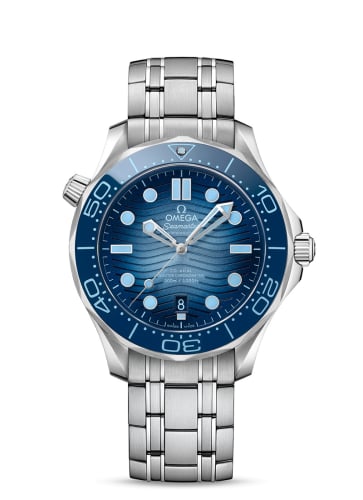
Omega
Seamaster Diver 300M Master Co-Axial 42 Stainless Steel / Summer Blue / Bracelet
Ref. 210.30.42.20.03.003
CN/A
EN/A
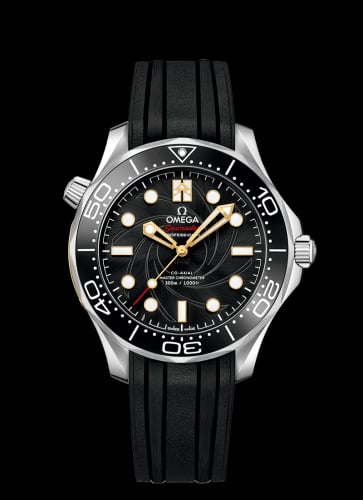
Omega
Seamaster Diver 300M Master Co-Axial 42 James Bond Stainless Steel / Black / Rubber
Ref. 210.22.42.20.01.003
CN/A
EN/A
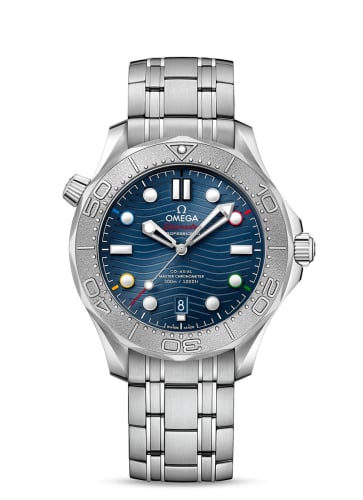
Omega
Seamaster Diver 300M Master Co-Axial 42 Beijing 2022 Olympic Winter Games
Ref. 522.30.42.20.03.001
CN/A
EN/A
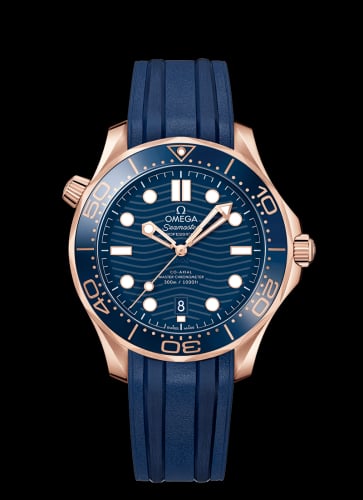
Omega
Seamaster Diver 300M Master Co-Axial 42 Sedna Gold / Blue / Rubber
Ref. 210.62.42.20.03.001
CN/A
EN/A
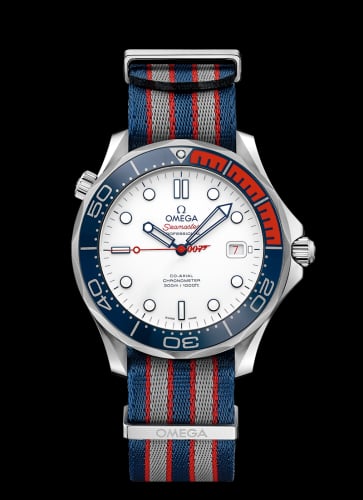
Omega
Seamaster Diver 300M Co-Axial 41 White Gold /James Bond Commander's Watch
Ref. 212.62.41.20.04.002
CN/A
EN/A
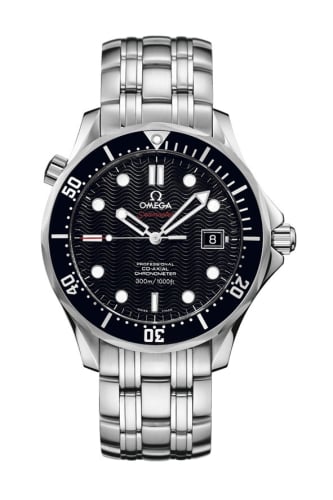
Omega
Seamaster Diver 300M Co-Axial 41 Stainless Steel / Black / Bracelet / SASR
Ref. 212.30.41.20.01.004
CN/A
EN/A
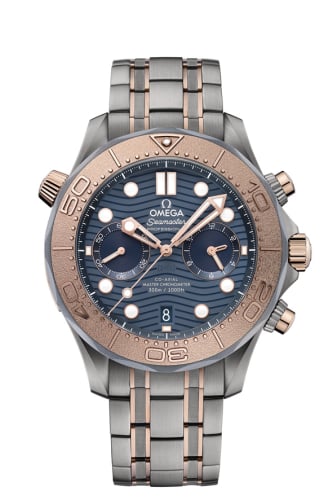
Omega
Seamaster Diver 300M Master Co-Axial 44 Chronograph Titanium / Tantalum / Sedna Gold / Blue / Bracelet
Ref. 210.60.44.51.03.001
CN/A
EN/A
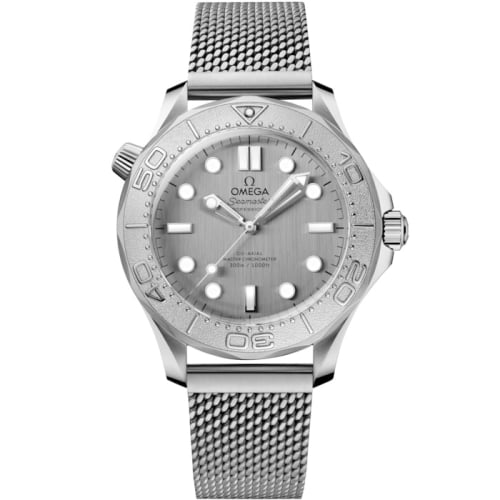
Omega
Seamaster Diver 300M No-Date Master Co-Axial 42 Stainless Steel - Titanium / Grey / Bracelet
Ref. 210.30.42.20.06.002
CN/A
EN/A
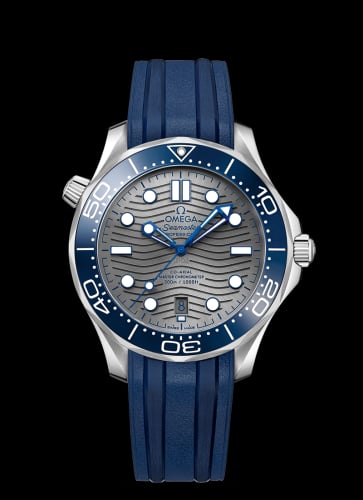
Omega
Seamaster Diver 300M Master Co-Axial 42 Stainless Steel / Grey / Rubber
Ref. 210.32.42.20.06.001
CN/A
EN/A
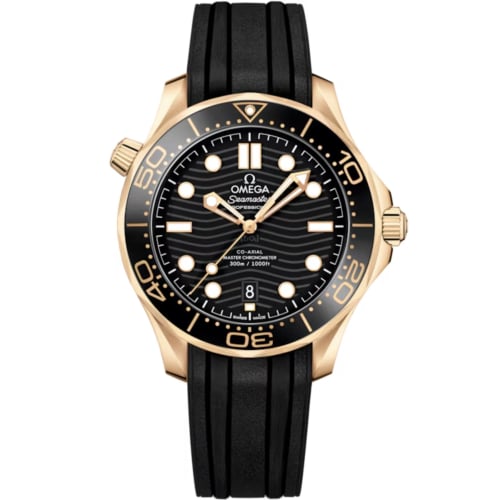
Omega
Seamaster Diver 300M Master Co-Axial 42 Moonshine Gold / Black / Rubber
Ref. 210.62.42.20.01.003
CN/A
EN/A
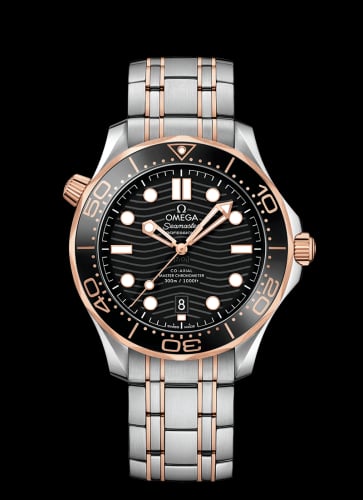
Omega
Seamaster Diver 300M Master Co-Axial 42 Stainless Steel / Sedna Gold / Black / Bracelet
Ref. 210.20.42.20.01.001
CN/A
EN/A
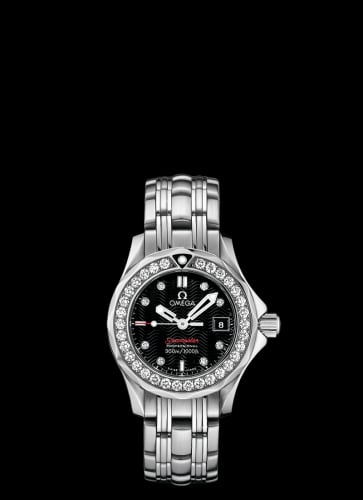
Omega
Seamaster Diver 300M Quartz 28 Stainless Steel / Diamond / Black / Bracelet
Ref. 212.15.28.61.51.001
CN/A
EN/A
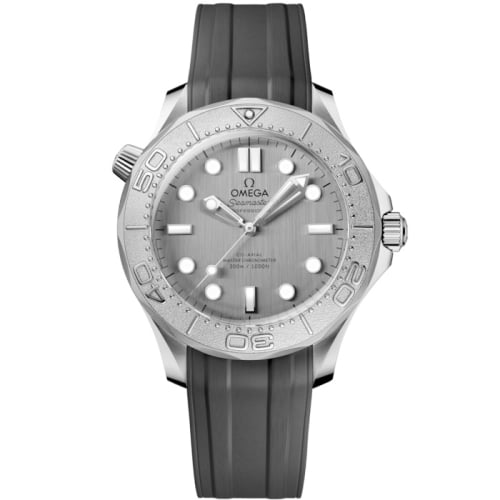
Omega
Seamaster Diver 300M No-Date Master Co-Axial 42 Stainless Steel - Titanium / Grey / Rubber
Ref. 210.32.42.20.06.002
CN/A
EN/A
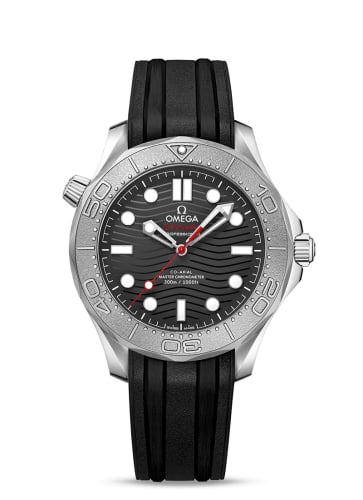
Omega
Seamaster Diver 300M Nekton Edition / Rubber
Ref. 210.32.42.20.01.002
CN/A
EN/A
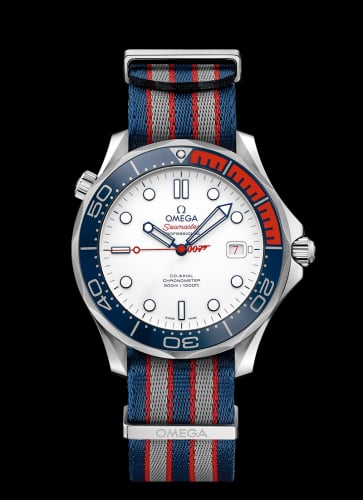
Omega
Seamaster Diver 300M Co-Axial 41 Stainless Steel /James Bond Commander's Watch
Ref. 212.32.41.20.04.001
CN/A
EN/A
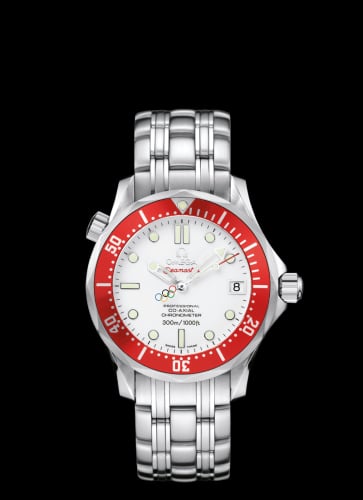
Omega
Seamaster Diver 300M Co-Axial 36.25 Stainless Steel / White / Bracelet / Vancouver Olympics
Ref. 212.30.36.20.04.001
CN/A
EN/A
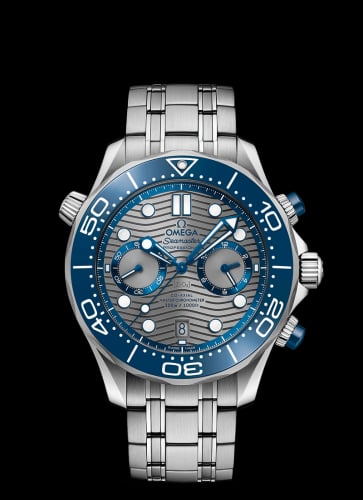
Omega
Seamaster Diver 300M Master Co-Axial 44 Chronograph Stainless Steel / Grey / Bracelet
Ref. 210.30.44.51.06.001
CN/A
EN/A
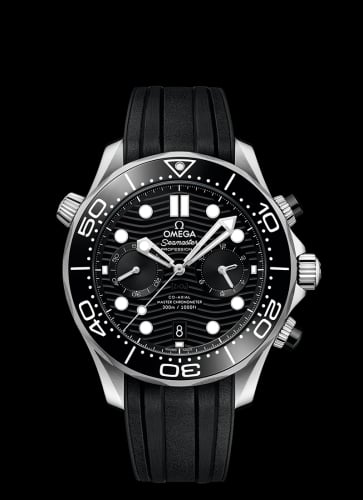
Omega
Seamaster Diver 300M Master Co-Axial 44 Chronograph Stainless Steel / Black / Rubber
Ref. 210.32.44.51.01.001
CN/A
EN/A
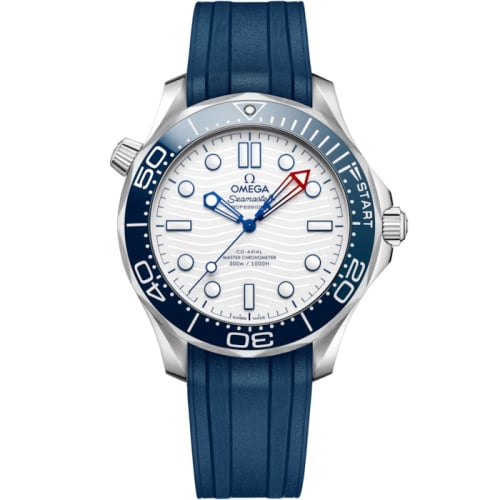
Omega
Seamaster Diver 300M Master Co-Axial 42 America's Cup 2024 / Rubber
Ref. 210.32.42.20.04.002
CN/A
EN/A
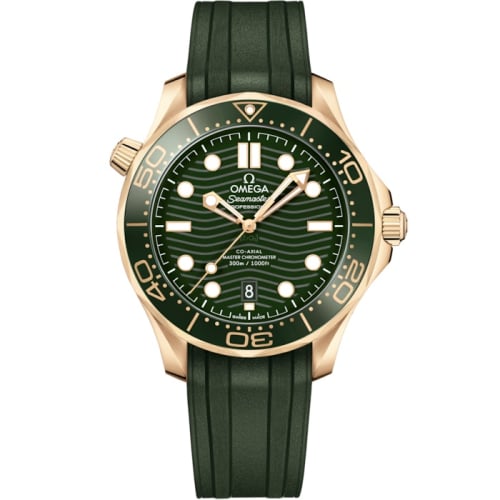
Omega
Seamaster Diver 300M Master Co-Axial 42 Moonshine Gold / Green / Rubber
Ref. 210.62.42.20.10.001
CN/A
EN/A
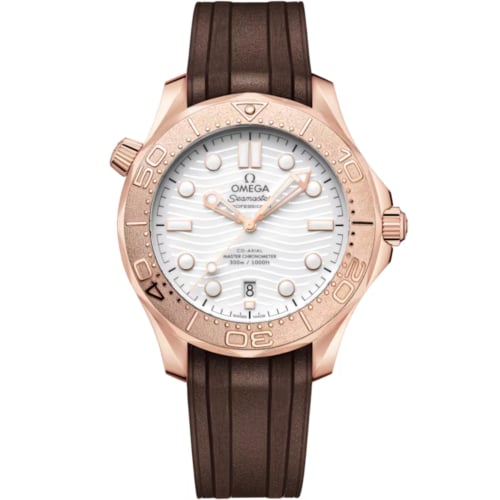
Omega
Seamaster Diver 300M Master Co-Axial 42 Sedna Gold / White / Rubber
Ref. 210.52.42.20.04.001
CN/A
EN/A
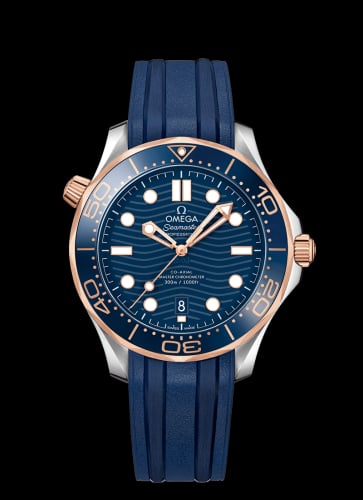
Omega
Seamaster Diver 300M Master Co-Axial 42 Stainless Steel / Sedna Gold / Blue / Rubber
Ref. 210.22.42.20.03.002
CN/A
EN/A
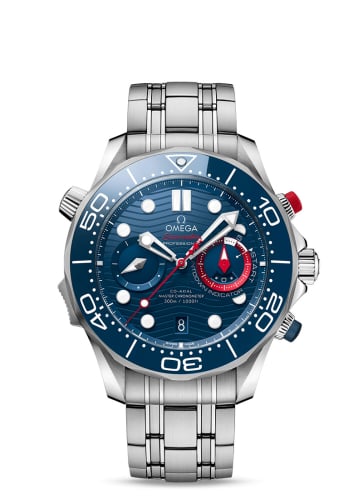
Omega
Seamaster Diver 300M Master Co-Axial 44 Chronograph America's Cup
Ref. 210.30.44.51.03.002
CN/A
EN/A
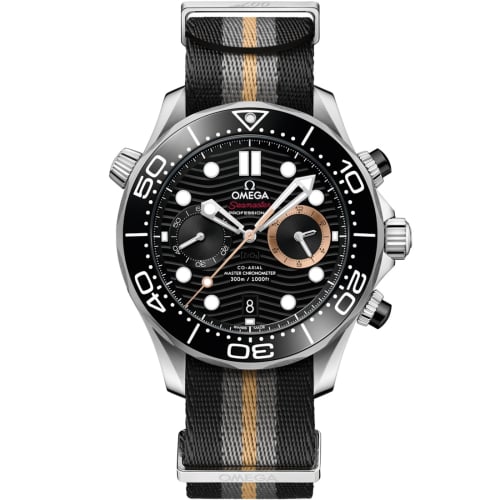
Omega
Seamaster Diver 300M Master Co-Axial 44 Chronograph James Bond First Light
Ref. 210.32.44.51.01.002
CN/A
EN/A

Omega
Seamaster Diver 300M Master Co-Axial 44 Chronograph Stainless Steel / Yellow Gold / Blue / Bracelet
Ref. 210.20.44.51.03.001
CN/A
EN/A

Omega
Seamaster Diver 300M Master Co-Axial 42 Stainless Steel / Yellow Gold / Black / Bracelet
Ref. 210.20.42.20.01.002
CN/A
EN/A

Omega
Seamaster Diver 300M Master Co-Axial 42 Stainless Steel / Yellow Gold / Black / Rubber
Ref. 210.22.42.20.01.001
CN/A
EN/A
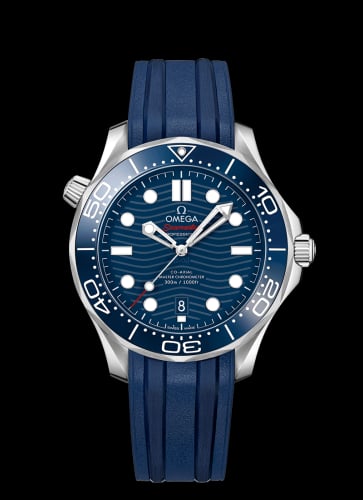
Omega
Seamaster Diver 300M Master Co-Axial 42 Stainless Steel / Blue / Rubber
Ref. 210.32.42.20.03.001
CN/A
EN/A
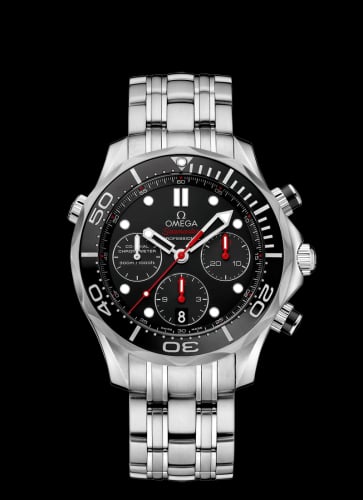
Omega
Seamaster Diver 300M Co-Axial 41.5 Chronograph Stainless Steel / Black / Bracelet
Ref. 212.30.42.50.01.001
CN/A
EN/A
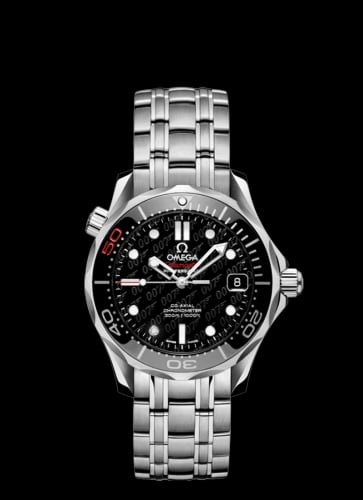
Omega
Seamaster Diver 300M Co-Axial 36.25 Stainless Steel / Black / Bracelet / James Bond 50th Anniversary
Ref. 212.30.36.20.51.001
CN/A
EN/A
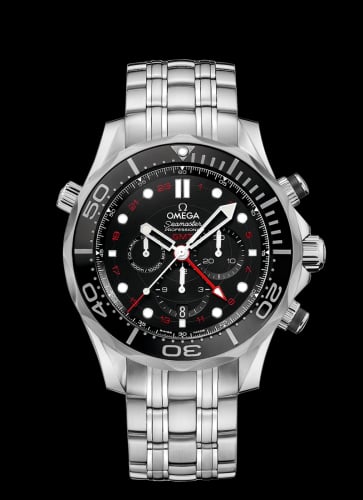
Omega
Seamaster Diver 300M Co-Axial 44 GMT Chronograph Stainless Steel / Black / Bracelet
Ref. 212.30.44.52.01.001
CN/A
EN/A
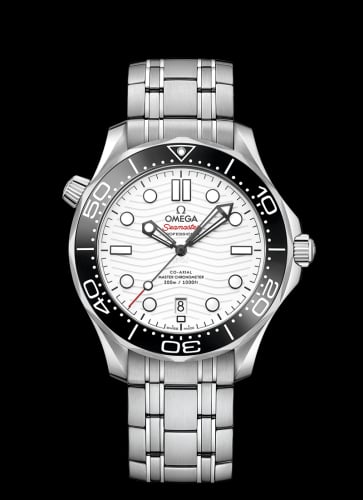
Omega
Seamaster Diver 300M Master Co-Axial 42 Stainless Steel / White / Bracelet
Ref. 210.30.42.20.04.001
CN/A
EN/A
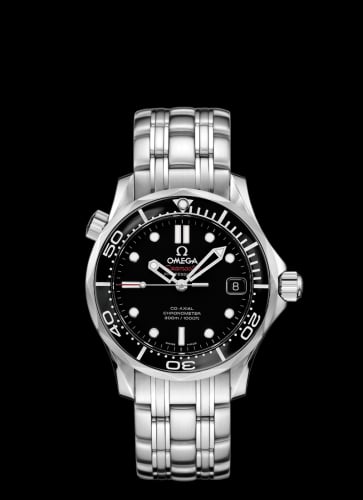
Omega
Seamaster Diver 300M Co-Axial 36.25 Stainless Steel / Black / Bracelet / Ceramic
Ref. 212.30.36.20.01.002
CN/A
EN/A
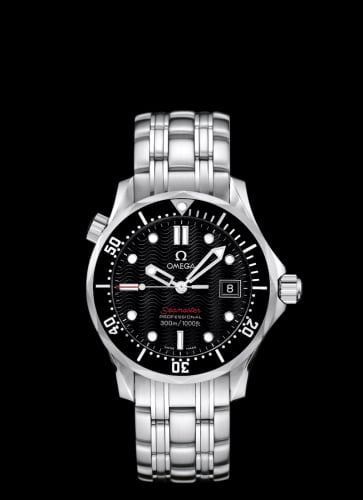
Omega
Seamaster Diver 300M Quartz 36.25 Stainless Steel / Black / Bracelet
Ref. 212.30.36.61.01.001
CN/A
EN/A
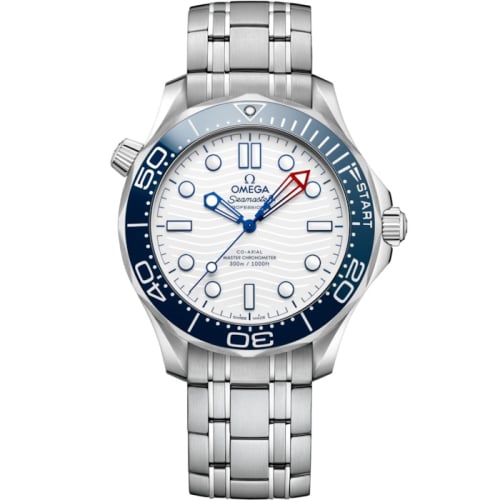
Omega
Seamaster Diver 300M Master Co-Axial 42 America's Cup 2024
Ref. 210.30.42.20.04.002
CN/A
EN/A
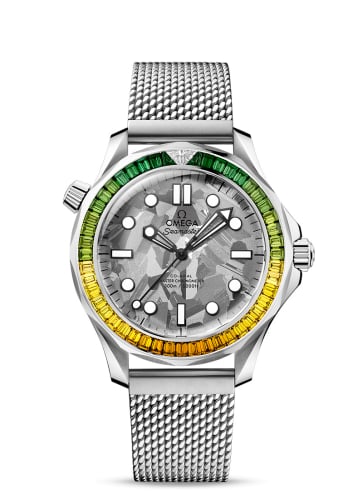
Omega
Seamaster Diver 300M Master Co-Axial 42 Canopus Gold / James Bond 60th Anniversary
Ref. 210.55.42.20.99.001
CN/A
EN/A
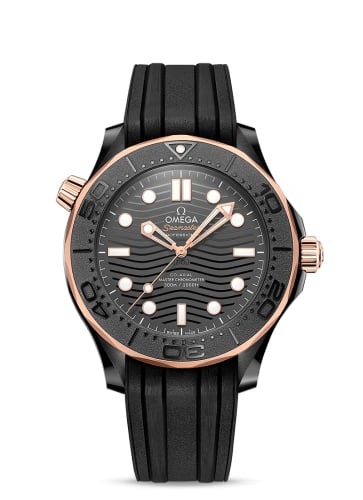
Omega
Seamaster Diver 300M Master Co-Axial 43.5 Sedna Black
Ref. 210.62.44.20.01.001
CN/A
EN/A
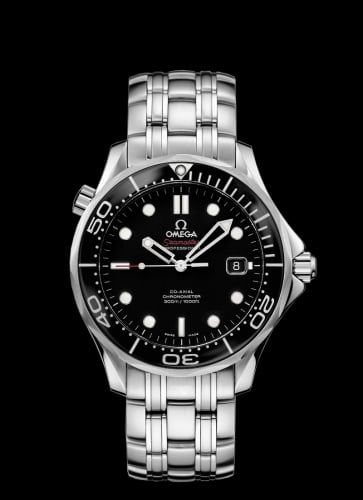
Omega
Seamaster Diver 300M Co-Axial 41 Stainless Steel / Black / Bracelet / Ceramic
Ref. 212.30.41.20.01.003
CN/A
EN/A
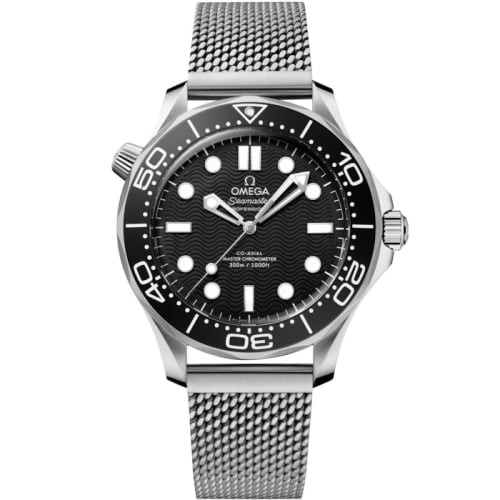
Omega
Seamaster Diver 300M No-Date Master Co-Axial 42 Stainless Steel / Black / Bracelet
Ref. 210.30.42.20.01.010
CN/A
EN/A
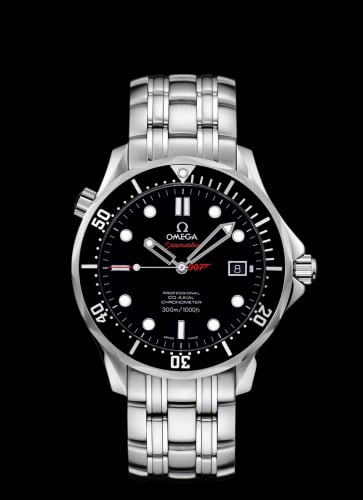
Omega
Seamaster Diver 300M Co-Axial 41 Stainless Steel / Black / Bracelet / James Bond Quantum of Solace
Ref. 212.30.41.20.01.001
CN/A
EN/A
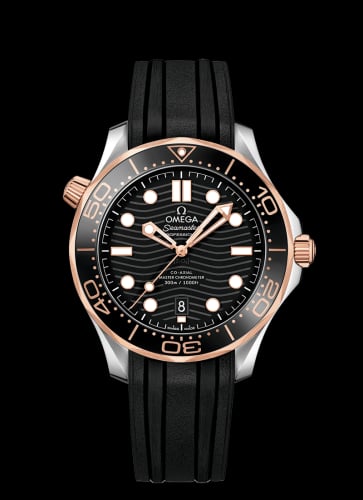
Omega
Seamaster Diver 300M Master Co-Axial 42 Stainless Steel / Sedna Gold / Black / Rubber
Ref. 210.22.42.20.01.002
CN/A
EN/A
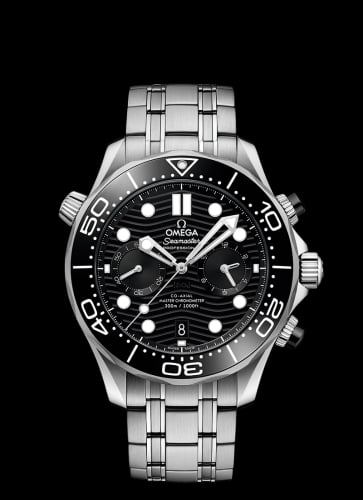
Omega
Seamaster Diver 300M Master Co-Axial 44 Chronograph Stainless Steel / Black / Bracelet
Ref. 210.30.44.51.01.001
CN/A
EN/A
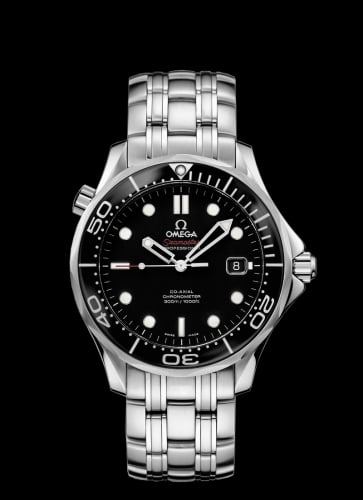
Omega
Seamaster Diver 300M Co-Axial 41 Stainless Steel / Black / Bracelet / Ceramic / SASR
Ref. 212.30.41.20.01.006
CN/A
EN/A
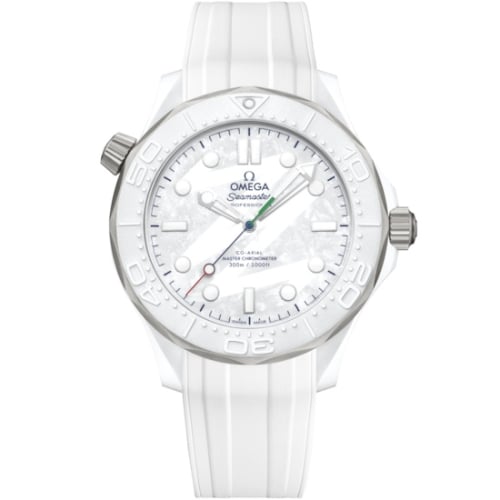
Omega
Seamaster Diver 300M Master Co-Axial 43.5 Milano Cortina 2026 Winter Paralympics
Ref. 522.92.44.20.04.002
CN/A
EN/A
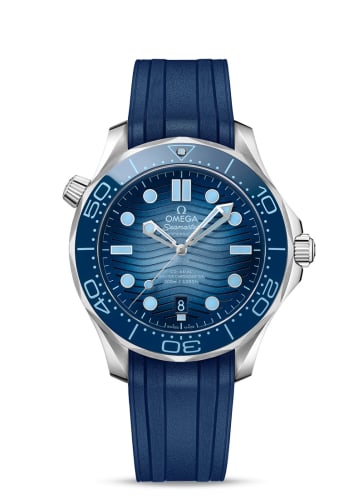
Omega
Seamaster Diver 300M Master Co-Axial 42 Stainless Steel / Summer Blue / Rubber
Ref. 210.32.42.20.03.002
CN/A
EN/A
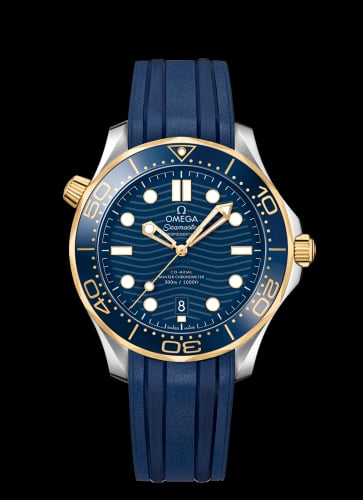
Omega
Seamaster Diver 300M Master Co-Axial 42 Stainless Steel / Yellow Gold / Blue / Rubber
Ref. 210.22.42.20.03.001
CN/A
EN/A
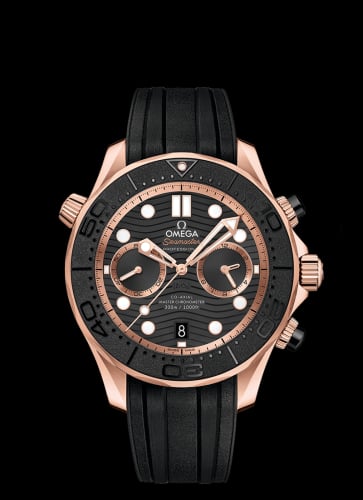
Omega
Seamaster Diver 300M Master Co-Axial Chronograph 44 Sedna Gold / Black / Rubber
Ref. 210.62.44.51.01.001
CN/A
EN/A
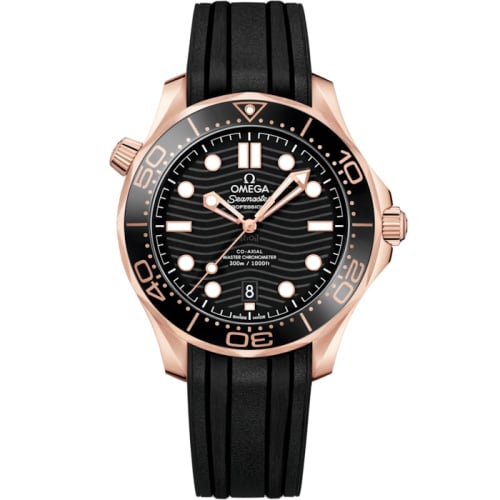
Omega
Seamaster Diver 300M Master Co-Axial 42 Sedna Gold / Black / Rubber
Ref. 210.62.42.20.01.002
CN/A
EN/A
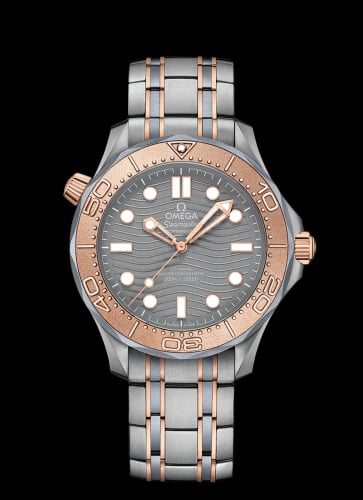
Omega
Seamaster Diver 300M Master Co-Axial 42 Titanium / Tantalum / Sedna Gold / Grey / Bracelet
Ref. 210.60.42.20.99.001
CN/A
EN/A
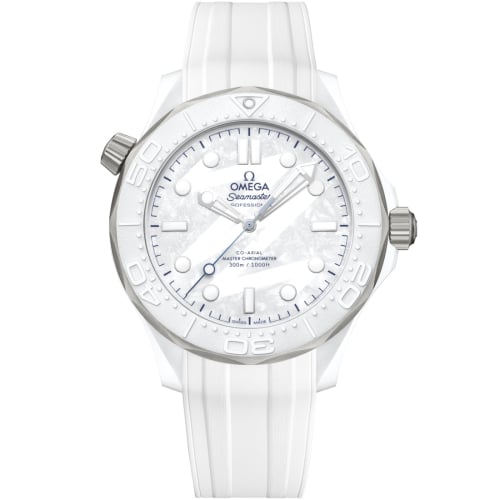
Omega
Seamaster Diver 300M Master Co-Axial 43.5 Milano Cortina 2026 Winter Olympics
Ref. 522.92.44.20.04.001
CN/A
EN/A
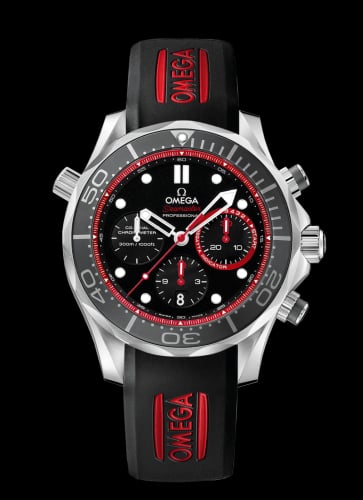
Omega
Seamaster Diver 300M Co-Axial 44 Regatta Chronograph Stainless Steel / Black / Rubber / ETNZ
Ref. 212.32.44.50.01.001
CN/A
EN/A
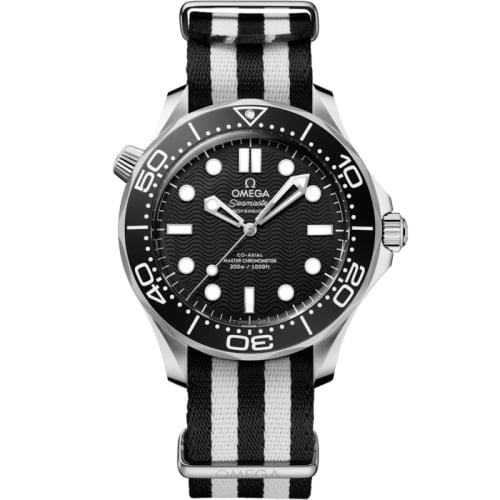
Omega
Seamaster Diver 300M Master Co-Axial 42 Stainless Steel / Black / NATO
Ref. 210.32.42.20.01.005
CN/A
EN/A
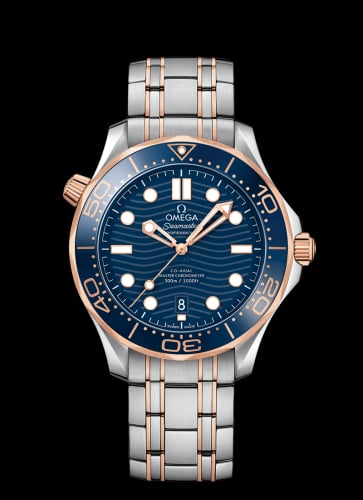
Omega
Seamaster Diver 300M Master Co-Axial 42 Stainless Steel / Sedna Gold / Blue / Bracelet
Ref. 210.20.42.20.03.002
CN/A
EN/A
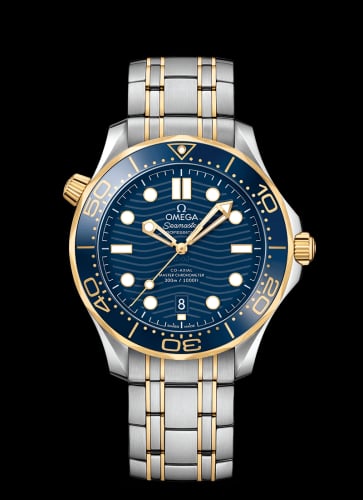
Omega
Seamaster Diver 300M Master Co-Axial 42 Stainless Steel / Yellow Gold / Blue / Bracelet
Ref. 210.20.42.20.03.001
CN/A
EN/A
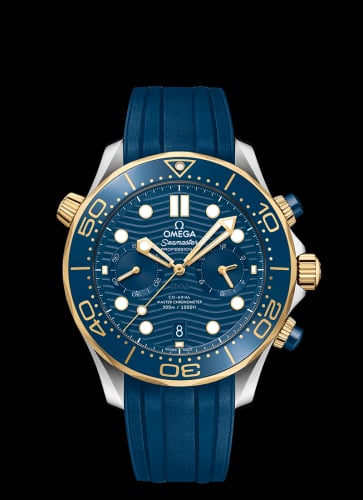
Omega
Seamaster Diver 300M Master Co-Axial 44 Chronograph Stainless Steel / Yellow Gold / Blue / Rubber
Ref. 210.22.44.51.03.001
CN/A
EN/A
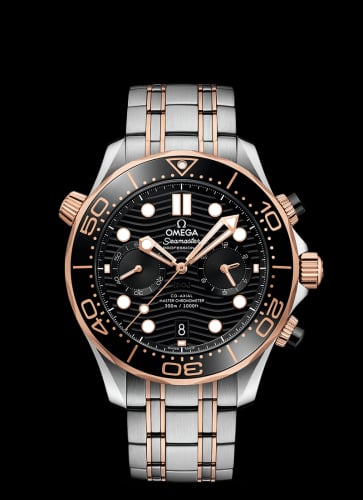
Omega
Seamaster Diver 300M Master Co-Axial 44 Chronograph Stainless Steel / Sedna Gold / Black / Bracelet
Ref. 210.20.44.51.01.001
CN/A
EN/A
All Reviews(9 across all references)

The Architect
ExpertSep 27, 2026
74
78
Dial & Handset74
Case & Design83
Movement65
Bracelet / Strap70
Wearability