Omega
Seamaster Aqua Terra 150M
Omega's sport-dress crossover: the characteristic 'teak' vertical stripe dial, 150m water resistance, and Co-Axial Master Chronometer movement. Available in 34mm, 38mm, and 41.5mm; the versatile design moves from water to boardroom without compromise.
N/A
Community
79
Expert
8 reviews
References
525
References in this Family
Omega
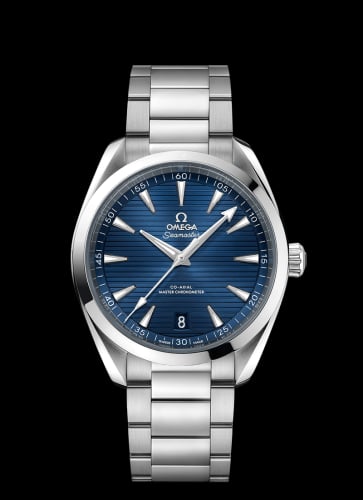
Seamaster Aqua Terra 150M Master Chronometer 41 Stainless Steel / Blue / Bracelet
Ref. 220.10.41.21.03.004
CN/A
E86
Omega
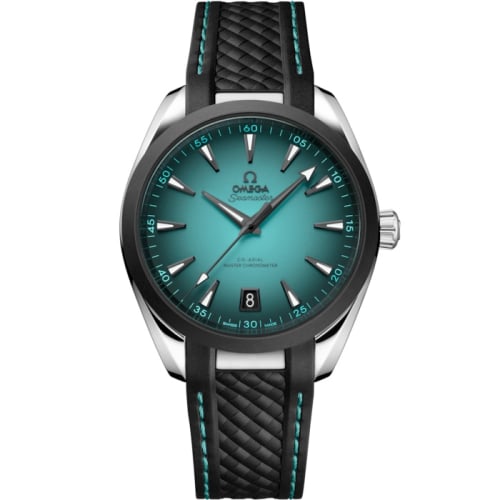
Seamaster Aqua Terra 150M Master Chronometer 41 Stainless Steel - Ceramic / Turquoise / Rubber
Ref. 220.32.41.21.03.001
CN/A
E84
Omega
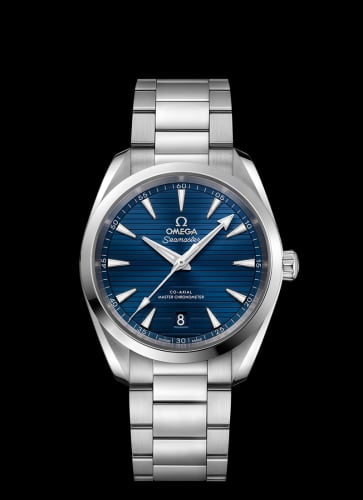
Seamaster Aqua Terra 150M
Ref. 220.10.38.20.03.001
CN/A
E83
Omega
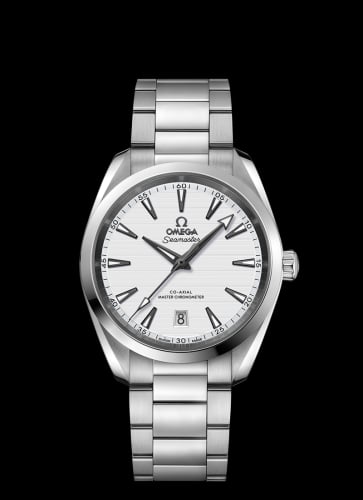
Seamaster Aqua Terra 150M
Ref. 220.10.38.20.02.001
CN/A
E76
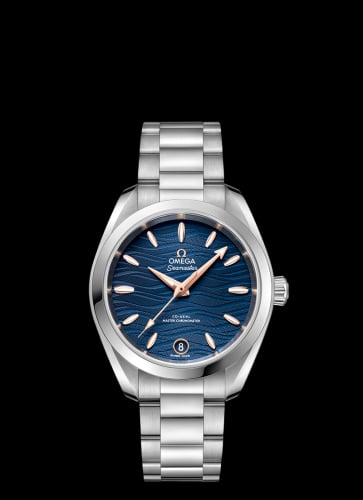
Omega
Seamaster Aqua Terra 150M
Ref. 220.10.34.20.03.001
CN/A
E73
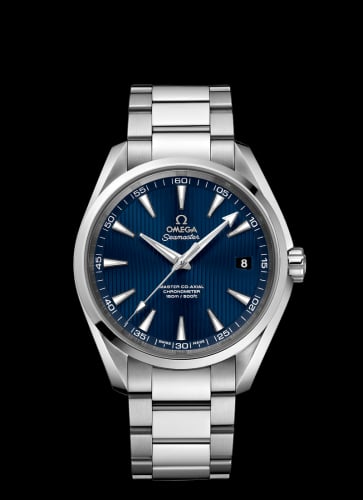
Omega
Seamaster Aqua Terra 150M
Ref. 231.10.42.21.03.003
CN/A
E72
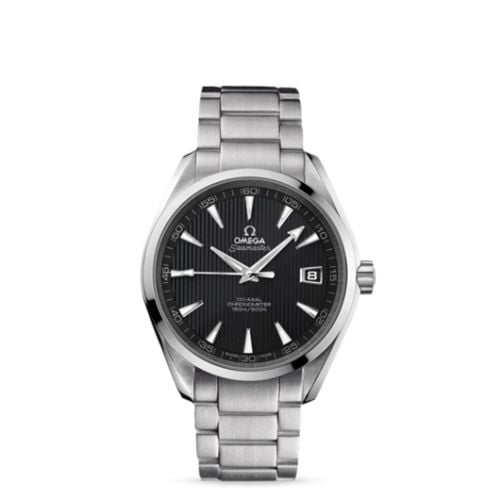
Omega
Seamaster Aqua Terra 150M
Ref. 231.10.42.21.06.001
CN/A
E72
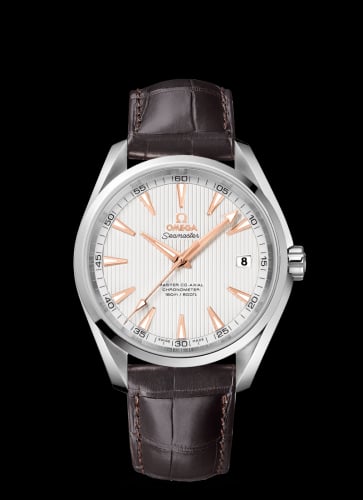
Omega
Seamaster Aqua Terra 150m Master Co-Axial 41.5 Stainless Steel / Silver
Ref. 231.13.42.21.02.003
CN/A
EN/A
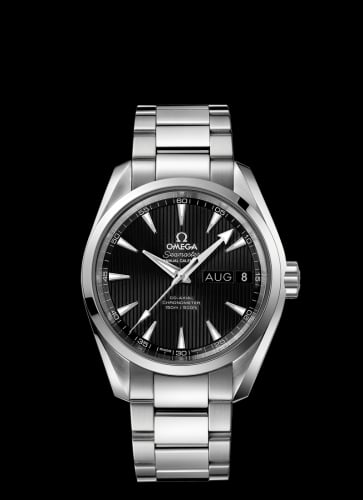
Omega
Seamaster Aqua Terra 150M Co-Axial 38.5 Annual Calendar Stainless Steel / Black / Bracelet
Ref. 231.10.39.22.01.001
CN/A
EN/A
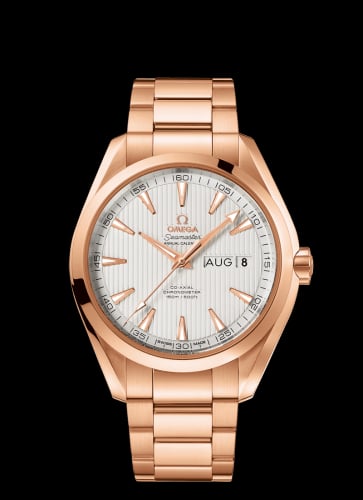
Omega
Seamaster Aqua Terra 150M Co-Axial 43 Annual Calendar Red Gold / Silver / Bracelet
Ref. 231.50.43.22.02.002
CN/A
EN/A
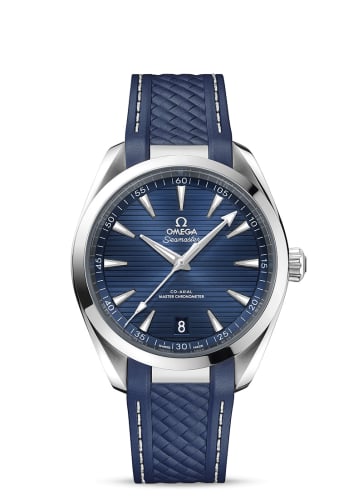
Omega
Seamaster Aqua Terra 150M Master Chronometer 41 Stainless Steel / Blue / Rubber
Ref. 220.12.41.21.03.007
CN/A
EN/A
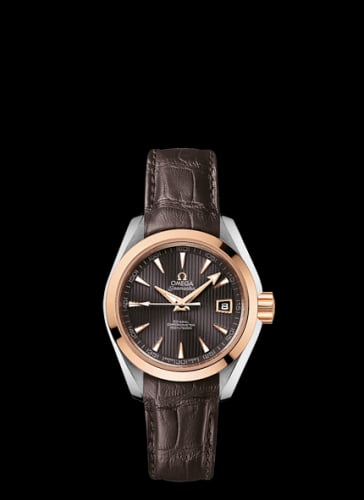
Omega
Seamaster Aqua Terra 150M Co-Axial 30 Stainless Steel / Red Gold / Grey
Ref. 231.23.30.20.06.001
CN/A
EN/A
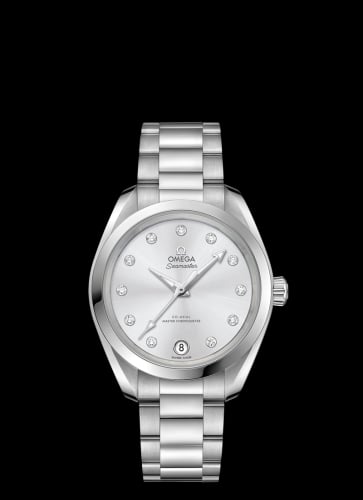
Omega
Seamaster Aqua Terra 150M Master Chronometer 34 Stainless Steel / Greige / Bracelet
Ref. 220.10.34.20.60.001
CN/A
EN/A
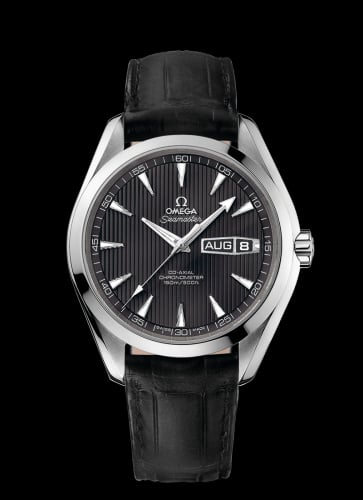
Omega
Seamaster Aqua Terra 150m Co-Axial 43 Annual Calendar Stainless Steel / Grey
Ref. 231.13.43.22.06.001
CN/A
EN/A
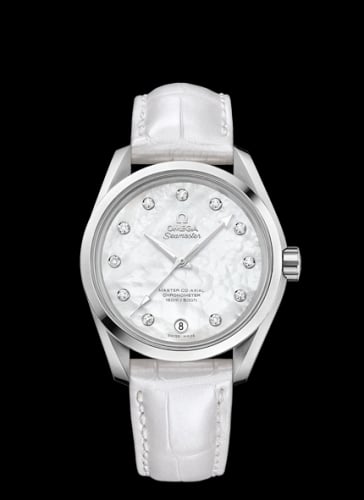
Omega
Seamaster Aqua Terra 150M Master Co-Axial 38.5 Stainless Steel / MOP
Ref. 231.13.39.21.55.002
CN/A
EN/A
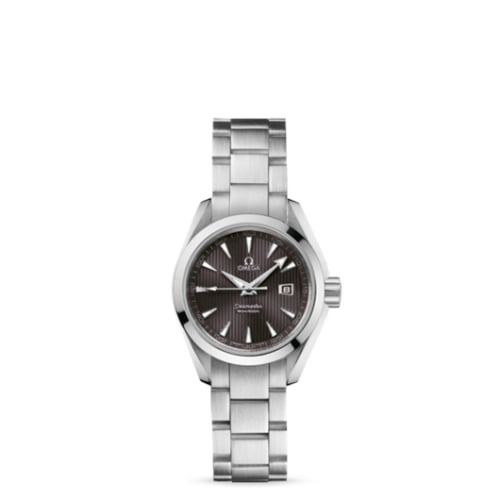
Omega
Seamaster Aqua Terra 150M Quartz 30 Stainless Steel / Grey / Bracelet
Ref. 231.10.30.61.06.001
CN/A
EN/A
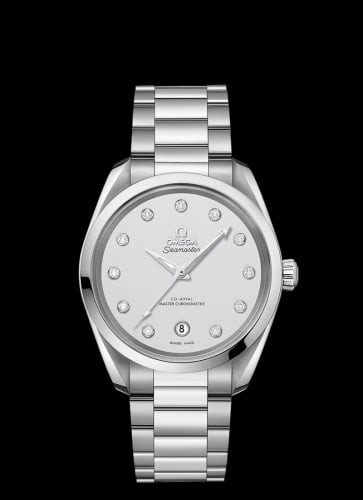
Omega
Seamaster Aqua Terra 150M Master Chronometer 38 Stainless Steel / Silver / Bracelet
Ref. 220.10.38.20.52.001
CN/A
EN/A
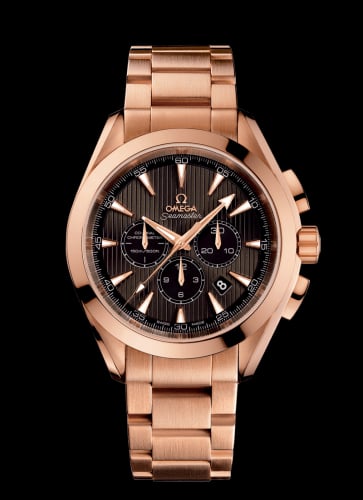
Omega
Seamaster Aqua Terra 150M Co-Axial 44 Chronograph Red Gold / Grey / Bracelet
Ref. 231.50.44.50.06.001
CN/A
EN/A
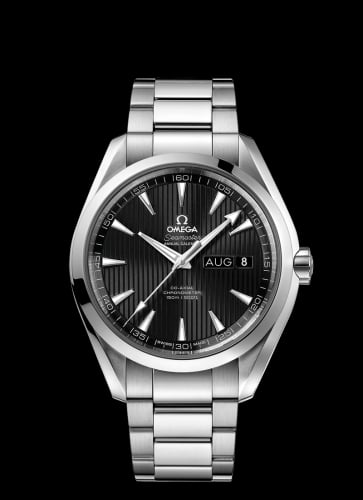
Omega
Seamaster Aqua Terra 150M Co-Axial 43 Annual Calendar Stainless Steel / Black / Bracelet
Ref. 231.10.43.22.01.002
CN/A
EN/A
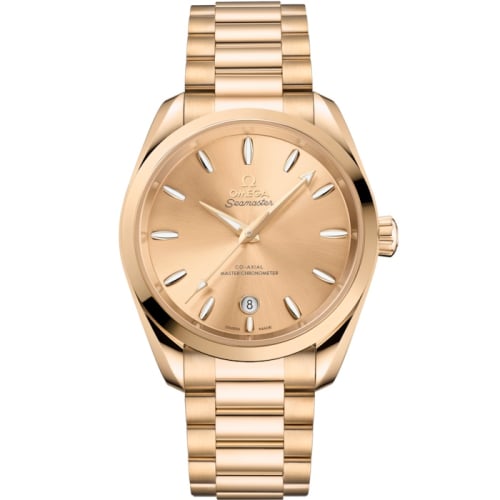
Omega
Seamaster Aqua Terra 150M Shades Master Chronometer 38 Moonshine Gold / Champagne / Bracelet
Ref. 220.50.38.20.08.001
CN/A
EN/A
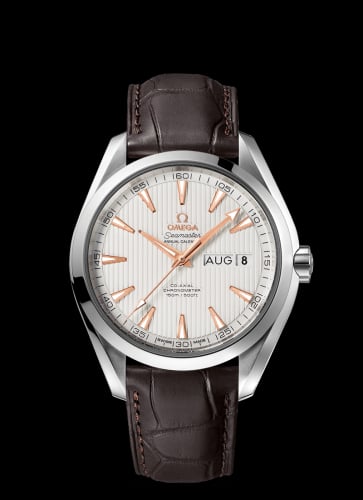
Omega
Seamaster Aqua Terra 150M Co-Axial 43 Annual Calendar Stainless Steel / Silver
Ref. 231.13.43.22.02.003
CN/A
EN/A
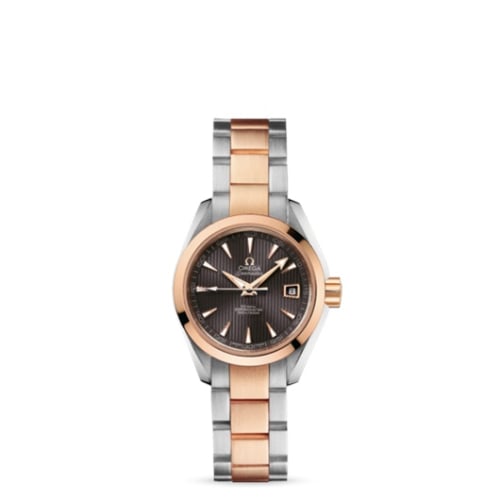
Omega
Seamaster Aqua Terra 150M Co-Axial 30 Stainless Steel / Red Gold / Grey / Bracelet
Ref. 231.20.30.20.06.001
CN/A
EN/A
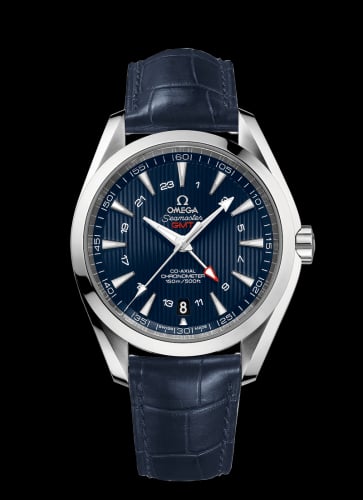
Omega
Seamaster Aqua Terra 150M Co-Axial 43 GMT Stainless Steel / Blue
Ref. 231.13.43.22.03.001
CN/A
EN/A
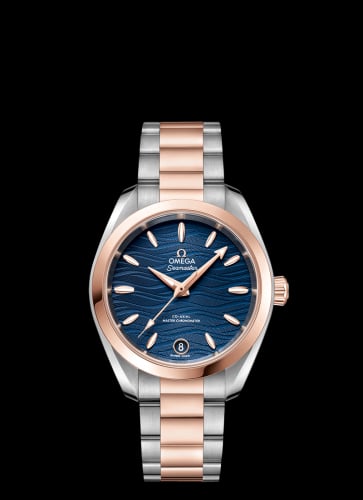
Omega
Seamaster Aqua Terra 150M Master Chronometer 34 Stainless Steel / Sedna Gold / Blue-Waves / Bracelet
Ref. 220.20.34.20.03.001
CN/A
EN/A
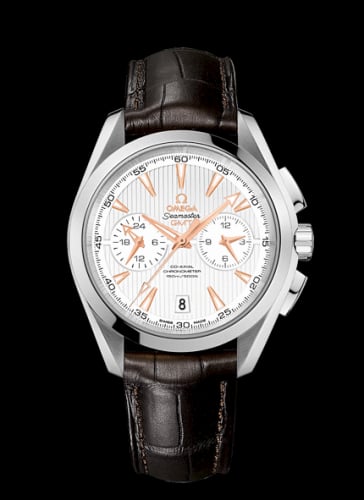
Omega
Seamaster Aqua Terra 150M Co-Axial 43 GMT Chronograph Stainless Steel / Silver
Ref. 231.13.43.52.02.001
CN/A
EN/A
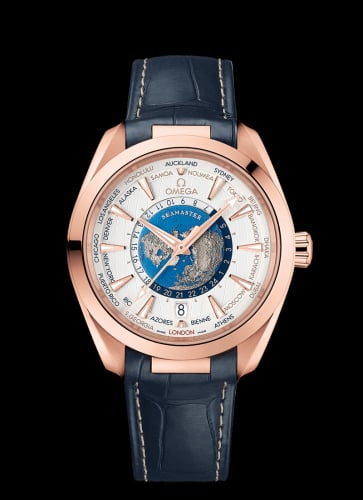
Omega
Seamaster Aqua Terra 150M Master Chronometer 43 Worldtimer Sedna Gold / Silver / Alligator
Ref. 220.53.43.22.02.001
CN/A
EN/A
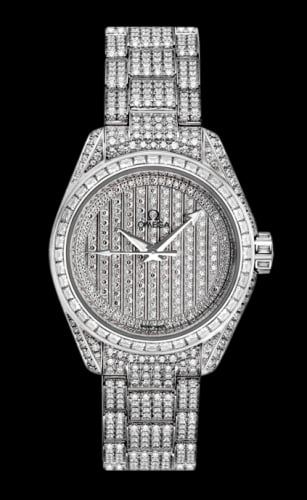
Omega
Seamaster Aqua Terra 150M Co-Axial 30 White Gold / Diamond / Diamond / Bracelet
Ref. 231.55.30.20.99.002
CN/A
EN/A
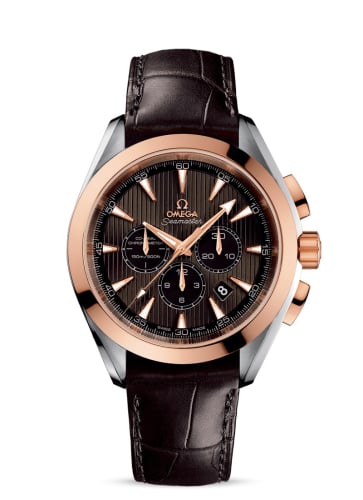
Omega
Seamaster Aqua Terra 150M Co-Axial 44 Chronograph Stainless Steel / Red Gold / Glauser
Ref. 231.23.44.50.06.002
CN/A
EN/A
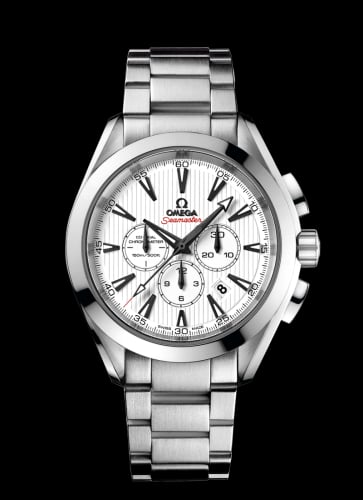
Omega
Seamaster Aqua Terra 150M Co-Axial 44 Chronograph Co-Axial Stainless Steel / White / Bracelet
Ref. 231.10.44.50.04.001
CN/A
EN/A
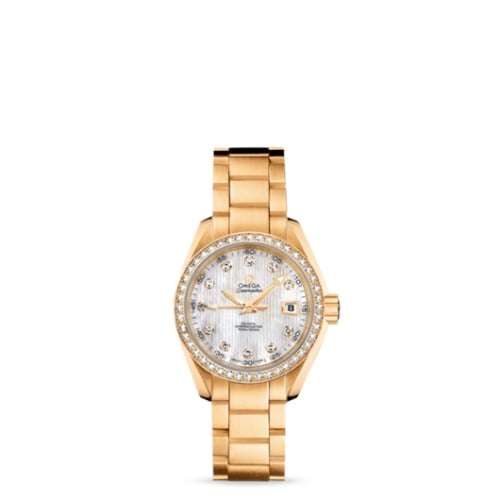
Omega
Seamaster Aqua Terra 150M Co-Axial 30 Yellow Gold / Diamond / MOP / Bracelet
Ref. 231.55.30.20.55.002
CN/A
EN/A
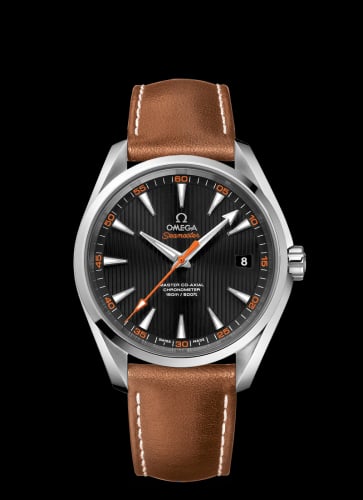
Omega
Seamaster Aqua Terra 150m Master Co-Axial 41.5 Stainless Steel / Black / Orange
Ref. 231.12.42.21.01.002
CN/A
EN/A
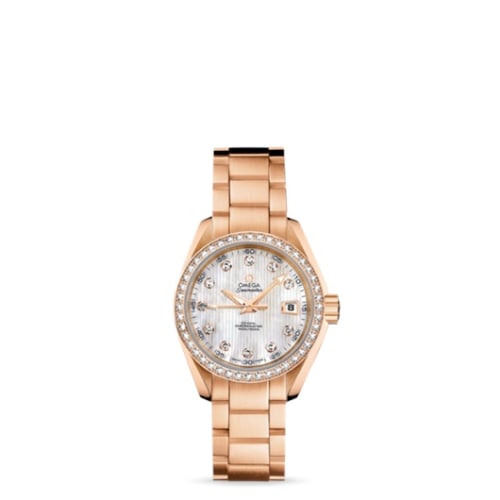
Omega
Seamaster Aqua Terra 150M Co-Axial 30 Red Gold / Diamond / MOP / Bracelet
Ref. 231.55.30.20.55.001
CN/A
EN/A
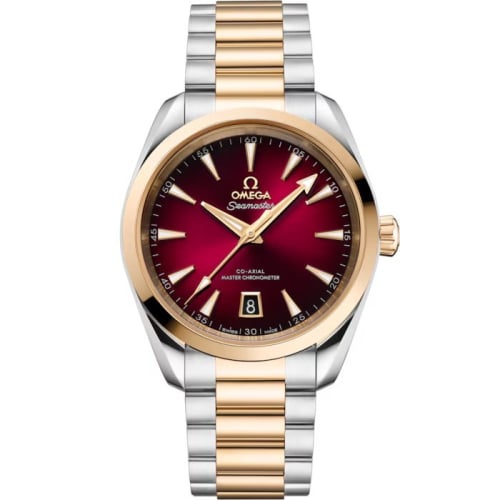
Omega
Seamaster Aqua Terra 150M Shades Master Chronometer 38 Stainless Steel - Moonshine Gold / Red / Bracelet
Ref. 220.20.38.20.10.002
CN/A
EN/A
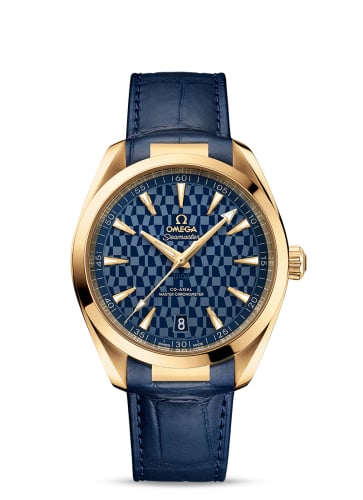
Omega
Seamaster Aqua Terra 150M Master Chronometer 41 Yellow Gold / Blue / Tokyo 2020 Olympics
Ref. 522.53.41.21.03.001
CN/A
EN/A
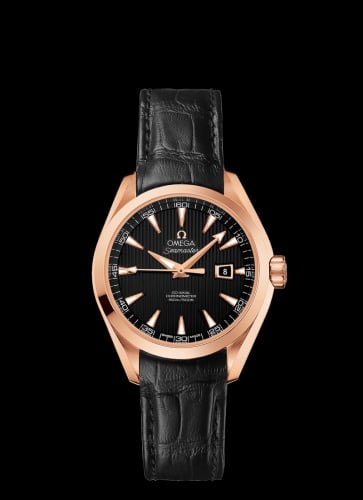
Omega
Seamaster Aqua Terra 150M Co-Axial 34 Red Gold / Black
Ref. 231.53.34.20.01.002
CN/A
EN/A
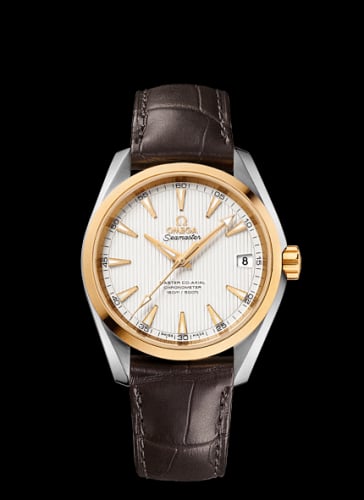
Omega
Seamaster Aqua Terra 150m Master Co-Axial 38.5 Stainless Steel / Yellow Gold / Silver
Ref. 231.23.39.21.02.002
CN/A
EN/A
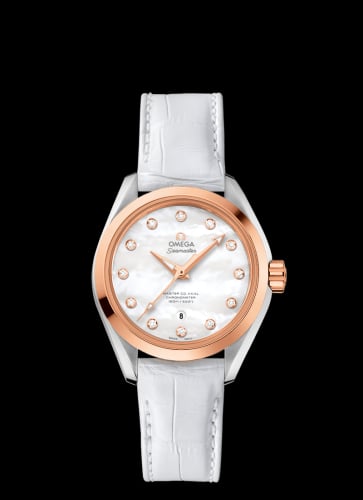
Omega
Seamaster Aqua Terra 150M Master Co-Axial 34 Stainless Steel / Sedna Gold / MOP
Ref. 231.23.34.20.55.001
CN/A
EN/A
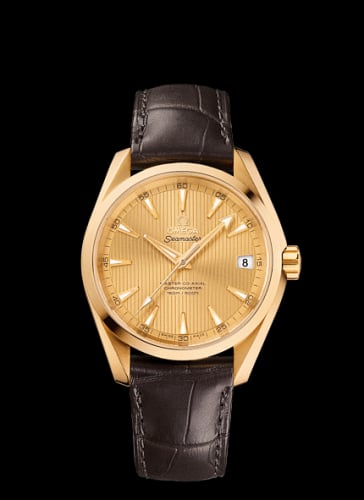
Omega
Seamaster Aqua Terra 150m Master Co-Axial 38.5 Yellow Gold / Champagne
Ref. 231.53.39.21.08.001
CN/A
EN/A
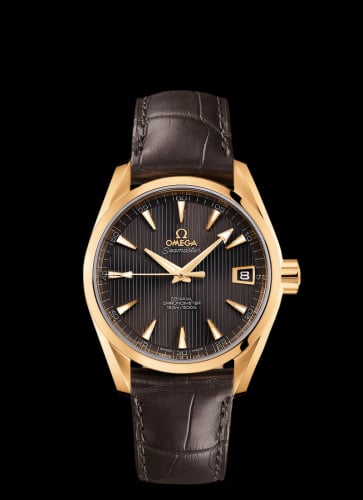
Omega
Seamaster Aqua Terra 150M Co-Axial 38.5 Yellow Gold / Grey
Ref. 231.53.39.21.06.002
CN/A
EN/A
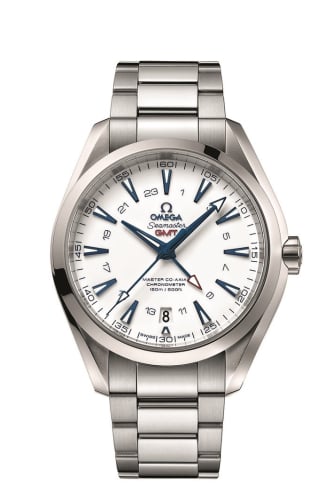
Omega
Seamaster Aqua Terra 150M Co-Axial 43 GMT Titanium / White / Bracelet / GoodPlanet
Ref. 231.90.43.22.04.001
CN/A
EN/A
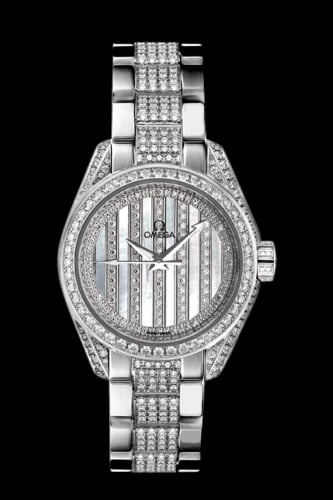
Omega
Seamaster Aqua Terra 150M Co-Axial 30 White Gold / Diamond / MOP / Bracelet
Ref. 231.55.30.20.55.003
CN/A
EN/A
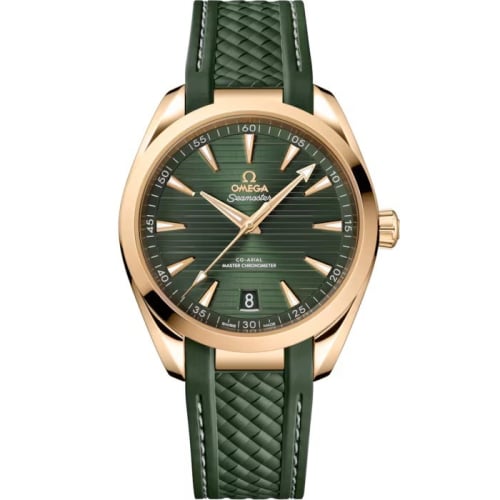
Omega
Seamaster Aqua Terra 150M Master Chronometer 41 Moonshine Gold / Green / Rubber
Ref. 220.52.41.21.10.001
CN/A
EN/A
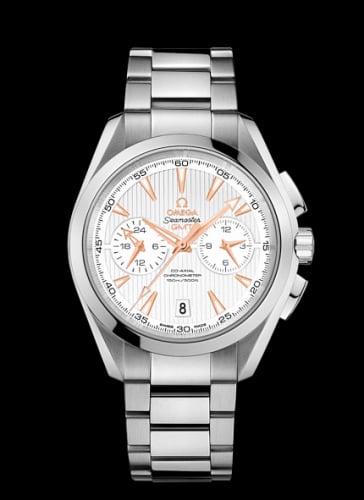
Omega
Seamaster Aqua Terra 150M Co-Axial 43 GMT Chronograph Stainless Steel / Silver / Bracelet
Ref. 231.10.43.52.02.001
CN/A
EN/A
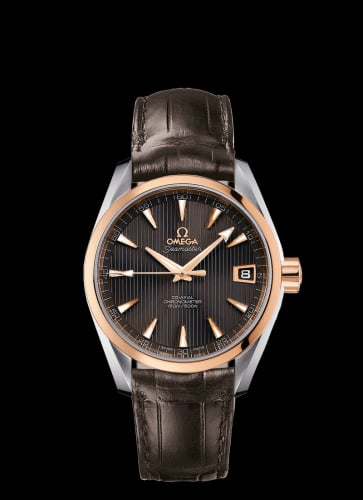
Omega
Seamaster Aqua Terra 150M Co-Axial 38.5 Stainless Steel / Red Gold / Grey
Ref. 231.23.39.21.06.001
CN/A
EN/A
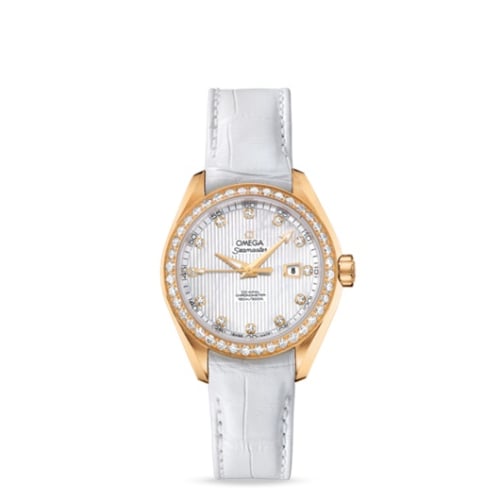
Omega
Seamaster Aqua Terra 150M Co-Axial 34 Yellow Gold / Diamond / MOP
Ref. 231.58.34.20.55.001
CN/A
EN/A
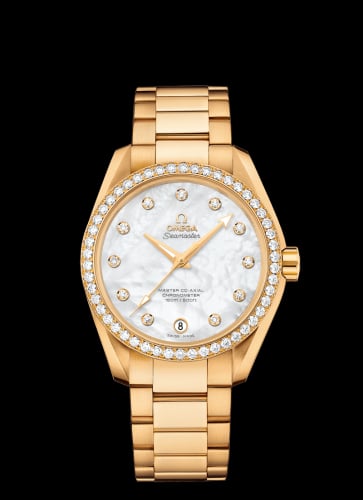
Omega
Seamaster Aqua Terra 150M Master Co-Axial 38.5 Yellow Gold / Diamond / MOP / Bracelet
Ref. 231.55.39.21.55.002
CN/A
EN/A
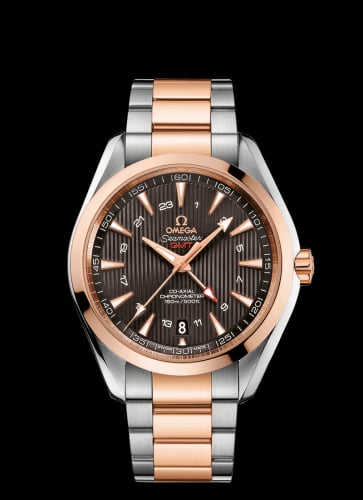
Omega
Seamaster Aqua Terra 150M Co-Axial 43 GMT Stainless Steel / Red Gold / Grey / Bracelet
Ref. 231.20.43.22.06.003
CN/A
EN/A
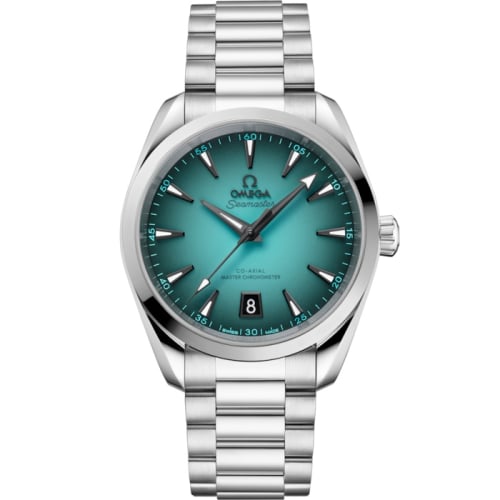
Omega
Seamaster Aqua Terra 150M Master Chronometer 38 Stainless Steel / Turquoise / Bracelet
Ref. 220.10.38.20.03.005
CN/A
EN/A
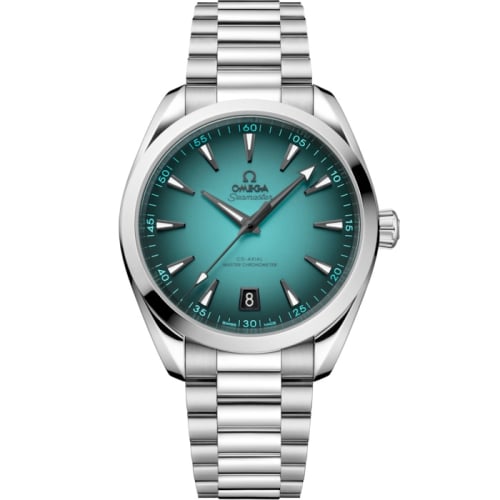
Omega
Seamaster Aqua Terra 150M Master Chronometer 41 Stainless Steel / Turquoise / Bracelet
Ref. 220.10.41.21.03.006
CN/A
EN/A
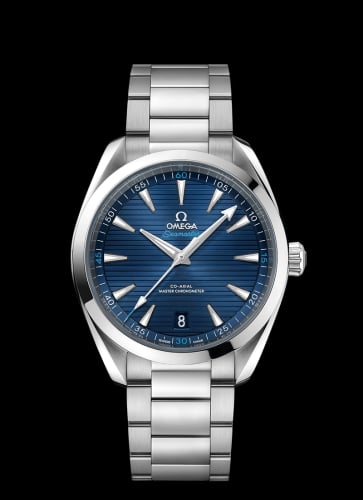
Omega
Seamaster Aqua Terra 150M Master Chronometer 41 Stainless Steel / Blue / Bracelet
Ref. 220.10.41.21.03.001
CN/A
EN/A
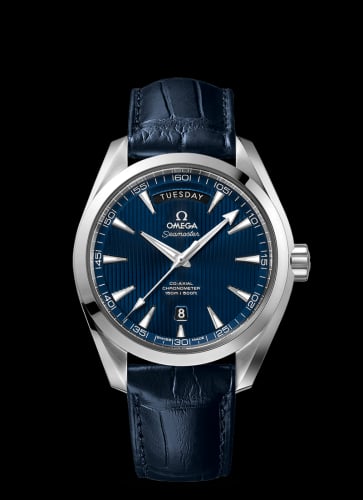
Omega
Seamaster Aqua Terra 150m Co-Axial 41.5 Day-Date Stainless Steel / Blue
Ref. 231.13.42.22.03.001
CN/A
EN/A
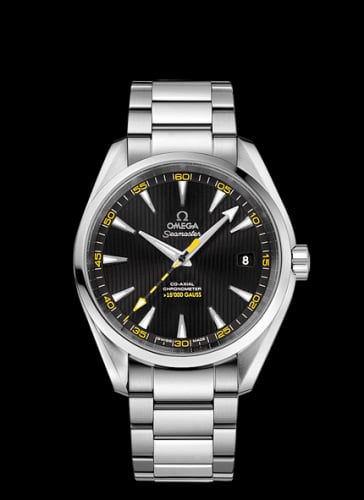
Omega
Seamaster Aqua Terra 150m Co-Axial 41.5 Stainless Steel / Black / Bracelet / >15'000 Gauss
Ref. 231.10.42.21.01.002
CN/A
EN/A
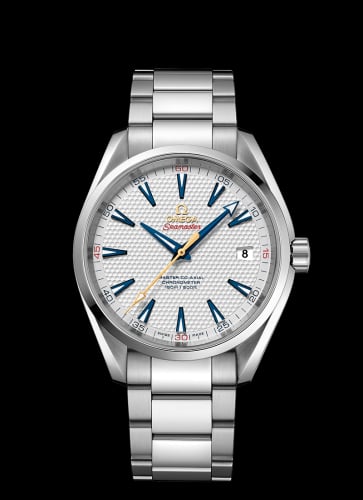
Omega
Seamaster Aqua Terra 150M Master Co-Axial 41.5 Stainless Steel / Silver / Bracelet / Ryder Cup 2016
Ref. 231.10.42.21.02.005
CN/A
EN/A
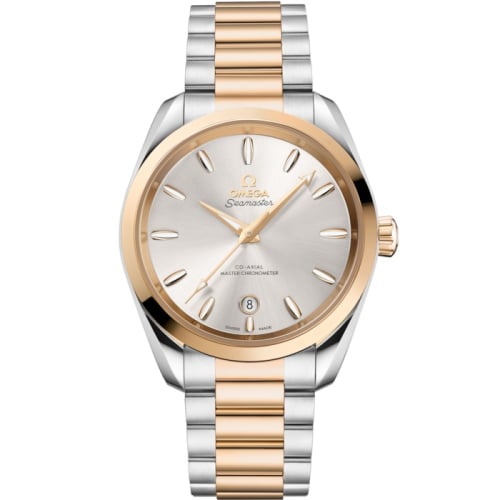
Omega
Seamaster Aqua Terra 150M Shades Master Chronometer 38 Stainless Steel - Moonshine Gold / Silver / Bracelet
Ref. 220.20.38.20.02.002
CN/A
EN/A
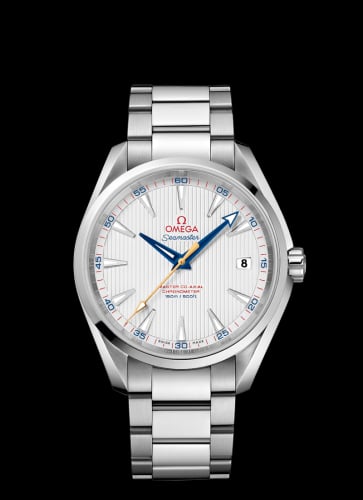
Omega
Seamaster Aqua Terra 150m Master Co-Axial 41.5 Stainless Steel / Silver / Bracelet / Golf
Ref. 231.10.42.21.02.004
CN/A
EN/A
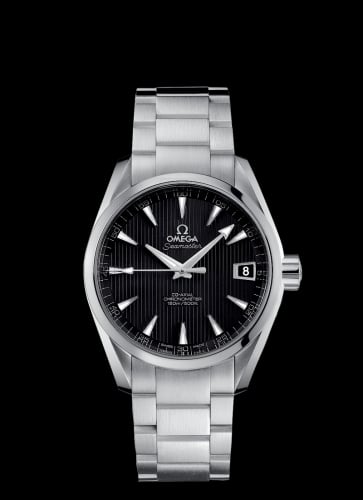
Omega
Seamaster Aqua Terra 150M Co-Axial 38.5 Stainless Steel / Black / Bracelet
Ref. 231.10.39.21.01.001
CN/A
EN/A
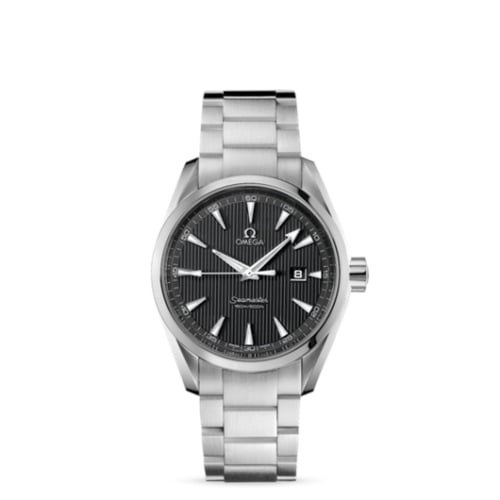
Omega
Seamaster Aqua Terra 150M Quartz 38.5 Stainless Steel / Grey / Bracelet
Ref. 231.10.39.61.06.001
CN/A
EN/A
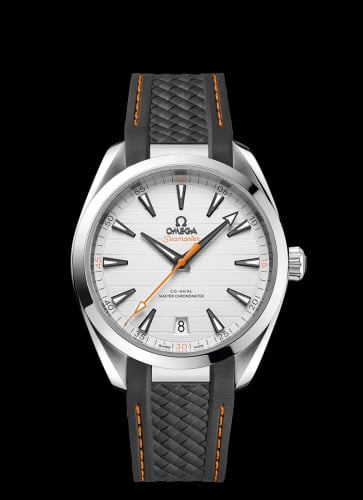
Omega
Seamaster Aqua Terra 150M Master Chronometer 41 Stainless Steel / Silver / Rubber
Ref. 220.12.41.21.02.002
CN/A
EN/A
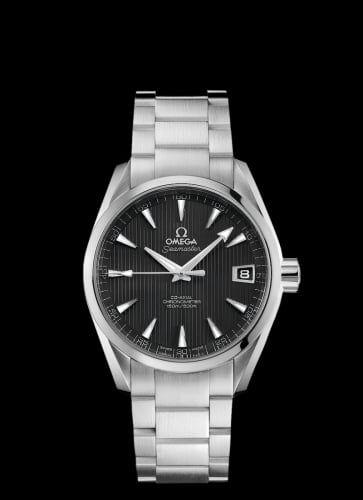
Omega
Seamaster Aqua Terra 150M Co-Axial 38.5 Stainless Steel / Grey / Bracelet
Ref. 231.10.39.21.06.001
CN/A
EN/A
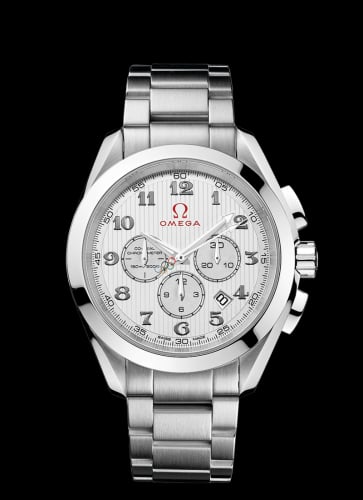
Omega
Seamaster Aqua Terra 150M Co-Axial 44 Chronograph Stainless Steel / Silver / Bracelet / Olympic Collection
Ref. 231.10.44.50.02.001
CN/A
EN/A
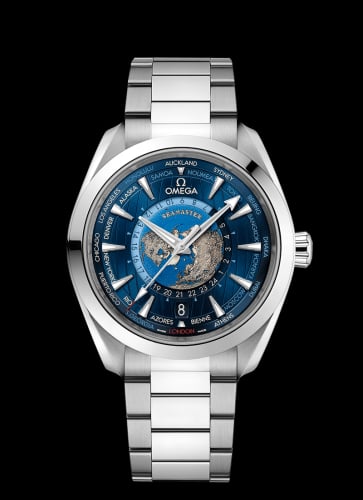
Omega
Seamaster Aqua Terra 150M Master Chronometer 43 Worldtimer Stainless Steel / Blue / Bracelet
Ref. 220.10.43.22.03.001
CN/A
EN/A
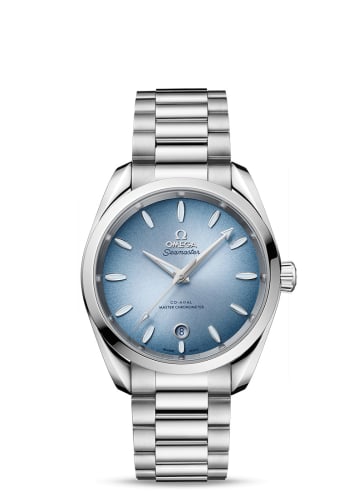
Omega
Seamaster Aqua Terra 150M Master Chronometer 38 Stainless Steel / Summer Blue / Bracelet
Ref. 220.10.38.20.03.004
CN/A
EN/A
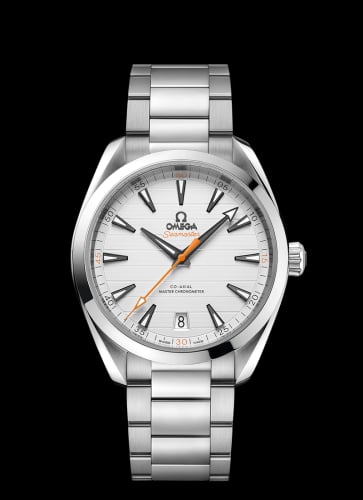
Omega
Seamaster Aqua Terra 150M Master Chronometer 41 Stainless Steel / Silver / Bracelet
Ref. 220.10.41.21.02.001
CN/A
EN/A
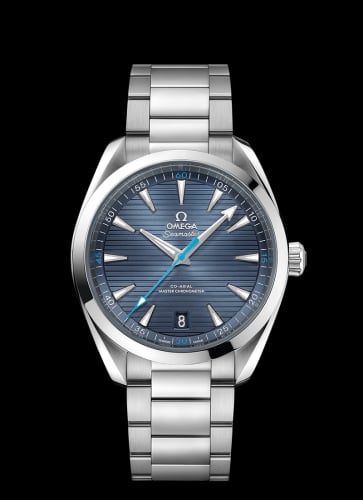
Omega
Seamaster Aqua Terra 150M Master Chronometer 41 Stainless Steel / Blue / Bracelet
Ref. 220.10.41.21.03.002
CN/A
EN/A
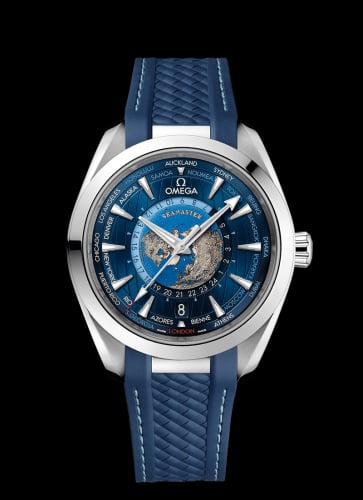
Omega
Seamaster Aqua Terra 150M Master Chronometer 43 Worldtimer Stainless Steel / Blue / Rubber
Ref. 220.12.43.22.03.001
CN/A
EN/A
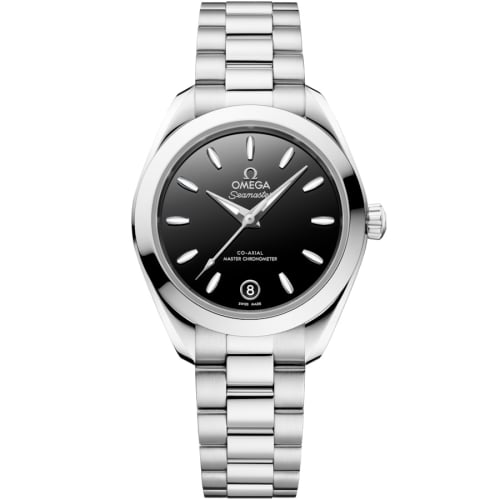
Omega
Seamaster Aqua Terra 150M Master Co-Axial 30 Stainless Steel / Black / Bracelet
Ref. 220.10.30.20.01.001
CN/A
EN/A
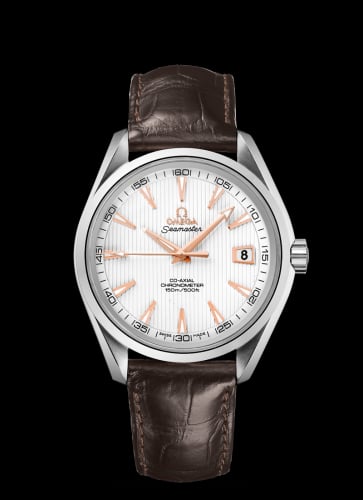
Omega
Seamaster Aqua Terra 150M Co-Axial 41.5 Stainless Steel / Silver
Ref. 231.13.42.21.02.002
CN/A
EN/A
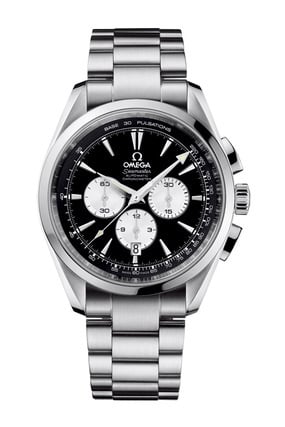
Omega
Seamaster Aqua Terra 150M Automatic 42.2 Chronograph Stainless Steel / Panda / Bracelet
Ref. 221.10.42.40.01.002
CN/A
EN/A
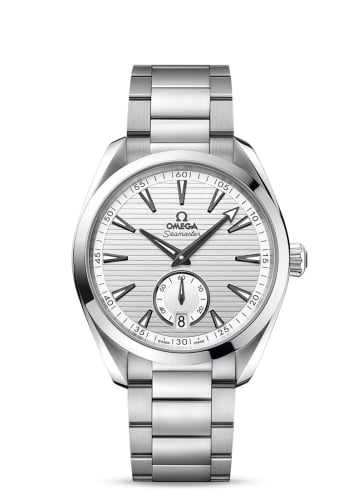
Omega
Seamaster Aqua Terra 150M Master Chronometer Small Seconds 41 Stainless Steel / Silver / Bracelet
Ref. 220.10.41.21.02.002
CN/A
EN/A
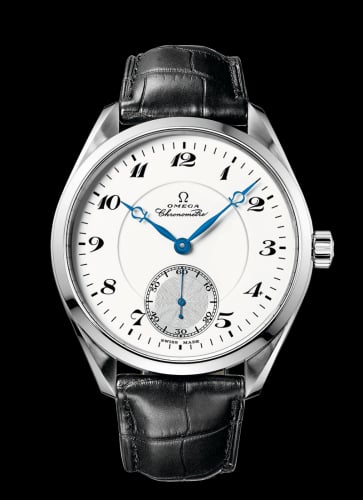
Omega
Seamaster Aqua Terra 150M Hand Wound 49.2 XXL White Gold / White
Ref. 231.53.49.10.04.001
CN/A
EN/A
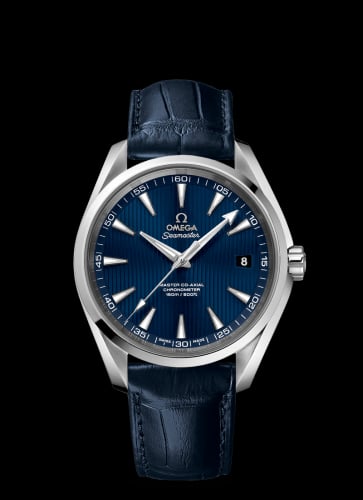
Omega
Seamaster Aqua Terra 150m Master Co-Axial 41.5 Stainless Steel / Blue
Ref. 231.13.42.21.03.001
CN/A
EN/A
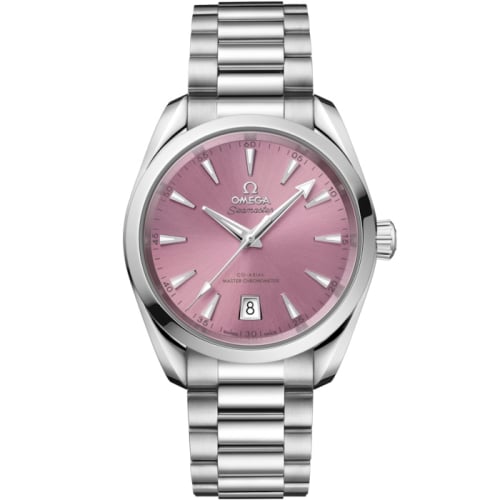
Omega
Seamaster Aqua Terra 150M Shades Master Chronometer 38 Stainless Steel / Shell Pink / Bracelet
Ref. 220.10.38.20.10.005
CN/A
EN/A
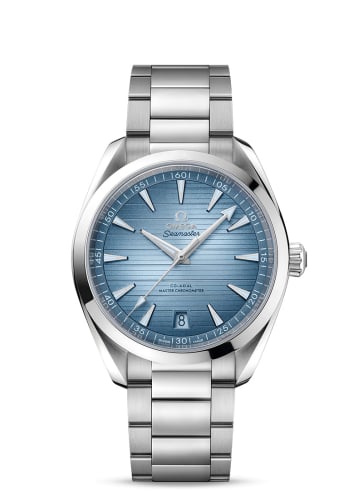
Omega
Seamaster Aqua Terra 150M Master Chronometer 41 Stainless Steel / Summer Blue / Bracelet
Ref. 220.10.41.21.03.005
CN/A
EN/A
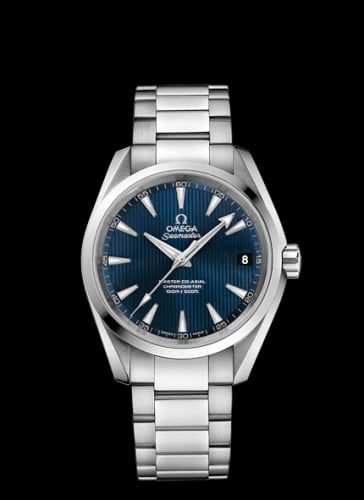
Omega
Seamaster Aqua Terra 150M Master Co-Axial 38.5 Stainless Steel / Blue / Bracelet
Ref. 231.10.39.21.03.002
CN/A
EN/A
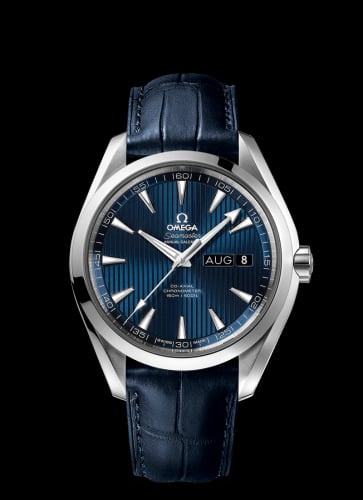
Omega
Seamaster Aqua Terra 150M Co-Axial 43 Annual Calendar Stainless Steel / Blue
Ref. 231.13.43.22.03.002
CN/A
EN/A
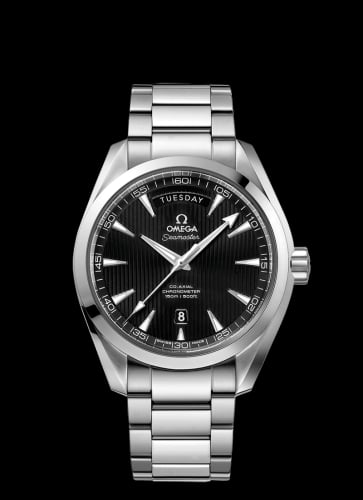
Omega
Seamaster Aqua Terra 150m Co-Axial 41.5 Day-Date Stainless Steel / Black
Ref. 231.10.42.22.01.001
CN/A
EN/A
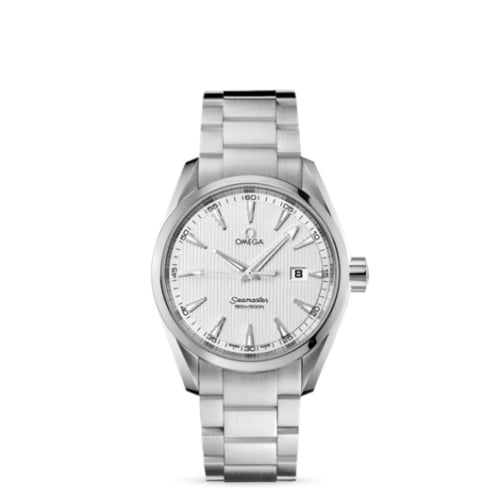
Omega
Seamaster Aqua Terra 150M Quartz 38.5 Stainless Steel / Silver / Bracelet
Ref. 231.10.39.61.02.001
CN/A
EN/A
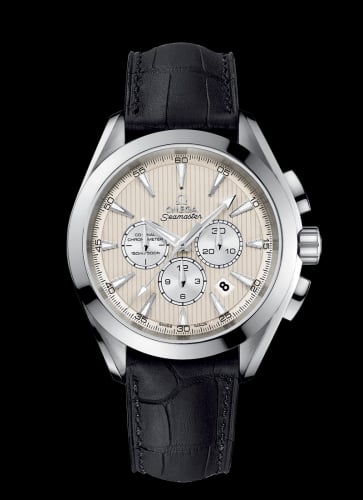
Omega
Seamaster Aqua Terra 150M Co-Axial 44 Chronograph Stainless Steel / Ivory
Ref. 231.13.44.50.09.001
CN/A
EN/A
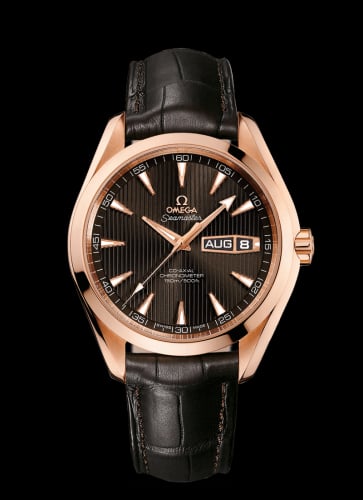
Omega
Seamaster Aqua Terra 150m Co-Axial 43 Annual Calendar Red Gold / Grey
Ref. 231.53.43.22.06.001
CN/A
EN/A
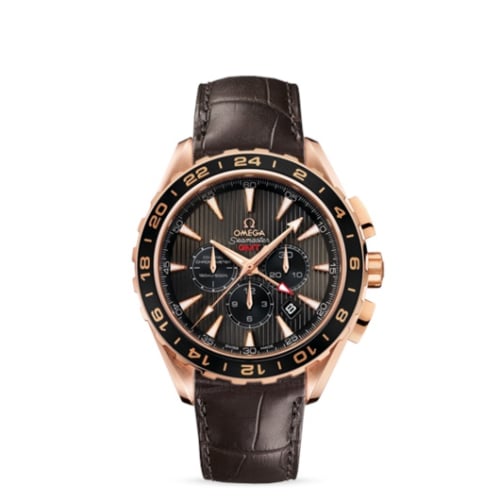
Omega
Seamaster Aqua Terra 150M Co-Axial 44 GMT Chronograph Red Gold / Grey
Ref. 231.53.44.52.06.001
CN/A
EN/A
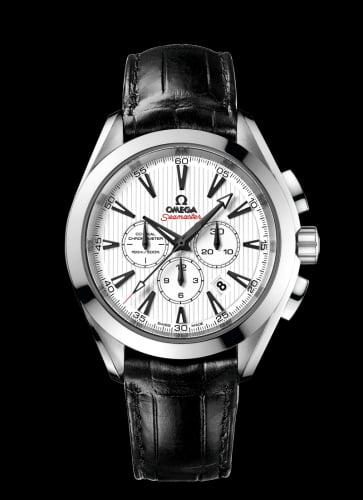
Omega
Seamaster Aqua Terra 150M Co-Axial 44 Chronograph Co-Axial Stainless Steel / White
Ref. 231.13.44.50.04.001
CN/A
EN/A
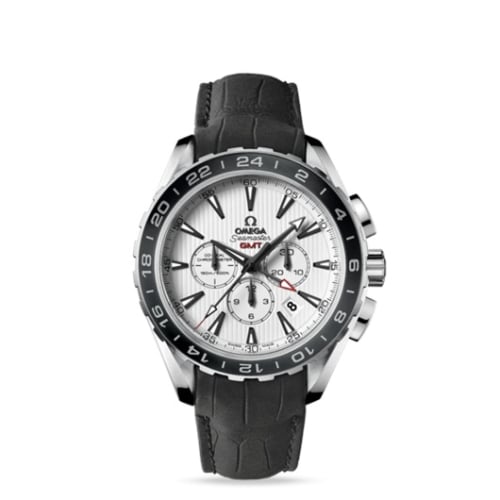
Omega
Seamaster Aqua Terra 150M Co-Axial 44 GMT Chronograph Stainless Steel / Silver
Ref. 231.13.44.52.04.001
CN/A
EN/A
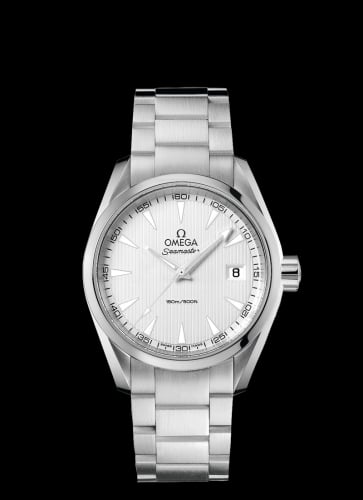
Omega
Seamaster Aqua Terra 150M Quartz 38.5 Stainless Steel / Silver / Bracelet
Ref. 231.10.39.60.02.001
CN/A
EN/A
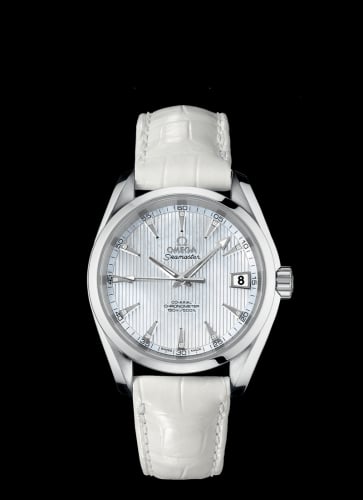
Omega
Seamaster Aqua Terra 150M Co-Axial 38.5 Stainless Steel / MOP
Ref. 231.13.39.21.55.001
CN/A
EN/A
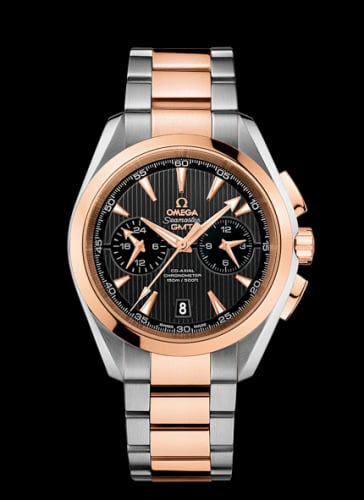
Omega
Seamaster Aqua Terra 150M Co-Axial 43 GMT Chronograph Stainless Steel / Red Gold / Grey / Bracelet
Ref. 231.20.43.52.06.001
CN/A
EN/A
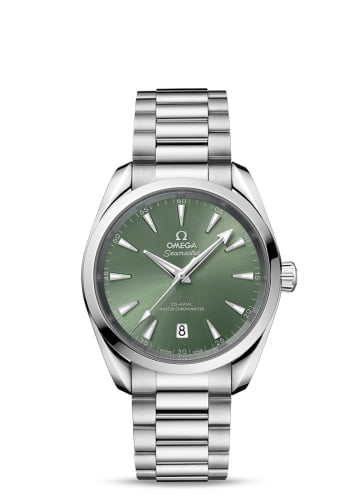
Omega
Seamaster Aqua Terra 150M Master Chronometer 38 Stainless Steel / Bay Green / Bracelet
Ref. 220.10.38.20.10.002
CN/A
EN/A
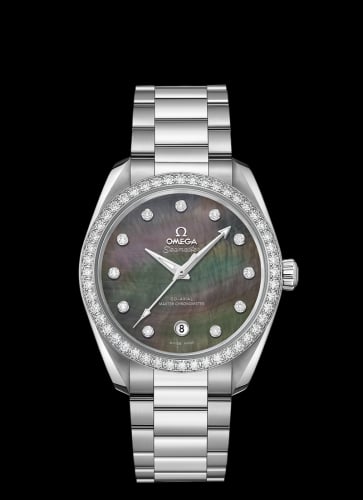
Omega
Seamaster Aqua Terra 150M Master Chronometer 38 Stainless Steel / Diamond / Grey MOP / Bracelet
Ref. 220.15.38.20.57.001
CN/A
EN/A
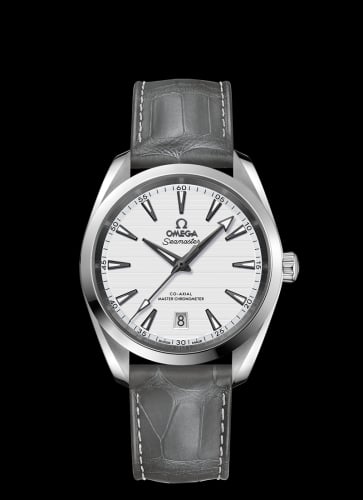
Omega
Seamaster Aqua Terra 150M Master Chronometer 38 Stainless Steel / Silver / Alligator
Ref. 220.13.38.20.02.001
CN/A
EN/A
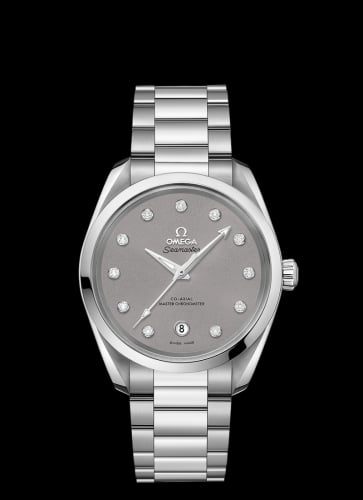
Omega
Seamaster Aqua Terra 150M Master Chronometer 38 Stainless Steel / Grey / Bracelet
Ref. 220.10.38.20.56.001
CN/A
EN/A
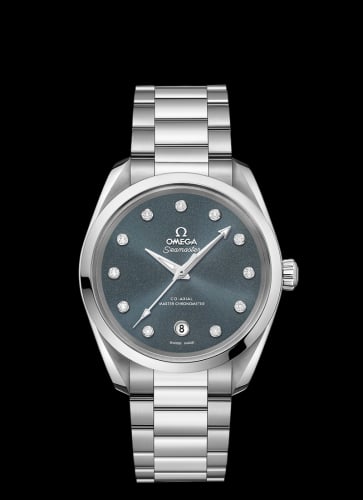
Omega
Seamaster Aqua Terra 150M Master Chronometer 38 Stainless Steel / Blue Grey / Bracelet
Ref. 220.10.38.20.53.001
CN/A
EN/A
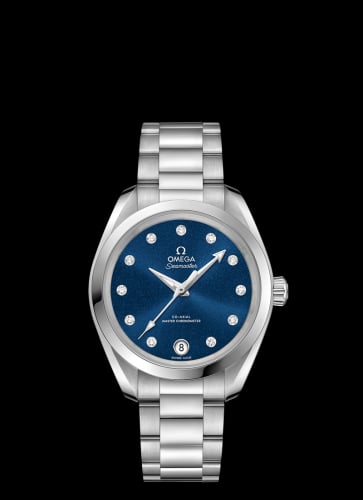
Omega
Seamaster Aqua Terra 150M Master Chronometer 34 Stainless Steel / Blue / Bracelet
Ref. 220.10.34.20.53.001
CN/A
EN/A
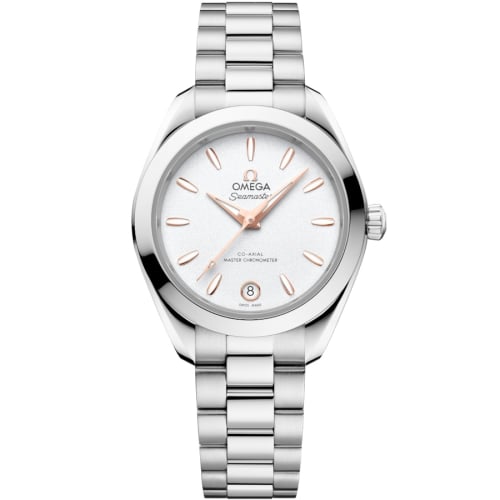
Omega
Seamaster Aqua Terra 150M Master Co-Axial 30 Stainless Steel / Silver / Bracelet
Ref. 220.10.30.20.02.001
CN/A
EN/A
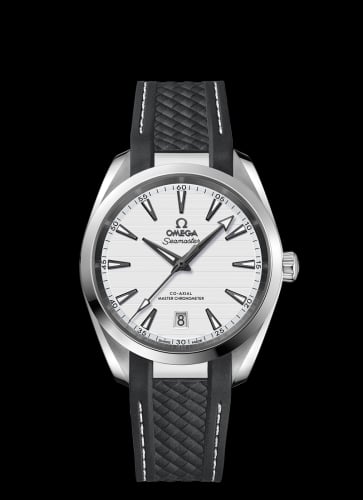
Omega
Seamaster Aqua Terra 150M Master Chronometer 38 Stainless Steel / Silver / Rubber
Ref. 220.12.38.20.02.001
CN/A
EN/A
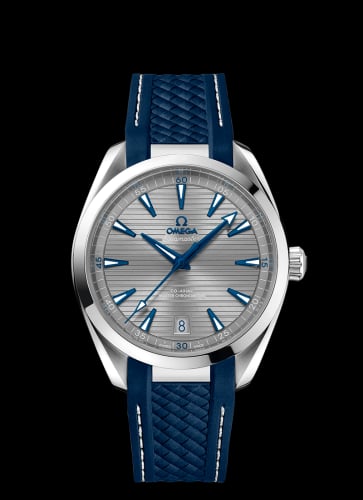
Omega
Seamaster Aqua Terra 150M Master Chronometer 41 Stainless Steel / Grey / Rubber
Ref. 220.12.41.21.06.001
CN/A
EN/A
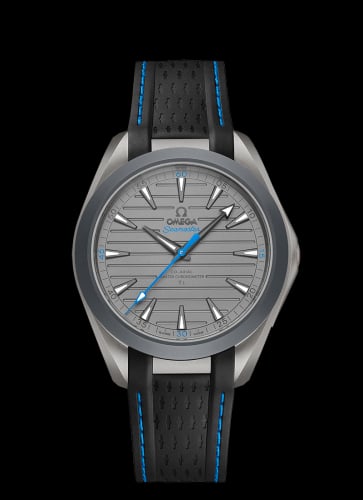
Omega
Seamaster Aqua Terra 150M Master Chronometer 41 Ultra Light Titanium / Grey - Blue / Rubber
Ref. 220.92.41.21.06.002
CN/A
EN/A
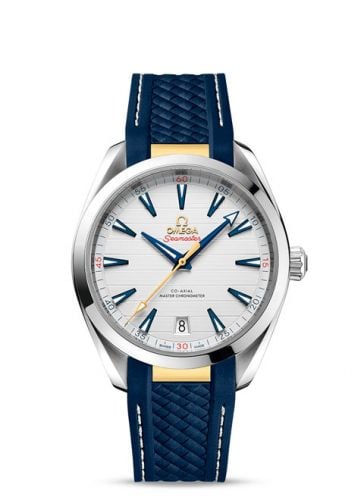
Omega
Seamaster Aqua Terra 150M Master Chronometer 41 Stainless Steel / Silver / Ryder Cup
Ref. 220.12.41.21.02.004
CN/A
EN/A
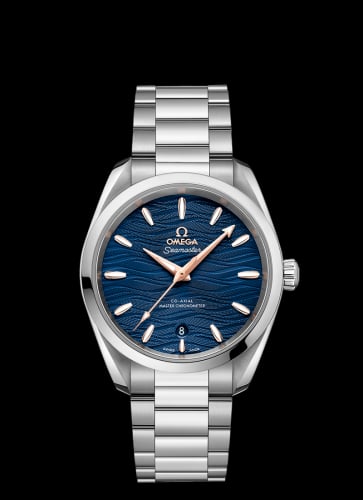
Omega
Seamaster Aqua Terra 150M Master Chronometer 38 Stainless Steel / Blue-Waves / Bracelet
Ref. 220.10.38.20.03.002
CN/A
EN/A
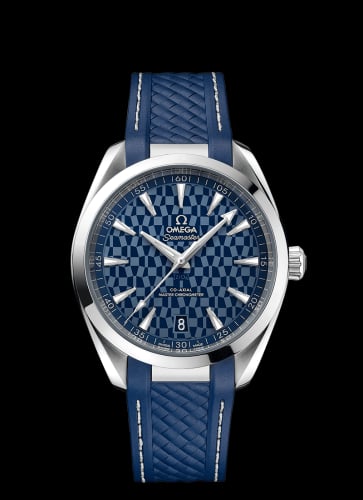
Omega
Seamaster Aqua Terra 150M Master Chronometer 41 Stainless Steel / Blue / Tokyo 2020 Olympics
Ref. 522.12.41.21.03.001
CN/A
EN/A
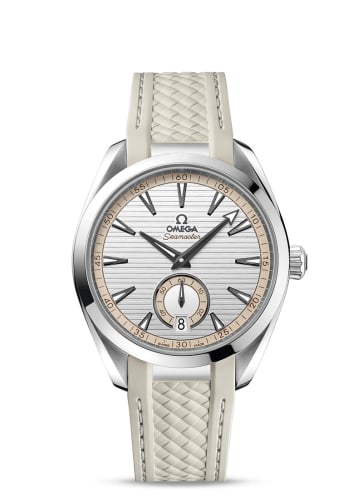
Omega
Seamaster Aqua Terra 150M Master Chronometer Small Seconds 41 Stainless Steel / Silver / Rubber
Ref. 220.12.41.21.02.005
CN/A
EN/A
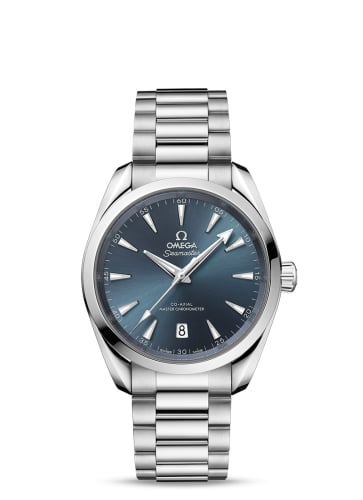
Omega
Seamaster Aqua Terra 150M Master Chronometer 38 Stainless Steel / Atlantic Blue / Bracelet
Ref. 220.10.38.20.03.003
CN/A
EN/A
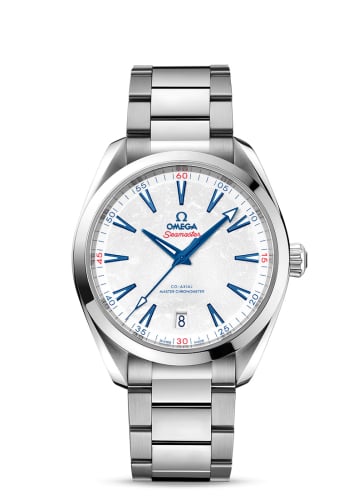
Omega
Seamaster Aqua Terra 150M Master Chronometer 41 Beijing 2022
Ref. 522.10.41.21.04.001
CN/A
EN/A
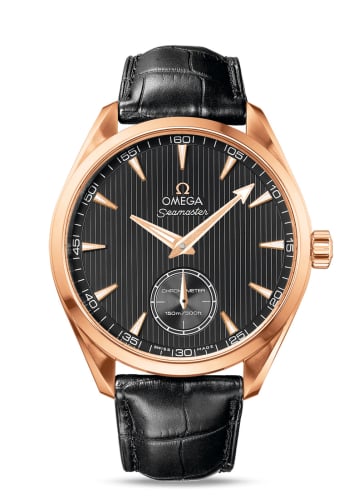
Omega
Seamaster Aqua Terra 150M Hand Wound 49.2 XXL Small Seconds Orange
Ref. 231.53.49.10.06.001
CN/A
EN/A
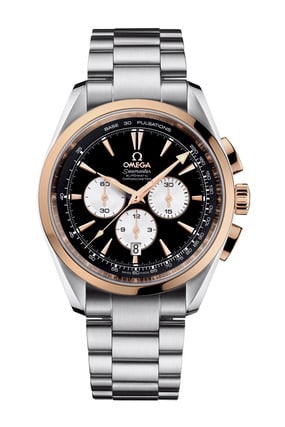
Omega
Seamaster Aqua Terra 150M Automatic 42.2 Chronograph Stainless Steel / Red Gold / Panda / Bracelet
Ref. 221.20.42.40.01.002
CN/A
EN/A
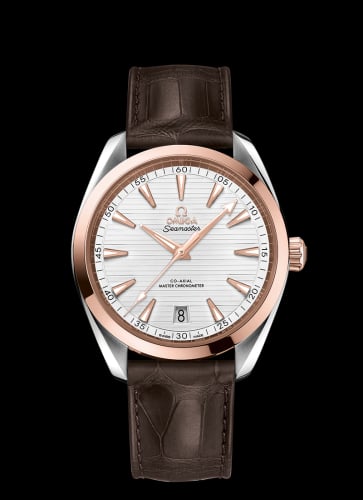
Omega
Seamaster Aqua Terra 150M Master Chronometer 41 Stainless Steel / Sedna Gold / Silver / Alligator
Ref. 220.23.41.21.02.001
CN/A
EN/A
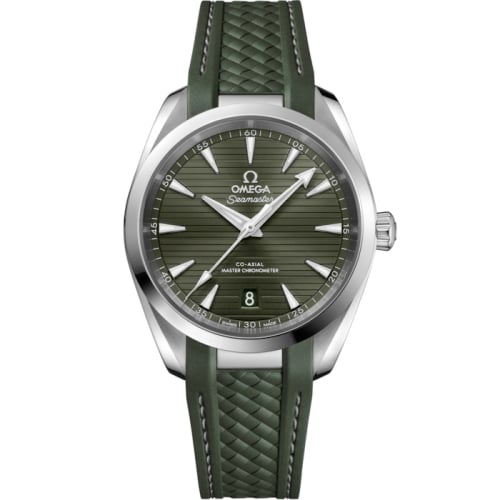
Omega
Seamaster Aqua Terra 150M Master Chronometer 38 Stainless Steel / Green / Rubber
Ref. 220.12.38.20.10.001
CN/A
EN/A
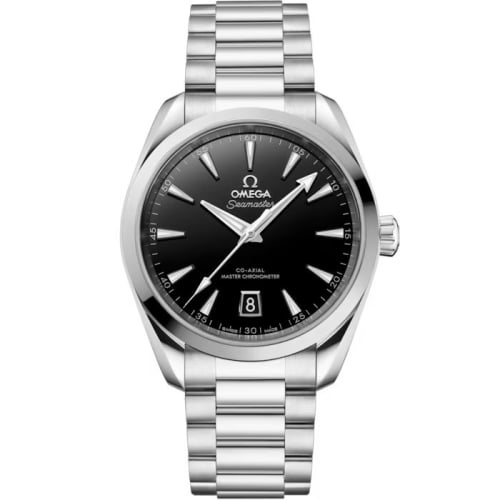
Omega
Seamaster Aqua Terra 150M Master Chronometer 38 Stainless Steel / Black / Bracelet
Ref. 220.10.38.20.01.004
CN/A
EN/A
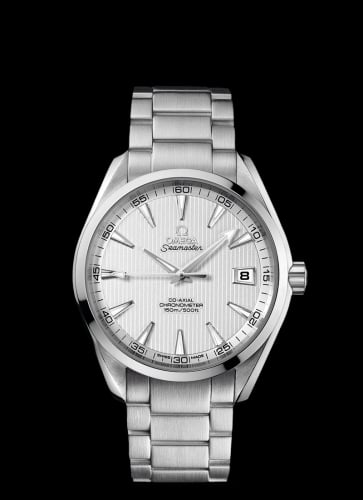
Omega
Seamaster Aqua Terra 150m Co-Axial 41.5 Stainless Steel / Silver / Bracelet
Ref. 231.10.42.21.02.001
CN/A
EN/A
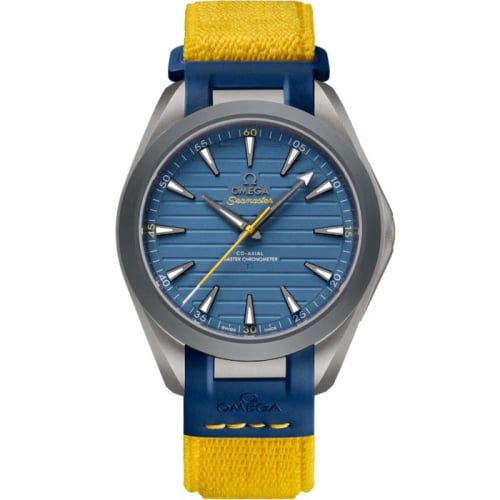
Omega
Seamaster Aqua Terra 150M Master Chronometer 41 Ultra Light Armand “Mondo” Duplantis
Ref. 220.92.41.21.03.002
CN/A
EN/A
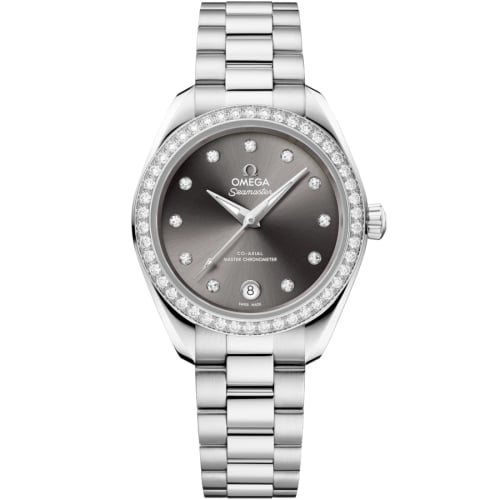
Omega
Seamaster Aqua Terra 150M Master Co-Axial 30 Stainless Steel - Diamond / Grey - Diamond / Bracelet
Ref. 220.15.30.20.56.001
CN/A
EN/A
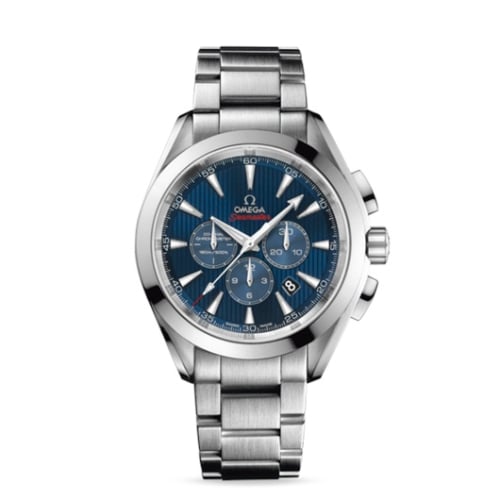
Omega
Seamaster Aqua Terra 150M Co-Axial 44 Chronograph Stainless Steel / Blue / Bracelet / Olympic Collection
Ref. 522.10.44.50.03.001
CN/A
EN/A
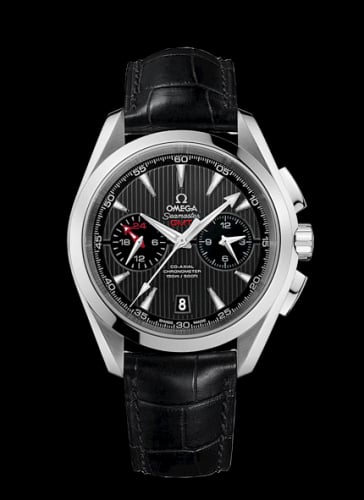
Omega
Seamaster Aqua Terra 150M Co-Axial 43 GMT Chronograph Stainless Steel / Grey
Ref. 231.13.43.52.06.001
CN/A
EN/A
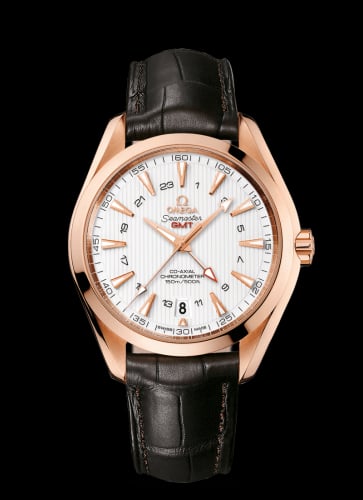
Omega
Seamaster Aqua Terra 150M Co-Axial 43 GMT Red Gold / Silver
Ref. 231.53.43.22.02.001
CN/A
EN/A
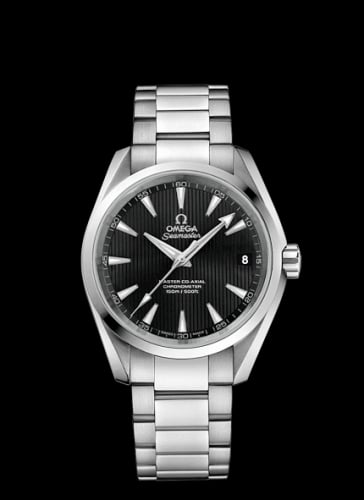
Omega
Seamaster Aqua Terra 150M Master Co-Axial 38.5 Stainless Steel / Black / Bracelet
Ref. 231.10.39.21.01.002
CN/A
EN/A
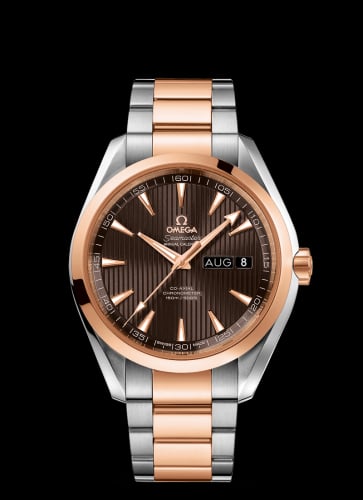
Omega
Seamaster Aqua Terra 150M Co-Axial 43 Annual Calendar Stainless Steel / Red Gold / Grey / Bracelet
Ref. 231.20.43.22.06.002
CN/A
EN/A
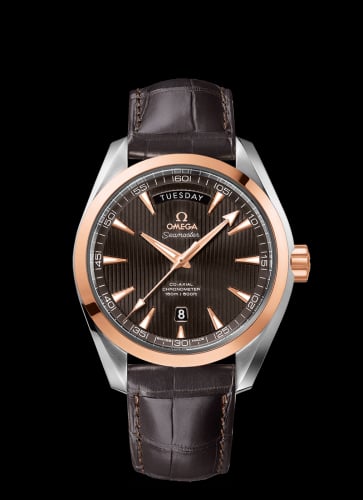
Omega
Seamaster Aqua Terra 150m Co-Axial 41.5 Day-Date Stainless Steel / Red Gold / Grey
Ref. 231.23.42.22.06.001
CN/A
EN/A
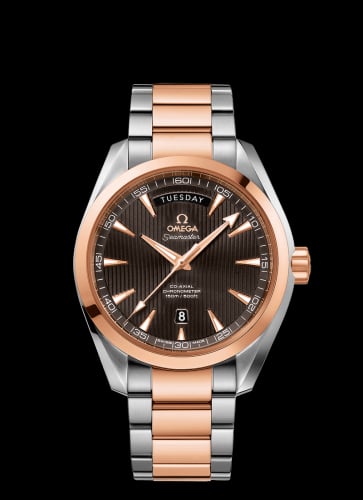
Omega
Seamaster Aqua Terra 150m Co-Axial 41.5 Day-Date Stainless Steel / Red Gold / Grey / Bracelet
Ref. 231.20.42.22.06.001
CN/A
EN/A
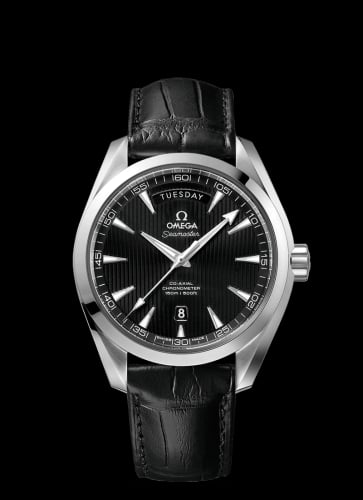
Omega
Seamaster Aqua Terra 150m Co-Axial 41.5 Day-Date Stainless Steel / Black
Ref. 231.13.42.22.01.001
CN/A
EN/A
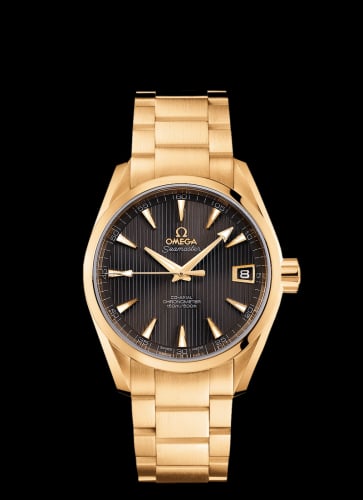
Omega
Seamaster Aqua Terra 150M Co-Axial 38.5 Yellow Gold / Grey / Bracelet
Ref. 231.50.39.21.06.002
CN/A
EN/A
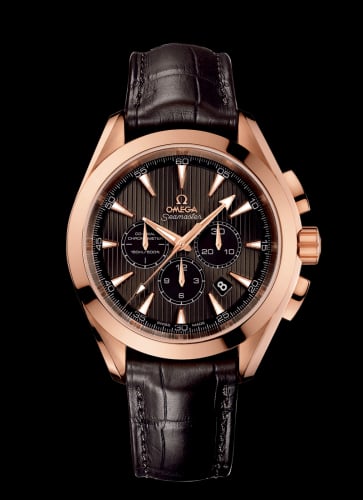
Omega
Seamaster Aqua Terra 150M Co-Axial 44 Chronograph Red Gold / Grey
Ref. 231.53.44.50.06.001
CN/A
EN/A
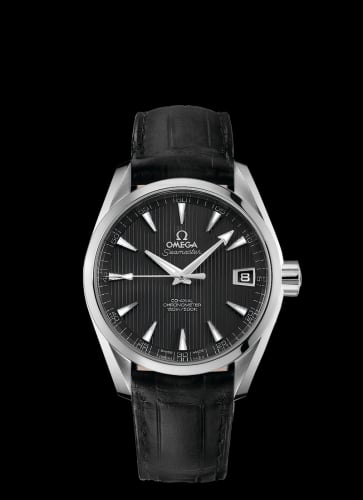
Omega
Seamaster Aqua Terra 150M Co-Axial 38.5 Stainless Steel / Grey
Ref. 231.13.39.21.06.001
CN/A
EN/A
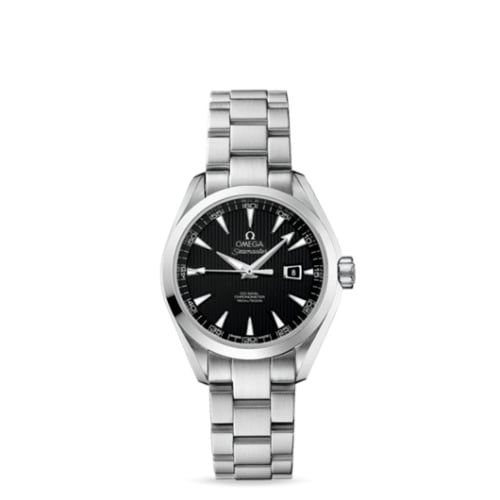
Omega
Seamaster Aqua Terra 150M Co-Axial 34 Stainless Steel / Black / Bracelet
Ref. 231.10.34.20.01.001
CN/A
EN/A
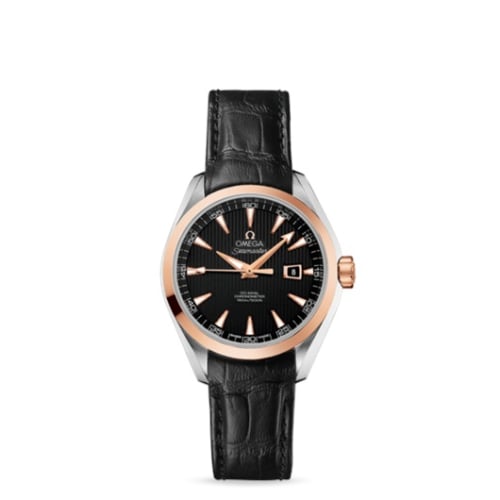
Omega
Seamaster Aqua Terra 150M Co-Axial 34 Stainless Steel / Red Gold / Black
Ref. 231.23.34.20.01.002
CN/A
EN/A
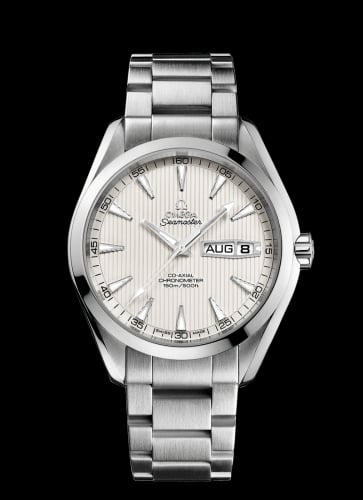
Omega
Seamaster Aqua Terra 150m Co-Axial 43 Annual Calendar Stainless Steel / Silver / Bracelet
Ref. 231.10.43.22.02.001
CN/A
EN/A
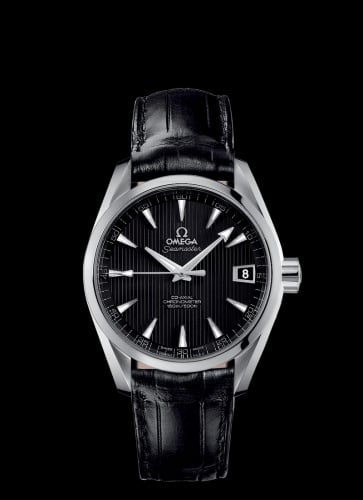
Omega
Seamaster Aqua Terra 150M Co-Axial 38.5 Stainless Steel / Black
Ref. 231.13.39.21.01.001
CN/A
EN/A
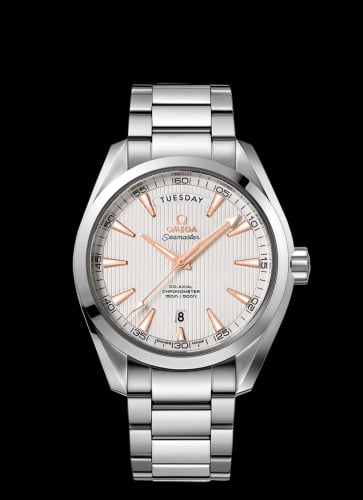
Omega
Seamaster Aqua Terra 150m Co-Axial 41.5 Day-Date 41.5mm Stainless Steel / Silver / Bracelet
Ref. 231.10.42.22.02.001
CN/A
EN/A
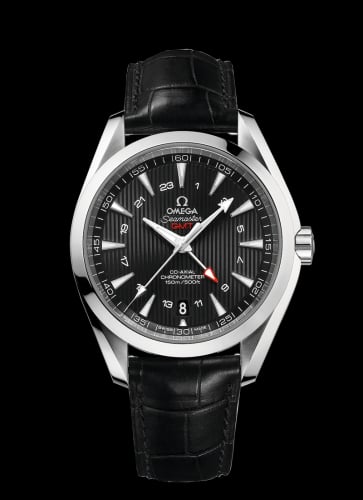
Omega
Seamaster Aqua Terra 150M Co-Axial 43 GMT Stainless Steel / Black
Ref. 231.13.43.22.01.001
CN/A
EN/A
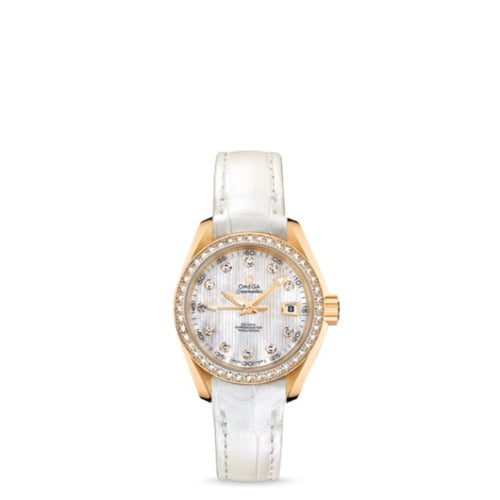
Omega
Seamaster Aqua Terra 150M Co-Axial 30 Yellow Gold / Diamond / MOP
Ref. 231.58.30.20.55.002
CN/A
EN/A
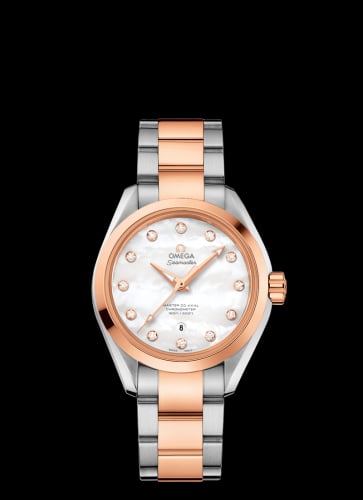
Omega
Seamaster Aqua Terra 150M Master Co-Axial Stainless Steel / Red Gold / MOP / Bracelet
Ref. 231.20.34.20.55.001
CN/A
EN/A
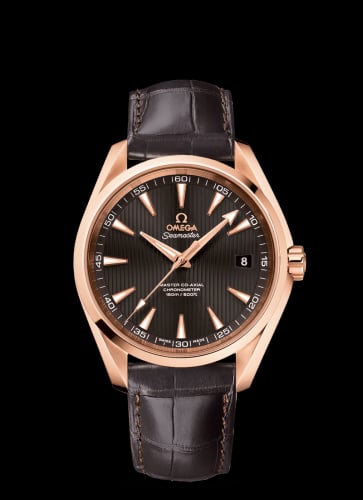
Omega
Seamaster Aqua Terra 150m Master Co-Axial 41.5 Red Gold / Grey
Ref. 231.53.42.21.06.002
CN/A
EN/A
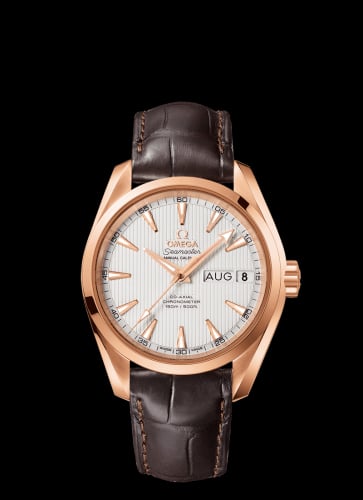
Omega
Seamaster Aqua Terra 150M Co-Axial 38.5 Annual Calendar Red Gold / Silver
Ref. 231.53.39.22.02.001
CN/A
EN/A
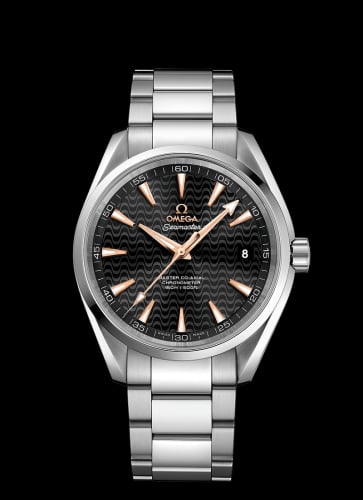
Omega
Seamaster Aqua Terra 150m Master Co-Axial 41.5 Stainless Steel / Black Waves / Bracelet
Ref. 231.10.42.21.01.006
CN/A
EN/A
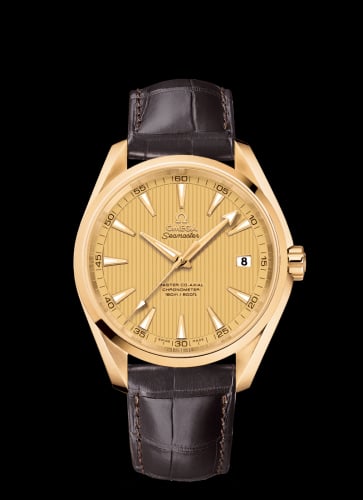
Omega
Seamaster Aqua Terra 150m Master Co-Axial 41.5 Yellow Gold / Champagne
Ref. 231.53.42.21.08.001
CN/A
EN/A
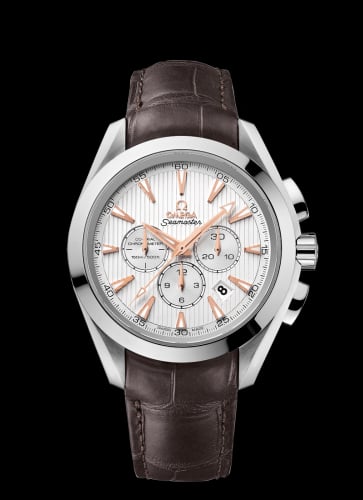
Omega
Seamaster Aqua Terra 150M Co-Axial 44 Chronograph Stainless Steel / Silver
Ref. 231.13.44.50.02.001
CN/A
EN/A
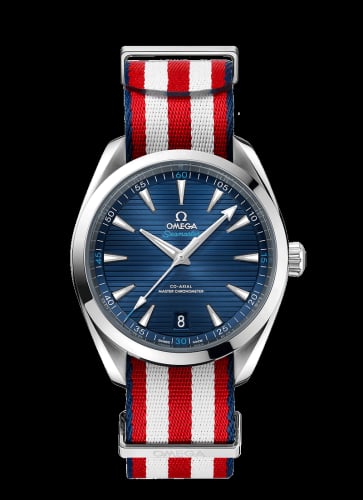
Omega
Seamaster Aqua Terra 150M Master Chronometer 41 Stainless Steel / Blue / NATO / Shaun White Edition
Ref. 220.12.41.21.03.003
CN/A
EN/A
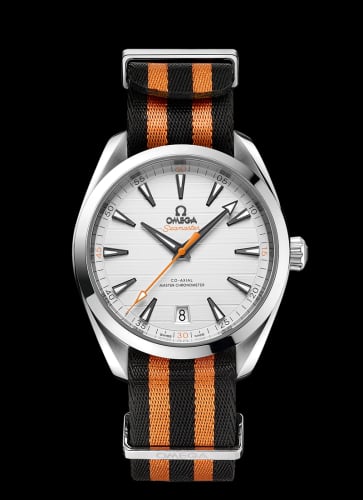
Omega
Seamaster Aqua Terra 150M Master Chronometer 41 Stainless Steel / Golf Edition / NATO
Ref. 220.12.41.21.02.003
CN/A
EN/A
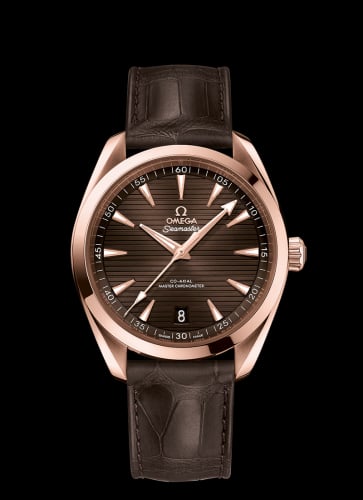
Omega
Seamaster Aqua Terra 150M Master Chronometer 41 Sedna Gold / Brown / Alligator
Ref. 220.53.41.21.13.001
CN/A
EN/A
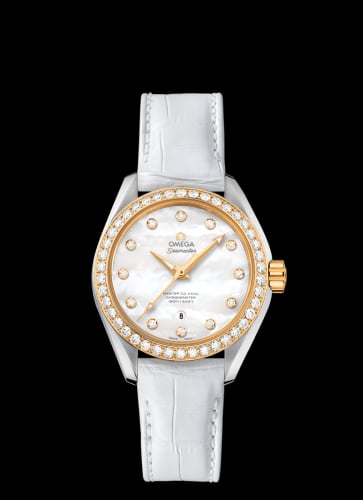
Omega
Seamaster Aqua Terra 150M Master Co-Axial 34 Stainless Steel / Yellow Gold / Diamond / MOP
Ref. 231.28.34.20.55.004
CN/A
EN/A
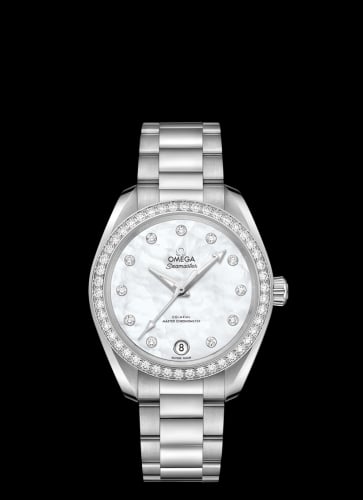
Omega
Seamaster Aqua Terra 150M Master Chronometer 34 Stainless Steel / Diamond / MOP / Bracelet
Ref. 220.15.34.20.55.001
CN/A
EN/A
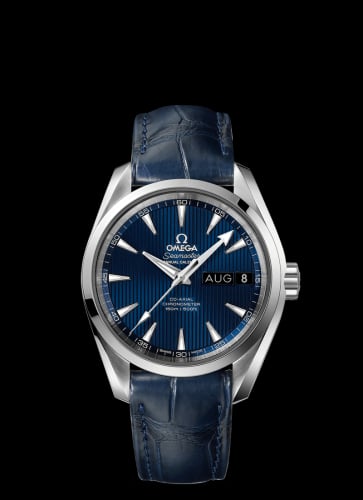
Omega
Seamaster Aqua Terra 150M Co-Axial 38.5 Annual Calendar Stainless Steel / Blue
Ref. 231.13.39.22.03.001
CN/A
EN/A
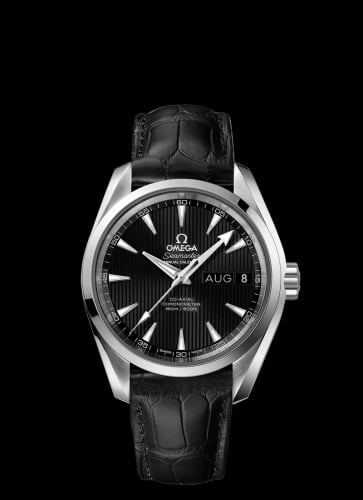
Omega
Seamaster Aqua Terra 150M Co-Axial 38.5 Annual Calendar Stainless Steel / Black
Ref. 231.13.39.22.01.001
CN/A
EN/A
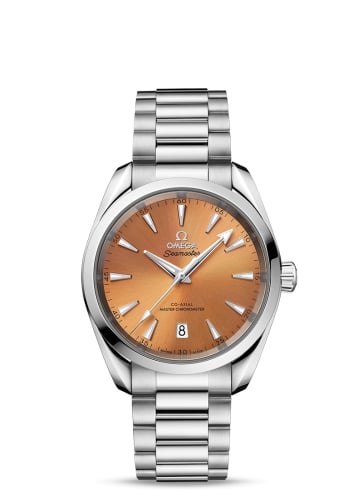
Omega
Seamaster Aqua Terra 150M Shades Master Chronometer 38 Stainless Steel / Saffron / Bracelet
Ref. 220.10.38.20.12.001
CN/A
EN/A
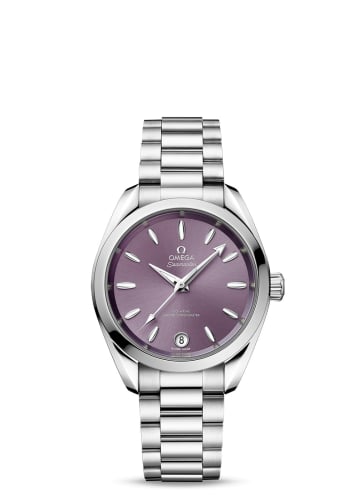
Omega
Seamaster Aqua Terra 150M Master Chronometer 34 Stainless Steel / Lavender / Bracelet
Ref. 220.10.34.20.10.002
CN/A
EN/A
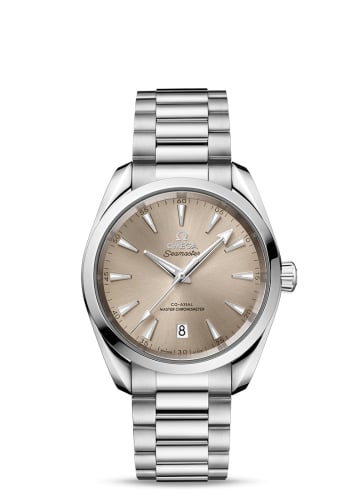
Omega
Seamaster Aqua Terra 150M Master Chronometer 38 Stainless Steel / Sandstone / Bracelet
Ref. 220.10.38.20.09.001
CN/A
EN/A
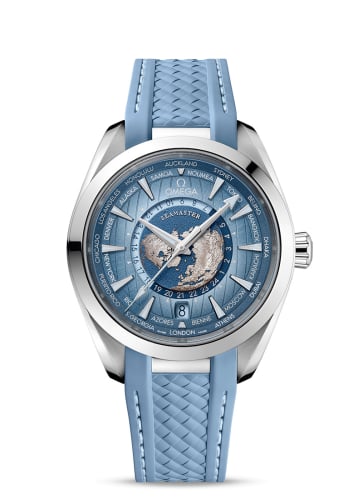
Omega
Seamaster Aqua Terra 150M Master Chronometer 43 Worldtimer Stainless Steel / Summer Blue / Rubber
Ref. 220.12.43.22.03.002
CN/A
EN/A
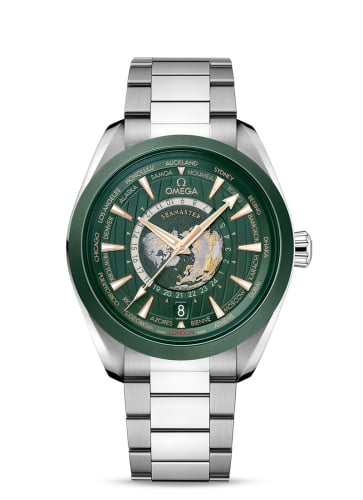
Omega
Seamaster Aqua Terra 150M Master Chronometer 43 Worldtimer Stainless Steel - Ceramic / Green / Bracelet
Ref. 220.30.43.22.10.001
CN/A
EN/A
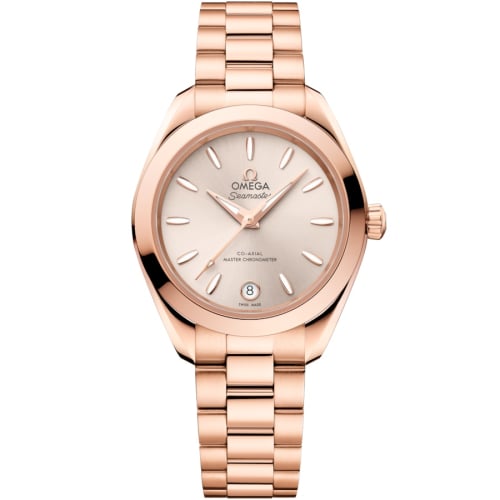
Omega
Seamaster Aqua Terra 150M Master Co-Axial 30 Sedna Gold / Linen / Bracelet
Ref. 220.50.30.20.09.001
CN/A
EN/A
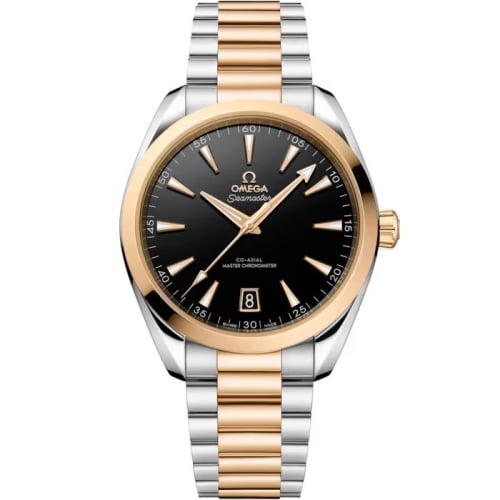
Omega
Seamaster Aqua Terra 150M Master Chronometer 41 Stainless Steel - Moonshine Gold / Black / Bracelet
Ref. 220.20.41.21.01.001
CN/A
EN/A
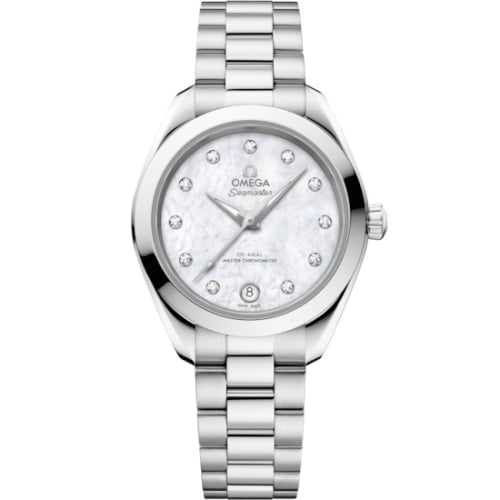
Omega
Seamaster Aqua Terra 150M Master Co-Axial 30 Stainless Steel / MOP
Ref. 220.10.30.20.55.001
CN/A
EN/A
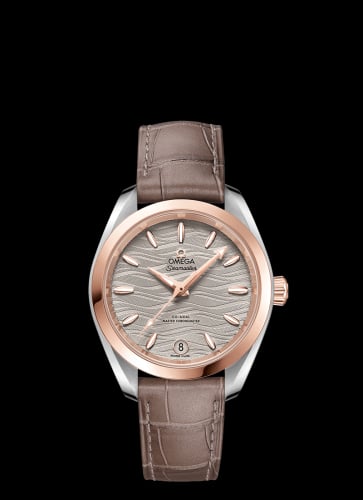
Omega
Seamaster Aqua Terra 150M Master Chronometer 34 Stainless Steel / Sedna Gold / Grey-Waves / Alligator
Ref. 220.23.34.20.06.001
CN/A
EN/A
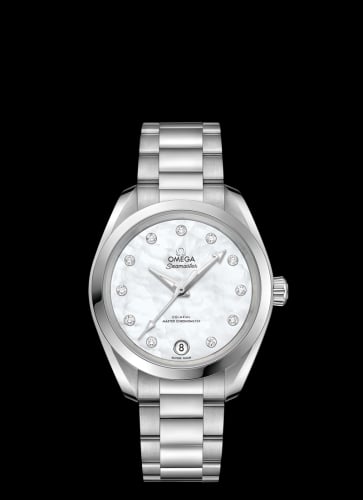
Omega
Seamaster Aqua Terra 150M Master Chronometer 34 Stainless Steel / MOP / Bracelet
Ref. 220.10.34.20.55.001
CN/A
EN/A
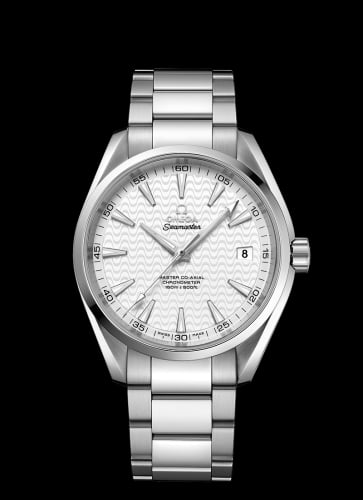
Omega
Seamaster Aqua Terra 150m Master Co-Axial 41.5 Stainless Steel / Silver Waves / Bracelet
Ref. 231.10.42.21.02.006
CN/A
EN/A
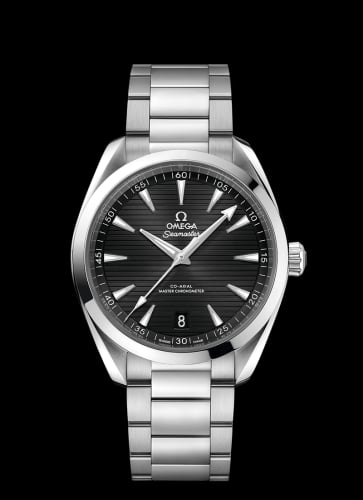
Omega
Seamaster Aqua Terra 150M Master Chronometer 41 Stainless Steel / Black / Bracelet
Ref. 220.10.41.21.01.001
CN/A
EN/A
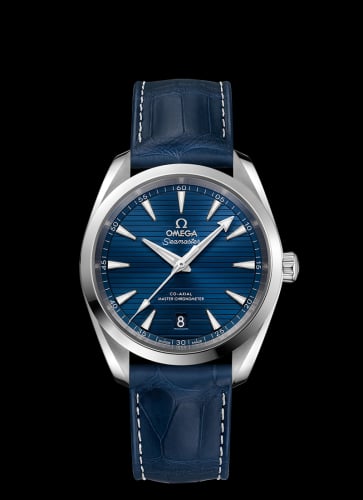
Omega
Seamaster Aqua Terra 150M Master Chronometer 38 Stainless Steel / Blue / Alligator
Ref. 220.13.38.20.03.001
CN/A
EN/A
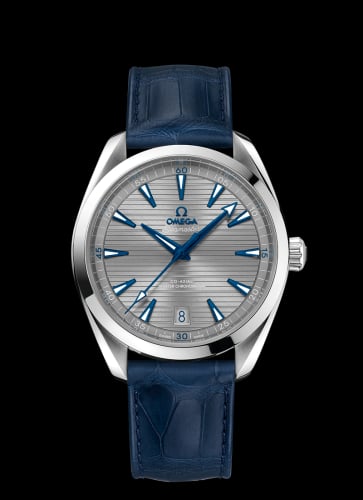
Omega
Seamaster Aqua Terra 150M Master Chronometer 41 Stainless Steel / Grey / Alligator
Ref. 220.13.41.21.06.001
CN/A
EN/A
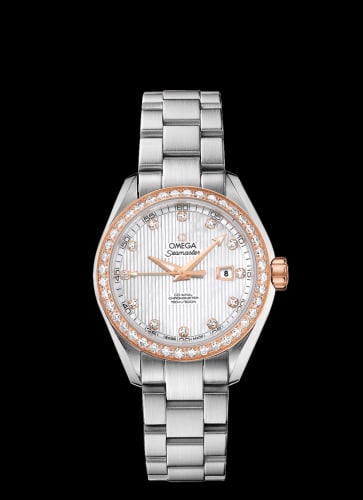
Omega
Seamaster Aqua Terra 150M Co-Axial 34 Stainless Steel / Red Gold / Diamond / MOP / Bracelet
Ref. 231.25.34.20.55.003
CN/A
EN/A
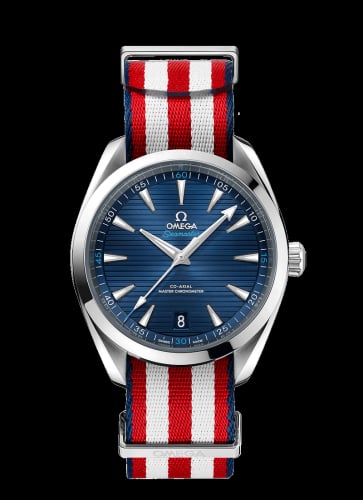
Omega
Seamaster Aqua Terra 150M Master Chronometer 41 Stainless Steel / Blue / NATO / Paralympics
Ref. 220.12.41.21.03.004
CN/A
EN/A
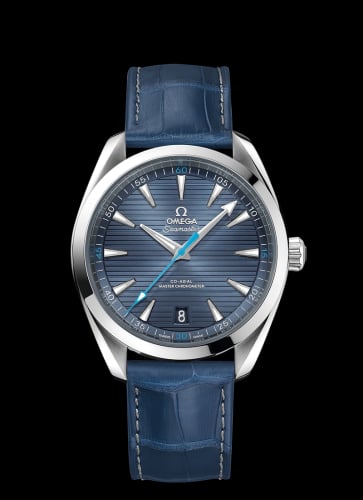
Omega
Seamaster Aqua Terra 150M Master Chronometer 41 Stainless Steel / Blue / Alligator
Ref. 220.13.41.21.03.002
CN/A
EN/A
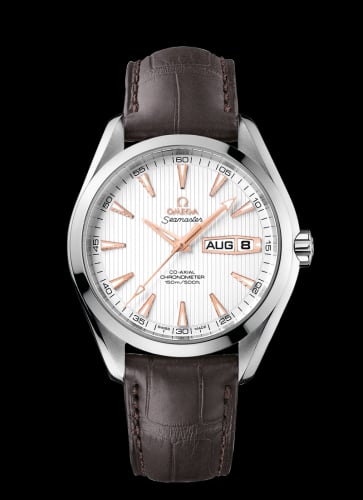
Omega
Seamaster Aqua Terra 150m Co-Axial 43 Annual Calendar Stainless Steel / Silver
Ref. 231.13.43.22.02.002
CN/A
EN/A
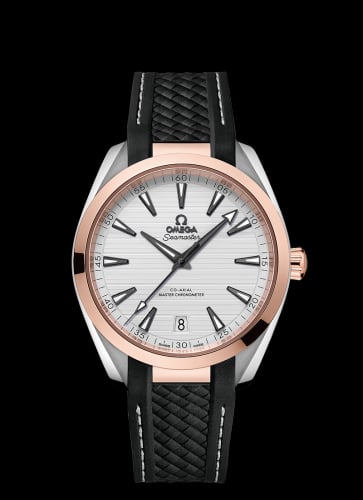
Omega
Seamaster Aqua Terra 150M Master Chronometer 41 Stainless Steel / Sedna Gold / Silver / Rubber
Ref. 220.22.41.21.02.001
CN/A
EN/A
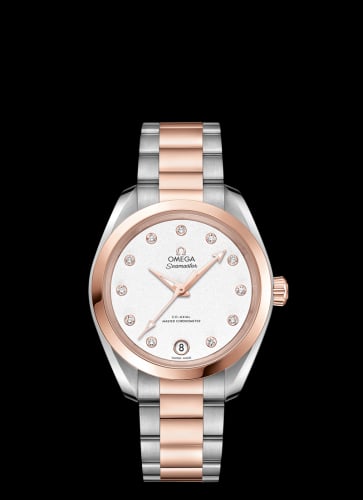
Omega
Seamaster Aqua Terra 150M Master Chronometer 34 Stainless Steel / Sedna Gold / Silver / Bracelet
Ref. 220.20.34.20.52.001
CN/A
EN/A
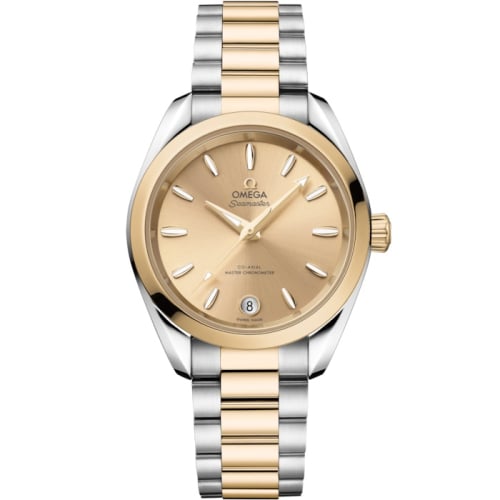
Omega
Seamaster Aqua Terra 150M Shades Master Chronometer 34 Stainless Steel - Moonshine Gold / Champagne / Bracelet
Ref. 220.20.34.20.08.001
CN/A
EN/A
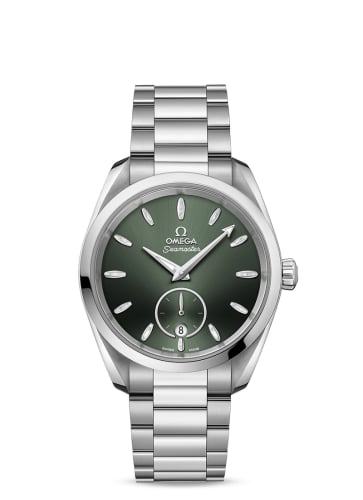
Omega
Seamaster Aqua Terra 150M Master Chronometer Small Seconds 38 Stainless Steel / Green / Bracelet
Ref. 220.10.38.20.10.001
CN/A
EN/A
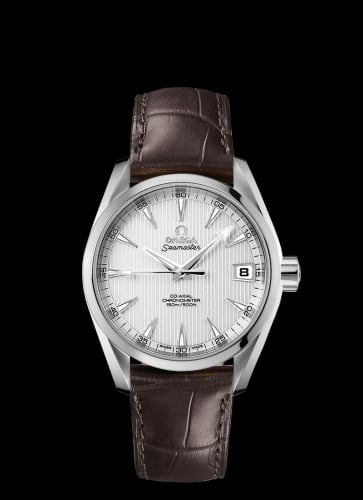
Omega
Seamaster Aqua Terra 150M Co-Axial 38.5 Stainless Steel / Silver
Ref. 231.13.39.21.02.001
CN/A
EN/A
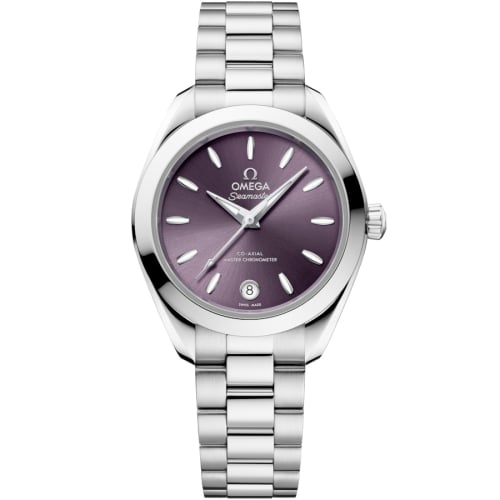
Omega
Seamaster Aqua Terra 150M Master Co-Axial 30 Stainless Steel / Lavender / Bracelet
Ref. 220.10.30.20.10.002
CN/A
EN/A
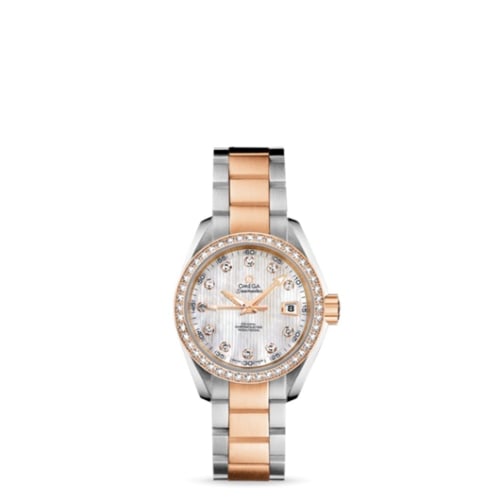
Omega
Seamaster Aqua Terra 150M Co-Axial 30 Stainless Steel / Red Gold / Diamond / MOP / Bracelet
Ref. 231.25.30.20.55.001
CN/A
EN/A
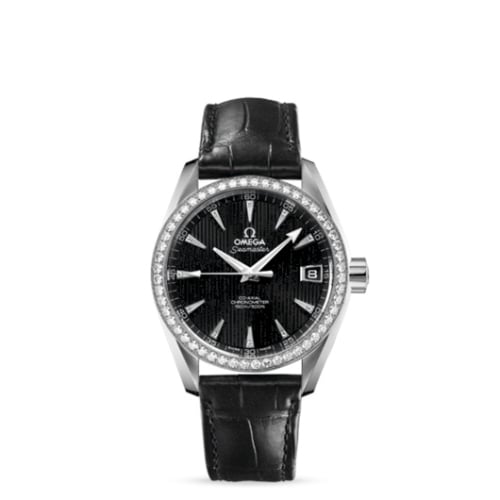
Omega
Seamaster Aqua Terra 150M Co-Axial 38.5 Stainless Steel / Diamond / Black
Ref. 231.18.39.21.51.001
CN/A
EN/A
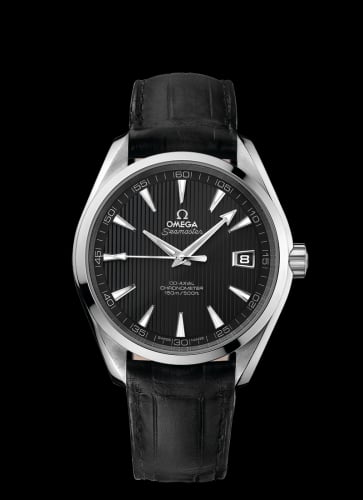
Omega
Seamaster Aqua Terra 150M Co-Axial 41.5 Stainless Steel / Grey
Ref. 231.13.42.21.06.001
CN/A
EN/A
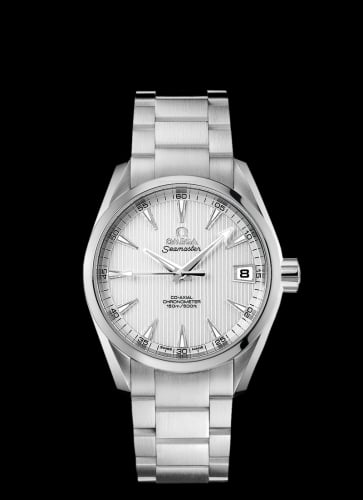
Omega
Seamaster Aqua Terra 150M Co-Axial 38.5 Stainless Steel / Silver / Bracelet
Ref. 231.10.39.21.02.001
CN/A
EN/A
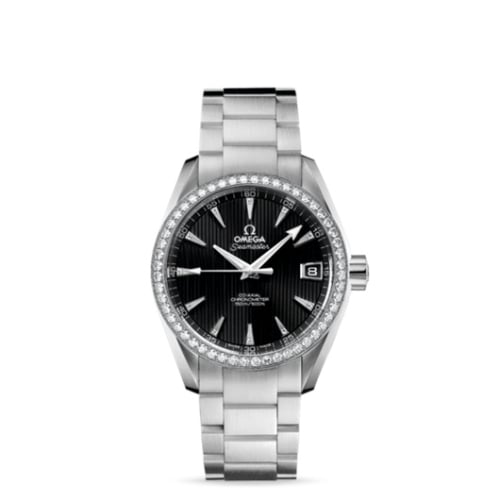
Omega
Seamaster Aqua Terra 150M Co-Axial 38.5 Stainless Steel / Diamond / Black / Bracelet
Ref. 231.15.39.21.51.001
CN/A
EN/A
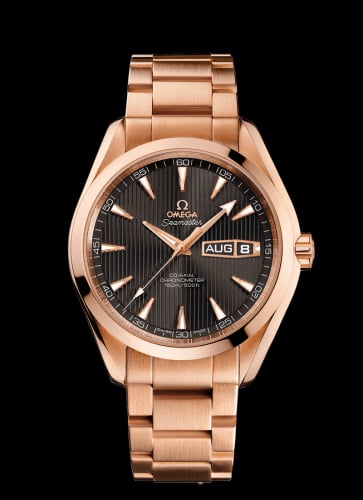
Omega
Seamaster Aqua Terra 150m Co-Axial 43 Annual Calendar Red Gold / Grey / Bracelet
Ref. 231.50.43.22.06.001
CN/A
EN/A
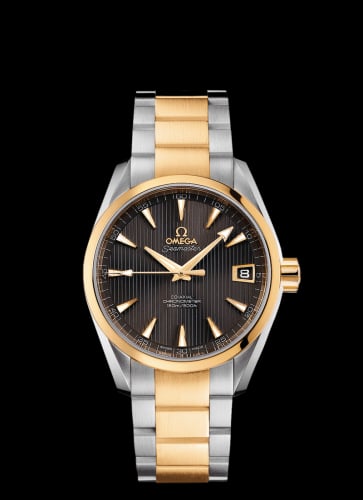
Omega
Seamaster Aqua Terra 150M Co-Axial 38.5 Stainless Steel / Yellow Gold / Grey / Bracelet
Ref. 231.20.39.21.06.002
CN/A
EN/A
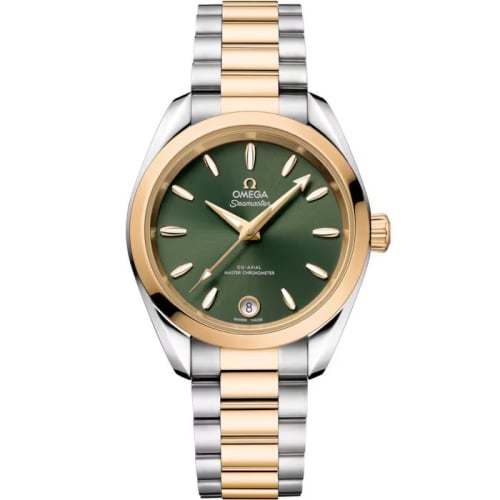
Omega
Seamaster Aqua Terra 150M Shades Master Chronometer 34 Stainless Steel - Moonshine Gold / Green / Bracelet
Ref. 220.20.34.20.10.002
CN/A
EN/A
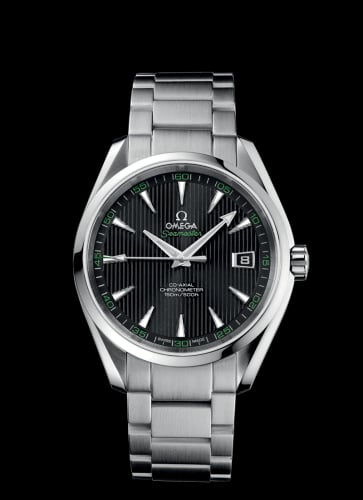
Omega
Seamaster Aqua Terra 150m Co-Axial 41.5 Stainless Steel / Black / Bracelet / Golf Edition
Ref. 231.10.42.21.01.001
CN/A
EN/A
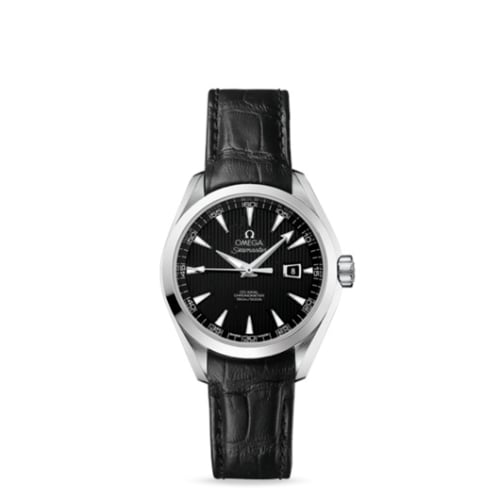
Omega
Seamaster Aqua Terra 150M Co-Axial 34 Stainless Steel / Black
Ref. 231.13.34.20.01.001
CN/A
EN/A
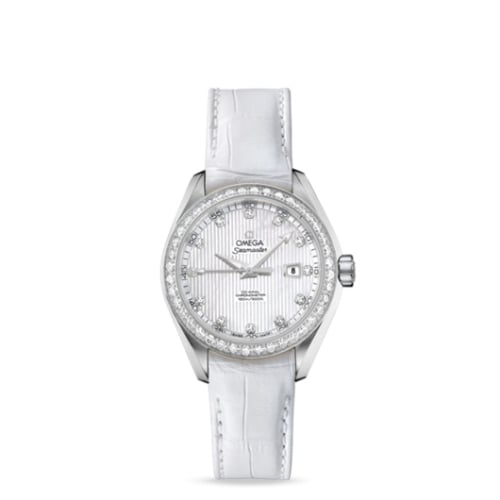
Omega
Seamaster Aqua Terra 150M Co-Axial 34 Stainless Steel / Diamond / MOP
Ref. 231.18.34.20.55.001
CN/A
EN/A
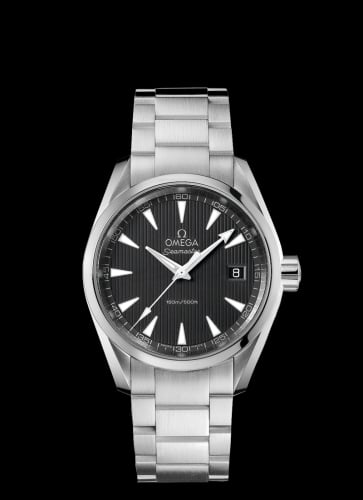
Omega
Seamaster Aqua Terra 150M Quartz 38.5 Stainless Steel / Grey / Bracelet
Ref. 231.10.39.60.06.001
CN/A
EN/A
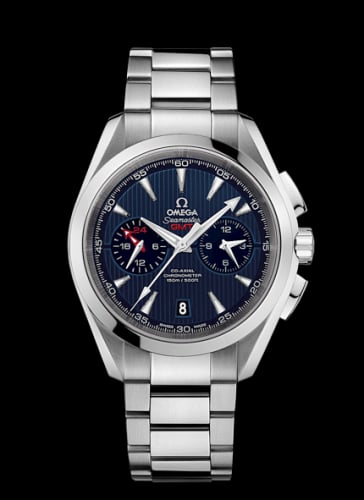
Omega
Seamaster Aqua Terra 150M Co-Axial 43 GMT Chronograph Stainless Steel / Blue / Bracelet
Ref. 231.10.43.52.03.001
CN/A
EN/A
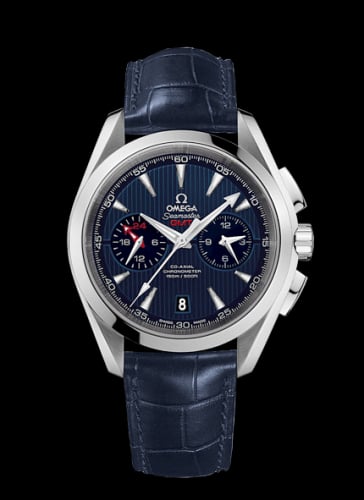
Omega
Seamaster Aqua Terra 150M Co-Axial 43 GMT Chronograph Stainless Steel / Blue
Ref. 231.13.43.52.03.001
CN/A
EN/A
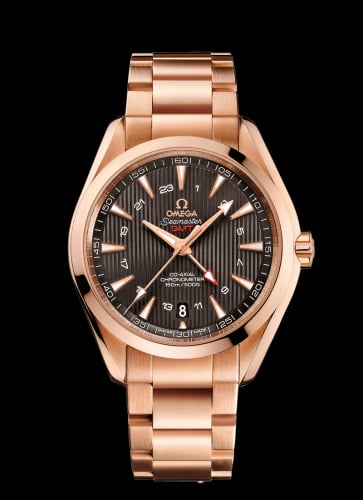
Omega
Seamaster Aqua Terra 150M Co-Axial 43 GMT Red Gold / Grey / Bracelet
Ref. 231.50.43.22.06.002
CN/A
EN/A
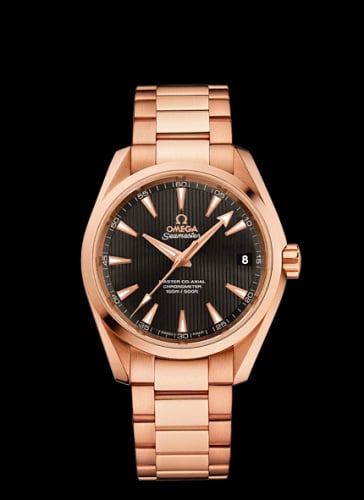
Omega
Seamaster Aqua Terra 150m Master Co-Axial 38.5 Red Gold / Grey / Bracelet
Ref. 231.50.39.21.06.003
CN/A
EN/A
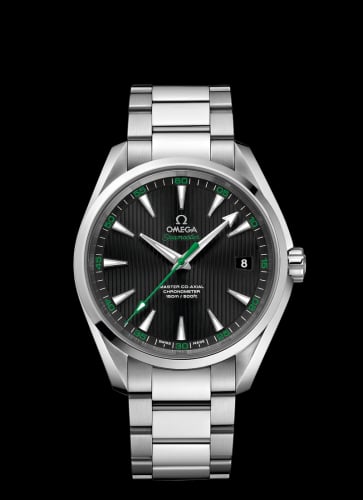
Omega
Seamaster Aqua Terra 150m Master Co-Axial 41.5 Stainless Steel / Black / Bracelet / Golf
Ref. 231.10.42.21.01.004
CN/A
EN/A
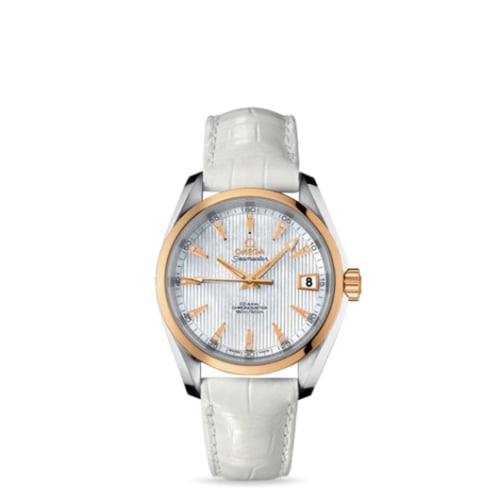
Omega
Seamaster Aqua Terra 150M Co-Axial 38.5 Stainless Steel / Yellow Gold / MOP
Ref. 231.23.39.21.55.002
CN/A
EN/A
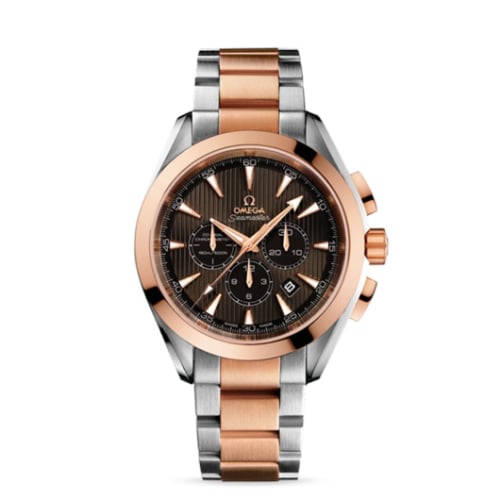
Omega
Seamaster Aqua Terra 150M Co-Axial 44 Chronograph Stainless Steel / Red Gold / Grey / Bracelet
Ref. 231.20.44.50.06.001
CN/A
EN/A
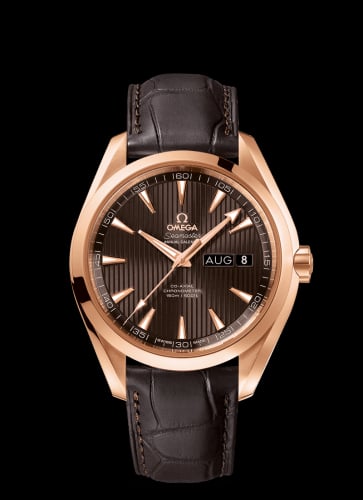
Omega
Seamaster Aqua Terra 150M Co-Axial 43 Annual Calendar Red Gold / Grey
Ref. 231.53.43.22.06.003
CN/A
EN/A
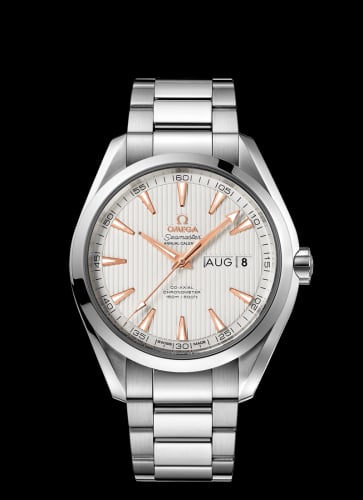
Omega
Seamaster Aqua Terra 150M Co-Axial 43 Annual Calendar Stainless Steel / Silver / Bracelet
Ref. 231.10.43.22.02.003
CN/A
EN/A
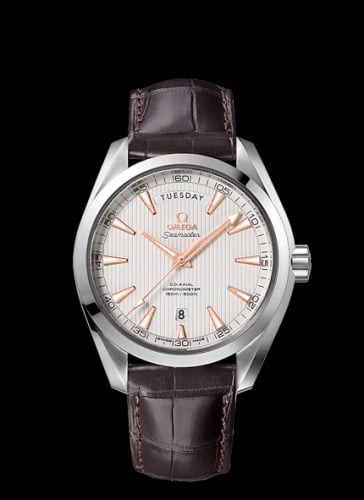
Omega
Seamaster Aqua Terra 150m Co-Axial 41.5 Day-Date Stainless Steel / Silver
Ref. 231.13.42.22.02.001
CN/A
EN/A
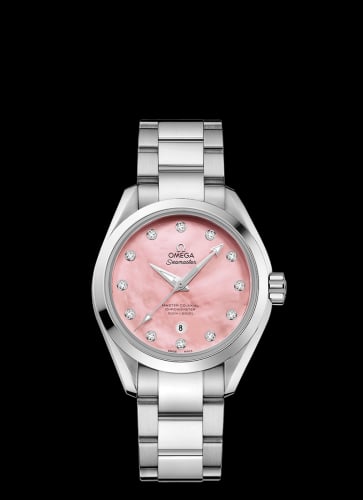
Omega
Seamaster Aqua Terra 150M Master Co-Axial 34 Stainless Steel / Pink MOP / Bracelet
Ref. 231.10.34.20.57.003
CN/A
EN/A
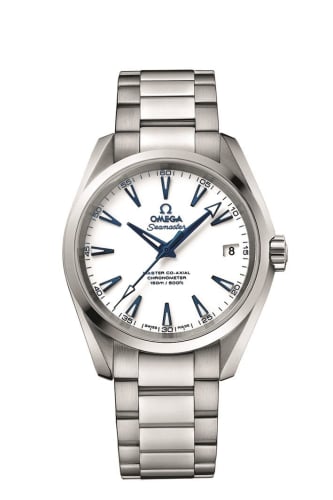
Omega
Seamaster Aqua Terra 150M Master Co-Axial 38.5 Titanium / White / Bracelet / GoodPlanet
Ref. 231.90.39.21.04.001
CN/A
EN/A
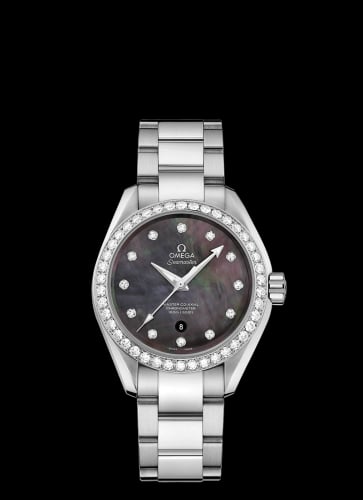
Omega
Seamaster Aqua Terra 150M Master Co-Axial 34 Stainless Steel / Diamond / Grey MOP / Bracelet
Ref. 231.15.34.20.57.001
CN/A
EN/A
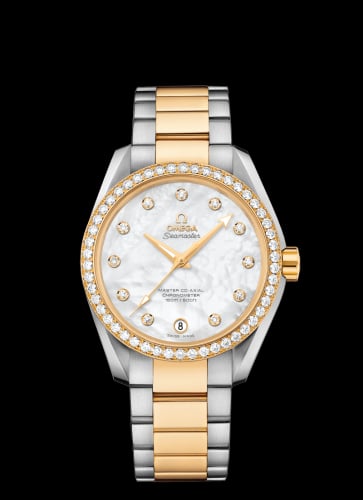
Omega
Seamaster Aqua Terra 150M Master Co-Axial 38.5 Stainless Steel / Yellow Gold / Diamond / MOP / Bracelet
Ref. 231.25.39.21.55.002
CN/A
EN/A
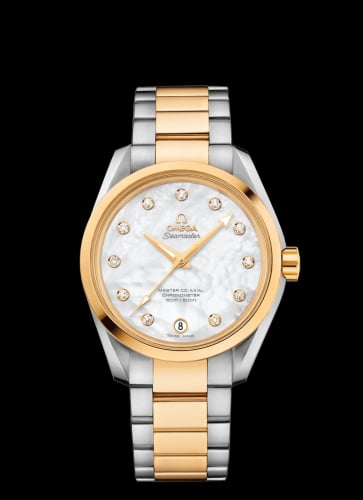
Omega
Seamaster Aqua Terra 150M Master Co-Axial 38.5 Stainless Steel / Yellow Gold / MOP / Bracelet
Ref. 231.20.39.21.55.004
CN/A
EN/A
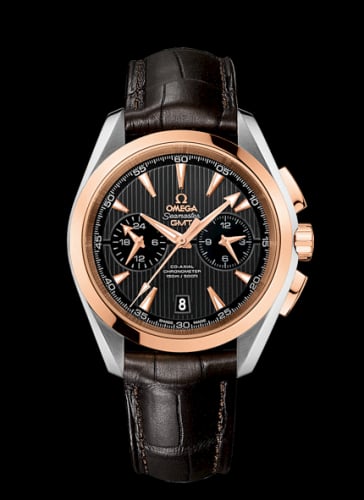
Omega
Seamaster Aqua Terra 150M Co-Axial 43 GMT Chronograph Stainless Steel / Red Gold / Grey
Ref. 231.23.43.52.06.001
CN/A
EN/A
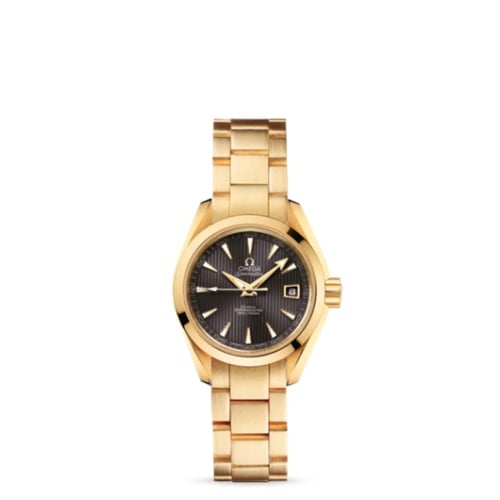
Omega
Seamaster Aqua Terra 150M Co-Axial 30 Yellow Gold / Grey / Bracelet
Ref. 231.50.30.20.06.002
CN/A
EN/A
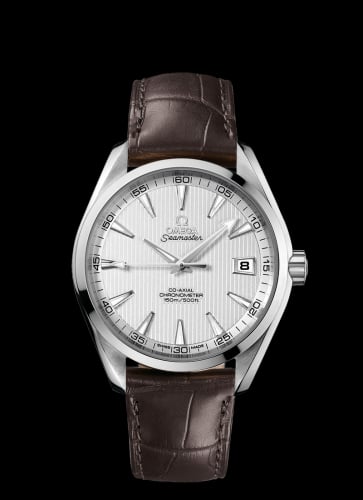
Omega
Seamaster Aqua Terra 150M Co-Axial 41.5 Stainless Steel / Silver
Ref. 231.13.42.21.02.001
CN/A
EN/A
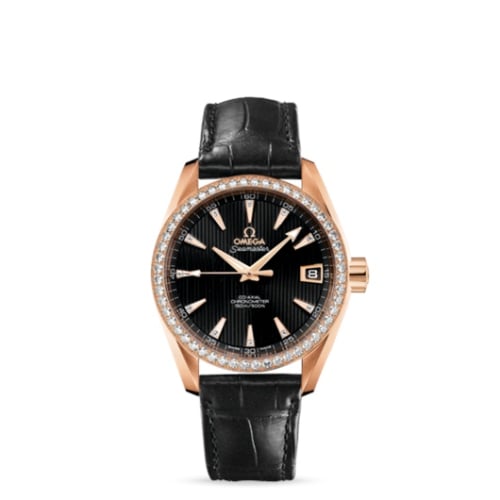
Omega
Seamaster Aqua Terra 150M Co-Axial 38.5 Red Gold / Diamond / Black
Ref. 231.58.39.21.51.001
CN/A
EN/A
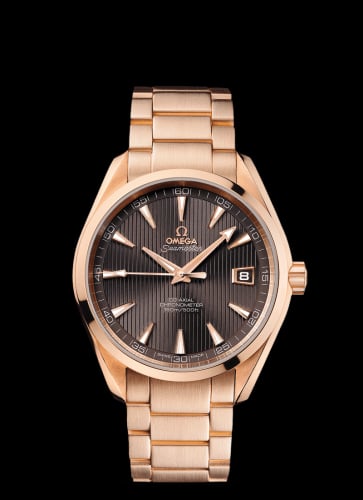
Omega
Seamaster Aqua Terra 150M Co-Axial 41.5 Red Gold / Grey / Bracelet
Ref. 231.50.42.21.06.001
CN/A
EN/A
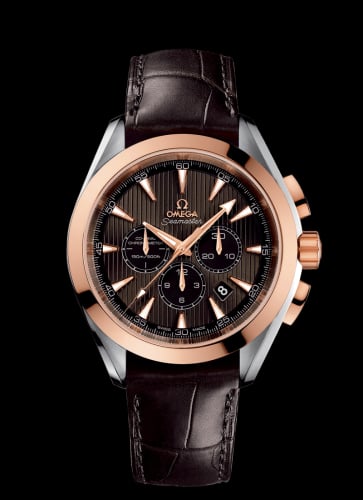
Omega
Seamaster Aqua Terra 150M Co-Axial 44 Chronograph Stainless Steel / Red Gold / Grey
Ref. 231.23.44.50.06.001
CN/A
EN/A
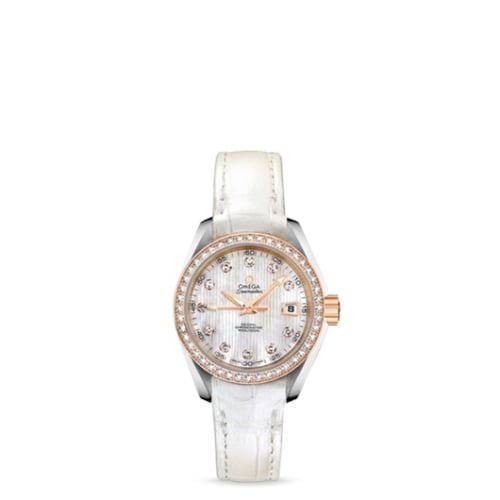
Omega
Seamaster Aqua Terra 150M Co-Axial 30 Stainless Steel / Yellow Gold / Diamond / MOP
Ref. 231.28.30.20.55.002
CN/A
EN/A
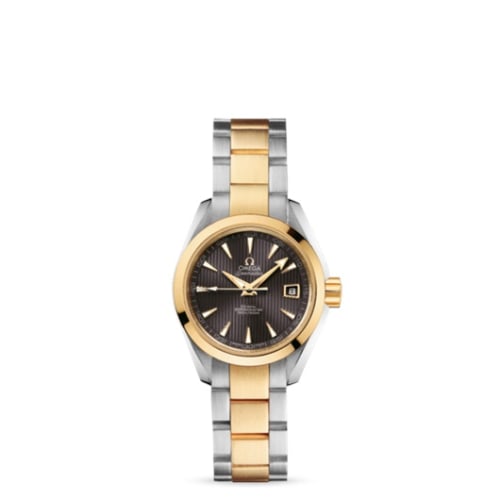
Omega
Seamaster Aqua Terra 150M Co-Axial 30 Stainless Steel / Yellow Gold / Grey / Bracelet
Ref. 231.20.30.20.06.002
CN/A
EN/A
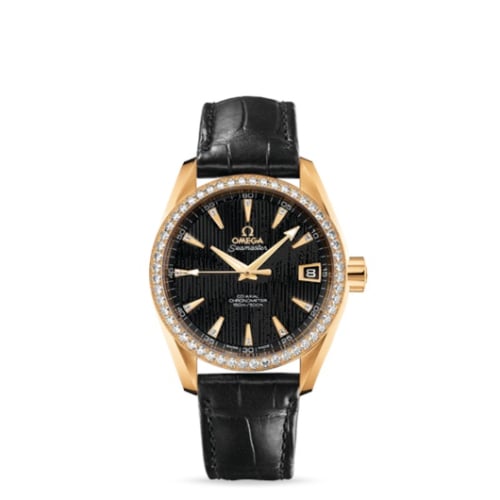
Omega
Seamaster Aqua Terra 150M Co-Axial 38.5 Yellow Gold / Diamond / Black
Ref. 231.58.39.21.51.002
CN/A
EN/A
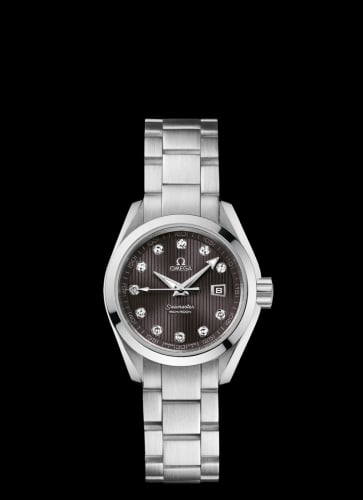
Omega
Seamaster Aqua Terra 150M Quartz 30 Stainless Steel / Grey / Bracelet
Ref. 231.10.30.61.56.001
CN/A
EN/A
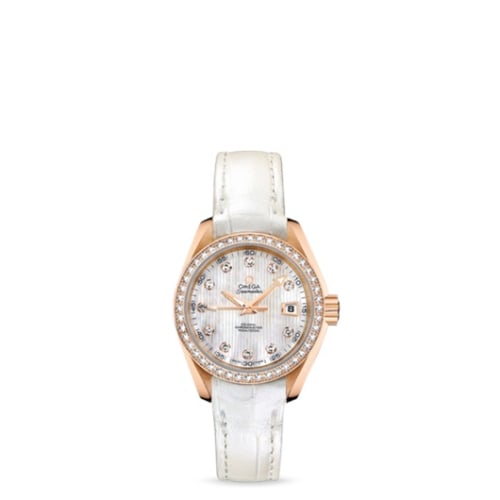
Omega
Seamaster Aqua Terra 150M Co-Axial 30 Red Gold / Diamond / MOP
Ref. 231.58.30.20.55.001
CN/A
EN/A
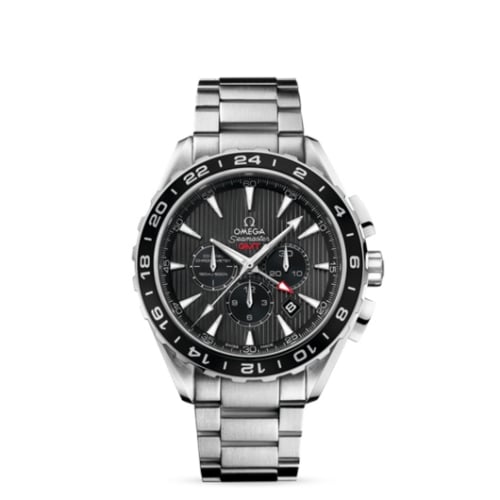
Omega
Seamaster Aqua Terra 150M Co-Axial 44 GMT Chronograph Stainless Steel / Grey / Bracelet
Ref. 231.10.44.52.06.001
CN/A
EN/A
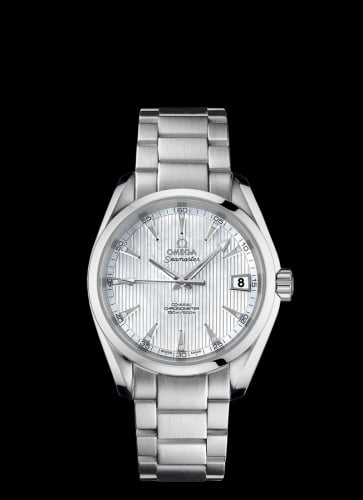
Omega
Seamaster Aqua Terra 150M Co-Axial 38.5 Stainless Steel / MOP / Bracelet
Ref. 231.10.39.21.55.001
CN/A
EN/A
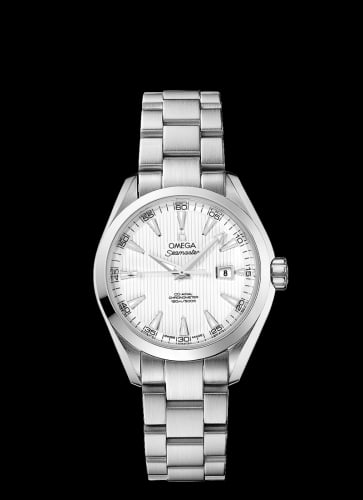
Omega
Seamaster Aqua Terra 150M Co-Axial 34 Stainless Steel / Silver / Bracelet
Ref. 231.10.34.20.04.001
CN/A
EN/A
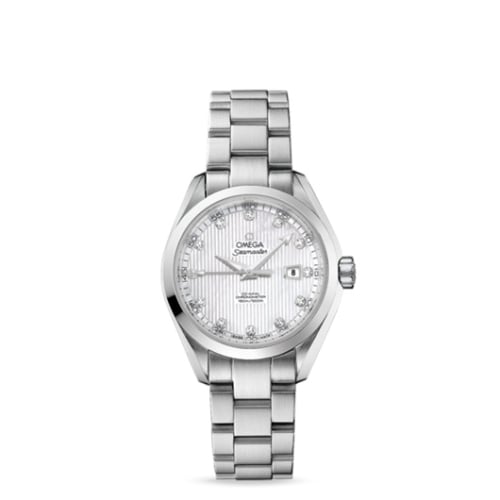
Omega
Seamaster Aqua Terra 150M Co-Axial 34 Stainless Steel / MOP / Bracelet
Ref. 231.10.34.20.55.001
CN/A
EN/A
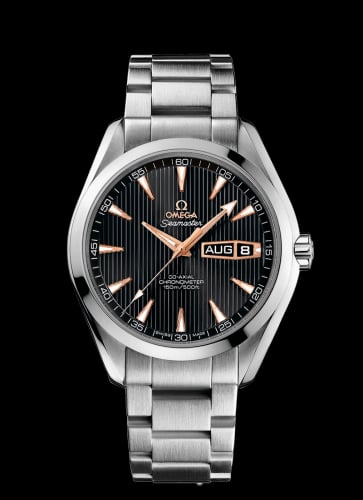
Omega
Seamaster Aqua Terra 150m Co-Axial 43 Annual Calendar White Gold / Grey / Bracelet
Ref. 231.50.43.22.01.001
CN/A
EN/A
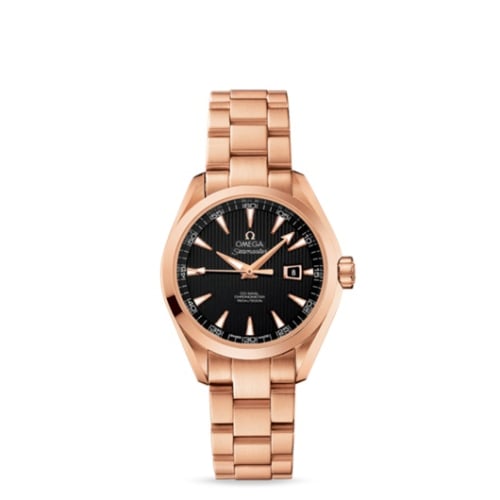
Omega
Seamaster Aqua Terra 150M Co-Axial 34 Red Gold / Black / Bracelet
Ref. 231.50.34.20.01.002
CN/A
EN/A
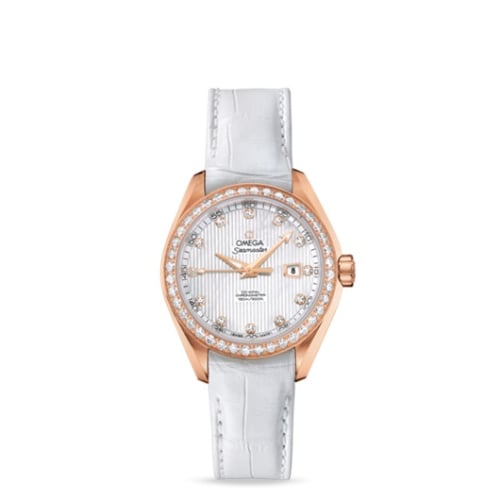
Omega
Seamaster Aqua Terra 150M Co-Axial 34 Red Gold / Diamond / MOP
Ref. 231.58.34.20.55.002
CN/A
EN/A
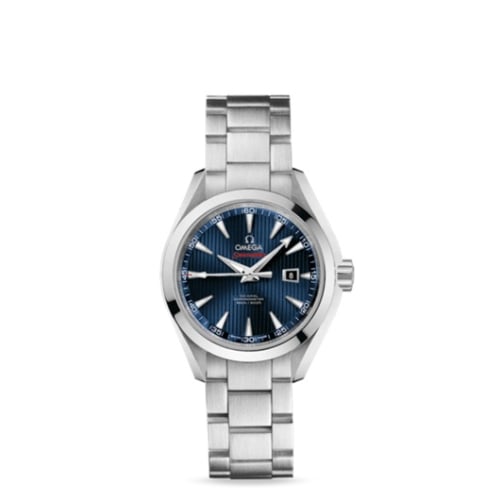
Omega
Seamaster Aqua Terra 150M Co-Axial 34 Stainless Steel / Blue / Bracelet / Olympic Collection London 2012
Ref. 522.10.34.20.03.001
CN/A
EN/A
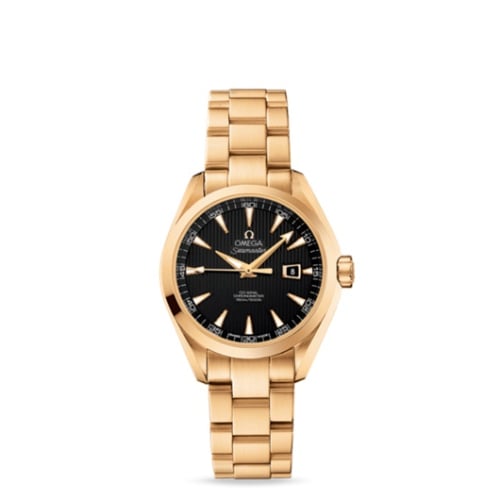
Omega
Seamaster Aqua Terra 150M Co-Axial 34 Yellow Gold / Black / Bracelet
Ref. 231.50.34.20.01.001
CN/A
EN/A
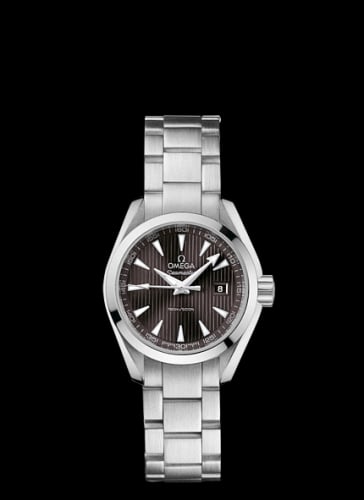
Omega
Seamaster Aqua Terra 150M Quartz 30 Stainless Steel / Grey / Bracelet
Ref. 231.10.30.60.06.001
CN/A
EN/A
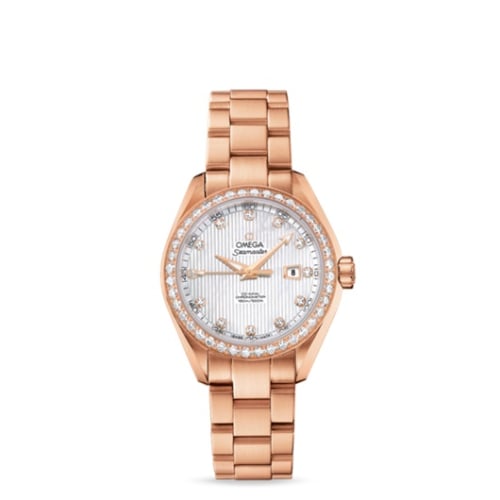
Omega
Seamaster Aqua Terra 150M Co-Axial 34 Yellow Gold / Diamond / MOP / Bracelet
Ref. 231.55.34.20.55.002
CN/A
EN/A
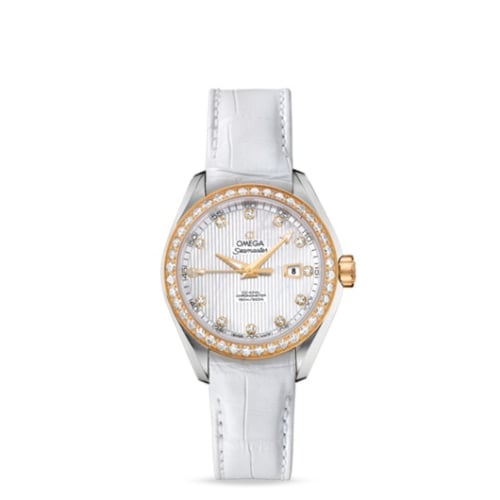
Omega
Seamaster Aqua Terra 150M Co-Axial 34 Stainless Steel / Yellow Gold / Diamond / MOP
Ref. 231.28.34.20.55.001
CN/A
EN/A
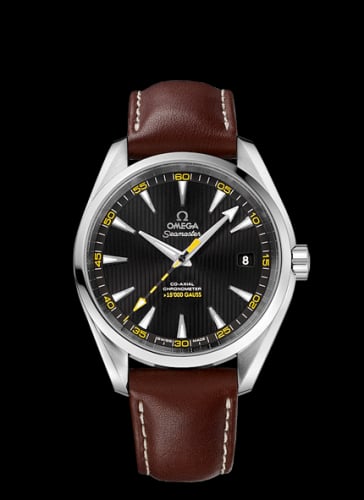
Omega
Seamaster Aqua Terra 150m Co-Axial 41.5 Stainless Steel / Black / >15'000 Gauss
Ref. 231.12.42.21.01.001
CN/A
EN/A
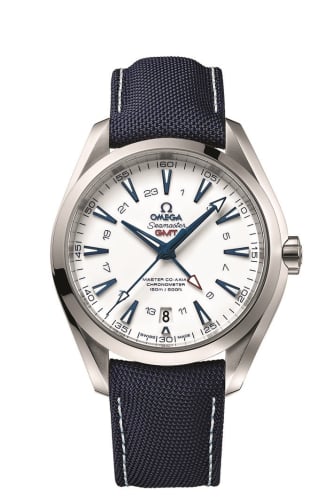
Omega
Seamaster Aqua Terra 150M Co-Axial 43 GMT Titanium / White / GoodPlanet
Ref. 231.92.43.22.04.001
CN/A
EN/A
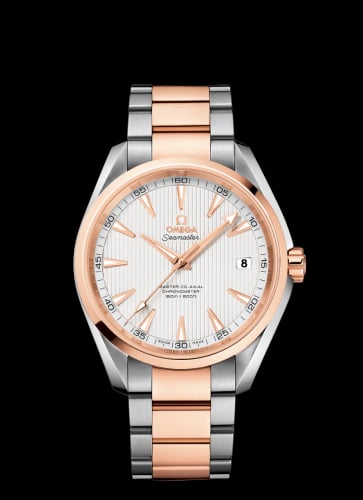
Omega
Seamaster Aqua Terra 150m Master Co-Axial 41.5 Stainless Steel / Red Gold / Silver / Bracelet
Ref. 231.20.42.21.02.001
CN/A
EN/A
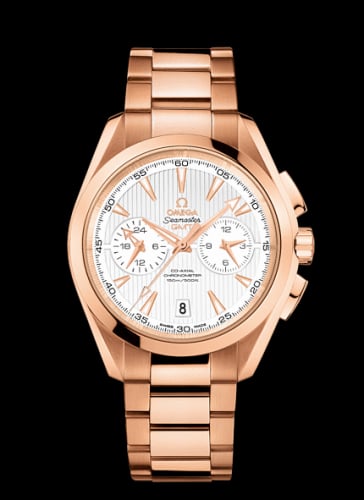
Omega
Seamaster Aqua Terra 150M Co-Axial 43 GMT Chronograph Red Gold / Silver / Bracelet
Ref. 231.50.43.52.02.001
CN/A
EN/A
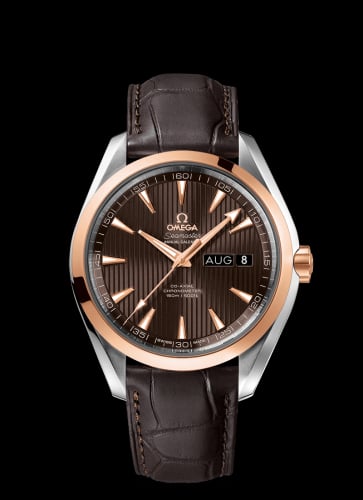
Omega
Seamaster Aqua Terra 150M Co-Axial 43 Annual Calendar Stainless Steel / Red Gold / Grey
Ref. 231.23.43.22.06.002
CN/A
EN/A
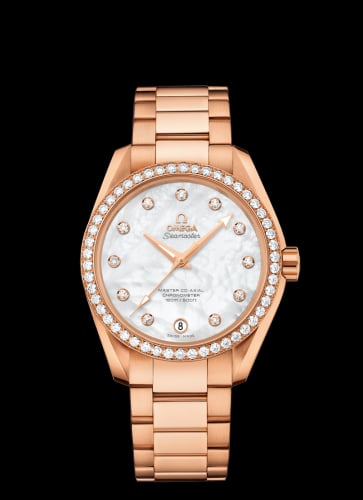
Omega
Seamaster Aqua Terra 150M Master Co-Axial 38.5 Red Gold / MOP / Diamond
Ref. 231.55.39.21.55.001
CN/A
EN/A
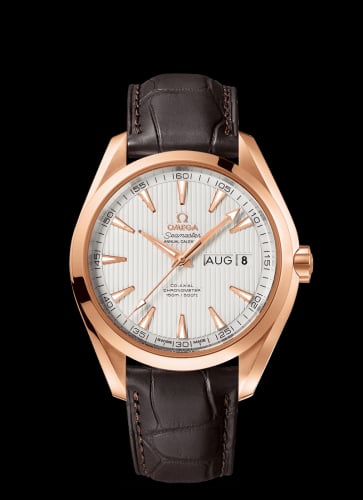
Omega
Seamaster Aqua Terra 150M Co-Axial 43 Annual Calendar Red Gold / Silver
Ref. 231.53.43.22.02.002
CN/A
EN/A
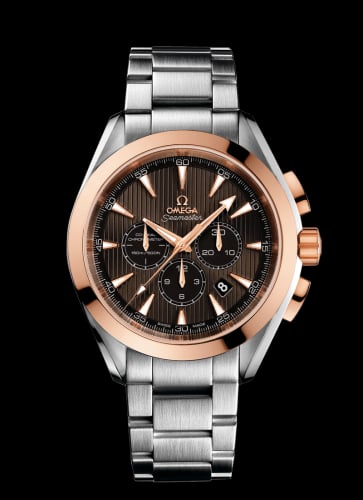
Omega
Seamaster Aqua Terra 150M Co-Axial 44 Chronograph Stainless Steel / Red Gold / Grey / Bracelet
Ref. 231.20.44.50.06.002
CN/A
EN/A
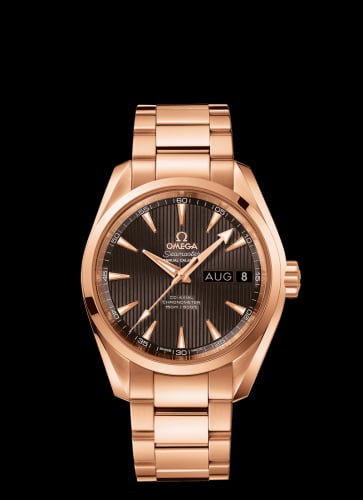
Omega
Seamaster Aqua Terra 150M Co-Axial 38.5 Annual Calendar Red Gold / Grey / Bracelet
Ref. 231.50.39.22.06.001
CN/A
EN/A
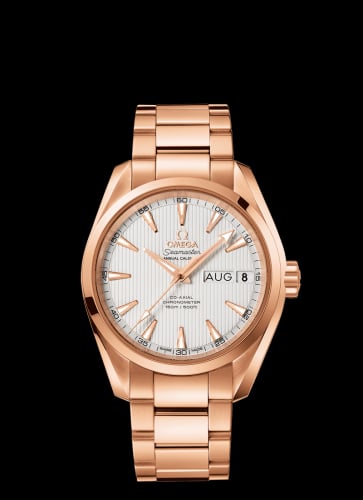
Omega
Seamaster Aqua Terra 150M Co-Axial 38.5 Annual Calendar Red Gold / Silver / Bracelet
Ref. 231.50.39.22.02.001
CN/A
EN/A
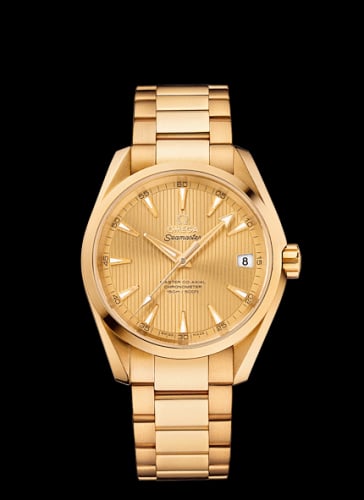
Omega
Seamaster Aqua Terra 150m Master Co-Axial 38.5 Yellow Gold / Champagne / Bracelet
Ref. 231.50.39.21.08.001
CN/A
EN/A
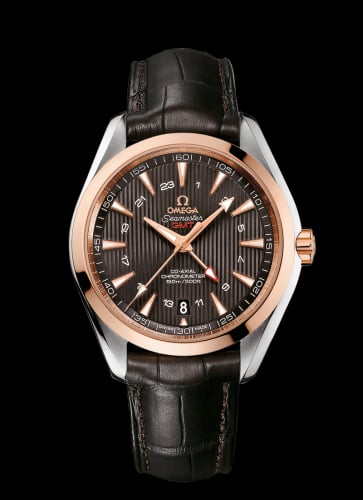
Omega
Seamaster Aqua Terra 150M Co-Axial 43 GMT Stainless Steel / Red Gold / Grey
Ref. 231.23.43.22.06.001
CN/A
EN/A
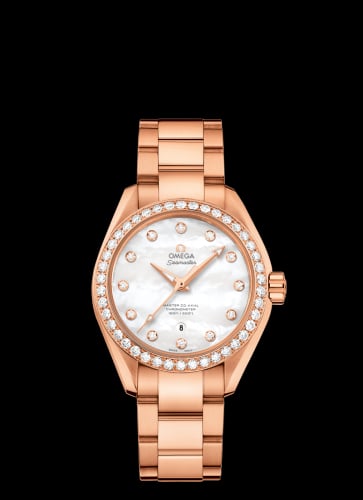
Omega
Seamaster Aqua Terra 150M Master Co-Axial 34 Sedna Gold / Diamond / MOP / Bracelet
Ref. 231.55.34.20.55.003
CN/A
EN/A
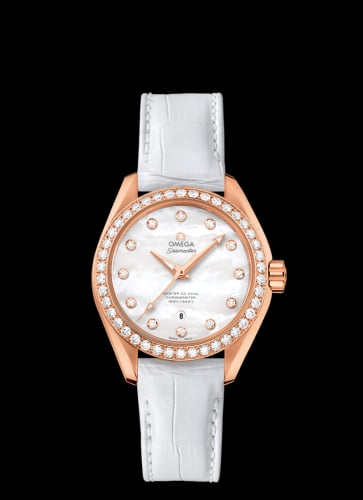
Omega
Seamaster Aqua Terra 150M Master Co-Axial 34 Sedna Gold / Diamond / MOP
Ref. 231.58.34.20.55.003
CN/A
EN/A
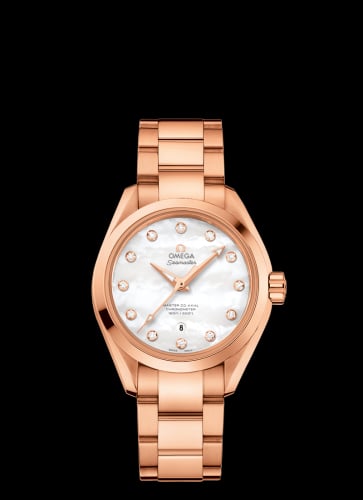
Omega
Seamaster Aqua Terra 150M Master Co-Axial 34 Sedna Gold / MOP / Bracelet
Ref. 231.50.34.20.55.001
CN/A
EN/A
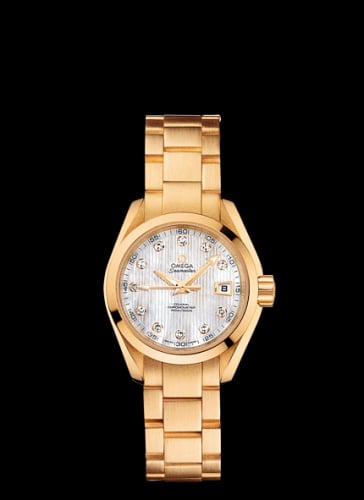
Omega
Seamaster Aqua Terra 150M Co-Axial 30 Yellow Gold / MOP / Bracelet
Ref. 231.50.30.20.55.002
CN/A
EN/A
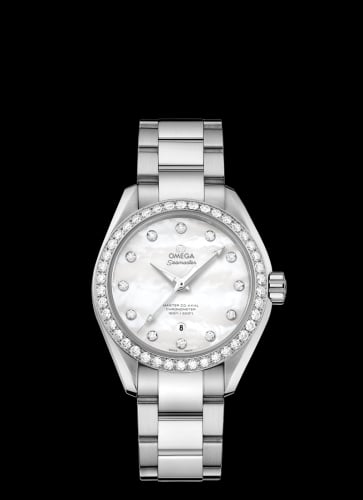
Omega
Seamaster Aqua Terra 150M Master Co-Axial 34 Stainless Steel / Diamond / MOP / Bracelet
Ref. 231.15.34.20.55.002
CN/A
EN/A
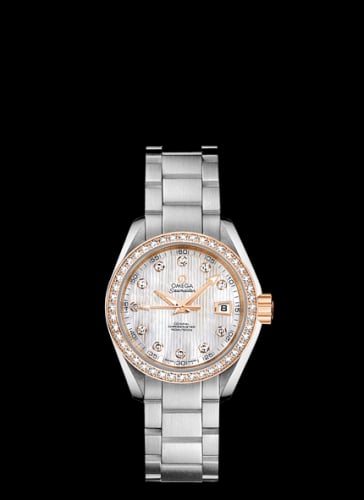
Omega
Seamaster Aqua Terra 150M Co-Axial 30 Stainless Steel / Red Gold / Diamond / MOP / Bracelet
Ref. 231.25.30.20.55.003
CN/A
EN/A
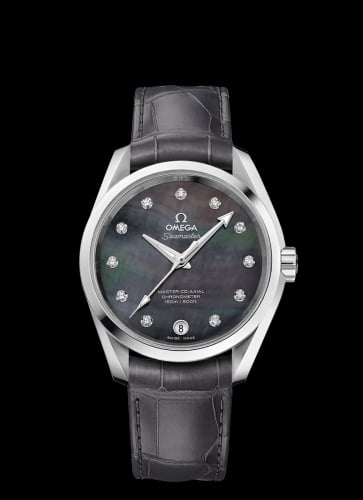
Omega
Seamaster Aqua Terra 150M Master Co-Axial 38.5 Stainless Steel / Grey MOP
Ref. 231.13.39.21.57.001
CN/A
EN/A
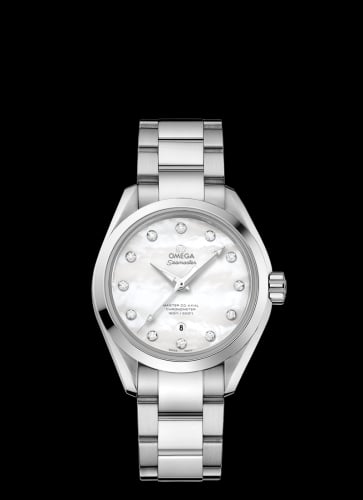
Omega
Seamaster Aqua Terra 150M Master Co-Axial 34 Stainless Steel / MOP / Bracelet
Ref. 231.10.34.20.55.002
CN/A
EN/A
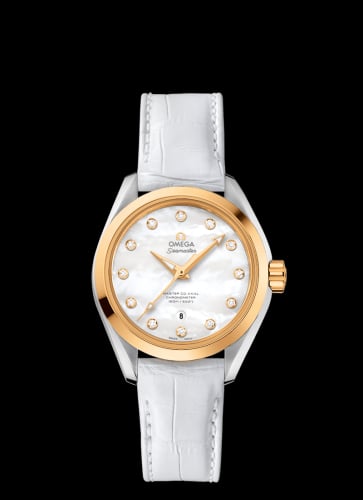
Omega
Seamaster Aqua Terra 150M Master Co-Axial 34 Stainless Steel / Yellow Gold / MOP
Ref. 231.23.34.20.55.002
CN/A
EN/A
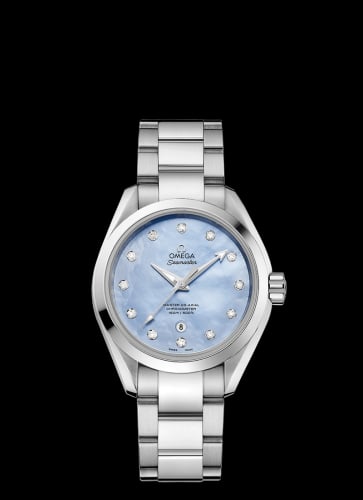
Omega
Seamaster Aqua Terra 150M Master Co-Axial 34 Stainless Steel / Blue MOP / Bracelet
Ref. 231.10.34.20.57.002
CN/A
EN/A
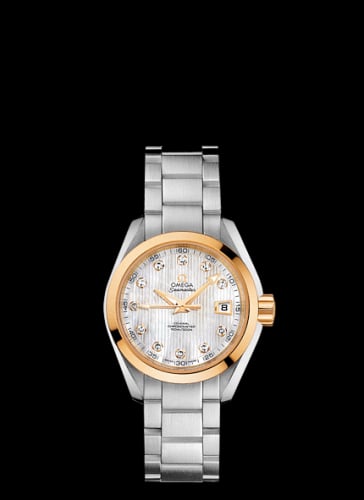
Omega
Seamaster Aqua Terra 150M Co-Axial 30 Stainless Steel / Yellow Gold / MOP / Bracelet
Ref. 231.20.30.20.55.004
CN/A
EN/A
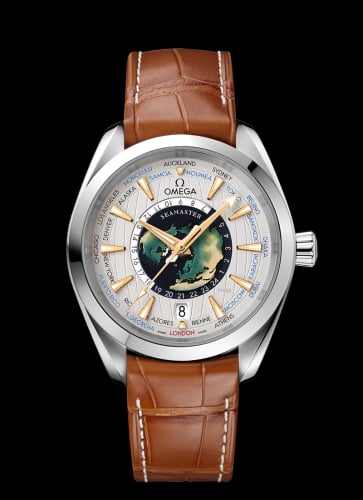
Omega
Seamaster Aqua Terra 150M Master Chronometer 43 Worldtimer Platinum / Enamel / Alligator
Ref. 220.93.43.22.99.001
CN/A
EN/A
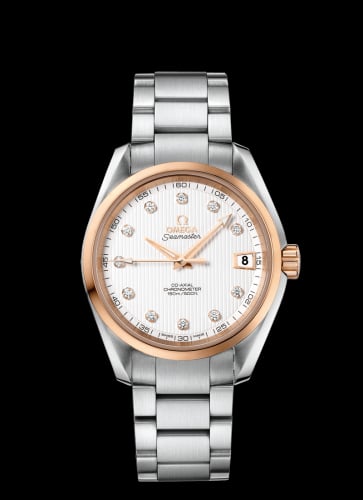
Omega
Seamaster Aqua Terra 150M Co-Axial 38.5 Stainless Steel / Red Gold / Silver / Bracelet
Ref. 231.20.39.21.52.003
CN/A
EN/A
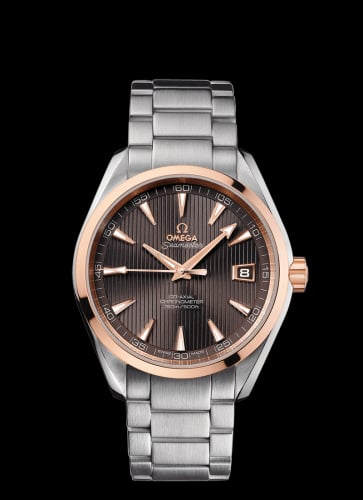
Omega
Seamaster Aqua Terra 150M Co-Axial 41.5 Stainless Steel / Red Gold / Grey / Bracelet
Ref. 231.20.42.21.06.002
CN/A
EN/A
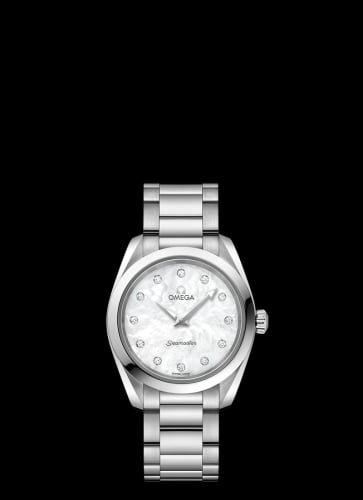
Omega
Seamaster Aqua Terra 150M Quartz 28 Stainless Steel / MOP / Bracelet
Ref. 220.10.28.60.55.001
CN/A
EN/A
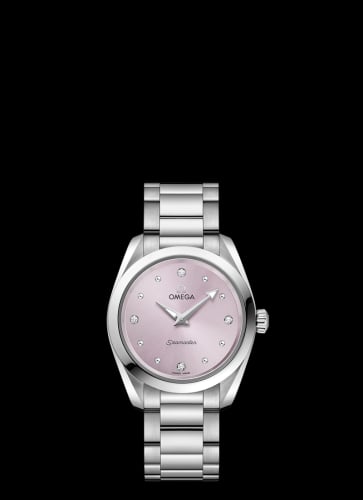
Omega
Seamaster Aqua Terra 150M Quartz 28 Stainless Steel / Lilac / Bracelet
Ref. 220.10.28.60.60.001
CN/A
EN/A
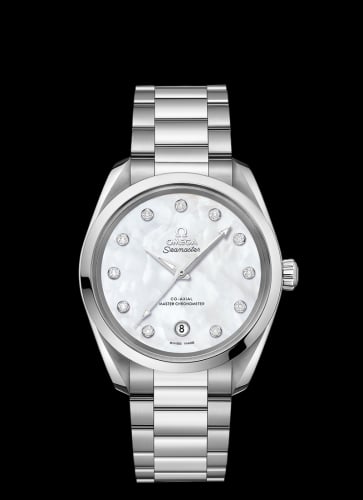
Omega
Seamaster Aqua Terra 150M Master Chronometer 38 Stainless Steel / MOP / Bracelet
Ref. 220.10.38.20.55.001
CN/A
EN/A
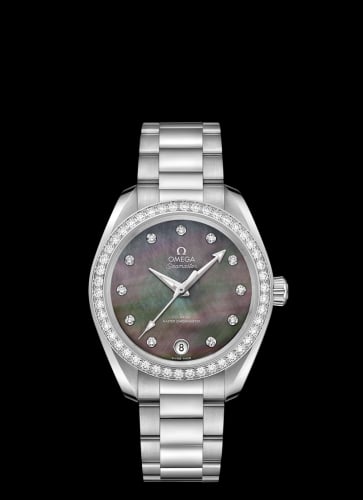
Omega
Seamaster Aqua Terra 150M Master Chronometer 34 Stainless Steel / Diamond / Brown MOP / Bracelet
Ref. 220.15.34.20.57.001
CN/A
EN/A
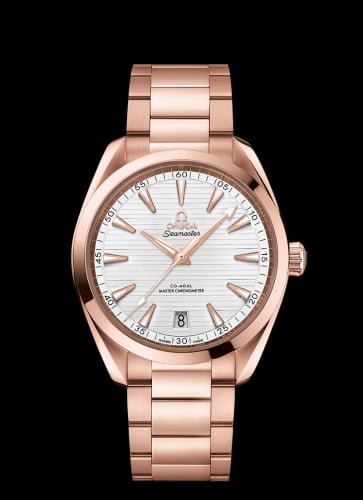
Omega
Seamaster Aqua Terra 150M Master Chronometer 41 Sedna Gold / Silver / Bracelet
Ref. 220.50.41.21.02.001
CN/A
EN/A
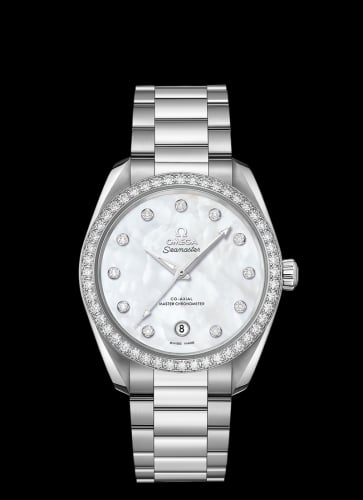
Omega
Seamaster Aqua Terra 150M Master Chronometer 38 Stainless Steel / Diamond / MOP / Bracelet
Ref. 220.15.38.20.55.001
CN/A
EN/A
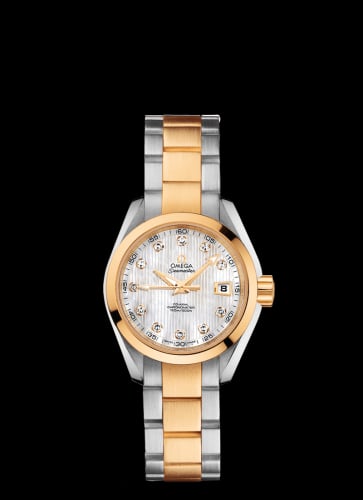
Omega
Seamaster Aqua Terra 150M Co-Axial 30 Stainless Steel / Yellow Gold / MOP / Bracelet
Ref. 231.20.30.20.55.002
CN/A
EN/A
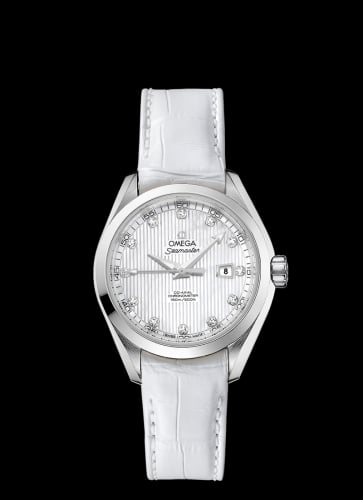
Omega
Seamaster Aqua Terra 150M Co-Axial 34 Stainless Steel / White
Ref. 231.13.34.20.55.001
CN/A
EN/A
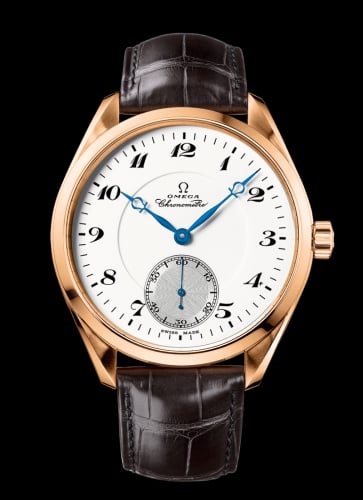
Omega
Seamaster Aqua Terra 150M Hand Wound 49.2 XXL Red Gold / White
Ref. 231.53.49.10.04.002
CN/A
EN/A
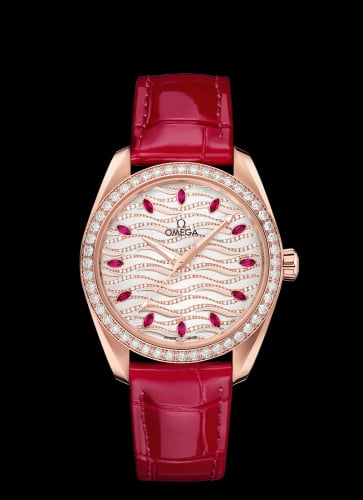
Omega
Seamaster Aqua Terra 150M Master Chronometer 38 Sedna Gold / Diamond / Wave Ruby / Alligator
Ref. 220.58.38.20.99.004
CN/A
EN/A
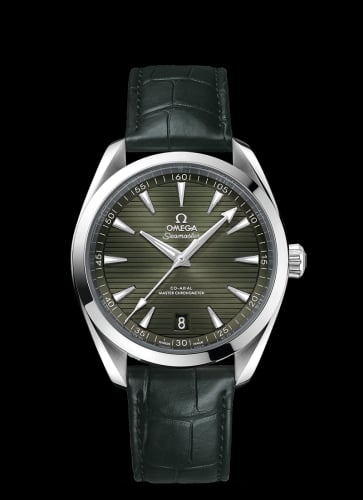
Omega
Seamaster Aqua Terra 150M Master Chronometer 41 Stainless Steel / Green / Alligator
Ref. 220.13.41.21.10.001
CN/A
EN/A
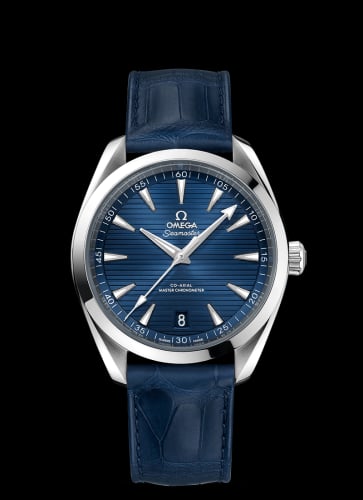
Omega
Seamaster Aqua Terra 150M Master Chronometer 41 Stainless Steel / Blue / Alligator
Ref. 220.13.41.21.03.003
CN/A
EN/A
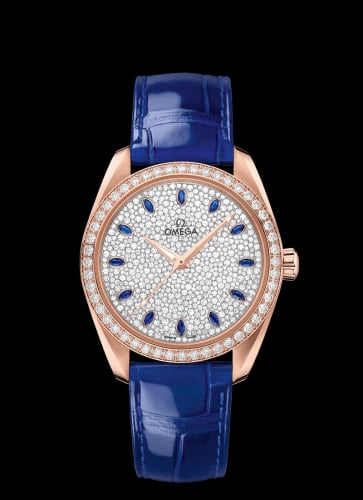
Omega
Seamaster Aqua Terra 150M Master Chronometer 38 Sedna Gold / Diamond / Snow Sapphire / Alligator
Ref. 220.58.38.20.99.002
CN/A
EN/A
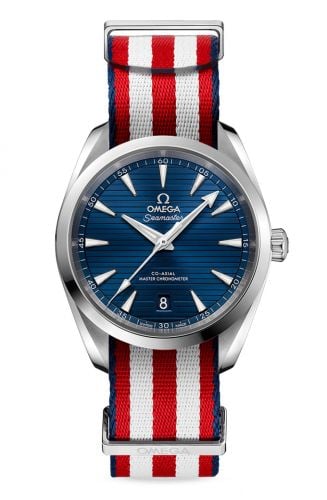
Omega
Seamaster Aqua Terra 150M Master Chronometer 38 Stainless Steel / Blue / NATO / US Paralympic
Ref. 220.12.38.20.03.003
CN/A
EN/A
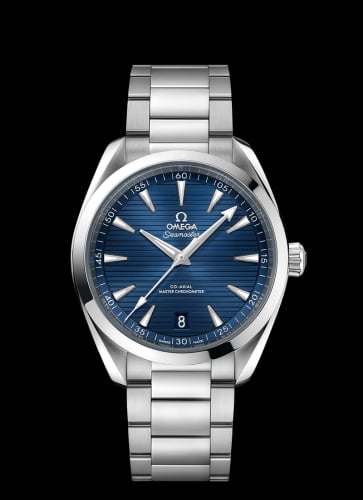
Omega
Seamaster Aqua Terra 150M Master Chronometer 41 Stainless Steel / Blue / Bracelet / Beijing 2022
Ref. 220.10.41.21.03.003
CN/A
EN/A
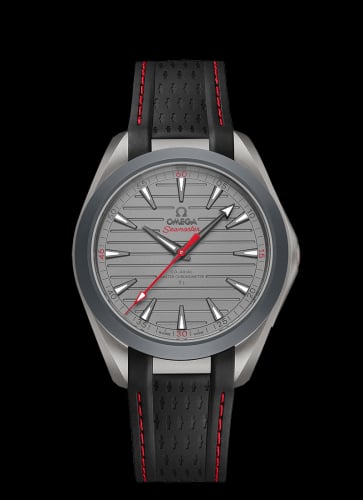
Omega
Seamaster Aqua Terra 150M Master Chronometer 41 Ultra Light Titanium / Grey - Red / Rubber
Ref. 220.92.41.21.06.001
CN/A
EN/A
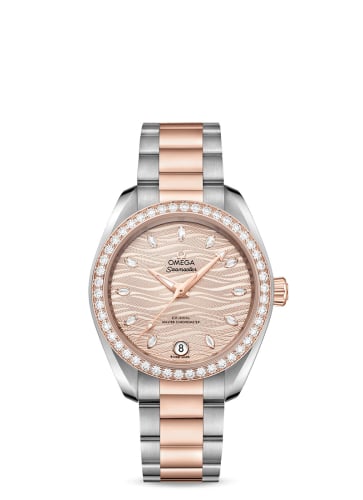
Omega
Seamaster Aqua Terra 150M Master Chronometer 34 Stainless Steel / Sedna Gold / Diamond / Grey - Diamond / Bracelet
Ref. 220.25.34.20.59.001
CN/A
EN/A
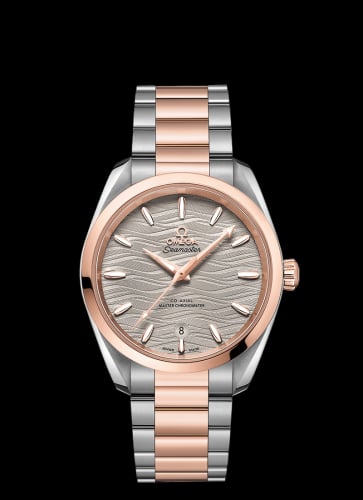
Omega
Seamaster Aqua Terra 150M Master Chronometer 38 Stainless Steel / Sedna Gold / Grey-Waves / Bracelet
Ref. 220.20.38.20.06.001
CN/A
EN/A
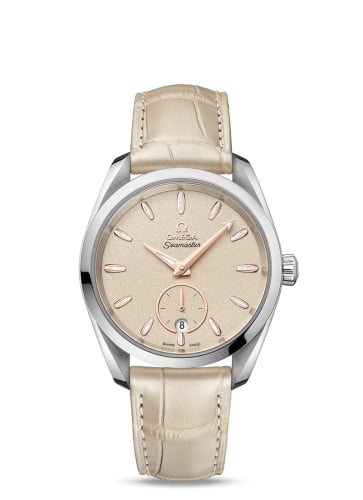
Omega
Seamaster Aqua Terra 150M Master Chronometer Small Seconds 38 Stainless Steel / Sand / Alligator
Ref. 220.13.38.20.09.001
CN/A
EN/A
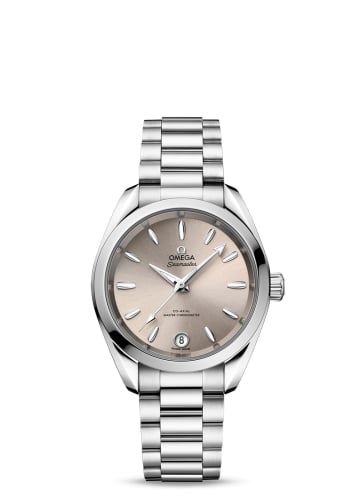
Omega
Seamaster Aqua Terra 150M Master Chronometer 34 Stainless Steel / Sandstone / Bracelet
Ref. 220.10.34.20.09.001
CN/A
EN/A
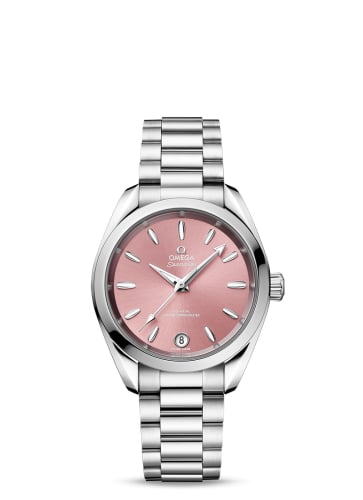
Omega
Seamaster Aqua Terra 150M Master Chronometer 34 Stainless Steel / Shell Pink / Bracelet
Ref. 220.10.34.20.10.003
CN/A
EN/A
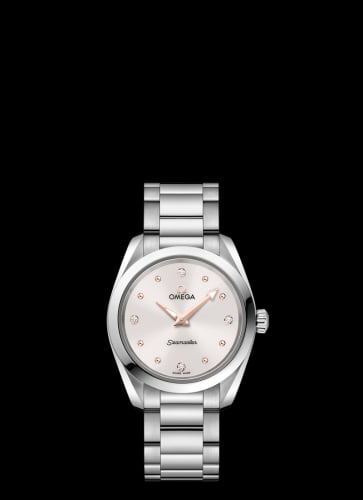
Omega
Seamaster Aqua Terra 150M Quartz 28 Stainless Steel / White / Bracelet
Ref. 220.10.28.60.54.001
CN/A
EN/A
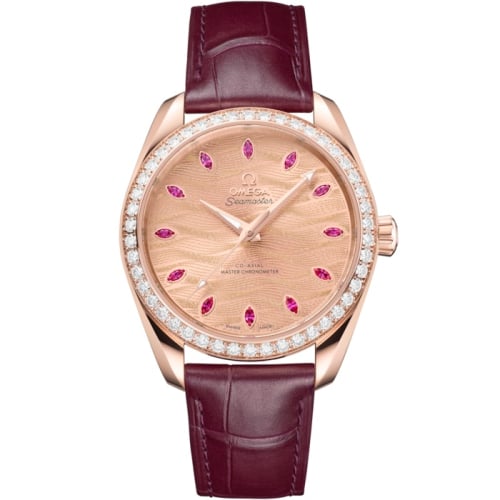
Omega
Seamaster Aqua Terra 150M Master Chronometer 34 Sedna Gold - Diamond / Pink
Ref. 220.58.38.20.99.007
CN/A
EN/A
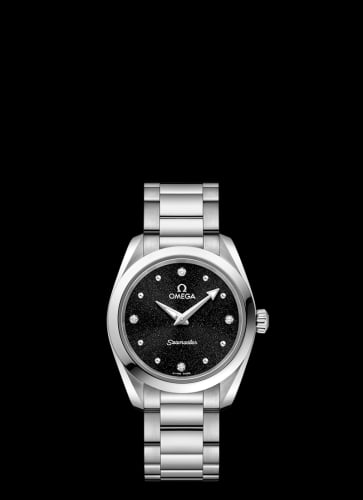
Omega
Seamaster Aqua Terra 150M Quartz 28 Stainless Steel / Black / Bracelet
Ref. 220.10.28.60.51.001
CN/A
EN/A
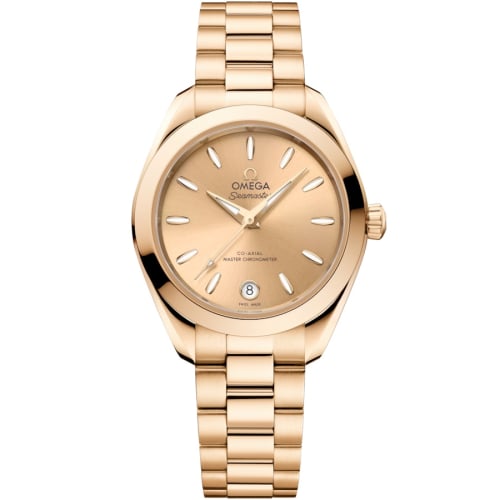
Omega
Seamaster Aqua Terra 150M Master Co-Axial 30 Moonshine Gold / Champagne / Bracelet
Ref. 220.50.30.20.08.001
CN/A
EN/A
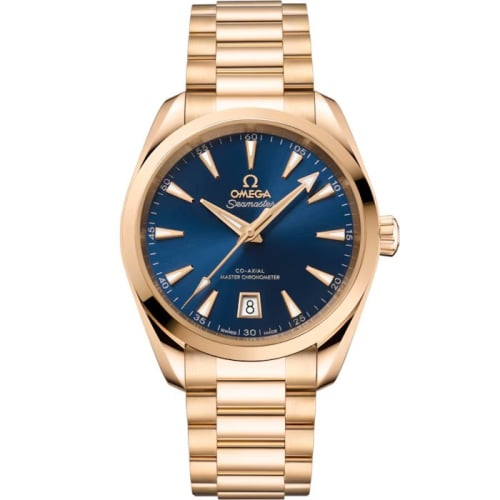
Omega
Seamaster Aqua Terra 150M Shades Master Chronometer 38 Moonshine Gold / Blue / Bracelet
Ref. 220.50.38.20.03.001
CN/A
EN/A
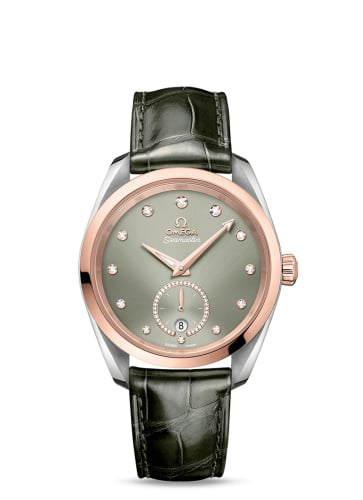
Omega
Seamaster Aqua Terra 150M Master Chronometer Small Seconds 38 Stainless Steel / Sedna Gold / Green - Diamond / Alligator
Ref. 220.23.38.20.60.001
CN/A
EN/A
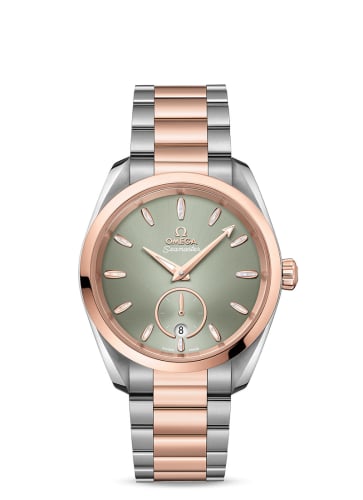
Omega
Seamaster Aqua Terra 150M Master Chronometer Small Seconds 38 Stainless Steel / Sedna Gold / Green / Bracelet
Ref. 220.20.38.20.10.001
CN/A
EN/A
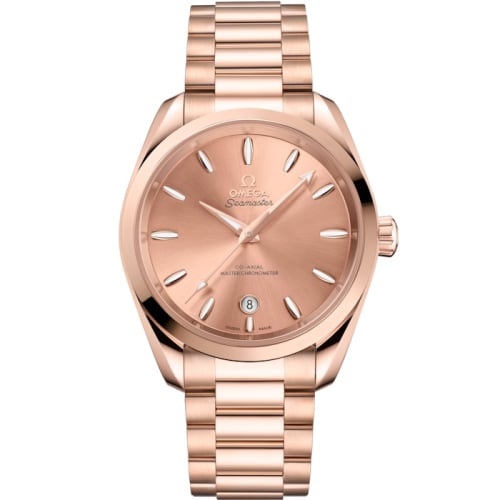
Omega
Seamaster Aqua Terra 150M Shades Master Chronometer 38 Stainless Steel - Sedna Gold / Rose / Bracelet
Ref. 220.50.38.20.10.001
CN/A
EN/A
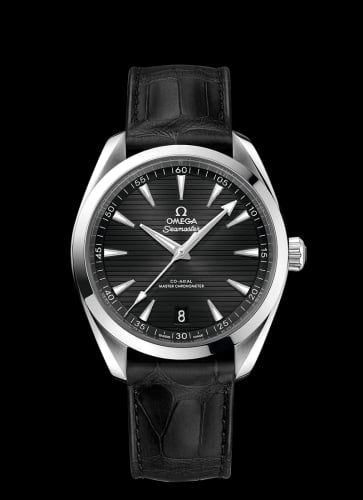
Omega
Seamaster Aqua Terra 150M Master Chronometer 41 Stainless Steel / Black / Alligator
Ref. 220.13.41.21.01.001
CN/A
EN/A
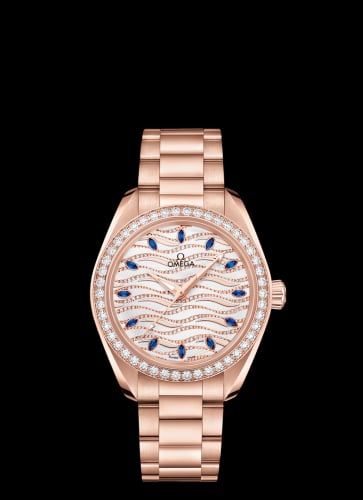
Omega
Seamaster Aqua Terra 150M Master Chronometer 34 Sedna Gold / Diamond / Wave Sapphire / Bracelet
Ref. 220.55.34.20.99.005
CN/A
EN/A
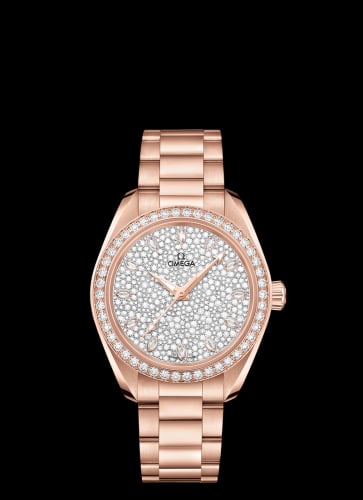
Omega
Seamaster Aqua Terra 150M Master Chronometer 34 Sedna Gold / Diamond / Snow Diamond / Bracelet
Ref. 220.55.34.20.99.003
CN/A
EN/A
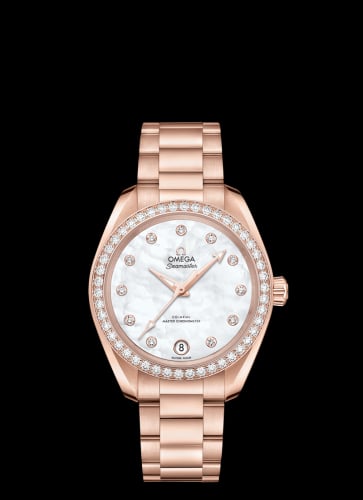
Omega
Seamaster Aqua Terra 150M Master Chronometer 34 Sedna Gold / Diamond / MOP / Bracelet
Ref. 220.55.34.20.55.001
CN/A
EN/A
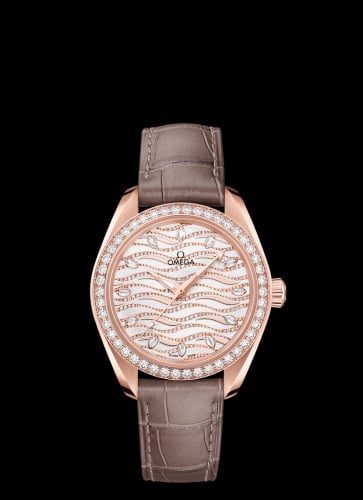
Omega
Seamaster Aqua Terra 150M Master Chronometer 34 Sedna Gold / Diamond / Wave Diamond / Alligator
Ref. 220.58.34.20.99.006
CN/A
EN/A
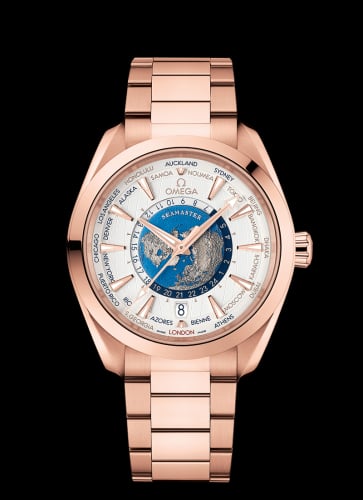
Omega
Seamaster Aqua Terra 150M Master Chronometer 43 Worldtimer Sedna Gold / Silver / Bracelet
Ref. 220.50.43.22.02.001
CN/A
EN/A
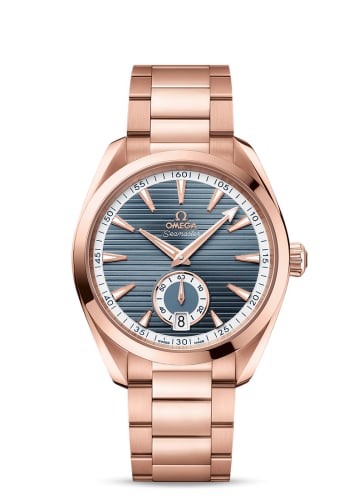
Omega
Seamaster Aqua Terra 150M Master Chronometer Small Seconds 41 Sedna Gold / Blue / Bracelet
Ref. 220.50.41.21.03.001
CN/A
EN/A
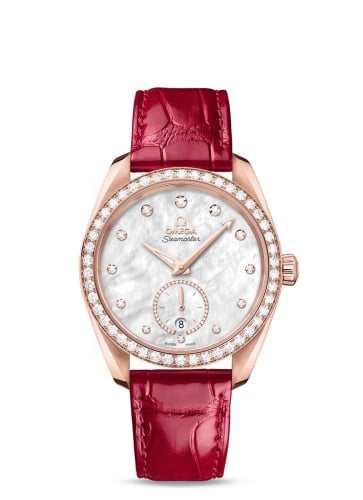
Omega
Seamaster Aqua Terra 150M Master Chronometer Small Seconds 38 Sedna Gold / Diamond / MOP / Alligator
Ref. 220.58.38.20.55.002
CN/A
EN/A
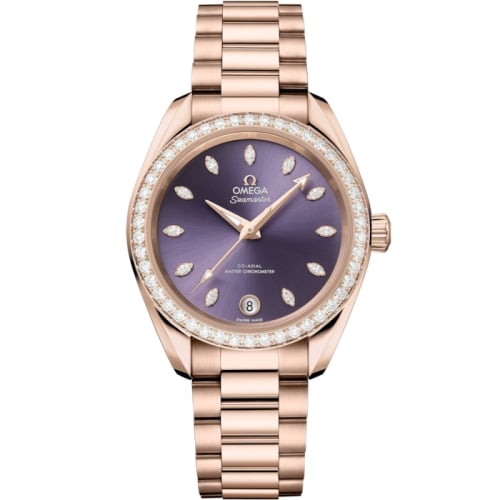
Omega
Seamaster Aqua Terra 150M Shades Master Chronometer 34 Sedna Gold - Diamond / Lavender / Bracelet
Ref. 220.55.34.20.60.001
CN/A
EN/A
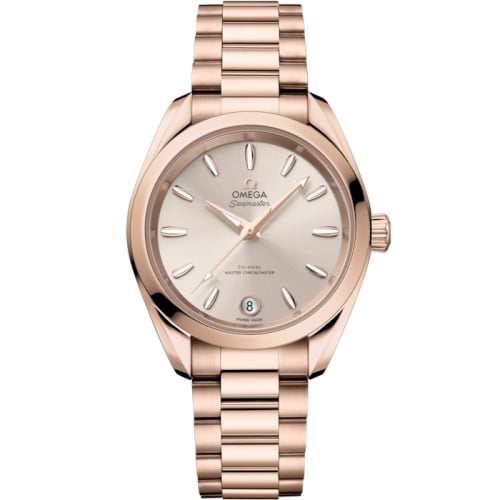
Omega
Seamaster Aqua Terra 150M Shades Master Chronometer 34 Sedna Gold / Rose / Bracelet
Ref. 220.50.34.20.09.001
CN/A
EN/A
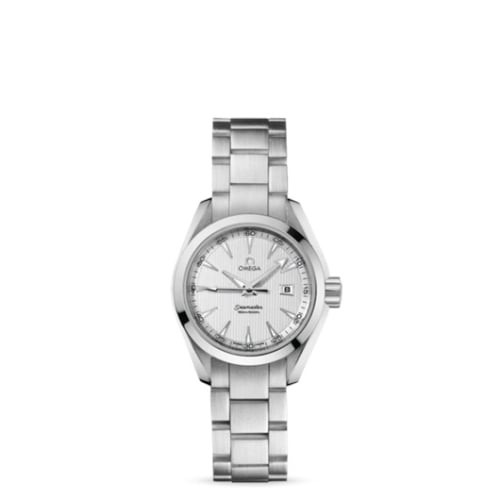
Omega
Seamaster Aqua Terra 150M Quartz 30 Stainless Steel / Silver / Bracelet
Ref. 231.10.30.61.02.001
CN/A
EN/A
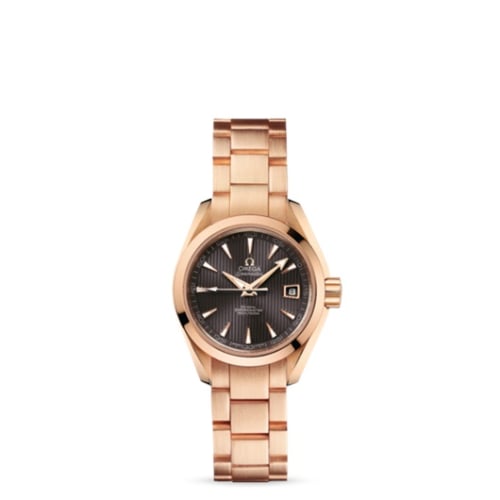
Omega
Seamaster Aqua Terra 150M Co-Axial 30 Red Gold / Grey / Bracelet
Ref. 231.50.30.20.06.001
CN/A
EN/A
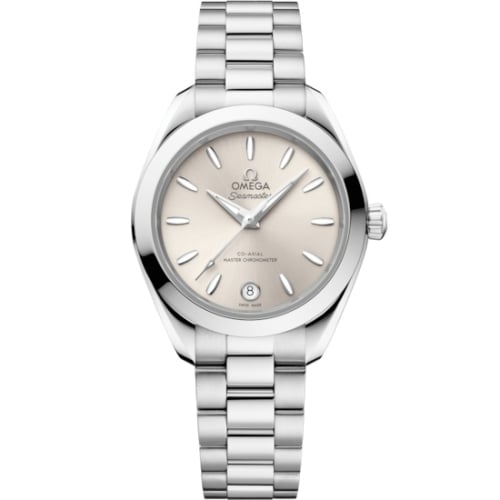
Omega
Seamaster Aqua Terra 150M Master Co-Axial 30 Stainless Steel / Sandstone
Ref. 220.10.30.20.09.001
CN/A
EN/A
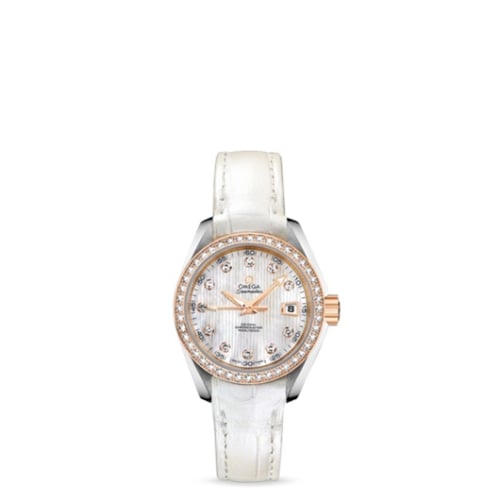
Omega
Seamaster Aqua Terra 150M Co-Axial 30 Stainless Steel / Red Gold / Diamond / MOP
Ref. 231.28.30.20.55.001
CN/A
EN/A
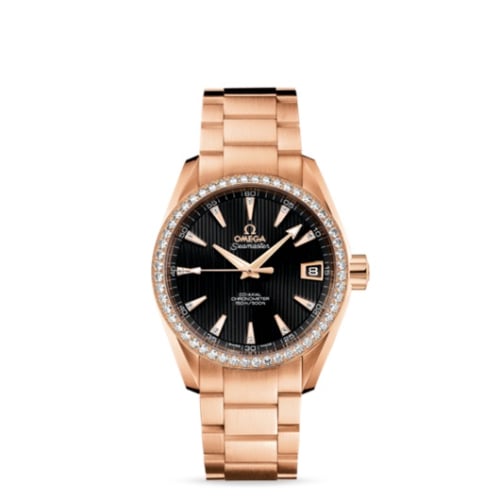
Omega
Seamaster Aqua Terra 150M Co-Axial 38.5 Red Gold / Diamond / Black / Bracelet
Ref. 231.55.39.21.51.001
CN/A
EN/A
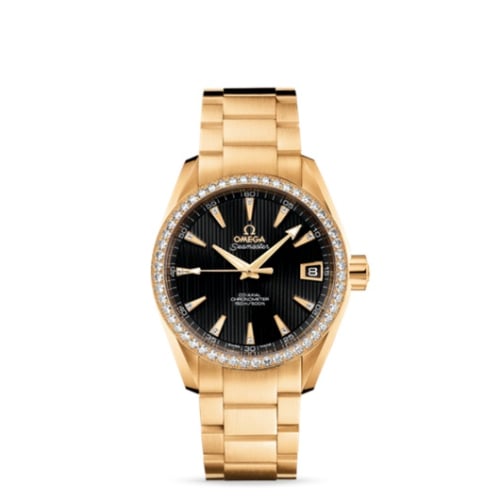
Omega
Seamaster Aqua Terra 150M Co-Axial 38.5 Yellow Gold / Diamond / Black / Bracelet
Ref. 231.55.39.21.51.002
CN/A
EN/A
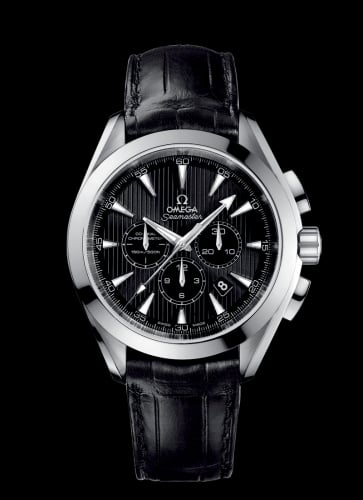
Omega
Seamaster Aqua Terra 150M Co-Axial 44 Chronograph Stainless Steel / Black
Ref. 231.13.44.50.01.001
CN/A
EN/A
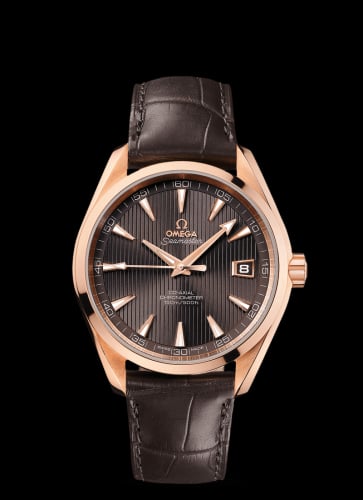
Omega
Seamaster Aqua Terra 150M Co-Axial 41.5 Red Gold / Grey
Ref. 231.53.42.21.06.001
CN/A
EN/A
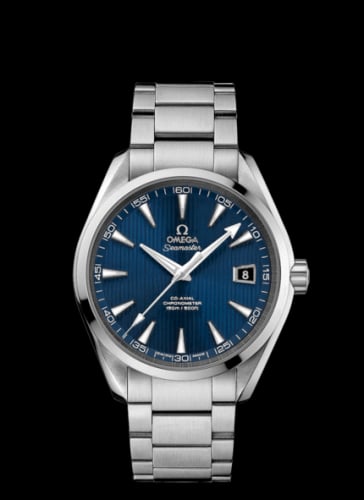
Omega
Seamaster Aqua Terra 150M Co-Axial 41.5 Stainless Steel / Blue / Bracelet
Ref. 231.10.42.21.03.001
CN/A
EN/A
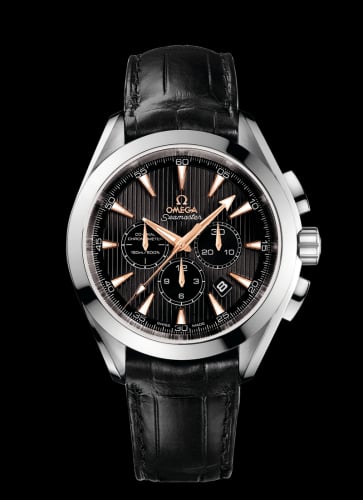
Omega
Seamaster Aqua Terra 150M Co-Axial 44 Chronograph White Gold / Black
Ref. 231.53.44.50.01.001
CN/A
EN/A
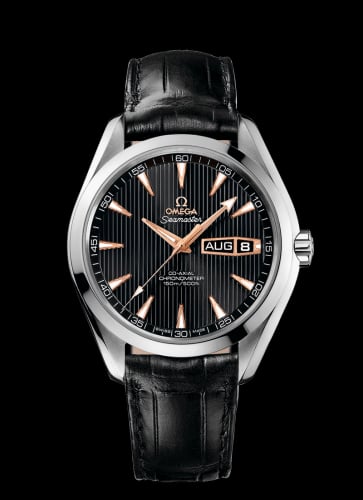
Omega
Seamaster Aqua Terra 150m Co-Axial 43 Annual Calendar White Gold / Grey
Ref. 231.53.43.22.01.001
CN/A
EN/A
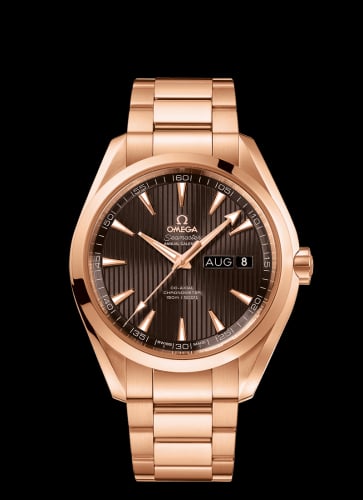
Omega
Seamaster Aqua Terra 150M Co-Axial 43 Annual Calendar Red Gold / Grey / Bracelet
Ref. 231.50.43.22.06.003
CN/A
EN/A
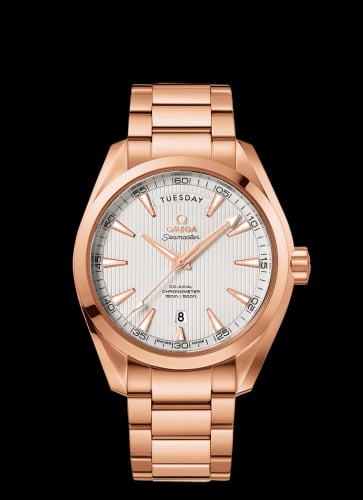
Omega
Seamaster Aqua Terra 150m Co-Axial 41.5 Day-Date Red Gold / Silver
Ref. 231.50.42.22.02.001
CN/A
EN/A
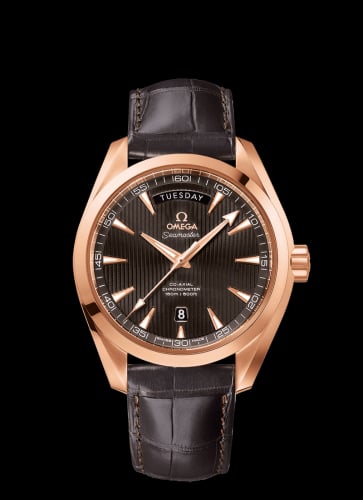
Omega
Seamaster Aqua Terra 150m Co-Axial 41.5 Day-Date Red Gold / Grey
Ref. 231.53.42.22.06.001
CN/A
EN/A
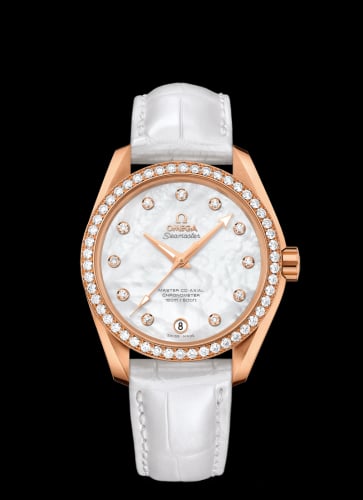
Omega
Seamaster Aqua Terra 150M Master Co-Axial 38.5 Red Gold / Diamond / MOP
Ref. 231.58.39.21.55.001
CN/A
EN/A
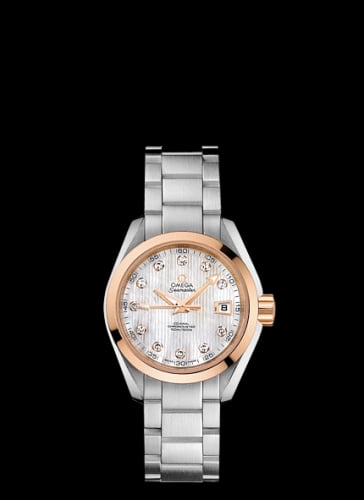
Omega
Seamaster Aqua Terra 150M Co-Axial 30 Stainless Steel / Red Gold / MOP / Bracelet
Ref. 231.20.30.20.55.003
CN/A
EN/A
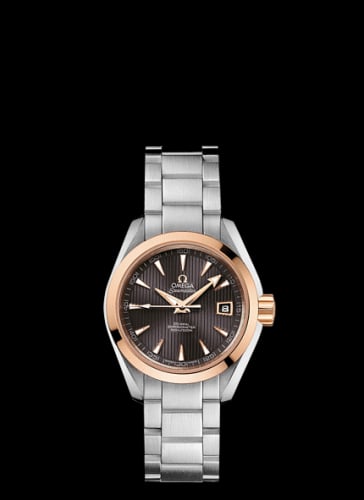
Omega
Seamaster Aqua Terra 150M Co-Axial 30 Stainless Steel / Red Gold / Grey / Bracelet
Ref. 231.20.30.20.06.003
CN/A
EN/A
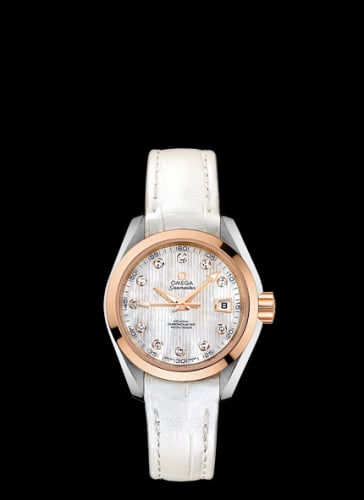
Omega
Seamaster Aqua Terra 150M Co-Axial 30 Stainless Steel / Red Gold / MOP
Ref. 231.23.30.20.55.001
CN/A
EN/A
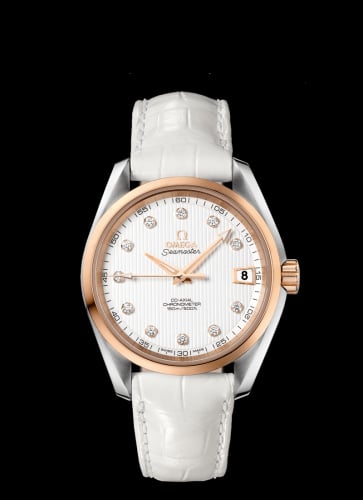
Omega
Seamaster Aqua Terra 150M Co-Axial 38.5 Stainless Steel / Red Gold / Silver
Ref. 231.23.39.21.52.001
CN/A
EN/A
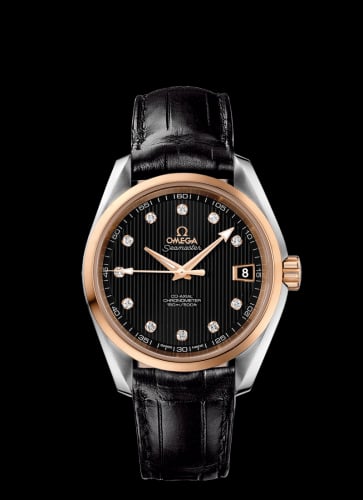
Omega
Seamaster Aqua Terra 150M Co-Axial 38.5 Stainless Steel / Red Gold / Black
Ref. 231.23.39.21.51.001
CN/A
EN/A
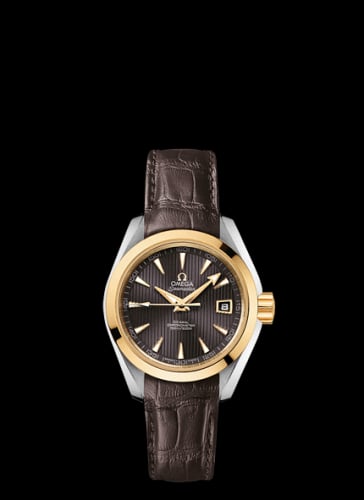
Omega
Seamaster Aqua Terra 150M Co-Axial 30 Stainless Steel / Yellow Gold / Grey
Ref. 231.23.30.20.06.002
CN/A
EN/A
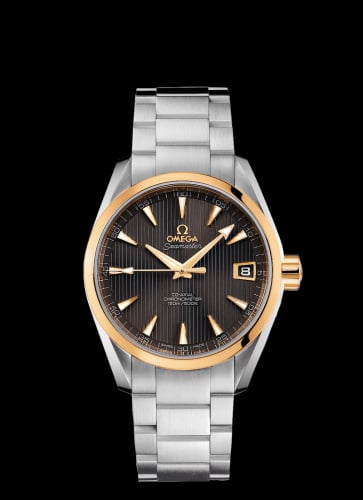
Omega
Seamaster Aqua Terra 150M Co-Axial 38.5 Stainless Steel / Yellow Gold / Grey / Bracelet
Ref. 231.20.39.21.06.004
CN/A
EN/A
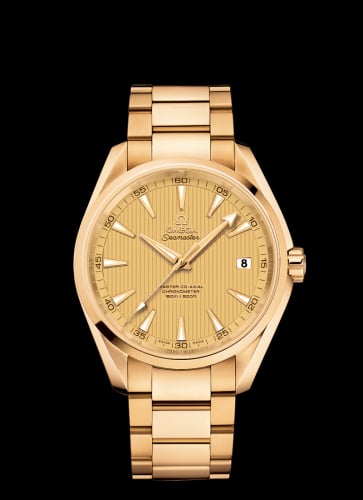
Omega
Seamaster Aqua Terra 150m Master Co-Axial 41.5 Yellow Gold / Champagne / Bracelet
Ref. 231.50.42.21.08.001
CN/A
EN/A
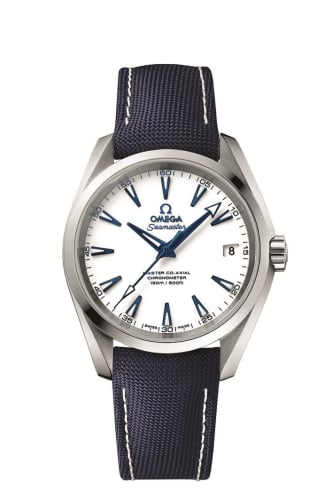
Omega
Seamaster Aqua Terra 150M Master Co-Axial 38.5 Titanium / White / GoodPlanet
Ref. 231.92.39.21.04.001
CN/A
EN/A
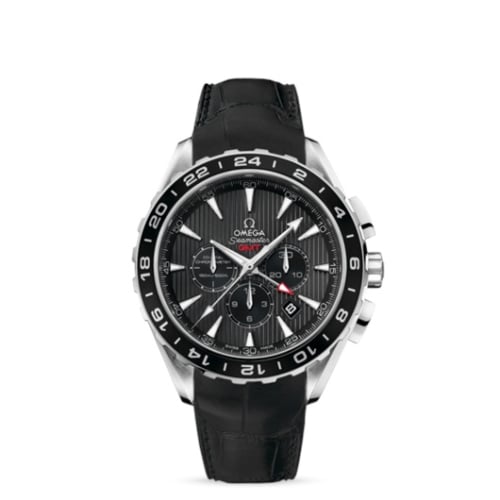
Omega
Seamaster Aqua Terra 150M Co-Axial 44 GMT Chronograph Stainless Steel / Grey
Ref. 231.13.44.52.06.001
CN/A
EN/A
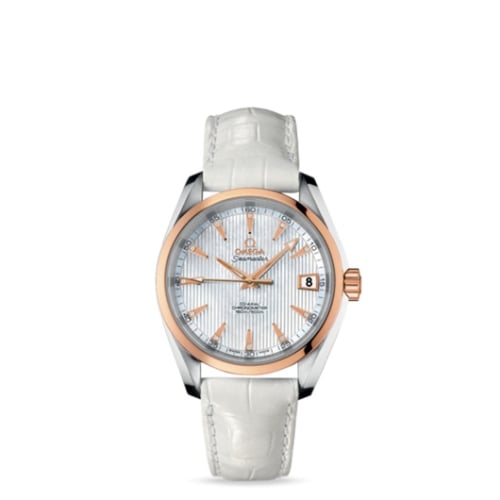
Omega
Seamaster Aqua Terra 150M Co-Axial 38.5 Stainless Steel / Red Gold / MOP
Ref. 231.23.39.21.55.001
CN/A
EN/A
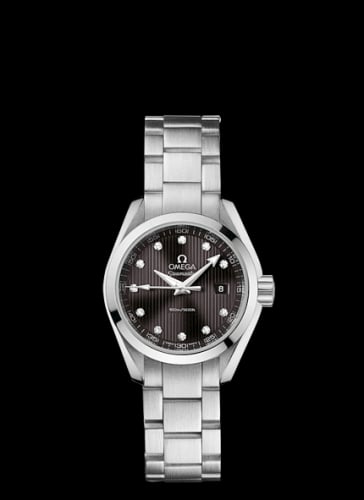
Omega
Seamaster Aqua Terra 150M Quartz 30 Stainless Steel / Grey / Bracelet
Ref. 231.10.30.60.56.001
CN/A
EN/A
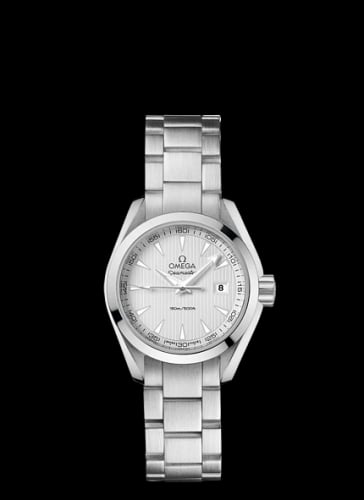
Omega
Seamaster Aqua Terra 150M Quartz 30 Stainless Steel / Silver / Bracelet
Ref. 231.10.30.60.02.001
CN/A
EN/A
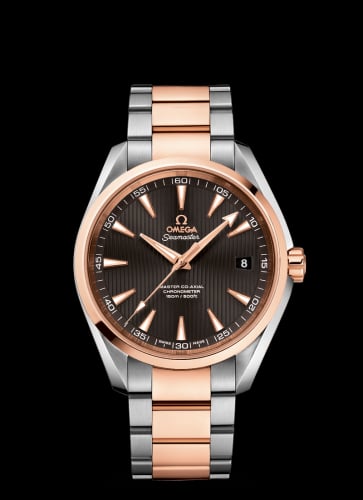
Omega
Seamaster Aqua Terra 150m Master Co-Axial 41.5 Stainless Steel / Red Golf / Grey / Bracelet
Ref. 231.20.42.21.06.003
CN/A
EN/A
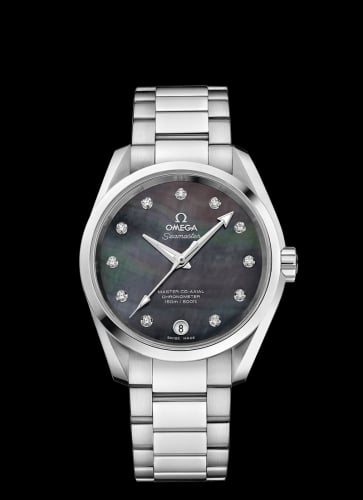
Omega
Seamaster Aqua Terra 150M Master Co-Axial 38.5 Stainless Steel / Grey MOP / Bracelet
Ref. 231.10.39.21.57.001
CN/A
EN/A
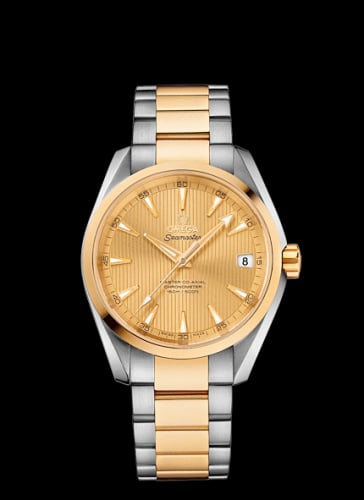
Omega
Seamaster Aqua Terra 150M Master Co-Axial 38.5 Stainless Steel / Yellow Gold / Champagne
Ref. 231.20.39.21.08.001
CN/A
EN/A
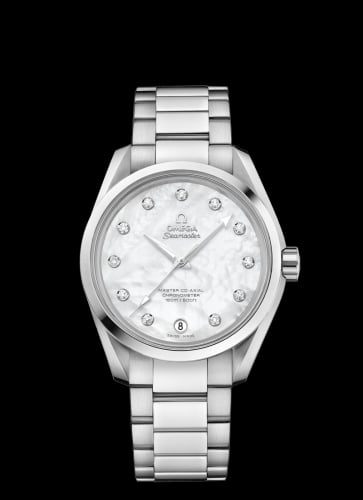
Omega
Seamaster Aqua Terra 150M Master Co-Axial 38.5 Stainless Steel / MOP / Bracelet
Ref. 231.10.39.21.55.002
CN/A
EN/A
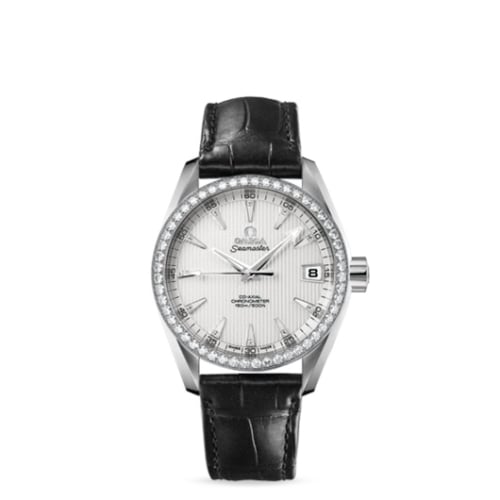
Omega
Seamaster Aqua Terra 150M Co-Axial 38.5 White Gold / Diamond / Silver
Ref. 231.58.39.21.52.001
CN/A
EN/A
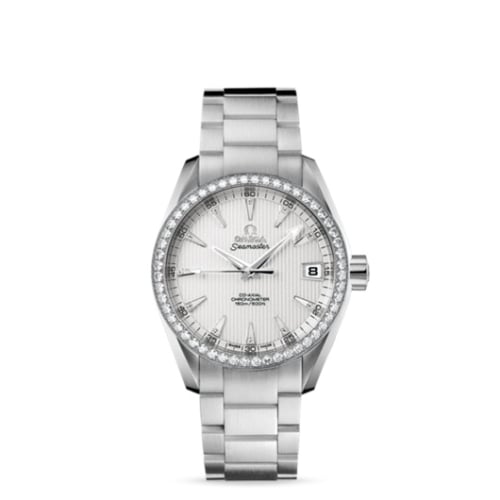
Omega
Seamaster Aqua Terra 150M Co-Axial 38.5 White Gold / Diamond / Silver / Bracelet
Ref. 231.55.39.21.52.001
CN/A
EN/A
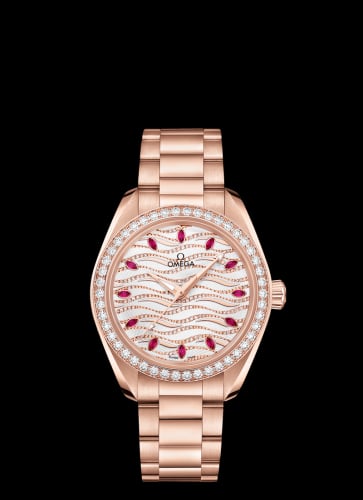
Omega
Seamaster Aqua Terra 150M Master Chronometer 34 Sedna Gold / Diamond / Wave Ruby / Bracelet
Ref. 220.55.34.20.99.004
CN/A
EN/A
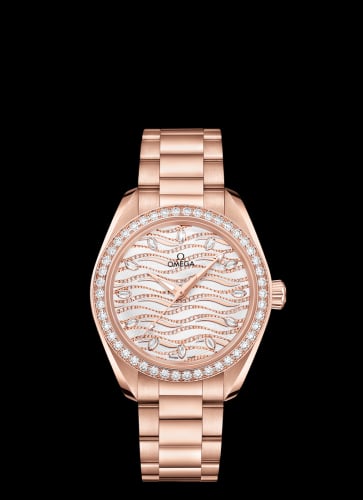
Omega
Seamaster Aqua Terra 150M Master Chronometer 34 Sedna Gold / Diamond / Wave Diamond / Bracelet
Ref. 220.55.34.20.99.006
CN/A
EN/A
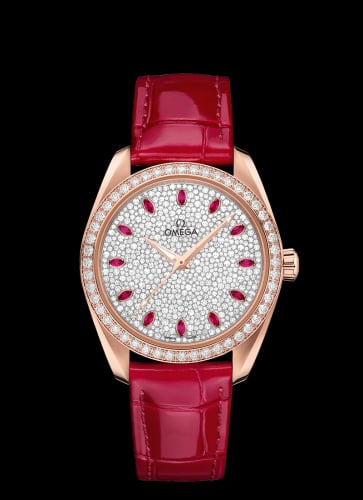
Omega
Seamaster Aqua Terra 150M Master Chronometer 38 Sedna Gold / Diamond / Snow Ruby / Alligator
Ref. 220.58.38.20.99.001
CN/A
EN/A
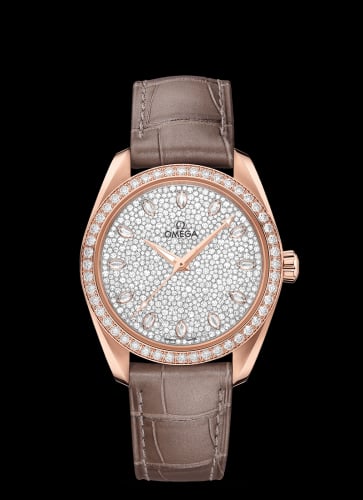
Omega
Seamaster Aqua Terra 150M Master Chronometer 38 Sedna Gold / Diamond / Snow Diamond / Alligator
Ref. 220.58.38.20.99.003
CN/A
EN/A
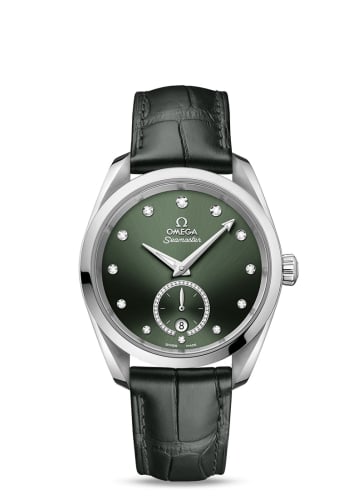
Omega
Seamaster Aqua Terra 150M Master Chronometer Small Seconds 38 Stainless Steel / Green - Diamond / Alligator
Ref. 220.13.38.20.60.001
CN/A
EN/A
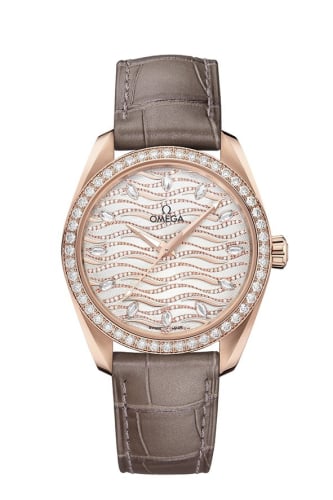
Omega
Seamaster Aqua Terra 150M Master Chronometer 38 Sedna Gold / Diamond / Wave Diamond / Alligator
Ref. 220.58.38.20.99.006
CN/A
EN/A
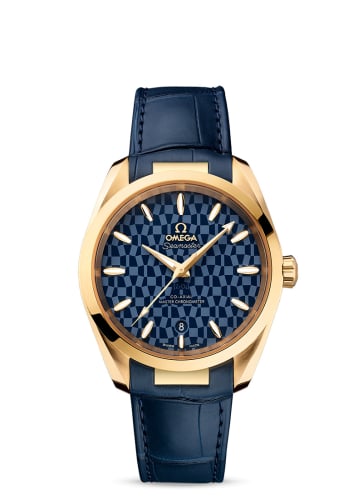
Omega
Seamaster Aqua Terra 150M Master Chronometer 38 Yellow Gold / Blue / Tokyo 2020 Olympics
Ref. 522.53.38.20.03.001
CN/A
EN/A
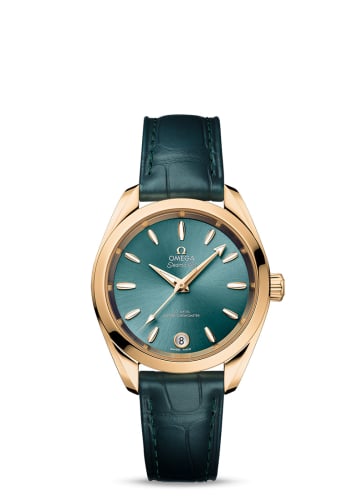
Omega
Seamaster Aqua Terra 150M Master Chronometer 34 Moonshine Gold / Grey
Ref. 220.53.34.20.10.001
CN/A
EN/A
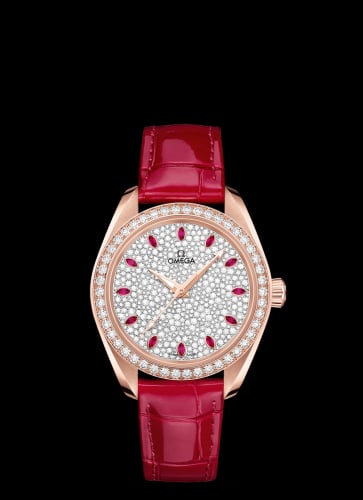
Omega
Seamaster Aqua Terra 150M Master Chronometer 34 Sedna Gold / Diamond / Snow Ruby / Alligator
Ref. 220.58.34.20.99.001
CN/A
EN/A
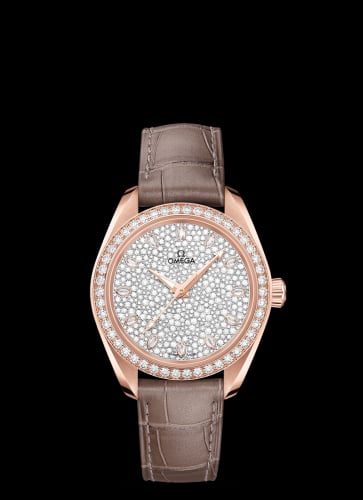
Omega
Seamaster Aqua Terra 150M Master Chronometer 34 Sedna Gold / Diamond / Snow Diamond / Alligator
Ref. 220.58.34.20.99.003
CN/A
EN/A
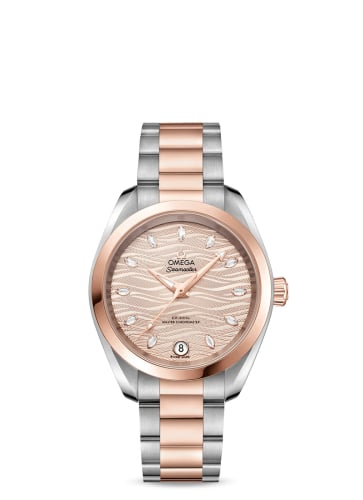
Omega
Seamaster Aqua Terra 150M Master Chronometer 34 Stainless Steel / Sedna Gold / Grey - Diamond / Bracelet
Ref. 220.20.34.20.59.001
CN/A
EN/A

Omega
Seamaster Aqua Terra 150M Master Chronometer 38 Stainless Steel / Sedna Gold / Grey / Bracelet
Ref. 220.20.38.20.56.001
CN/A
EN/A

Omega
Seamaster Aqua Terra 150M Co-Axial 34 Stainless Steel / Yellow Gold / Blue / Bracelet / Olympic Collection London 2012
Ref. 522.23.34.20.03.001
CN/A
EN/A

Omega
Seamaster Aqua Terra 150M Co-Axial 34 Stainless Steel / Yellow Gold / Diamond / MOP / Bracelet
Ref. 231.25.34.20.55.004
CN/A
EN/A

Omega
Seamaster Aqua Terra 150M Master Chronometer 38 Stainless Steel / Sedna Gold / Silver / Bracelet
Ref. 220.20.38.20.02.001
CN/A
EN/A

Omega
Seamaster Aqua Terra 150M Master Chronometer 34 Stainless Steel / Sedna Gold / Diamond / Grey - Diamond / Alligator
Ref. 220.28.34.20.59.001
CN/A
EN/A
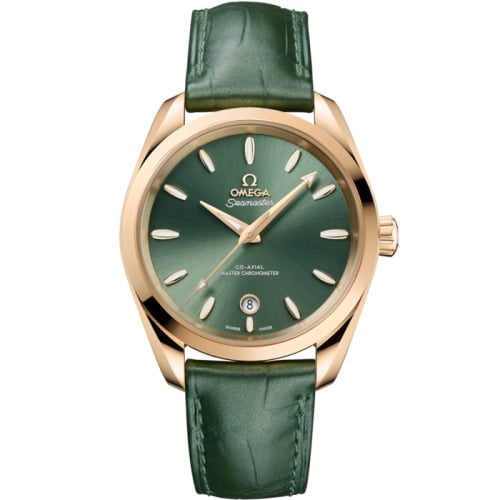
Omega
Seamaster Aqua Terra 150M Shades Master Chronometer 38 Moonshine Gold / Green
Ref. 220.53.38.20.10.001
CN/A
EN/A
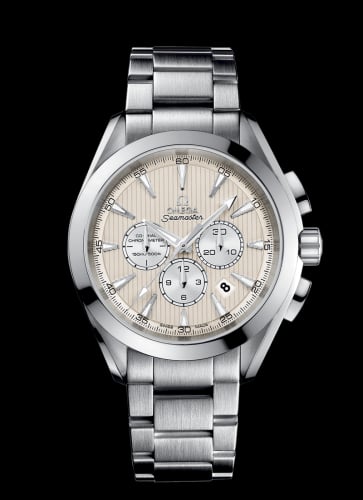
Omega
Seamaster Aqua Terra 150M Co-Axial 44 Chronograph Stainless Steel / Ivory / Bracelet
Ref. 231.10.44.50.09.001
CN/A
EN/A
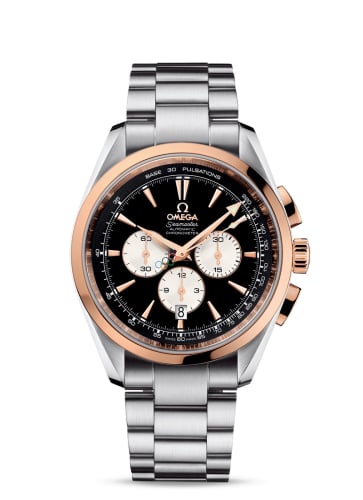
Omega
Seamaster Aqua Terra 150M Automatic 42.2 Chronograph Stainless Steel / Red Gold / Beijing Olympics 2008
Ref. 221.20.42.40.01.001
CN/A
EN/A
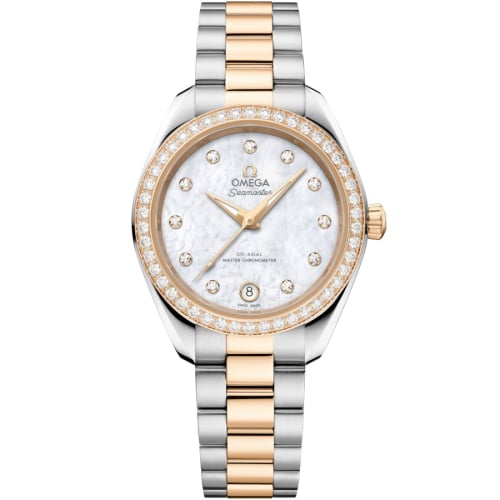
Omega
Seamaster Aqua Terra 150M Master Co-Axial 30 Stainless Steel - Moonshine Gold - Diamond / MOP - Diamond / Bracelet
Ref. 220.25.30.20.55.001
CN/A
EN/A
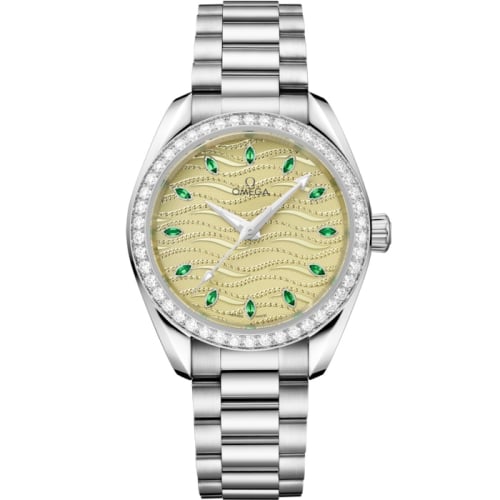
Omega
Seamaster Aqua Terra 150M Master Chronometer 34 Canopus Gold - Diamond / Champagne / Bracelet
Ref. 220.55.34.20.60.002
CN/A
EN/A
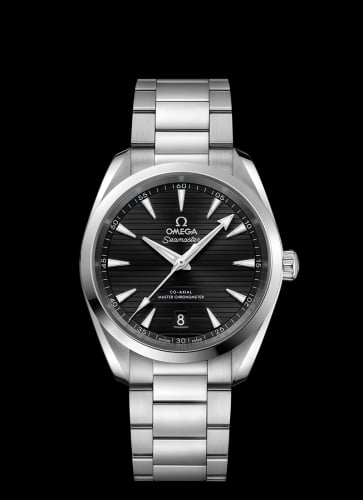
Omega
Seamaster Aqua Terra 150M Master Chronometer 38 Stainless Steel / Black / Bracelet
Ref. 220.10.38.20.01.001
CN/A
EN/A
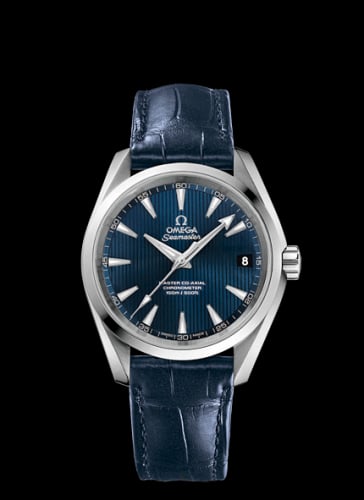
Omega
Seamaster Aqua Terra 150M Master Co-Axial 38.5 Stainless Steel / Blue
Ref. 231.13.39.21.03.001
CN/A
EN/A
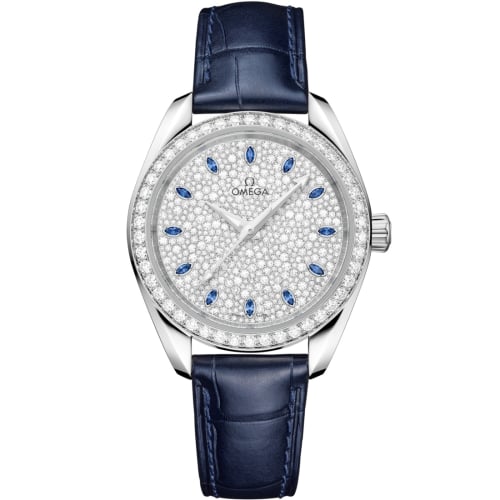
Omega
Seamaster Aqua Terra 150M Master Chronometer 34 Canopus Gold - Diamond / Snow Sapphire / Alligator
Ref. 220.58.34.20.99.007
CN/A
EN/A
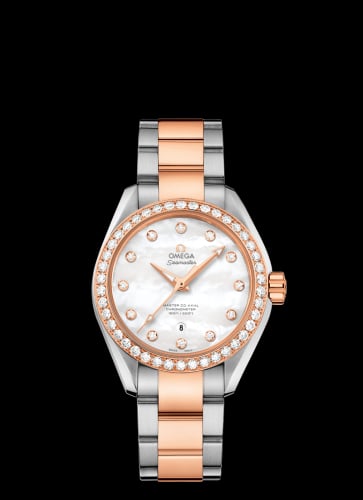
Omega
Seamaster Aqua Terra 150M Master Co-Axial 34 Stainless Steel / Sedna Gold / Diamond / MOP
Ref. 231.25.34.20.55.005
CN/A
EN/A
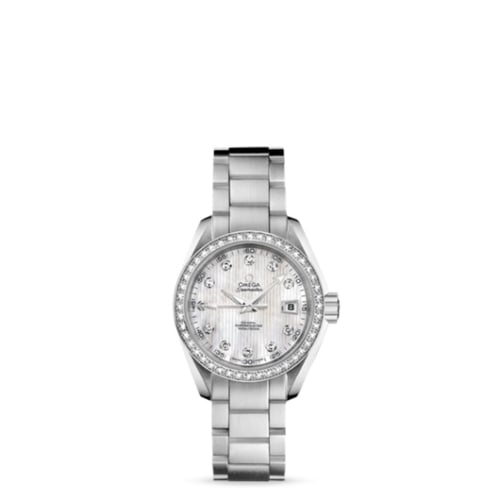
Omega
Seamaster Aqua Terra 150M Co-Axial 30 Stainless Steel / Diamond / MOP / Bracelet
Ref. 231.15.30.20.55.001
CN/A
EN/A
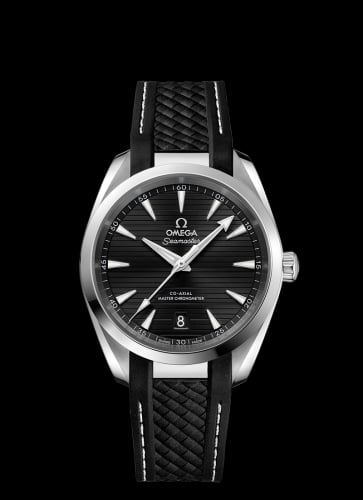
Omega
Seamaster Aqua Terra 150M Master Chronometer 38 Stainless Steel / Black / Rubber
Ref. 220.12.38.20.01.001
CN/A
EN/A
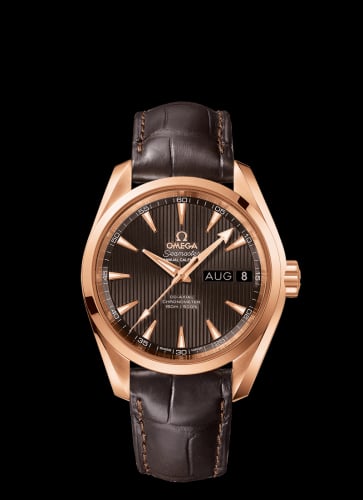
Omega
Seamaster Aqua Terra 150M Co-Axial 38.5 Annual Calendar Red Gold / Grey
Ref. 231.53.39.22.06.001
CN/A
EN/A
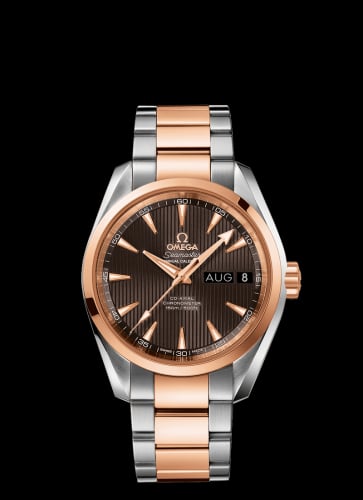
Omega
Seamaster Aqua Terra 150M Co-Axial 38.5 Annual Calendar Stainless Steel / Red Gold / Grey / Bracelet
Ref. 231.20.39.22.06.001
CN/A
EN/A
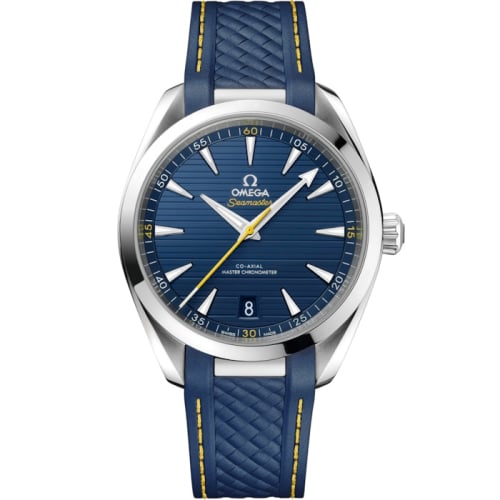
Omega
Seamaster Aqua Terra 150M Master Chronometer 41 Armand “Mondo” Duplantis
Ref. 220.12.41.21.03.009
CN/A
EN/A
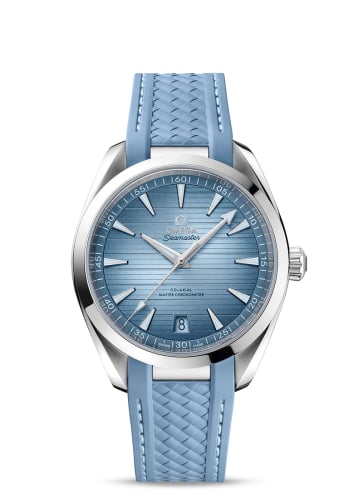
Omega
Seamaster Aqua Terra 150M Master Chronometer 41 Stainless Steel / Summer Blue / Rubber
Ref. 220.12.41.21.03.008
CN/A
EN/A
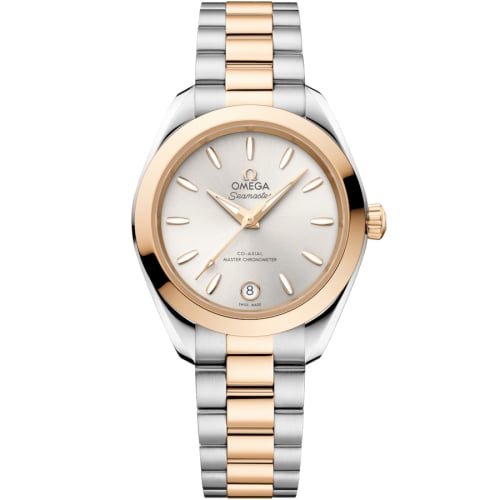
Omega
Seamaster Aqua Terra 150M Master Co-Axial 30 Stainless Steel - Moonshine Gold / Silver / Bracelet
Ref. 220.20.30.20.02.001
CN/A
EN/A
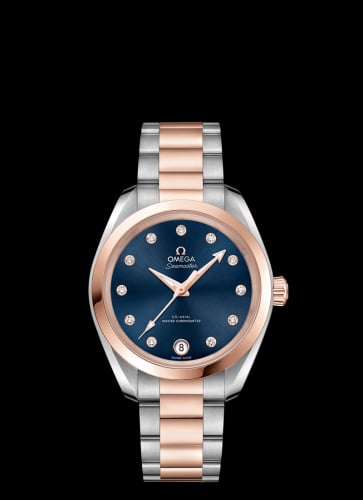
Omega
Seamaster Aqua Terra 150M Master Chronometer 34 Stainless Steel / Sedna Gold / Blue / Bracelet
Ref. 220.20.34.20.53.001
CN/A
EN/A
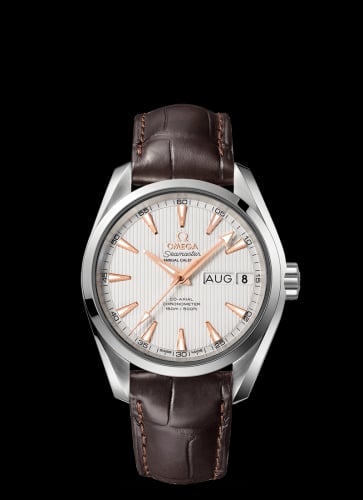
Omega
Seamaster Aqua Terra 150M Co-Axial 38.5 Annual Calendar 38.5 Stainless Steel / Silver
Ref. 231.13.39.22.02.001
CN/A
EN/A
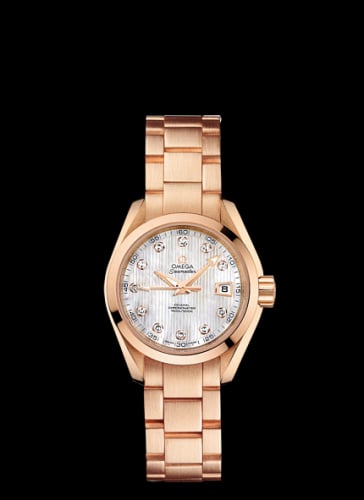
Omega
Seamaster Aqua Terra 150M Co-Axial 30 Red Gold / MOP / Bracelet
Ref. 231.50.30.20.55.001
CN/A
EN/A
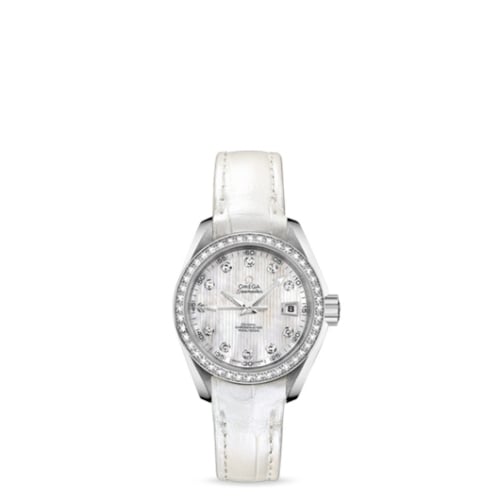
Omega
Seamaster Aqua Terra 150M Co-Axial 30 Stainless Steel / Diamond / MOP
Ref. 231.18.30.20.55.001
CN/A
EN/A
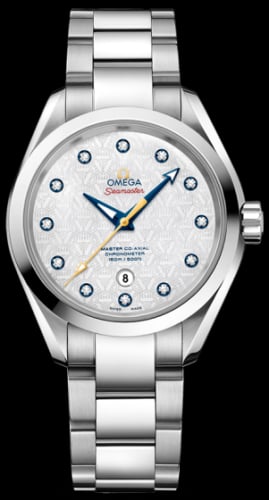
Omega
Seamaster Aqua Terra 150M Co-Axial 34 Stainless Steel / Ryder Cup / Bracelet
Ref. 231.10.34.20.55.003
CN/A
EN/A
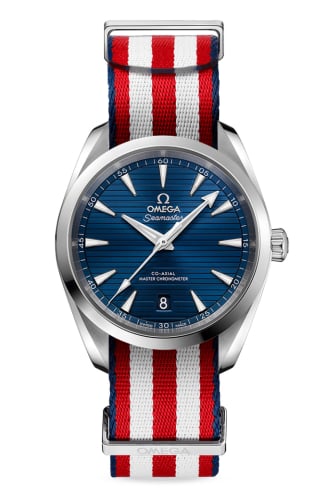
Omega
Seamaster Aqua Terra 150M Master Chronometer 38 Stainless Steel / Blue / NATO / US Olympic
Ref. 220.12.38.20.03.002
CN/A
EN/A
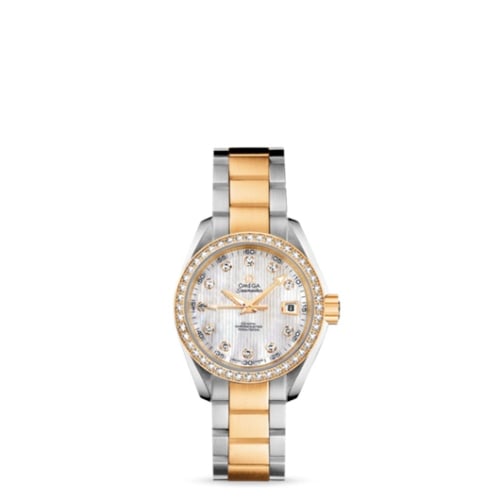
Omega
Seamaster Aqua Terra 150M Co-Axial 30 Stainless Steel / Yellow Gold / Diamond / MOP / Bracelet
Ref. 231.25.30.20.55.002
CN/A
EN/A
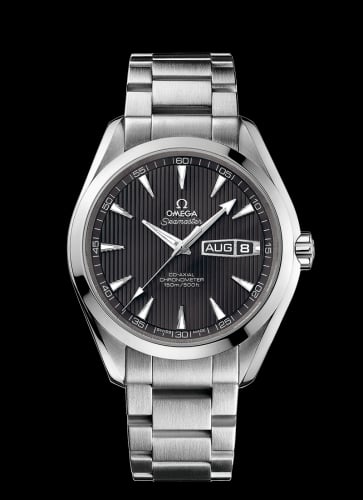
Omega
Seamaster Aqua Terra 150m Co-Axial 43 Annual Calendar Stainless Steel / Grey / Bracelet
Ref. 231.10.43.22.06.001
CN/A
EN/A
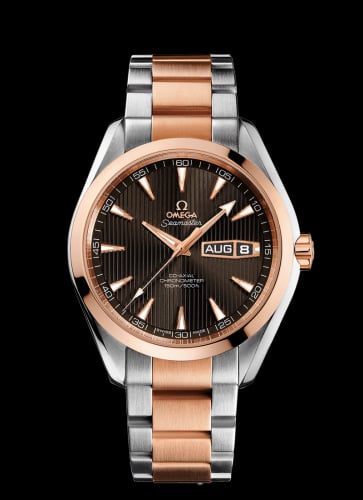
Omega
Seamaster Aqua Terra 150M Co-Axial 43 Annual Calendar Stainless Steel / Red Gold / Grey / Bracelet
Ref. 231.20.43.22.06.001
CN/A
EN/A
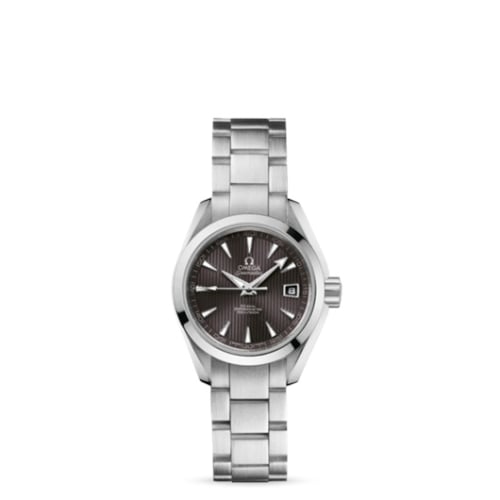
Omega
Seamaster Aqua Terra 150M Co-Axial 30 Stainless Steel / Grey / Bracelet
Ref. 231.10.30.20.06.001
CN/A
EN/A
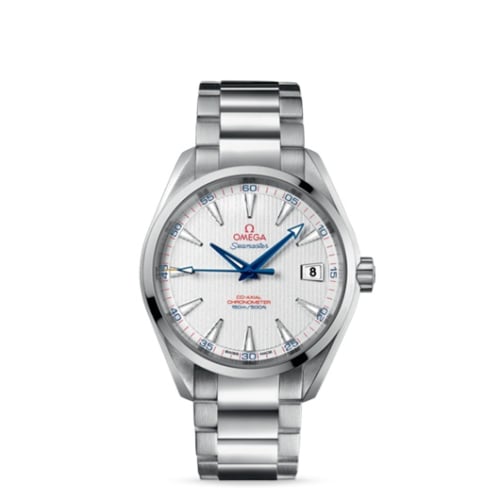
Omega
Seamaster Aqua Terra 150M Co-Axial 41.5 Stainless Steel / Silver / Bracelet / Golf Edition
Ref. 231.10.42.21.02.002
CN/A
EN/A
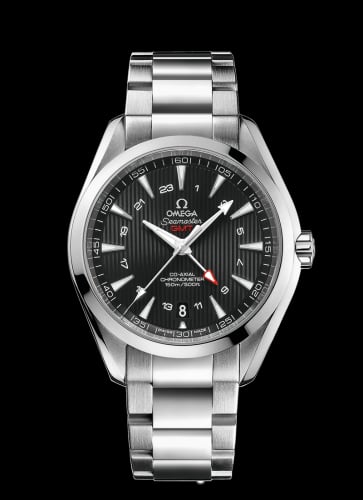
Omega
Seamaster Aqua Terra 150M Co-Axial 43 GMT Stainless Steel / Black / Bracelet
Ref. 231.10.43.22.01.001
CN/A
EN/A
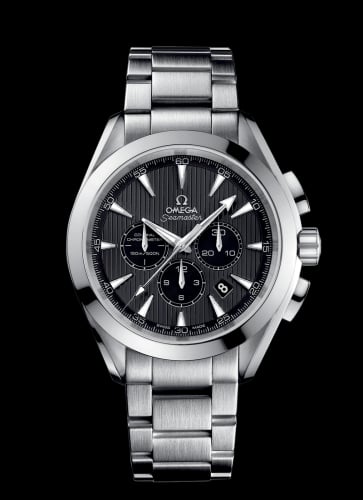
Omega
Seamaster Aqua Terra 150M Co-Axial 44 Chronograph Stainless Steel / Grey / Bracelet
Ref. 231.10.44.50.06.001
CN/A
EN/A
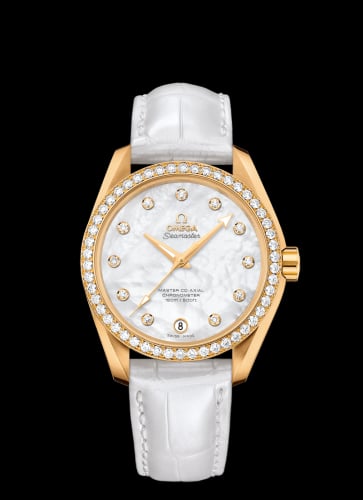
Omega
Seamaster Aqua Terra 150M Master Co-Axial 38.5 Yellow Gold / Diamond / MOP
Ref. 231.58.39.21.55.002
CN/A
EN/A
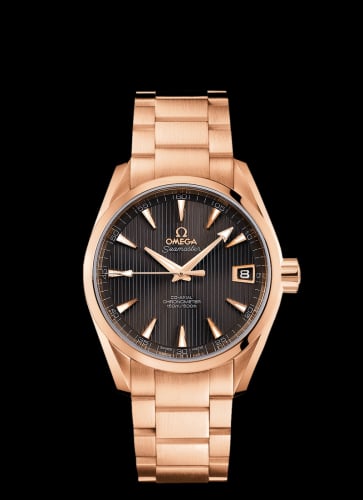
Omega
Seamaster Aqua Terra 150M Co-Axial 38.5 Red Gold / Grey / Bracelet
Ref. 231.50.39.21.06.001
CN/A
EN/A
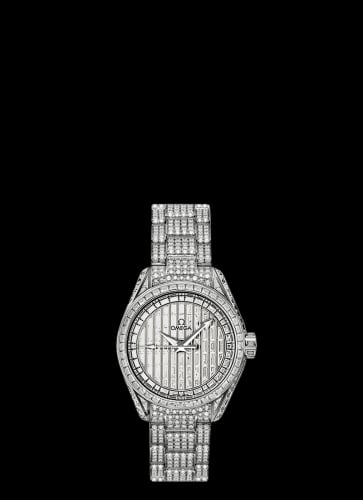
Omega
Seamaster Aqua Terra 150M Co-Axial 30 White Gold / Baguette / Baguette / Bracelet
Ref. 231.55.30.20.99.003
CN/A
EN/A
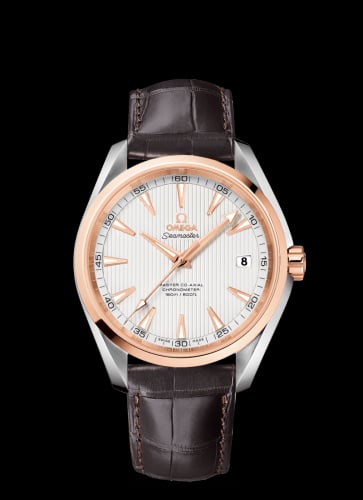
Omega
Seamaster Aqua Terra 150m Master Co-Axial 41.5 Stainless Steel / Red Golf / Silver
Ref. 231.23.42.21.02.001
CN/A
EN/A
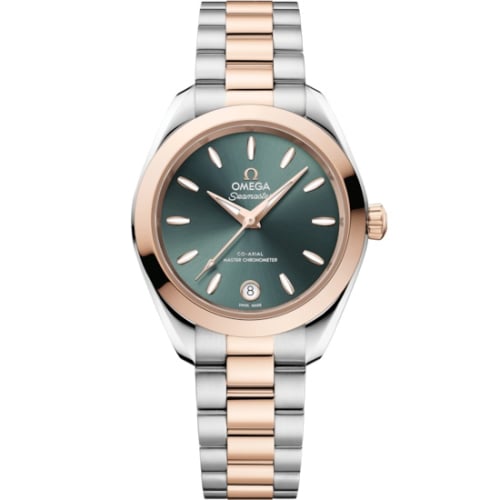
Omega
Seamaster Aqua Terra 150M Master Co-Axial 30 Stainless Steel - Sedna Gold / Pine
Ref. 220.20.30.20.10.002
CN/A
EN/A
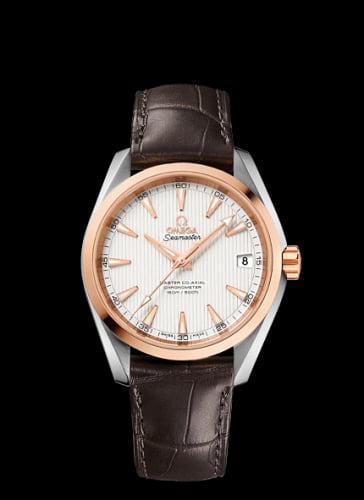
Omega
Seamaster Aqua Terra 150M Master Co-Axial 38.5 Stainless Steel / Red Gold / Silver
Ref. 231.23.39.21.02.001
CN/A
EN/A
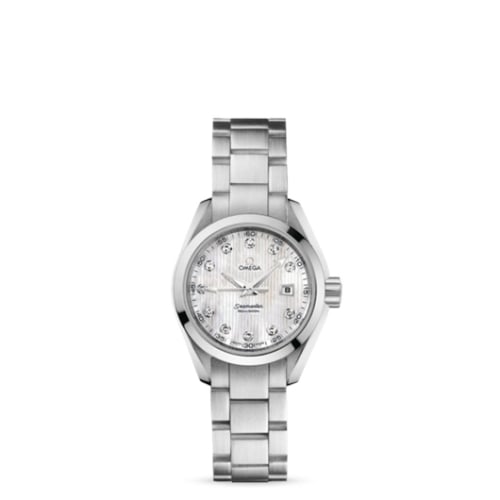
Omega
Seamaster Aqua Terra 150M Quartz 30 Stainless Steel / MOP / Bracelet
Ref. 231.10.30.61.55.001
CN/A
EN/A
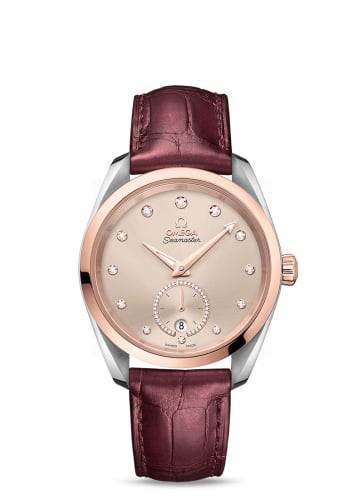
Omega
Seamaster Aqua Terra 150M Master Chronometer Small Seconds 38 Stainless Steel / Sedna Gold / Sand - Diamond / Alligator
Ref. 220.23.38.20.59.001
CN/A
EN/A
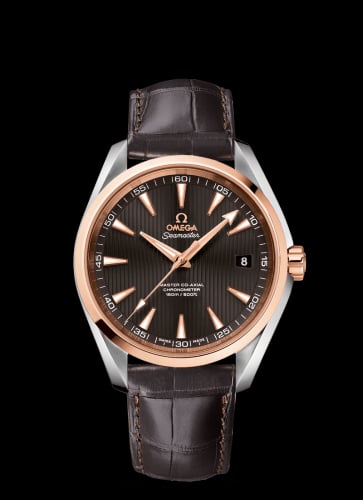
Omega
Seamaster Aqua Terra 150m Master Co-Axial 41.5 Stainless Steel / Red Golf / Grey
Ref. 231.23.42.21.06.003
CN/A
EN/A
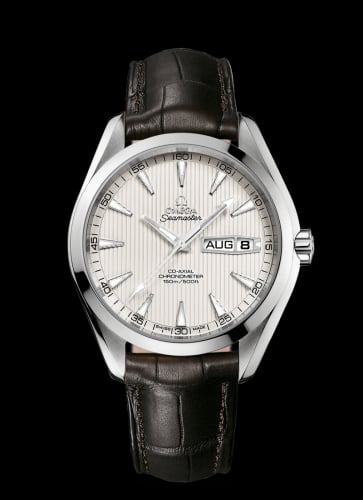
Omega
Seamaster Aqua Terra 150m Co-Axial 43 Annual Calendar Stainless Steel / Silver
Ref. 231.13.43.22.02.001
CN/A
EN/A
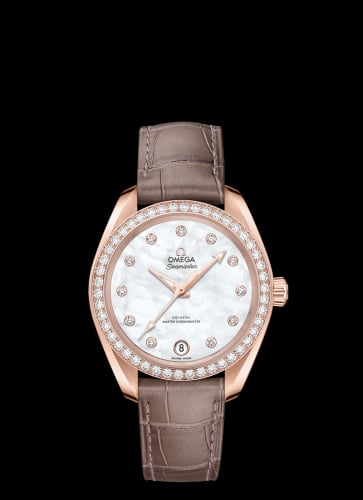
Omega
Seamaster Aqua Terra 150M Master Chronometer 34 Sedna Gold / Diamond / MOP / Alligator
Ref. 220.58.34.20.55.001
CN/A
EN/A
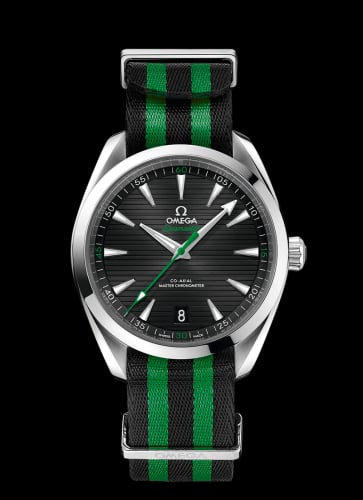
Omega
Seamaster Aqua Terra 150M Master Chronometer 41 Stainless Steel / Golf Edition / NATO
Ref. 220.12.41.21.01.002
CN/A
EN/A
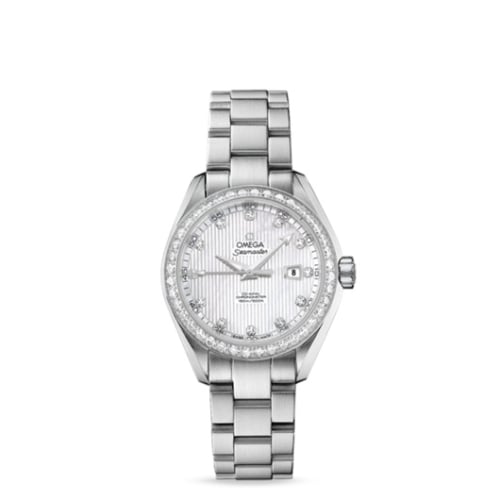
Omega
Seamaster Aqua Terra 150M Co-Axial 34 Stainless Steel / Diamond / MOP / Bracelet
Ref. 231.15.34.20.55.001
CN/A
EN/A
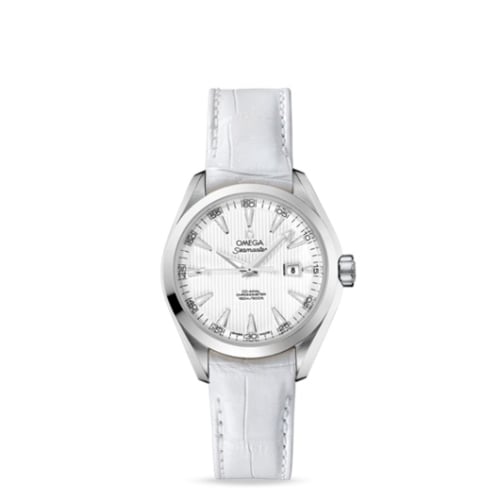
Omega
Seamaster Aqua Terra 150M Co-Axial 34 Stainless Steel / Silver
Ref. 231.13.34.20.04.001
CN/A
EN/A
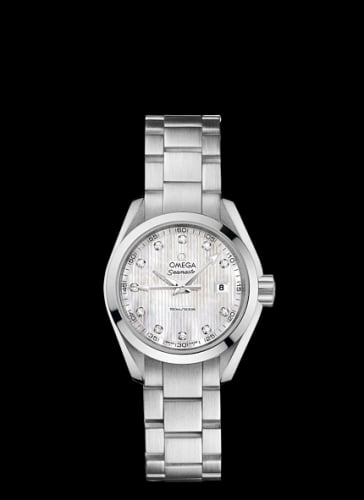
Omega
Seamaster Aqua Terra 150M Quartz 30 Stainless Steel / MOP / Bracelet
Ref. 231.10.30.60.55.001
CN/A
EN/A
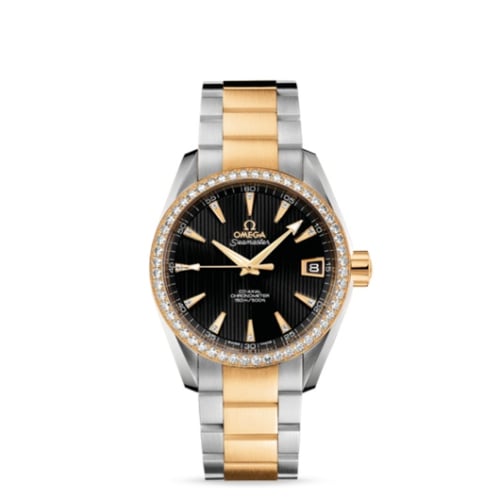
Omega
Seamaster Aqua Terra 150M Co-Axial 38.5 Stainless Steel / Yellow Gold / Diamond / Black / Bracelet
Ref. 231.25.39.21.51.002
CN/A
EN/A
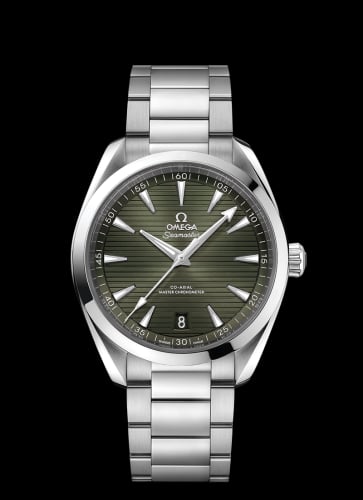
Omega
Seamaster Aqua Terra 150M Master Chronometer 41 Stainless Steel / Green / Bracelet
Ref. 220.10.41.21.10.001
CN/A
EN/A
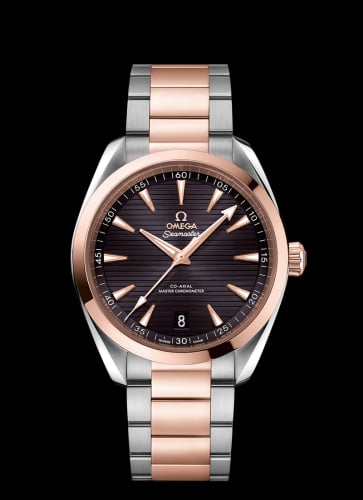
Omega
Seamaster Aqua Terra 150M Master Chronometer 41 Stainless Steel / Sedna Gold / Grey / Bracelet
Ref. 220.20.41.21.06.001
CN/A
EN/A
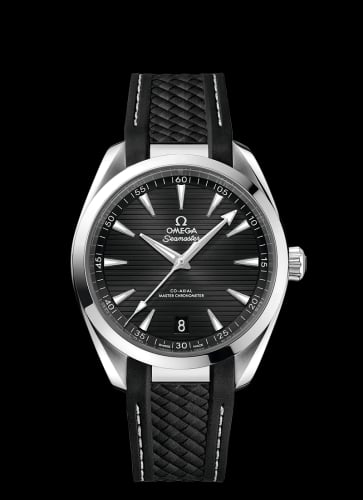
Omega
Seamaster Aqua Terra 150M Master Chronometer 41 Stainless Steel / Black / Rubber
Ref. 220.12.41.21.01.001
CN/A
EN/A
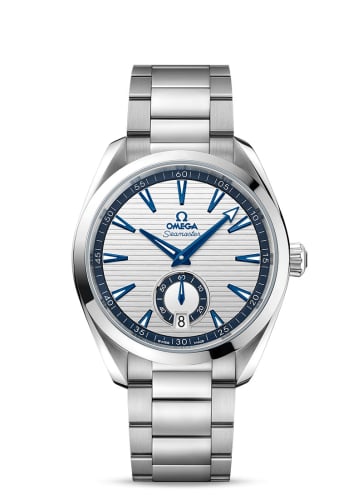
Omega
Seamaster Aqua Terra 150M Master Chronometer Small Seconds 41 Stainless Steel / Silver / Bracelet
Ref. 220.10.41.21.02.004
CN/A
EN/A
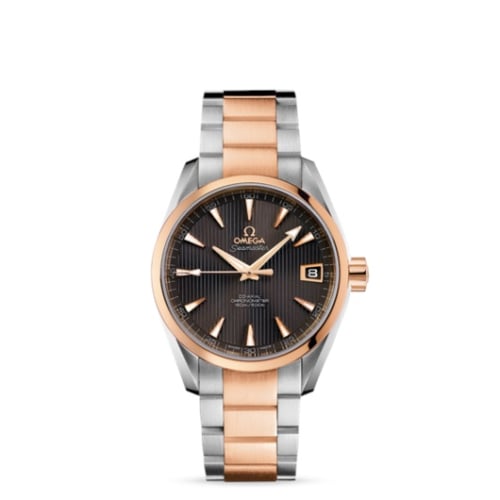
Omega
Seamaster Aqua Terra 150M Co-Axial 38.5 Stainless Steel / Red Gold / Grey / Bracelet
Ref. 231.20.39.21.06.001
CN/A
EN/A
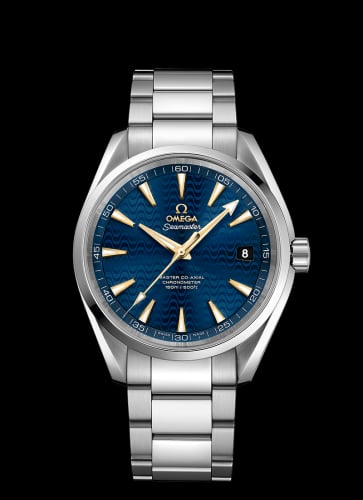
Omega
Seamaster Aqua Terra 150m Master Co-Axial 41.5 Stainless Steel / Blue Waves / Bracelet
Ref. 231.10.42.21.03.006
CN/A
EN/A
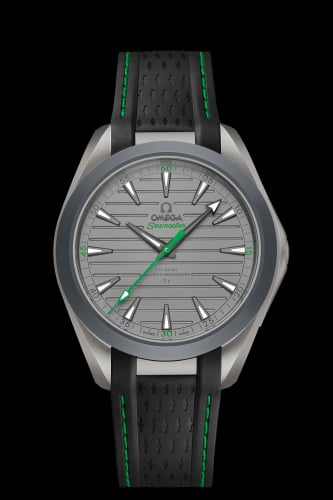
Omega
Seamaster Aqua Terra 150M Master Chronometer 41 Ultra Light Titanium / Grey - Orange / Rubber
Ref. 220.92.41.21.06.003
CN/A
EN/A
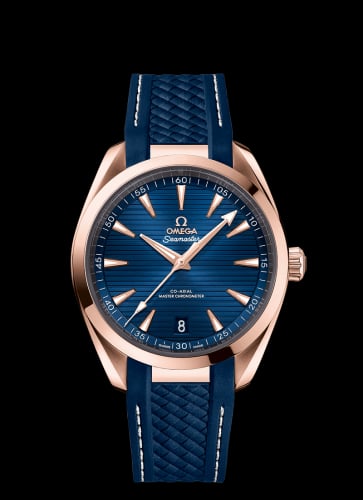
Omega
Seamaster Aqua Terra 150M Master Chronometer 41 Sedna Gold / Blue / Rubber
Ref. 220.52.41.21.03.001
CN/A
EN/A
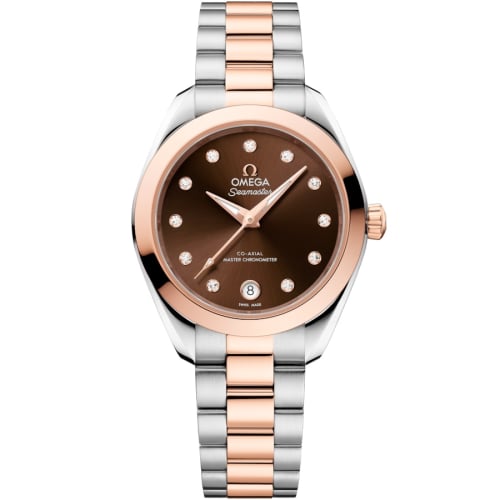
Omega
Seamaster Aqua Terra 150M Master Co-Axial 30 Stainless Steel - Moonshine Gold / Brown - Diamond / Bracelet
Ref. 220.20.30.20.63.001
CN/A
EN/A
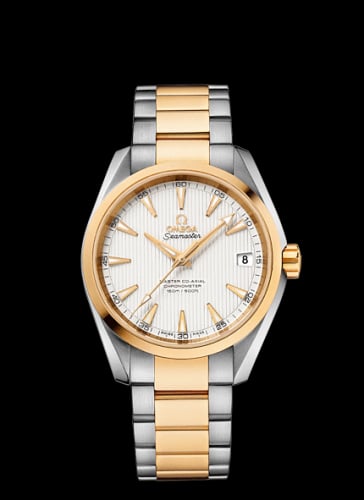
Omega
Seamaster Aqua Terra 150m Master Co-Axial 38.5 Stainless Steel / Yellow Gold / Silver / Bracelet
Ref. 231.20.39.21.02.002
CN/A
EN/A
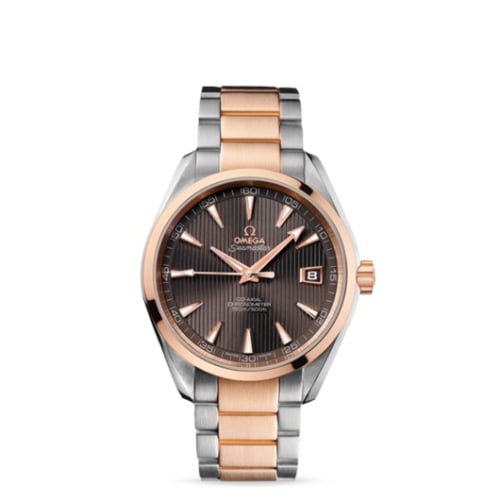
Omega
Seamaster Aqua Terra 150M Co-Axial 41.5 Stainless Steel / Red Gold / Grey / Bracelet
Ref. 231.20.42.21.06.001
CN/A
EN/A
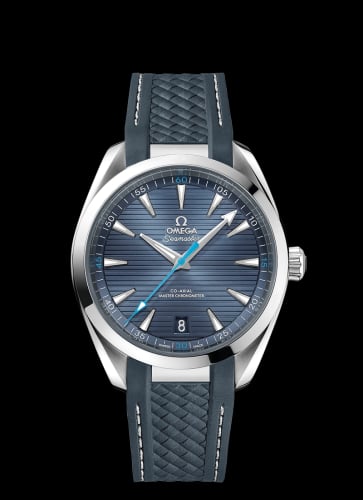
Omega
Seamaster Aqua Terra 150M Master Chronometer 41 Stainless Steel / Blue / Rubber
Ref. 220.12.41.21.03.002
CN/A
EN/A
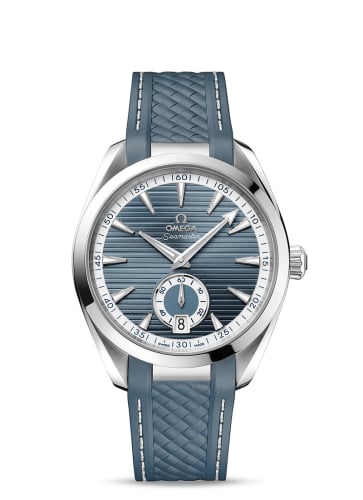
Omega
Seamaster Aqua Terra 150M Master Chronometer Small Seconds 41 Stainless Steel / Blue / Rubber
Ref. 220.12.41.21.03.005
CN/A
EN/A
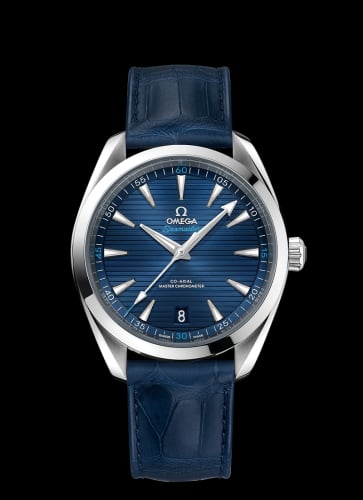
Omega
Seamaster Aqua Terra 150M Master Chronometer 41 Stainless Steel / Blue / Alligator
Ref. 220.13.41.21.03.001
CN/A
EN/A
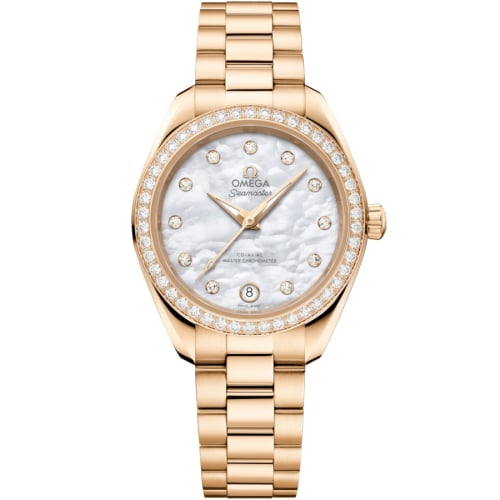
Omega
Seamaster Aqua Terra 150M Master Co-Axial 30 Moonshine Gold - Diamond / MOP - Diamond / Bracelet
Ref. 220.55.30.20.55.001
CN/A
EN/A
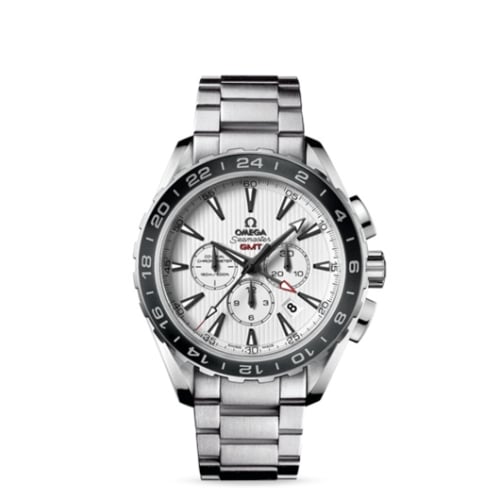
Omega
Seamaster Aqua Terra 150M Co-Axial 44 GMT Chronograph Stainless Steel / Silver / Bracelet
Ref. 231.10.44.52.04.001
CN/A
EN/A
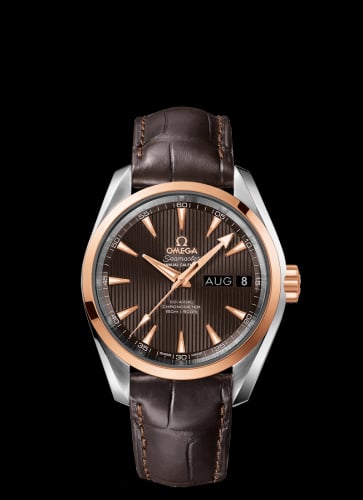
Omega
Seamaster Aqua Terra 150M Co-Axial 38.5 Annual Calendar Stainless Steel / Red Gold / Grey
Ref. 231.23.39.22.06.001
CN/A
EN/A
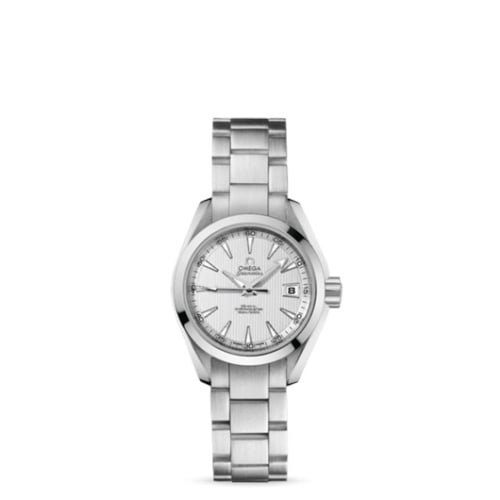
Omega
Seamaster Aqua Terra 150M Co-Axial 30 Stainless Steel / Silver / Bracelet
Ref. 231.10.30.20.02.001
CN/A
EN/A
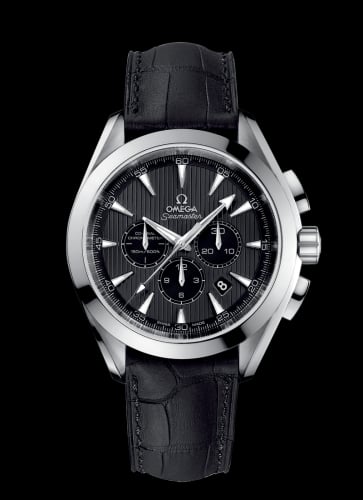
Omega
Seamaster Aqua Terra 150M Co-Axial 44 Chronograph Stainless Steel / Grey
Ref. 231.13.44.50.06.001
CN/A
EN/A
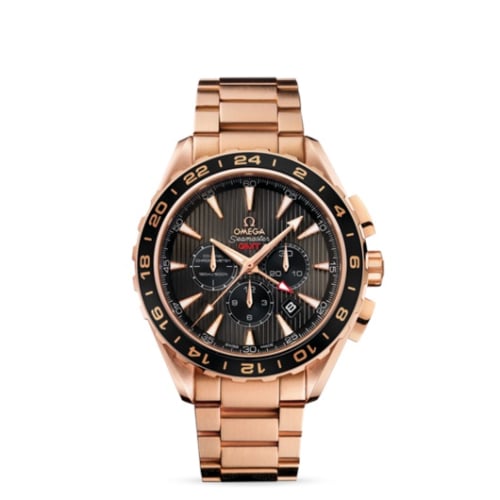
Omega
Seamaster Aqua Terra 150M Co-Axial 44 GMT Chronograph Red Gold / Grey / Bracelet
Ref. 231.50.44.52.06.001
CN/A
EN/A
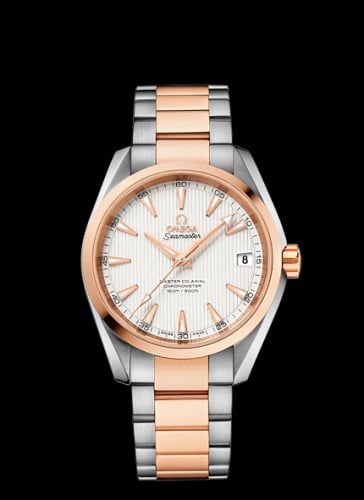
Omega
Seamaster Aqua Terra 150m Master Co-Axial 38.5 Stainless Steel / Red Gold / Silver / Bracelet
Ref. 231.20.39.21.02.001
CN/A
EN/A
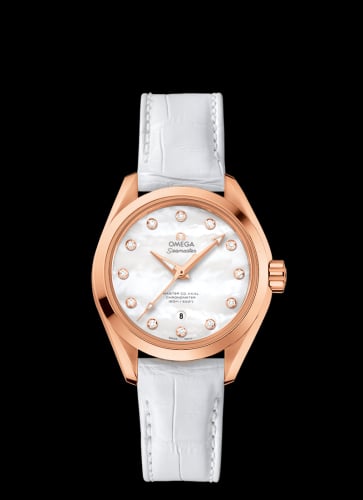
Omega
Seamaster Aqua Terra 150M Master Co-Axial 34 Sedna Gold / MOP
Ref. 231.53.34.20.55.001
CN/A
EN/A
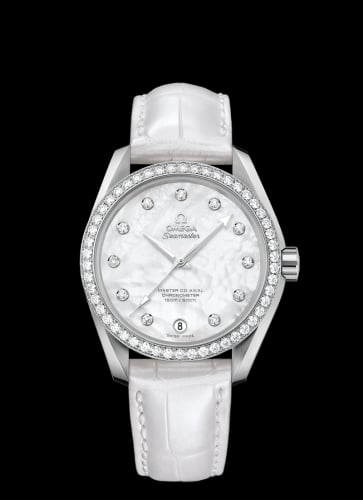
Omega
Seamaster Aqua Terra 150M Master Co-Axial 38.5 Stainless Steel / Diamond / MOP
Ref. 231.18.39.21.55.001
CN/A
EN/A
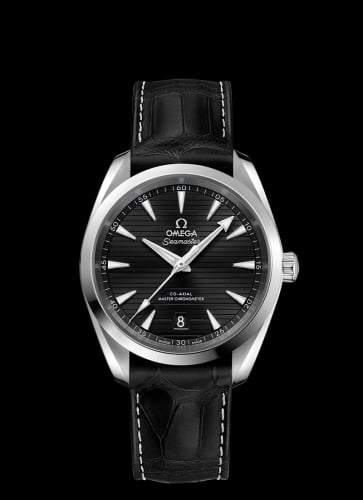
Omega
Seamaster Aqua Terra 150M Master Chronometer 38 Stainless Steel / Black / Alligator
Ref. 220.13.38.20.01.001
CN/A
EN/A
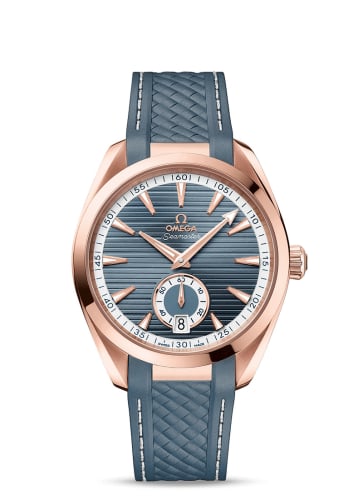
Omega
Seamaster Aqua Terra 150M Master Chronometer Small Seconds 41 Sedna Gold / Blue / Rubber
Ref. 220.52.41.21.03.002
CN/A
EN/A
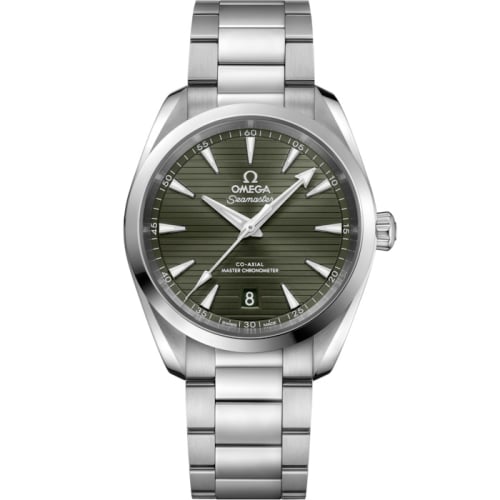
Omega
Seamaster Aqua Terra 150M Master Chronometer 38 Stainless Steel / Green / Bracelet
Ref. 220.10.38.20.10.003
CN/A
EN/A
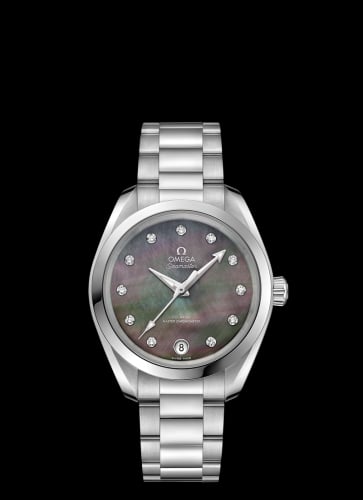
Omega
Seamaster Aqua Terra 150M Master Chronometer 34 Stainless Steel / Brown MOP / Bracelet
Ref. 220.10.34.20.57.001
CN/A
EN/A
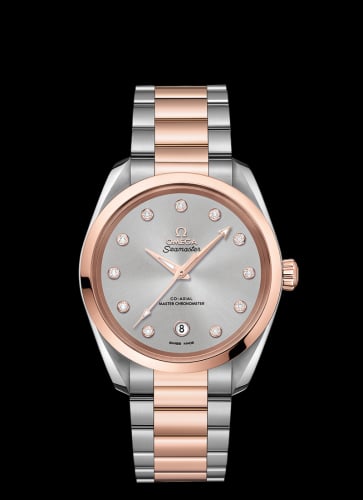
Omega
Seamaster Aqua Terra 150M Master Chronometer 38 Stainless Steel / Sedna Gold / Grey / Bracelet
Ref. 220.20.38.20.56.002
CN/A
EN/A
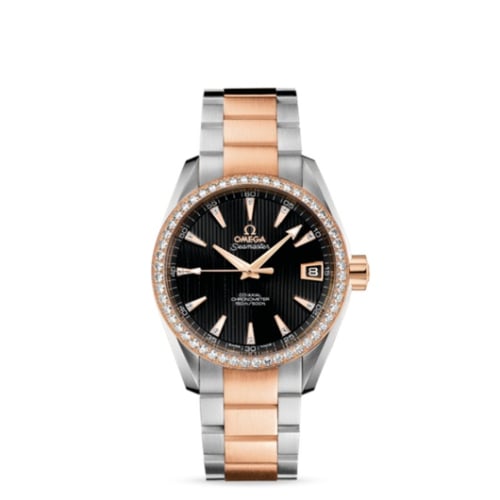
Omega
Seamaster Aqua Terra 150M Co-Axial 38.5 Stainless Steel / Red Gold / Diamond / Black / Bracelet
Ref. 231.25.39.21.51.001
CN/A
EN/A
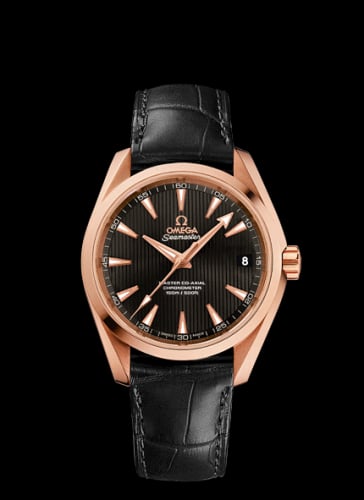
Omega
Seamaster Aqua Terra 150m Master Co-Axial 38.5 Red Gold / Grey / Bracelet
Ref. 231.53.39.21.06.003
CN/A
EN/A
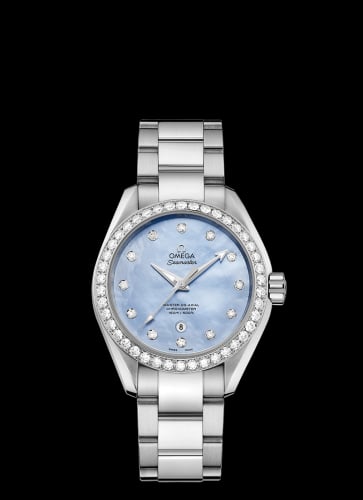
Omega
Seamaster Aqua Terra 150M Master Co-Axial 34 Stainless Steel / Diamond / Blue MOP / Bracelet
Ref. 231.15.34.20.57.002
CN/A
EN/A
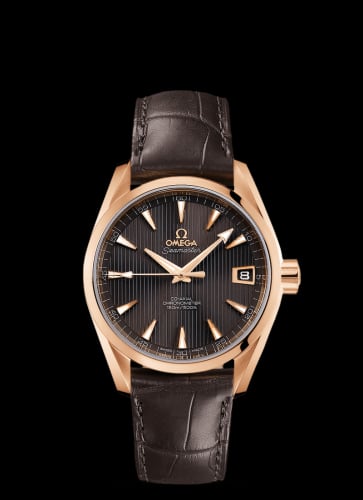
Omega
Seamaster Aqua Terra 150M Co-Axial 38.5 Red Gold / Grey
Ref. 231.53.39.21.06.001
CN/A
EN/A
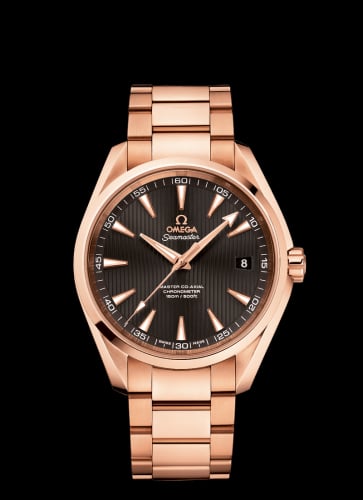
Omega
Seamaster Aqua Terra 150m Master Co-Axial 41.5 Red Gold / Grey / Bracelet
Ref. 231.50.42.21.06.002
CN/A
EN/A
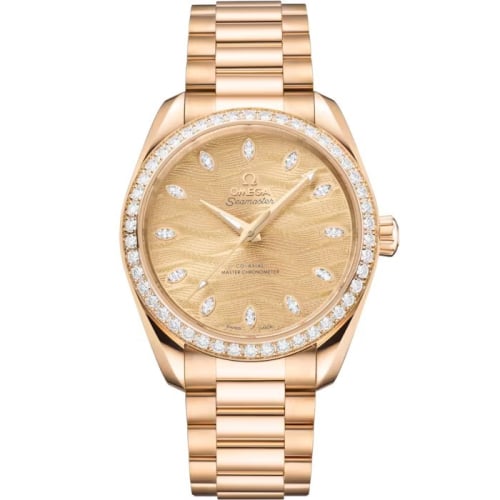
Omega
Seamaster Aqua Terra 150M Master Chronometer 34 Moonshine Gold - Diamond / Champagne / Bracelet
Ref. 220.55.38.20.99.002
CN/A
EN/A
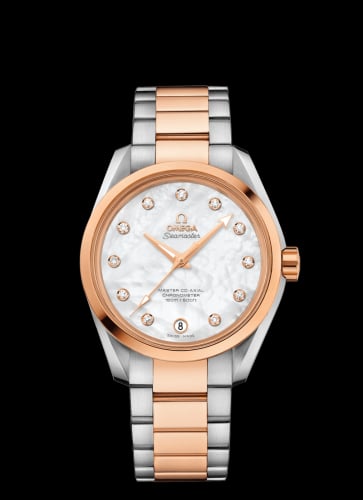
Omega
Seamaster Aqua Terra 150M Master Co-Axial 38.5 Stainless Steel / Red Gold / MOP / Bracelet
Ref. 231.20.39.21.55.003
CN/A
EN/A
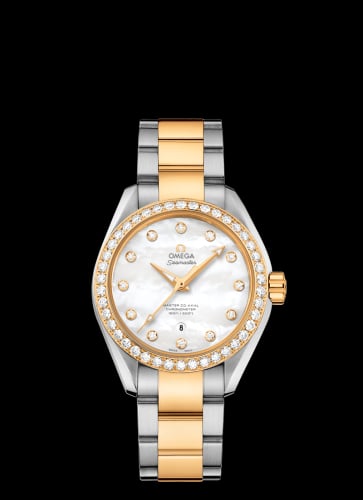
Omega
Seamaster Aqua Terra 150M Master Co-Axial 34 Stainless Steel / Yellow Gold / Diamond / MOP / Bracelet
Ref. 231.25.34.20.55.006
CN/A
EN/A
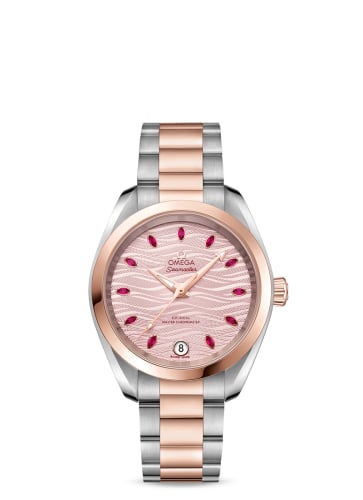
Omega
Seamaster Aqua Terra 150M Master Chronometer 34 Stainless Steel / Sedna Gold / Pink - Ruby / Bracelet
Ref. 220.20.34.20.60.001
CN/A
EN/A
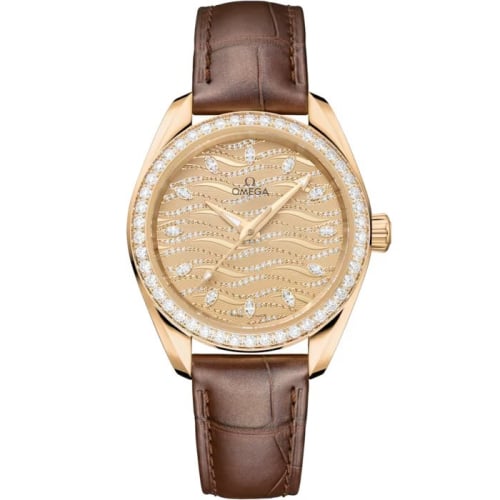
Omega
Seamaster Aqua Terra 150M Master Chronometer 34 Moonshine Gold - Diamond / Champagne
Ref. 220.58.34.20.99.008
CN/A
EN/A
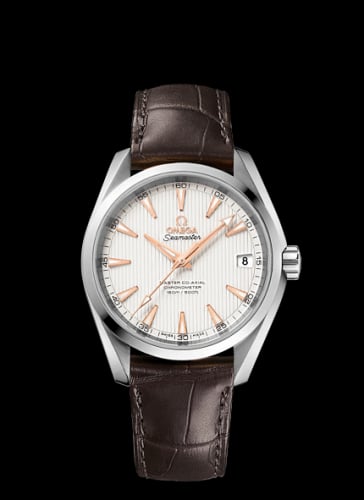
Omega
Seamaster Aqua Terra 150M Master Co-Axial 38.5 Stainless Steel / Silver
Ref. 231.13.39.21.02.003
CN/A
EN/A
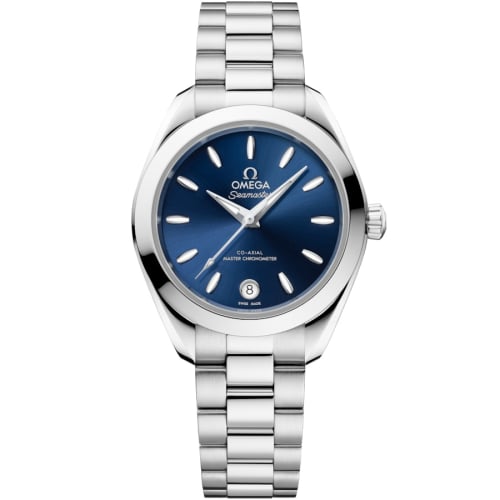
Omega
Seamaster Aqua Terra 150M Master Co-Axial 30 Stainless Steel / Blue / Bracelet
Ref. 220.10.30.20.03.001
CN/A
EN/A
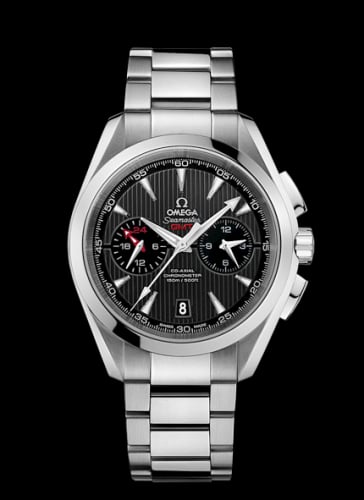
Omega
Seamaster Aqua Terra 150M Co-Axial 43 GMT Chronograph Stainless Steel / Grey / Bracelet
Ref. 231.10.43.52.06.001
CN/A
EN/A
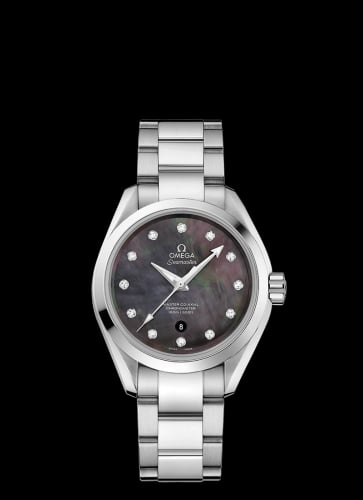
Omega
Seamaster Aqua Terra 150M Master Co-Axial 34 Stainless Steel / Grey MOP / Bracelet
Ref. 231.10.34.20.57.001
CN/A
EN/A
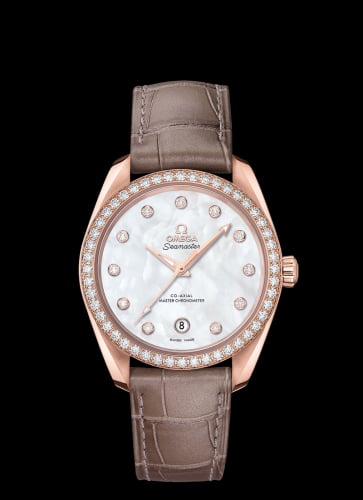
Omega
Seamaster Aqua Terra 150M Master Chronometer 38 Sedna Gold / Diamond / MOP / Alligator
Ref. 220.58.38.20.55.001
CN/A
EN/A
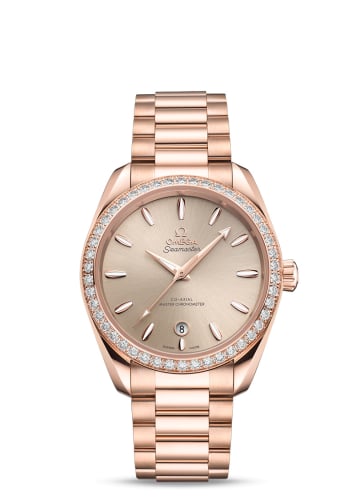
Omega
Seamaster Aqua Terra 150M Master Chronometer Small Seconds 38 Sedna Gold - Diamond / Pink / Bracelet
Ref. 220.55.38.20.09.001
CN/A
EN/A
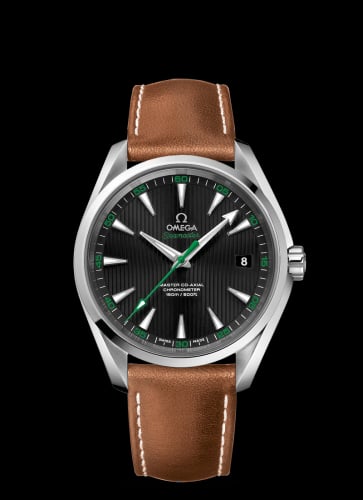
Omega
Seamaster Aqua Terra 150m Master Co-Axial 41.5 Stainless Steel / Black / Green
Ref. 231.12.42.21.01.003
CN/A
EN/A
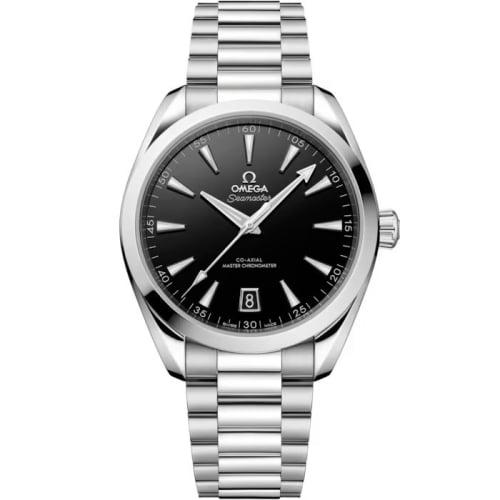
Omega
Seamaster Aqua Terra 150M Master Chronometer 41 Stainless Steel / Black / Bracelet
Ref. 220.10.41.21.01.002
CN/A
EN/A
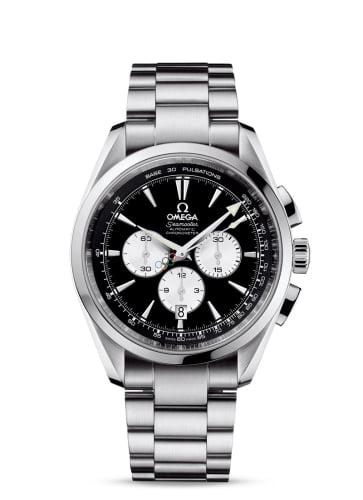
Omega
Seamaster Aqua Terra 150M Automatic 42.2 Chronograph Stainless Steel / Beijing Olympics 2008
Ref. 221.10.42.40.01.001
CN/A
EN/A
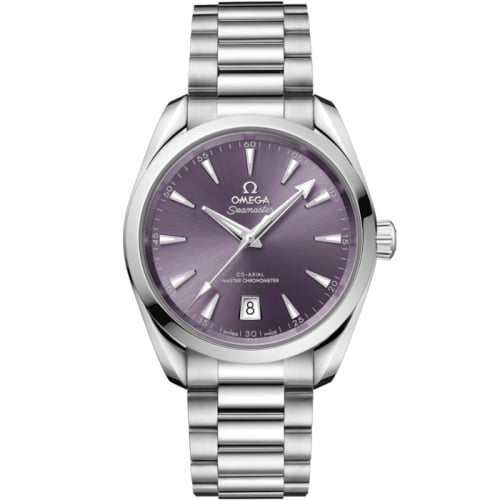
Omega
Seamaster Aqua Terra 150M Shades Master Chronometer 38 Stainless Steel / Lavender / Bracelet
Ref. 220.10.38.20.10.004
CN/A
EN/A
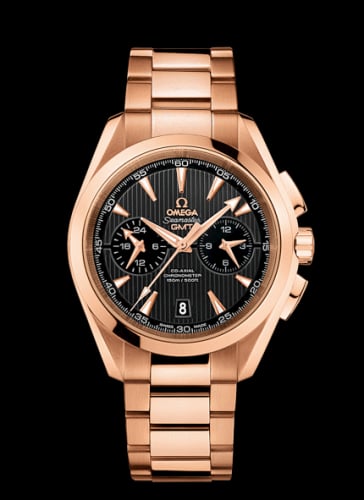
Omega
Seamaster Aqua Terra 150M Co-Axial 43 GMT Chronograph Red Gold / Grey / Bracelet
Ref. 231.50.43.52.06.001
CN/A
EN/A
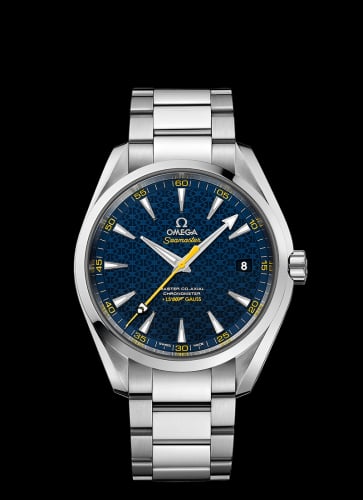
Omega
Seamaster Aqua Terra 150M Master Co-Axial 41.5 Stainless Steel / Blue / Bracelet / James Bond Spectre
Ref. 231.10.42.21.03.004
CN/A
EN/A
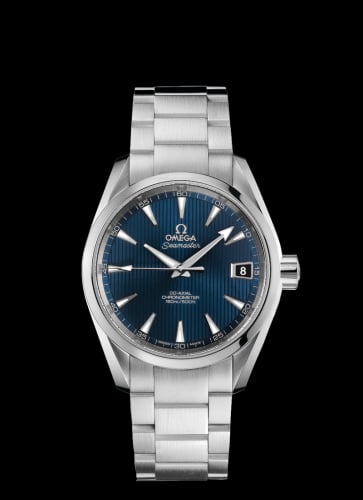
Omega
Seamaster Aqua Terra 150m Co-Axial 38.5 Stainless Steel / Blue / Bracelet / Skyfall
Ref. 231.10.39.21.03.001
CN/A
EN/A
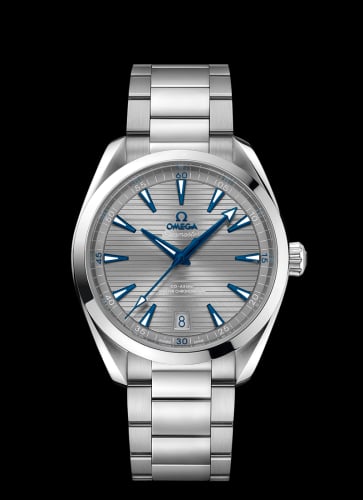
Omega
Seamaster Aqua Terra 150M Master Chronometer 41 Stainless Steel / Grey / Bracelet
Ref. 220.10.41.21.06.001
CN/A
EN/A
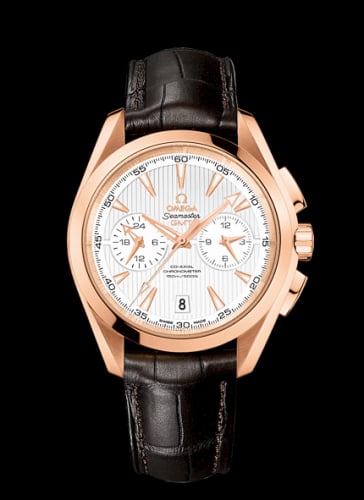
Omega
Seamaster Aqua Terra 150M Co-Axial 43 GMT Chronograph Red Gold / Silver
Ref. 231.53.43.52.02.001
CN/A
EN/A
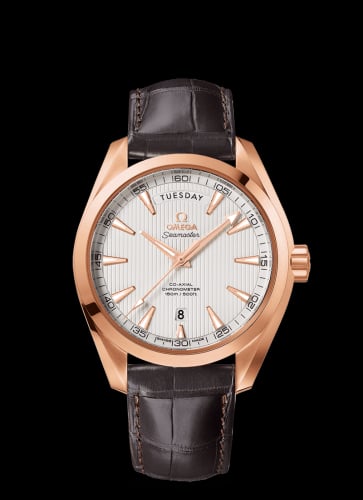
Omega
Seamaster Aqua Terra 150m Co-Axial 41.5 Day-Date Red Gold / Silver
Ref. 231.53.42.22.02.001
CN/A
EN/A
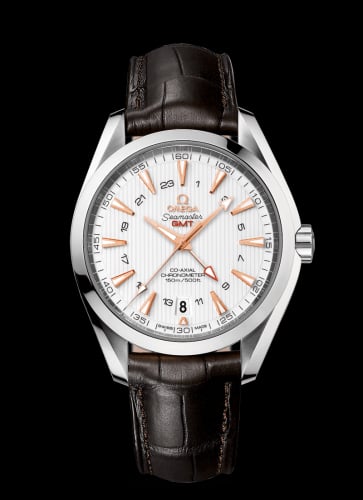
Omega
Seamaster Aqua Terra 150M Co-Axial 43 GMT Stainless Steel / Silver
Ref. 231.13.43.22.02.004
CN/A
EN/A
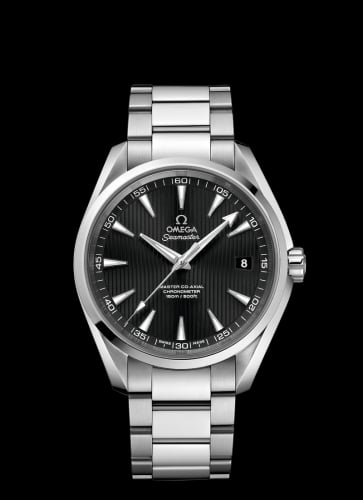
Omega
Seamaster Aqua Terra 150m Master Co-Axial 41.5 Stainless Steel / Black / Bracelet
Ref. 231.10.42.21.01.003
CN/A
EN/A
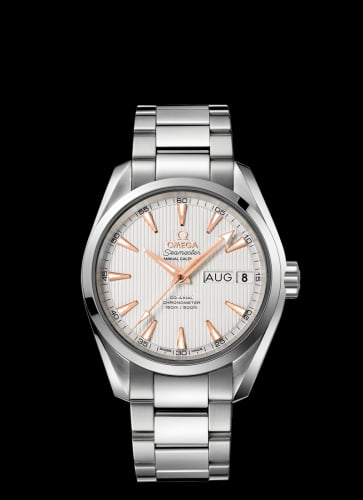
Omega
Seamaster Aqua Terra 150M Co-Axial 38.5 Annual Calendar Stainless Steel / Silver / Bracelet
Ref. 231.10.39.22.02.001
CN/A
EN/A
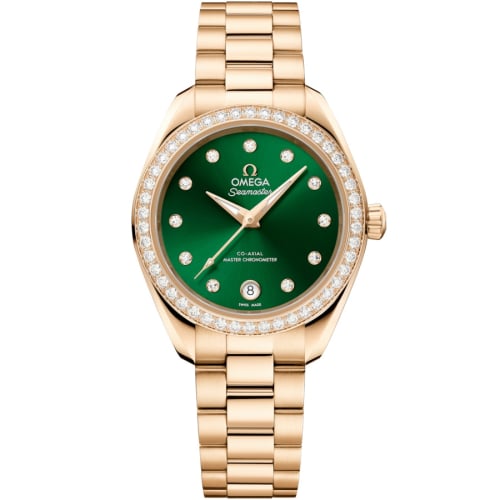
Omega
Seamaster Aqua Terra 150M Master Co-Axial 30 Moonshine Gold - Diamond / Green - Diamond / Bracelet
Ref. 220.55.30.20.60.001
CN/A
EN/A
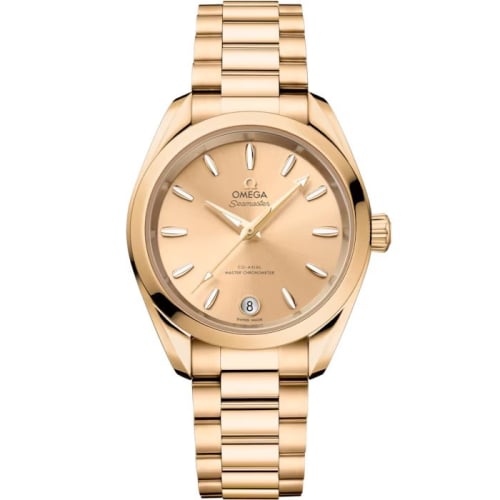
Omega
Seamaster Aqua Terra 150M Shades Master Chronometer 34 Moonshine Gold / Champagne / Bracelet
Ref. 220.50.34.20.08.001
CN/A
EN/A
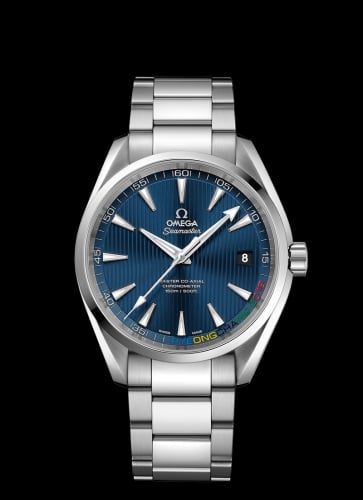
Omega
Seamaster Aqua Terra 150m Master Co-Axial 41.5 Stainless Steel / Blue / Bracelet / Olympic Collection PyeongChang 2018
Ref. 522.10.42.21.03.001
CN/A
EN/A
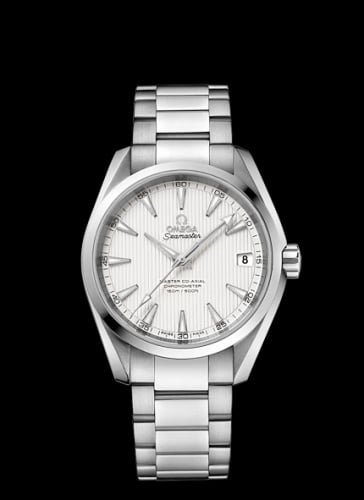
Omega
Seamaster Aqua Terra 150M Master Co-Axial 38.5 Stainless Steel / Silver / Bracelet
Ref. 231.10.39.21.02.002
CN/A
EN/A
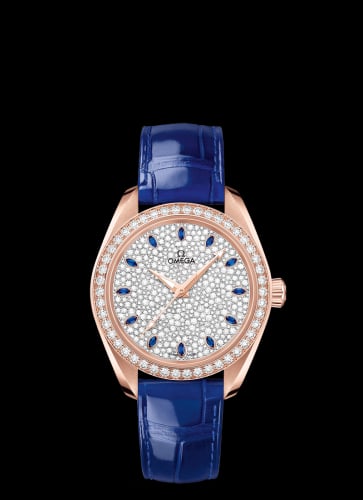
Omega
Seamaster Aqua Terra 150M Master Chronometer 34 Sedna Gold / Diamond / Snow Sapphire / Alligator
Ref. 220.58.34.20.99.002
CN/A
EN/A
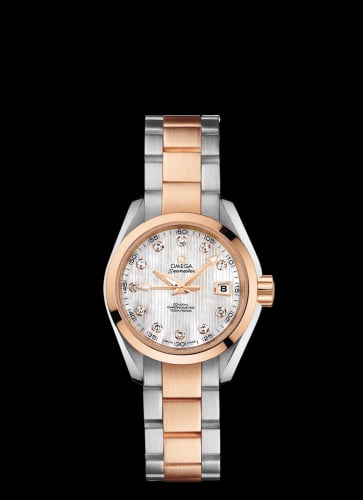
Omega
Seamaster Aqua Terra 150M Co-Axial 30 Stainless Steel / Red Gold / MOP / Bracelet
Ref. 231.20.30.20.55.001
CN/A
EN/A
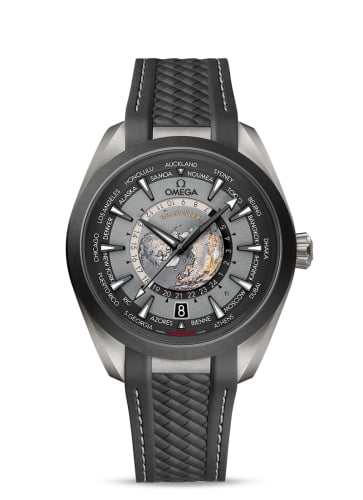
Omega
Seamaster Aqua Terra 150M Master Chronometer 43 Worldtimer Titanium - Ceramic / Grey / Rubber
Ref. 220.92.43.22.99.001
CN/A
EN/A
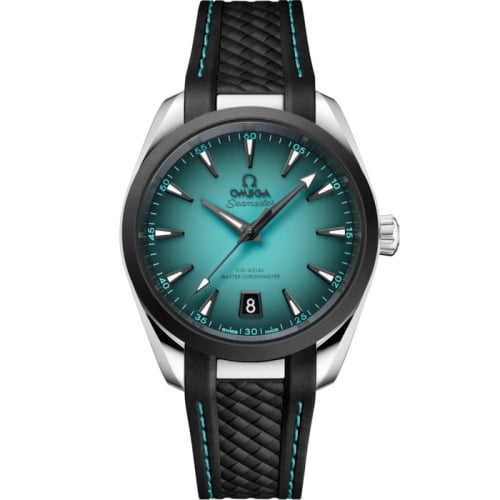
Omega
Seamaster Aqua Terra 150M Master Chronometer 38 Stainless Steel - Ceramic / Turquoise / Rubber
Ref. 220.32.38.20.03.001
CN/A
EN/A
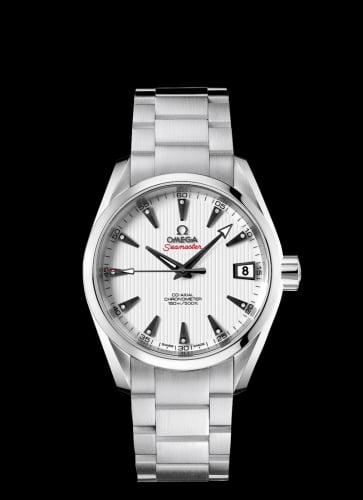
Omega
Seamaster Aqua Terra 150M Co-Axial 38.5 Stainless Steel / White / Bracelet
Ref. 231.10.39.21.54.001
CN/A
EN/A
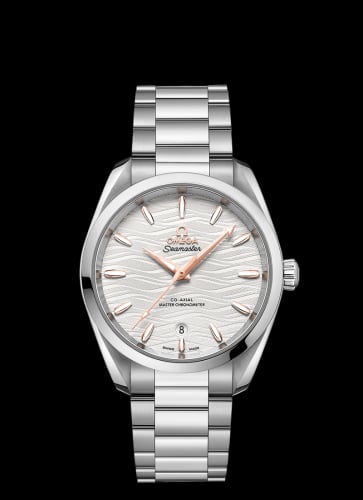
Omega
Seamaster Aqua Terra 150M Master Chronometer 38 Stainless Steel / Silver-Waves / Bracelet
Ref. 220.10.38.20.02.002
CN/A
EN/A
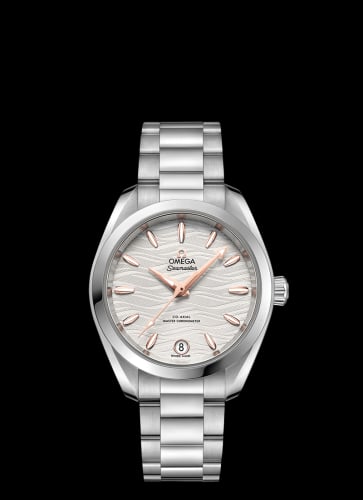
Omega
Seamaster Aqua Terra 150M Master Chronometer 34 Stainless Steel / Silver-Waves / Bracelet
Ref. 220.10.34.20.02.001
CN/A
EN/A
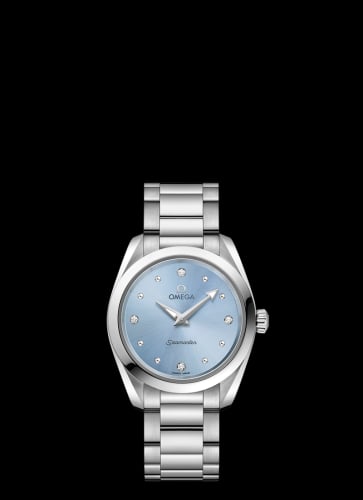
Omega
Seamaster Aqua Terra 150M Quartz 28 Stainless Steel / Blue / Bracelet
Ref. 220.10.28.60.53.001
CN/A
EN/A
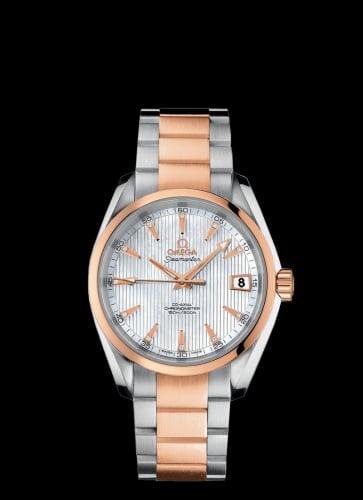
Omega
Seamaster Aqua Terra 150M Co-Axial 38.5 Stainless Steel / Red Gold / MOP / Bracelet
Ref. 231.20.39.21.55.001
CN/A
EN/A
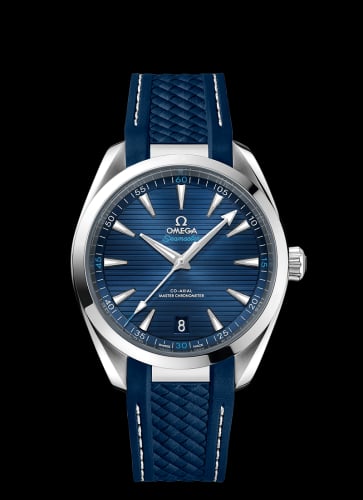
Omega
Seamaster Aqua Terra 150M Master Chronometer 41 Stainless Steel / Blue / Rubber
Ref. 220.12.41.21.03.001
CN/A
EN/A
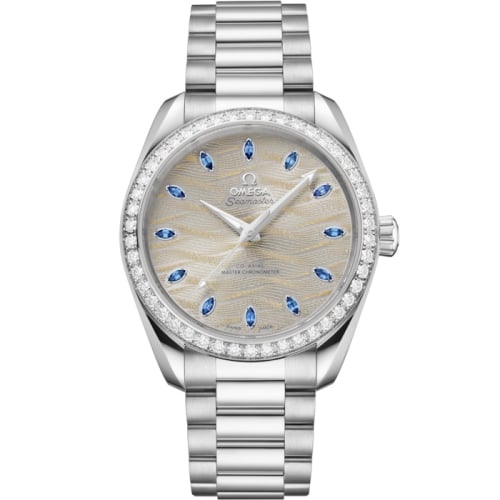
Omega
Seamaster Aqua Terra 150M Master Chronometer 34 Canopus Gold - Diamond / Silver
Ref. 220.55.38.20.99.003
CN/A
EN/A
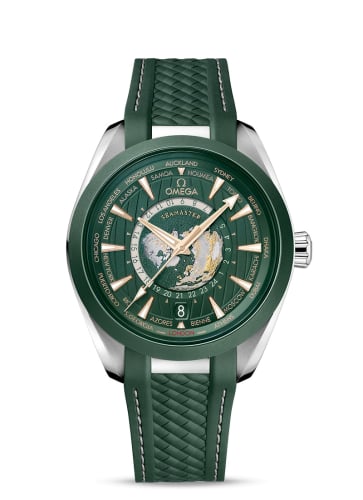
Omega
Seamaster Aqua Terra 150M Master Chronometer 43 Worldtimer Stainless Steel - Ceramic / Green / Rubber
Ref. 220.32.43.22.10.001
CN/A
EN/A
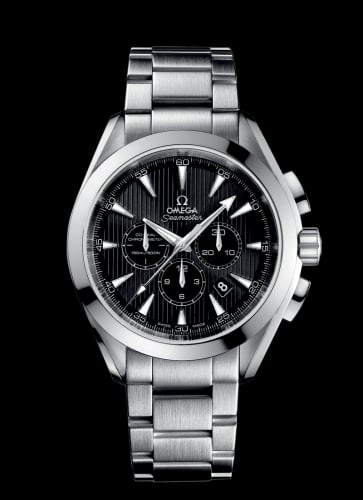
Omega
Seamaster Aqua Terra 150M Co-Axial 44 Chronograph Stainless Steel / Black / Bracelet
Ref. 231.10.44.50.01.001
CN/A
EN/A
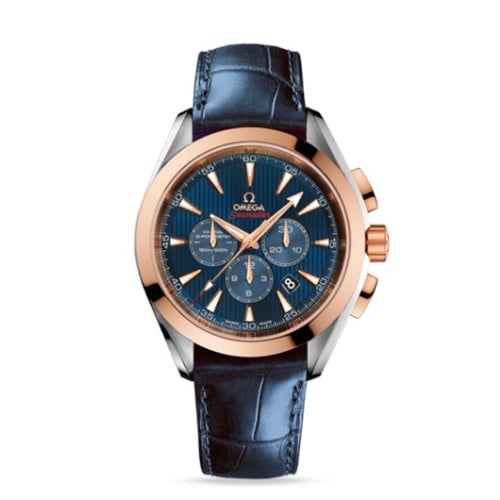
Omega
Seamaster Aqua Terra 150M Co-Axial 44 Chronograph Stainless Steel / Red Gold / Blue / Olympic Collection London 2012
Ref. 522.23.44.50.03.001
CN/A
EN/A
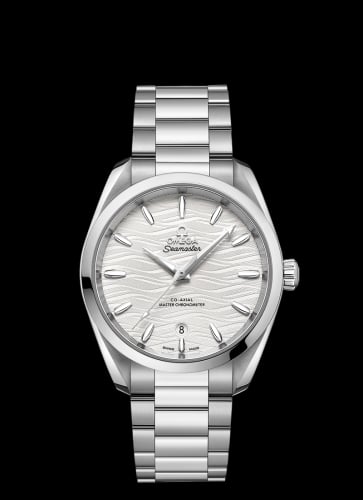
Omega
Seamaster Aqua Terra 150M Master Chronometer 38 Stainless Steel / Silver-Waves / Bracelet
Ref. 220.10.38.20.02.003
CN/A
EN/A
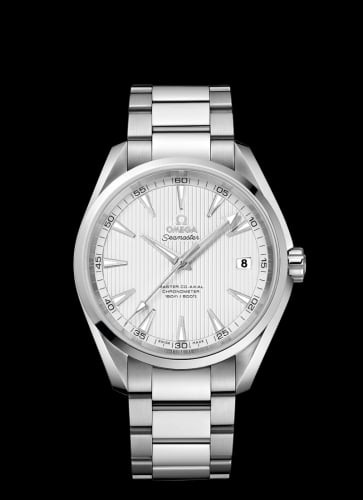
Omega
Seamaster Aqua Terra 150m Master Co-Axial 41.5 Stainless Steel / Silver / Bracelet
Ref. 231.10.42.21.02.003
CN/A
EN/A
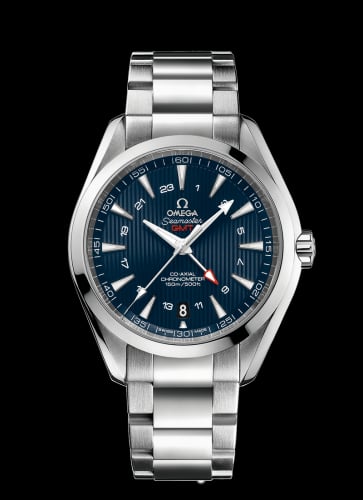
Omega
Seamaster Aqua Terra 150M Co-Axial 43 GMT Stainless Steel / Blue / Bracelet
Ref. 231.10.43.22.03.001
CN/A
EN/A
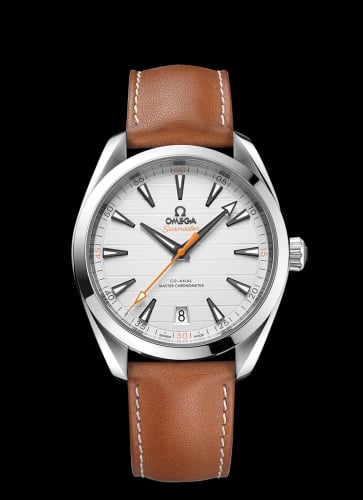
Omega
Seamaster Aqua Terra 150M Master Chronometer 41 Stainless Steel / Silver / Calf
Ref. 220.12.41.21.02.001
CN/A
EN/A
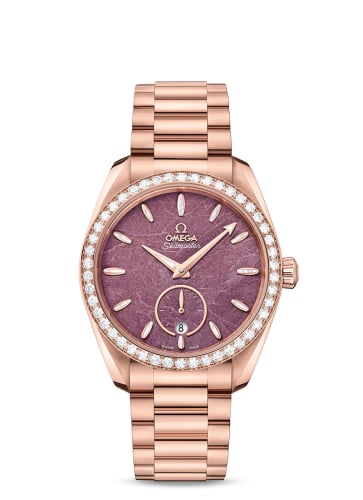
Omega
Seamaster Aqua Terra 150M Master Chronometer Small Seconds 38 Sedna Gold / Diamond / Purple Jade / Bracelet
Ref. 220.55.38.20.99.001
CN/A
EN/A
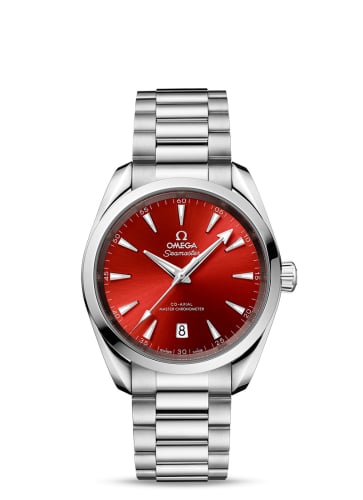
Omega
Seamaster Aqua Terra 150M Master Chronometer 38 Stainless Steel / Terracotta / Bracelet
Ref. 220.10.38.20.13.003
CN/A
EN/A
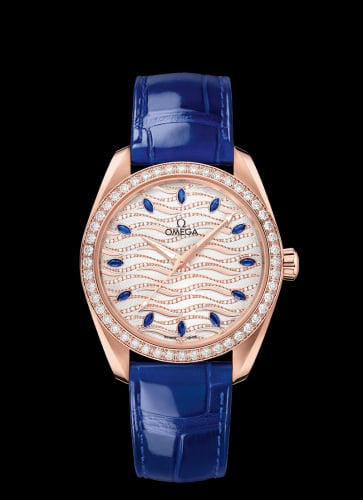
Omega
Seamaster Aqua Terra 150M Master Chronometer 38 Sedna Gold / Diamond / Wave Sapphire / Alligator
Ref. 220.58.38.20.99.005
CN/A
EN/A
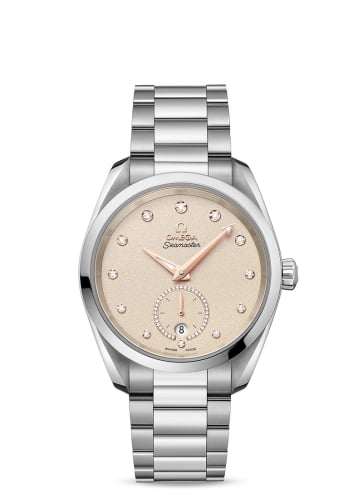
Omega
Seamaster Aqua Terra 150M Master Chronometer Small Seconds 38 Stainless Steel / Sand - Diamond / Bracelet
Ref. 220.10.38.20.59.001
CN/A
EN/A
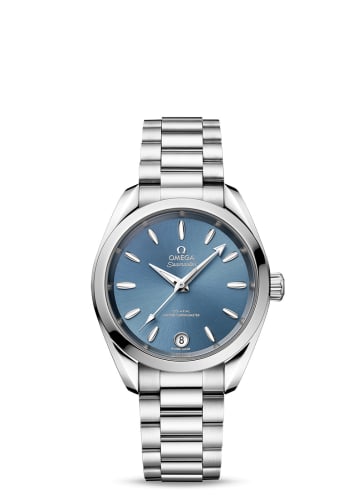
Omega
Seamaster Aqua Terra 150M Master Chronometer 34 Stainless Steel / Sea Blue / Bracelet
Ref. 220.10.34.20.03.002
CN/A
EN/A
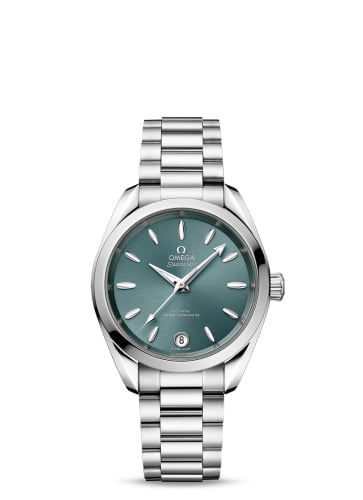
Omega
Seamaster Aqua Terra 150M Master Chronometer 34 Stainless Steel / Lagoon Green / Bracelet
Ref. 220.10.34.20.10.001
CN/A
EN/A
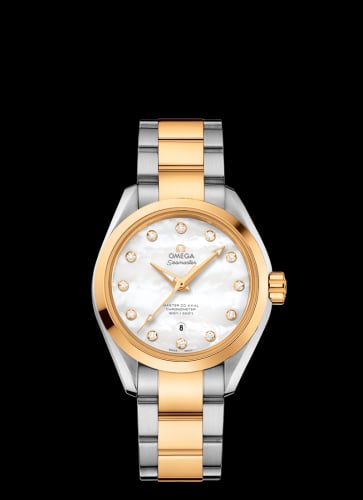
Omega
Seamaster Aqua Terra 150M Master Co-Axial 34 Stainless Steel / Yellow Gold / MOP / Bracelet
Ref. 231.20.34.20.55.002
CN/A
EN/A
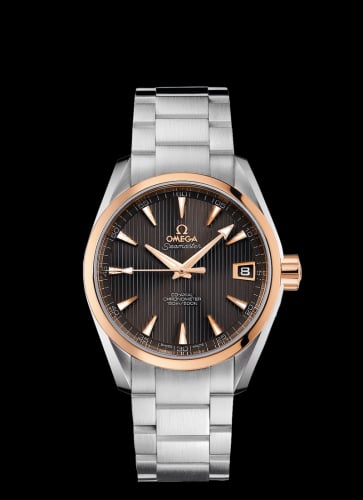
Omega
Seamaster Aqua Terra 150M Co-Axial 38.5 Stainless Steel / Red Gold / Grey / Bracelet
Ref. 231.20.39.21.06.003
CN/A
EN/A
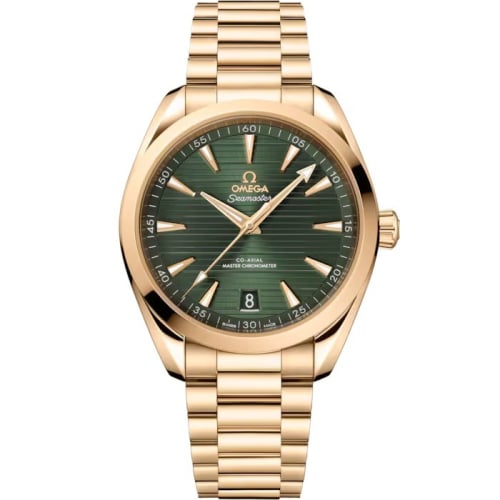
Omega
Seamaster Aqua Terra 150M Master Chronometer 41 Moonshine Gold / Green / Bracelet
Ref. 220.50.41.21.10.001
CN/A
EN/A
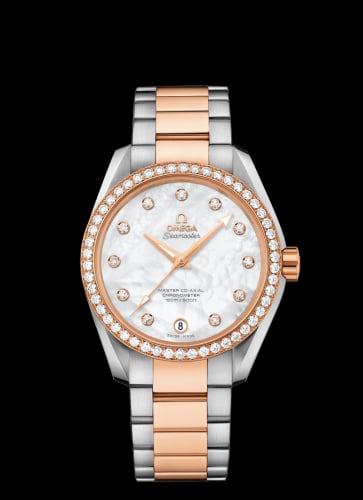
Omega
Seamaster Aqua Terra 150M Master Co-Axial 38.5 Stainless Steel / Red Gold / Diamond / MOP / Bracelet
Ref. 231.25.39.21.55.001
CN/A
EN/A
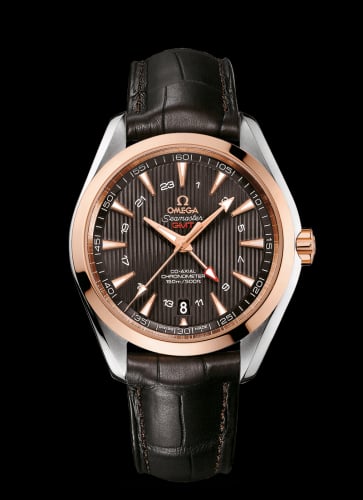
Omega
Seamaster Aqua Terra 150M Co-Axial 43 GMT Stainless Steel / Red Gold / Grey / Glauser
Ref. 231.23.43.22.06.003
CN/A
EN/A
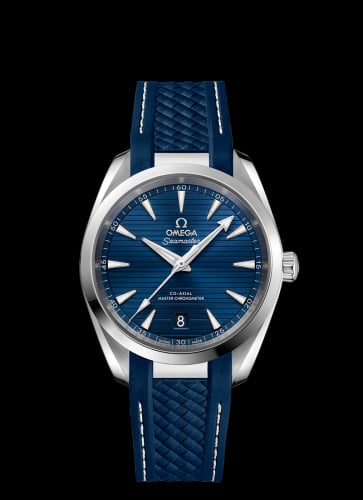
Omega
Seamaster Aqua Terra 150M Master Chronometer 38 Stainless Steel / Blue / Rubber
Ref. 220.12.38.20.03.001
CN/A
EN/A
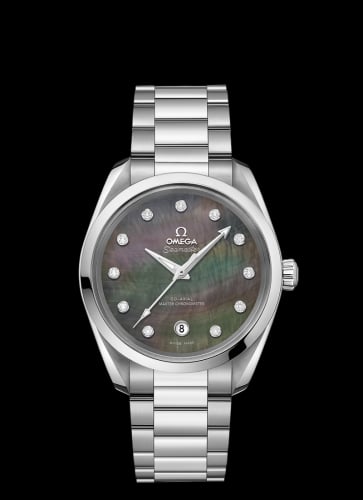
Omega
Seamaster Aqua Terra 150M Master Chronometer 38 Stainless Steel / Grey MOP / Bracelet
Ref. 220.10.38.20.57.001
CN/A
EN/A
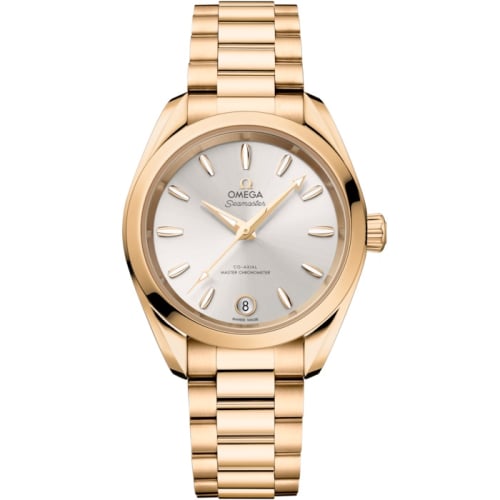
Omega
Seamaster Aqua Terra 150M Shades Master Chronometer 34 Moonshine Gold / Silver / Bracelet
Ref. 220.50.34.20.02.001
CN/A
EN/A
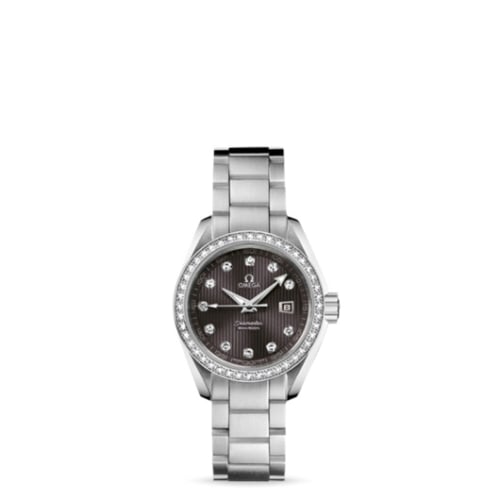
Omega
Seamaster Aqua Terra 150M Quartz 30 Stainless Steel / Diamond / Grey / Bracelet
Ref. 231.15.30.61.56.001
CN/A
EN/A
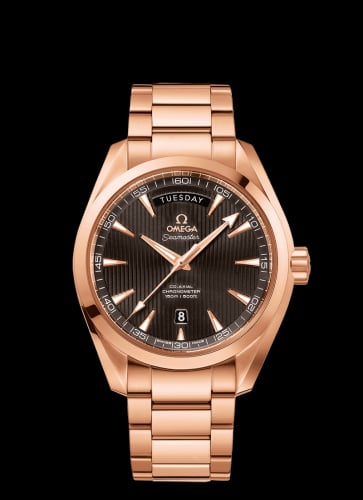
Omega
Seamaster Aqua Terra 150m Co-Axial 41.5 Day-Date 41.5mm Red Gold / Grey / Bracelet
Ref. 231.50.42.22.06.001
CN/A
EN/A
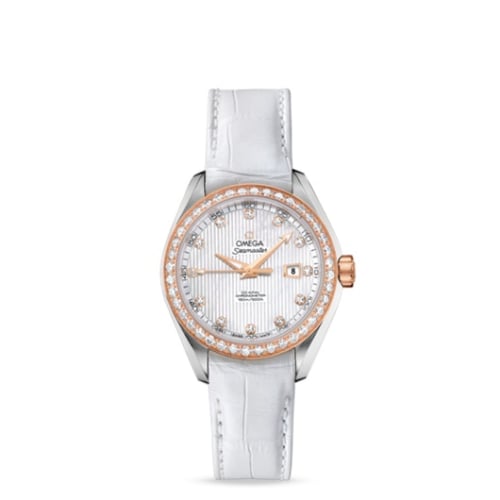
Omega
Seamaster Aqua Terra 150M Co-Axial 34 Stainless Steel / Red Gold / Diamond / MOP
Ref. 231.28.34.20.55.002
CN/A
EN/A
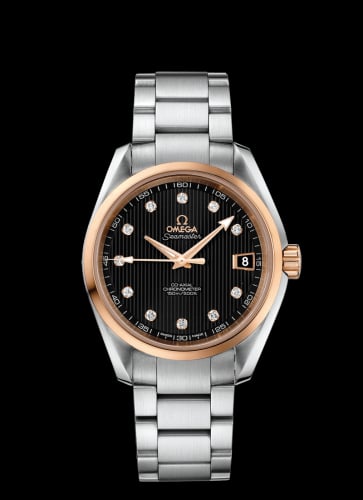
Omega
Seamaster Aqua Terra 150M Co-Axial 38.5 Stainless Steel / Red Gold / Black / Bracelet
Ref. 231.20.39.21.51.003
CN/A
EN/A
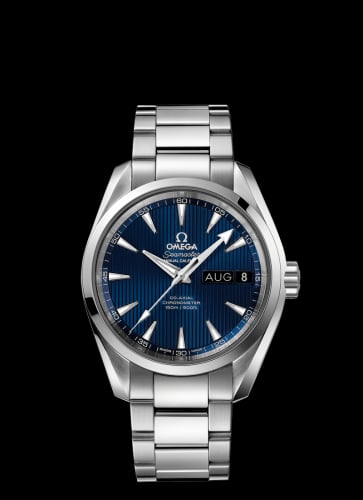
Omega
Seamaster Aqua Terra 150M Co-Axial 38.5 Annual Calendar Stainless Steel / Blue / Bracelet
Ref. 231.10.39.22.03.001
CN/A
EN/A
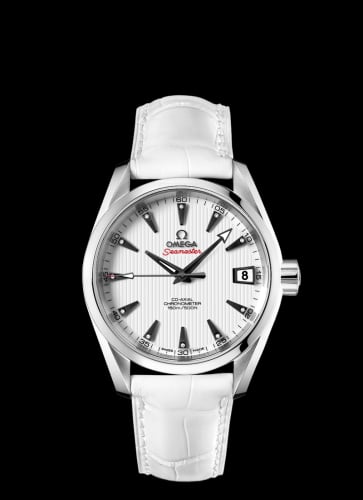
Omega
Seamaster Aqua Terra 150M Co-Axial 38.5 Stainless Steel / White
Ref. 231.13.39.21.54.001
CN/A
EN/A
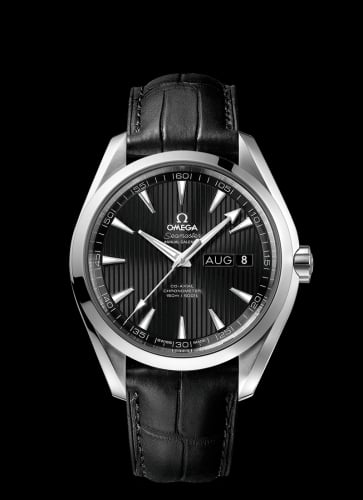
Omega
Seamaster Aqua Terra 150M Co-Axial 43 Annual Calendar Stainless Steel / Black
Ref. 231.13.43.22.01.002
CN/A
EN/A

Omega
Seamaster Aqua Terra 150M Master Co-Axial 38.5 Stainless Steel / Diamond / MOP / Bracelet
Ref. 231.15.39.21.55.001
CN/A
EN/A
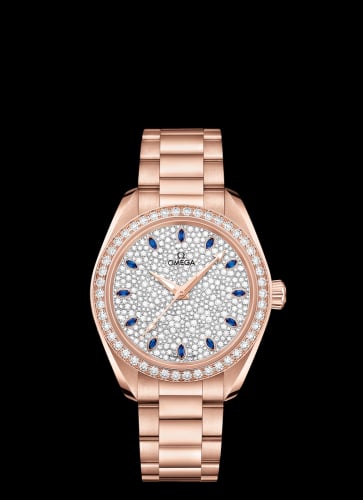
Omega
Seamaster Aqua Terra 150M Master Chronometer 34 Sedna Gold / Diamond / Snow Sapphire / Bracelet
Ref. 220.55.34.20.99.002
CN/A
EN/A
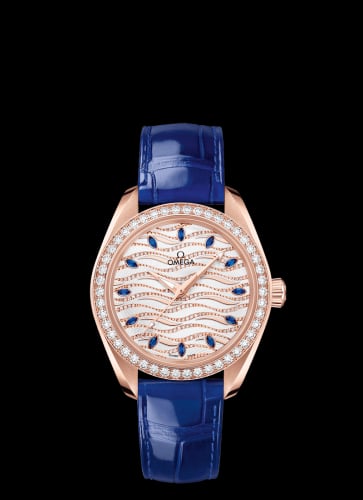
Omega
Seamaster Aqua Terra 150M Master Chronometer 34 Sedna Gold / Diamond / Wave Sapphire / Alligator
Ref. 220.58.34.20.99.005
CN/A
EN/A
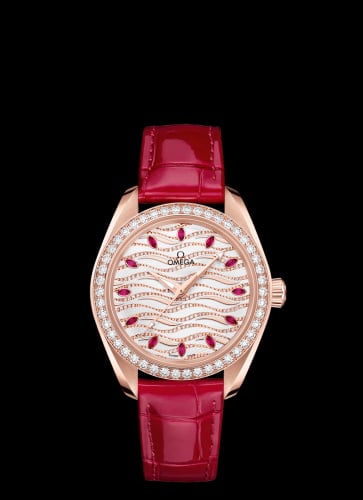
Omega
Seamaster Aqua Terra 150M Master Chronometer 34 Sedna Gold / Diamond / Wave Ruby / Alligator
Ref. 220.58.34.20.99.004
CN/A
EN/A
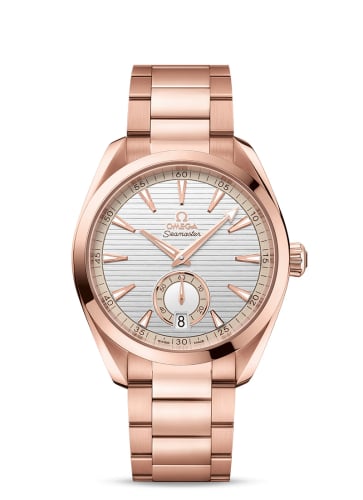
Omega
Seamaster Aqua Terra 150M Master Chronometer Small Seconds 41 Sedna Gold / Silver / Bracelet
Ref. 220.50.41.21.02.002
CN/A
EN/A
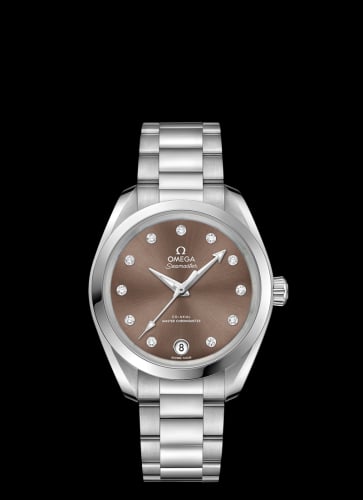
Omega
Seamaster Aqua Terra 150M Master Chronometer 34 Stainless Steel / Brown / Bracelet
Ref. 220.10.34.20.63.001
CN/A
EN/A
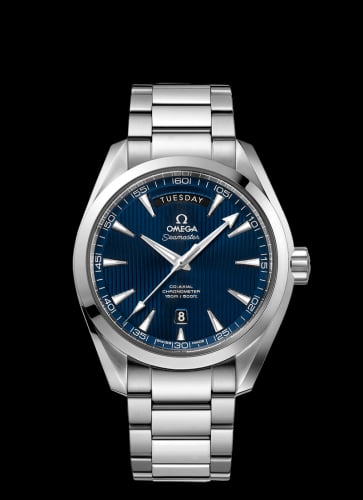
Omega
Seamaster Aqua Terra 150m Co-Axial 41.5 Day-Date Stainless Steel / Blue / Bracelet
Ref. 231.10.42.22.03.001
CN/A
EN/A
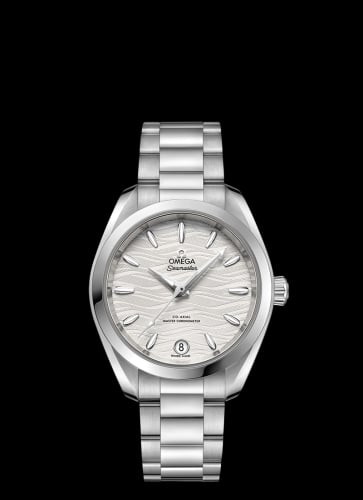
Omega
Seamaster Aqua Terra 150M Master Chronometer 34 Stainless Steel / Silver-Waves / Bracelet
Ref. 220.10.34.20.02.002
CN/A
EN/A
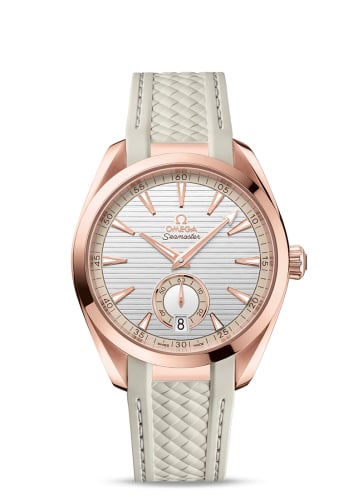
Omega
Seamaster Aqua Terra 150M Master Chronometer Small Seconds 41 Sedna Gold / Silver / Rubber
Ref. 220.52.41.21.02.001
CN/A
EN/A
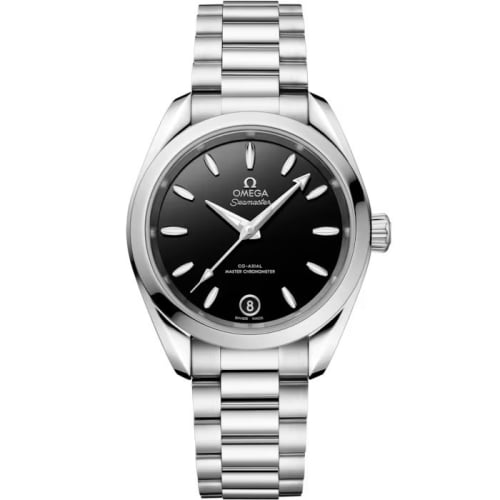
Omega
Seamaster Aqua Terra 150M Master Chronometer 34 Stainless Steel / Black / Bracelet
Ref. 220.10.34.20.01.001
CN/A
EN/A
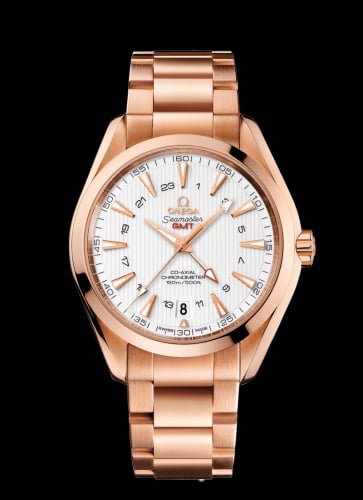
Omega
Seamaster Aqua Terra 150M Co-Axial 43 GMT Red Gold / Silver / Bracelet
Ref. 231.50.43.22.02.001
CN/A
EN/A
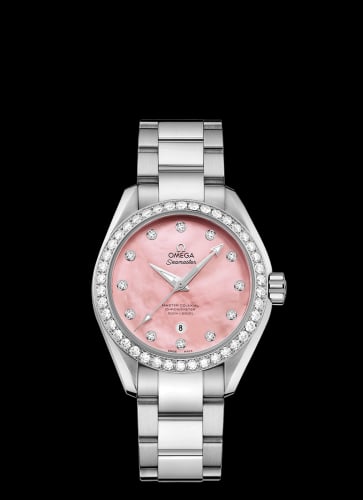
Omega
Seamaster Aqua Terra 150M Master Co-Axial 34 Stainless Steel / Diamond / Pink MOP / Bracelet
Ref. 231.15.34.20.57.003
CN/A
EN/A
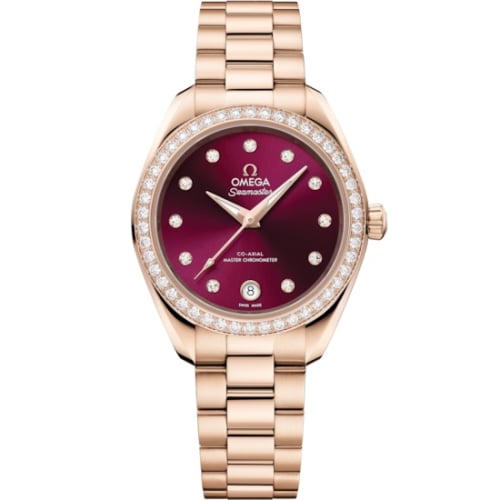
Omega
Seamaster Aqua Terra 150M Master Co-Axial 30 Sedna Gold - Diamond / Burgundy
Ref. 220.55.30.20.61.001
CN/A
EN/A
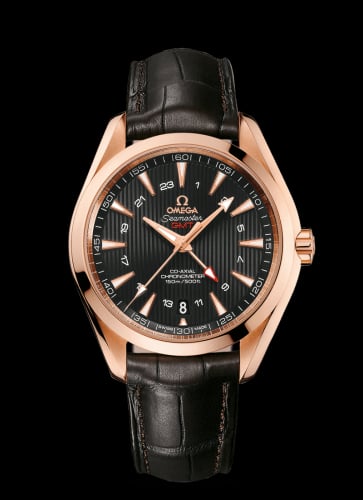
Omega
Seamaster Aqua Terra 150M Co-Axial 43 GMT Red Gold / Grey
Ref. 231.53.43.22.06.002
CN/A
EN/A
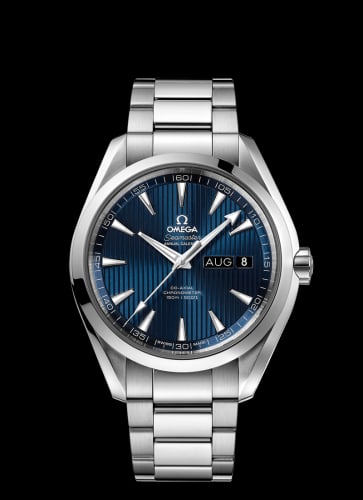
Omega
Seamaster Aqua Terra 150M Co-Axial 43 Annual Calendar Stainless Steel / Blue / Bracelet
Ref. 231.10.43.22.03.002
CN/A
EN/A
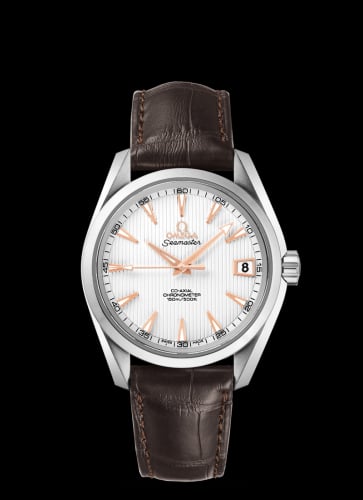
Omega
Seamaster Aqua Terra 150M Co-Axial 38.5 Stainless Steel / Silver
Ref. 231.13.39.21.02.002
CN/A
EN/A
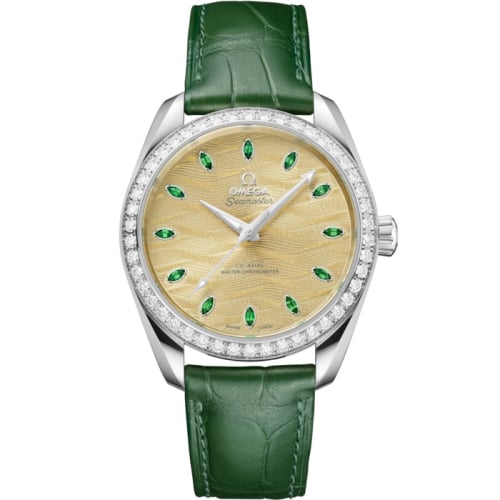
Omega
Seamaster Aqua Terra 150M Master Chronometer 34 Canopus Gold - Diamond / Champagne
Ref. 220.58.38.20.99.008
CN/A
EN/A
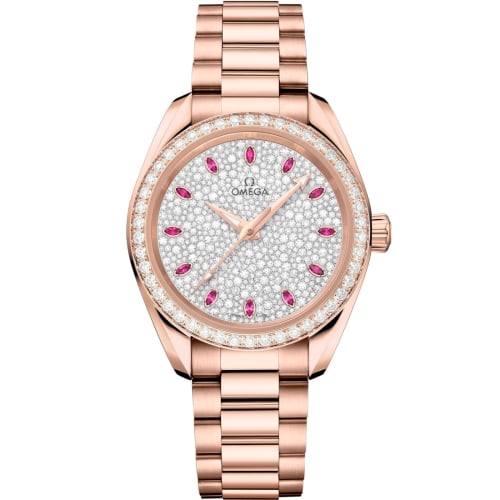
Omega
Seamaster Aqua Terra 150M Master Chronometer 34 Sedna Gold / Diamond / Snow Ruby / Bracelet
Ref. 220.55.34.20.99.007
CN/A
EN/A
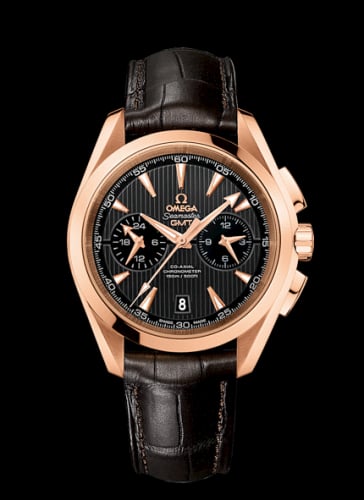
Omega
Seamaster Aqua Terra 150M Co-Axial 43 GMT Chronograph Red Gold / Grey
Ref. 231.53.43.52.06.001
CN/A
EN/A
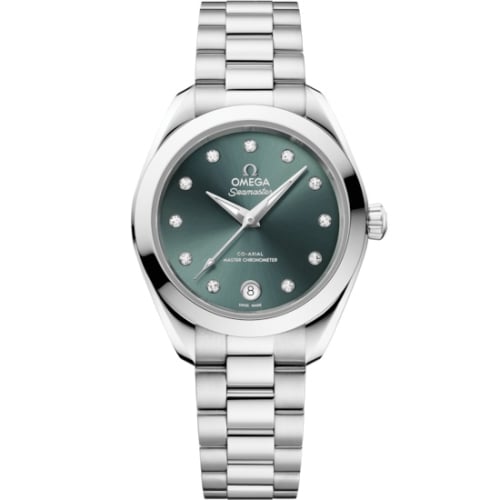
Omega
Seamaster Aqua Terra 150M Master Co-Axial 30 Stainless Steel / Pine
Ref. 220.10.30.20.60.001
CN/A
EN/A
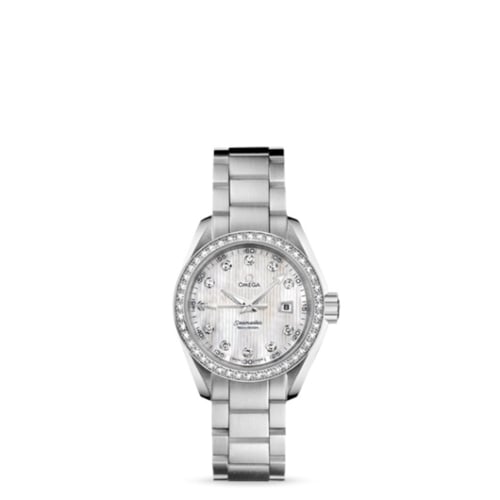
Omega
Seamaster Aqua Terra 150M Quartz 30 Stainless Steel / Diamond / MOP / Bracelet
Ref. 231.15.30.61.55.001
CN/A
EN/A
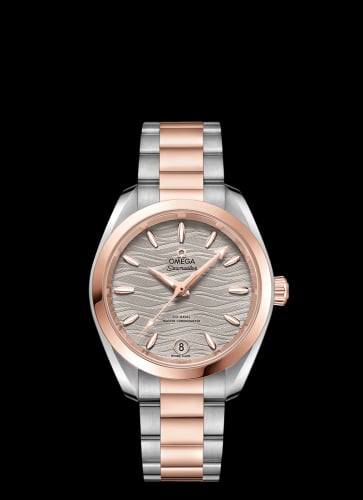
Omega
Seamaster Aqua Terra 150M Master Chronometer 34 Stainless Steel / Sedna Gold / Grey-Waves / Bracelet
Ref. 220.20.34.20.06.001
CN/A
EN/A
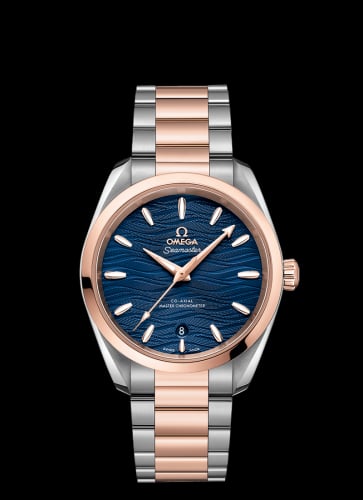
Omega
Seamaster Aqua Terra 150M Master Chronometer 38 Stainless Steel / Sedna Gold / Blue-Waves / Bracelet
Ref. 220.20.38.20.03.001
CN/A
EN/A
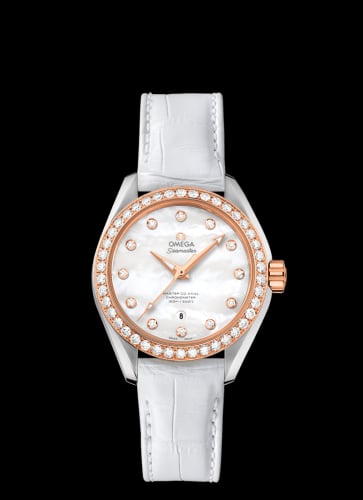
Omega
Seamaster Aqua Terra 150M Master Co-Axial 34 Stainless Steel / Sedna Gold / Diamond / MOP
Ref. 231.28.34.20.55.003
CN/A
EN/A
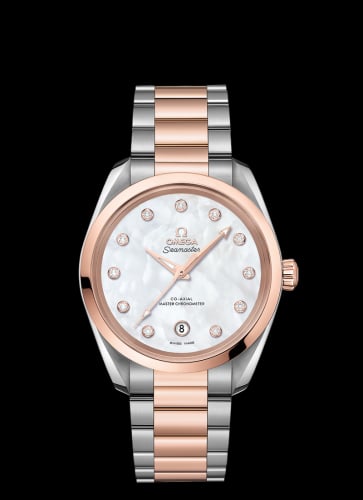
Omega
Seamaster Aqua Terra 150M Master Chronometer 38 Stainless Steel / Sedna Gold / MOP / Bracelet
Ref. 220.20.38.20.55.001
CN/A
EN/A
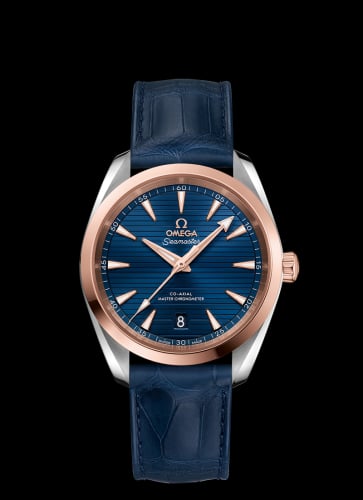
Omega
Seamaster Aqua Terra 150M Master Chronometer 38 Stainless Steel / Sedna Gold / Blue / Alligator
Ref. 220.23.38.20.03.001
CN/A
EN/A
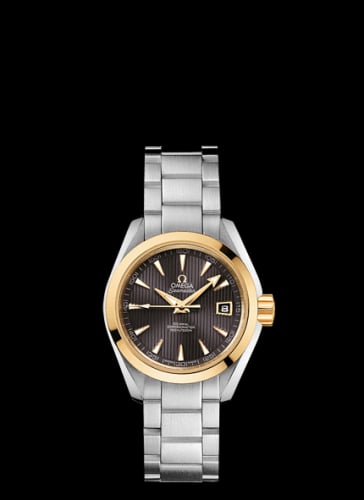
Omega
Seamaster Aqua Terra 150M Co-Axial 30 Stainless Steel / Yellow Gold / Grey / Bracelet
Ref. 231.20.30.20.06.004
CN/A
EN/A
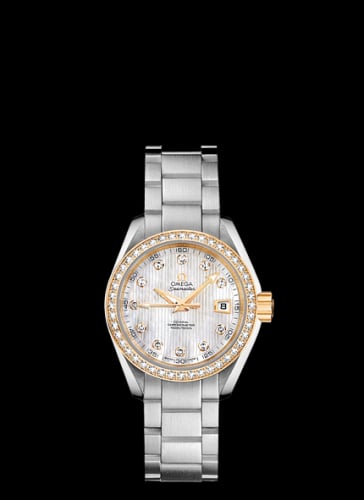
Omega
Seamaster Aqua Terra 150M Co-Axial 30 Stainless Steel / Yellow Gold / Diamond / MOP / Bracelet
Ref. 231.25.30.20.55.004
CN/A
EN/A
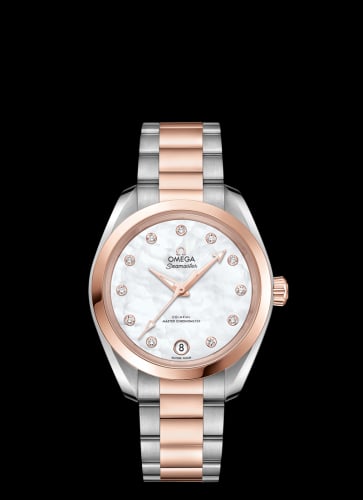
Omega
Seamaster Aqua Terra 150M Master Chronometer 34 Stainless Steel / Sedna Gold / MOP / Bracelet
Ref. 220.20.34.20.55.001
CN/A
EN/A
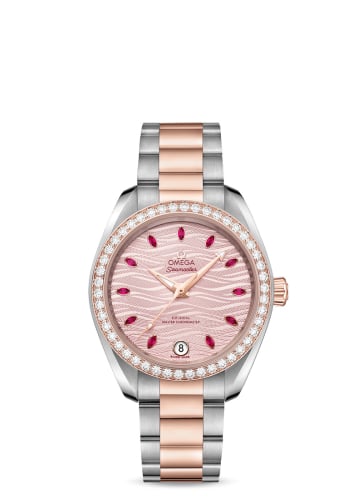
Omega
Seamaster Aqua Terra 150M Master Chronometer 34 Stainless Steel / Sedna Gold / Diamond / Pink - Ruby / Bracelet
Ref. 220.25.34.20.60.001
CN/A
EN/A
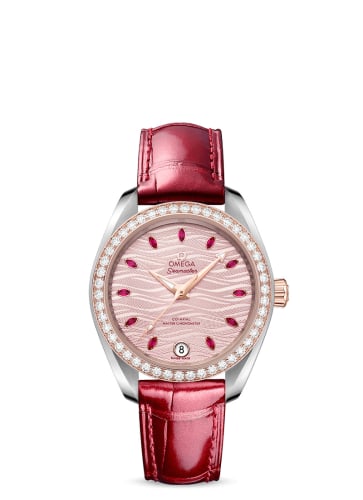
Omega
Seamaster Aqua Terra 150M Master Chronometer 34 Stainless Steel / Sedna Gold / Diamond / Pink - Ruby / Alligator
Ref. 220.28.34.20.60.001
CN/A
EN/A
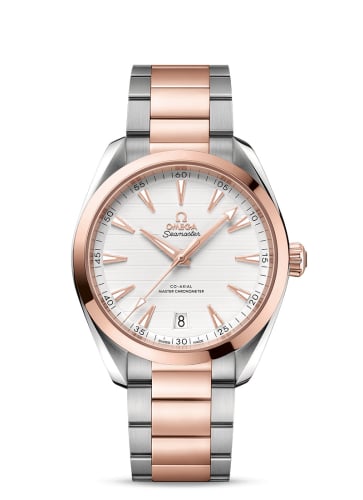
Omega
Seamaster Aqua Terra 150M Master Chronometer 41 Stainless Steel / Sedna Gold / Silver / Bracelet
Ref. 220.20.41.21.02.001
CN/A
EN/A
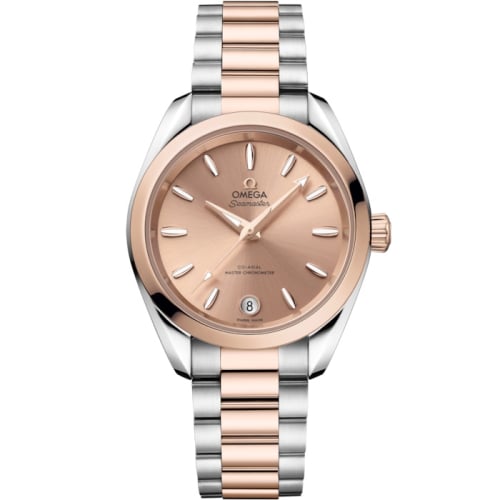
Omega
Seamaster Aqua Terra 150M Shades Master Chronometer 34 Stainless Steel - Sedna Gold / Rose / Bracelet
Ref. 220.20.34.20.10.001
CN/A
EN/A
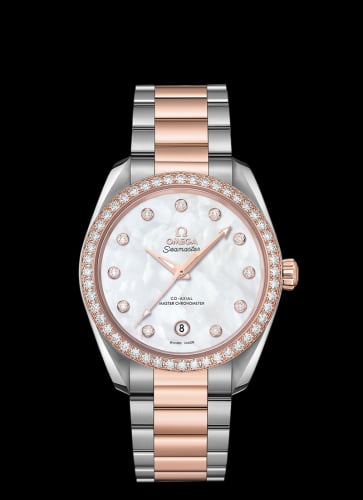
Omega
Seamaster Aqua Terra 150M Master Chronometer 38 Stainless Steel / Sedna Gold / Diamond / MOP / Bracelet
Ref. 220.25.38.20.55.001
CN/A
EN/A
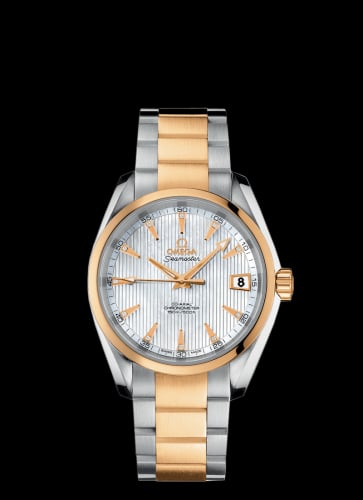
Omega
Seamaster Aqua Terra 150M Co-Axial 38.5 Stainless Steel / Yellow Gold / MOP / Bracelet
Ref. 231.20.39.21.55.002
CN/A
EN/A
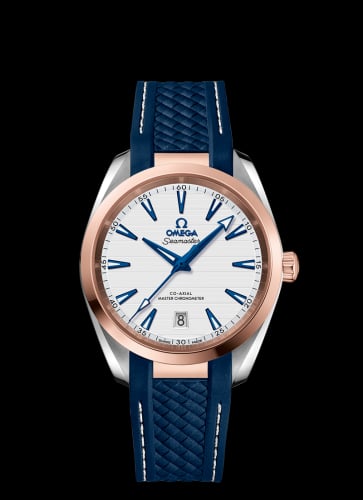
Omega
Seamaster Aqua Terra 150M Master Chronometer 38 Stainless Steel / Sedna Gold / Silver / Rubber
Ref. 220.22.38.20.02.001
CN/A
EN/A
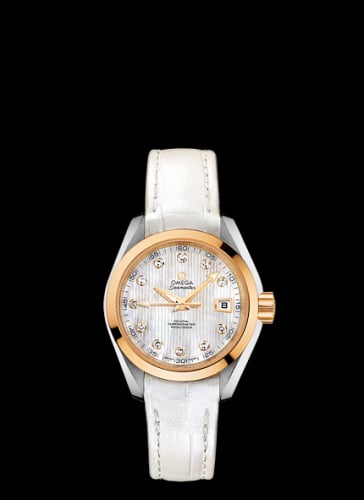
Omega
Seamaster Aqua Terra 150M Co-Axial 30 Stainless Steel / Yellow Gold / MOP
Ref. 231.23.30.20.55.002
CN/A
EN/A
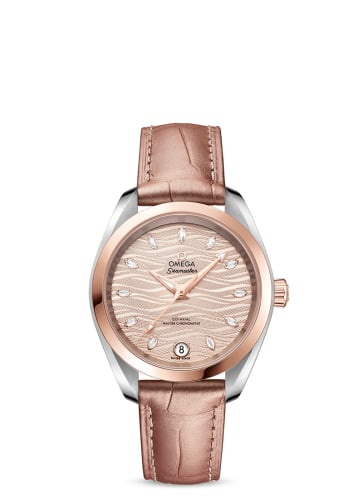
Omega
Seamaster Aqua Terra 150M Master Chronometer 34 Stainless Steel / Sedna Gold / Grey - Diamond / Alligator
Ref. 220.23.34.20.59.001
CN/A
EN/A
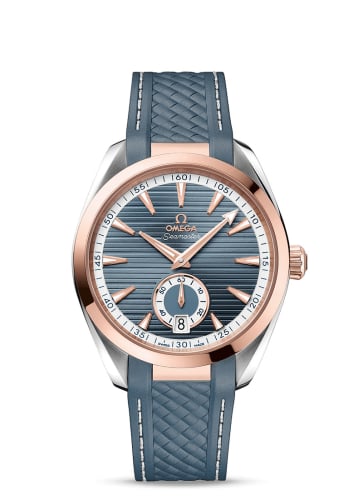
Omega
Seamaster Aqua Terra 150M Master Chronometer Small Seconds 41 Stainless Steel / Sedna Gold / Blue / Rubber
Ref. 220.22.41.21.03.001
CN/A
EN/A
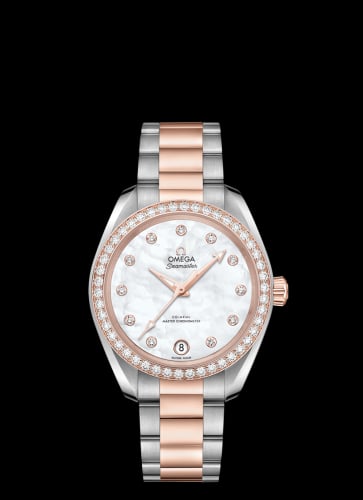
Omega
Seamaster Aqua Terra 150M Master Chronometer 34 Stainless Steel / Sedna Gold / Diamond / MOP / Bracelet
Ref. 220.25.34.20.55.001
CN/A
EN/A
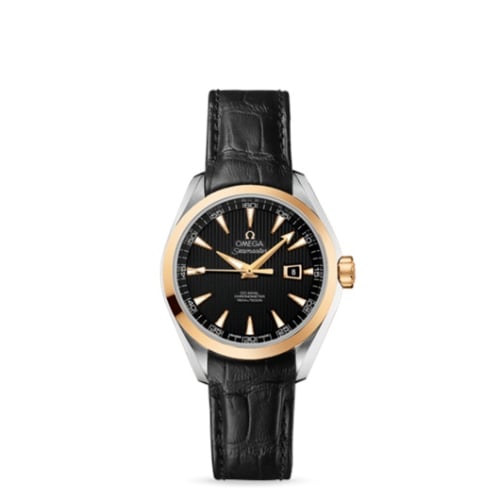
Omega
Seamaster Aqua Terra 150M Co-Axial 34 Stainless Steel / Yellow Gold / Black
Ref. 231.23.34.20.01.001
CN/A
EN/A
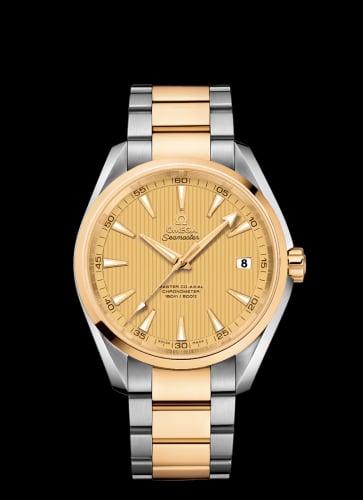
Omega
Seamaster Aqua Terra 150m Master Co-Axial 41.5 Stainless Steel / Yellow Gold / Champagne / Bracelet
Ref. 231.20.42.21.08.001
CN/A
EN/A
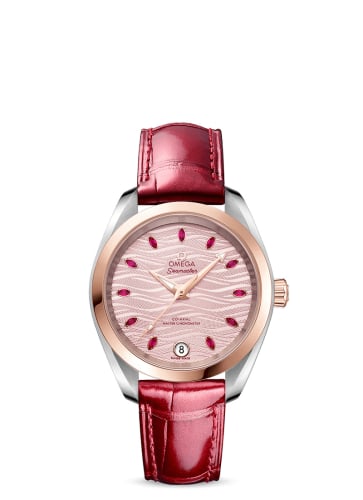
Omega
Seamaster Aqua Terra 150M Master Chronometer 34 Stainless Steel / Sedna Gold / Pink - Ruby / Alligator
Ref. 220.23.34.20.60.001
CN/A
EN/A
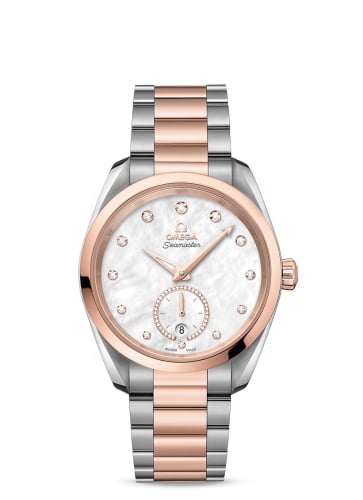
Omega
Seamaster Aqua Terra 150M Master Chronometer Small Seconds 38 Stainless Steel / Sedna Gold / MOP - Diamond / Bracelet
Ref. 220.20.38.20.55.002
CN/A
EN/A
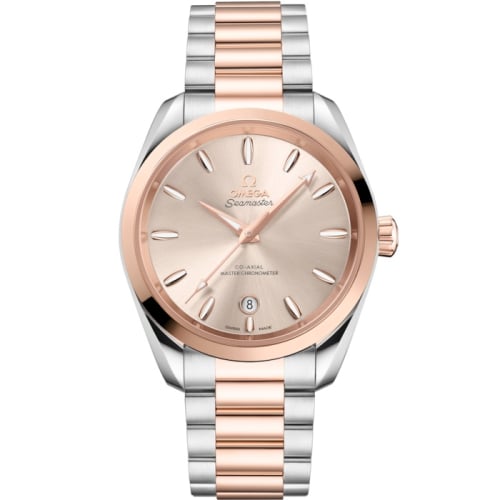
Omega
Seamaster Aqua Terra 150M Shades Master Chronometer 38 Stainless Steel - Sedna Gold / Linen / Bracelet
Ref. 220.20.38.20.09.001
CN/A
EN/A
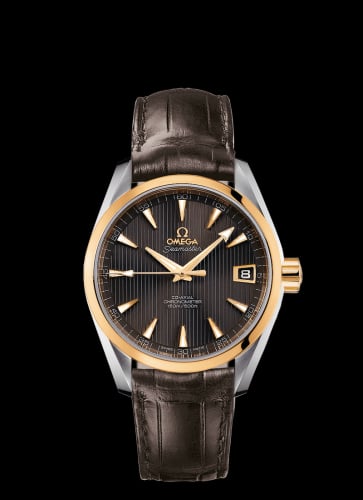
Omega
Seamaster Aqua Terra 150M Co-Axial 38.5 Stainless Steel / Yellow Gold / Grey
Ref. 231.23.39.21.06.002
CN/A
EN/A
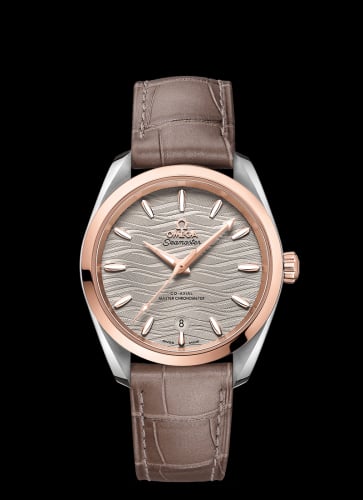
Omega
Seamaster Aqua Terra 150M Master Chronometer 34 Stainless Steel / Sedna Gold / Grey-Waves / Alligator
Ref. 220.23.38.20.06.001
CN/A
EN/A
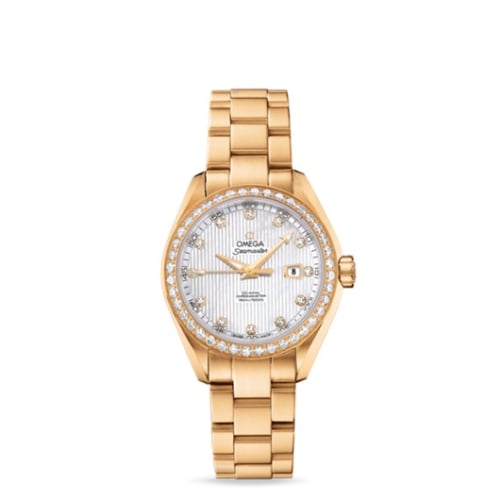
Omega
Seamaster Aqua Terra 150M Co-Axial 34 Yellow Gold / Diamond / MOP / Bracelet
Ref. 231.55.34.20.55.001
CN/A
EN/A
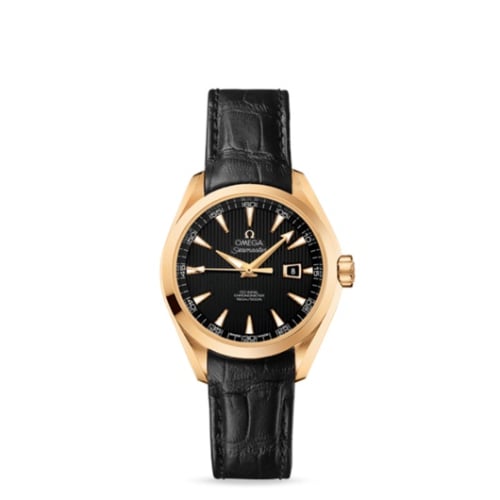
Omega
Seamaster Aqua Terra 150M Co-Axial 34 Yellow Gold / Black
Ref. 231.53.34.20.01.001
CN/A
EN/A
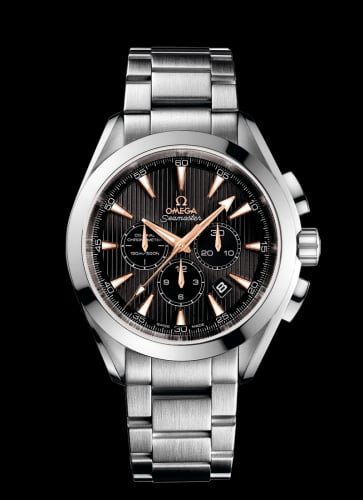
Omega
Seamaster Aqua Terra 150M Co-Axial 44 Chronograph White Gold / Black / Bracelet
Ref. 231.50.44.50.01.001
CN/A
EN/A
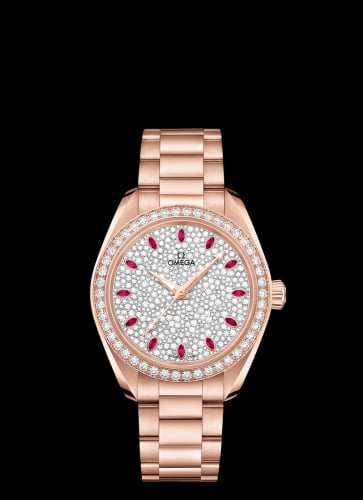
Omega
Seamaster Aqua Terra 150M Master Chronometer 34 Sedna Gold / Diamond / Snow Ruby / Bracelet
Ref. 220.55.34.20.99.001
CN/A
EN/A
All Reviews(8 across all references)

The Architect
ExpertSep 27, 2026
76
78
Dial & Handset74
Case & Design82
Movement72
Bracelet / Strap81
Wearability