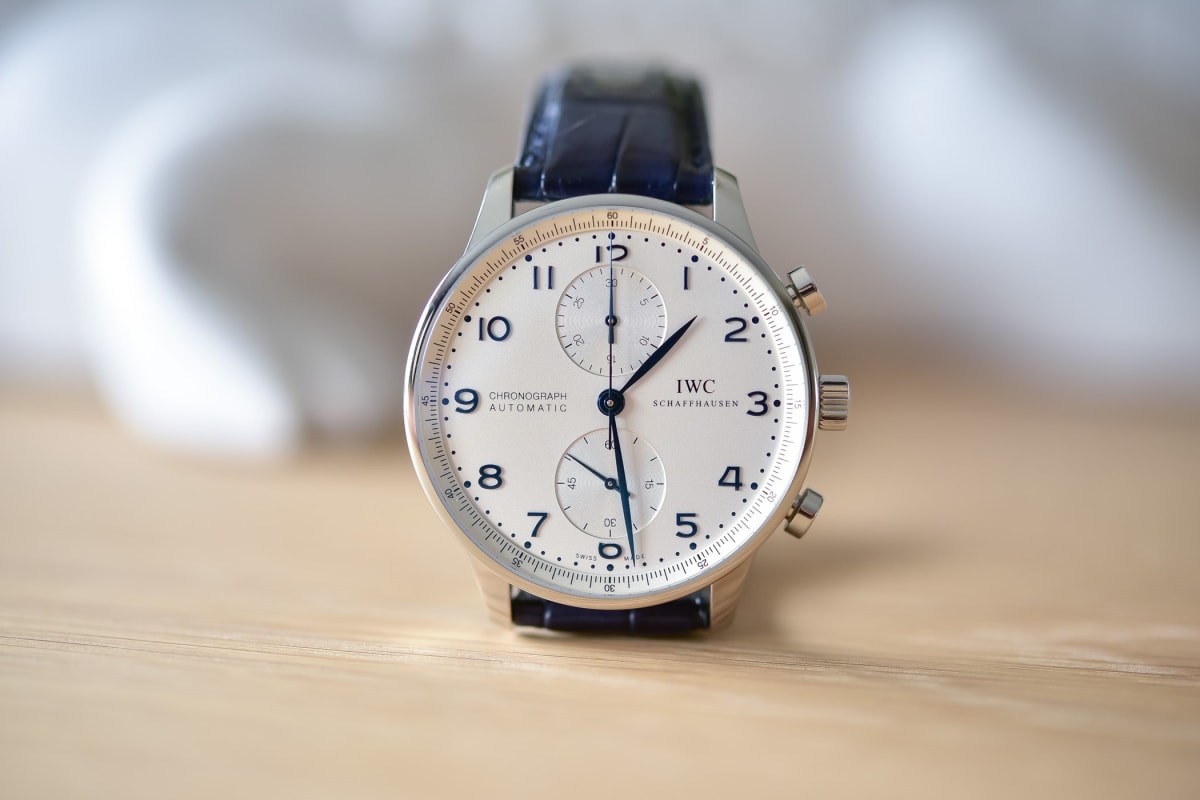
IWC Schaffhausen
Portugieser
IWC's elegant dressy collection with nautical heritage - the classic Chronograph and the calendar-rich Annual Calendar.
89
Community
1 review
79
Expert
3 reviews
References
359
References in this Family
IWC Schaffhausen
Portugieser Chronograph
Ref. 3714
C89
E91
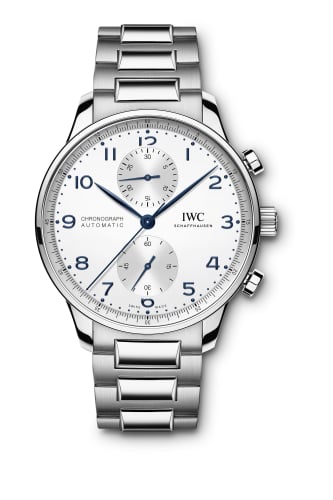
IWC Schaffhausen
Portugieser Chronograph
Ref. IW371617
CN/A
E73
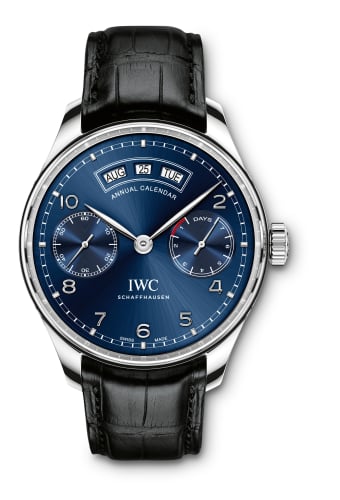
IWC Schaffhausen
Portugieser Annual Calendar
Ref. IW503502
CN/A
E72
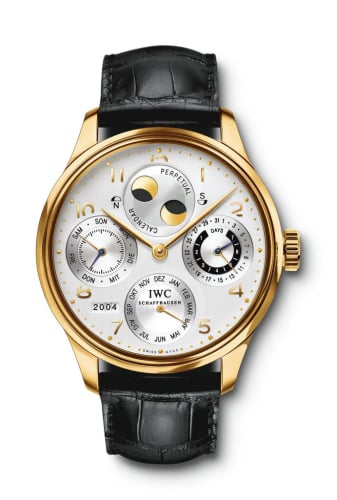
IWC Schaffhausen
Portuguese Perpetual Calendar 5021 Yellow Gold / Silver
Ref. IW5021-05
CN/A
EN/A
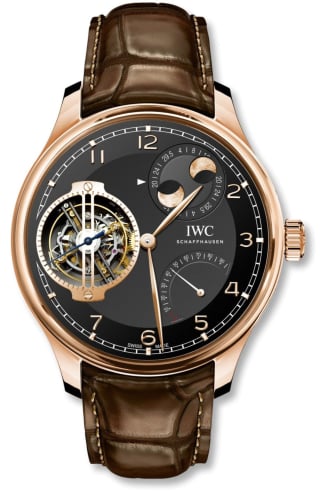
IWC Schaffhausen
Portugieser Constant-Force Tourbillon Double Moon Red Gold / Black
Ref. IW5901-07
CN/A
EN/A
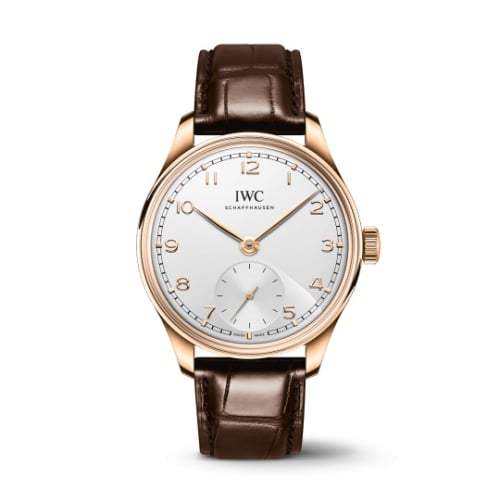
IWC Schaffhausen
Portugieser Automatic 40 Rose Gold / Silver
Ref. IW3584-04
CN/A
EN/A
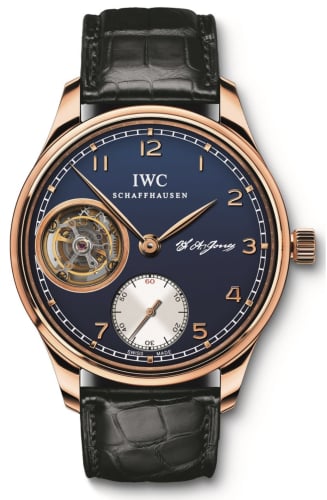
IWC Schaffhausen
Portugieser Tourbillon Hand-Wound F.A. Jones Rose Gold / Blue
Ref. IW5447-02
CN/A
EN/A
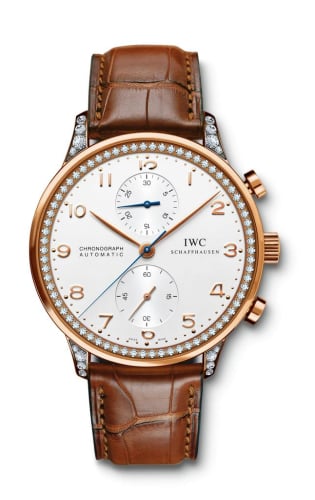
IWC Schaffhausen
Portuguese Chrono-Automatic Rose Gold / 266 Diamond
Ref. IW3714-78
CN/A
EN/A
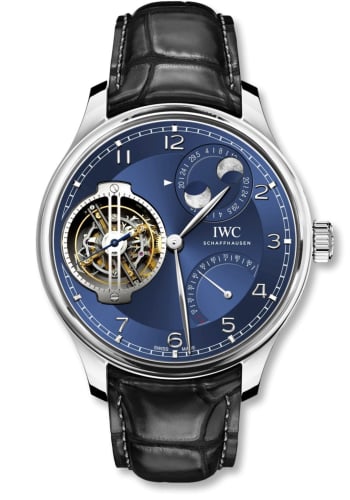
IWC Schaffhausen
Portugieser Constant-Force Tourbillon Double Moon Platinum / Blue
Ref. IW5901-03
CN/A
EN/A
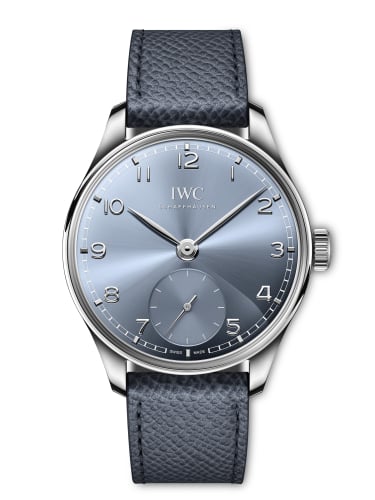
IWC Schaffhausen
Portugieser Automatic 40 White Gold / Ice Blue
Ref. IW3584-02
CN/A
EN/A
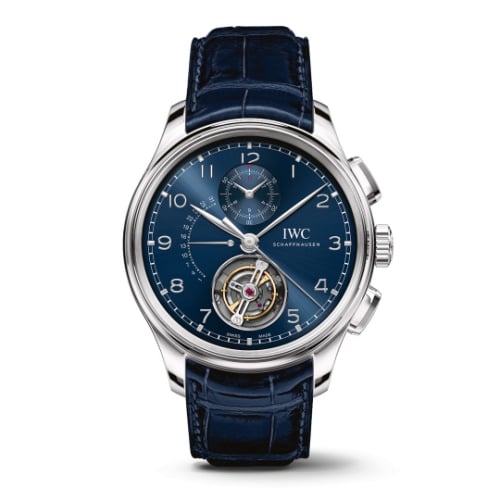
IWC Schaffhausen
Portugieser Tourbillon Rétrograde Chronograph Platinum / Blue
Ref. IW3940-07
CN/A
EN/A
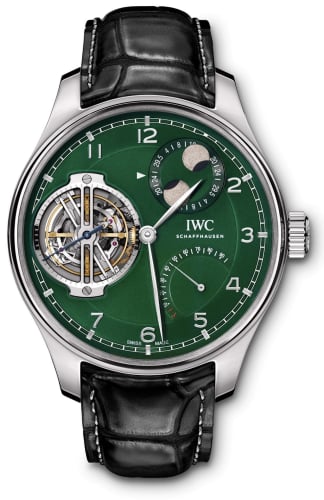
IWC Schaffhausen
Portugieser Constant-Force Tourbillon Double Moon Platinum / Green
Ref. IW5901-10
CN/A
EN/A
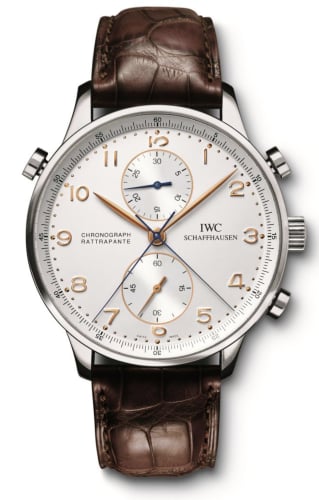
IWC Schaffhausen
Portugieser Chrono-Rattrapante Stainless Steel / Silver
Ref. IW3712-01
CN/A
EN/A
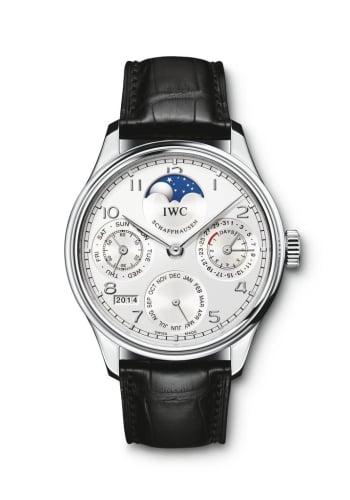
IWC Schaffhausen
Portugieser Perpetual Calendar 5023 Platinum / Silver
Ref. IW5023-05
CN/A
EN/A
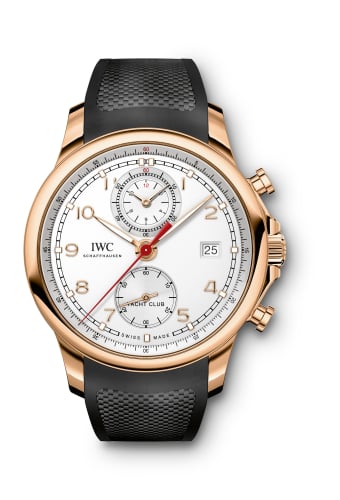
IWC Schaffhausen
Portugieser Yacht Club Chronograph 43.5 Red Gold / Silver
Ref. IW3905-01
CN/A
EN/A
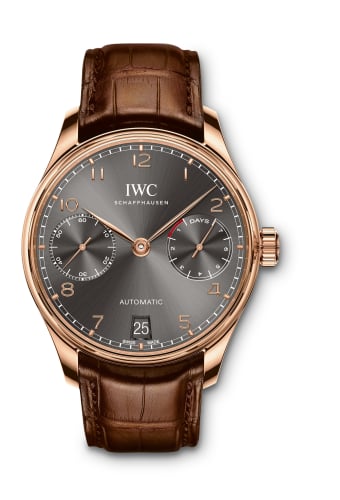
IWC Schaffhausen
Portugieser Automatic 5007 Red Gold / Ardoise
Ref. IW5007-02
CN/A
EN/A
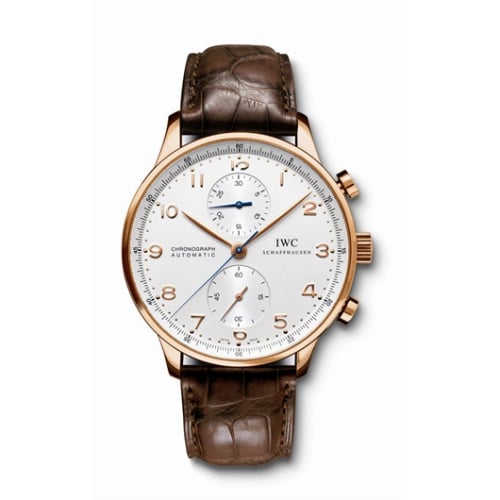
IWC Schaffhausen
Portuguese Chrono-Automatic Rose Gold / Silver
Ref. IW3714-02
CN/A
EN/A
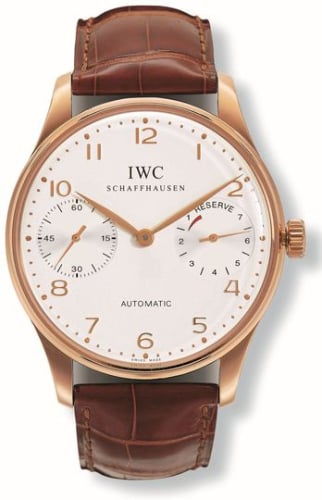
IWC Schaffhausen
Portugieser Automatic 2000 Red Gold
Ref. IW5000-04
CN/A
EN/A
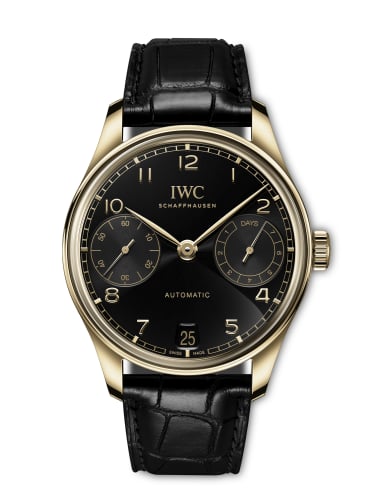
IWC Schaffhausen
Portugieser Automatic 42 Rose Gold / Black
Ref. IW5017-07
CN/A
EN/A
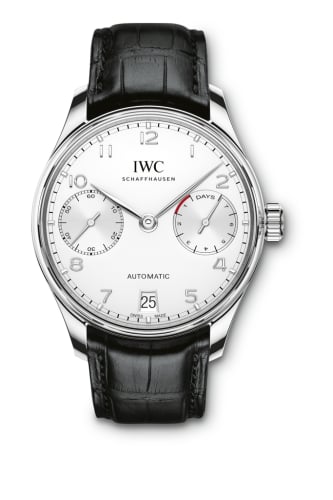
IWC Schaffhausen
Portugieser Automatic 5007 Stainless Steel / Silver / Silver Numerals
Ref. IW5007-12
CN/A
EN/A
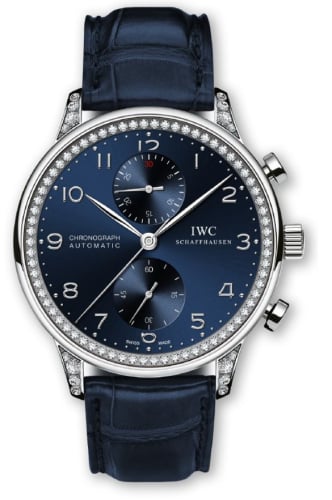
IWC Schaffhausen
Portuguese Chrono-Automatic White Gold / Diamond / Blue
Ref. IW3714-90
CN/A
EN/A
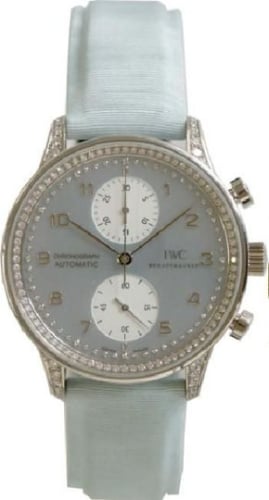
IWC Schaffhausen
Portugieser Chrono-Automatic White Gold / Blue MOP / Diamond
Ref. IW3714-27
CN/A
EN/A
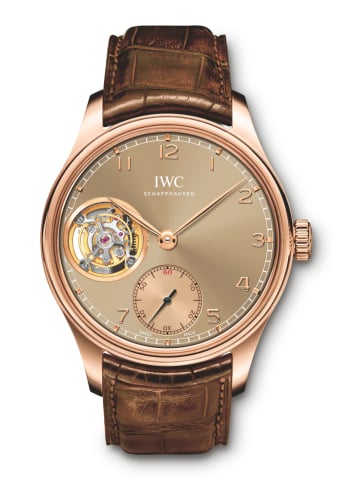
IWC Schaffhausen
Portugieser Tourbillon Hand-Wound Metropolitan Boutique
Ref. IW5463-04
CN/A
EN/A
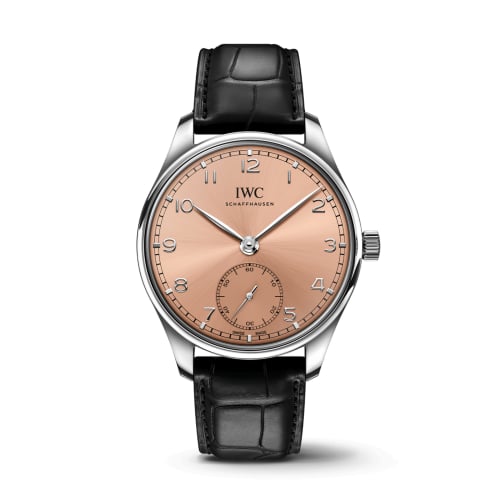
IWC Schaffhausen
Portugieser Automatic 40 Stainless Steel / Salmon
Ref. IW3583-13
CN/A
EN/A
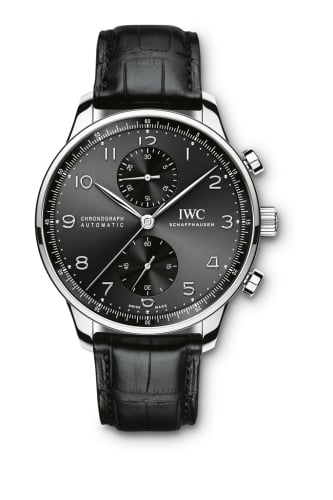
IWC Schaffhausen
Portuguese Chrono-Automatic Stainless Steel / Black
Ref. IW3714-47
CN/A
EN/A
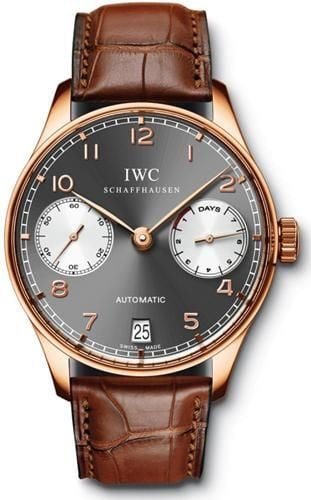
IWC Schaffhausen
Portuguese Automatic Red Gold / Tourneau
Ref. IW5001-18
CN/A
EN/A
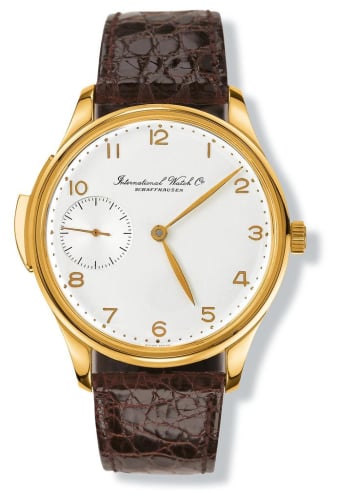
IWC Schaffhausen
Portugieser Minute Repeater Yellow Gold
Ref. IW5240-01
CN/A
EN/A
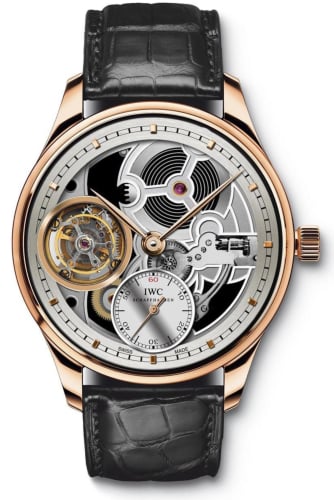
IWC Schaffhausen
Portugieser Tourbillon Hand-Wound Squelette Red Gold
Ref. IW5462-01
CN/A
EN/A
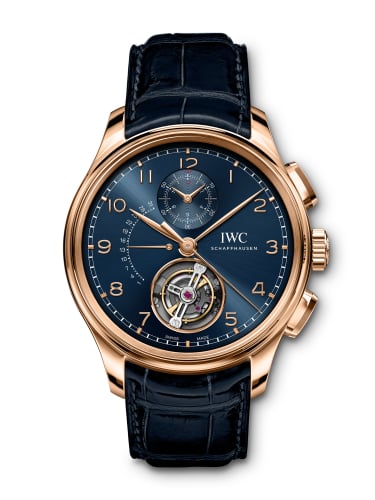
IWC Schaffhausen
Portugieser Tourbillon Rétrograde Chronograph Armor Gold / Blue / Boutique Edition
Ref. IW3940-05
CN/A
EN/A
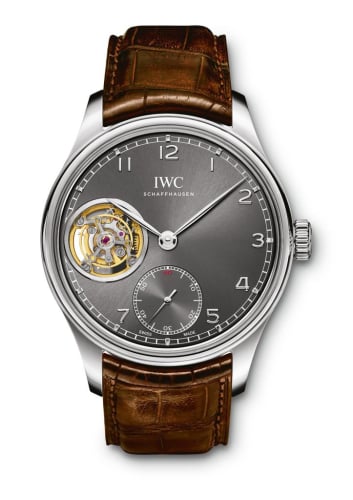
IWC Schaffhausen
Portugieser Tourbillon Hand-Wound White Gold
Ref. IW5463-01
CN/A
EN/A
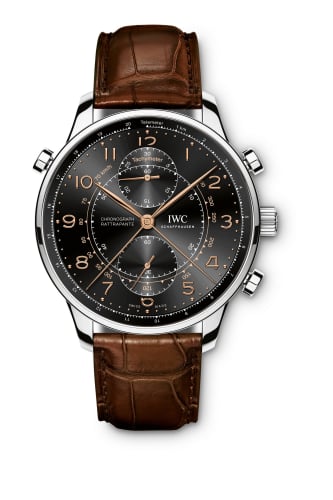
IWC Schaffhausen
Portuguese Chrono-Rattrapante Boutique Geneve
Ref. IW3712-21
CN/A
EN/A
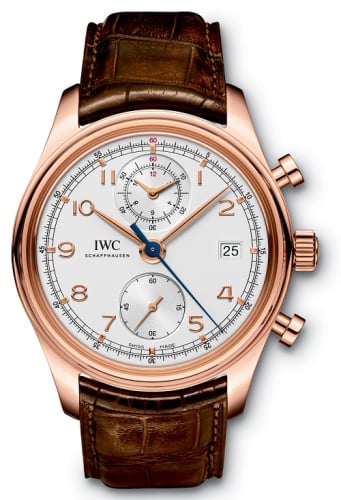
IWC Schaffhausen
Portuguese Chronograph Classic Red Gold
Ref. IW3904-02
CN/A
EN/A
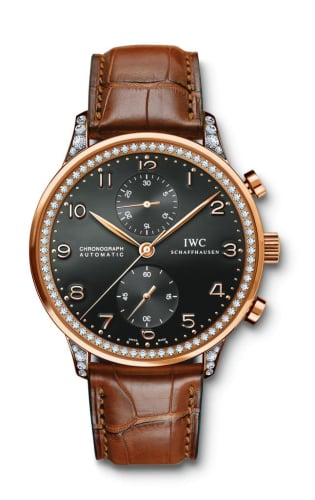
IWC Schaffhausen
Portuguese Chrono-Automatic Rose Gold / 266 Diamond
Ref. IW3714-72
CN/A
EN/A
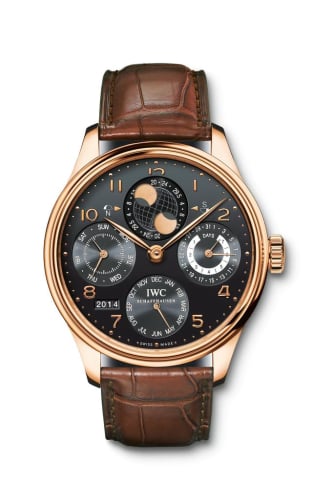
IWC Schaffhausen
Portugieser Perpetual Calendar 5032 Red Gold / Black
Ref. IW5032-02
CN/A
EN/A
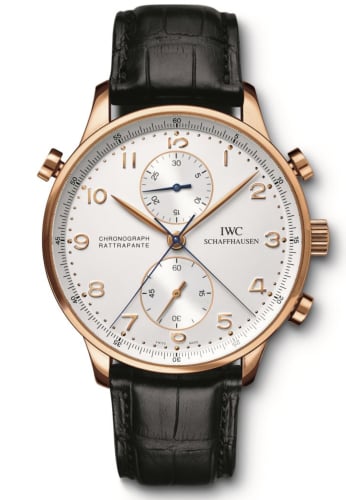
IWC Schaffhausen
Portugieser Chrono-Rattrapante Rose Gold / Silver
Ref. IW3712-04
CN/A
EN/A
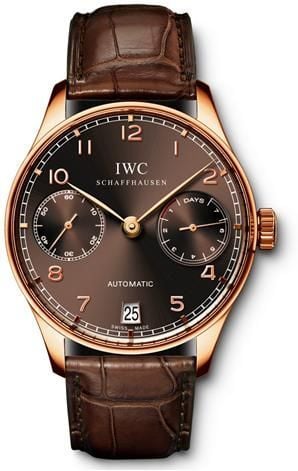
IWC Schaffhausen
Portuguese Automatic Red Gold / Gassan
Ref. IW5001-15
CN/A
EN/A
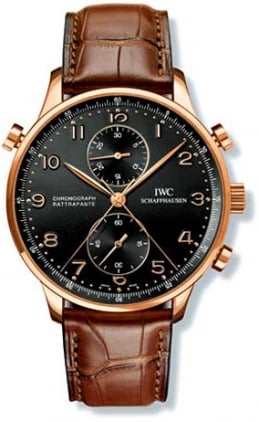
IWC Schaffhausen
Portuguese Chrono-Rattrapante Rose Gold / Black
Ref. IW3712-10
CN/A
EN/A
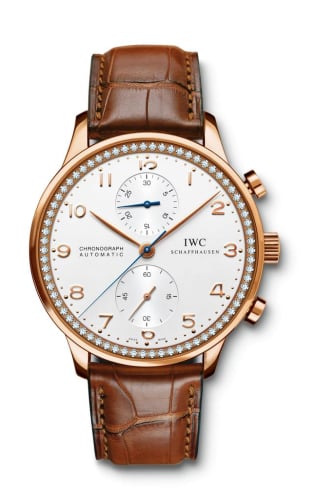
IWC Schaffhausen
Portuguese Chrono-Automatic Rose Gold / 80 Diamond
Ref. IW3714-76
CN/A
EN/A
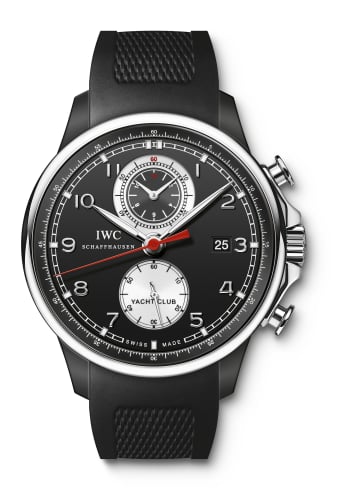
IWC Schaffhausen
Portuguese Yacht Club Chronograph Boutique Edition
Ref. IW3902-08
CN/A
EN/A
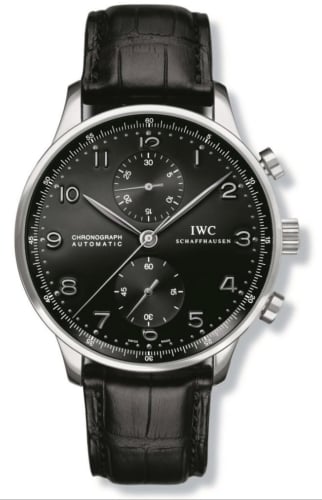
IWC Schaffhausen
Portuguese Chrono-Automatic White Gold / Black
Ref. IW3714-03
CN/A
EN/A
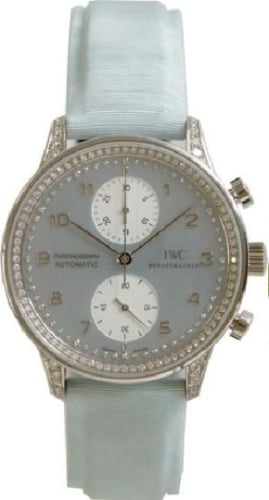
IWC Schaffhausen
Portuguese Chrono-Automatic White Gold / Blue MOP / Diamond
Ref. IW3714-20
CN/A
EN/A
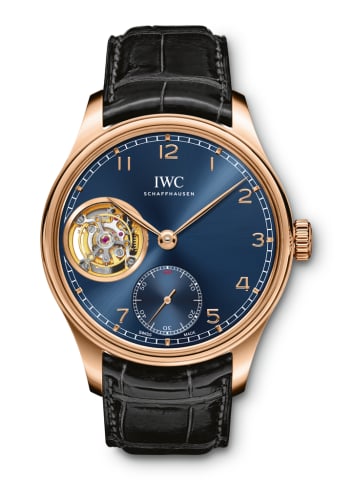
IWC Schaffhausen
Portugieser Tourbillon Red Gold / Blue
Ref. IW5463-05
CN/A
EN/A
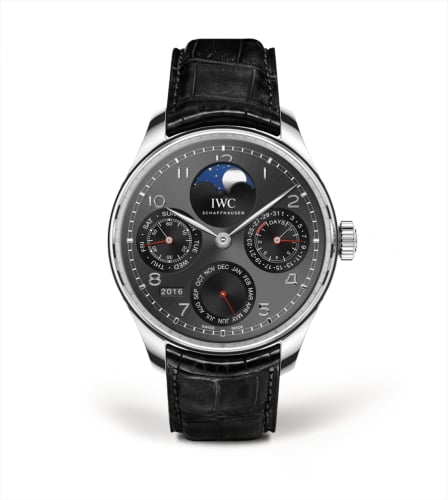
IWC Schaffhausen
Portugieser Perpetual Calendar Single Moon Platinum / Dubail
Ref. IW5033-05
CN/A
EN/A
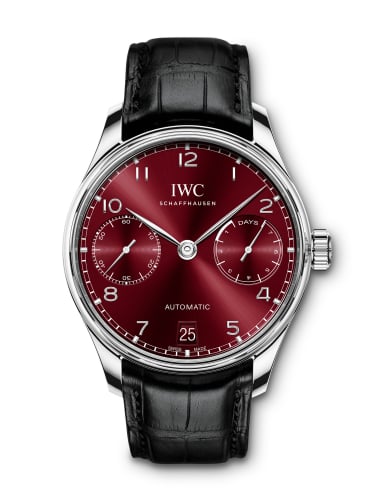
IWC Schaffhausen
Portugieser Automatic 5007 Stainless Steel / Burgundy
Ref. IW5007-14
CN/A
EN/A
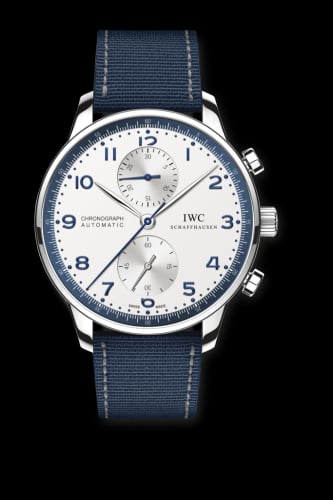
IWC Schaffhausen
Portuguese Chrono-Automatic Stainless Steel / Bucherer Blue
Ref. IW3714-92
CN/A
EN/A
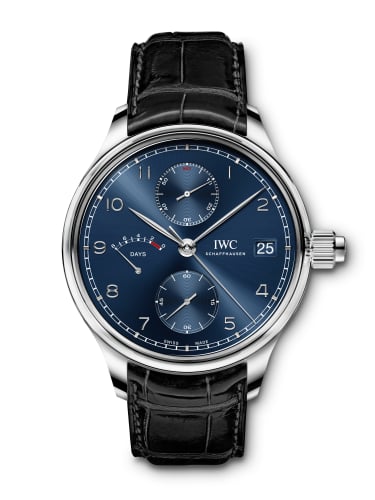
IWC Schaffhausen
Portugieser Hand-Wound Monopusher Laureus
Ref. IW5153-01
CN/A
EN/A
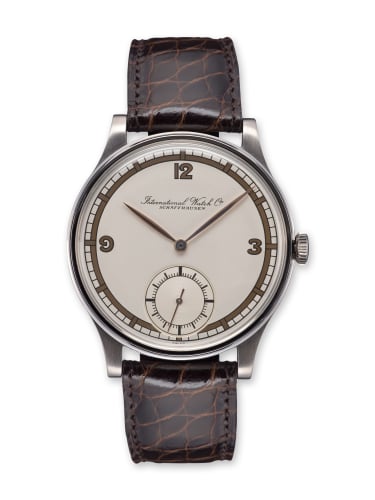
IWC Schaffhausen
Portugieser 325 Silver / Art Deco / Feuille
Ref. IW325-02
CN/A
EN/A
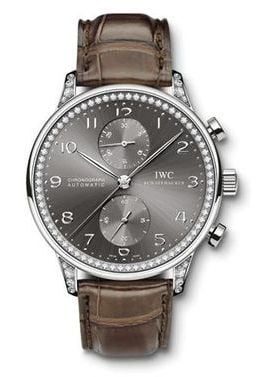
IWC Schaffhausen
Portuguese Chrono-Automatic White Gold / Ardoise / Diamond
Ref. IW3714-41
CN/A
EN/A
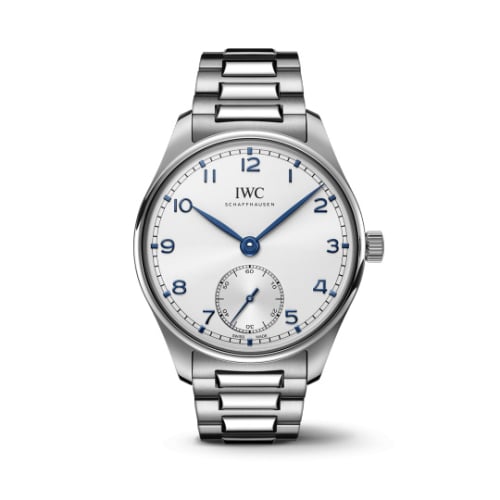
IWC Schaffhausen
Portugieser Automatic 40 Stainless Steel / Silver - Blue / Bracelet
Ref. IW3583-12
CN/A
EN/A
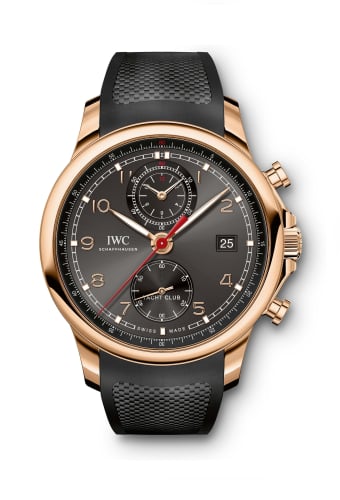
IWC Schaffhausen
Portugieser Yacht Club Chronograph 43.5 Red Gold / Ardoise
Ref. IW3905-05
CN/A
EN/A
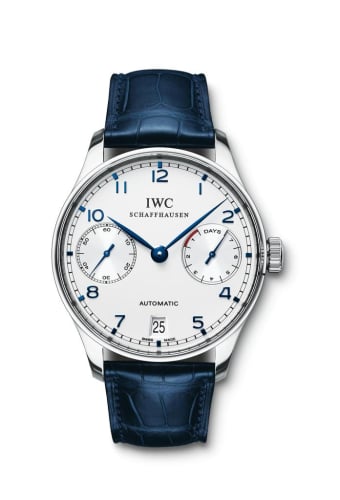
IWC Schaffhausen
Portuguese Automatic Stainless Steel / Silver
Ref. IW5001-07
CN/A
EN/A
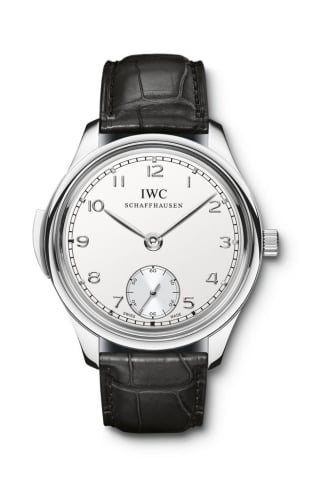
IWC Schaffhausen
Portuguese Minute Repeater Platinum
Ref. IW5449-06
CN/A
EN/A
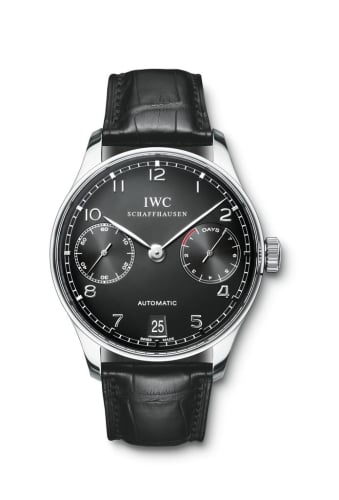
IWC Schaffhausen
Portuguese Automatic Stainless Steel / Black
Ref. IW5001-09
CN/A
EN/A
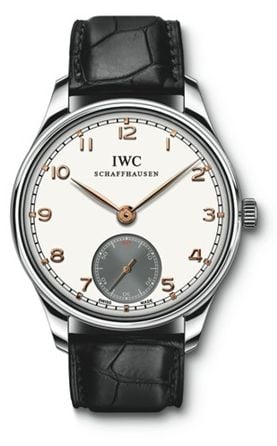
IWC Schaffhausen
Portuguese Hand-Wound Panda
Ref. IW5454-05
CN/A
EN/A
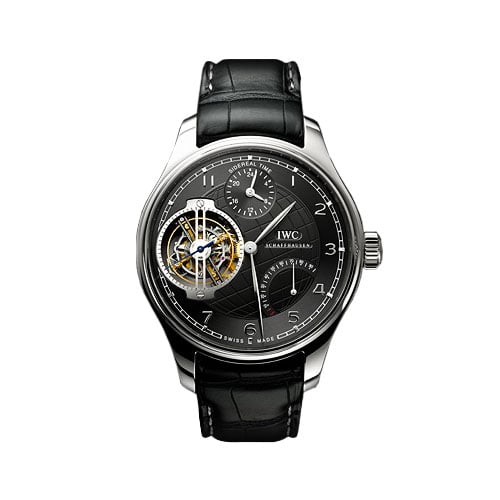
IWC Schaffhausen
Portugieser Sidérale Scafusia
Ref. IW5041-01
CN/A
EN/A
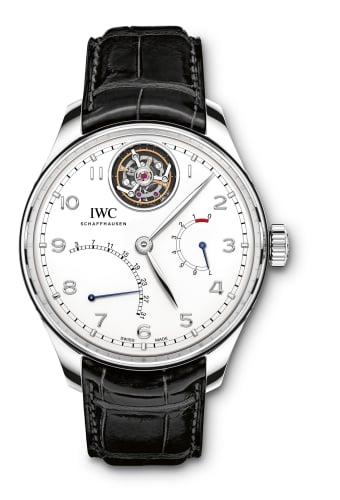
IWC Schaffhausen
Portugieser Tourbillon Mystère Rétrograde Platinum / Silver
Ref. IW5046-01
CN/A
EN/A
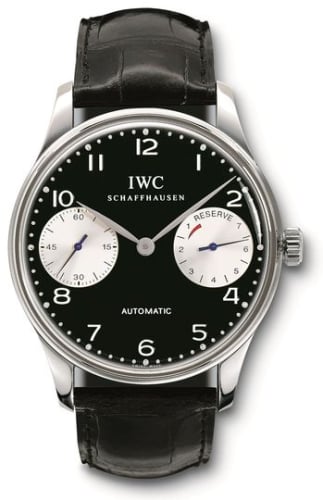
IWC Schaffhausen
Portugieser Automatic 2000 Stainless Steel
Ref. IW5000-01
CN/A
EN/A
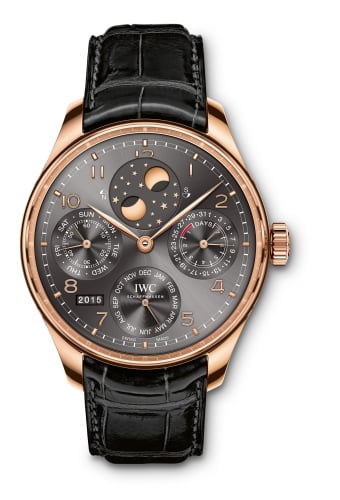
IWC Schaffhausen
Portugieser Perpetual Calendar Double Moon Red Gold / Ardoise
Ref. IW5034-04
CN/A
EN/A
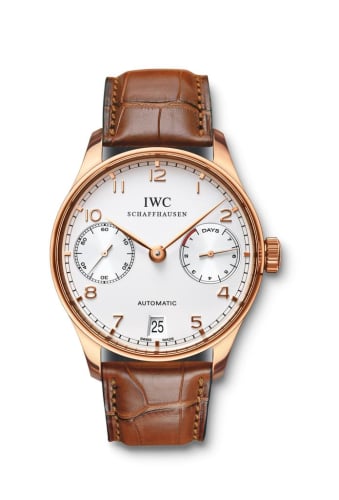
IWC Schaffhausen
Portuguese Automatic Rose Gold / Silver
Ref. IW5001-01
CN/A
EN/A
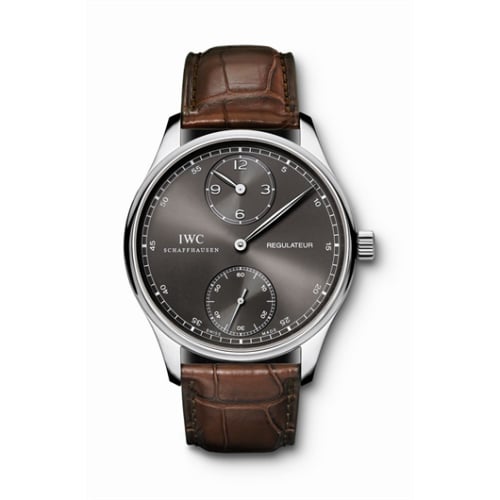
IWC Schaffhausen
Portugieser Regulateur White Gold
Ref. IW5444-04
CN/A
EN/A
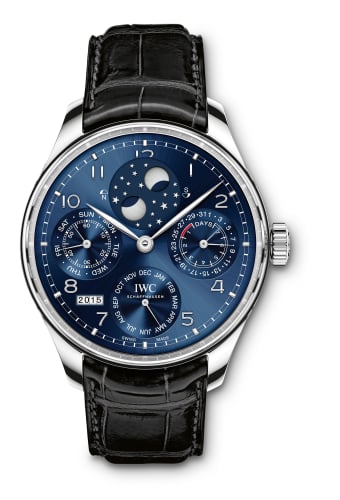
IWC Schaffhausen
Portugieser Perpetual Calendar Double Moon White Gold / Blue
Ref. IW5034-01
CN/A
EN/A
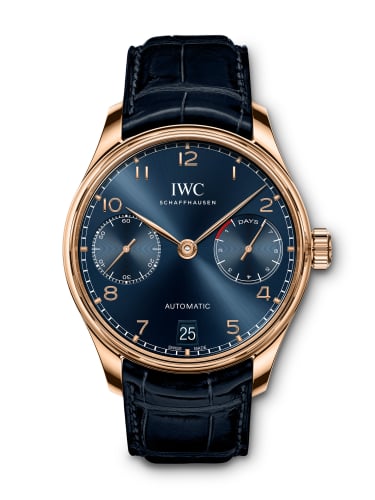
IWC Schaffhausen
Portugieser Automatic 5007 Red Gold / Blue / Boutique Edition
Ref. IW5007-13
CN/A
EN/A
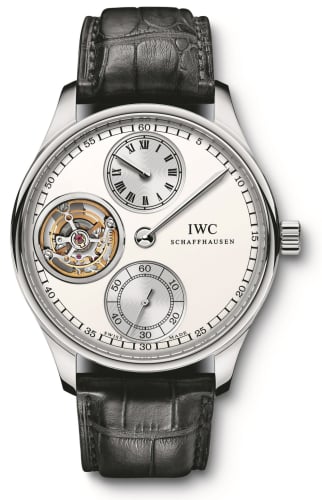
IWC Schaffhausen
Portugieser Regulateur Tourbillon Platinum / Silver
Ref. IW5446-01
CN/A
EN/A
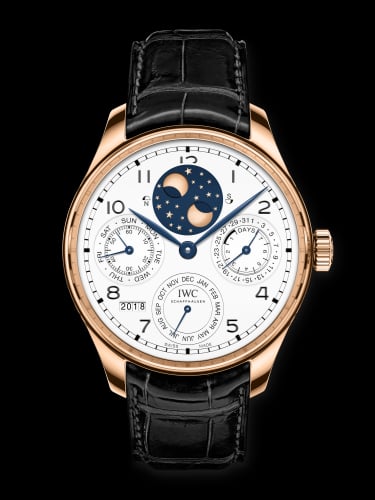
IWC Schaffhausen
Portugieser Perpetual Calendar Double Moon “150 Years” Red Gold / White
Ref. IW5034-05
CN/A
EN/A
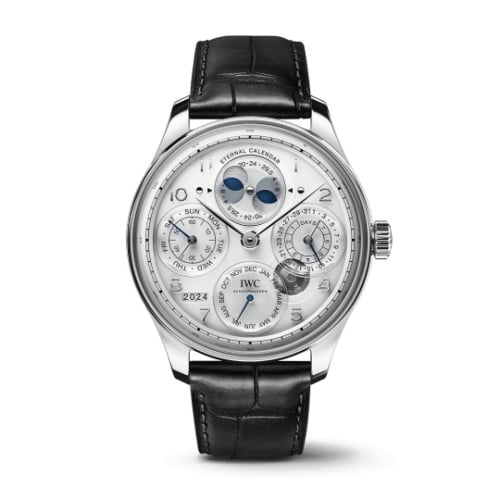
IWC Schaffhausen
Portugieser Eternal Calendar Platinum / White
Ref. IW5057-01
CN/A
EN/A
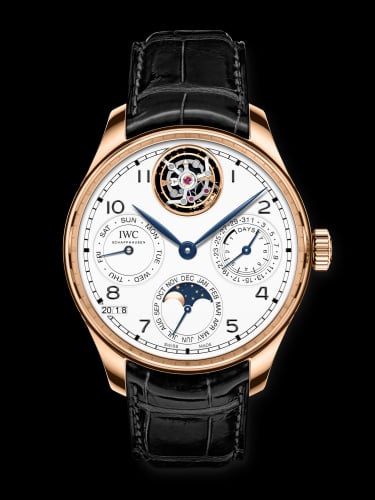
IWC Schaffhausen
Portuguese Perpetual Calendar Tourbillon Edition “150 Years” Red Gold / White
Ref. IW5045-01
CN/A
EN/A
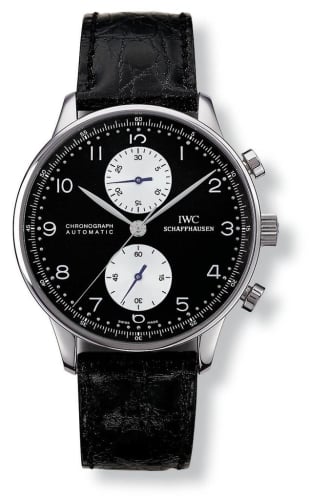
IWC Schaffhausen
Portuguese Chrono-Automatic Stainless Steel / Reverse Panda
Ref. IW3714-04
CN/A
EN/A
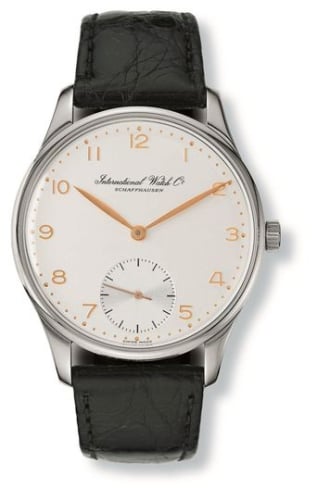
IWC Schaffhausen
Portugieser Jubilee Stainless Steel
Ref. IW5441-02
CN/A
EN/A
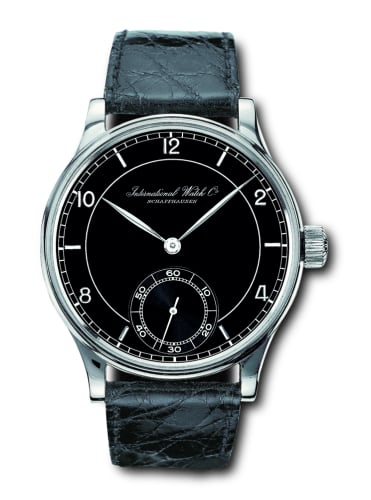
IWC Schaffhausen
Portugieser 325 Black / Sector / Feuille
Ref. IW325-03
CN/A
EN/A
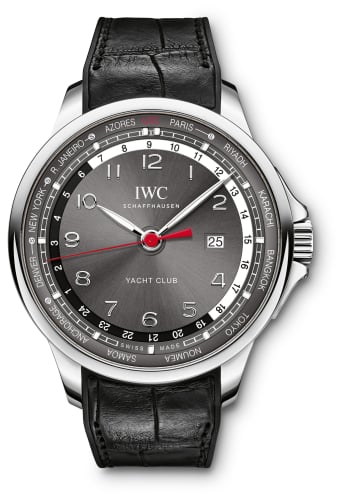
IWC Schaffhausen
Portugieser Yacht Club Worldtimer Stainless Steel
Ref. IW3266-02
CN/A
EN/A
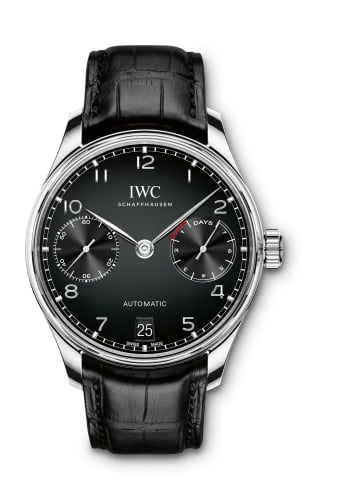
IWC Schaffhausen
Portugieser Automatic 5007 Stainless Steel / Black
Ref. IW5007-03
CN/A
EN/A
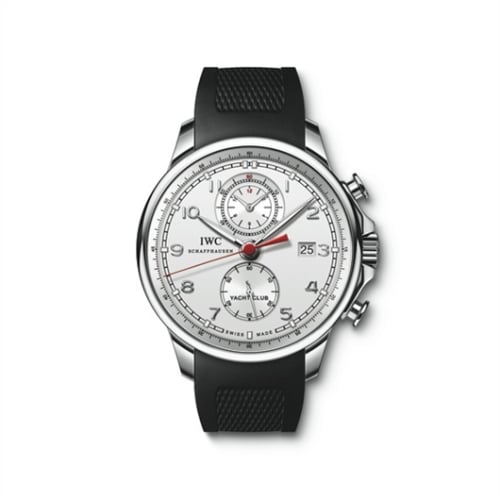
IWC Schaffhausen
Portuguese Yacht Club Chronograph Silver
Ref. IW3902-06
CN/A
EN/A
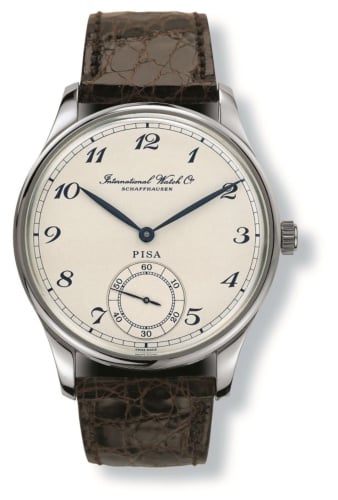
IWC Schaffhausen
Portugieser Jubilee Pisa
Ref. IW5441-07
CN/A
EN/A
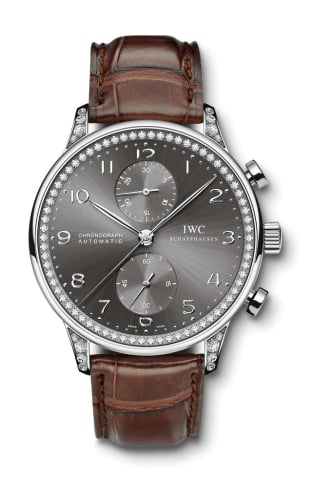
IWC Schaffhausen
Portuguese Chrono-Automatic White Gold / 266 Diamond
Ref. IW3714-75
CN/A
EN/A
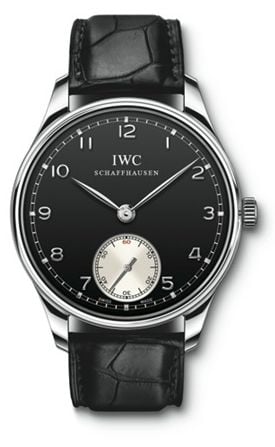
IWC Schaffhausen
Portuguese Hand-Wound Reverse Panda
Ref. IW5454-04
CN/A
EN/A
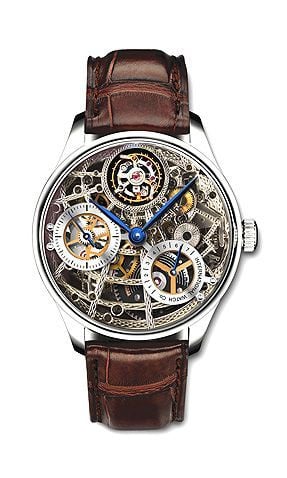
IWC Schaffhausen
Portugieser Tourbillon Mystere Squelette White Gold
Ref. IW5043-03
CN/A
EN/A
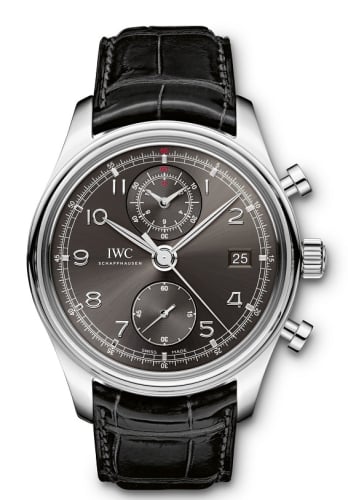
IWC Schaffhausen
Portuguese Chronograph Classic Ardoise
Ref. IW3904-04
CN/A
EN/A
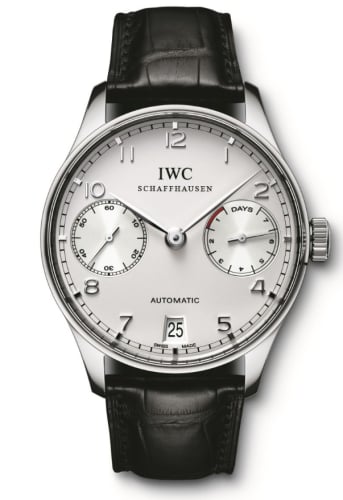
IWC Schaffhausen
Portuguese Automatic Platinum / Silver
Ref. IW5001-04
CN/A
EN/A
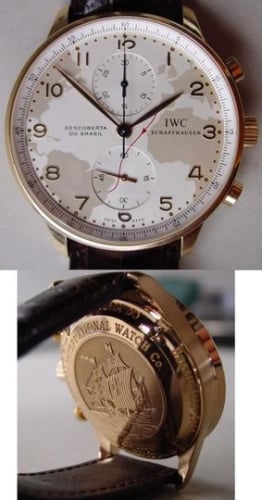
IWC Schaffhausen
Portuguese Chrono-Automatic Descoberta do Brasil
Ref. IW3714-08
CN/A
EN/A
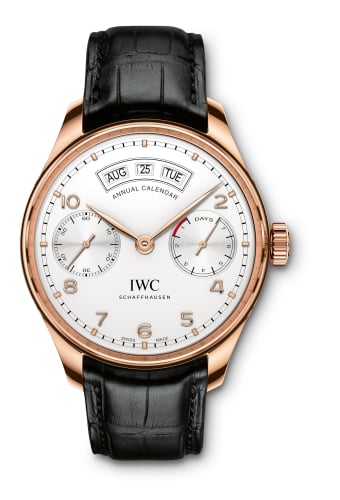
IWC Schaffhausen
Portugieser Annual Calendar Red Gold / Silver
Ref. IW5035-04
CN/A
EN/A
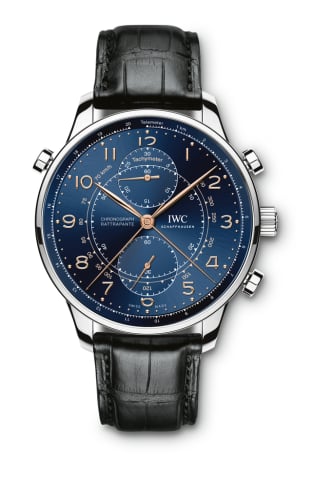
IWC Schaffhausen
Portuguese Chrono-Rattrapante Stainless Steel / Blue / Boutique Milano
Ref. IW3712-22
CN/A
EN/A
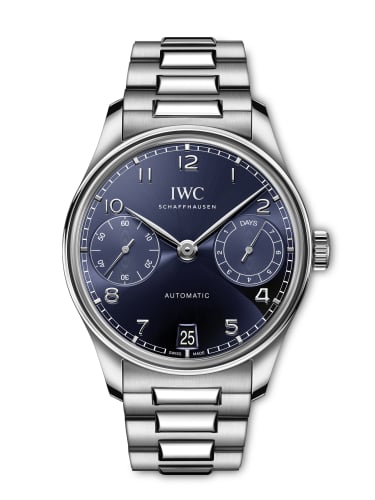
IWC Schaffhausen
Portugieser Automatic 42 Stainless Steel / Blue / Bracelet
Ref. IW5017-04
CN/A
EN/A
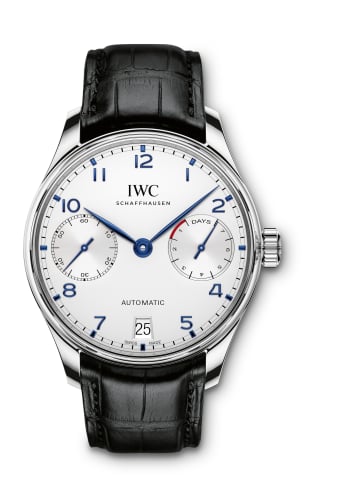
IWC Schaffhausen
Portugieser Automatic 5007 Stainless Steel / Silver - Blue Numerals
Ref. IW5007-05
CN/A
EN/A
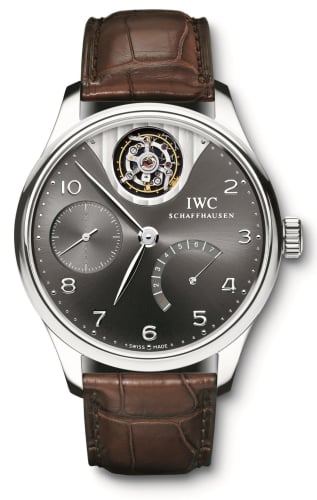
IWC Schaffhausen
Portuguese Tourbillon Mystere White Gold / Ardoise
Ref. IW5042-07
CN/A
EN/A
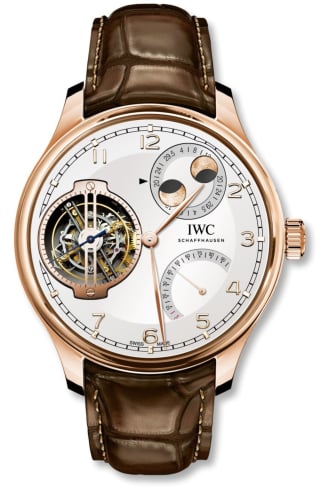
IWC Schaffhausen
Portugieser Constant-Force Tourbillon Double Moon Red Gold / Silver
Ref. IW5901-08
CN/A
EN/A
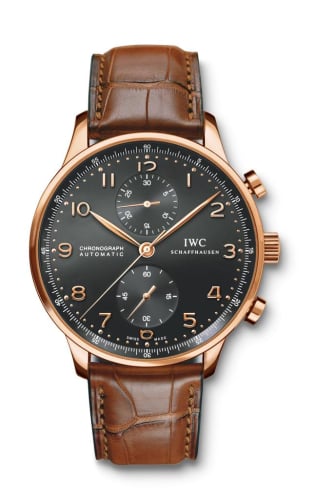
IWC Schaffhausen
Portuguese Chrono-Automatic Rose Gold / Black
Ref. IW3714-15
CN/A
EN/A
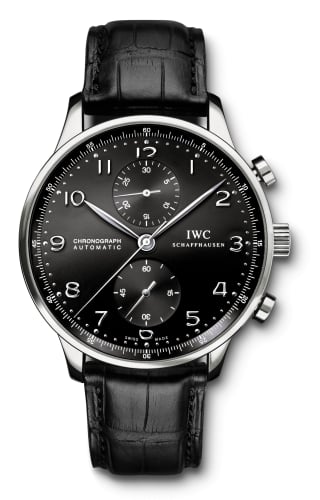
IWC Schaffhausen
Portuguese Chrono-Automatic White Gold / Black
Ref. IW3714-13
CN/A
EN/A
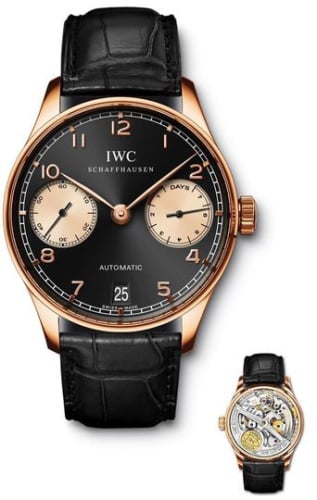
IWC Schaffhausen
Portuguese Automatic Red Gold / Boutique
Ref. IW5001-21
CN/A
EN/A
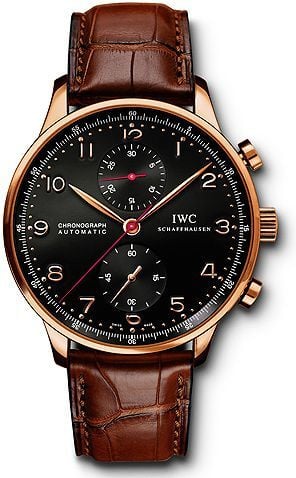
IWC Schaffhausen
Portuguese Chrono-Automatic Rose Gold / Concours Reine Elisabeth 2008
Ref. IW3714-69
CN/A
EN/A
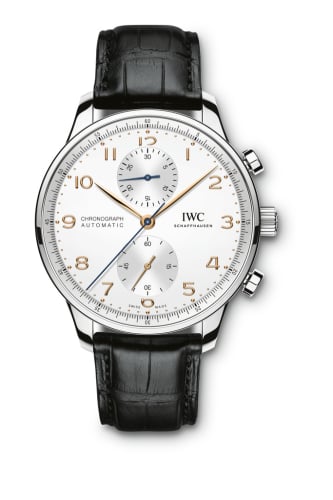
IWC Schaffhausen
Portugieser Chronograph Stainless Steel / Silver - Rose
Ref. IW3716-04
CN/A
EN/A
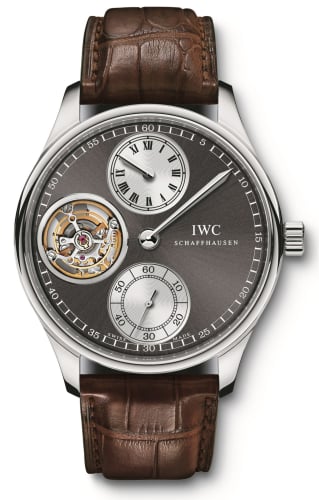
IWC Schaffhausen
Portugieser Regulateur Tourbillon White Gold / Ardoise
Ref. IW5446-03
CN/A
EN/A
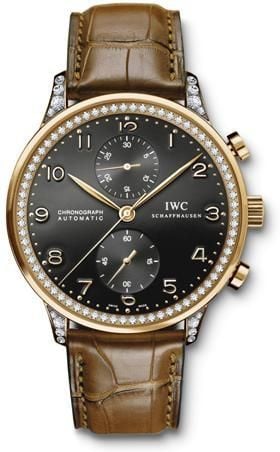
IWC Schaffhausen
Portuguese Chrono-Automatic Rose Gold / Black / Diamond
Ref. IW3714-43
CN/A
EN/A
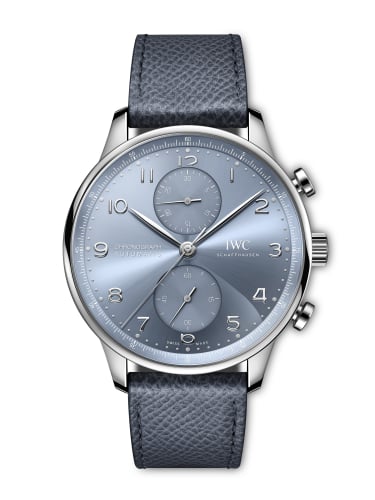
IWC Schaffhausen
Portugieser Chronograph White Gold / Ice Blue
Ref. IW3716-26
CN/A
EN/A
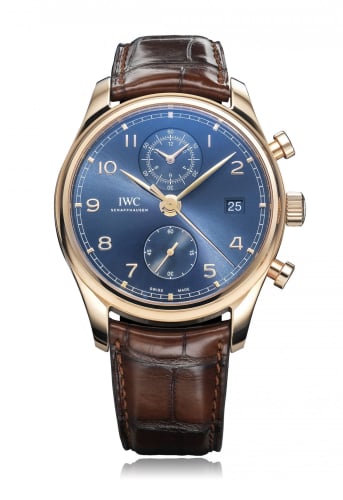
IWC Schaffhausen
Portugieser Chronograph Classic Red Gold / Blue / Bucherer
Ref. IW3903-05
CN/A
EN/A
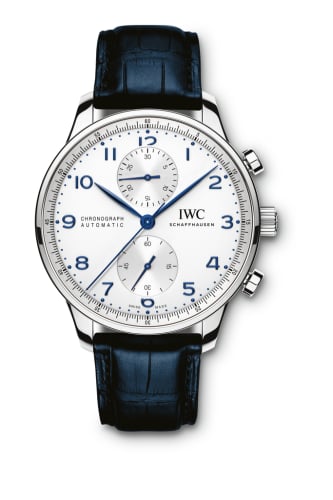
IWC Schaffhausen
Portuguese Chrono-Automatic Stainless Steel / Silver
Ref. IW3714-46
CN/A
EN/A
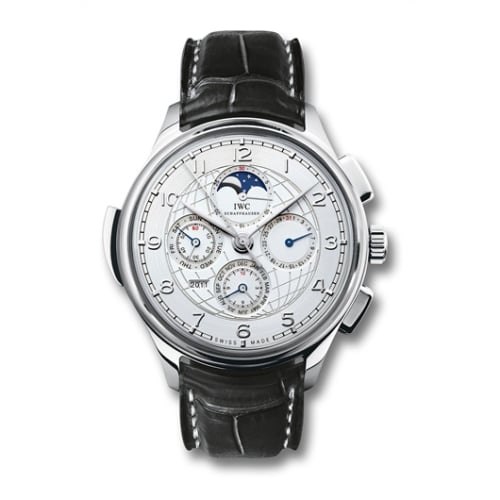
IWC Schaffhausen
Portugieser Grande Complication Platinum
Ref. IW3774-01
CN/A
EN/A
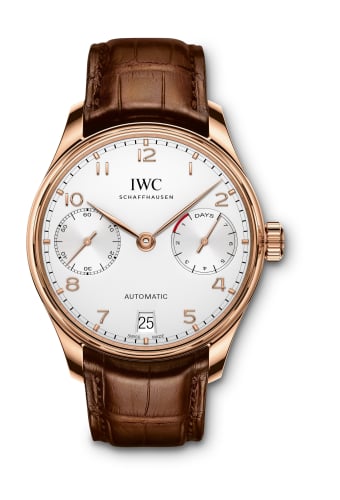
IWC Schaffhausen
Portugieser Automatic 5007 Red Gold / Silver
Ref. IW5007-01
CN/A
EN/A
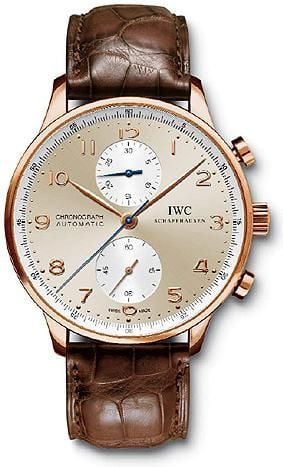
IWC Schaffhausen
Portugieser Chrono-Automatic Bucherer Champagne
Ref. IW3714-83
CN/A
EN/A
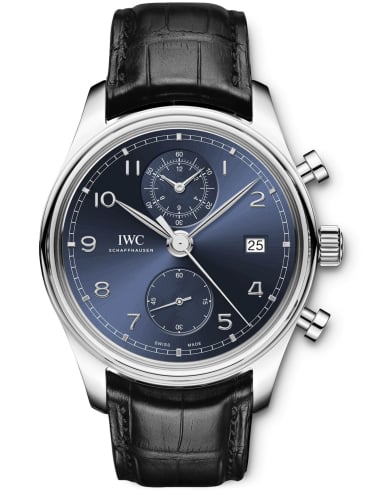
IWC Schaffhausen
Portuguese Chronograph Classic Laureus
Ref. IW3904-06
CN/A
EN/A
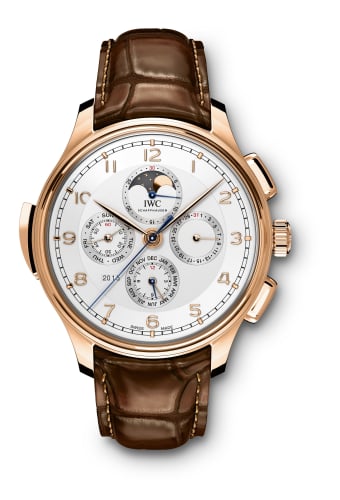
IWC Schaffhausen
Portugieser Grande Complication Red Gold
Ref. IW3776-02
CN/A
EN/A
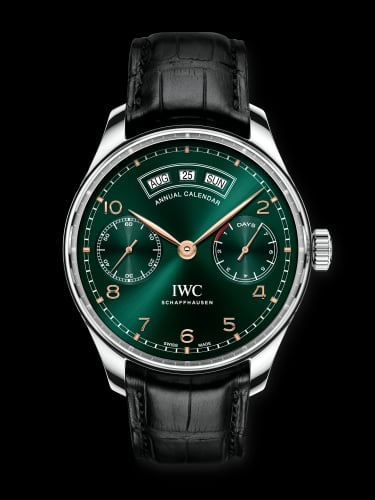
IWC Schaffhausen
Portugieser Annual Calendar Stainless Steel / Green / Middle East
Ref. IW5035-10
CN/A
EN/A
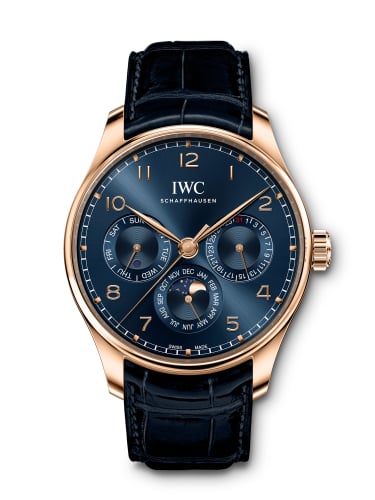
IWC Schaffhausen
Portugieser Perpetual Calendar 42 Red Gold / Blue / Boutique Edition
Ref. IW3442-05
CN/A
EN/A
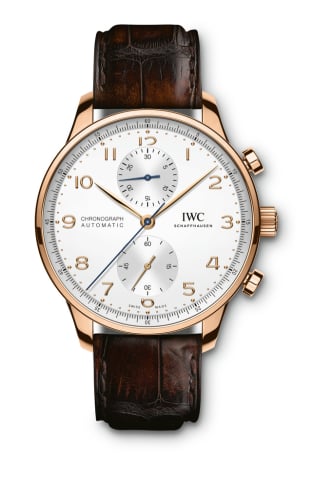
IWC Schaffhausen
Portugieser Chronograph Red Gold / Silver
Ref. IW3716-11
CN/A
EN/A
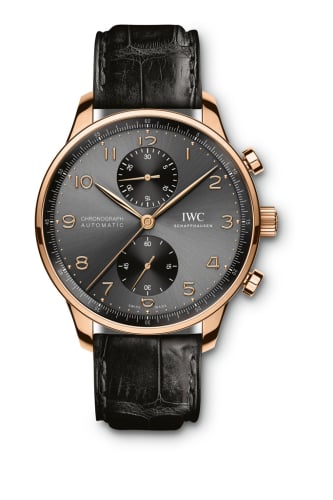
IWC Schaffhausen
Portugieser Chronograph Red Gold / Grey
Ref. IW3716-10
CN/A
EN/A
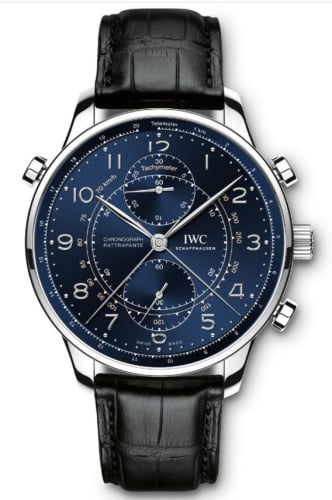
IWC Schaffhausen
Portuguese Chrono-Rattrapante Stainless Steel / Blue / Boutique Milano Laureus
Ref. IW3712-23
CN/A
EN/A
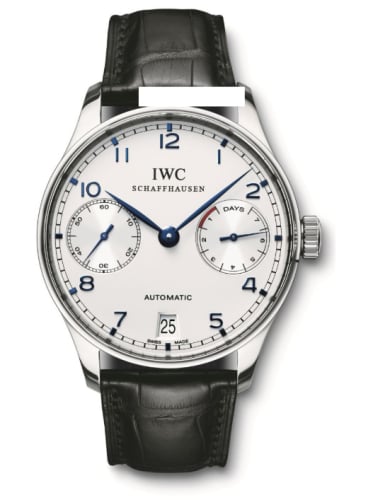
IWC Schaffhausen
Portuguese Automatic Stainless Steel / Silver
Ref. IW5001-08
CN/A
EN/A
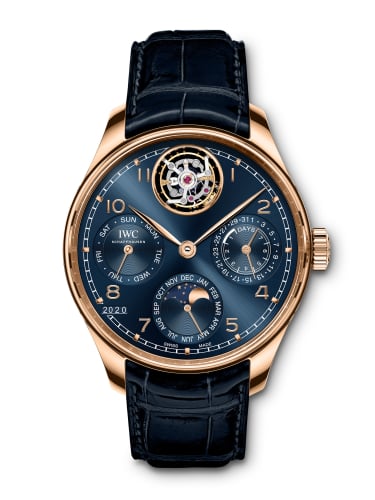
IWC Schaffhausen
Portuguese Perpetual Calendar Tourbillon Armor Gold / Blue / Boutique Edition
Ref. IW5045-04
CN/A
EN/A
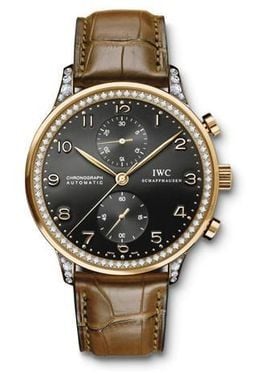
IWC Schaffhausen
Portuguese Chrono-Automatic Rose Gold / Black / Diamond
Ref. IW3714-42
CN/A
EN/A
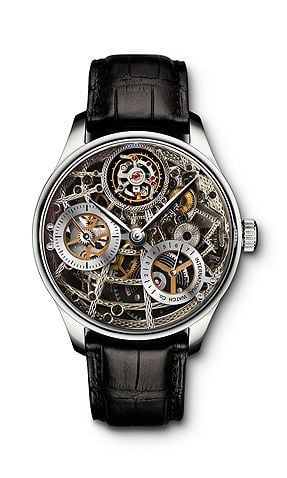
IWC Schaffhausen
Portugieser Tourbillon Mystere Squelette Platinum
Ref. IW5043-01
CN/A
EN/A
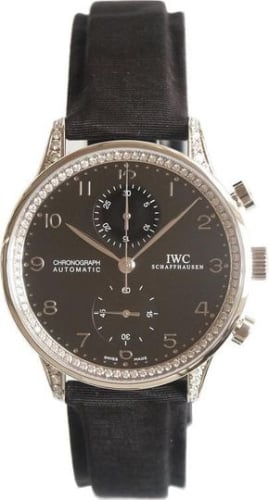
IWC Schaffhausen
Portugieser Chrono-Automatic White Gold / Black / Diamond
Ref. IW3714-26
CN/A
EN/A
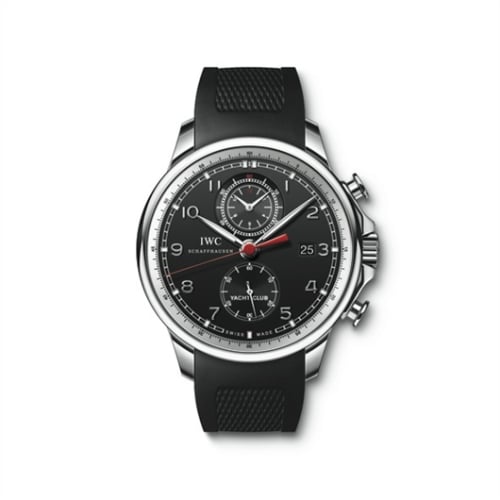
IWC Schaffhausen
Portuguese Yacht Club Chronograph
Ref. IW3902-04
CN/A
EN/A
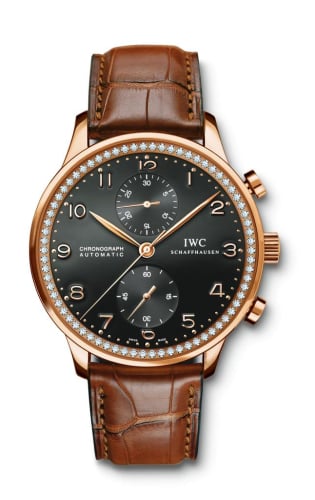
IWC Schaffhausen
Portuguese Chrono-Automatic Rose Gold / 80 Diamond
Ref. IW3714-70
CN/A
EN/A
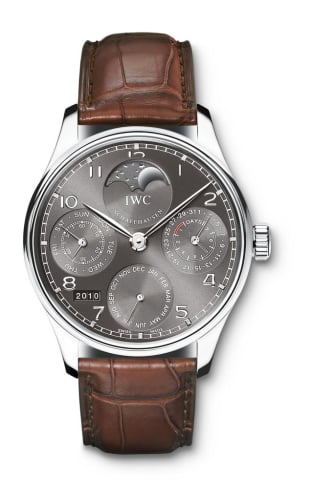
IWC Schaffhausen
Portugieser Perpetual Calendar 5023 White Gold / Ardoise
Ref. IW5023-03
CN/A
EN/A
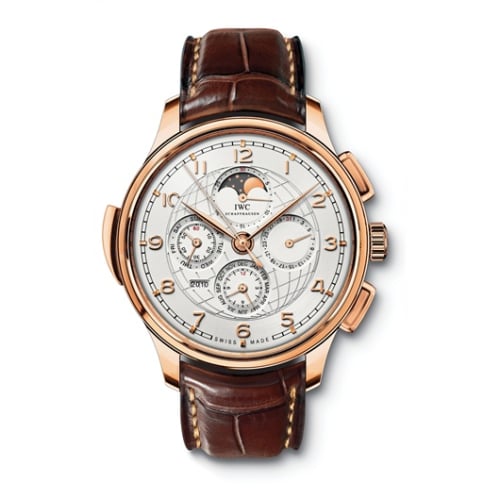
IWC Schaffhausen
Portugieser Grande Complication Red Gold
Ref. IW3774-02
CN/A
EN/A
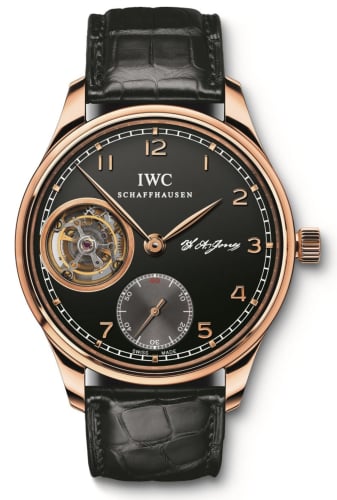
IWC Schaffhausen
Portugieser Tourbillon Hand-Wound F.A. Jones Red Gold / Black
Ref. IW5447-05
CN/A
EN/A
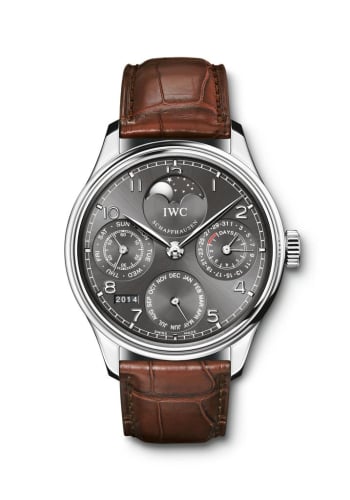
IWC Schaffhausen
Portugieser Perpetual Calendar 5023 White Gold / Ardoise
Ref. IW5023-07
CN/A
EN/A
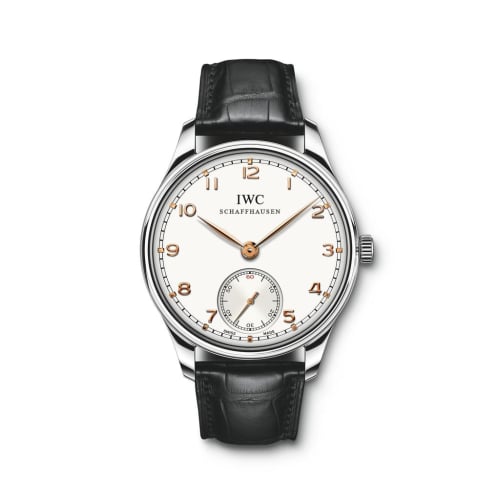
IWC Schaffhausen
Portuguese Hand-Wound Silver
Ref. IW5454-08
CN/A
EN/A
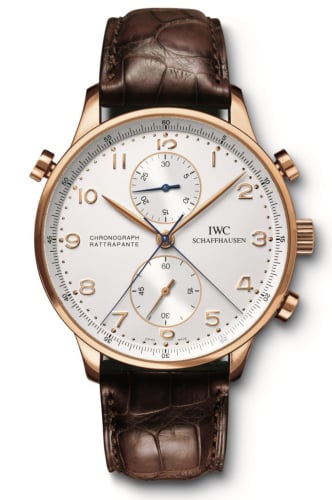
IWC Schaffhausen
Portugieser Chrono-Rattrapante Rose Gold / Silver
Ref. IW3712-03
CN/A
EN/A
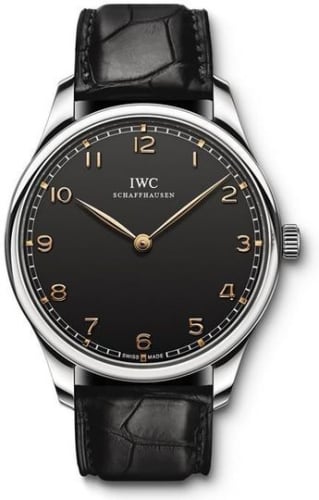
IWC Schaffhausen
Portugieser Hand-Wound Pure Classic Stainless Steel / Black
Ref. IW5703-02
CN/A
EN/A
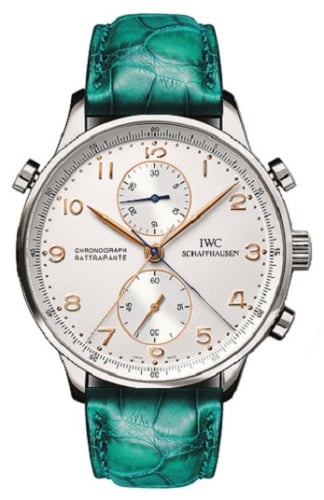
IWC Schaffhausen
Portugieser Chrono-Rattrapante Stainless Steel / Silver
Ref. IW3712-06
CN/A
EN/A
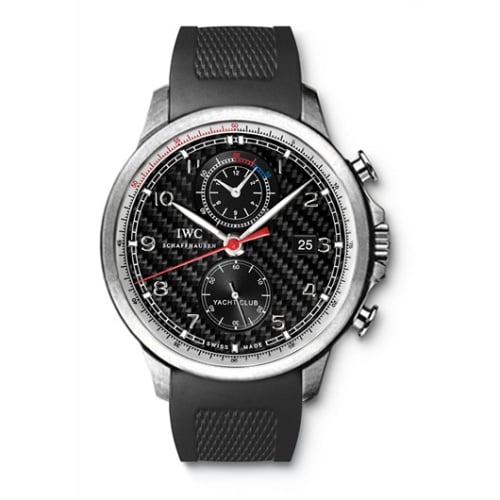
IWC Schaffhausen
Portuguese Yacht Club Chronograph Volvo Ocean Race
Ref. IW3902-12
CN/A
EN/A
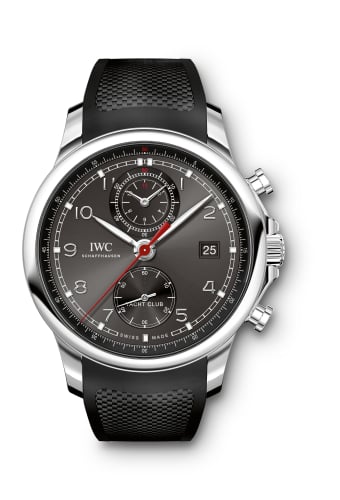
IWC Schaffhausen
Portuguese Yacht Club Chronograph 43.5 Stainless Steel / Ardoise
Ref. IW3905-03
CN/A
EN/A
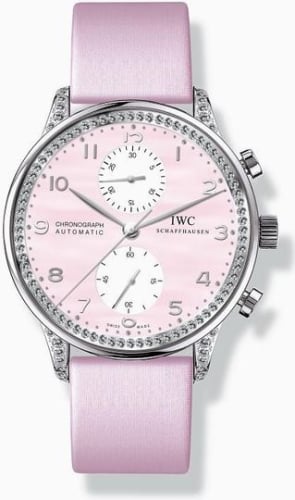
IWC Schaffhausen
Portuguese Chrono-Automatic White Gold / Pink MOP / Diamond
Ref. IW3714-21
CN/A
EN/A
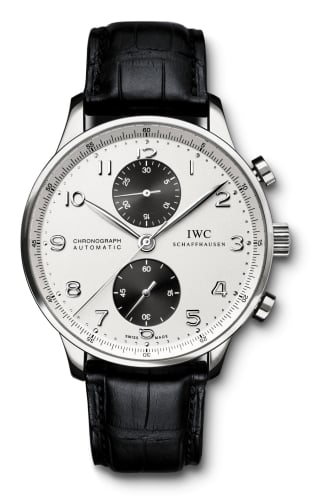
IWC Schaffhausen
Portuguese Chrono-Automatic Stainless Steel / Panda Japan
Ref. IW3714-64
CN/A
EN/A
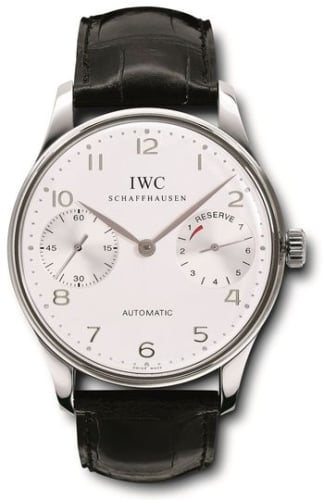
IWC Schaffhausen
Portugieser Automatic 2000 Platinum
Ref. IW5000-03
CN/A
EN/A
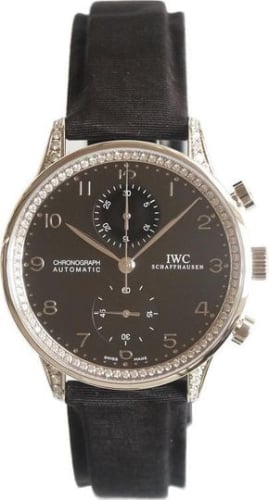
IWC Schaffhausen
Portuguese Chrono-Automatic White Gold / Black / Diamond
Ref. IW3714-22
CN/A
EN/A
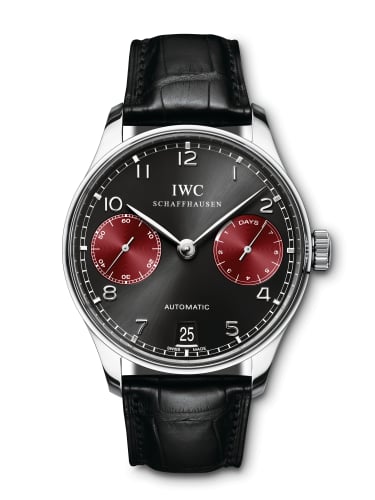
IWC Schaffhausen
Portuguese Automatic Tribeca Film Festival 2013
Ref. IW5001-26
CN/A
EN/A
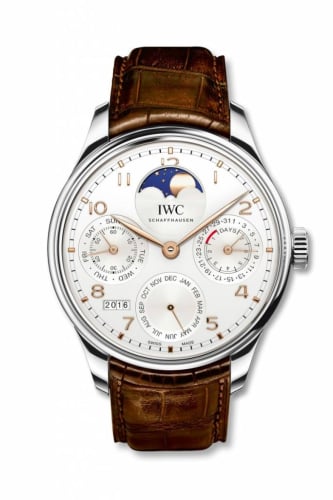
IWC Schaffhausen
Portugieser Perpetual Calendar Single Moon Stainless Steel / Boutique Shanghai
Ref. IW5033-07
CN/A
EN/A
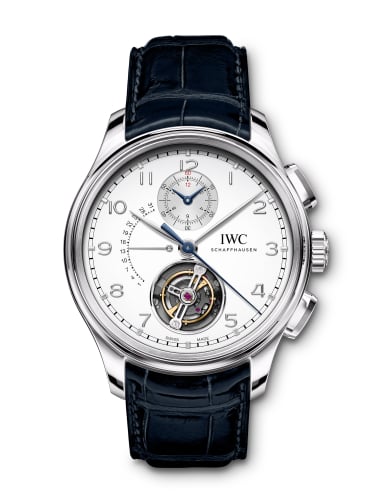
IWC Schaffhausen
Portugieser Tourbillon Rétrograde Chronograph Platinum / Silver
Ref. IW3940-06
CN/A
EN/A
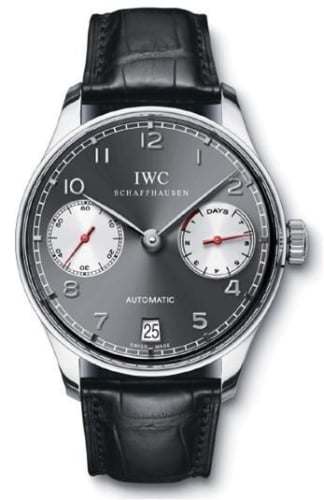
IWC Schaffhausen
Portuguese Automatic White Gold / Tourneau
Ref. IW5001-17
CN/A
EN/A
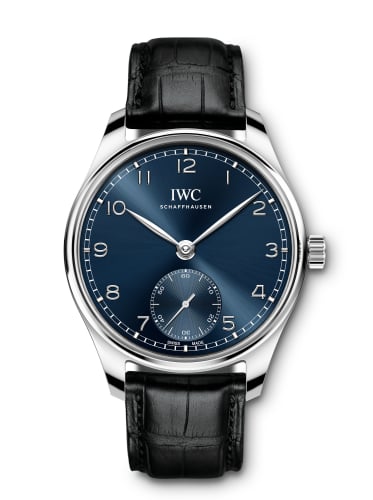
IWC Schaffhausen
Portugieser Automatic 40 Stainless Steel / Blue / Alligator
Ref. IW3583-05
CN/A
EN/A
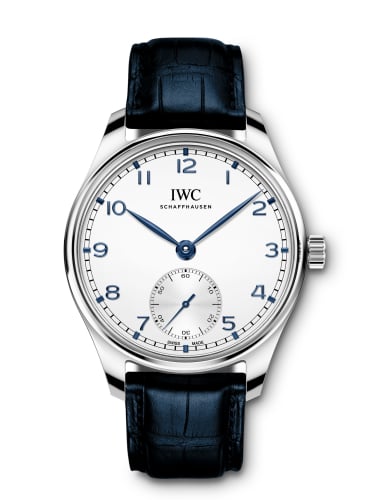
IWC Schaffhausen
Portugieser Automatic 40 Stainless Steel / Silver - Blue / Alligator
Ref. IW3583-04
CN/A
EN/A
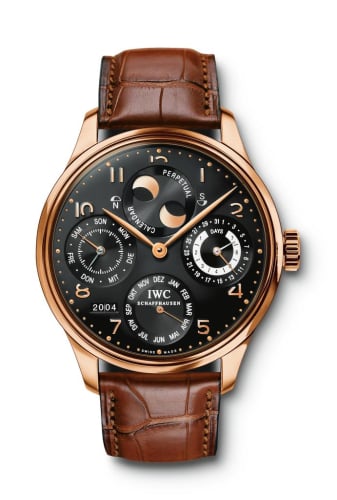
IWC Schaffhausen
Portuguese Perpetual Calendar 5021 Rose Gold / Black
Ref. IW5021-01
CN/A
EN/A
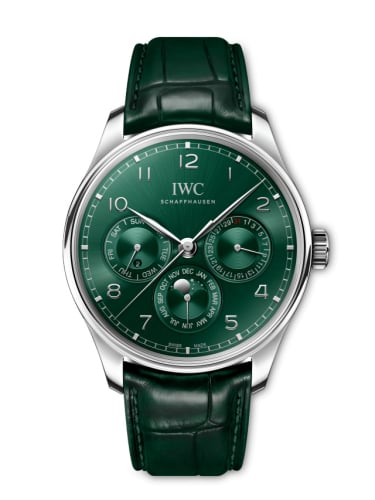
IWC Schaffhausen
Portugieser Perpetual Calendar 42 Stainless Steel / Green
Ref. IW3442-07
CN/A
EN/A
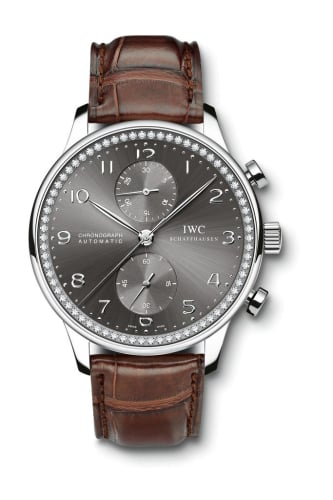
IWC Schaffhausen
Portuguese Chrono-Automatic White Gold / 80 Diamond
Ref. IW3714-73
CN/A
EN/A
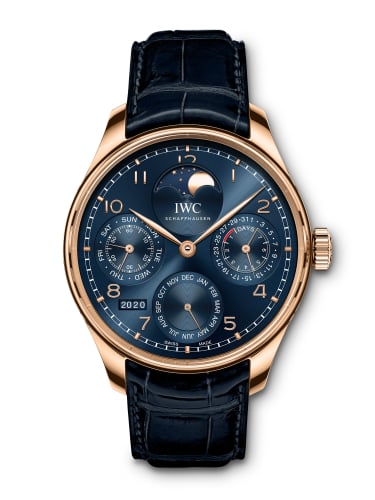
IWC Schaffhausen
Portugieser Perpetual Calendar Single Moon Armor Gold / Blue / Boutique Edition
Ref. IW5033-12
CN/A
EN/A
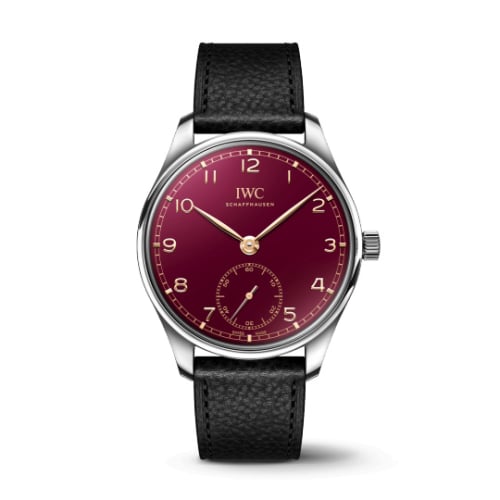
IWC Schaffhausen
Portugieser Automatic 40 Stainless Steel / Chinese New Year
Ref. IW3583-15
CN/A
EN/A
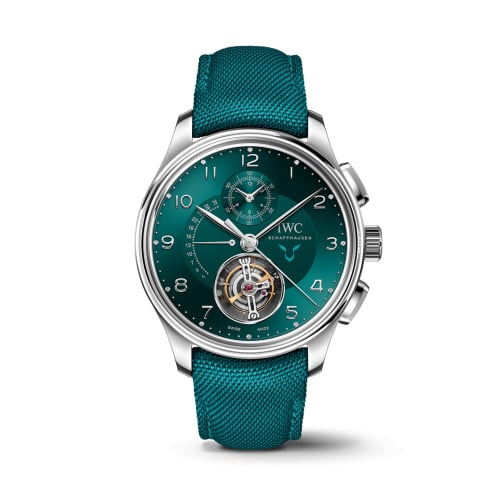
IWC Schaffhausen
Portugieser Tourbillon Rétrograde Chronograph Lewis Hamilton
Ref. IW3940-08
CN/A
EN/A
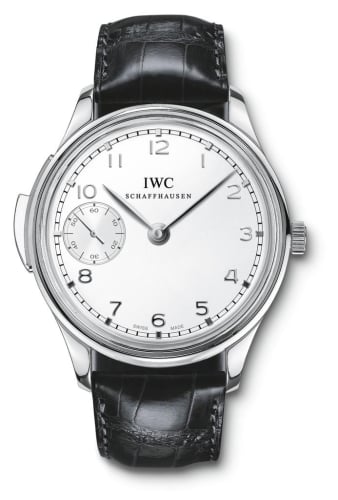
IWC Schaffhausen
Portuguese Minute Repeater Platinum
Ref. IW5242-04
CN/A
EN/A
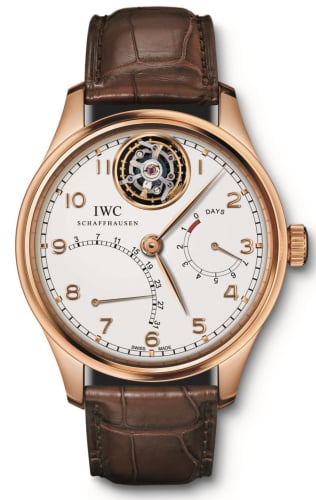
IWC Schaffhausen
Portuguese Tourbillon Mystère Rétrograde Red Gold / Silver
Ref. IW5044-02
CN/A
EN/A
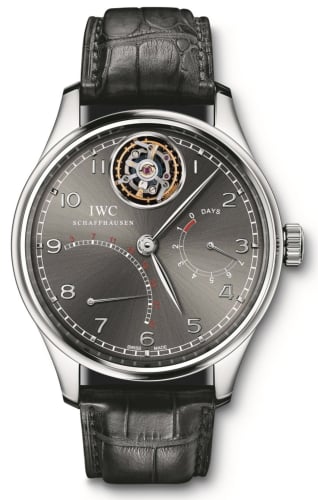
IWC Schaffhausen
Portuguese Tourbillon Mystère Rétrograde Platinum / Ardoise
Ref. IW5044-01
CN/A
EN/A
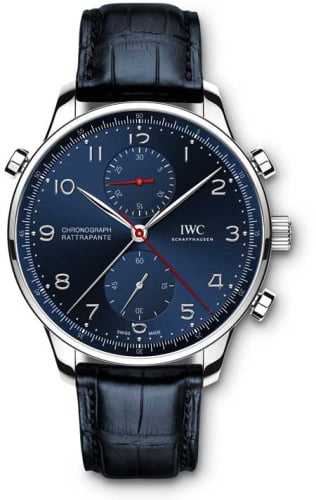
IWC Schaffhausen
Portuguese Chrono-Rattrapante Boutique Munich
Ref. IW3712-17
CN/A
EN/A
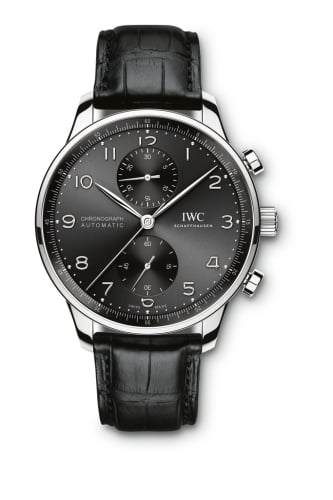
IWC Schaffhausen
Portugieser Chronograph Stainless Steel / Black
Ref. IW3716-09
CN/A
EN/A
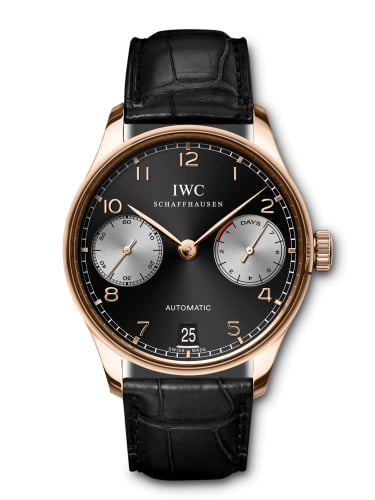
IWC Schaffhausen
Portuguese Automatic Red Gold / 100 Years Hübner
Ref. IW5001-28
CN/A
EN/A
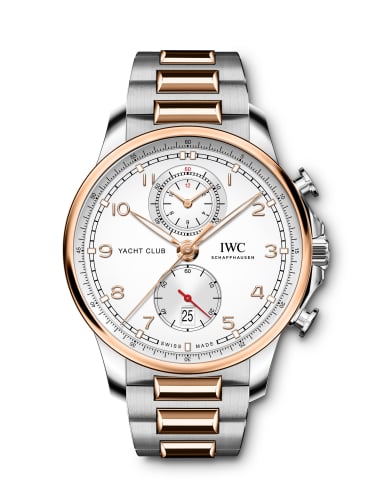
IWC Schaffhausen
Portugieser Yacht Club Chronograph Stainless Steel - Red Gold / Silver / Bracelet
Ref. IW3907-03
CN/A
EN/A
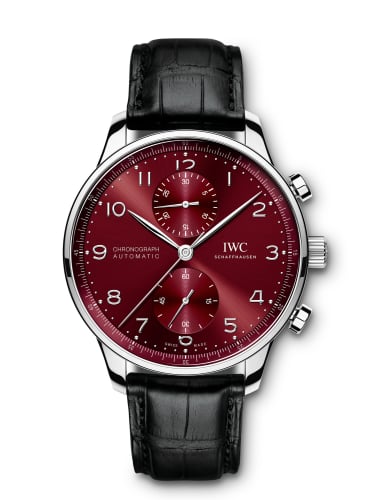
IWC Schaffhausen
Portugieser Chronograph Stainless Steel / Burgundy
Ref. IW3716-16
CN/A
EN/A
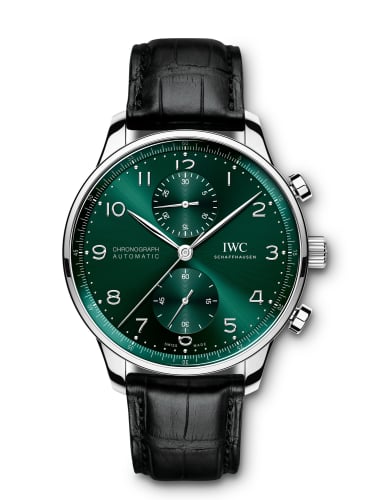
IWC Schaffhausen
Portugieser Chronograph Stainless Steel / Green
Ref. IW3716-15
CN/A
EN/A
IWC Schaffhausen
Portugieser Chrono-Automatic Platinum / Silver
Ref. IW3714-10
CN/A
EN/A
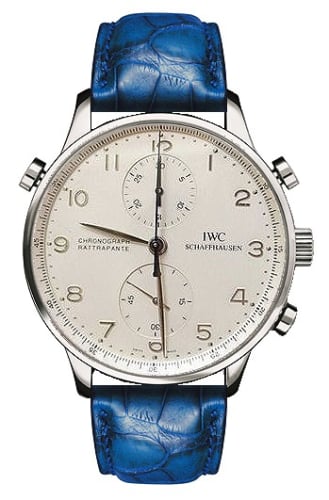
IWC Schaffhausen
Portuguese Chrono-Rattrapante White Gold / Silver
Ref. IW3712-09
CN/A
EN/A
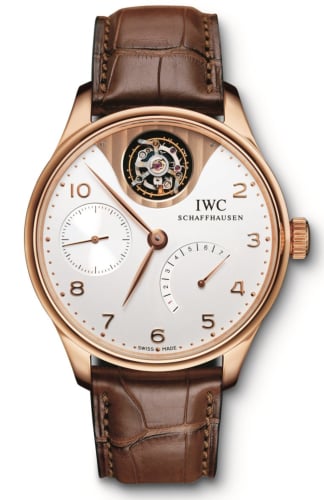
IWC Schaffhausen
Portugieser Tourbillon Mystere Rose Gold / Silver
Ref. IW5042-02
CN/A
EN/A
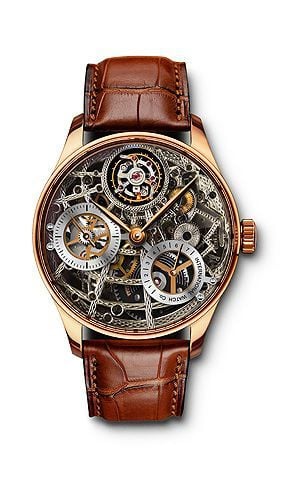
IWC Schaffhausen
Portugieser Tourbillon Mystere Squelette Platinum
Ref. IW5043-02
CN/A
EN/A
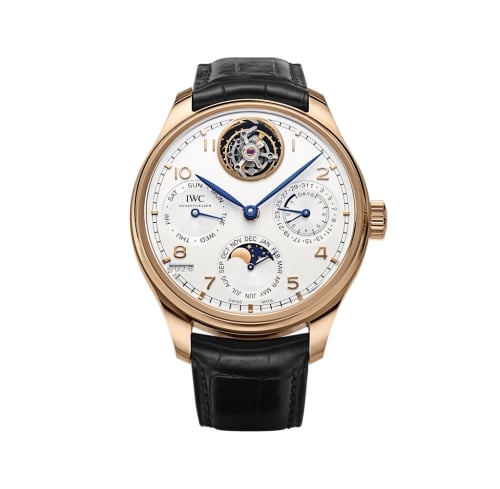
IWC Schaffhausen
Portuguese Perpetual Calendar Tourbillon Armor Gold / Bucherer
Ref. IW504-507
CN/A
EN/A
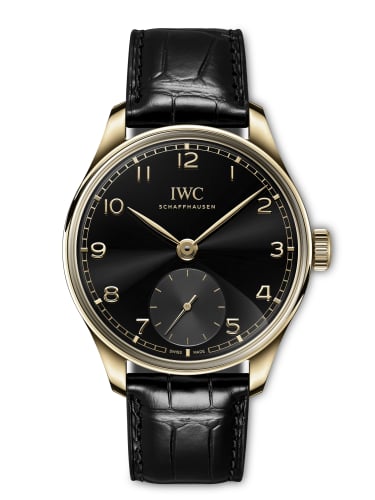
IWC Schaffhausen
Portugieser Automatic 40 Rose Gold / Black
Ref. IW3584-01
CN/A
EN/A
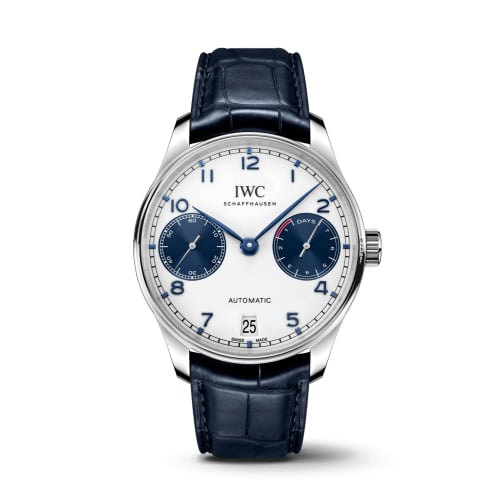
IWC Schaffhausen
Portugieser Automatic 5007 Stainless Steel / Silver - Blue
Ref. IW5007-15
CN/A
EN/A
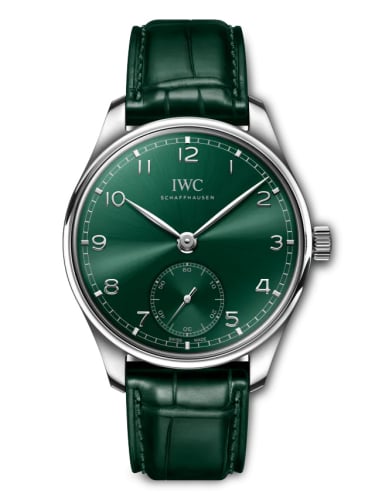
IWC Schaffhausen
Portugieser Automatic 40 Stainless Steel / Green
Ref. IW3583-10
CN/A
EN/A
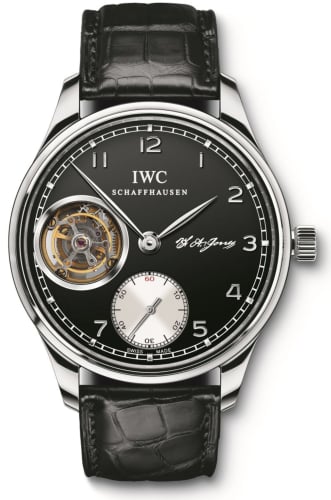
IWC Schaffhausen
Portugieser Tourbillon Hand-Wound F.A. Jones Platinum / Black
Ref. IW5447-04
CN/A
EN/A
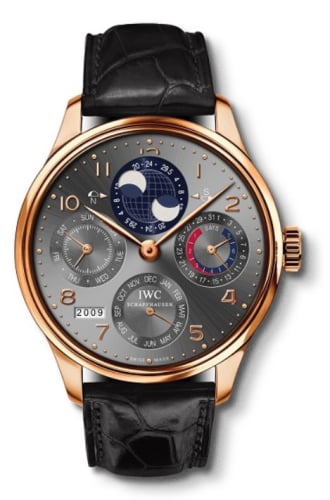
IWC Schaffhausen
Portuguese Perpetual Calendar 5021 Red Gold / Ardoise
Ref. IW502123
CN/A
EN/A
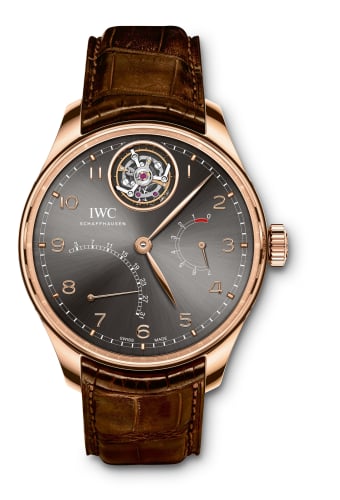
IWC Schaffhausen
Portugieser Tourbillon Mystère Rétrograde Red Gold / Ardoise
Ref. IW5046-02
CN/A
EN/A
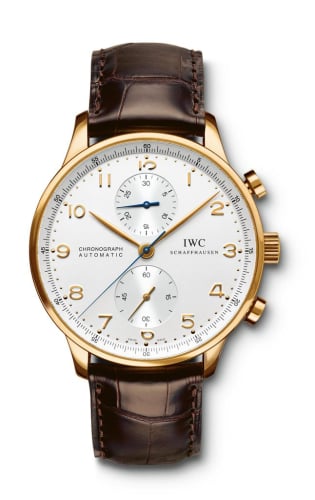
IWC Schaffhausen
Portuguese Chrono-Automatic Yellow Gold / Silver
Ref. IW3714-16
CN/A
EN/A
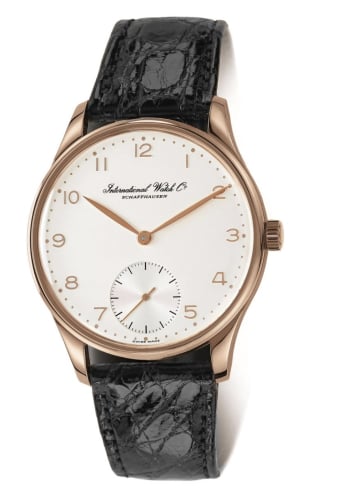
IWC Schaffhausen
Portugieser Jubilee Rose Gold
Ref. IW5441-04
CN/A
EN/A
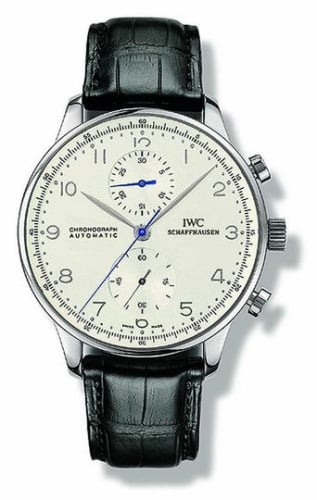
IWC Schaffhausen
Portuguese Chrono-Automatic White Gold / Silver
Ref. IW3714-05
CN/A
EN/A
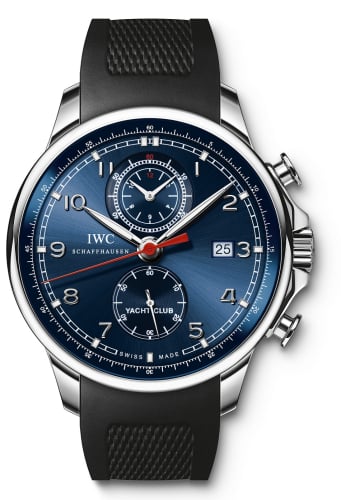
IWC Schaffhausen
Portuguese Yacht Club Chronograph Laureus
Ref. IW3902-13
CN/A
EN/A
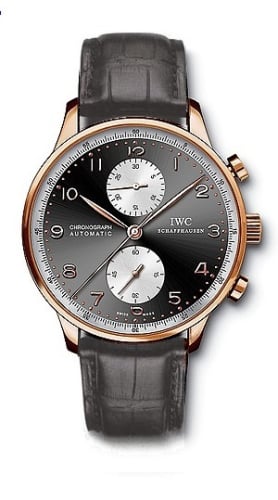
IWC Schaffhausen
Portuguese Chrono-Automatic Jackie Chan
Ref. IW3714-33
CN/A
EN/A
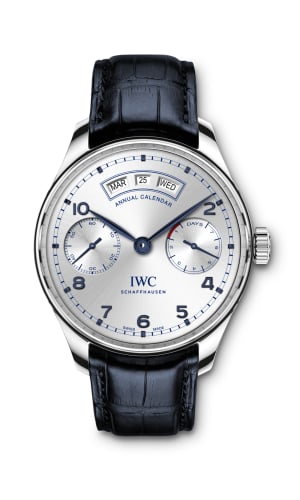
IWC Schaffhausen
Portugieser Annual Calendar BFI London Film Festival
Ref. IW5035-05
CN/A
EN/A
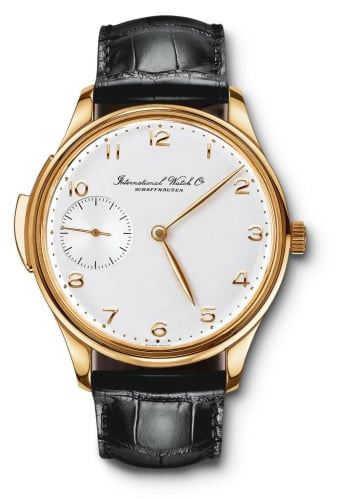
IWC Schaffhausen
Portugieser Minute Repeater Yellow Gold
Ref. IW5240-02
CN/A
EN/A
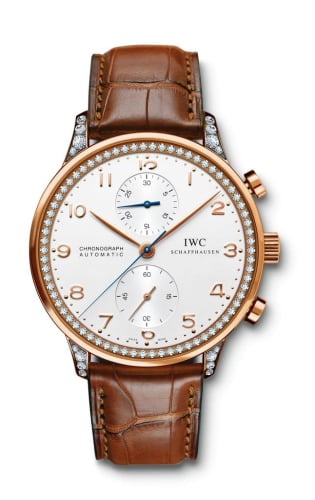
IWC Schaffhausen
Portuguese Chrono-Automatic Rose Gold / 80 Diamond
Ref. IW3714-77
CN/A
EN/A
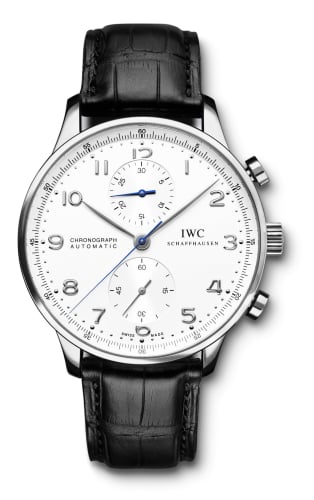
IWC Schaffhausen
Portuguese Chrono-Automatic White Gold / Silver
Ref. IW3714-12
CN/A
EN/A
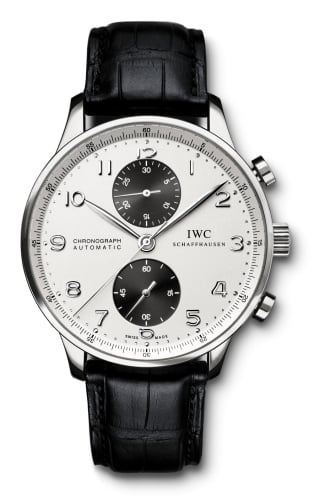
IWC Schaffhausen
Portuguese Chrono-Automatic Stainless Steel / Panda
Ref. IW3714-11
CN/A
EN/A
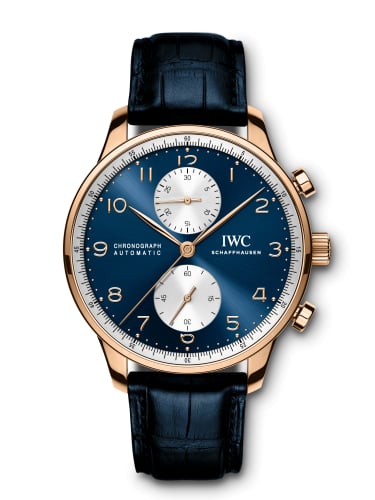
IWC Schaffhausen
Portugieser Chrono-Automatic Bucherer Blue Editions
Ref. IW3714-88
CN/A
EN/A
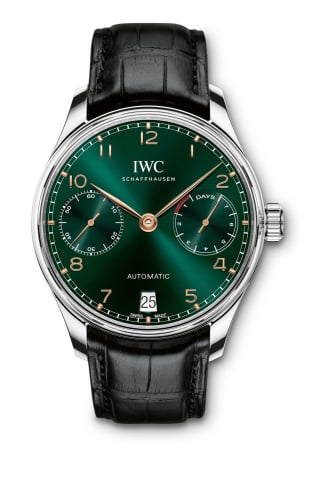
IWC Schaffhausen
Portugieser Automatic 5007 Stainless Steel / Green / Kuwait
Ref. IW5007-08
CN/A
EN/A
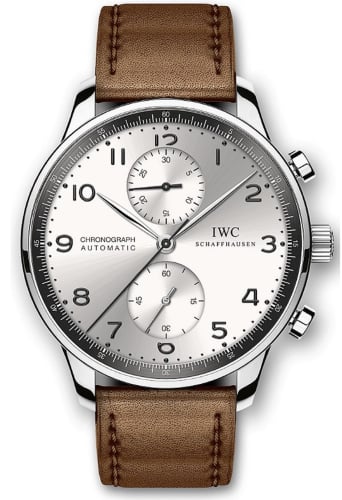
IWC Schaffhausen
Portuguese Chrono-Automatic Stainless Steel / Zürich
Ref. IW3714-93
CN/A
EN/A
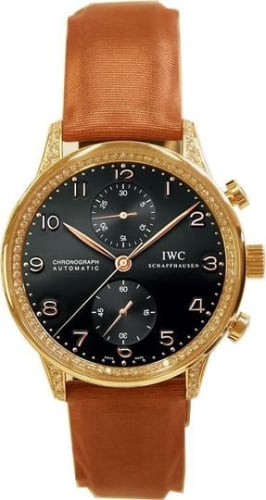
IWC Schaffhausen
Portugieser Chrono-Automatic Rose Gold / Black / Diamond
Ref. IW3714-25
CN/A
EN/A
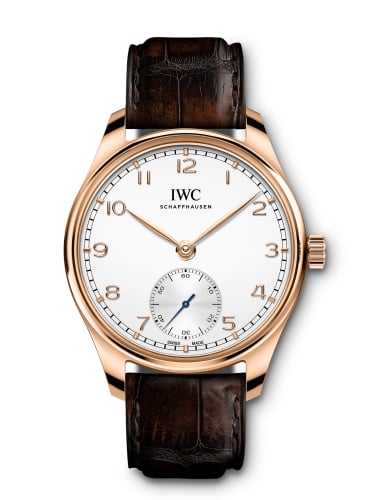
IWC Schaffhausen
Portugieser Automatic 40 Rose Gold / Silver / Alligator
Ref. IW3583-06
CN/A
EN/A
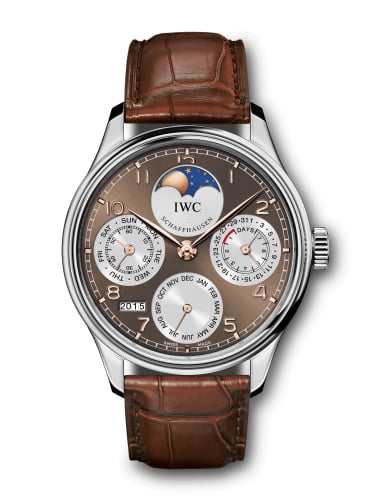
IWC Schaffhausen
Portugieser Perpetual Calendar 5023 White Gold / Arije
Ref. IW5023-10
CN/A
EN/A
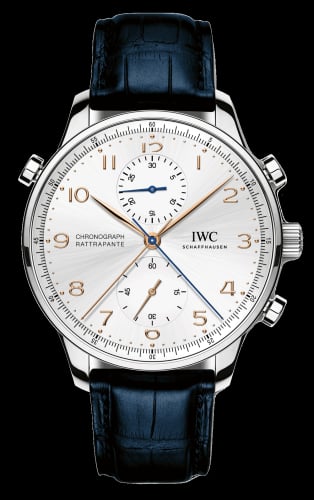
IWC Schaffhausen
Portuguese Chrono-Rattrapante Stainless Steel / Silver / Lisboa
Ref. IW3712-19
CN/A
EN/A
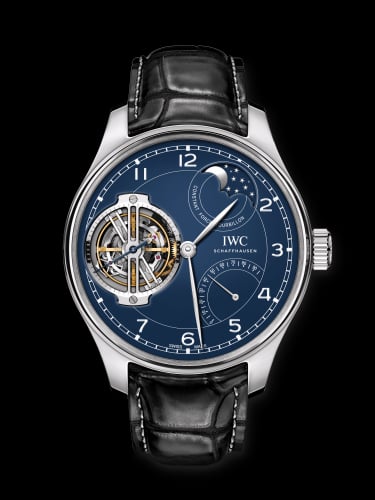
IWC Schaffhausen
Portugieser Constant-Force Tourbillon Edition “150 Years” Platinum / Blue
Ref. IW5902-03
CN/A
EN/A
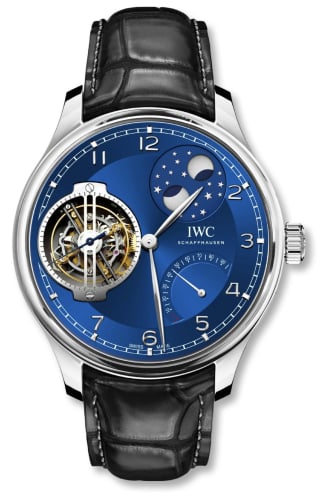
IWC Schaffhausen
Portugieser Constant-Force Tourbillon Double Moon Platinum / Behebani
Ref. IW5901-09
CN/A
EN/A
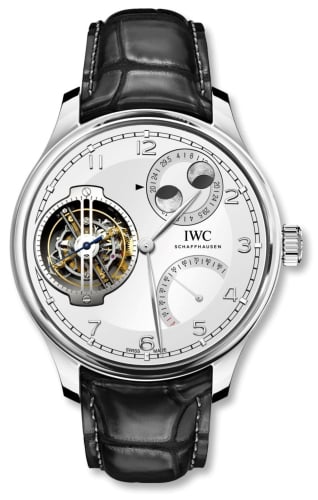
IWC Schaffhausen
Portugieser Constant-Force Tourbillon Double Moon Platinum / Silver
Ref. IW5901-05
CN/A
EN/A
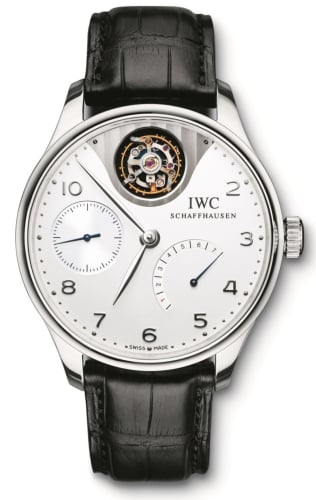
IWC Schaffhausen
Portugieser Tourbillon Mystere Platinum / Silver
Ref. IW5042-04
CN/A
EN/A
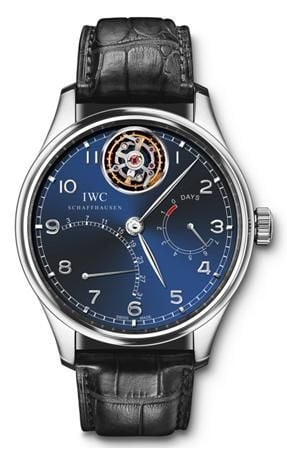
IWC Schaffhausen
Portuguese Tourbillon Mystère Rétrograde Platinum / Arije
Ref. IW5044-04
CN/A
EN/A
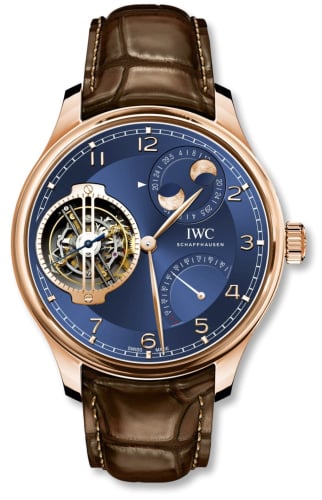
IWC Schaffhausen
Portugieser Constant-Force Tourbillon Double Moon Red Gold / Blue
Ref. IW5901-06
CN/A
EN/A
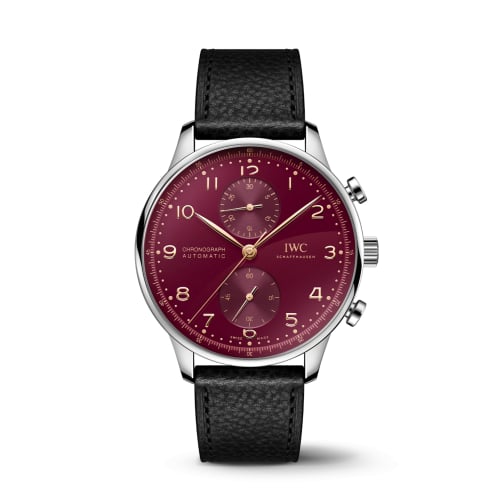
IWC Schaffhausen
Portugieser Chronograph Year of the Dragon
Ref. IW3716-29
CN/A
EN/A
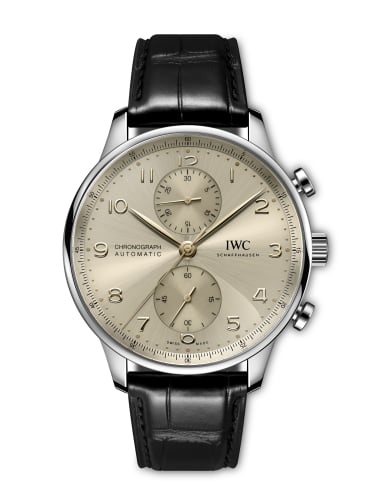
IWC Schaffhausen
Portugieser Chronograph Stainless Steel / Dune
Ref. IW3716-24
CN/A
EN/A
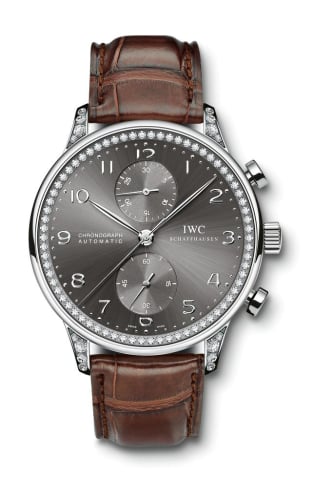
IWC Schaffhausen
Portuguese Chrono-Automatic White Gold / 108 Diamond
Ref. IW3714-74
CN/A
EN/A
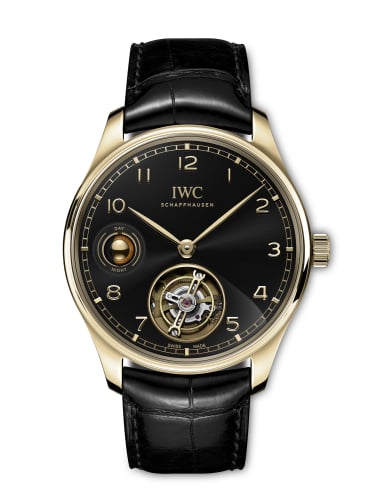
IWC Schaffhausen
Portugieser Hand-Wound Tourbillon Day & Night Armor Gold / Black
Ref. IW5459-01
CN/A
EN/A
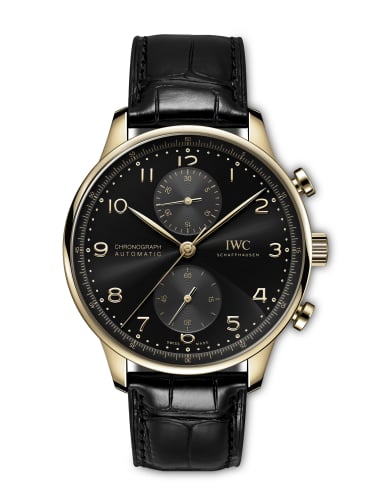
IWC Schaffhausen
Portugieser Chronograph Rose Gold / Black
Ref. IW3716-25
CN/A
EN/A
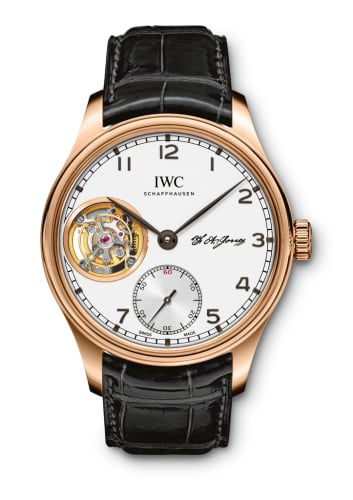
IWC Schaffhausen
Portugieser Tourbillon Hand-Wound D.H. Craig USA
Ref. IW5463-06
CN/A
EN/A
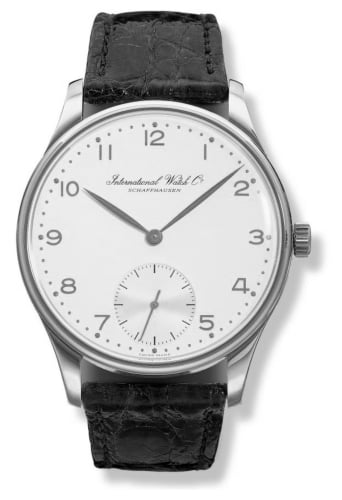
IWC Schaffhausen
Portugieser Jubilee Platinum
Ref. IW5441-06
CN/A
EN/A
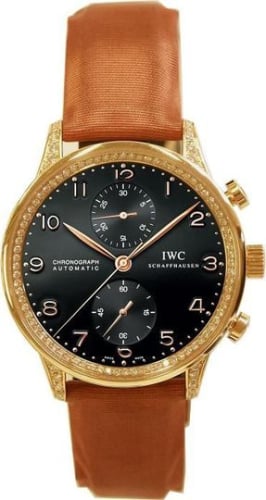
IWC Schaffhausen
Portuguese Chrono-Automatic Rose Gold / Black / Diamond
Ref. IW3714-18
CN/A
EN/A
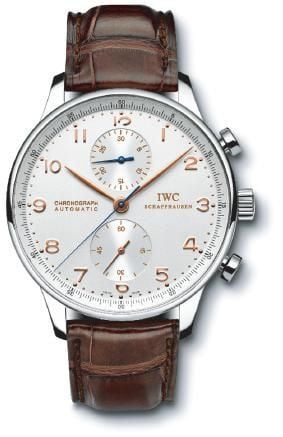
IWC Schaffhausen
Portuguese Chrono-Automatic White Gold / Tim Jeffries
Ref. IW3714-67
CN/A
EN/A
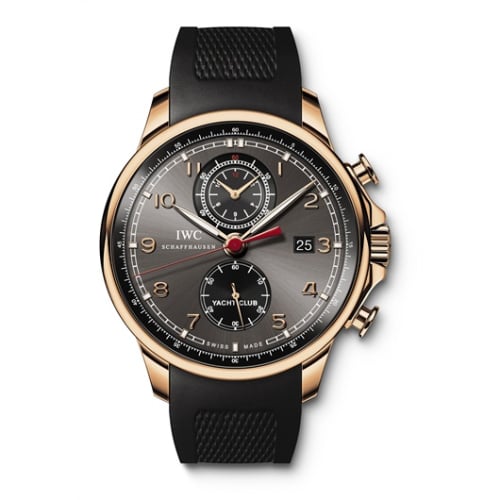
IWC Schaffhausen
Portuguese Yacht Club Chronograph Red Gold
Ref. IW3902-09
CN/A
EN/A
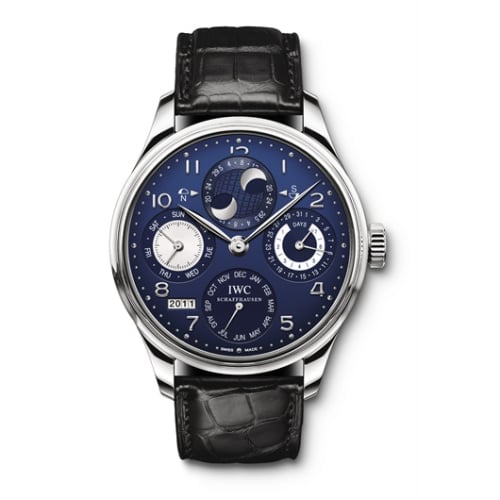
IWC Schaffhausen
Portugieser Perpetual Calendar 5021 White Gold / Blue
Ref. IW5021-21
CN/A
EN/A
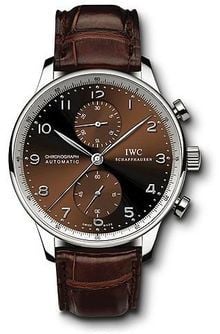
IWC Schaffhausen
Portugieser Chrono-Automatic Stainless Steel / Watches of Switzerland
Ref. IW3714-62
CN/A
EN/A
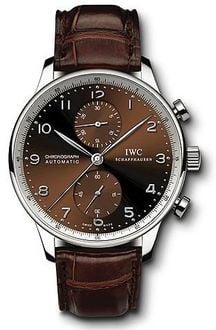
IWC Schaffhausen
Portuguese Chrono-Automatic Rose Gold / Watches of Switzerland
Ref. IW3714-63
CN/A
EN/A
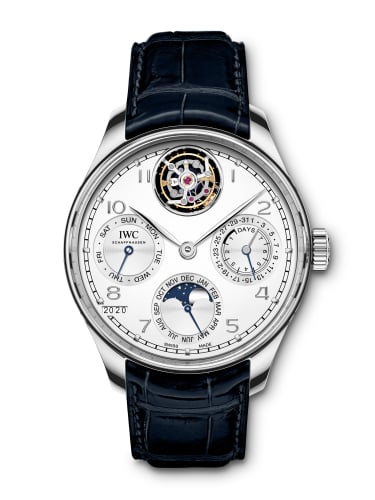
IWC Schaffhausen
Portuguese Perpetual Calendar Tourbillon Platinum / Silver
Ref. IW5045-05
CN/A
EN/A
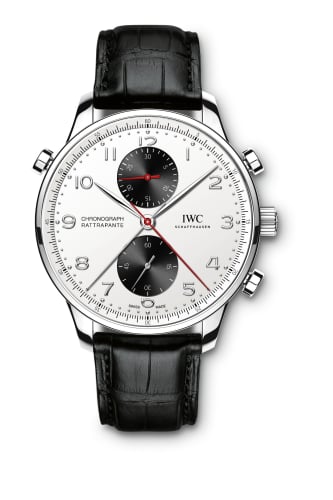
IWC Schaffhausen
Portuguese Chrono-Rattrapante Boutique Toronto
Ref. IW3712-20
CN/A
EN/A
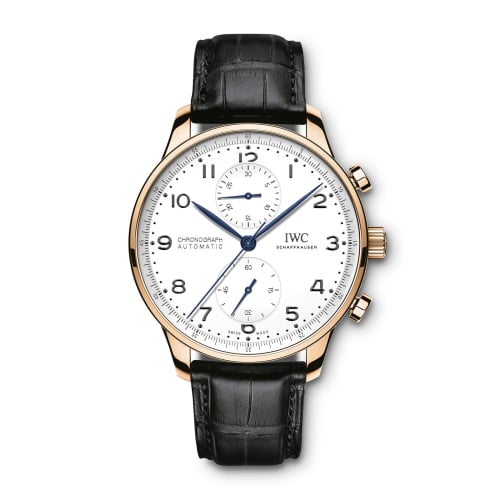
IWC Schaffhausen
Portugieser Chronograph "150 Years" Red Gold / White
Ref. IW3716-03
CN/A
EN/A
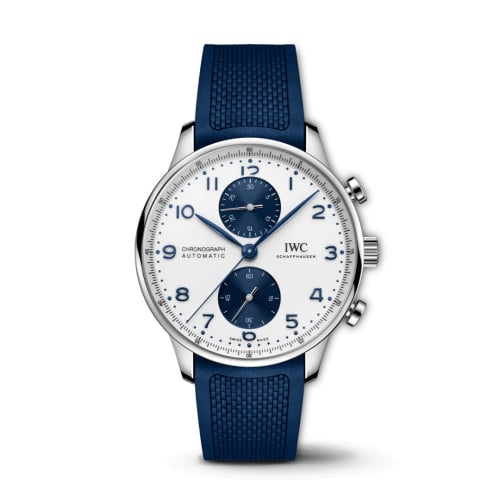
IWC Schaffhausen
Portugieser Chronograph Stainless Steel / Silver - Blue / Rubber
Ref. IW3716-20
CN/A
EN/A
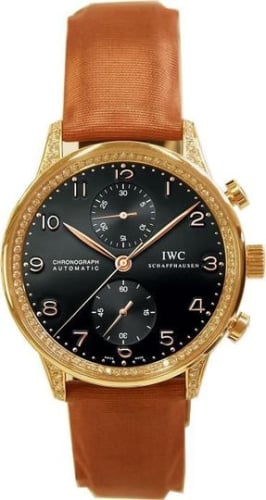
IWC Schaffhausen
Portugieser Chrono-Automatic Rose Gold / Black / Diamond
Ref. IW3714-28
CN/A
EN/A
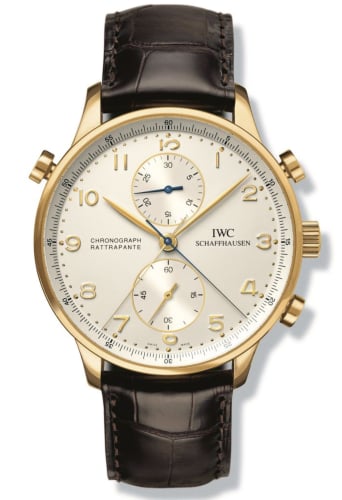
IWC Schaffhausen
Portugieser Chrono-Rattrapante Yellow Gold / Silver
Ref. IW3712-11
CN/A
EN/A
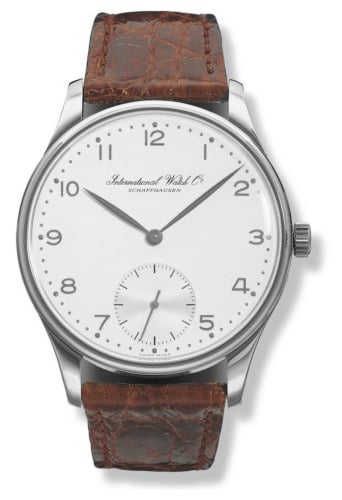
IWC Schaffhausen
Portugieser Jubilee Platinum
Ref. IW5441-05
CN/A
EN/A
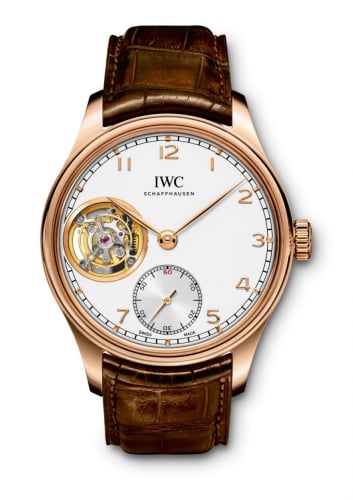
IWC Schaffhausen
Portugieser Tourbillon Hand-Wound Red Gold
Ref. IW5463-02
CN/A
EN/A
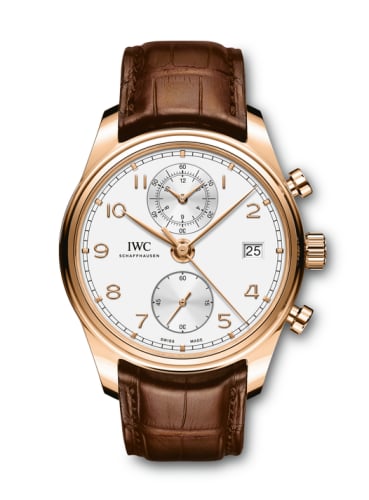
IWC Schaffhausen
Portugieser Chronograph Classic Red Gold / Silver
Ref. IW3903-01
CN/A
EN/A
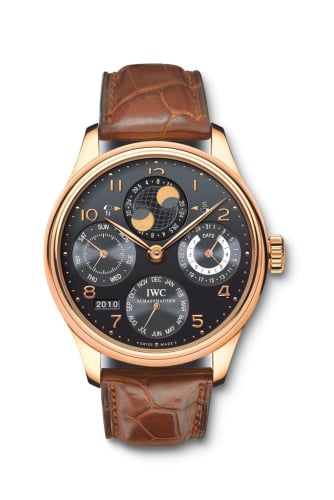
IWC Schaffhausen
Portuguese Perpetual Calendar 5021 Red Gold / Black
Ref. IW5021-22
CN/A
EN/A
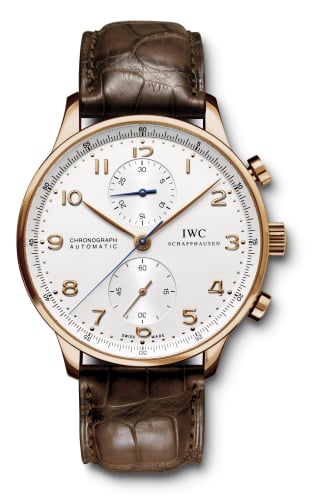
IWC Schaffhausen
Portuguese Chrono-Automatic Rose Gold / Silver
Ref. IW3714-09
CN/A
EN/A
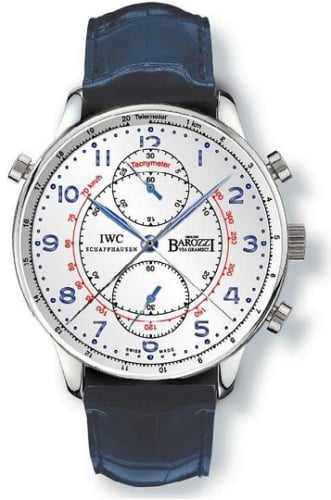
IWC Schaffhausen
Portuguese Chrono-Rattrapante Barozzi
Ref. IW3712-12
CN/A
EN/A
IWC Schaffhausen
Portugieser Chrono-Rattrapante Stainless Steel / Cortina
Ref. IW3712-13
CN/A
EN/A
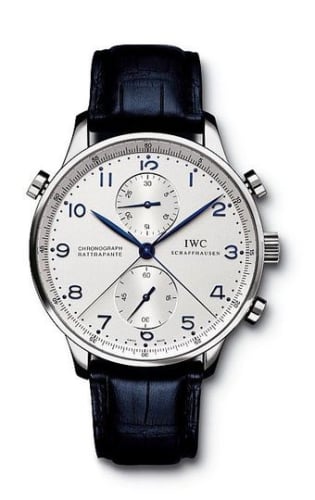
IWC Schaffhausen
Portugieser Chrono-Rattrapante Stainless Steel / Italy
Ref. IW3712-14
CN/A
EN/A
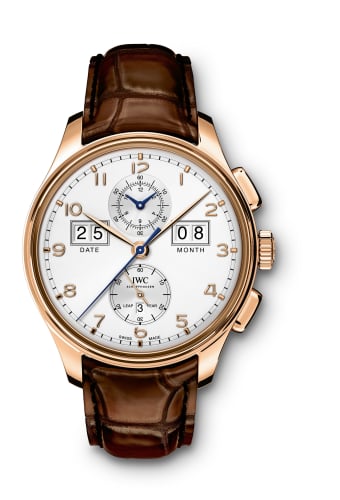
IWC Schaffhausen
Portugieser Perpetual Calendar Digital Date-Month Edition "75th Anniversary" Red Gold / Silver
Ref. IW3972-03
CN/A
EN/A
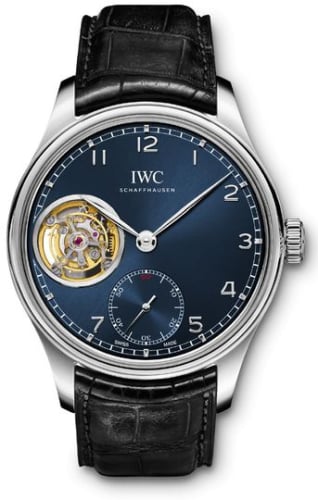
IWC Schaffhausen
Portugieser Tourbillon Hand-Wound Laureus Charity Night Milano 2014
Ref. IW5463-03
CN/A
EN/A
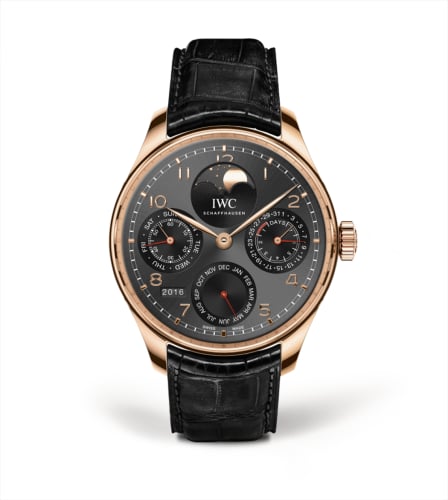
IWC Schaffhausen
Portugieser Perpetual Calendar Single Moon Red Gold / Dubail
Ref. IW5033-08
CN/A
EN/A
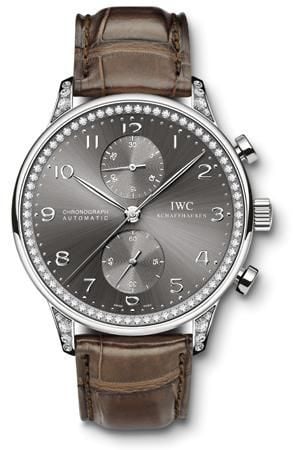
IWC Schaffhausen
Portuguese Chrono-Automatic White Gold / Ardoise / Diamond
Ref. IW3714-39
CN/A
EN/A
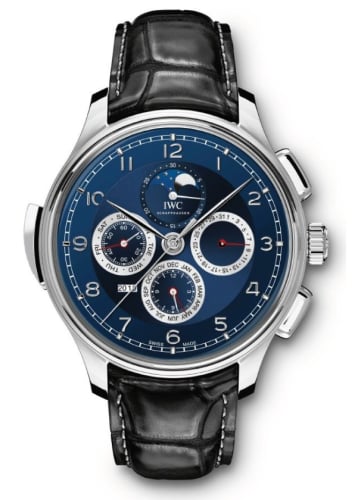
IWC Schaffhausen
Portugieser Grande Complication Platinum / Bucherer Blue
Ref. IW3776-03
CN/A
EN/A
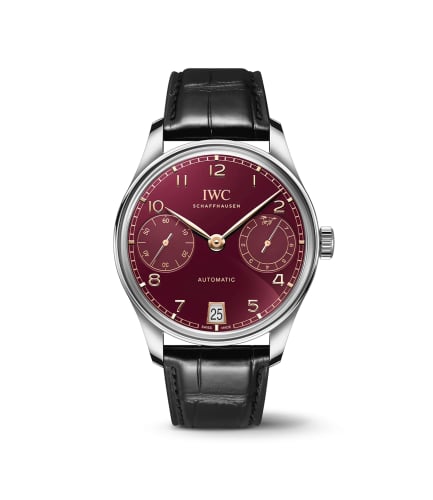
IWC Schaffhausen
Portugieser Automatic 42 Stainless Steel / Year of the Horse
Ref. IW5017-09
CN/A
EN/A
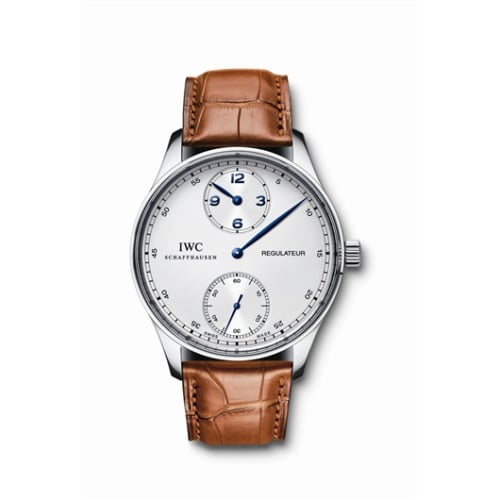
IWC Schaffhausen
Portugieser Regulateur Stainless Steel
Ref. IW5444-01
CN/A
EN/A
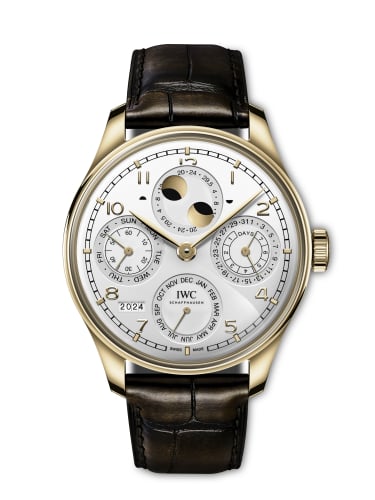
IWC Schaffhausen
Portugieser Perpetual Calendar 44 Armor Gold / Silver
Ref. IW5037-01
CN/A
EN/A
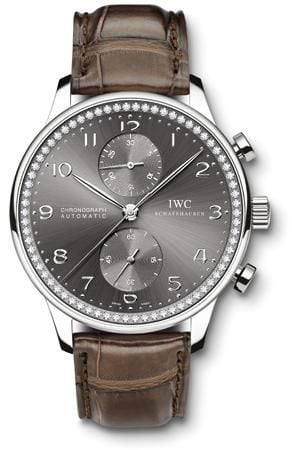
IWC Schaffhausen
Portuguese Chrono-Automatic White Gold / Ardoise / Diamond
Ref. IW3714-40
CN/A
EN/A
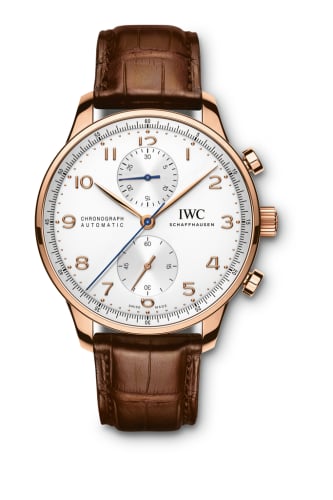
IWC Schaffhausen
Portuguese Chrono-Automatic Red Gold / Silver
Ref. IW3714-80
CN/A
EN/A
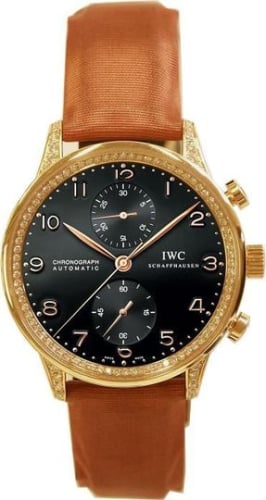
IWC Schaffhausen
Portugieser Chrono-Automatic Rose Gold / Black / Diamond
Ref. IW3714-29
CN/A
EN/A
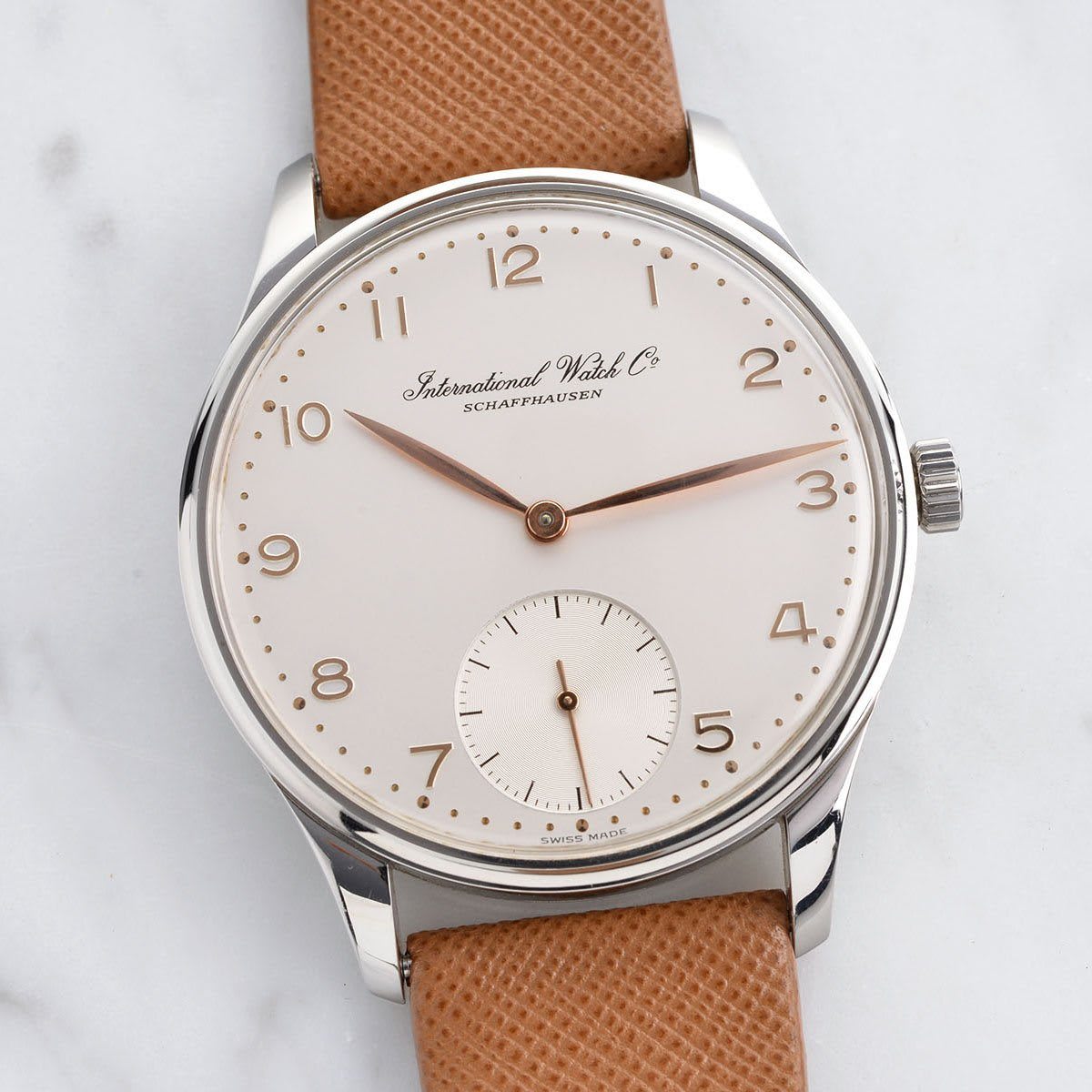
IWC Schaffhausen
Portugieser Jubilee
Ref. 3712
CN/A
EN/A
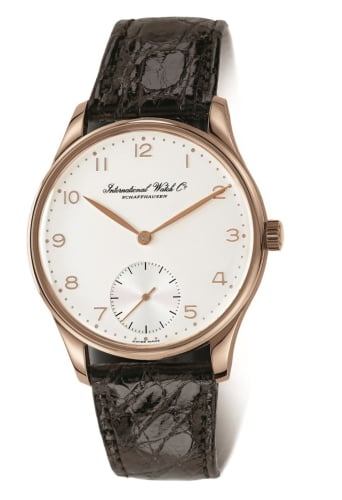
IWC Schaffhausen
Portugieser Jubilee Rose Gold
Ref. IW5441-03
CN/A
EN/A
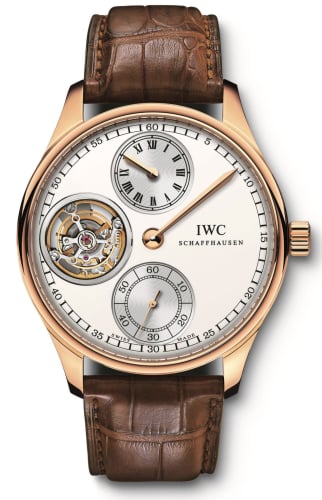
IWC Schaffhausen
Portugieser Regulateur Tourbillon Rose Gold / Silver
Ref. IW5446-02
CN/A
EN/A
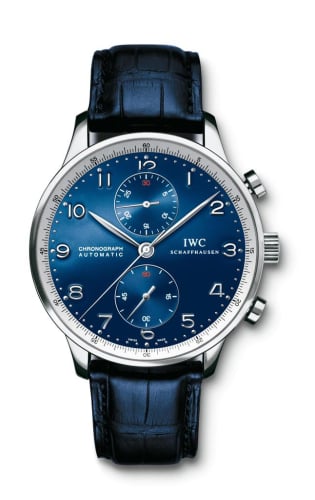
IWC Schaffhausen
Portuguese Chrono-Automatic Laureus
Ref. IW3714-32
CN/A
EN/A
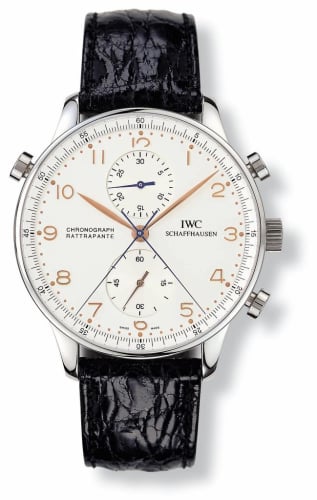
IWC Schaffhausen
Portugieser Chrono-Rattrapante Stainless Steel / Silver
Ref. IW3712-02
CN/A
EN/A
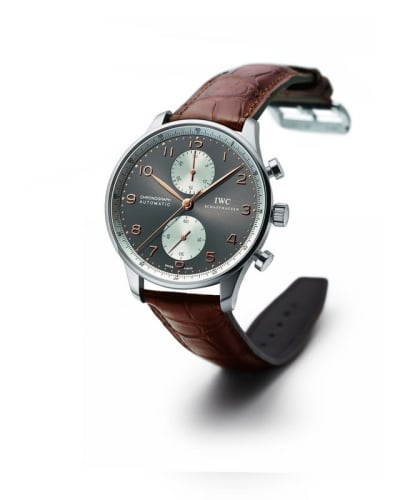
IWC Schaffhausen
Portuguese Chrono-Automatic Stainless Steel / Lucerne
Ref. IW3714-66
CN/A
EN/A
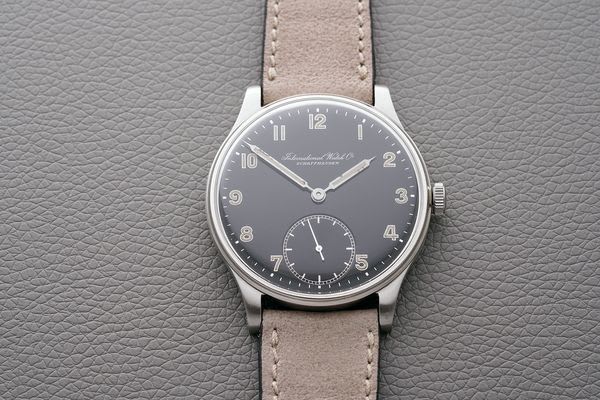
IWC Schaffhausen
Portugieser
Ref. 325
CN/A
EN/A
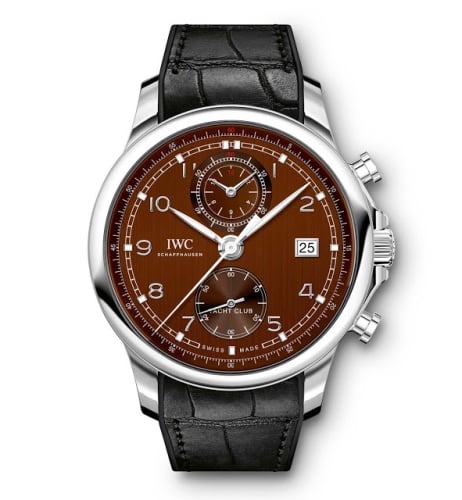
IWC Schaffhausen
Portuguese Yacht Club Chronograph 43.5 Boesch
Ref. IW3905-04
CN/A
EN/A
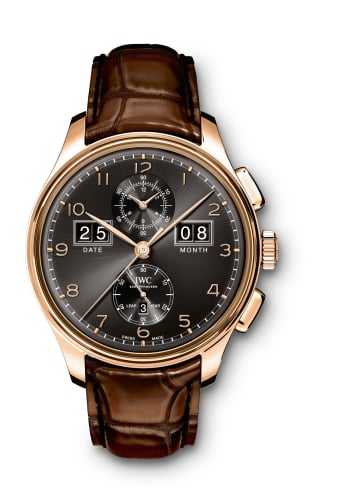
IWC Schaffhausen
Portugieser Perpetual Calendar Digital Date-Month Edition "75th Anniversary" Red Gold / Black
Ref. IW3972-02
CN/A
EN/A
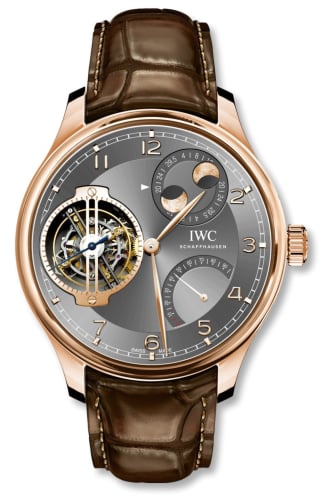
IWC Schaffhausen
Portugieser Constant-Force Tourbillon Double Moon Red Gold / Ardoise
Ref. IW5901-01
CN/A
EN/A
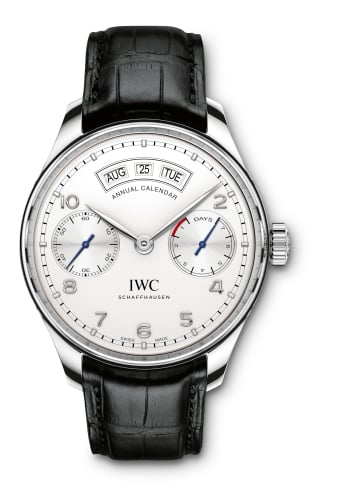
IWC Schaffhausen
Portugieser Annual Calendar Stainless Steel / Silver
Ref. IW5035-01
CN/A
EN/A
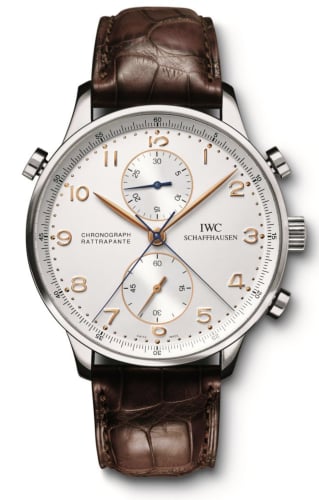
IWC Schaffhausen
Portuguese Chrono-Rattrapante Open Caseback
Ref. IW3712-07
CN/A
EN/A
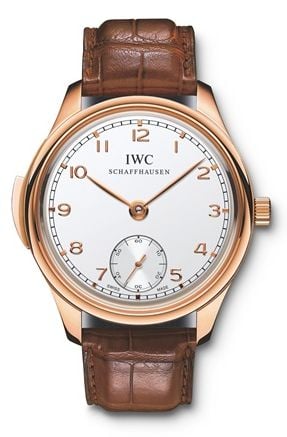
IWC Schaffhausen
Portuguese Minute Repeater Red Gold
Ref. IW5449-05
CN/A
EN/A
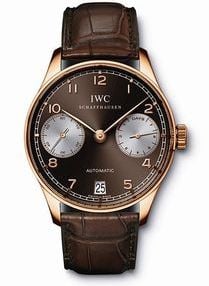
IWC Schaffhausen
Portuguese Automatic Red Gold / Oriental Watch Co.
Ref. IW5001-22
CN/A
EN/A
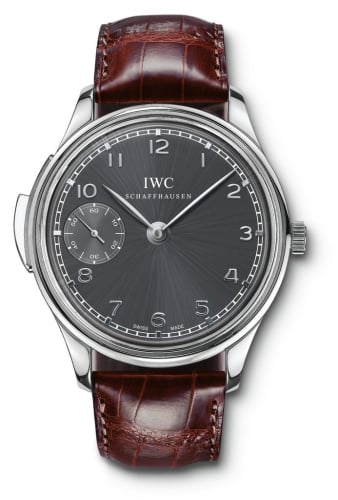
IWC Schaffhausen
Portuguese Minute Repeater White Gold
Ref. IW5242-05
CN/A
EN/A
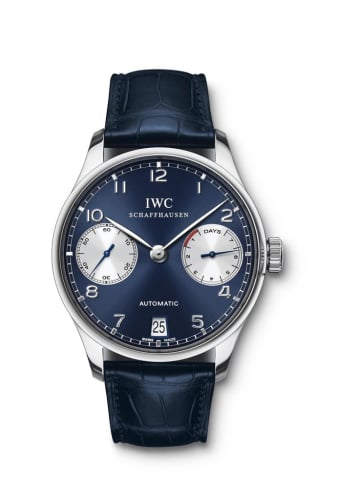
IWC Schaffhausen
Portuguese Automatic Laureus
Ref. IW5001-12
CN/A
EN/A
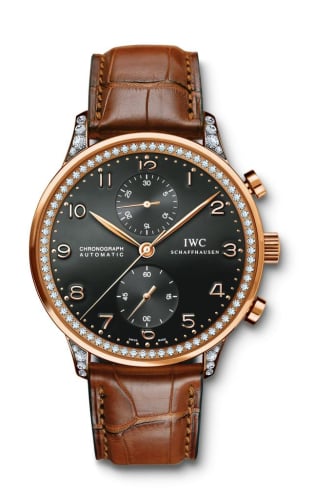
IWC Schaffhausen
Portuguese Chrono-Automatic Rose Gold / 108 Diamond
Ref. IW3714-71
CN/A
EN/A
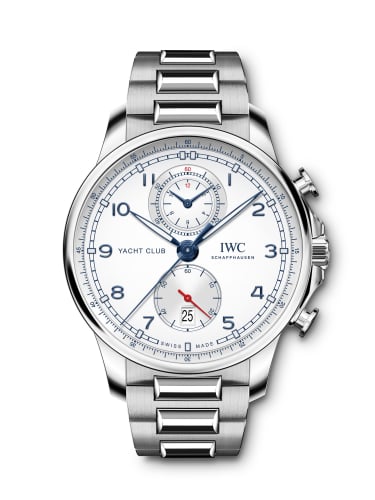
IWC Schaffhausen
Portugieser Yacht Club Chronograph Stainless Steel / Silver / Bracelet
Ref. IW3907-02
CN/A
EN/A
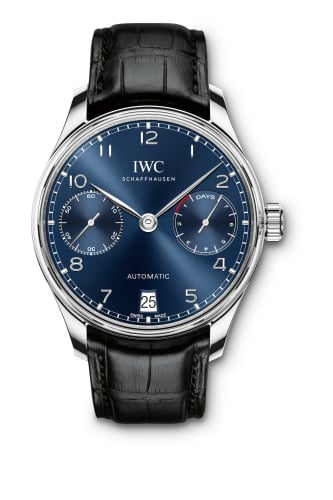
IWC Schaffhausen
Portugieser Automatic 5007 Stainless Steel / Blue
Ref. IW5007-10
CN/A
EN/A
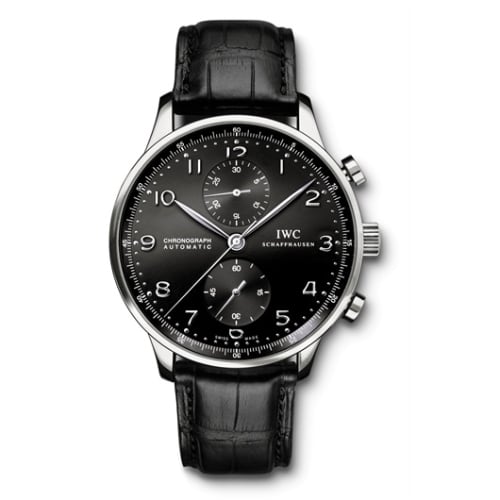
IWC Schaffhausen
Portuguese Chrono-Automatic Stainless Steel / Black
Ref. IW3714-38
CN/A
EN/A
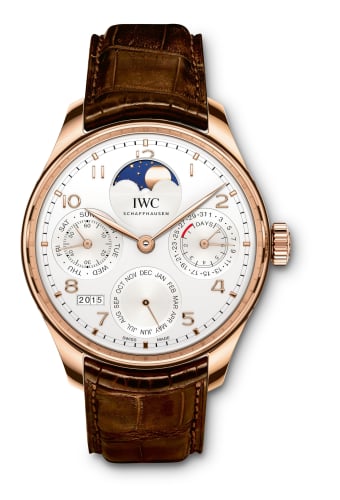
IWC Schaffhausen
Portugieser Perpetual Calendar Single Moon Red Gold / Silver
Ref. IW5033-02
CN/A
EN/A
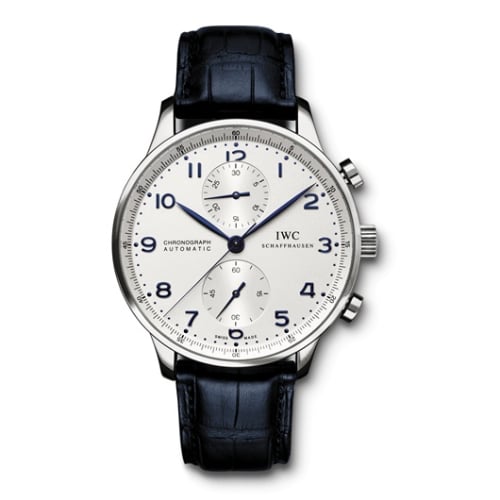
IWC Schaffhausen
Portuguese Chrono-Automatic Stainless Steel / Silver
Ref. IW3714-17
CN/A
EN/A
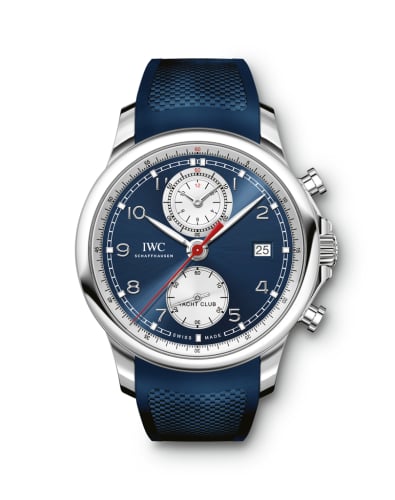
IWC Schaffhausen
Portuguese Yacht Club Chronograph 43.5 Stainless Steel / Blue / Summer Edition
Ref. IW3905-07
CN/A
EN/A
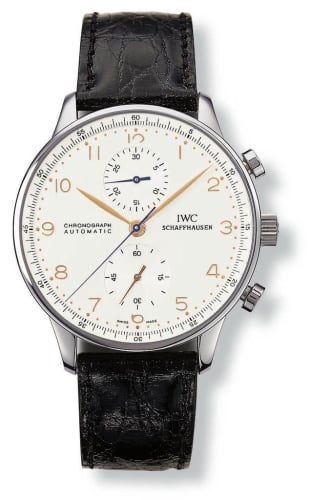
IWC Schaffhausen
Portuguese Chrono-Automatic Stainless Steel / Silver
Ref. IW3714-01
CN/A
EN/A
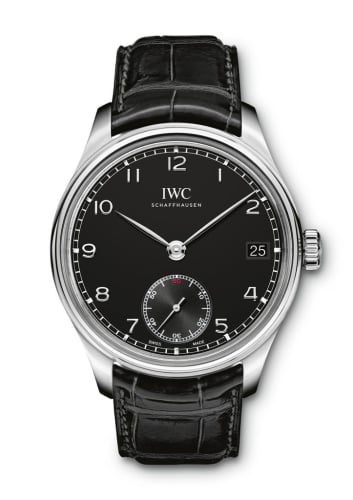
IWC Schaffhausen
Portuguese Hand-Wound Eight Days Stainless Steel / Black
Ref. IW5102-02
CN/A
EN/A
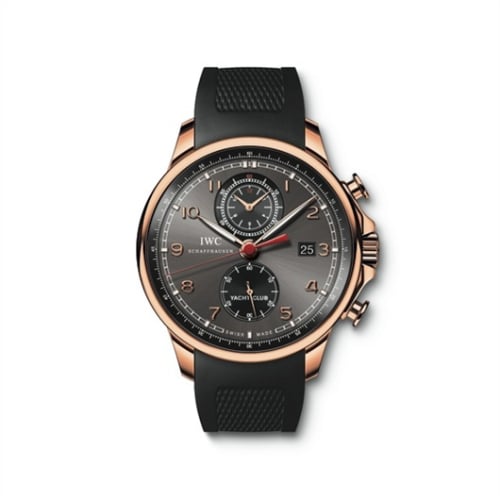
IWC Schaffhausen
Portuguese Yacht Club Chronograph
Ref. IW3902-02
CN/A
EN/A
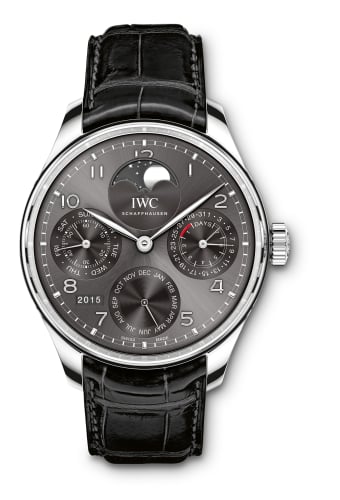
IWC Schaffhausen
Portugieser Perpetual Calendar Single Moon White Gold / Ardoise
Ref. IW5033-01
CN/A
EN/A
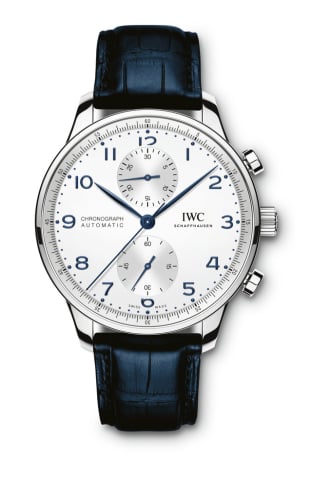
IWC Schaffhausen
Portugieser Chronograph Stainless Steel / Silver - Blue
Ref. IW3716-05
CN/A
EN/A
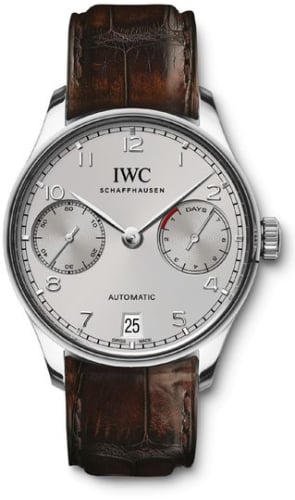
IWC Schaffhausen
Portugieser Automatic 5007 Stainless Steel / Silver / Ginza
Ref. IW5007-07
CN/A
EN/A
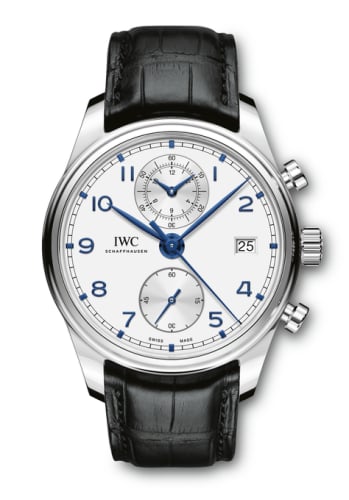
IWC Schaffhausen
Portugieser Chronograph Classic Stainless Steel / Silver
Ref. IW3903-02
CN/A
EN/A
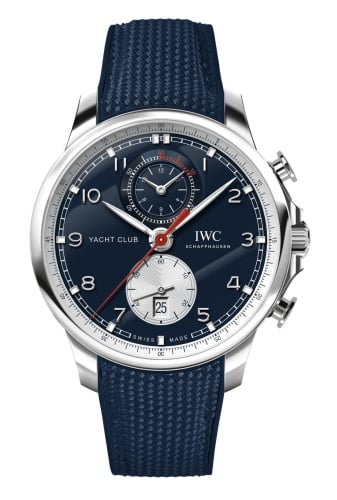
IWC Schaffhausen
Portugieser Yacht Club Chronograph Orlebar Brown
Ref. IW3907-04
CN/A
EN/A
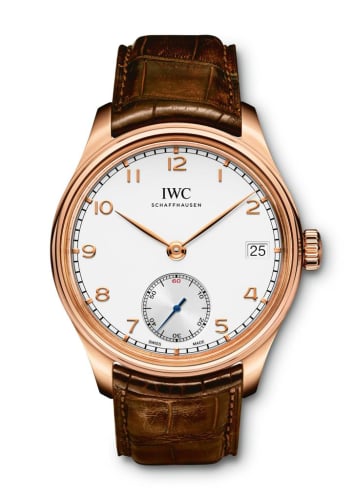
IWC Schaffhausen
Portuguese Hand-Wound Eight Days Red Gold
Ref. IW5102-04
CN/A
EN/A
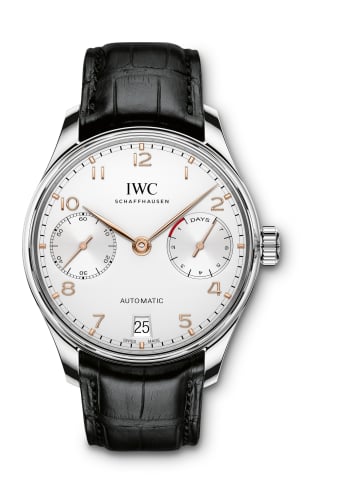
IWC Schaffhausen
Portugieser Automatic 5007 Stainless Steel / Silver - Gold Numerals
Ref. IW5007-04
CN/A
EN/A
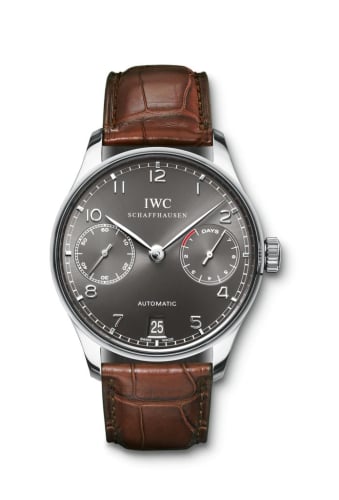
IWC Schaffhausen
Portuguese Automatic White Gold / Ardoise
Ref. IW5001-06
CN/A
EN/A
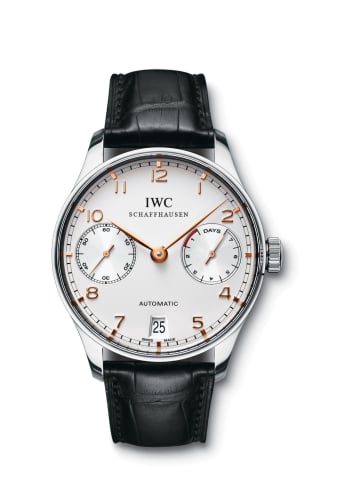
IWC Schaffhausen
Portuguese Automatic Stainless Steel / Silver
Ref. IW5001-14
CN/A
EN/A
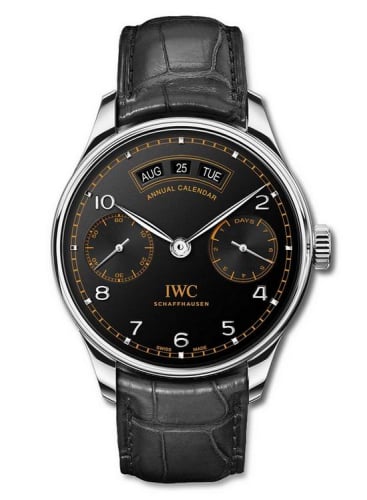
IWC Schaffhausen
Portugieser Annual Calendar Stainless Steel / Pisa
Ref. IW5035-07
CN/A
EN/A
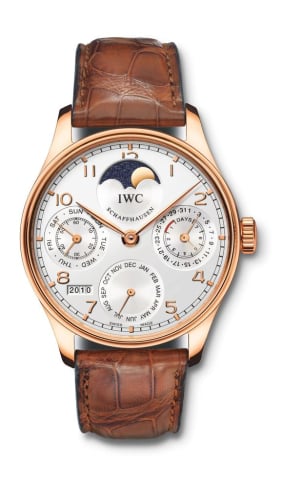
IWC Schaffhausen
Portuguese Perpetual Calendar 5022 Rose Gold / Silver
Ref. IW5022-13
CN/A
EN/A
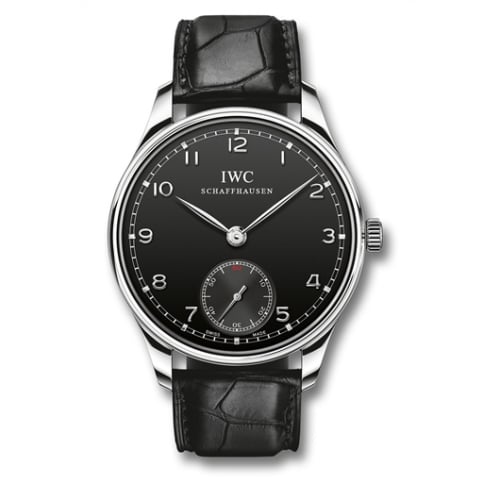
IWC Schaffhausen
Portuguese Hand-Wound Black
Ref. IW5454-07
CN/A
EN/A
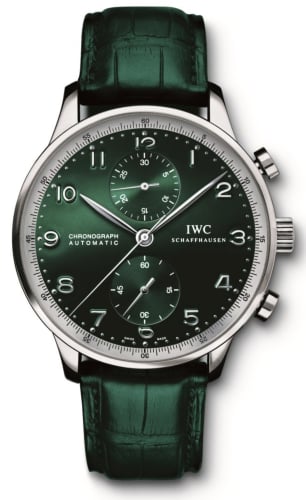
IWC Schaffhausen
Portuguese Chrono-Automatic Boris Becker
Ref. IW3714-30
CN/A
EN/A
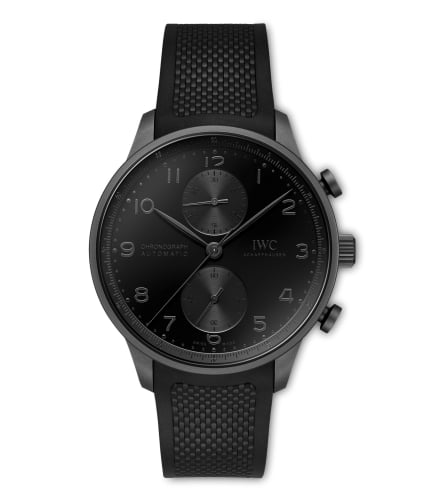
IWC Schaffhausen
Portugieser Chronograph Ceratanium
Ref. IW37160-31
CN/A
EN/A
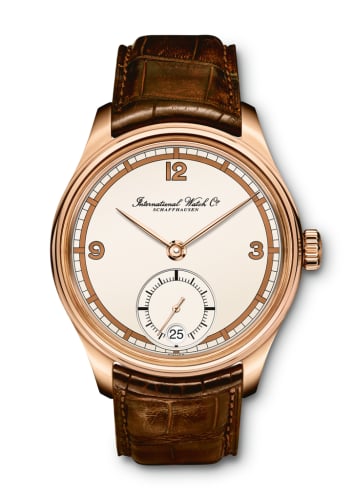
IWC Schaffhausen
Portugieser Hand-Wound Eight Days 75th Anniversary Red Gold
Ref. IW5102-06
CN/A
EN/A
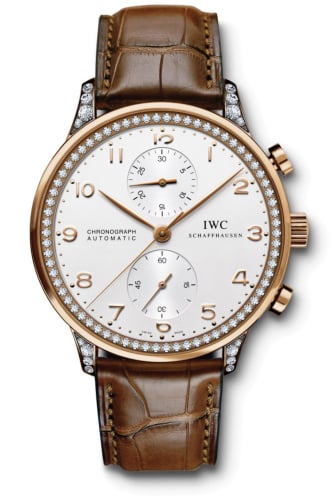
IWC Schaffhausen
Portugieser Chrono-Automatic Red Gold / Silver / Diamond
Ref. IW3714-86
CN/A
EN/A
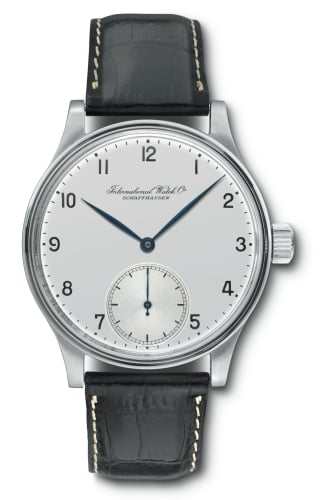
IWC Schaffhausen
Portugieser 325 Silver / Arabic / Feuille
Ref. IW325-01
CN/A
EN/A
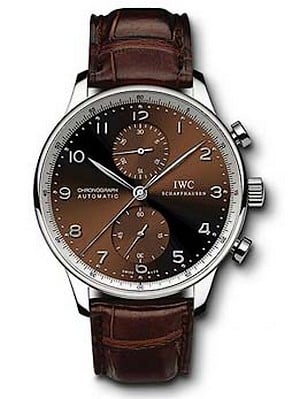
IWC Schaffhausen
Portuguese Chrono-Automatic Stainless Steel / Galli
Ref. IW3714-50
CN/A
EN/A
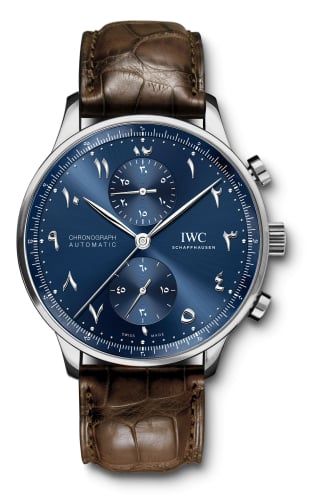
IWC Schaffhausen
Portugieser Chrono-Automatic Seddiqi – Al Jalila Foundation Dubai
Ref. IW3714-89
CN/A
EN/A
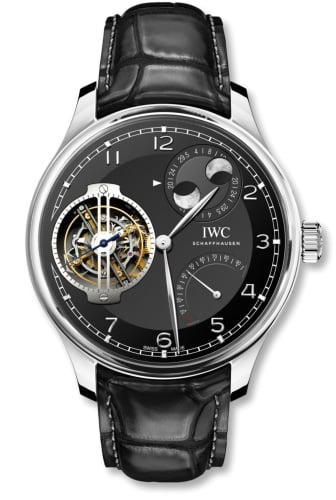
IWC Schaffhausen
Portugieser Constant-Force Tourbillon Double Moon Platinum / Black
Ref. IW5901-04
CN/A
EN/A
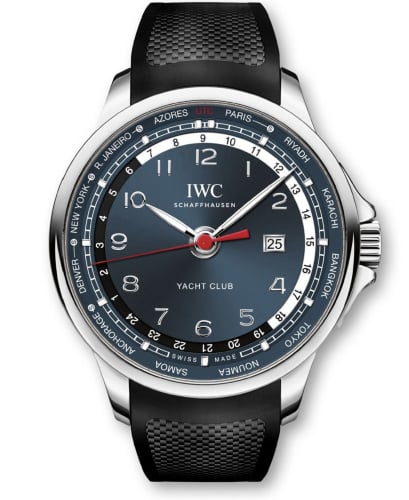
IWC Schaffhausen
Portugieser Yacht Club Worldtimer Stainless Steel / Solaris
Ref. IW3266-06
CN/A
EN/A
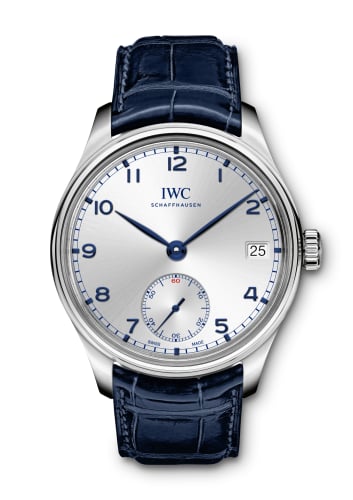
IWC Schaffhausen
Portuguese Hand-Wound Eight Days BFI London Film Festival 2015
Ref. IW5102-07
CN/A
EN/A
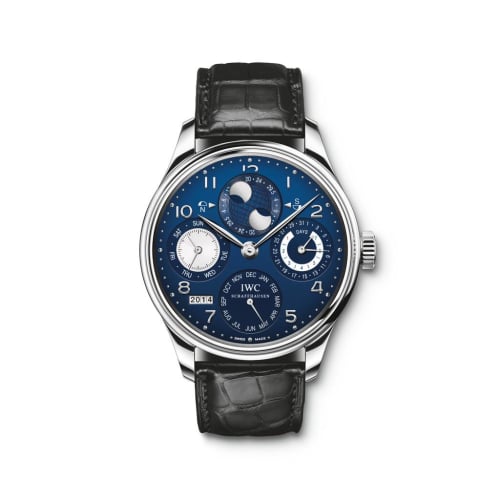
IWC Schaffhausen
Portugieser Perpetual Calendar 5032 White Gold / Blue
Ref. IW5032-03
CN/A
EN/A
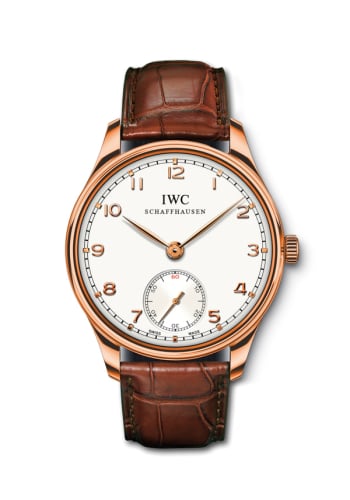
IWC Schaffhausen
Portuguese Hand-Wound Rose Gold Boutique Edition
Ref. IW5454-09
CN/A
EN/A
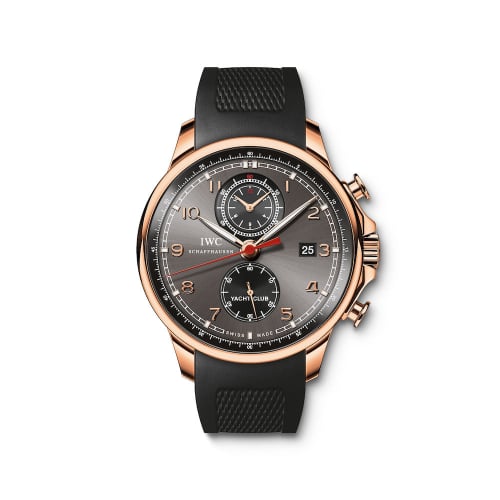
IWC Schaffhausen
Portuguese Yacht Club Chronograph Red Gold Amsterdam Boutique
Ref. IW3902-09-ADAM
CN/A
EN/A
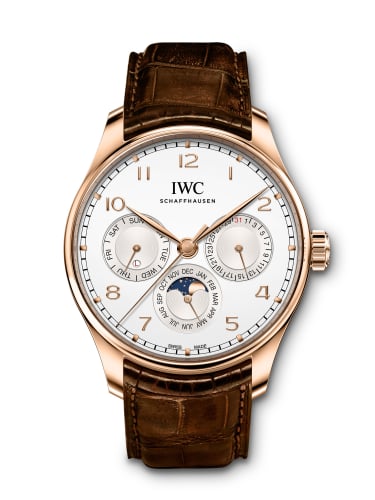
IWC Schaffhausen
Portugieser Perpetual Calendar 42 Red Gold / Silver / Alligator
Ref. IW3442-02
CN/A
EN/A
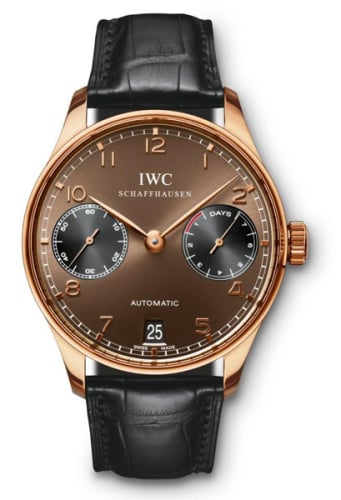
IWC Schaffhausen
Portuguese Automatic Red Gold / Boutique Edition
Ref. IW5001-24
CN/A
EN/A
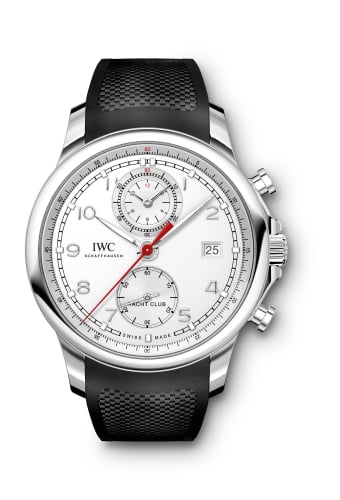
IWC Schaffhausen
Portuguese Yacht Club Chronograph 43.5 Stainless Steel / Silver
Ref. IW3905-02
CN/A
EN/A
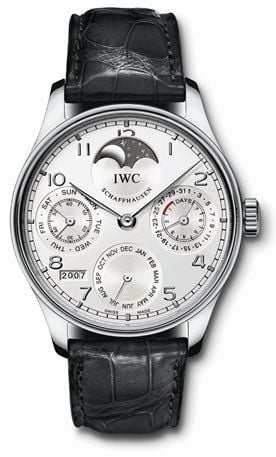
IWC Schaffhausen
Portuguese Perpetual Calendar 5022 Platinum / Silver
Ref. IW5022-19
CN/A
EN/A
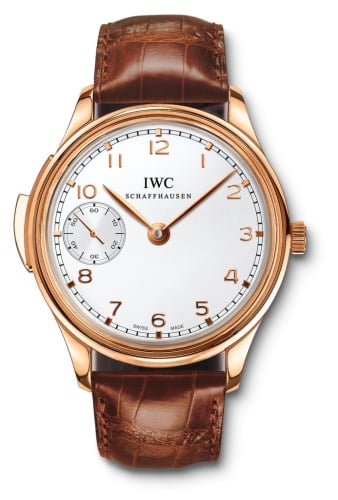
IWC Schaffhausen
Portuguese Minute Repeater Red Gold
Ref. IW5242-02
CN/A
EN/A
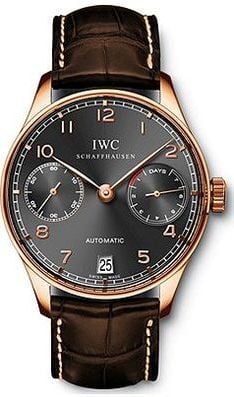
IWC Schaffhausen
Portuguese Automatic Red Gold / Portugal
Ref. IW5001-16
CN/A
EN/A
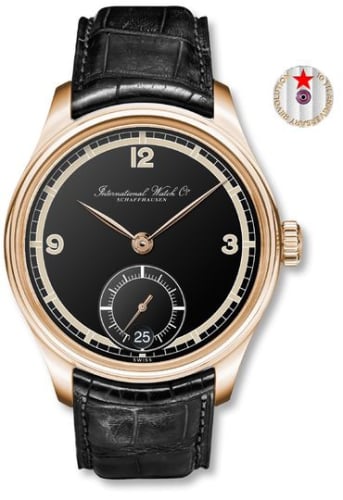
IWC Schaffhausen
Portugieser Hand-Wound Eight Days 75th Anniversary Red Gold / Revolution
Ref. IW5102-08
CN/A
EN/A
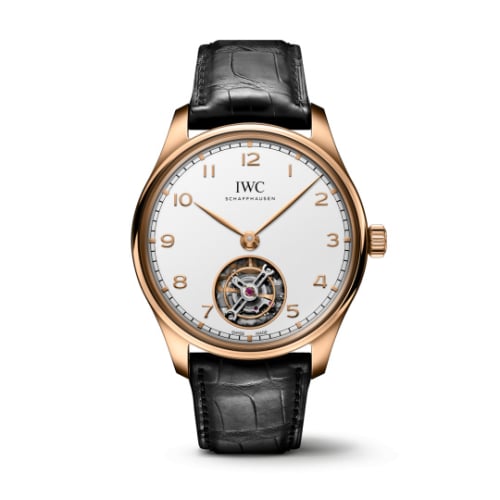
IWC Schaffhausen
Portugieser Hand-Wound Tourbillon Armor Gold / Silver
Ref. IW5458-01
CN/A
EN/A
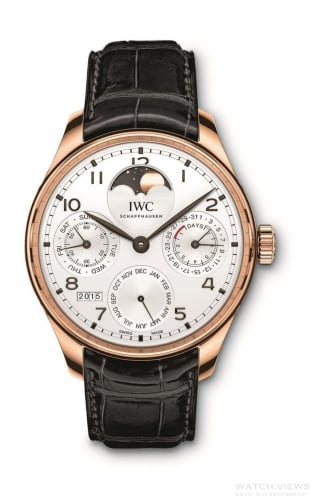
IWC Schaffhausen
Portugieser Perpetual Calendar Single Moon Red Gold / Taipei
Ref. IW5033-06
CN/A
EN/A
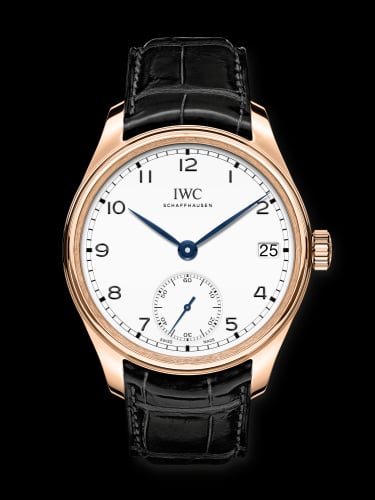
IWC Schaffhausen
Portugieser Hand-Wound Eight Days "150 Years" Red Gold / White
Ref. IW5102-11
CN/A
EN/A
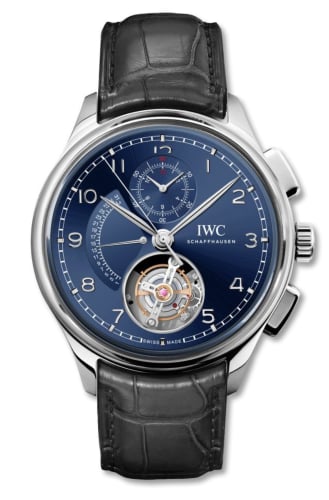
IWC Schaffhausen
Portugieser Tourbillon Rétrograde Chronograph Laureus Charity Night 2017
Ref. IW3940-04
CN/A
EN/A
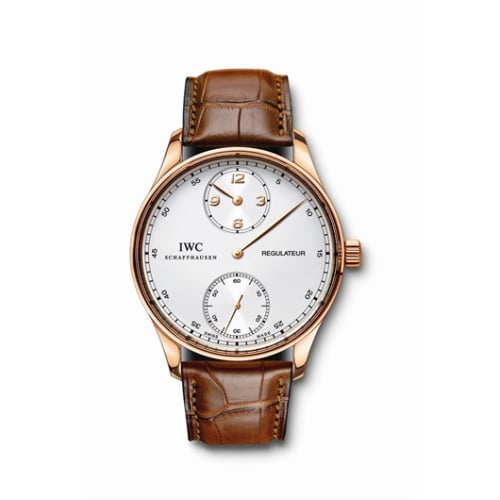
IWC Schaffhausen
Portugieser Regulateur Red Gold
Ref. IW5444-02
CN/A
EN/A
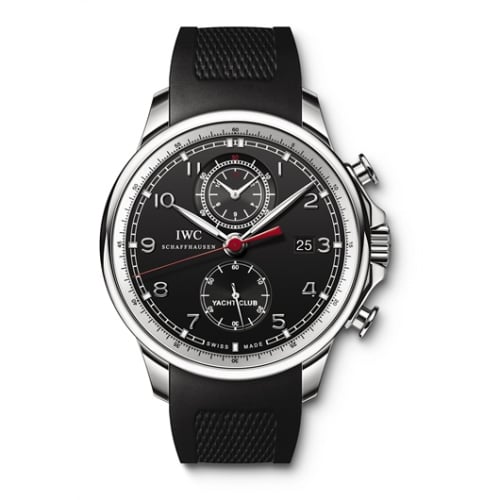
IWC Schaffhausen
Portuguese Yacht Club Chronograph Black
Ref. IW3902-10
CN/A
EN/A
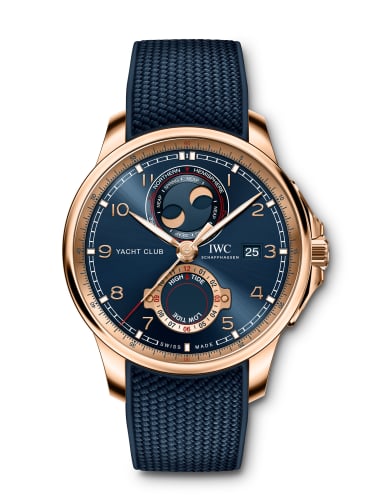
IWC Schaffhausen
Portugieser Yacht Club Moon & Tide Red Gold / Blue / Rubber
Ref. IW3440-01
CN/A
EN/A
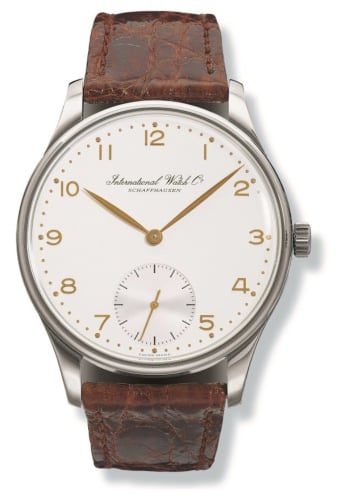
IWC Schaffhausen
Portugieser Jubilee Stainless Steel
Ref. IW5441-01
CN/A
EN/A
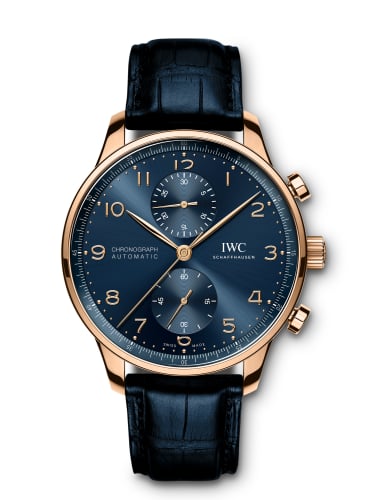
IWC Schaffhausen
Portugieser Chronograph Red Gold / Blue / Boutique Edition
Ref. IW3716-14
CN/A
EN/A
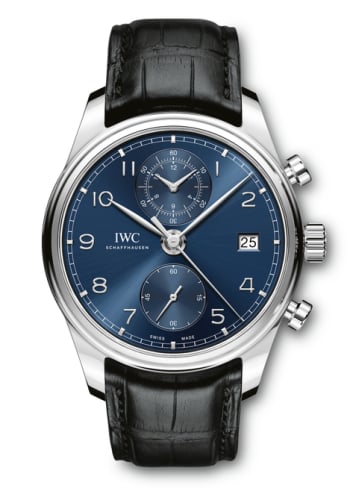
IWC Schaffhausen
Portugieser Chronograph Classic Stainless Steel / Blue
Ref. IW3903-03
CN/A
EN/A
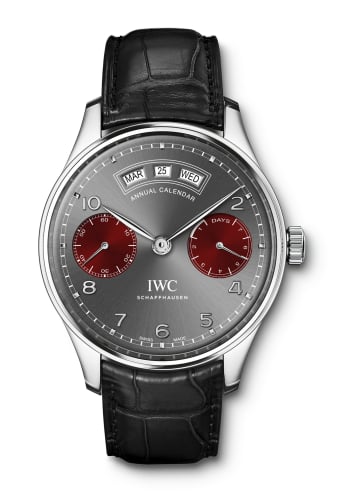
IWC Schaffhausen
Portugieser Annual Calendar Tribeca Film Festival 2016
Ref. IW5035-06
CN/A
EN/A
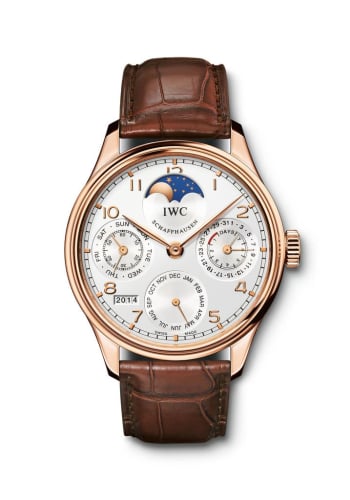
IWC Schaffhausen
Portugieser Perpetual Calendar 5023 Red Gold / Silver
Ref. IW5023-06
CN/A
EN/A
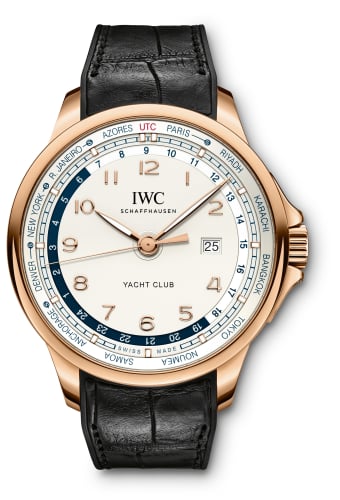
IWC Schaffhausen
Portugieser Yacht Club Worldtimer Red Gold
Ref. IW3266-05
CN/A
EN/A
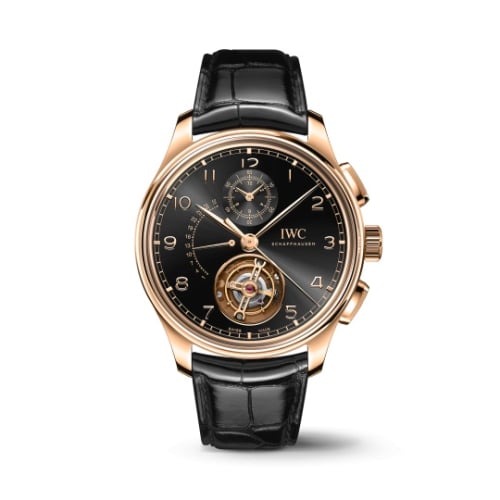
IWC Schaffhausen
Portugieser Tourbillon Rétrograde Chronograph Armor Gold / Black
Ref. IW3940-09
CN/A
EN/A
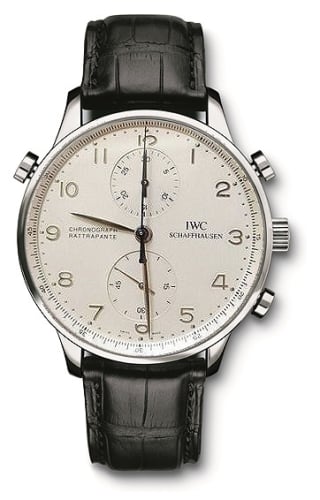
IWC Schaffhausen
Portuguese Chrono-Rattrapante Platinum
Ref. IW3712-05
CN/A
EN/A
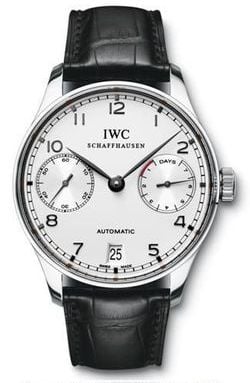
IWC Schaffhausen
Portuguese Automatic Stainless Steel / Taiwan
Ref. IW5001-19
CN/A
EN/A
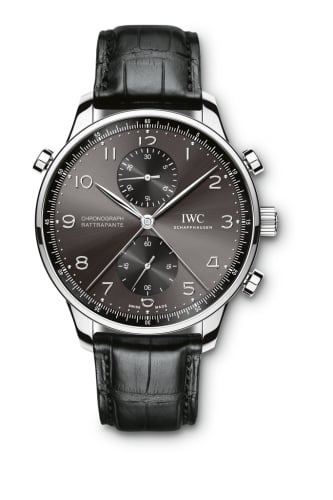
IWC Schaffhausen
Portugieser Chrono-Rattrapante Boutique Paris
Ref. IW3712-16
CN/A
EN/A
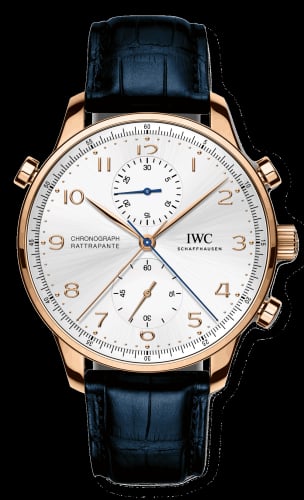
IWC Schaffhausen
Portuguese Chrono-Rattrapante Red Gold / Silver / Lisboa
Ref. IW3712-18
CN/A
EN/A
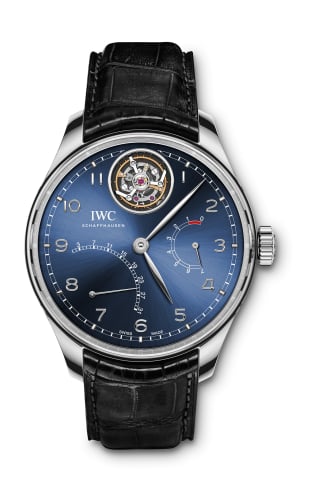
IWC Schaffhausen
Portugieser Tourbillon Mystère Rétrograde Laureus Charity Night 2015
Ref. IW5046-03
CN/A
EN/A
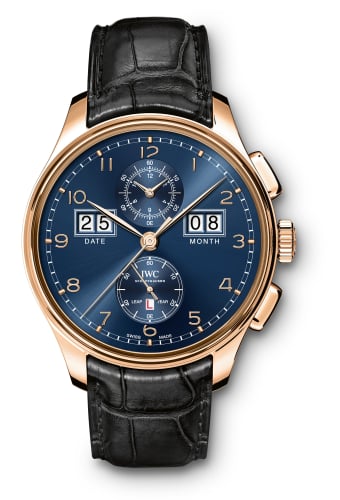
IWC Schaffhausen
Portugieser Perpetual Calendar Digital Date-Month Edition "75th Anniversary" Red Gold / Blue
Ref. IW3972-04
CN/A
EN/A
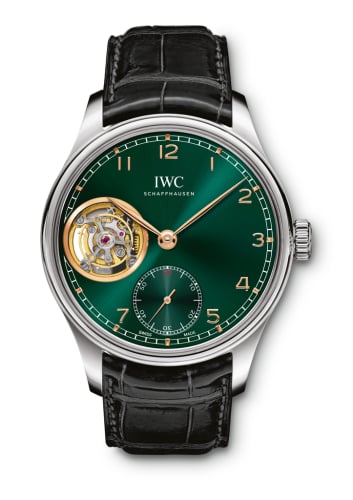
IWC Schaffhausen
Portugieser Tourbillon Hand-Wound White Gold / Green / Middle East
Ref. IW5463-07
CN/A
EN/A
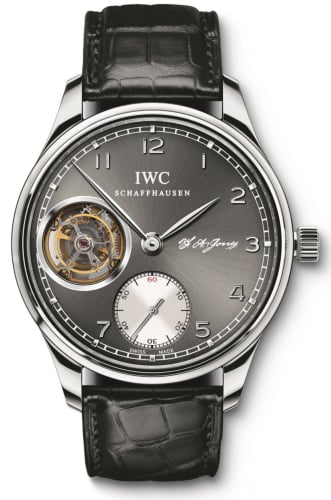
IWC Schaffhausen
Portugieser Tourbillon Hand-Wound F.A. Jones White Gold / Ardoise
Ref. IW5447-03
CN/A
EN/A
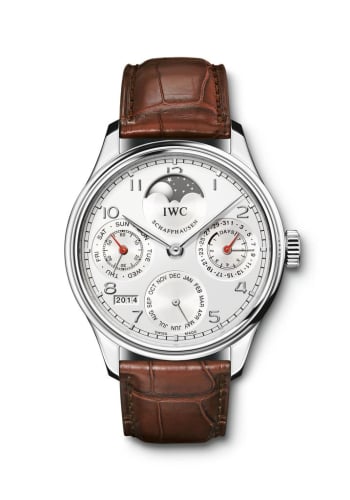
IWC Schaffhausen
Portugieser Perpetual Calendar 5023 Stainless Steel / Silver
Ref. IW5023-08
CN/A
EN/A
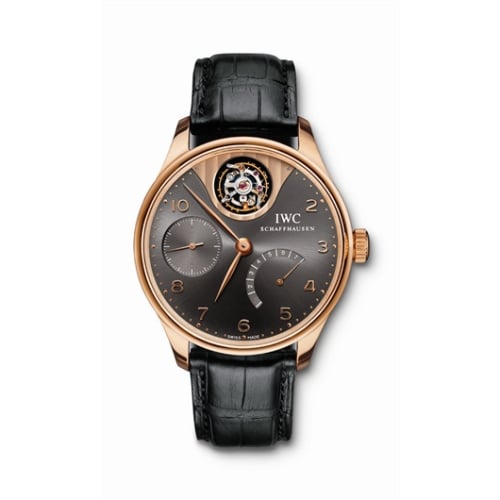
IWC Schaffhausen
Portuguese Tourbillon Mystere Red Gold / Ardoise
Ref. IW5042-10
CN/A
EN/A
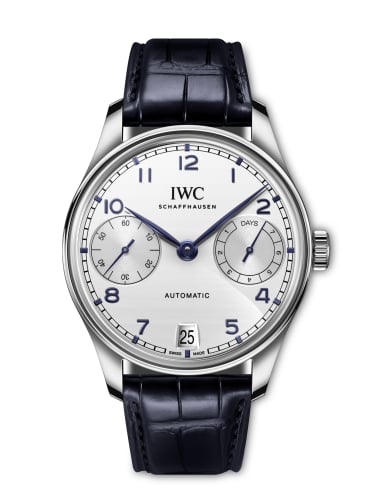
IWC Schaffhausen
Portugieser Automatic 42 Stainless Steel / Silver
Ref. IW5017-02
CN/A
EN/A
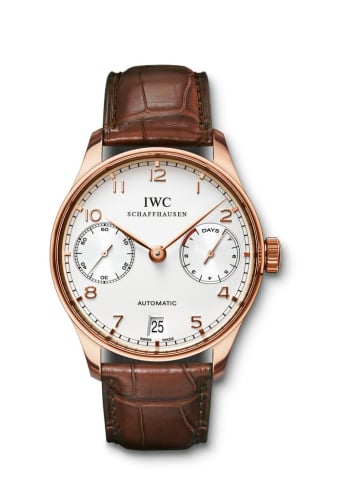
IWC Schaffhausen
Portuguese Automatic Red Gold / Silver
Ref. IW5001-13
CN/A
EN/A
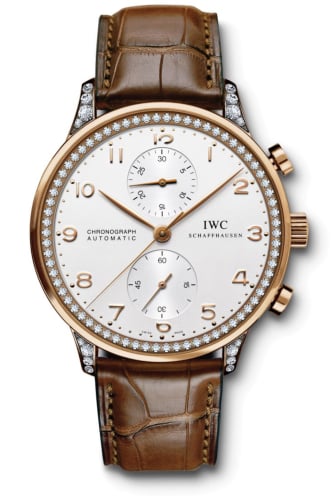
IWC Schaffhausen
Portugieser Chrono-Automatic Red Gold / Silver / Diamond
Ref. IW3714-85
CN/A
EN/A
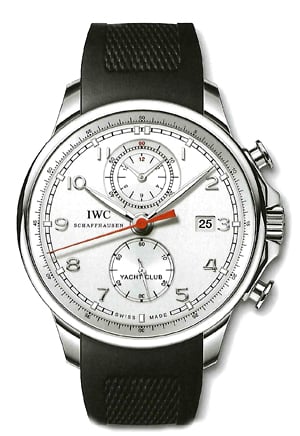
IWC Schaffhausen
Portuguese Yacht Club Chronograph Silver
Ref. IW3902-11
CN/A
EN/A
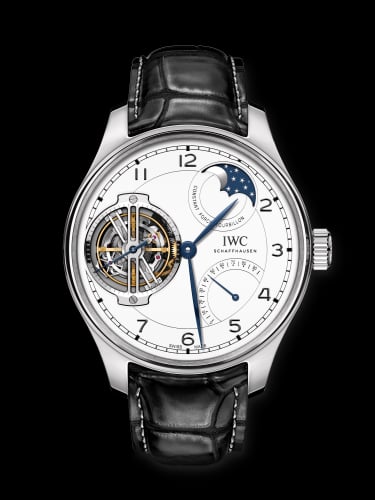
IWC Schaffhausen
Portugieser Constant-Force Tourbillon Edition “150 Years” Platinum / White
Ref. IW5902-02
CN/A
EN/A
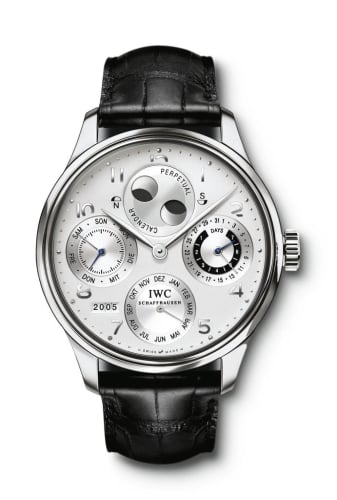
IWC Schaffhausen
Portuguese Perpetual Calendar 5021 Platinum / Silver
Ref. IW5021-09
CN/A
EN/A
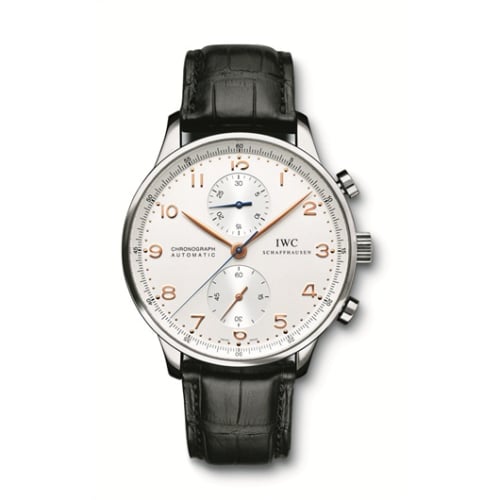
IWC Schaffhausen
Portuguese Chrono-Automatic Stainless Steel / Silver
Ref. IW3714-45
CN/A
EN/A
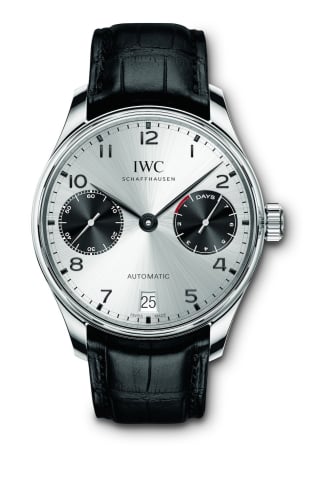
IWC Schaffhausen
Portugieser Automatic 5007 Beijing International Film Festival 2015
Ref. IW5007-06
CN/A
EN/A
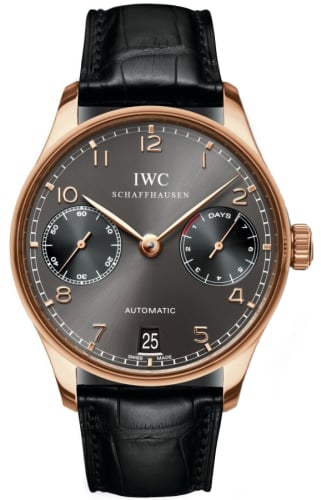
IWC Schaffhausen
Portuguese Automatic Red Gold / Year of the Dragon
Ref. IW5001-25
CN/A
EN/A
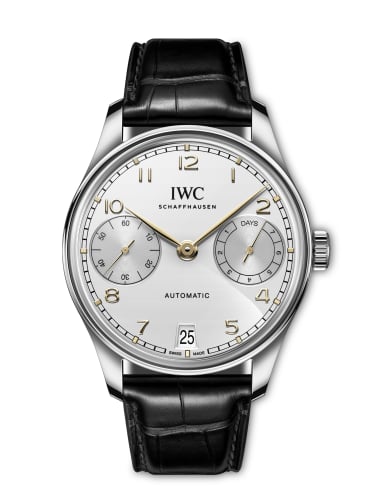
IWC Schaffhausen
Portugieser Automatic 42 Stainless Steel / Silver
Ref. IW5017-01
CN/A
EN/A
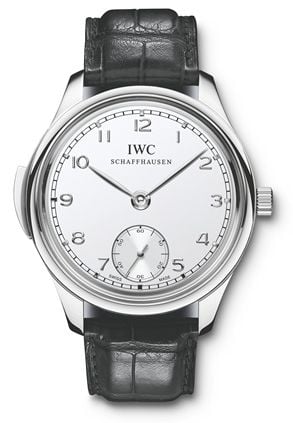
IWC Schaffhausen
Portuguese Minute Repeater Platinum
Ref. IW5449-01
CN/A
EN/A
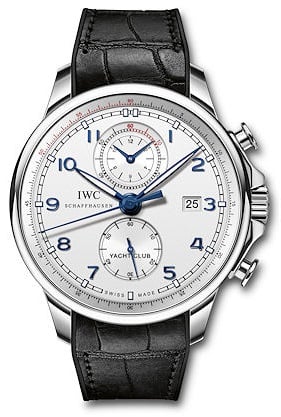
IWC Schaffhausen
Portuguese Yacht Club Chronograph Ocean Racer
Ref. IW3902-16
CN/A
EN/A
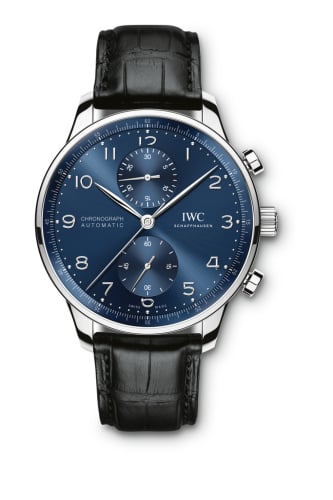
IWC Schaffhausen
Portugieser Chronograph Stainless Steel / Blue
Ref. IW3716-06
CN/A
EN/A
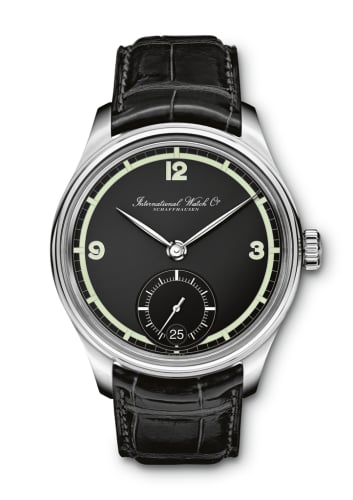
IWC Schaffhausen
Portugieser Hand-Wound Eight Days 75th Anniversary Stainless Steel
Ref. IW5102-05
CN/A
EN/A
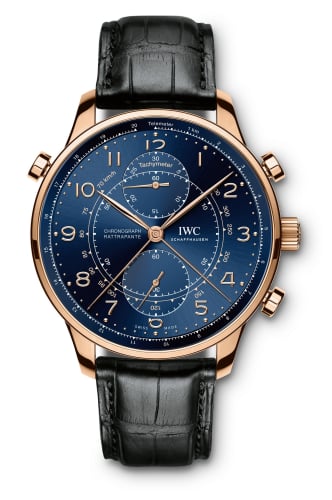
IWC Schaffhausen
Portuguese Chrono-Rattrapante Red Gold / Blue / Boutique Milano
Ref. IW3712-15
CN/A
EN/A
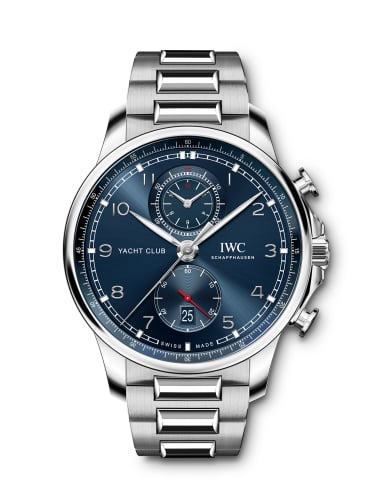
IWC Schaffhausen
Portugieser Yacht Club Chronograph Stainless Steel / Blue / Bracelet
Ref. IW3907-01
CN/A
EN/A
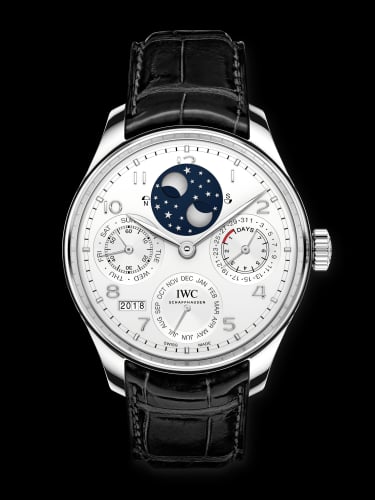
IWC Schaffhausen
Portugieser Perpetual Calendar Double Moon Platinum / Silver
Ref. IW5034-06
CN/A
EN/A
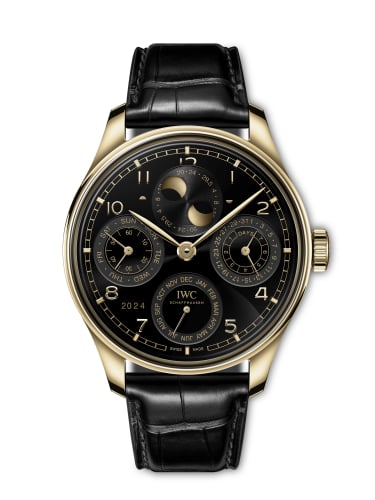
IWC Schaffhausen
Portugieser Perpetual Calendar 44 Armor Gold / Black
Ref. IW5037-02
CN/A
EN/A
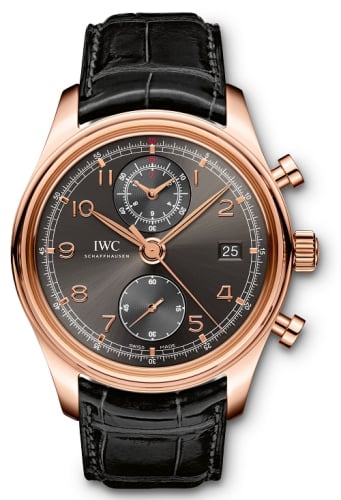
IWC Schaffhausen
Portuguese Chronograph Classic Red Gold / Ardoise
Ref. IW3904-05
CN/A
EN/A
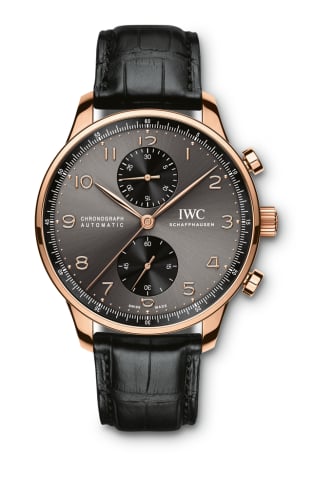
IWC Schaffhausen
Portuguese Chrono-Automatic Red Gold / Slate
Ref. IW3714-82
CN/A
EN/A
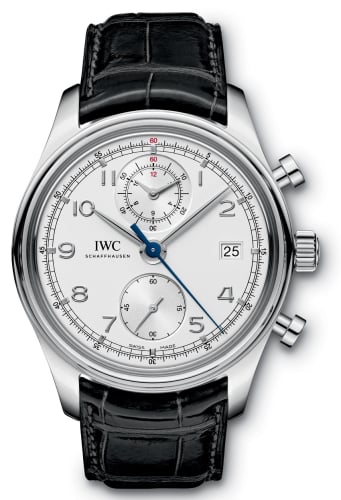
IWC Schaffhausen
Portuguese Chronograph Classic Silver
Ref. IW3904-03
CN/A
EN/A
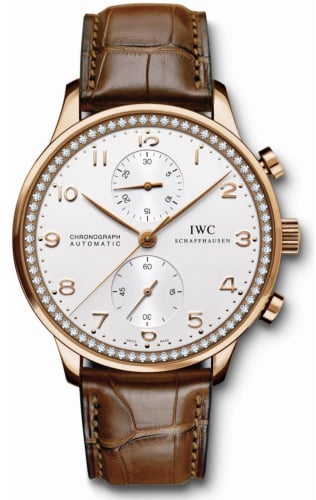
IWC Schaffhausen
Portugieser Chrono-Automatic Red Gold / Silver / Diamond
Ref. IW3714-84
CN/A
EN/A
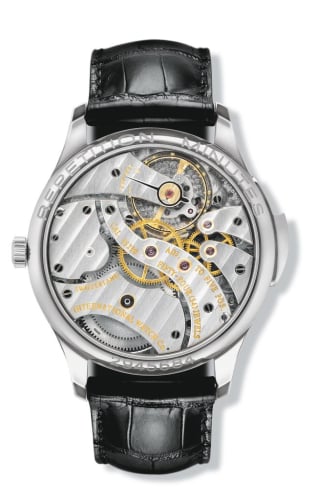
IWC Schaffhausen
Portugieser Minute Repeater White Gold
Ref. IW5240-07
CN/A
EN/A
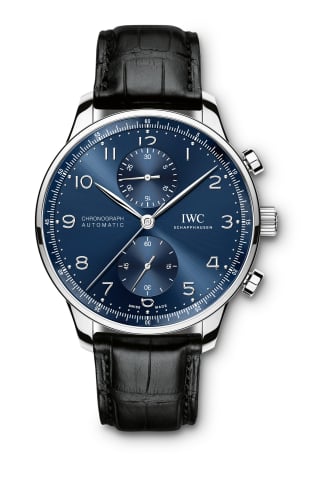
IWC Schaffhausen
Portuguese Chrono-Automatic Stainless Steel / Blue
Ref. IW3714-91
CN/A
EN/A
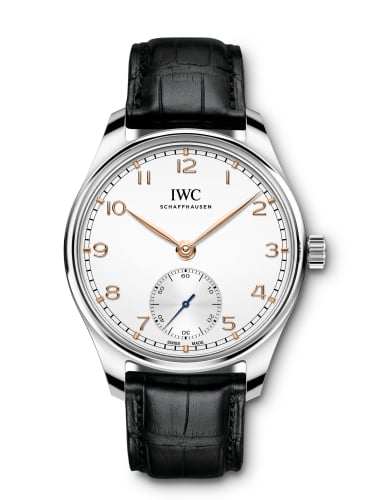
IWC Schaffhausen
Portugieser Automatic 40 Stainless Steel / Silver / Alligator
Ref. IW3583-03
CN/A
EN/A
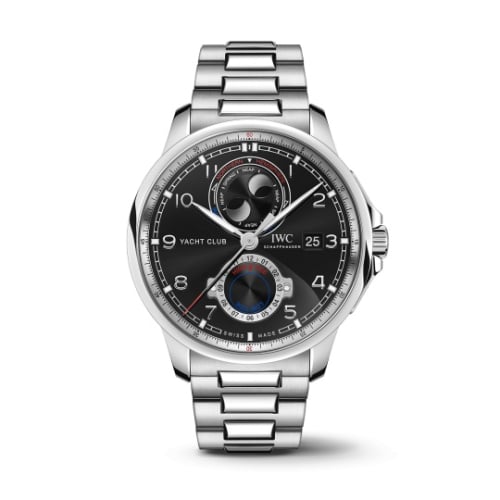
IWC Schaffhausen
Portugieser Yacht Club Moon & Tide Stainless Steel / Black / Bracelet
Ref. IW3440-02
CN/A
EN/A
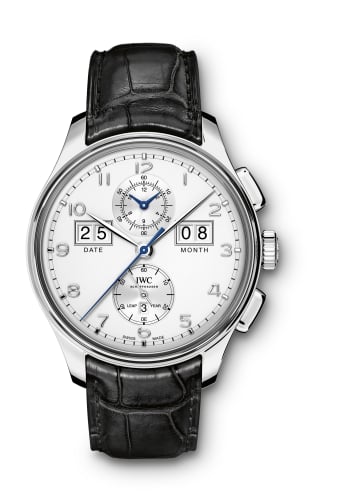
IWC Schaffhausen
Portugieser Perpetual Calendar Digital Date-Month Edition "75th Anniversary" Platinum
Ref. IW3972-01
CN/A
EN/A
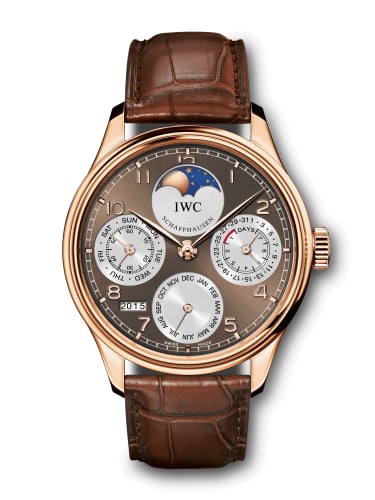
IWC Schaffhausen
Portugieser Perpetual Calendar 5023 Red Gold / Arije
Ref. IW5023-09
CN/A
EN/A
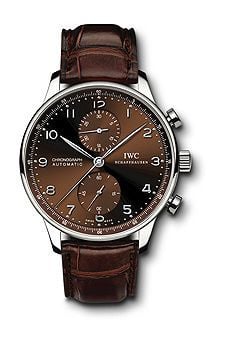
IWC Schaffhausen
Portugieser Chrono-Automatic Stainless Steel / Silver
Ref. IW3714-65
CN/A
EN/A
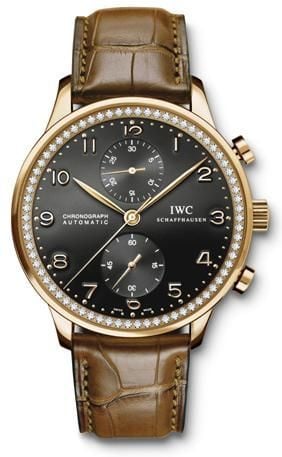
IWC Schaffhausen
Portuguese Chrono-Automatic Rose Gold / Black / Diamond
Ref. IW3714-44
CN/A
EN/A
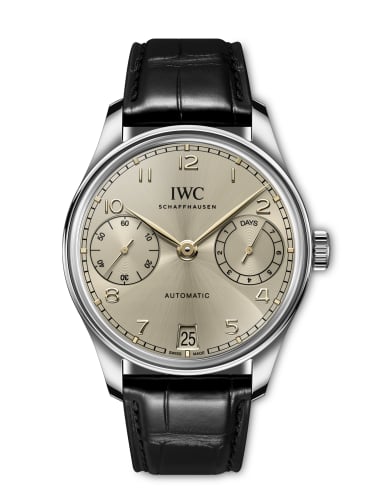
IWC Schaffhausen
Portugieser Automatic 42 Stainless Steel / Dune
Ref. IW5017-05
CN/A
EN/A
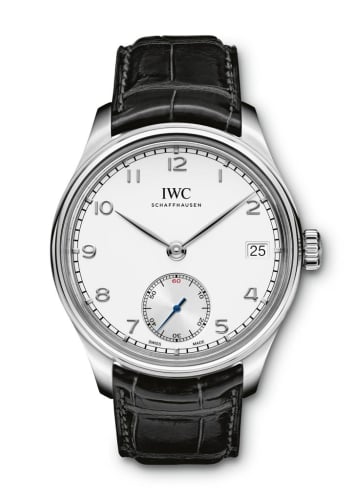
IWC Schaffhausen
Portuguese Hand-Wound Eight Days Stainless Steel / Silver
Ref. IW5102-03
CN/A
EN/A
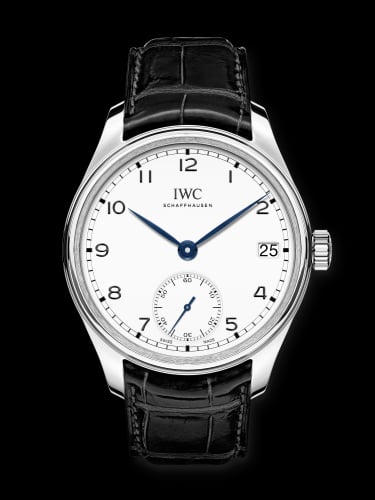
IWC Schaffhausen
Portugieser Hand-Wound Eight Days "150 Years" Stainless Steel / White
Ref. IW5102-12
CN/A
EN/A
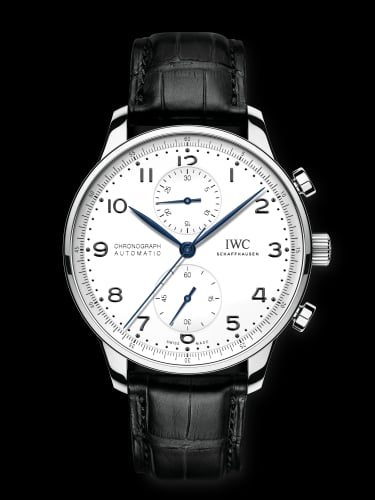
IWC Schaffhausen
Portugieser Chronograph "150 Years" Stainless Steel / White
Ref. IW3716-02
CN/A
EN/A
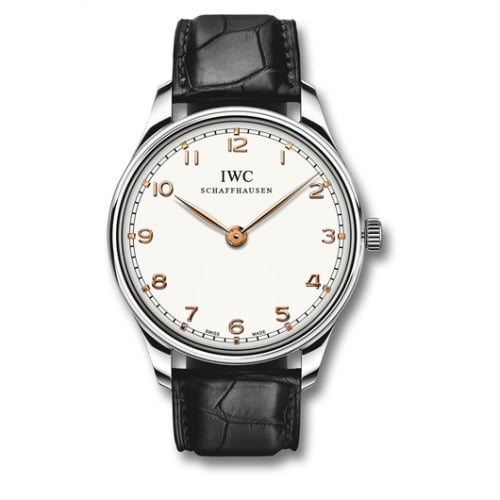
IWC Schaffhausen
Portuguese Hand-wound Pure Classic Stainless Steel / Silver
Ref. IW5703-03
CN/A
EN/A
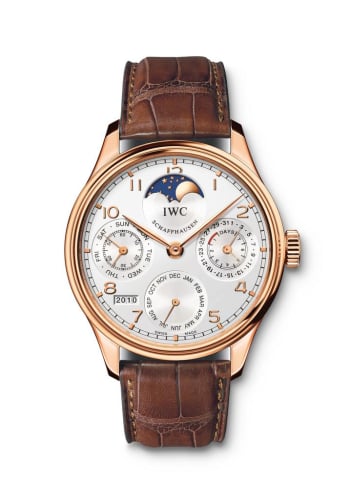
IWC Schaffhausen
Portugieser Perpetual Calendar 5023 Red Gold / Silver
Ref. IW5023-02
CN/A
EN/A
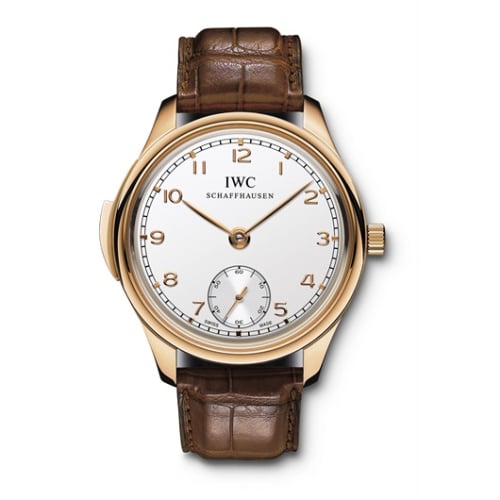
IWC Schaffhausen
Portuguese Minute Repeater Red Gold
Ref. IW5449-07
CN/A
EN/A
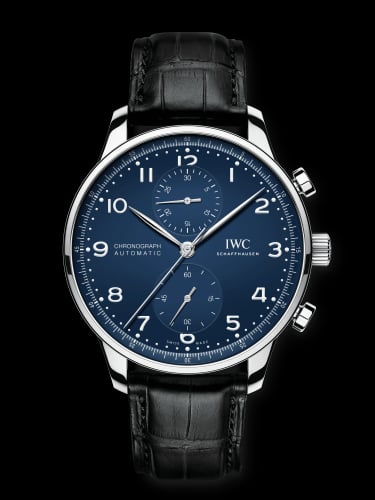
IWC Schaffhausen
Portugieser Chronograph "150 Years" Stainless Steel / Blue
Ref. IW3716-01
CN/A
EN/A
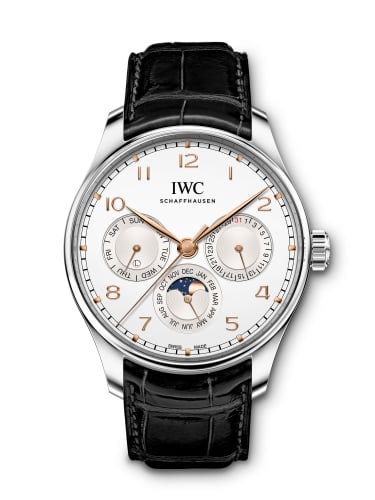
IWC Schaffhausen
Portugieser Perpetual Calendar 42 Stainless Steel / Silver / Alligator
Ref. IW3442-03
CN/A
EN/A
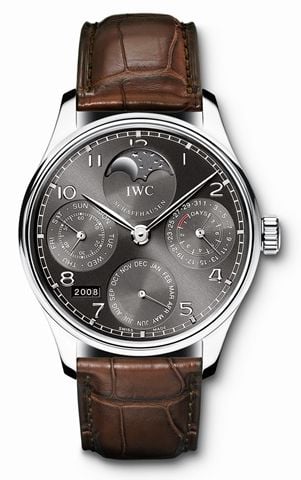
IWC Schaffhausen
Portuguese Perpetual Calendar 5022 White Gold / Ardoise
Ref. IW5022-18
CN/A
EN/A
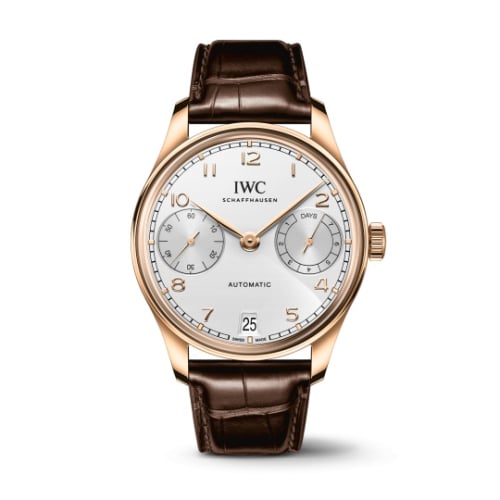
IWC Schaffhausen
Portugieser Automatic 42 Rose Gold / Silver
Ref. IW5017-06
CN/A
EN/A
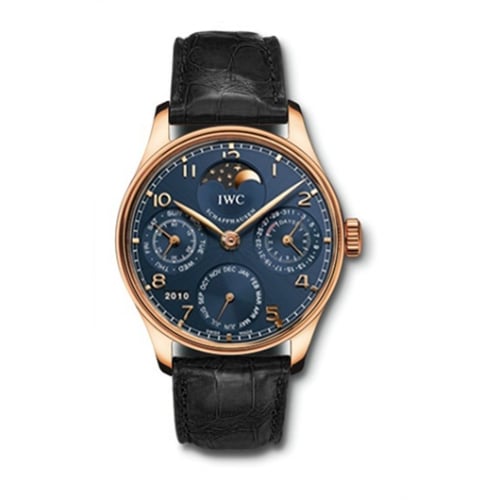
IWC Schaffhausen
Portuguese Perpetual Calendar 5022 Rose Gold / Blue
Ref. IW5022-20
CN/A
EN/A
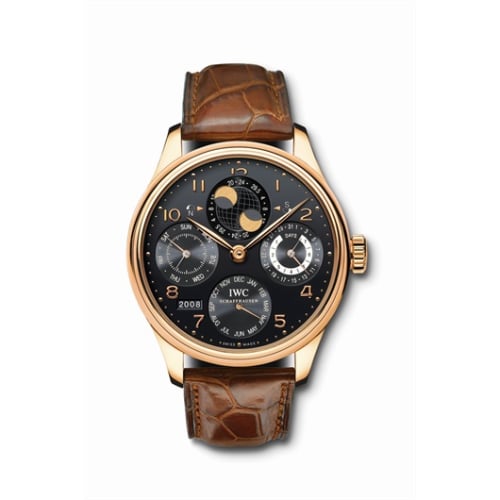
IWC Schaffhausen
Portuguese Perpetual Calendar 5021 Rose Gold / Black
Ref. IW5021-19
CN/A
EN/A
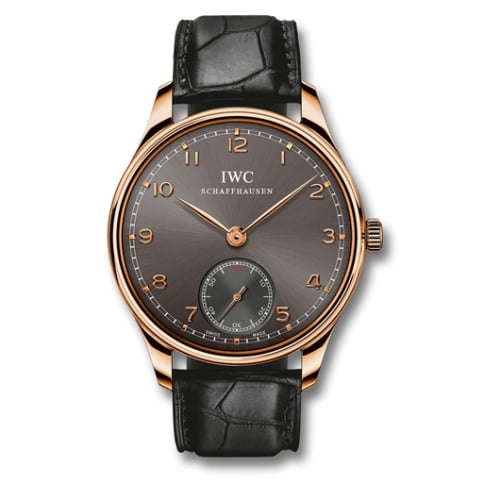
IWC Schaffhausen
Portuguese Hand-Wound Rose Gold
Ref. IW5454-06
CN/A
EN/A
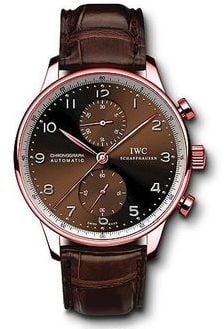
IWC Schaffhausen
Portuguese Chrono-Automatic Rose Gold / Galli
Ref. IW3714-61
CN/A
EN/A
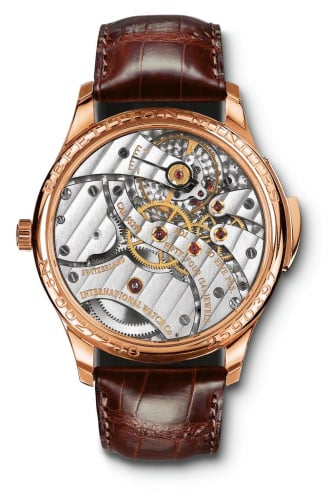
IWC Schaffhausen
Portugieser Minute Repeater Rose Gold
Ref. IW5240-05
CN/A
EN/A
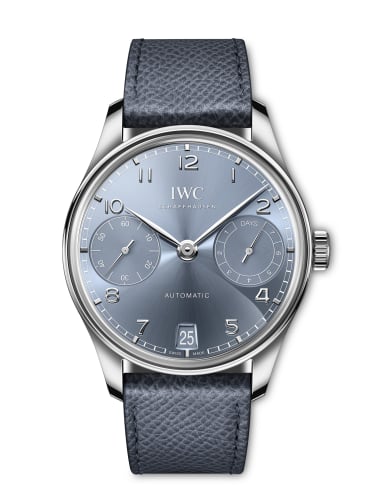
IWC Schaffhausen
Portugieser Automatic 42 White Gold / Ice Blue
Ref. IW5017-08
CN/A
EN/A
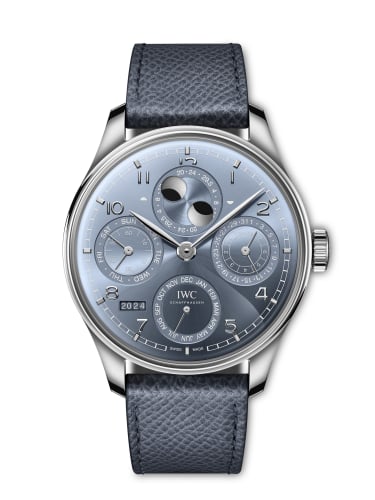
IWC Schaffhausen
Portugieser Perpetual Calendar 44 White Gold / Ice Blue
Ref. IW5037-03
CN/A
EN/A
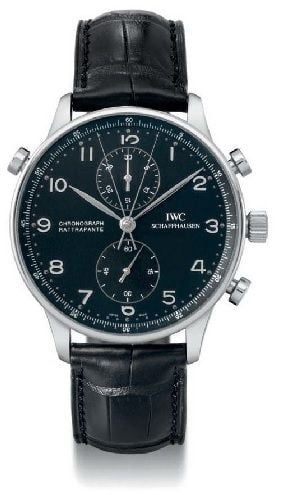
IWC Schaffhausen
Portuguese Chrono-Rattrapante White Gold / Black
Ref. IW3712-08
CN/A
EN/A
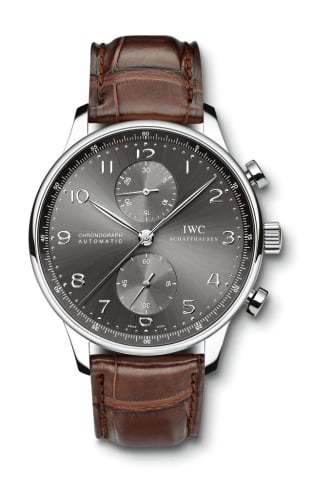
IWC Schaffhausen
Portuguese Chrono-Automatic White Gold / Ardoise
Ref. IW3714-31
CN/A
EN/A
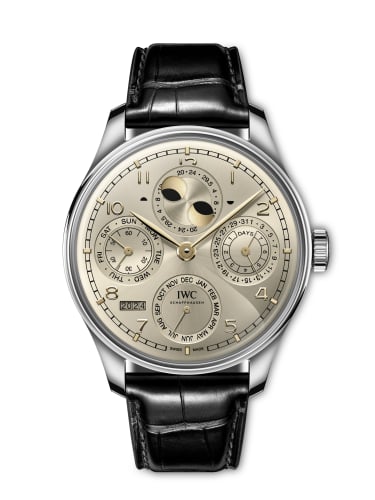
IWC Schaffhausen
Portugieser Perpetual Calendar 44 White Gold / Dune
Ref. IW5037-04
CN/A
EN/A
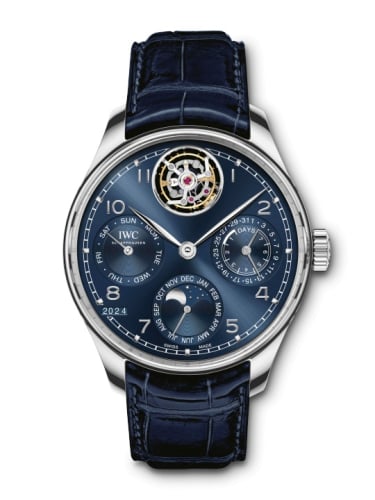
IWC Schaffhausen
Portuguese Perpetual Calendar Tourbillon Platinum / Blue
Ref. IW5045-06
CN/A
EN/A
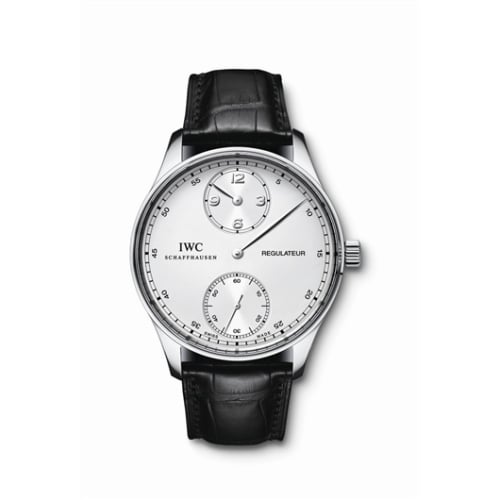
IWC Schaffhausen
Portugieser Regulateur Platinum
Ref. IW5444-03
CN/A
EN/A
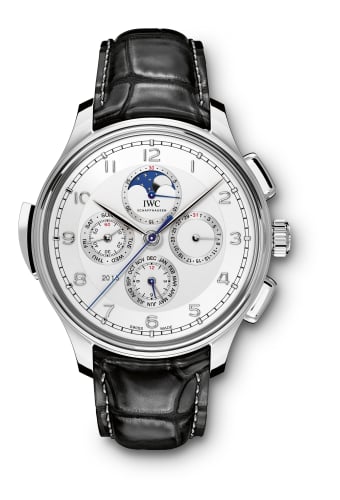
IWC Schaffhausen
Portugieser Grande Complication Platinum / Silver
Ref. IW3776-01
CN/A
EN/A
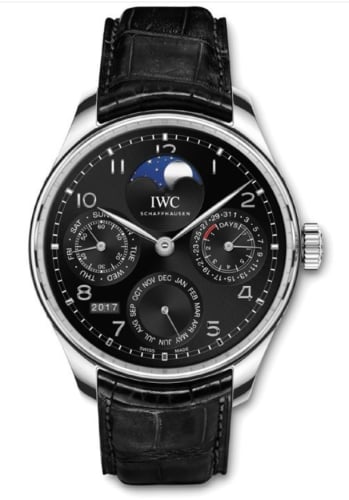
IWC Schaffhausen
Portugieser Perpetual Calendar Single Moon Platinum / Black
Ref. IW5033-11
CN/A
EN/A
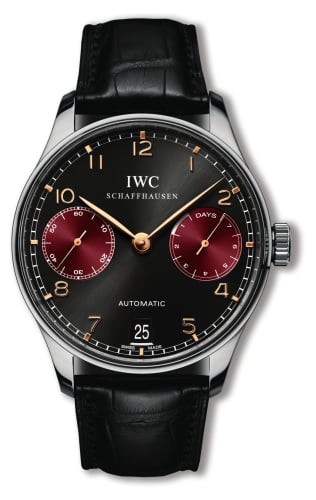
IWC Schaffhausen
Portuguese Automatic Tribeca Film Festival 2013 Platinum
Ref. IW5001-27
CN/A
EN/A
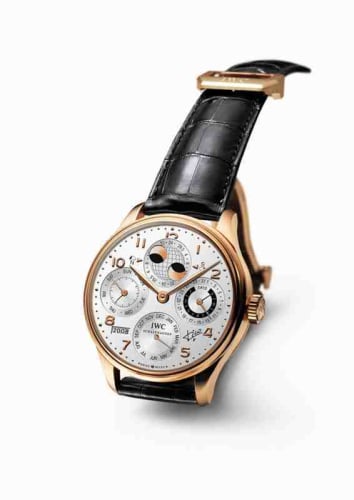
IWC Schaffhausen
Portugieser Perpetual Calendar 5021 Luis Figo Rose Gold / Black
Ref. IW5021-20
CN/A
EN/A
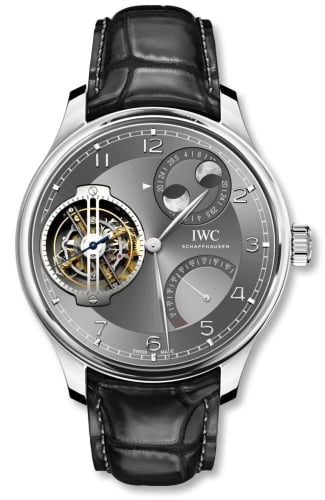
IWC Schaffhausen
Portugieser Constant-Force Tourbillon Double Moon Platinum / Ardoise
Ref. IW5901-02
CN/A
EN/A
All Reviews(4 across all references)

The Architect
ExpertSep 27, 2026
73
82
Dial & Handset78
Case & Design71
Movement65
Bracelet / Strap72
Wearability