IWC Schaffhausen
Pilot
85
Community
9 reviews
68
Expert
2 reviews
References
397
References in this Family
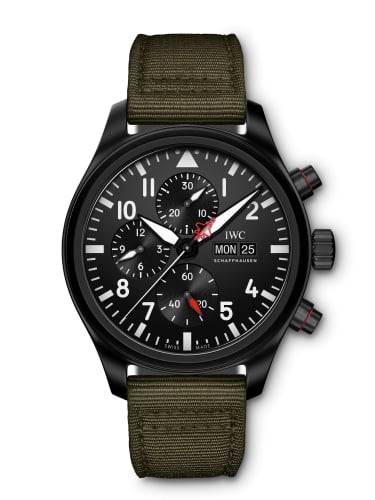
IWC Schaffhausen
Pilot's Watch Chronograph Top Gun STFI
Ref. IW3891-04
C89
EN/A
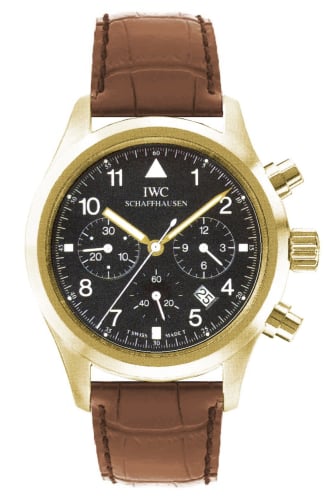
IWC Schaffhausen
Pilot's Watch Chronograph Mecaquartz Yellow Gold / Black / Strap
Ref. IW3741-03
C88
EN/A
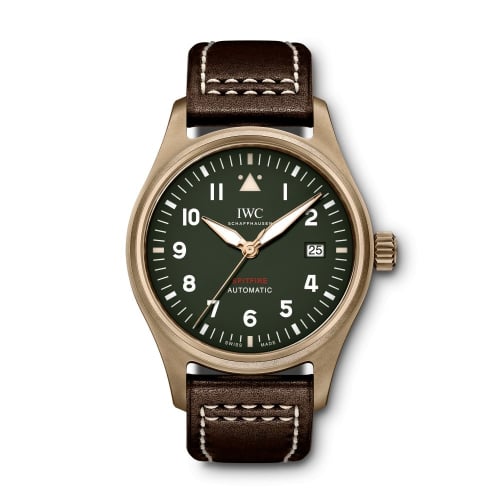
IWC Schaffhausen
Pilot's Watch Automatic Spitfire Bronze / Green
Ref. IW3268-02
C87
EN/A
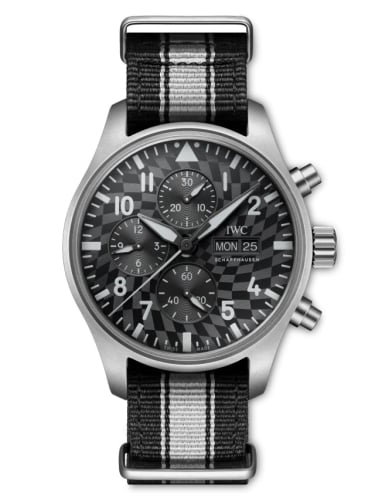
IWC Schaffhausen
Pilot's Watch Chronograph IWC X HOT WHEELS RACING WORKS
Ref. IW3779-04
C86
EN/A
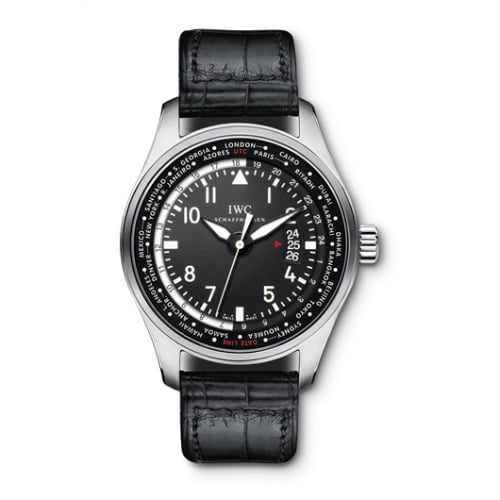
IWC Schaffhausen
Pilot's Watch Worldtimer
Ref. IW3262-01
C86
EN/A
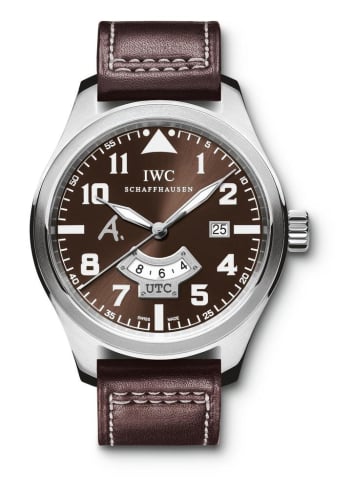
IWC Schaffhausen
Pilot's Watch UTC Antoine De Saint Exupery Stainless Steel
Ref. IW3261-04
C85
EN/A
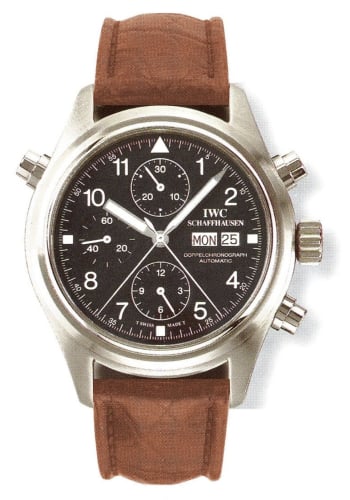
IWC Schaffhausen
Pilot's Watch Doppelchronograph Stainless Steel / Black / English / Strap
Ref. IW3711-07
C82
EN/A
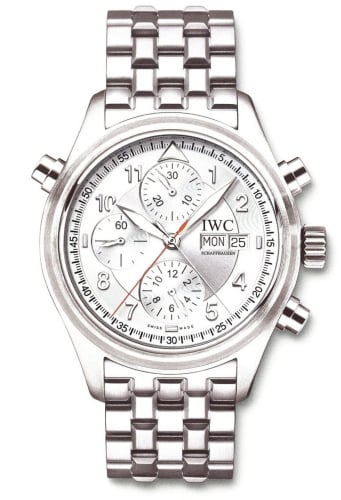
IWC Schaffhausen
Pilot's Watch Spitfire Double Chronograph Stainless Steel / Silver / German / Bracelet
Ref. IW3713-46
C80
EN/A
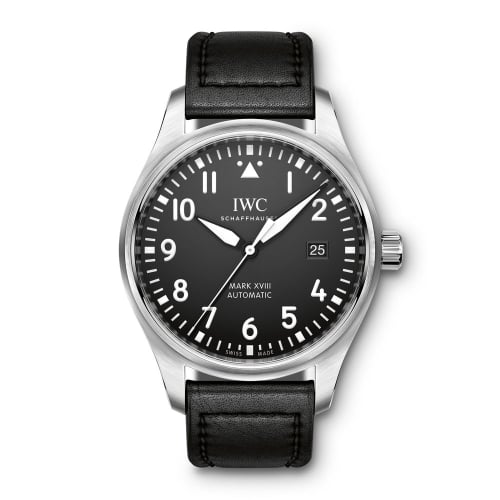
IWC Schaffhausen
Pilot's Watch Mark XVIII
Ref. IW327001
CN/A
E69
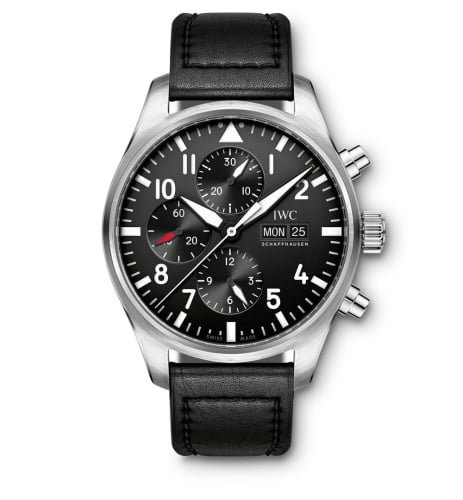
IWC Schaffhausen
Pilot's Watch Chronograph
Ref. IW377709
CN/A
E66
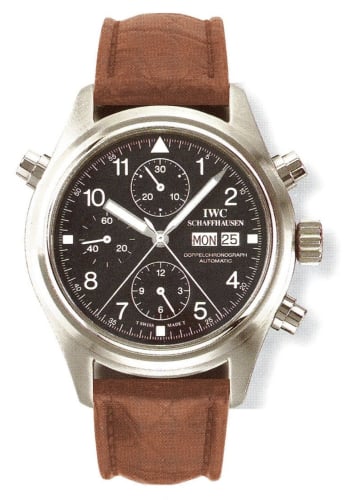
IWC Schaffhausen
Pilot's Watch Doppelchronograph Stainless Steel / Black / Italian / Strap
Ref. IW3711-06
CN/A
EN/A
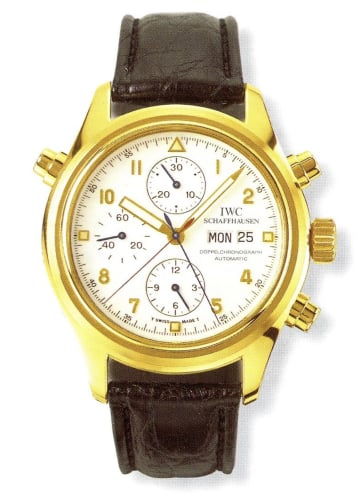
IWC Schaffhausen
Pilot's Watch Doppelchronograph Yellow Gold / White / English
Ref. IW3713-11
CN/A
EN/A
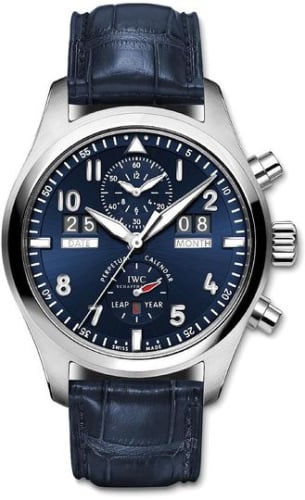
IWC Schaffhausen
Pilot's Watch Spitfire Perpetual Calendar Digital Date-Month Laureus Charity Night Zürich 2012
Ref. IW3791-04
CN/A
EN/A
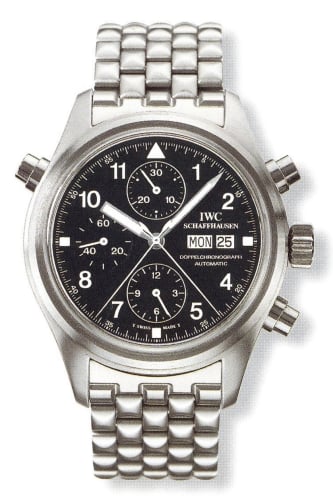
IWC Schaffhausen
Pilot's Watch Doppelchronograph Stainless Steel / Black / German / Bracelet
Ref. IW3711-17
CN/A
EN/A
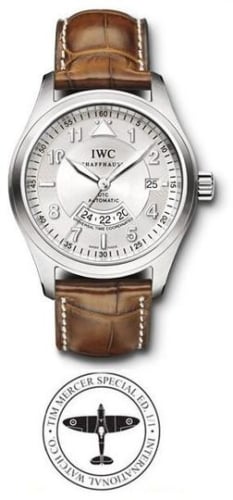
IWC Schaffhausen
Pilot's Watch Spitfire UTC Platinum / Silver / Tim Mercer
Ref. IW3251-09-2
CN/A
EN/A
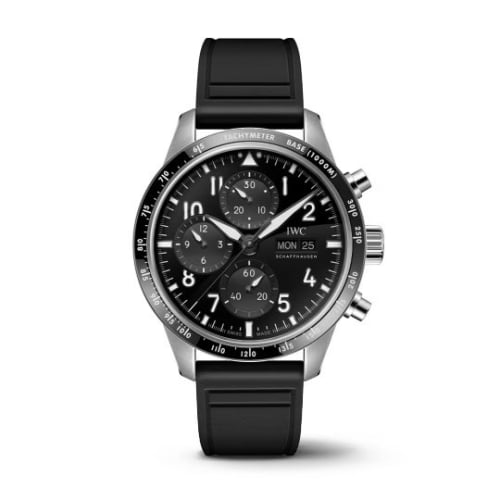
IWC Schaffhausen
Pilot's Watch Performance Chronograph Titanium / Black / Rubber
Ref. IW3883-05
CN/A
EN/A
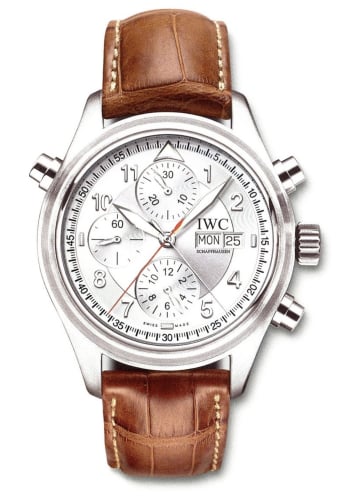
IWC Schaffhausen
Pilot's Watch Spitfire Double Chronograph Stainless Steel / Silver / Spanish / Strap
Ref. IW3713-45
CN/A
EN/A
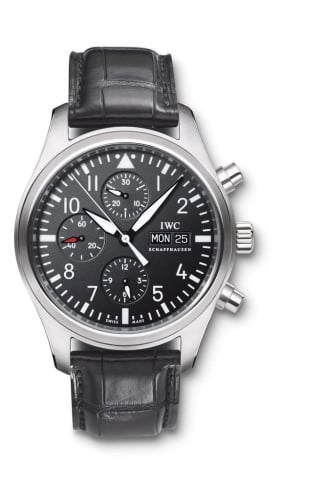
IWC Schaffhausen
Pilot's Watch Chronograph Stainless Steel / Black / Strap
Ref. IW3717-01
CN/A
EN/A
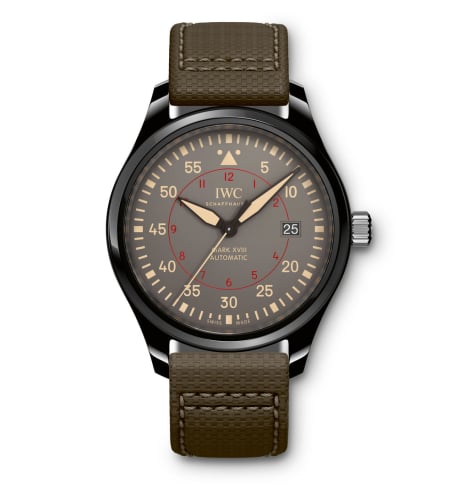
IWC Schaffhausen
Pilot's Watch Mark XVIII Miramar
Ref. IW3247-02
CN/A
EN/A
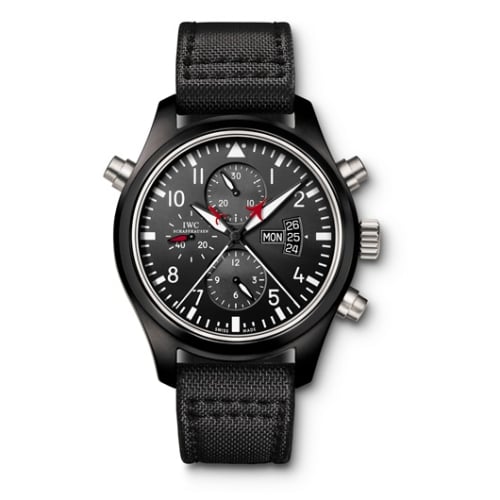
IWC Schaffhausen
Pilot's Watch Double Chronograph Top Gun
Ref. IW3799-01
CN/A
EN/A
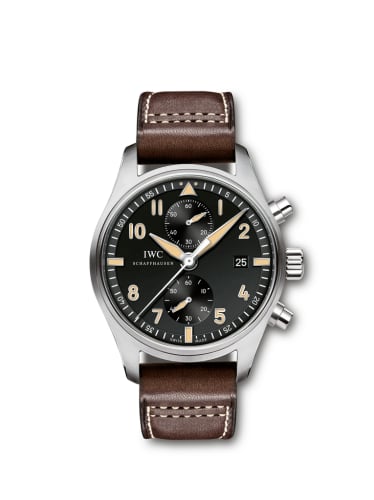
IWC Schaffhausen
Pilot's Watch Chronograph Collectors' Watch
Ref. IW3878-08
CN/A
EN/A
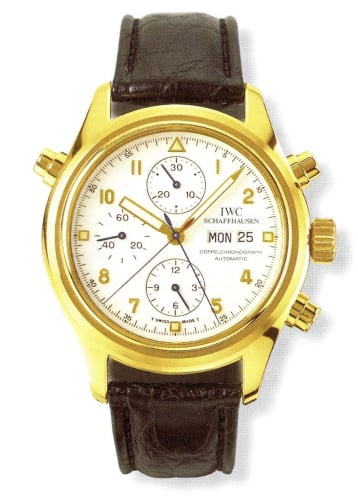
IWC Schaffhausen
Pilot's Watch Doppelchronograph Yellow Gold / White / Italian
Ref. IW3713-10
CN/A
EN/A
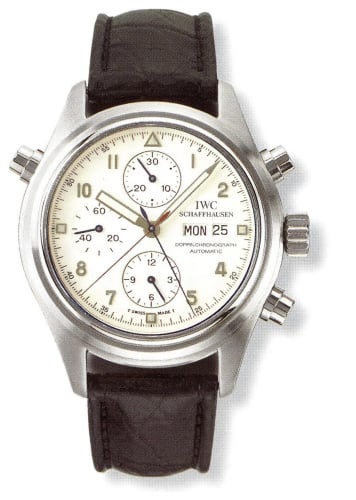
IWC Schaffhausen
Pilot's Watch Doppelchronograph Platinum / White / Italian / Strap
Ref. IW3711-22
CN/A
EN/A
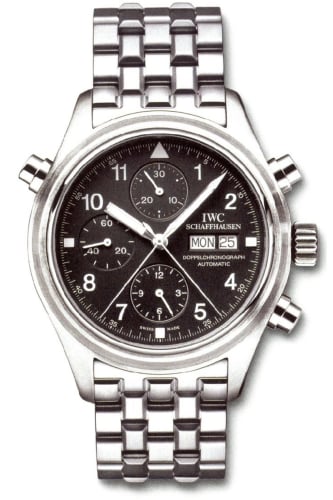
IWC Schaffhausen
Pilot's Watch Doppelchronograph Stainless Steel / Black / Italian / Bracelet
Ref. IW3713-18
CN/A
EN/A
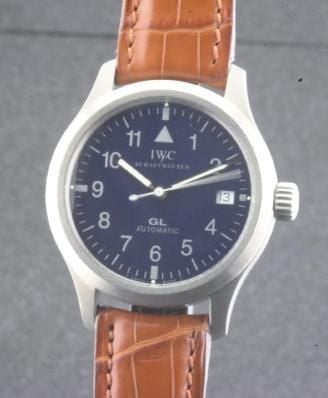
IWC Schaffhausen
Pilot's Watch Mark XII Titanium / Blue / Giorgio Latuada
Ref. IW3242-02
CN/A
EN/A
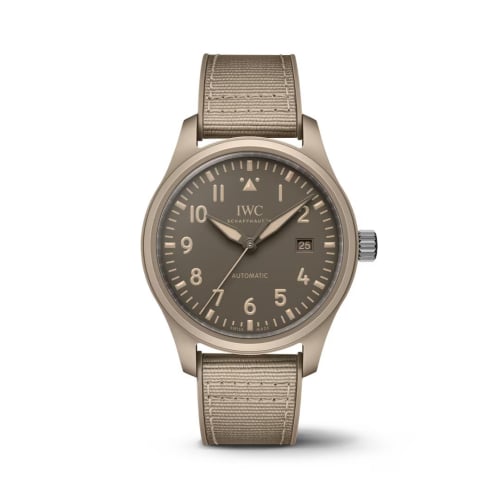
IWC Schaffhausen
IWC Pilot's Watch Automatic 41 Top Gun Mojave Desert
Ref. IW3281-06
CN/A
EN/A
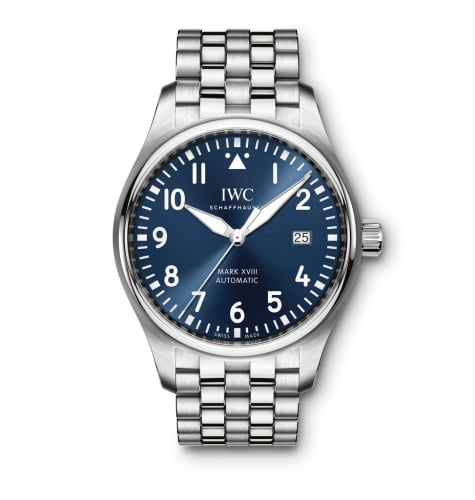
IWC Schaffhausen
Pilot's Watch Mark XVIII Le Petit Prince / Bracelet
Ref. IW3270-14
CN/A
EN/A
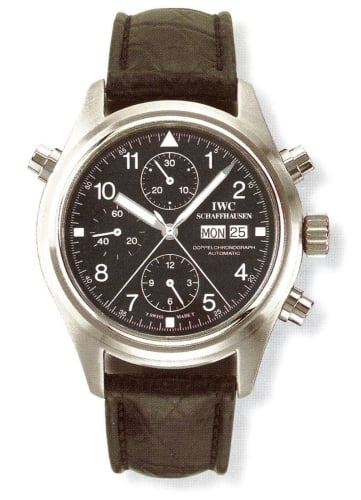
IWC Schaffhausen
Pilot's Watch Doppelchronograph Stainless Steel / Black / Italian / Strap
Ref. IW3711-02
CN/A
EN/A
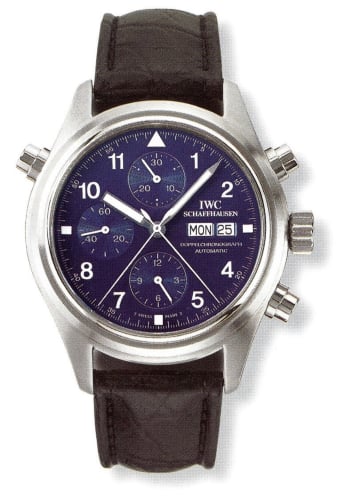
IWC Schaffhausen
Pilot's Watch Doppelchronograph Platinum / Blue / German / Strap
Ref. IW3711-25
CN/A
EN/A
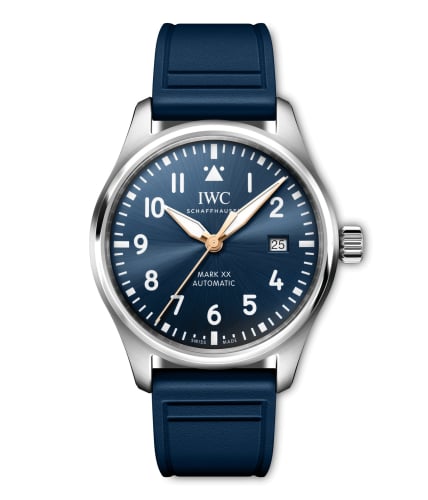
IWC Schaffhausen
Pilot's Watch Mark XX 20 Years Le Petit Prince
Ref. IW3282-21
CN/A
EN/A
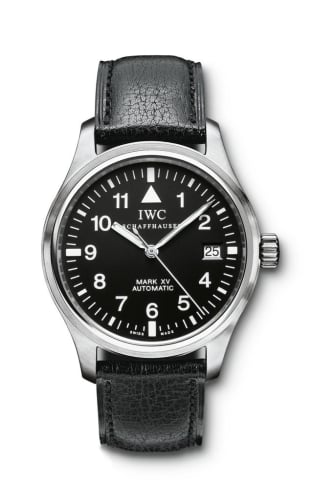
IWC Schaffhausen
Pilot's Watch Mark XV Stainless Steel / Black / Strap
Ref. IW3253-01
CN/A
EN/A
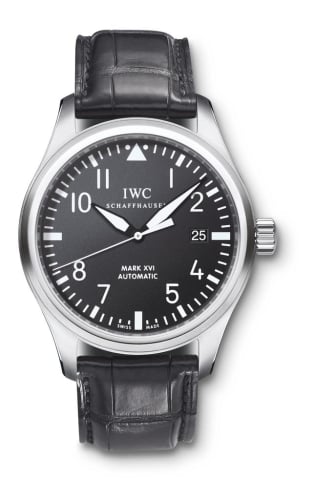
IWC Schaffhausen
Pilot's Watch Mark XVI Stainless Steel / Black / Strap
Ref. IW3255-01
CN/A
EN/A
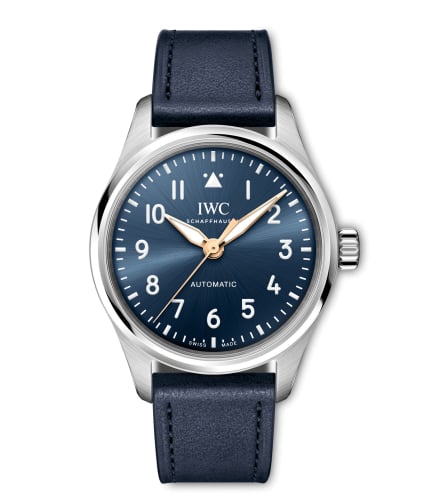
IWC Schaffhausen
Pilot's Watch Automatic 36 20 Years Le Petit Prince
Ref. IW4588-02
CN/A
EN/A
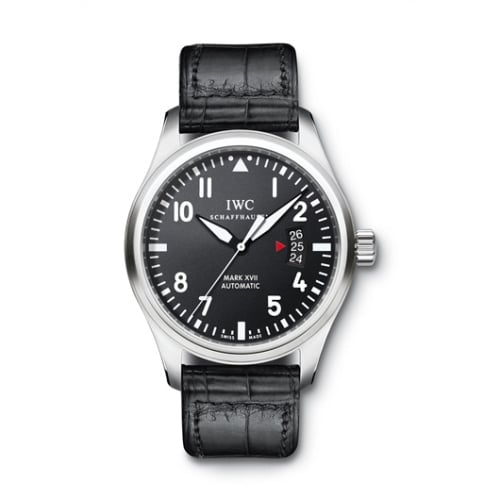
IWC Schaffhausen
Pilot's Watch Mark XVII
Ref. IW3265-01
CN/A
EN/A
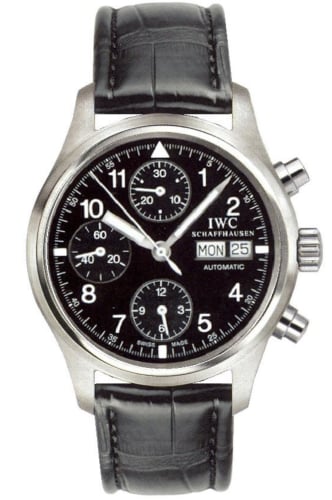
IWC Schaffhausen
Pilot's Watch Chronograph Stainless Steel / Black / English / Strap
Ref. IW3706-03
CN/A
EN/A
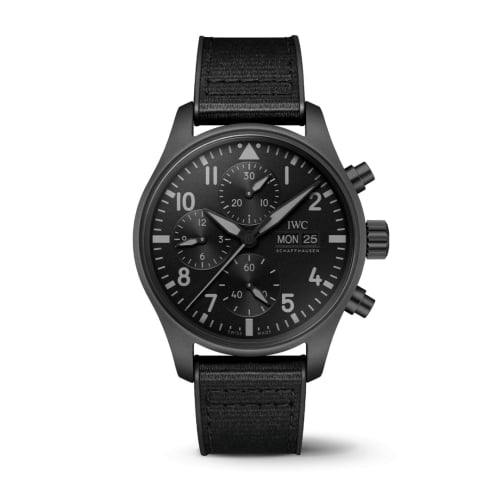
IWC Schaffhausen
Pilot's Watch Chronograph 41 Top Gun Ceratanium
Ref. IW3881-06
CN/A
EN/A
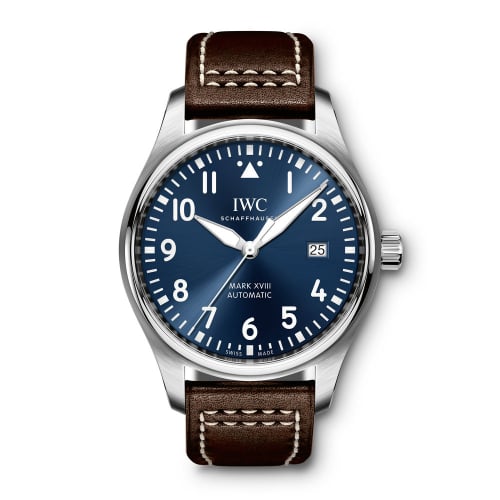
IWC Schaffhausen
Pilot's Watch Mark XVIII Le Petit Prince
Ref. IW3270-04
CN/A
EN/A
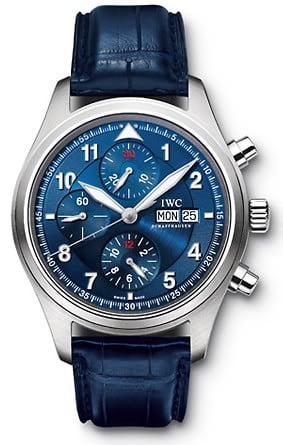
IWC Schaffhausen
Pilot's Watch Spitfire Chronograph Laureus
Ref. IW3717-12
CN/A
EN/A
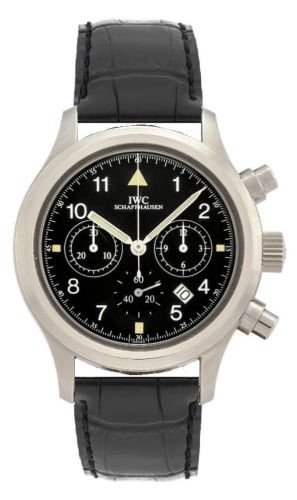
IWC Schaffhausen
Pilot's Watch Chronograph Mechaquartz
Ref. IW3740-01
CN/A
EN/A
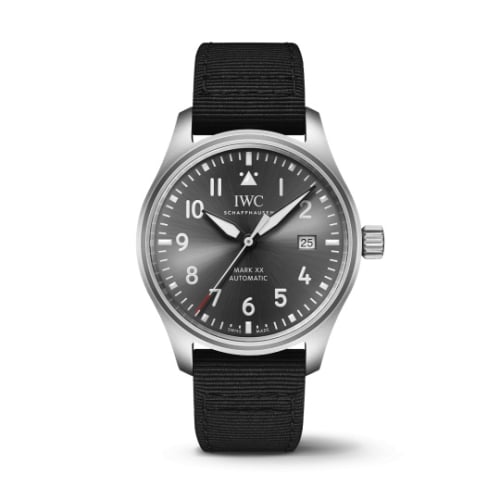
IWC Schaffhausen
Pilot's Watch Mark XX Patrouille Suisse
Ref. IW3282-09
CN/A
EN/A
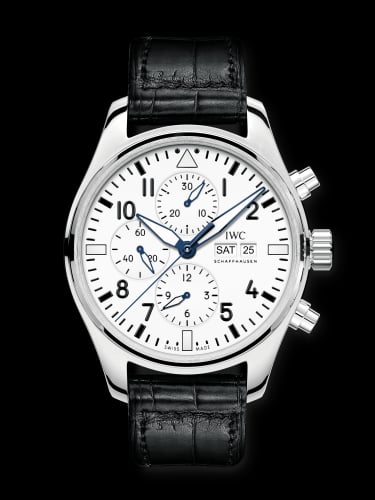
IWC Schaffhausen
Pilot's Watch Chronograph Edition 150 Years Stainless Steel / White
Ref. IW3777-25
CN/A
EN/A
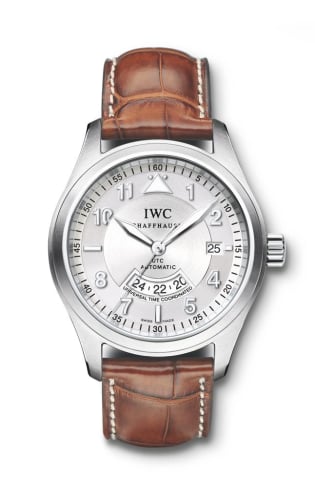
IWC Schaffhausen
Pilot's Watch Spitfire UTC Stainless Steel / Silver / Strap
Ref. IW3251-10
CN/A
EN/A
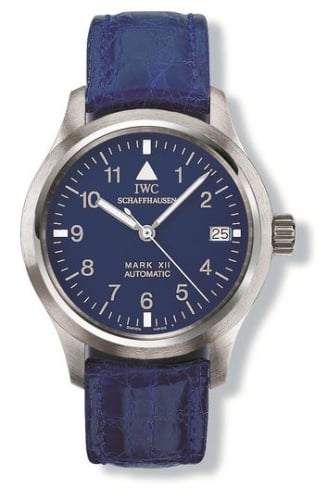
IWC Schaffhausen
Pilot's Watch Mark XII Platinum / Blue / Strap
Ref. IW3241-07
CN/A
EN/A
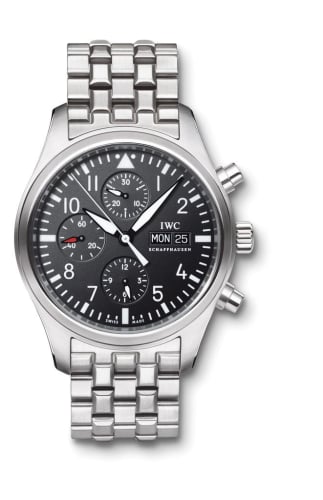
IWC Schaffhausen
Pilot's Watch Chronograph Stainless Steel / Black / Bracelet
Ref. IW3717-04
CN/A
EN/A
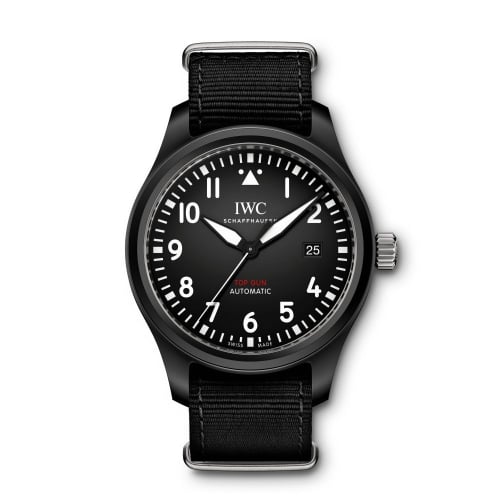
IWC Schaffhausen
Pilot's Watch Automatic Top Gun
Ref. IW3269-01
CN/A
EN/A
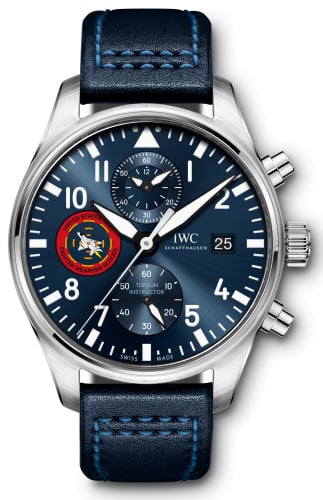
IWC Schaffhausen
Pilot's Watch Chronograph Top Gun 50th Anniversary
Ref. IW3878-13
CN/A
EN/A
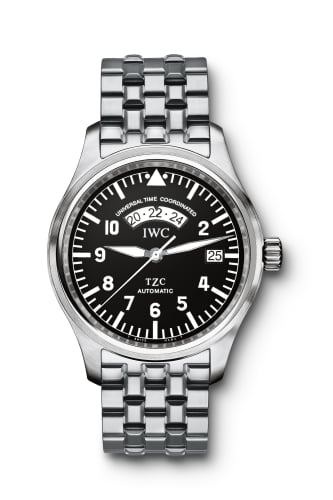
IWC Schaffhausen
Pilot's Watch UTC Stainless Steel / Black / Bracelet
Ref. IW3251-02
CN/A
EN/A
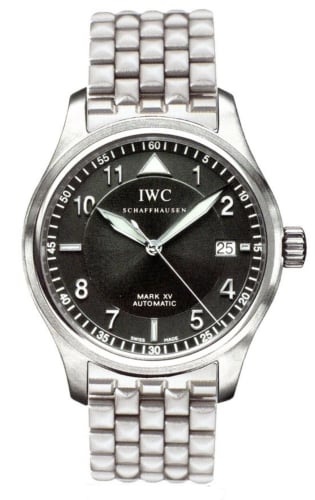
IWC Schaffhausen
Pilot's Watch Mark XV Spitfire Stainless Steel / Black / Bracelet
Ref. IW3253-12
CN/A
EN/A
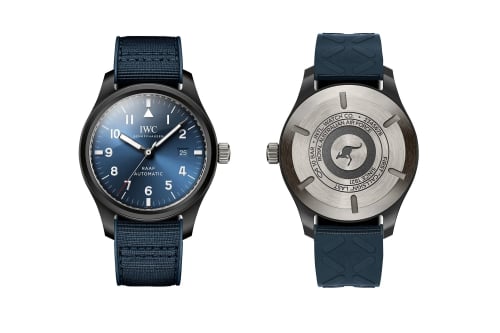
IWC Schaffhausen
Pilot's Watch Automatic RAAF
Ref. IW3281-02
CN/A
EN/A
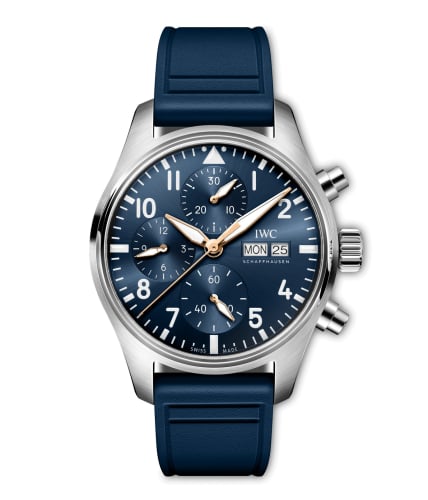
IWC Schaffhausen
Pilot's Watch Chronograph 41 20 Years Le Petit Prince
Ref. IW3881-20
CN/A
EN/A
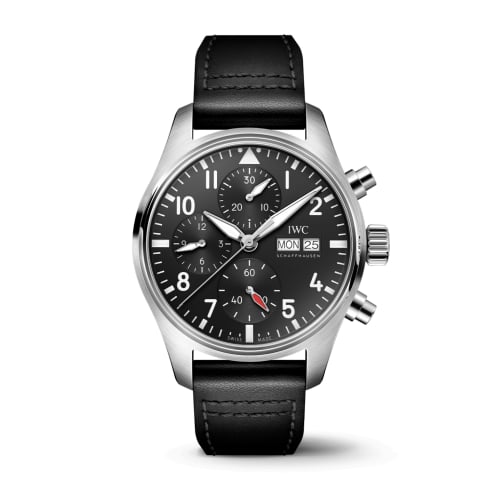
IWC Schaffhausen
Pilot's Watch Chronograph 41 Stainless Steel / Black
Ref. IW3881-11
CN/A
EN/A
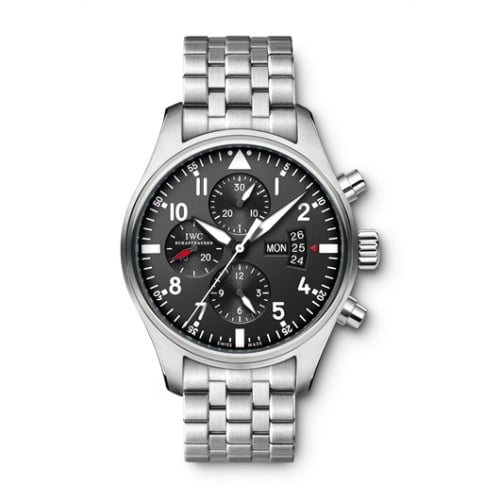
IWC Schaffhausen
Pilot's Watch Chronograph Stainless Steel / Black / Bracelet
Ref. IW3777-04
CN/A
EN/A
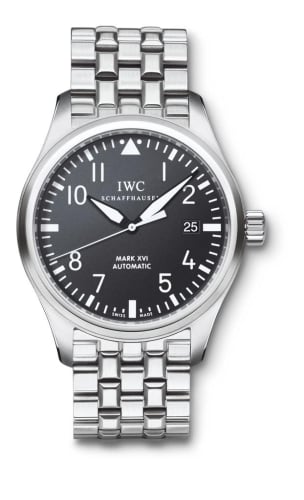
IWC Schaffhausen
Pilot's Watch Mark XVI Stainless Steel / Black / Bracelet
Ref. IW3255-04
CN/A
EN/A
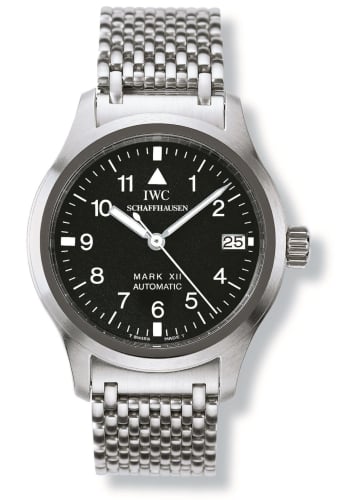
IWC Schaffhausen
Pilot's Watch Mark XII Stainless Steel / Black / Bracelet
Ref. IW3241-02
CN/A
EN/A
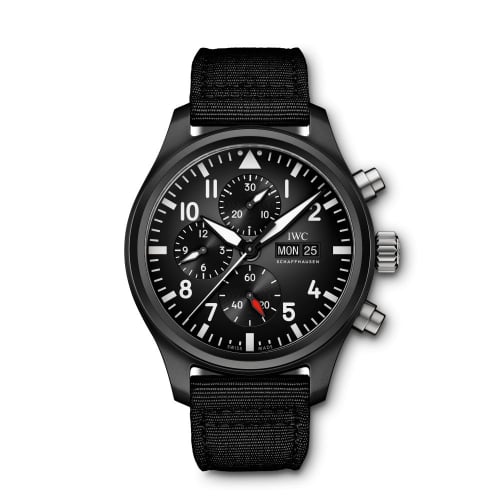
IWC Schaffhausen
Pilot's Watch Chronograph Top Gun
Ref. IW3891-01
CN/A
EN/A
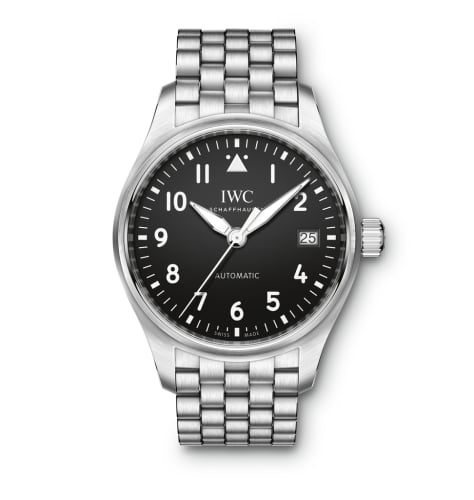
IWC Schaffhausen
Pilot's Watch 36 Black / Bracelet
Ref. IW3240-10
CN/A
EN/A
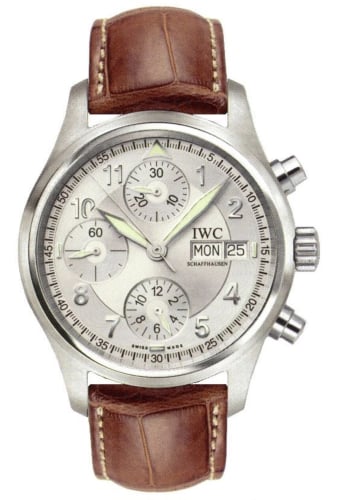
IWC Schaffhausen
Pilot's Watch Spitfire Chronograph Stainless Steel / Silver / English / Strap
Ref. IW3706-23
CN/A
EN/A
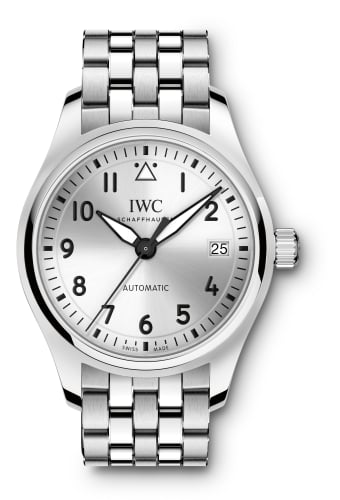
IWC Schaffhausen
Pilot's Watch 36 Silver / Bracelet
Ref. IW3240-06
CN/A
EN/A
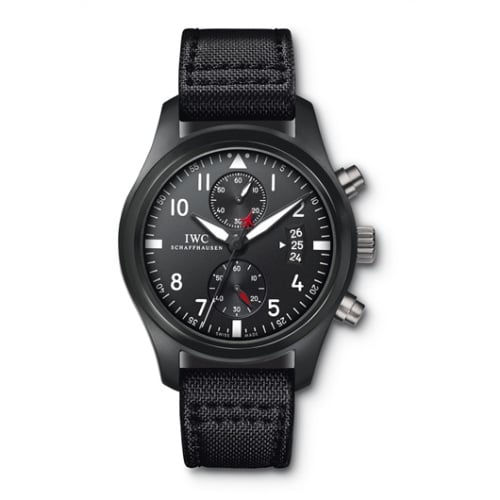
IWC Schaffhausen
Pilot’s Watch Top Gun Chronograph
Ref. IW3880-01
CN/A
EN/A
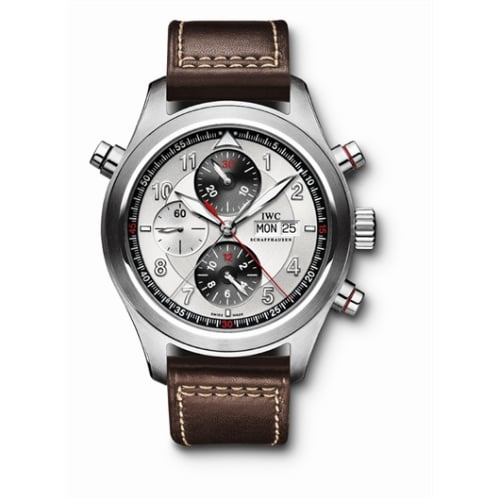
IWC Schaffhausen
Pilot's Watch Spitfire Double Chronograph Stainless Steel / Panda / Strap
Ref. IW3718-02
CN/A
EN/A
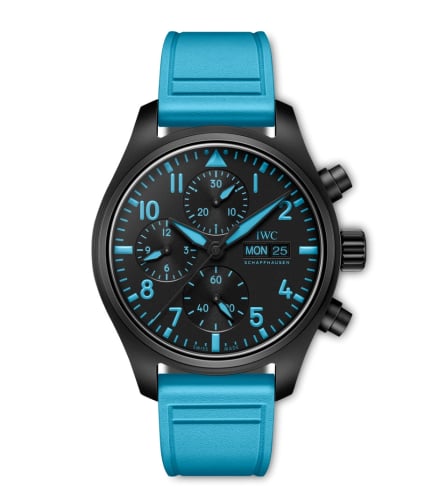
IWC Schaffhausen
Pilot's Watch Chronograph 41 George Russell
Ref. IW3894-11
CN/A
EN/A
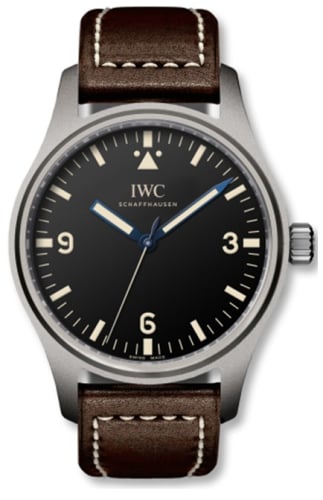
IWC Schaffhausen
Pilot's Watch Mark XVIII Special Watch for Aviators / Andrew Thomas
Ref. IW3270-08
CN/A
EN/A
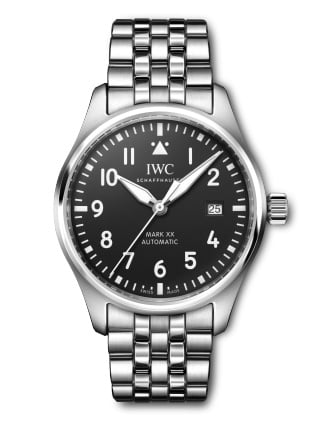
IWC Schaffhausen
Pilot's Watch Mark XX Stainless Steel / Black / Bracelet
Ref. IW3282-02
CN/A
EN/A
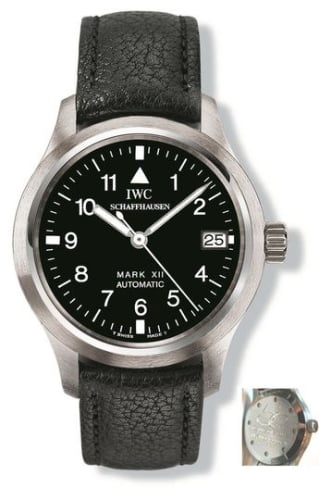
IWC Schaffhausen
Pilot's Watch Mark XII Stainless Steel / Black / Cathay Pacific
Ref. IW3241-04
CN/A
EN/A
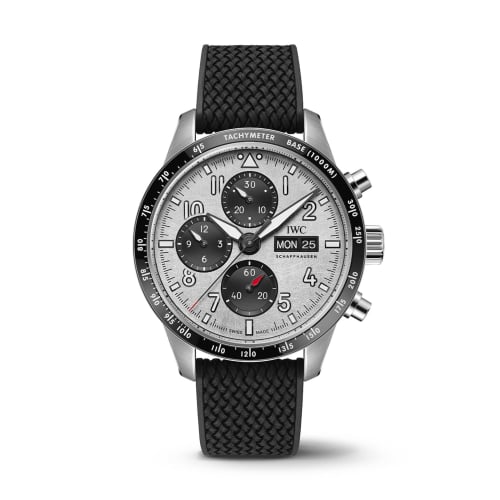
IWC Schaffhausen
Pilot's Watch Performance Chronograph 41 722 Edition
Ref. IW3883-08
CN/A
EN/A
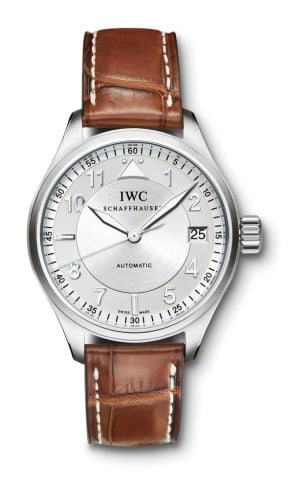
IWC Schaffhausen
Pilot's Watch Spitfire Midsize / Brown Alligator
Ref. IW3256-02
CN/A
EN/A
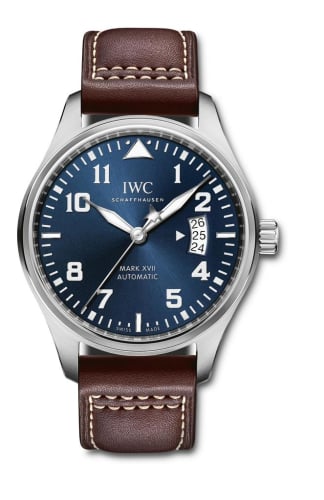
IWC Schaffhausen
Pilot's Watch Mark XVII Edition Le Petit Prince
Ref. IW3265-06
CN/A
EN/A
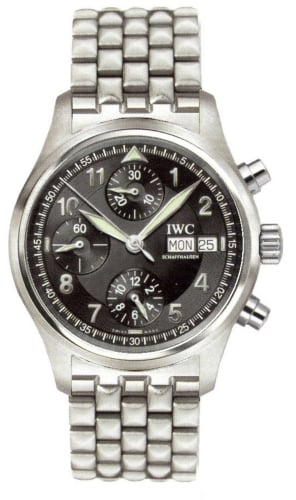
IWC Schaffhausen
Pilot's Watch Spitfire Chronograph Stainless Steel / Black / English / Bracelet
Ref. IW3706-18
CN/A
EN/A
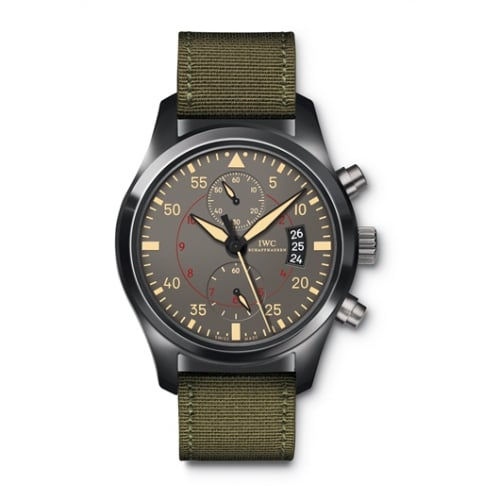
IWC Schaffhausen
Pilot’s Watch Miramar Chronograph
Ref. IW3880-02
CN/A
EN/A
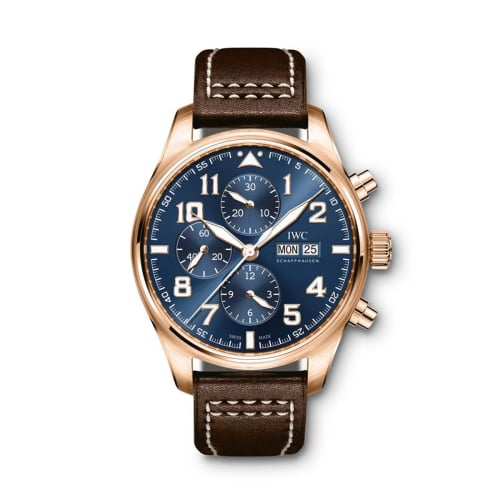
IWC Schaffhausen
Pilot's Watch Chronograph Red Gold / Le Petit Prince
Ref. IW3777-21
CN/A
EN/A
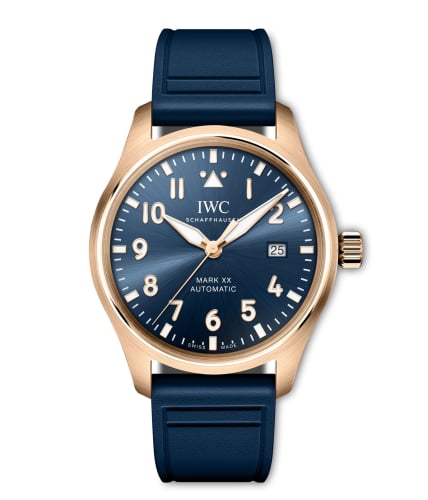
IWC Schaffhausen
Pilot's Watch Mark XX 20 Years Le Petit Prince Red Gold
Ref. IW3283-01
CN/A
EN/A
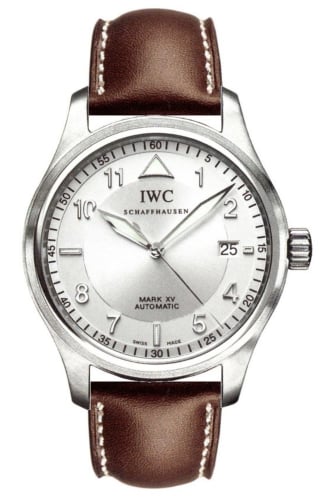
IWC Schaffhausen
Pilot's Watch Mark XV Spitfire Stainless Steel / Silver / Strap
Ref. IW3253-13
CN/A
EN/A
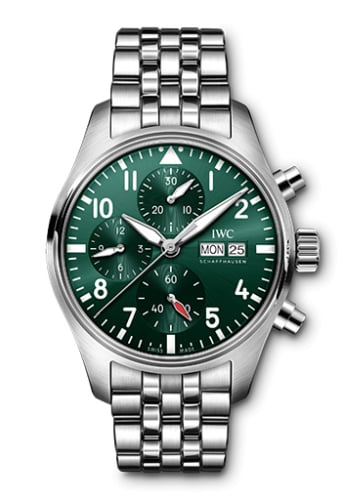
IWC Schaffhausen
Pilot's Watch Chronograph 41 Stainless Steel / Green / Bracelet
Ref. IW3881-04
CN/A
EN/A
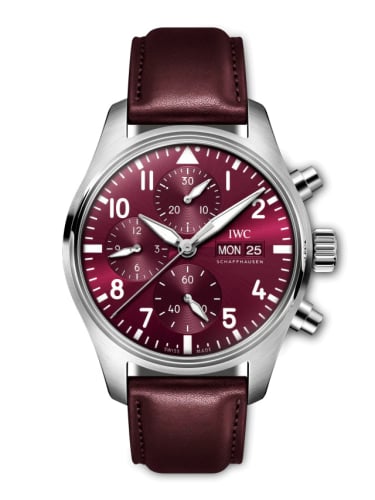
IWC Schaffhausen
Pilot's Watch Chronograph 41 Stainless Steel / Burgundy / Chinese New Year
Ref. IW3881-07
CN/A
EN/A
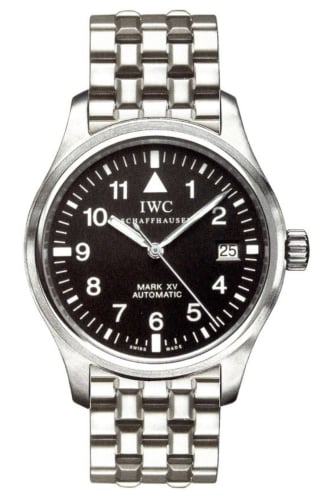
IWC Schaffhausen
Pilot's Watch Mark XV Stainless Steel / Black / Bracelet
Ref. IW3253-07
CN/A
EN/A
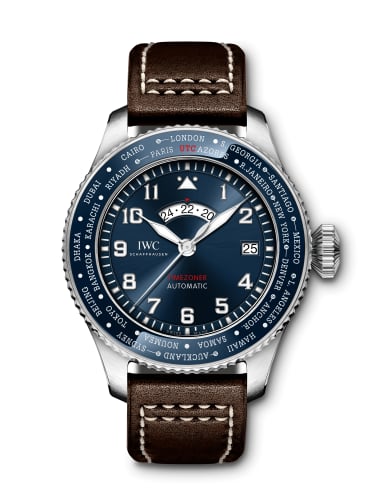
IWC Schaffhausen
Pilot’s Watch Timezoner Le Petit Prince
Ref. IW3955-03
CN/A
EN/A
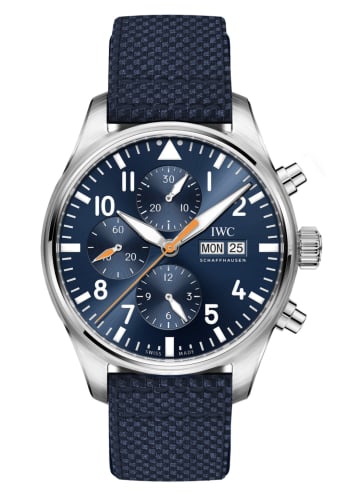
IWC Schaffhausen
Pilot's Watch Chronograph Captain Blue / Tmall
Ref. IW3777-29
CN/A
EN/A
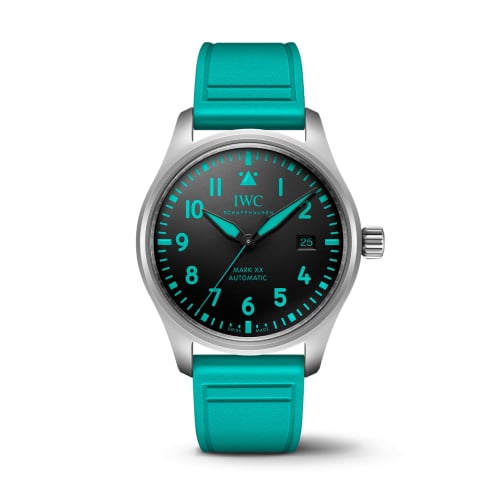
IWC Schaffhausen
Pilot's Watch Mark XX Mercedes-AMG Petronas Formula One Team
Ref. IW3282-10
CN/A
EN/A
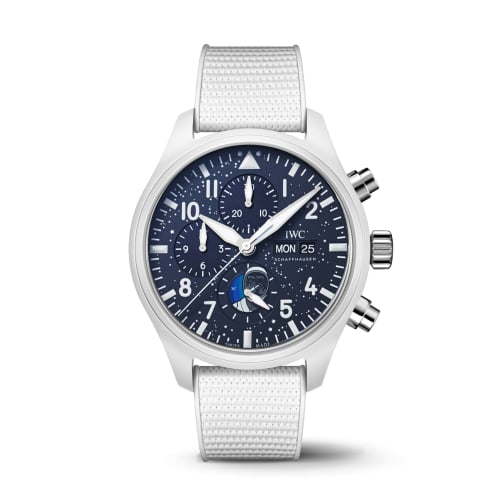
IWC Schaffhausen
Pilot's Watch Chronograph Polaris Dawn
Ref. IW3891-11
CN/A
EN/A
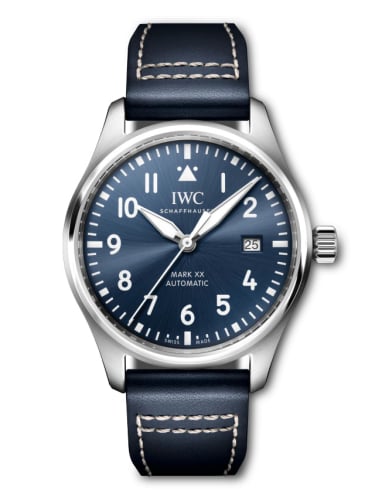
IWC Schaffhausen
Pilot's Watch Mark XX Stainless Steel / Blue
Ref. IW3282-03
CN/A
EN/A
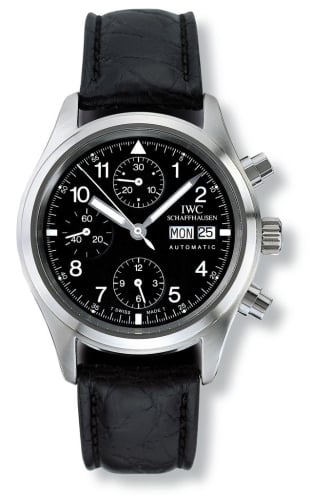
IWC Schaffhausen
Pilot's Watch Chronograph Stainless Steel / Black / German / Strap
Ref. IW3706-01
CN/A
EN/A
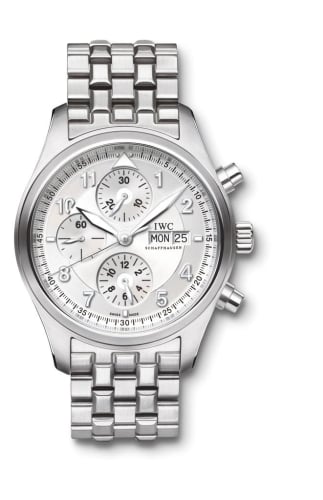
IWC Schaffhausen
Pilot's Watch Spitfire Chronograph Stainless Steel / Silver / Bracelet
Ref. IW3717-05
CN/A
EN/A
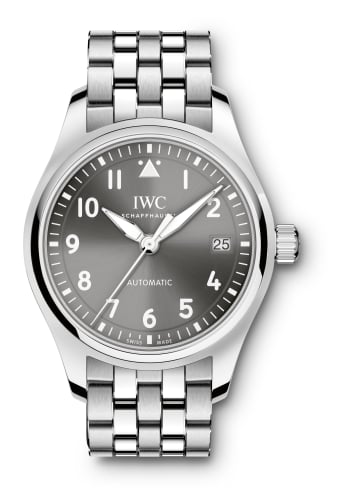
IWC Schaffhausen
Pilot's Watch 36 Grey / Bracelet
Ref. IW3240-02
CN/A
EN/A
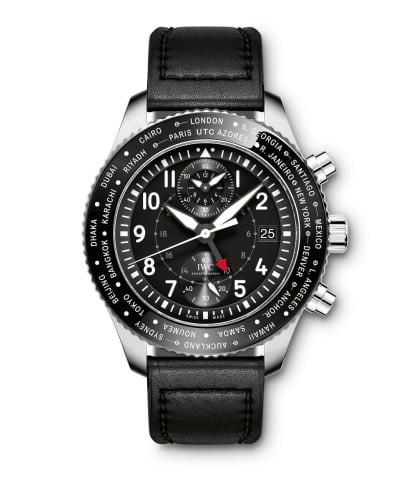
IWC Schaffhausen
Pilot’s Watch Timezoner Chronograph
Ref. IW3950-01
CN/A
EN/A
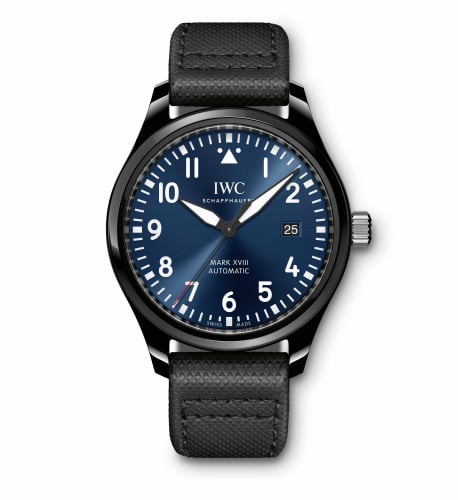
IWC Schaffhausen
Pilot's Watch Mark XVIII Laureus
Ref. IW3247-03
CN/A
EN/A
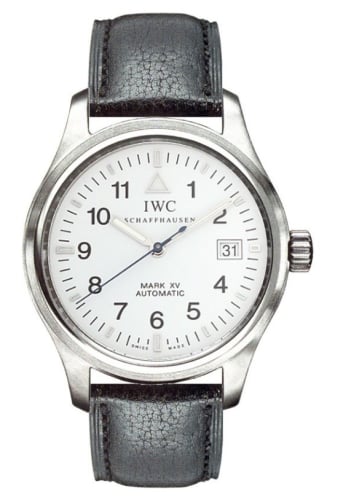
IWC Schaffhausen
Pilot's Watch Mark XV Stainless Steel / White / Gadebusch
Ref. IW3253-06
CN/A
EN/A
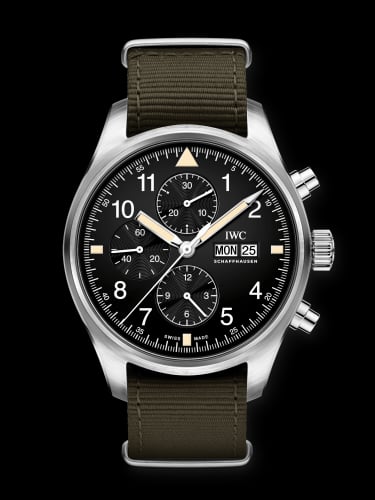
IWC Schaffhausen
Pilot's Watch Chronograph Tribute to 3706
Ref. IW3777-24
CN/A
EN/A
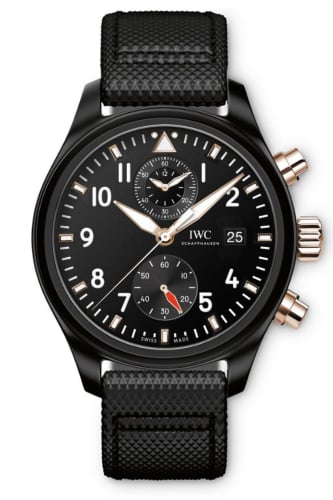
IWC Schaffhausen
Pilot’s Watch Top Gun Chronograph DFB
Ref. IW3890-03
CN/A
EN/A
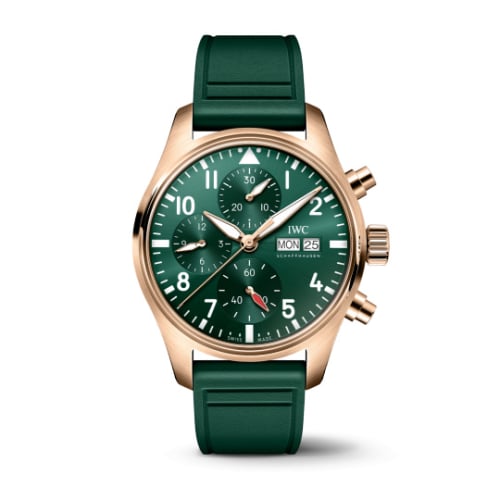
IWC Schaffhausen
Pilot's Watch Chronograph 41 Red Gold / Green
Ref. IW3881-10
CN/A
EN/A
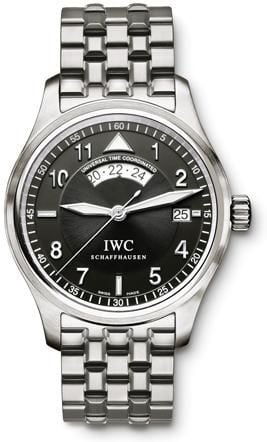
IWC Schaffhausen
Pilot's Watch Spitfire UTC Stainless Steel / Black / Bracelet
Ref. IW3251-06
CN/A
EN/A
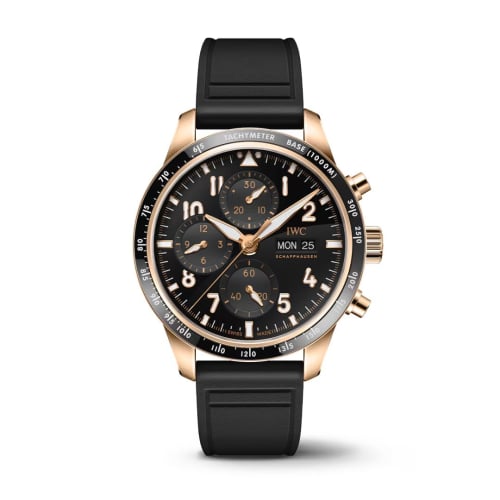
IWC Schaffhausen
Pilot's Watch Performance Chronograph Red Gold / Black
Ref. IW3883-09
CN/A
EN/A
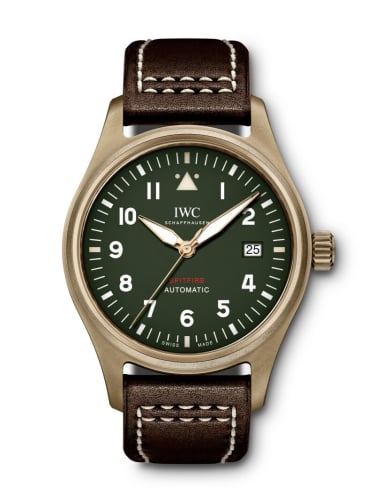
IWC Schaffhausen
Pilot's Watch Automatic Spitfire Bronze / Green
Ref. IW3268-06
CN/A
EN/A
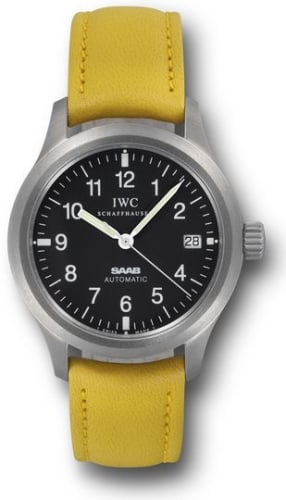
IWC Schaffhausen
Pilot's Watch Mark XII Titanium / Black / SAAB
Ref. IW3242-01
CN/A
EN/A
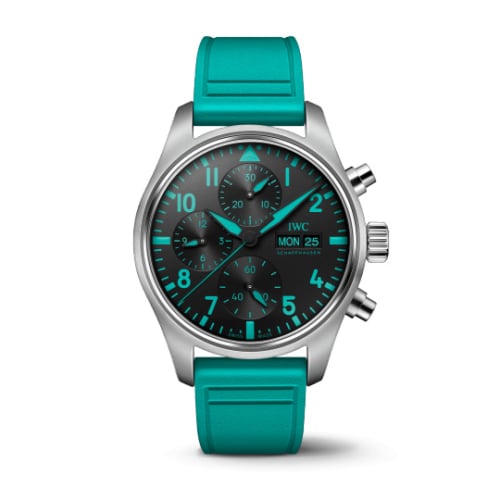
IWC Schaffhausen
Pilot's Watch Chronograph 41 Mercedes-AMG Petronas Formula One Team
Ref. IW3881-08
CN/A
EN/A
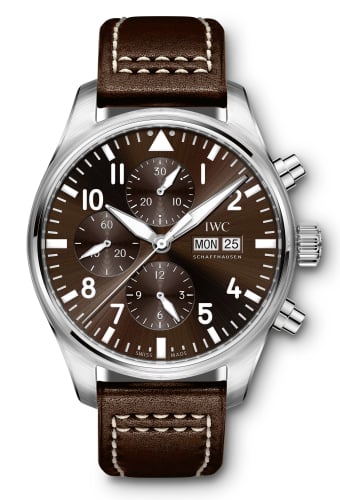
IWC Schaffhausen
Pilot's Watch Chronograph Stainless Steel / Antoine de Saint Exupéry
Ref. IW3777-13
CN/A
EN/A
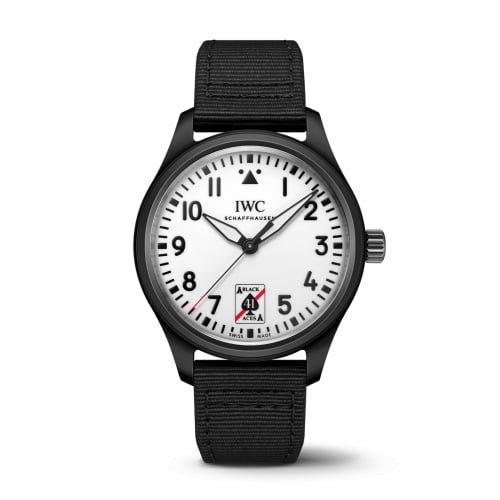
IWC Schaffhausen
Pilot's Watch Automatic Black Aces
Ref. IW3269-05
CN/A
EN/A
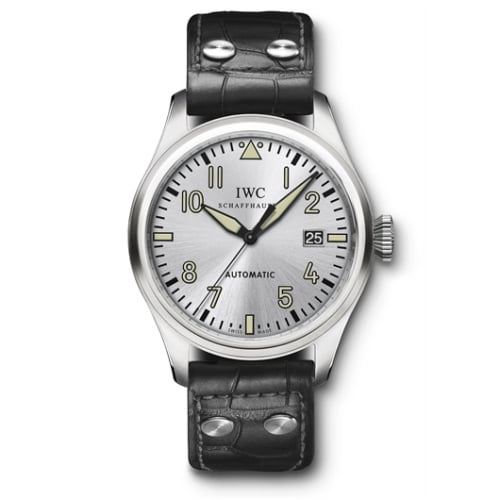
IWC Schaffhausen
Pilot's Watch Mark XVI Father & Son
Ref. IW3255-19
CN/A
EN/A
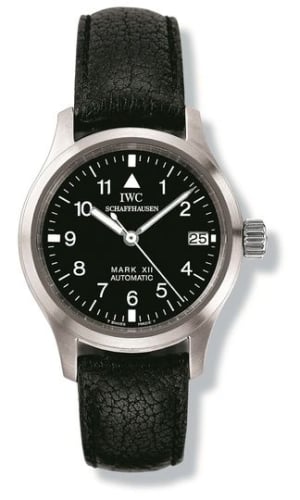
IWC Schaffhausen
Lady Pilot's Watch Mark XII Stainless Steel / Black / Strap
Ref. IW442101
CN/A
EN/A
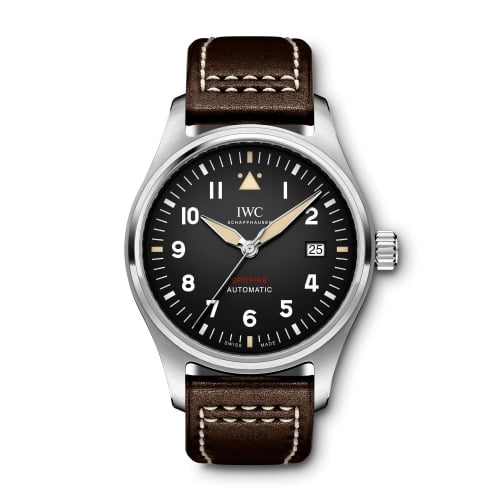
IWC Schaffhausen
Pilot's Watch Automatic Spitfire Stainless Steel / Black / Leather
Ref. IW3268-03
CN/A
EN/A
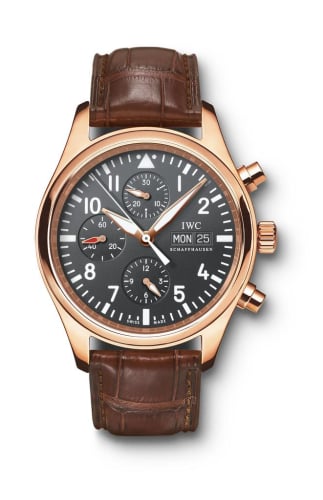
IWC Schaffhausen
Pilot's Watch Chronograph Rose Gold / Black / Strap
Ref. IW3717-13
CN/A
EN/A
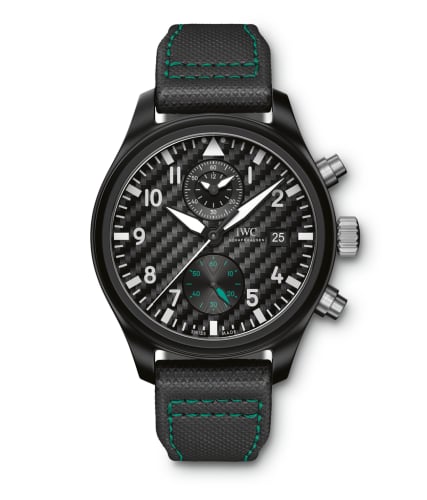
IWC Schaffhausen
Pilot’s Watch Top Gun Chronograph Mercedes - AMG Petronas Motorsport
Ref. IW3890-05
CN/A
EN/A
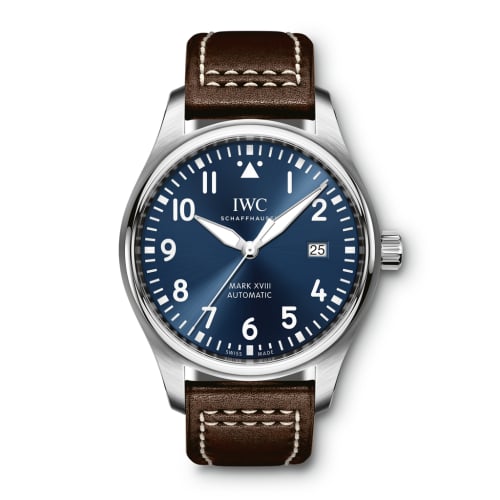
IWC Schaffhausen
Pilot's Watch Mark XVIII Le Petit Prince
Ref. IW3270-10
CN/A
EN/A
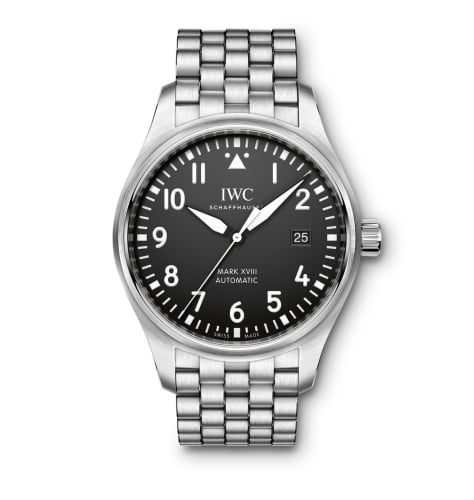
IWC Schaffhausen
Pilot's Watch Mark XVIII / Bracelet
Ref. IW3270-11
CN/A
EN/A
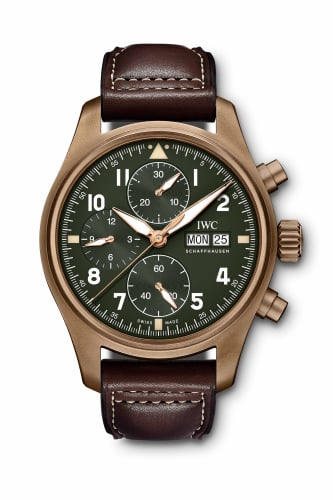
IWC Schaffhausen
Pilot's Watch Spitfire Chronograph Spitfire Bronze / Green
Ref. IW3879-02
CN/A
EN/A
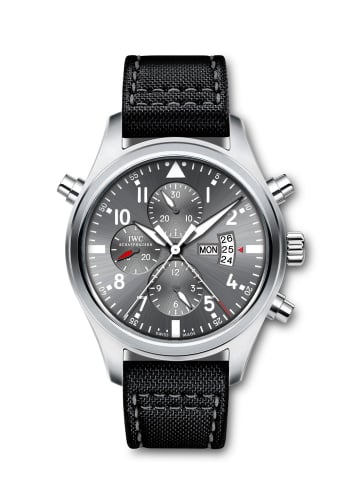
IWC Schaffhausen
Pilot's Watch Double Chronograph Patrouille Suisse
Ref. IW3778-05
CN/A
EN/A
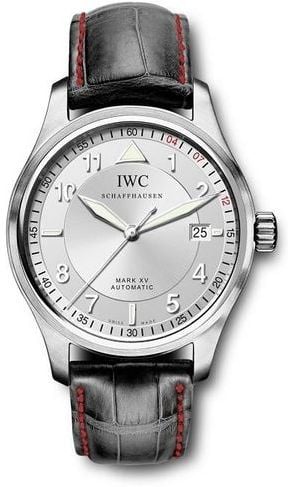
IWC Schaffhausen
Pilot's Watch Mark XV Spitfire Stainless Steel / Silver / Teatro alla Scala
Ref. IW3253-15
CN/A
EN/A
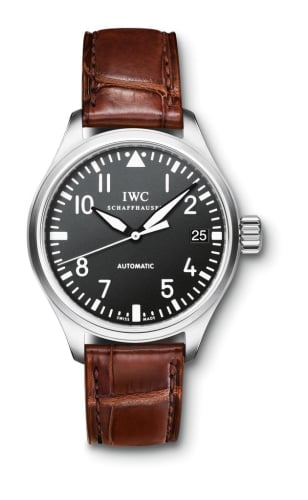
IWC Schaffhausen
Pilot's Watch Midsize / Brown Alligator
Ref. IW3256-04
CN/A
EN/A
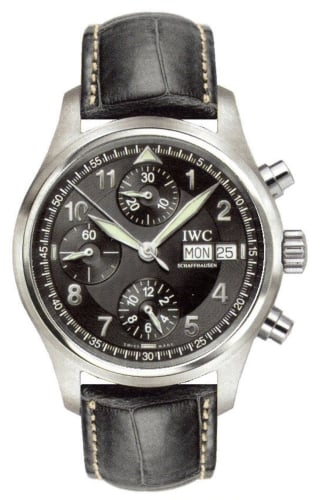
IWC Schaffhausen
Pilot's Watch Spitfire Chronograph Stainless Steel / Black / English / Strap
Ref. IW3706-13
CN/A
EN/A
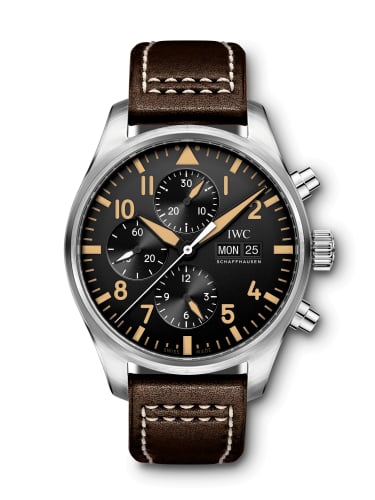
IWC Schaffhausen
Pilot's Watch Chronograph Stainless Steel / 20th Anniversary Watches of Switzerland
Ref. IW3777-20
CN/A
EN/A
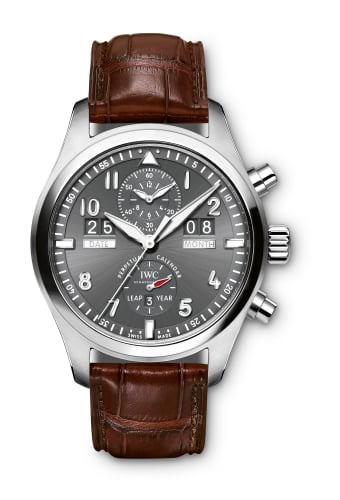
IWC Schaffhausen
Pilot's Watch Spitfire Perpetual Calendar Digital Date-Month Stainless Steel
Ref. IW3791-07
CN/A
EN/A
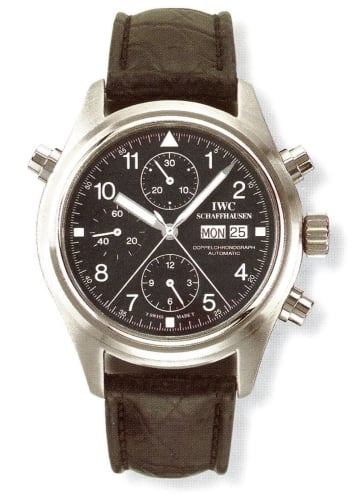
IWC Schaffhausen
Pilot's Watch Doppelchronograph Stainless Steel / Black / German / Strap
Ref. IW3711-01
CN/A
EN/A
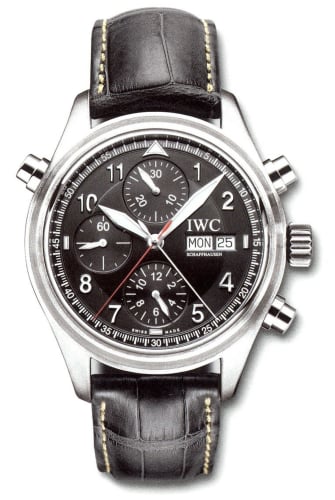
IWC Schaffhausen
Pilot's Watch Spitfire Double Chronograph Stainless Steel / Black / French / Strap
Ref. IW3713-34
CN/A
EN/A
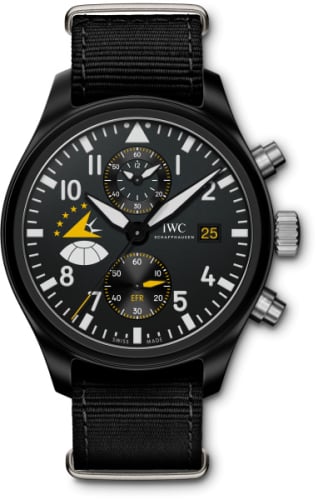
IWC Schaffhausen
Pilot’s Watch Chronograph Military Edition Eagles
Ref. IW3890-15
CN/A
EN/A
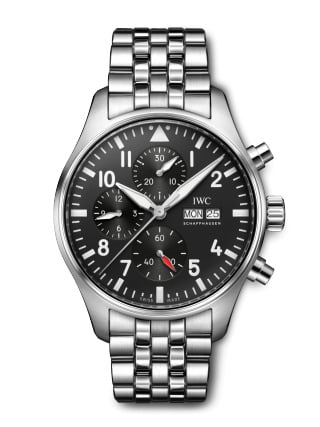
IWC Schaffhausen
Pilot's Watch Chronograph Stainless Steel / Black / Bracelet
Ref. IW3780-02
CN/A
EN/A
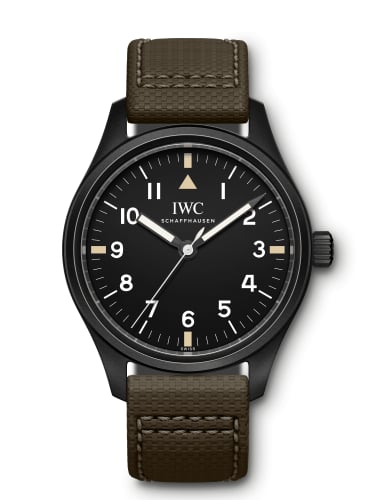
IWC Schaffhausen
Pilot's Watch Mark XVIII Hodinkee
Ref. IW3248-01
CN/A
EN/A
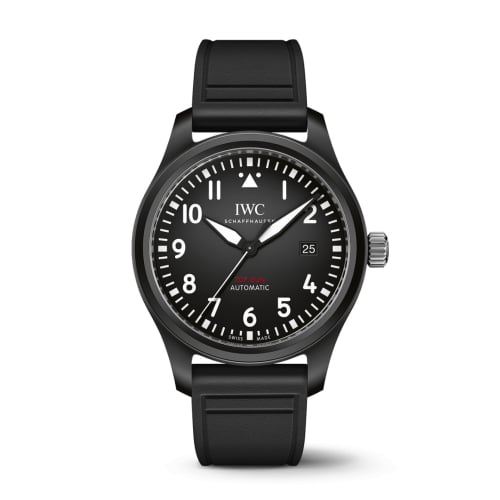
IWC Schaffhausen
Pilot's Watch Automatic Top Gun
Ref. IW3269-06
CN/A
EN/A
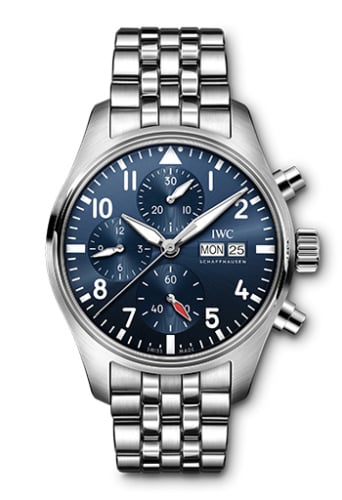
IWC Schaffhausen
Pilot's Watch Chronograph 41 Stainless Steel / Blue / Bracelet
Ref. IW3881-02
CN/A
EN/A
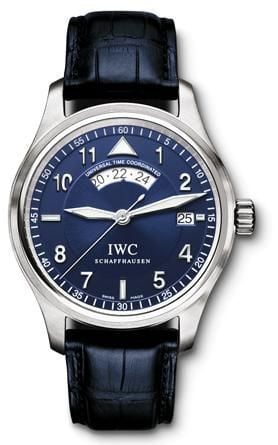
IWC Schaffhausen
Pilot's Watch Spitfire UTC Stainless Steel / Silver / Strap
Ref. IW3251-09
CN/A
EN/A
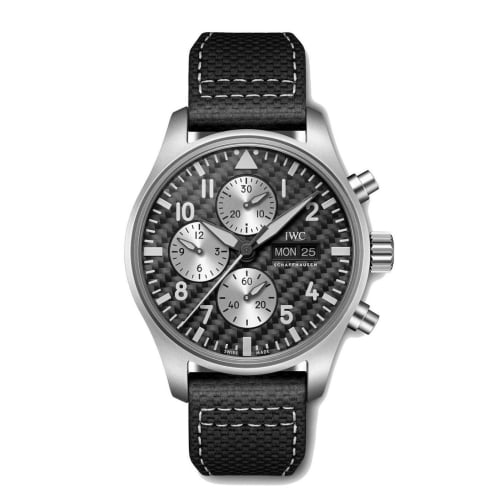
IWC Schaffhausen
Pilot's Watch Chronograph AMG
Ref. IW3779-03
CN/A
EN/A
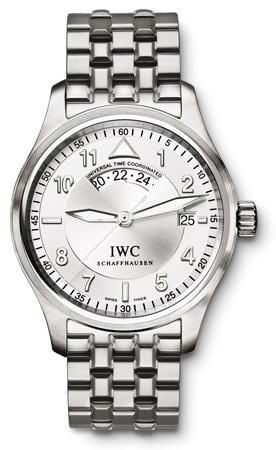
IWC Schaffhausen
Pilot's Watch Spitfire UTC Stainless Steel / Silver / Bracelet
Ref. IW3251-08
CN/A
EN/A
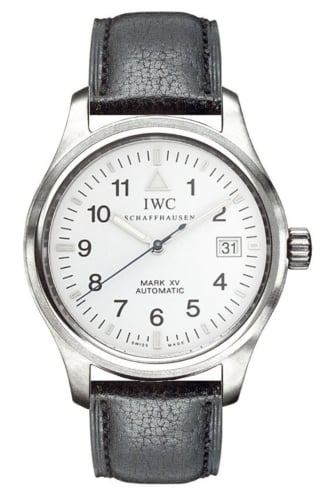
IWC Schaffhausen
Pilot's Watch Mark XV Stainless Steel / White / Strap
Ref. IW3253-09
CN/A
EN/A
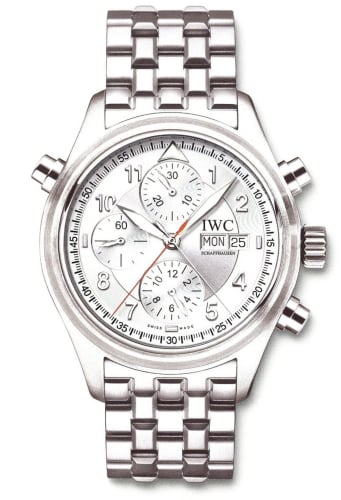
IWC Schaffhausen
Pilot's Watch Spitfire Double Chronograph Stainless Steel / Silver / Italian / Bracelet
Ref. IW3713-47
CN/A
EN/A
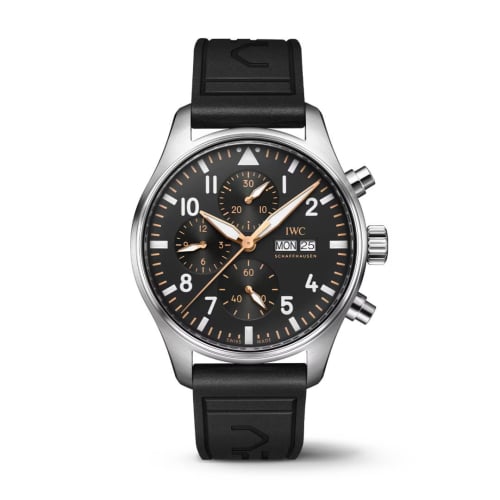
IWC Schaffhausen
Pilot's Watch Chronograph APXGP
Ref. IW3780-09
CN/A
EN/A
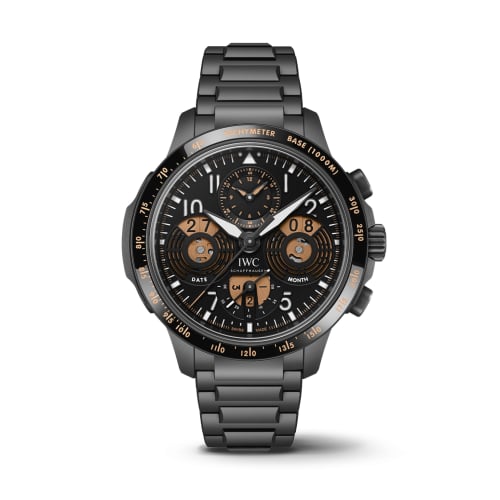
IWC Schaffhausen
ilot's Watch Performance Chronograph Perpetual Calendar Digital Date-Month Ceratanium / Black / Bracelet
Ref. IW3888-01
CN/A
EN/A
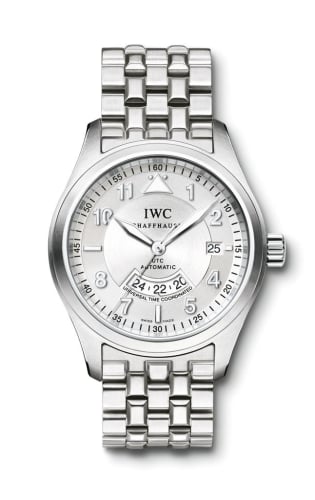
IWC Schaffhausen
Pilot's Watch Spitfire UTC Stainless Steel / Silver / Bracelet
Ref. IW3251-12
CN/A
EN/A
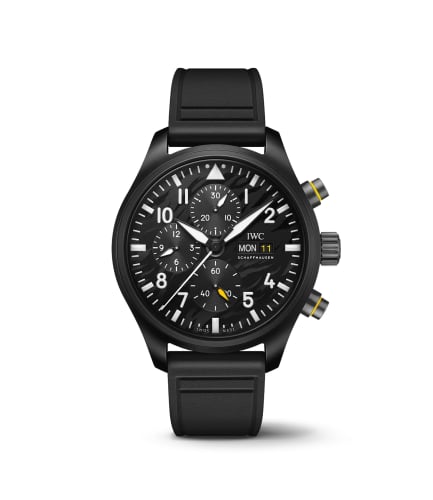
IWC Schaffhausen
Pilot's Watch Chronograph Staffel 11
Ref. IW3891-12
CN/A
EN/A
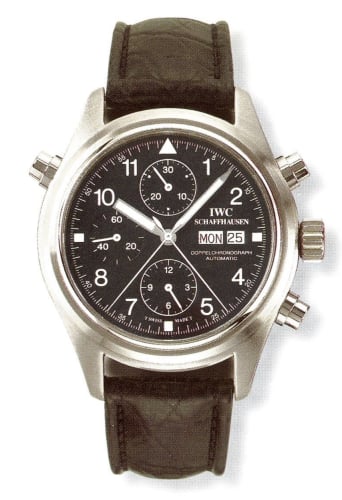
IWC Schaffhausen
Pilot's Watch Doppelchronograph Stainless Steel / Black / Italian / Strap
Ref. IW3713-02
CN/A
EN/A
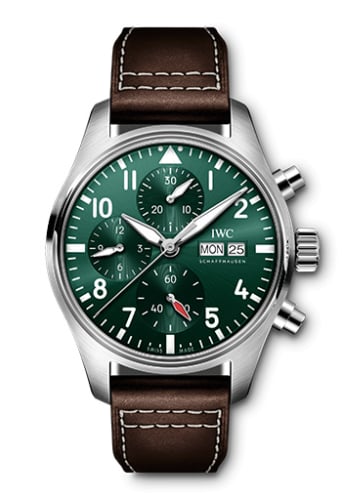
IWC Schaffhausen
Pilot's Watch Chronograph 41 Stainless Steel / Green
Ref. IW3881-03
CN/A
EN/A
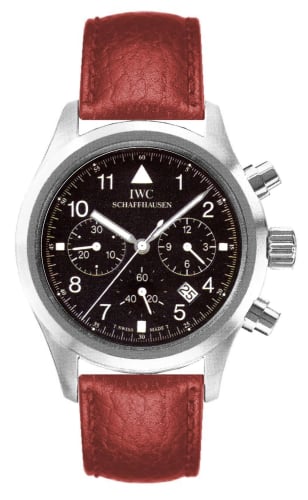
IWC Schaffhausen
Pilot's Watch Chronograph Mecaquartz Stainless Steel / Black / Strap
Ref. IW3741-07
CN/A
EN/A
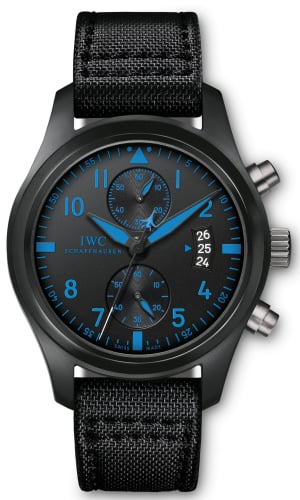
IWC Schaffhausen
Pilot’s Watch Top Gun Chronograph Boutique
Ref. IW3880-03
CN/A
EN/A
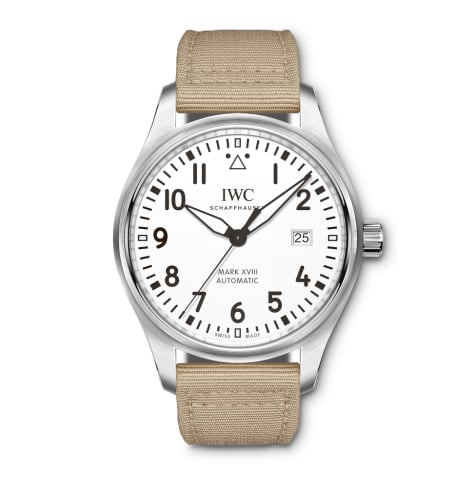
IWC Schaffhausen
Pilot's Watch Mark XVIII Silver / Canvas
Ref. IW3270-17
CN/A
EN/A
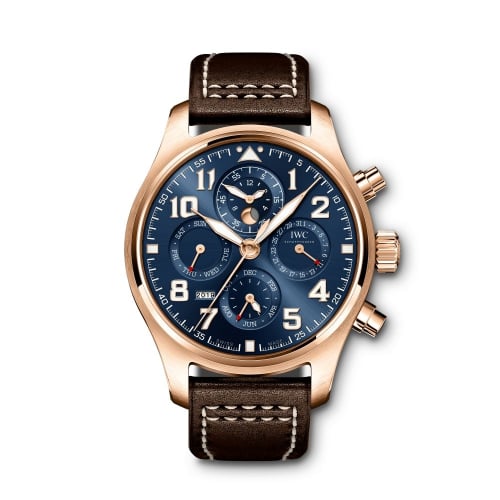
IWC Schaffhausen
Pilot's Watch Perpetual Calendar Chronograph 'Le Petit Prince'
Ref. IW3922-02
CN/A
EN/A
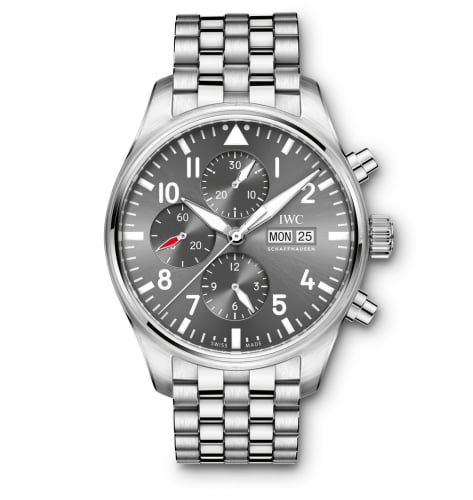
IWC Schaffhausen
Pilot's Watch Chronograph Spitfire
Ref. IW3777-19
CN/A
EN/A
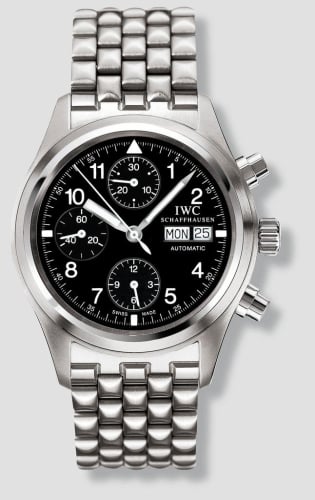
IWC Schaffhausen
Pilot's Watch Chronograph Stainless Steel / Black / German / Bracelet
Ref. IW3706-05
CN/A
EN/A
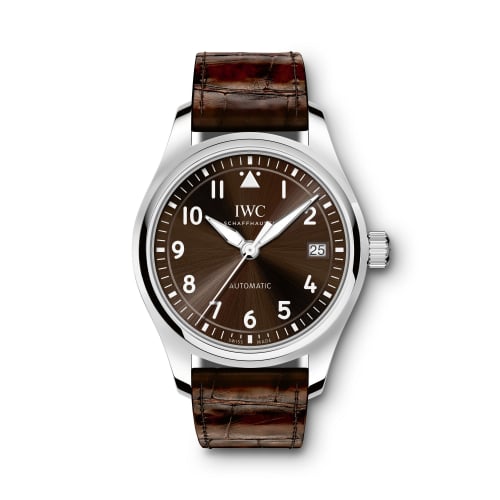
IWC Schaffhausen
Pilot's Watch 36 Antoine de Saint-Exupery
Ref. IW3240-09
CN/A
EN/A
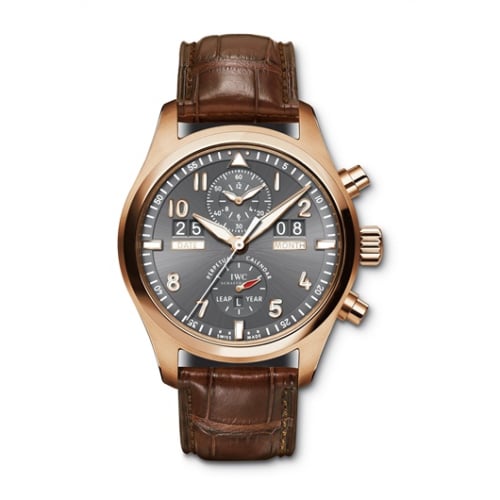
IWC Schaffhausen
Pilot's Watch Spitfire Perpetual Calendar Digital Date-Month
Ref. IW3791-05
CN/A
EN/A
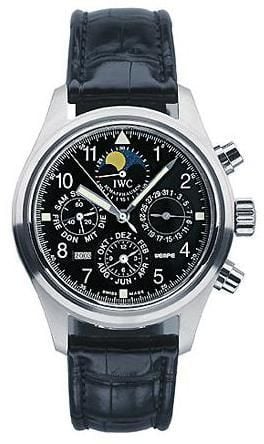
IWC Schaffhausen
Pilot's Watch Chronograph Perpetual Calendar Stainless Steel / Black / Wempe
Ref. IW3757-01
CN/A
EN/A
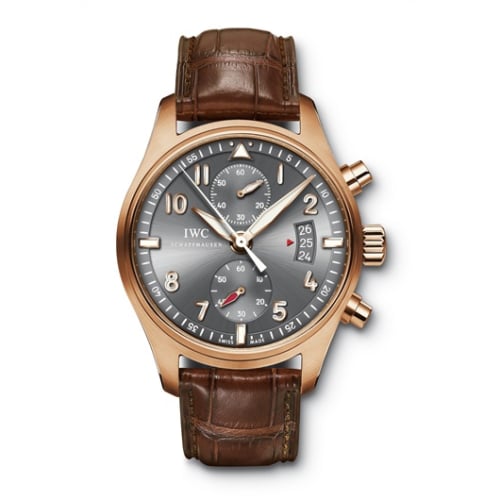
IWC Schaffhausen
Pilot's Watch Spitfire Chronograph Gold
Ref. IW3878-03
CN/A
EN/A
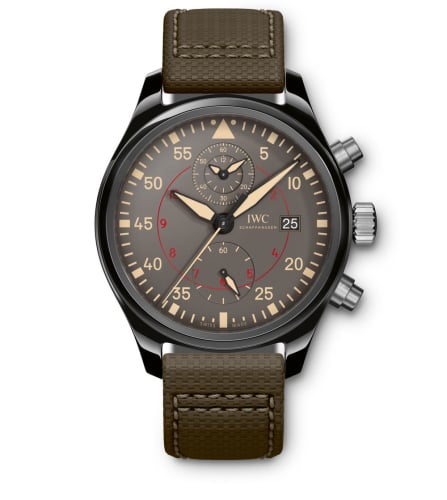
IWC Schaffhausen
Pilot’s Watch Miramar Chronograph
Ref. IW3890-02
CN/A
EN/A
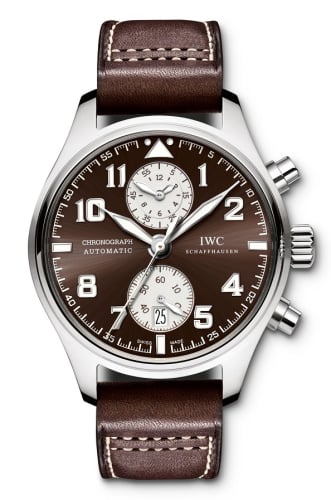
IWC Schaffhausen
Pilot's Watch Chronograph Edition Antoine De Saint Exupery
Ref. IW3878-06
CN/A
EN/A
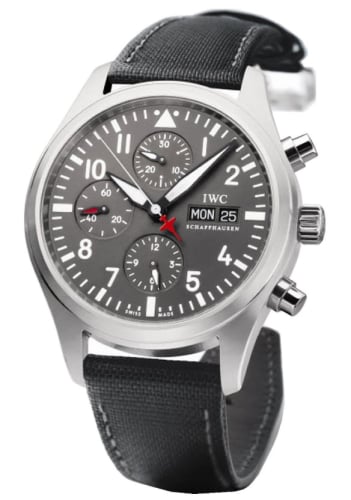
IWC Schaffhausen
Pilot's Watch Chronograph Stainless Steel / Patrouille Suisse
Ref. IW3717-14
CN/A
EN/A
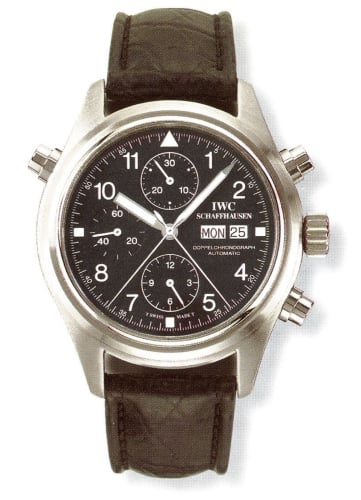
IWC Schaffhausen
Pilot's Watch Doppelchronograph Stainless Steel / Black / French / Strap
Ref. IW3711-04
CN/A
EN/A
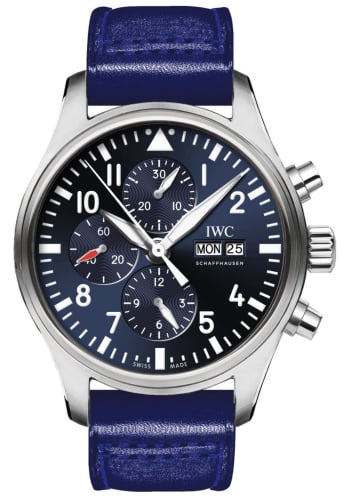
IWC Schaffhausen
Pilot's Watch Chronograph Stainless Steel / Le Petit Prince / Santoni
Ref. IW3777-22
CN/A
EN/A
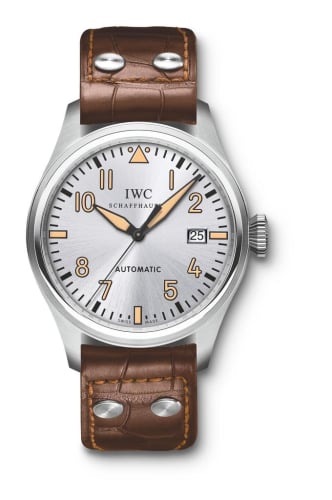
IWC Schaffhausen
Pilot's Watch Mark XVI Father & Son
Ref. IW3255-12
CN/A
EN/A
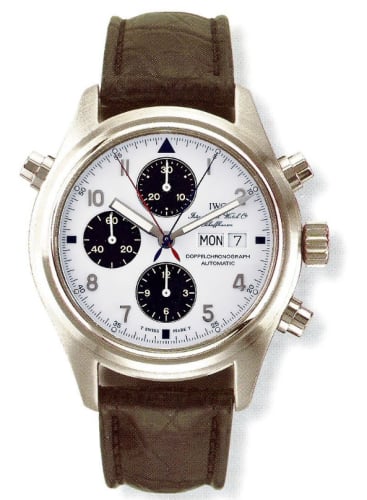
IWC Schaffhausen
Pilot's Watch Doppelchronograph Stainless Steel / White / Japan / Strap
Ref. IW3713-29
CN/A
EN/A
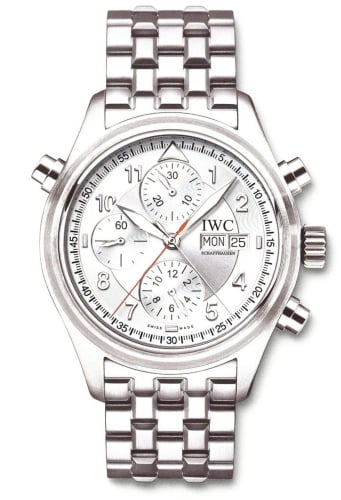
IWC Schaffhausen
Pilot's Watch Spitfire Double Chronograph Stainless Steel / Silver / French / Bracelet
Ref. IW3713-49
CN/A
EN/A
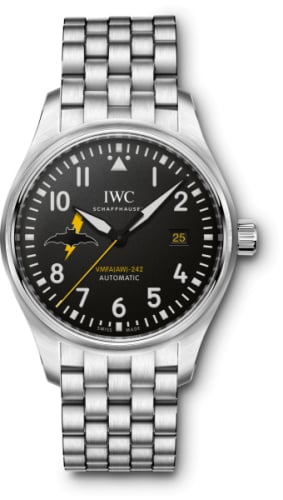
IWC Schaffhausen
Pilot's Watch Mark XVIII Military Edition Bats Legacy
Ref. IW327024
CN/A
EN/A
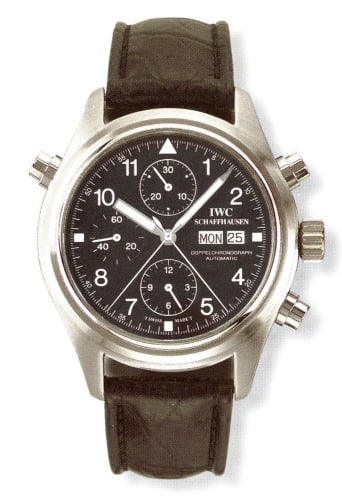
IWC Schaffhausen
Pilot's Watch Doppelchronograph Stainless Steel / Black / German / Strap
Ref. IW3713-01
CN/A
EN/A
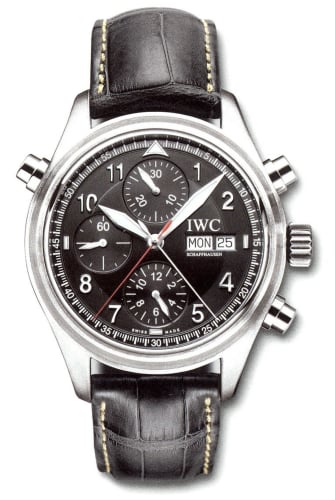
IWC Schaffhausen
Pilot's Watch Spitfire Double Chronograph Stainless Steel / Black / Italian / Strap
Ref. IW3713-32
CN/A
EN/A
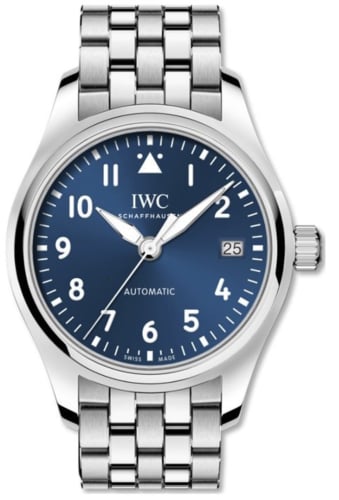
IWC Schaffhausen
Pilot's Watch 36 Stainless Steel / Edition 150 Years
Ref. IW3240-22
CN/A
EN/A
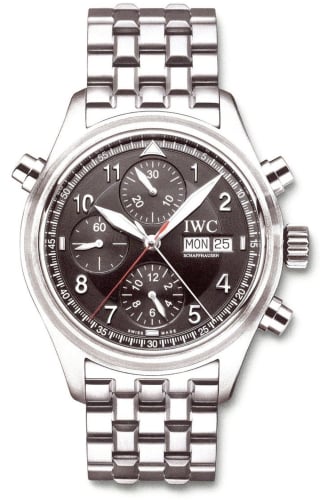
IWC Schaffhausen
Pilot's Watch Spitfire Double Chronograph Stainless Steel / Black / French / Bracelet
Ref. IW3713-39
CN/A
EN/A
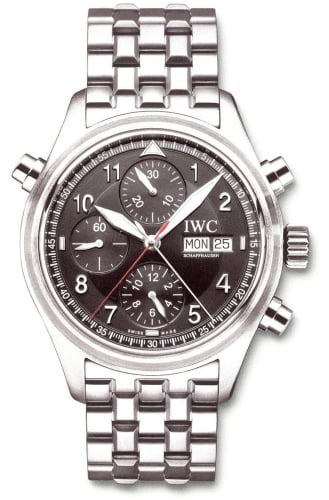
IWC Schaffhausen
Pilot's Watch Spitfire Double Chronograph Stainless Steel / Black / English / Bracelet
Ref. IW3713-38
CN/A
EN/A
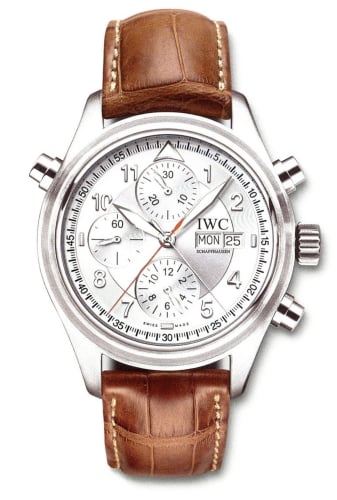
IWC Schaffhausen
Pilot's Watch Spitfire Double Chronograph Stainless Steel / Silver / Italian / Strap
Ref. IW3713-42
CN/A
EN/A
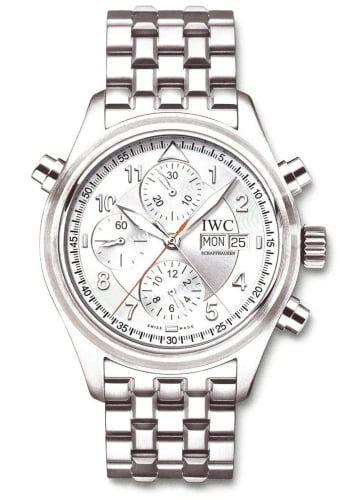
IWC Schaffhausen
Pilot's Watch Spitfire Double Chronograph Stainless Steel / Silver / English / Bracelet
Ref. IW3713-48
CN/A
EN/A
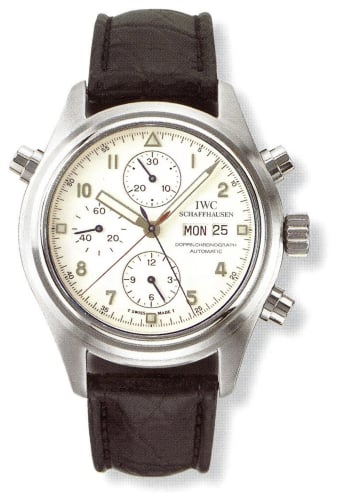
IWC Schaffhausen
Pilot's Watch Doppelchronograph Platinum / White / English / Strap
Ref. IW3711-23
CN/A
EN/A
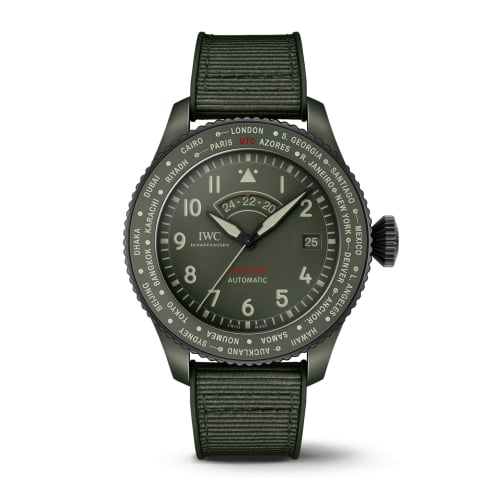
IWC Schaffhausen
Pilot’s Watch Timezoner Top Gun Woodland
Ref. IW3956-01
CN/A
EN/A
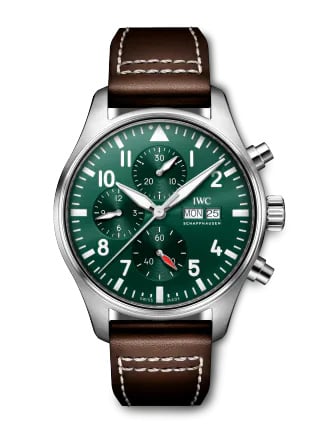
IWC Schaffhausen
Pilot's Watch Chronograph Stainless Steel / Green
Ref. IW3780-05
CN/A
EN/A
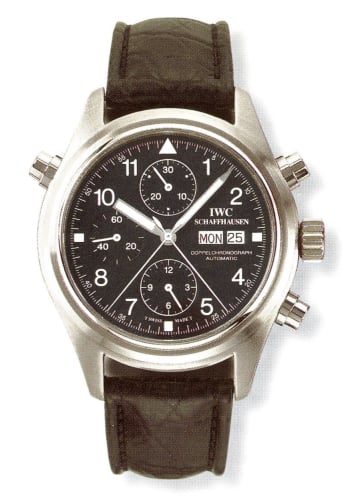
IWC Schaffhausen
Pilot's Watch Doppelchronograph Stainless Steel / Black / French / Strap
Ref. IW3713-04
CN/A
EN/A
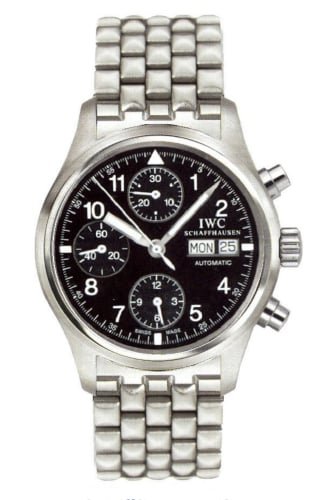
IWC Schaffhausen
Pilot's Watch Chronograph Stainless Steel / Black / Italian / Bracelet
Ref. IW3706-06
CN/A
EN/A
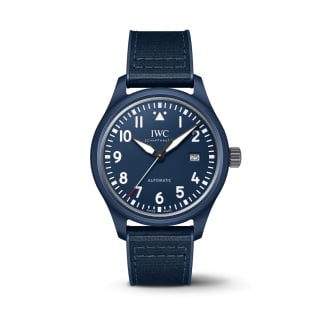
IWC Schaffhausen
Pilot's Watch Automatic Edition Laureus Sport for Good
Ref. IW3281-01
CN/A
EN/A
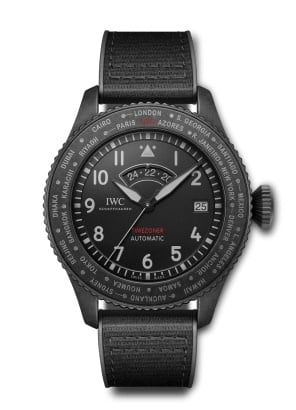
IWC Schaffhausen
Pilot’s Watch Timezoner Top Gun Ceratanium
Ref. IW3955-05
CN/A
EN/A
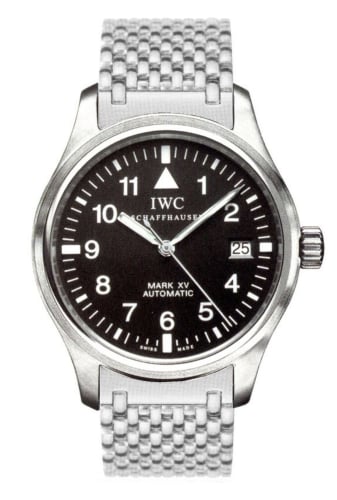
IWC Schaffhausen
Pilot's Watch Mark XV Stainless Steel / Black / Bracelet
Ref. IW3253-02
CN/A
EN/A
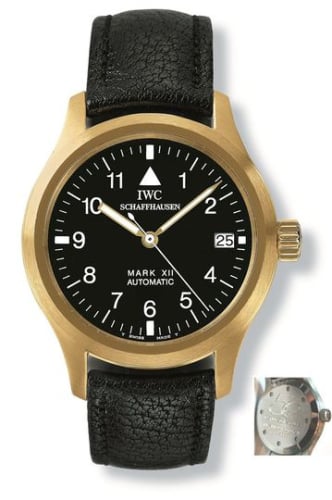
IWC Schaffhausen
Pilot's Watch Mark XII Yellow Gold / Black / Cathay Pacific
Ref. IW3241-08
CN/A
EN/A
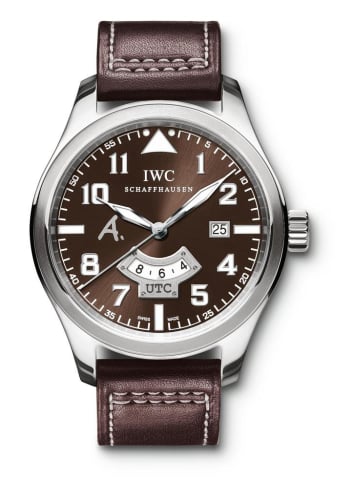
IWC Schaffhausen
Pilot's Watch UTC Antoine De Saint Exupery White Gold
Ref. IW3261-02
CN/A
EN/A
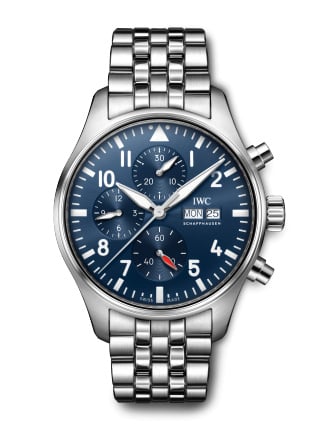
IWC Schaffhausen
Pilot's Watch Chronograph Stainless Steel / Blue / Bracelet
Ref. IW3780-04
CN/A
EN/A
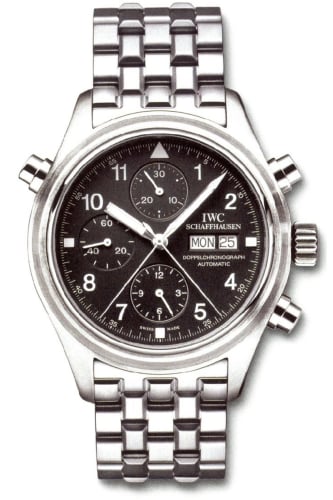
IWC Schaffhausen
Pilot's Watch Doppelchronograph Stainless Steel / Black / French / Bracelet
Ref. IW3713-20
CN/A
EN/A
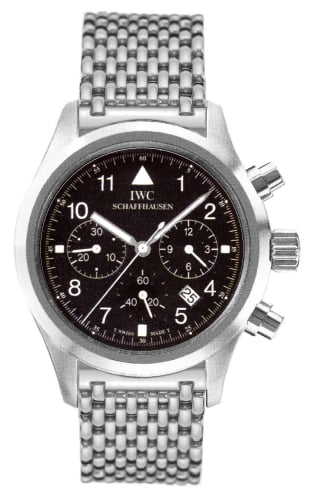
IWC Schaffhausen
Pilot's Watch Chronograph Mecaquartz Stainless Steel / Black / Bracelet
Ref. IW3741-02
CN/A
EN/A
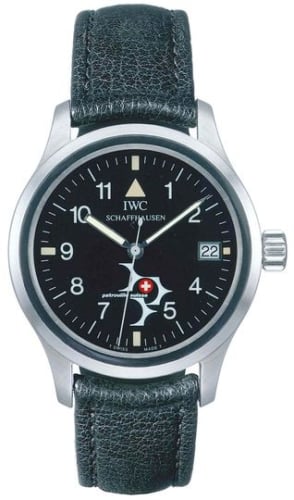
IWC Schaffhausen
Pilot's Watch Mark XII Stainless Steel / Black / Patrouille de Suisse
Ref. IW3241-05
CN/A
EN/A
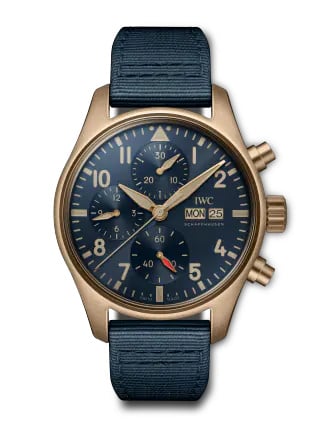
IWC Schaffhausen
Pilot's Watch Chronograph 41 Bronze / Blue
Ref. IW3881-09
CN/A
EN/A
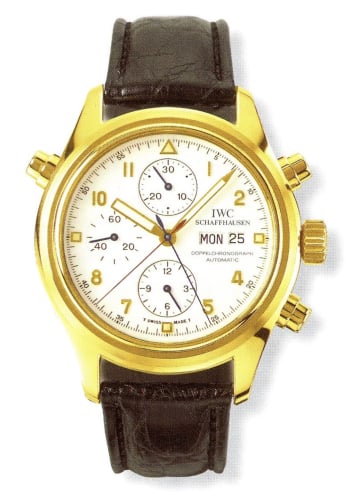
IWC Schaffhausen
Pilot's Watch Doppelchronograph Yellow Gold / White / German / Strap
Ref. IW3711-09
CN/A
EN/A
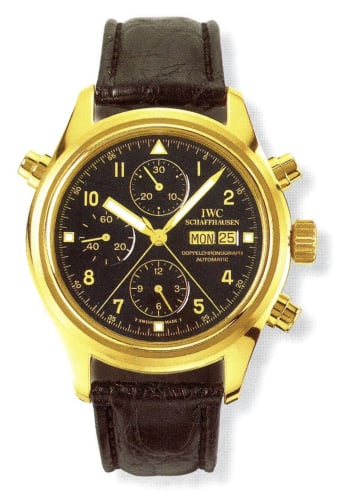
IWC Schaffhausen
Pilot's Watch Doppelchronograph Yellow Gold / Black / French / Strap
Ref. IW3711-16
CN/A
EN/A
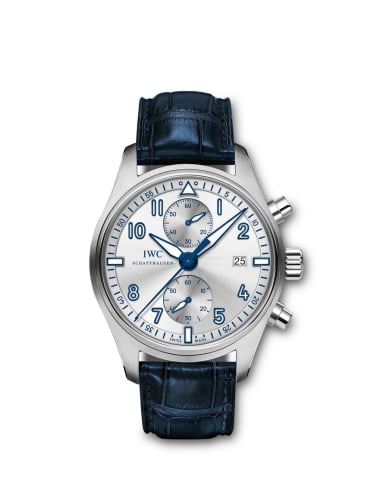
IWC Schaffhausen
Pilot's Watch Spitfire Chronograph London Film Festival 2016
Ref. IW3878-12
CN/A
EN/A
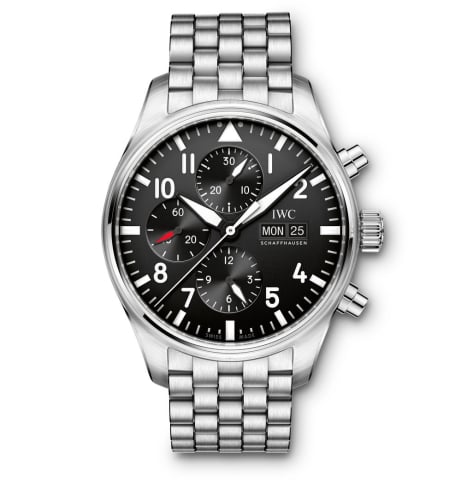
IWC Schaffhausen
Pilot's Watch Chronograph Stainless Steel / Black / Bracelet
Ref. IW3777-10
CN/A
EN/A
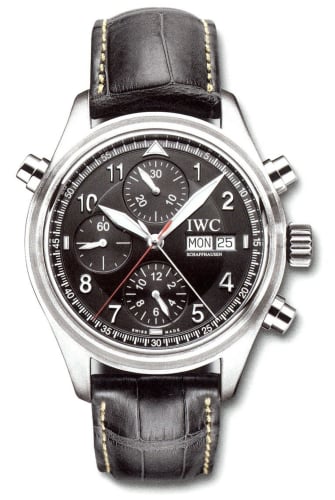
IWC Schaffhausen
Pilot's Watch Spitfire Double Chronograph Stainless Steel / Black / German / Strap
Ref. IW3713-31
CN/A
EN/A
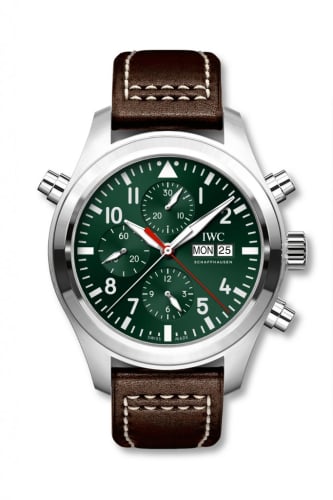
IWC Schaffhausen
Pilot's Watch Double Chronograph Latin America
Ref. IW3718-12
CN/A
EN/A
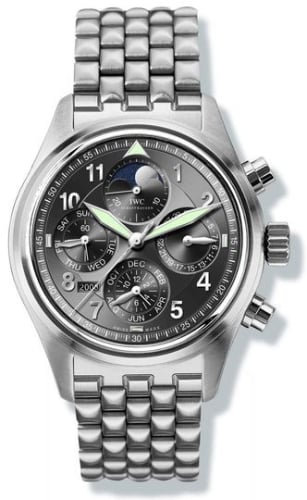
IWC Schaffhausen
Pilot's Watch Spitfire Chronograph Perpetual Calendar Stainless Steel / Black / Sincere
Ref. IW3757-04
CN/A
EN/A
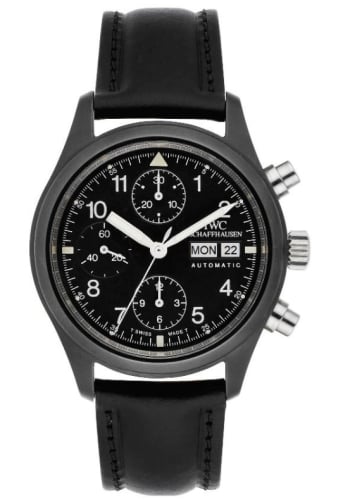
IWC Schaffhausen
Pilot's Watch Chronograph Ceramic / French / Strap
Ref. IW3705-04
CN/A
EN/A
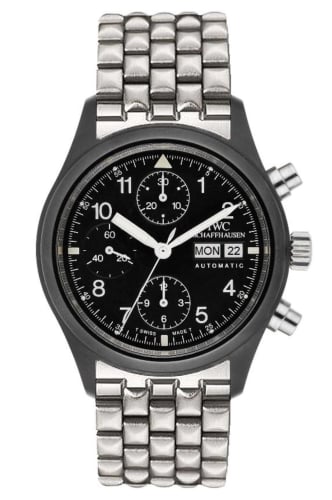
IWC Schaffhausen
Pilot's Watch Chronograph Ceramic / Italian / Bracelet
Ref. IW3705-06
CN/A
EN/A
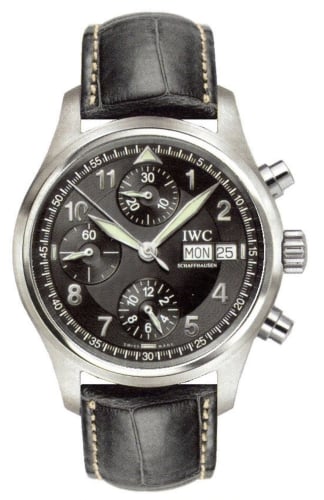
IWC Schaffhausen
Pilot's Watch Spitfire Chronograph Stainless Steel / Black / Spanish / Strap
Ref. IW3706-15
CN/A
EN/A
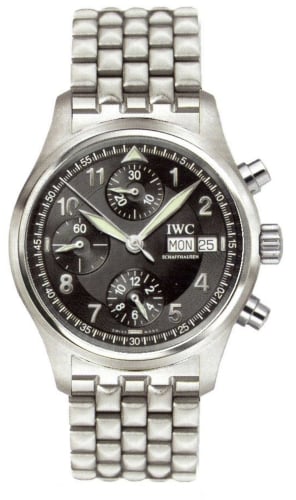
IWC Schaffhausen
Pilot's Watch Spitfire Chronograph Stainless Steel / Black / French / Bracelet
Ref. IW3706-19
CN/A
EN/A
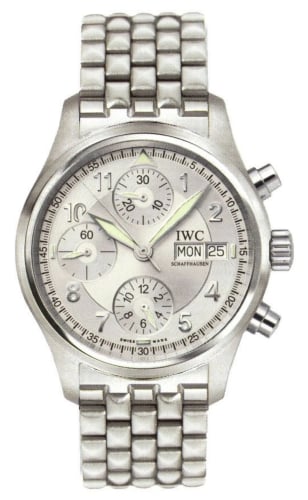
IWC Schaffhausen
Pilot's Watch Spitfire Chronograph Stainless Steel / Silver / French / Bracelet
Ref. IW3706-29
CN/A
EN/A
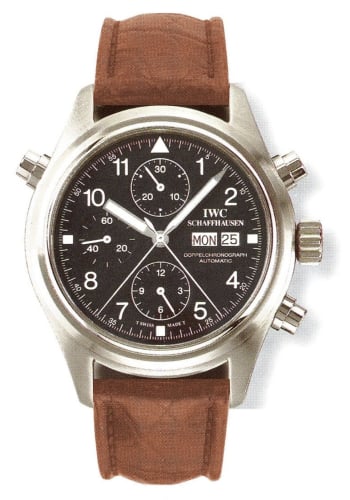
IWC Schaffhausen
Pilot's Watch Doppelchronograph Stainless Steel / Black / German / Strap
Ref. IW3711-05
CN/A
EN/A
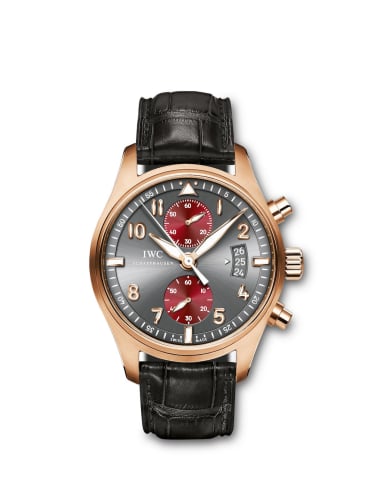
IWC Schaffhausen
Pilot's Watch Spitfire Chronograph Tribeca Film Festival 2014 Red Gold
Ref. IW3878-11
CN/A
EN/A
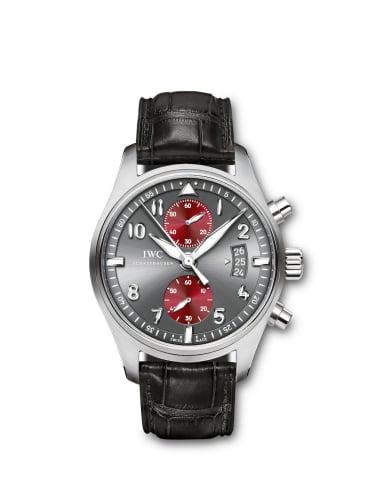
IWC Schaffhausen
Pilot's Watch Spitfire Chronograph Tribeca Film Festival 2014
Ref. IW3878-10
CN/A
EN/A
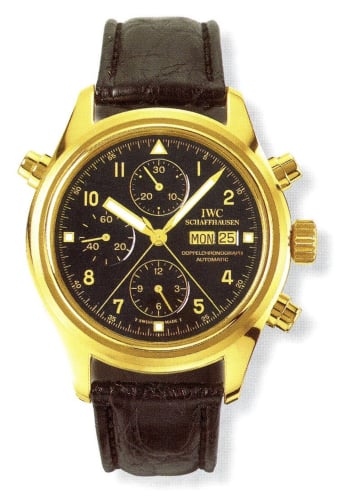
IWC Schaffhausen
Pilot's Watch Doppelchronograph Yellow Gold / Black / English / Strap
Ref. IW3711-15
CN/A
EN/A
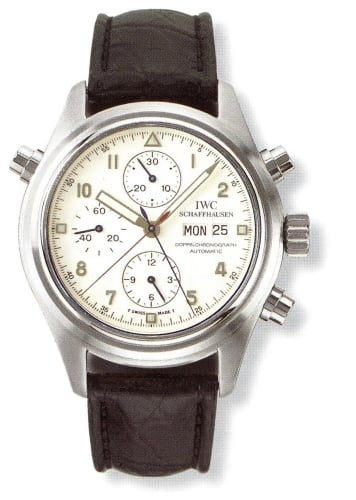
IWC Schaffhausen
Pilot's Watch Doppelchronograph Platinum / White / German / Strap
Ref. IW3711-21
CN/A
EN/A
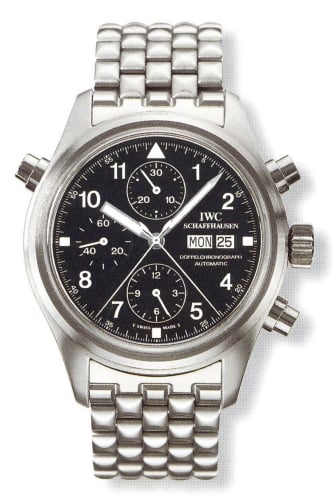
IWC Schaffhausen
Pilot's Watch Doppelchronograph Stainless Steel / Black / Italian / Bracelet
Ref. IW3711-18
CN/A
EN/A
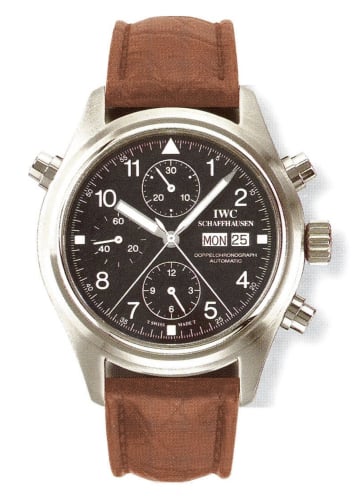
IWC Schaffhausen
Pilot's Watch Doppelchronograph Stainless Steel / Black / French / Strap
Ref. IW3713-08
CN/A
EN/A
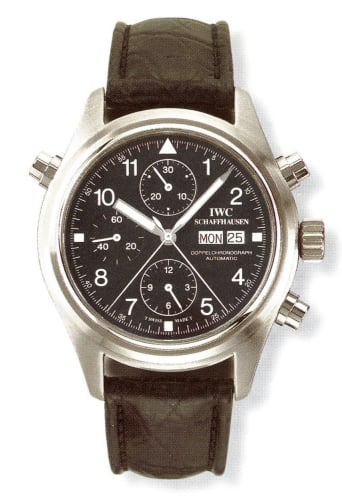
IWC Schaffhausen
Pilot's Watch Doppelchronograph Stainless Steel / Black / Spanish / Strap
Ref. IW3713-25
CN/A
EN/A
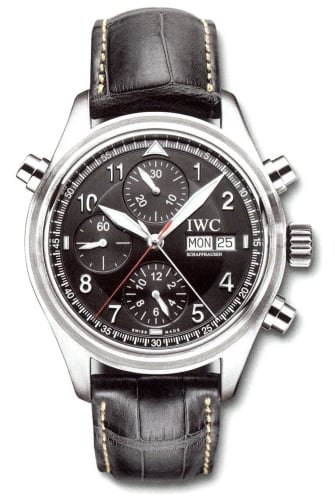
IWC Schaffhausen
Pilot's Watch Spitfire Double Chronograph Stainless Steel / Black / Spanish / Strap
Ref. IW3713-35
CN/A
EN/A
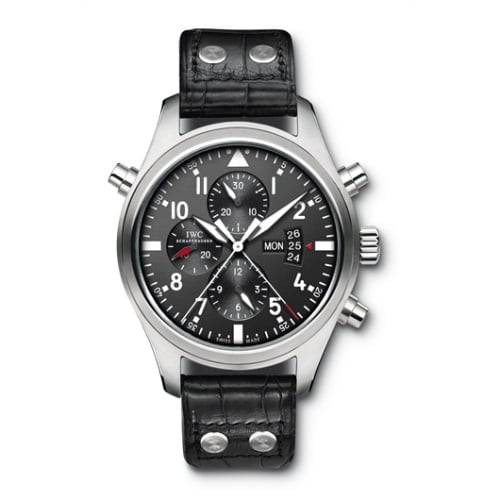
IWC Schaffhausen
Pilot's Watch Double Chronograph
Ref. IW3778-01
CN/A
EN/A
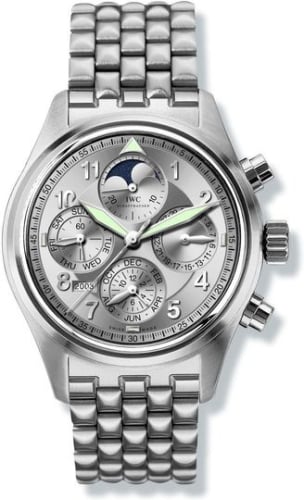
IWC Schaffhausen
Pilot's Watch Spitfire Chronograph Perpetual Calendar Stainless Steel / Silver / Sincere
Ref. IW3757-06
CN/A
EN/A
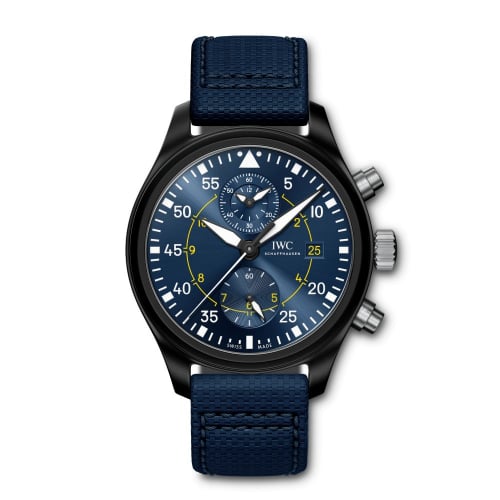
IWC Schaffhausen
Pilot’s Watch Top Gun Chronograph Blue Angels
Ref. IW3890-08
CN/A
EN/A
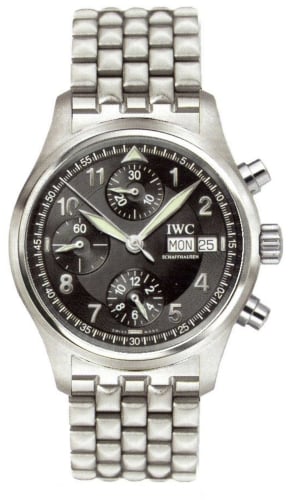
IWC Schaffhausen
Pilot's Watch Spitfire Chronograph Stainless Steel / Black / Spanish / Bracelet
Ref. IW3706-20
CN/A
EN/A
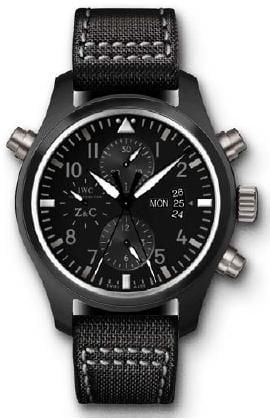
IWC Schaffhausen
Pilot's Watch Double Chronograph Top Gun Zegg & Cerlati
Ref. IW3799-03
CN/A
EN/A
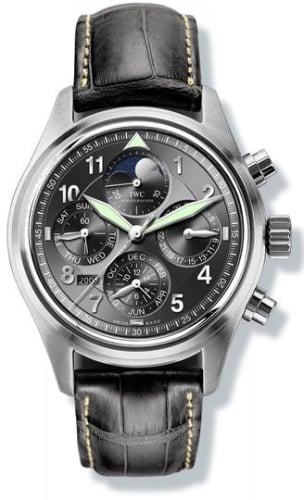
IWC Schaffhausen
Pilot's Watch Spitfire Chronograph Perpetual Calendar Stainless Steel / Black / Sincere
Ref. IW3757-03
CN/A
EN/A
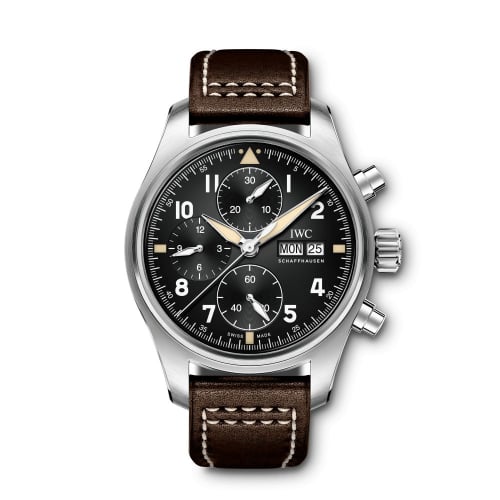
IWC Schaffhausen
Pilot's Watch Chronograph Spitfire Stainless Steel / Black / Calf
Ref. IW3879-03
CN/A
EN/A
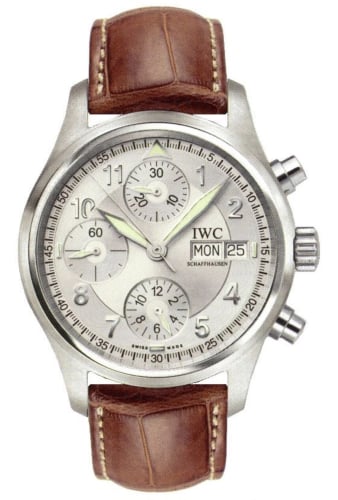
IWC Schaffhausen
Pilot's Watch Spitfire Chronograph Stainless Steel / Silver / English / Strap
Ref. IW3706-24
CN/A
EN/A
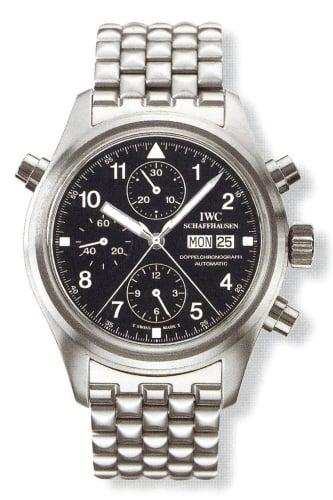
IWC Schaffhausen
Pilot's Watch Doppelchronograph Stainless Steel / Black / French / Bracelet
Ref. IW3711-20
CN/A
EN/A
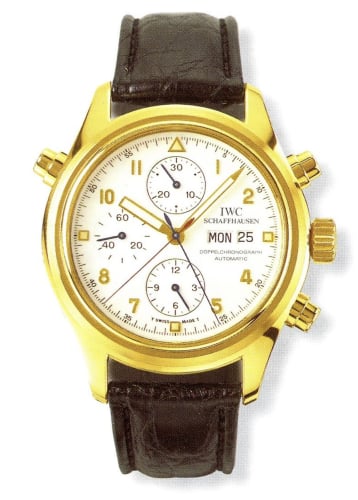
IWC Schaffhausen
Pilot's Watch Doppelchronograph Yellow Gold / White / German
Ref. IW3713-09
CN/A
EN/A
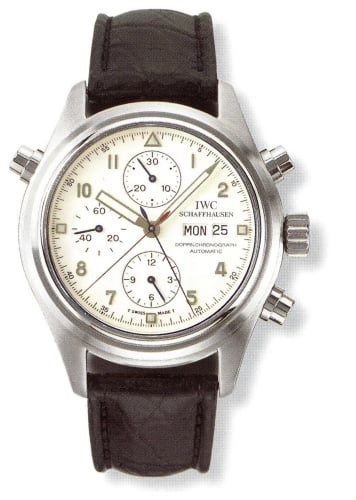
IWC Schaffhausen
Pilot's Watch Doppelchronograph Platinum / White / French / Strap
Ref. IW3711-24
CN/A
EN/A
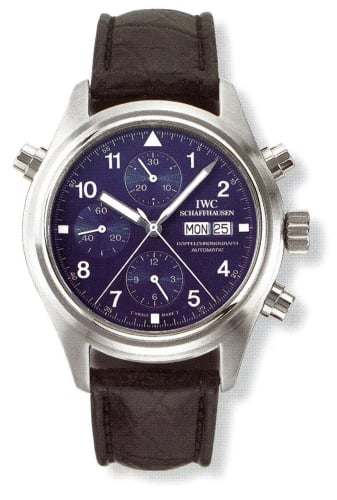
IWC Schaffhausen
Pilot's Watch Doppelchronograph Platinum / Blue / Italian
Ref. IW3713-22
CN/A
EN/A
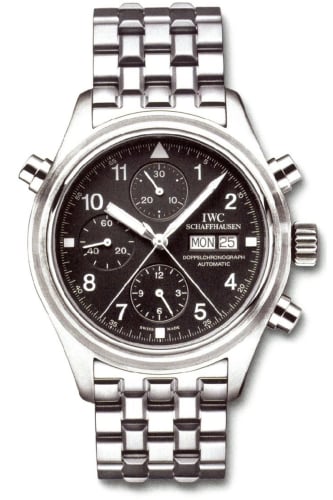
IWC Schaffhausen
Pilot's Watch Doppelchronograph Stainless Steel / Black / Spanish / Bracelet
Ref. IW3713-26
CN/A
EN/A
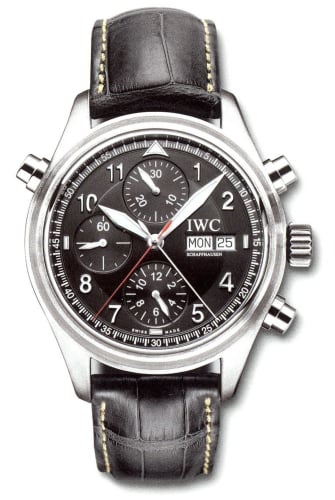
IWC Schaffhausen
Pilot's Watch Spitfire Double Chronograph Stainless Steel / Black / English / Strap
Ref. IW3713-33
CN/A
EN/A
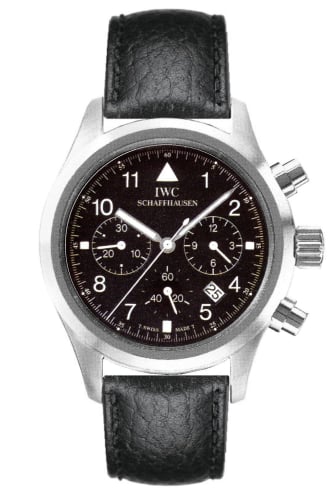
IWC Schaffhausen
Pilot's Watch Chronograph Mecaquartz Stainless Steel / Black / Strap
Ref. IW3741-06
CN/A
EN/A
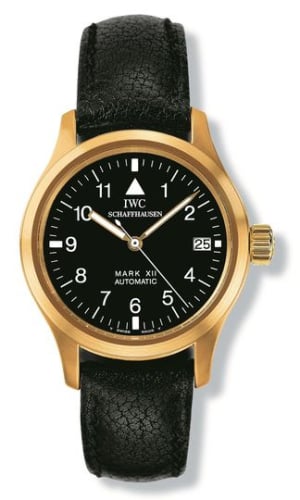
IWC Schaffhausen
Lady Pilot's Watch Mark XII Yellow Gold / Black / Strap
Ref. IW4421-03
CN/A
EN/A
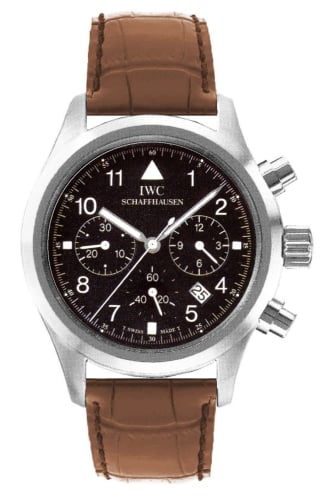
IWC Schaffhausen
Pilot's Watch Chronograph Mecaquartz Stainless Steel / Black / Strap
Ref. IW3741-05
CN/A
EN/A
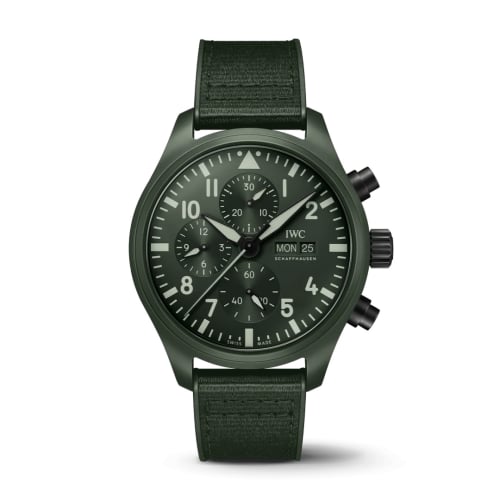
IWC Schaffhausen
Pilot's Watch Chronograph Top Gun Woodland
Ref. IW3891-06
CN/A
EN/A
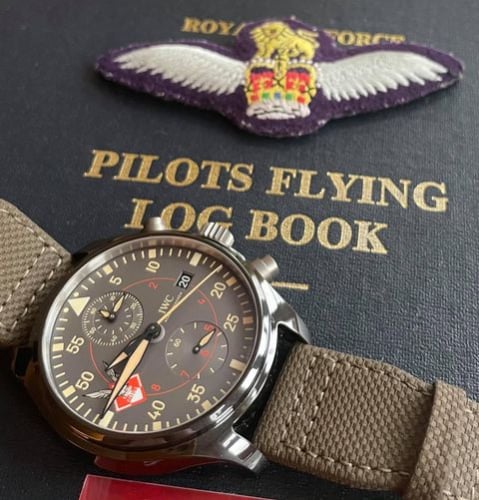
IWC Schaffhausen
Pilot’s Watch Chronograph Military Edition 663 DSA
Ref. IW3890-13
CN/A
EN/A
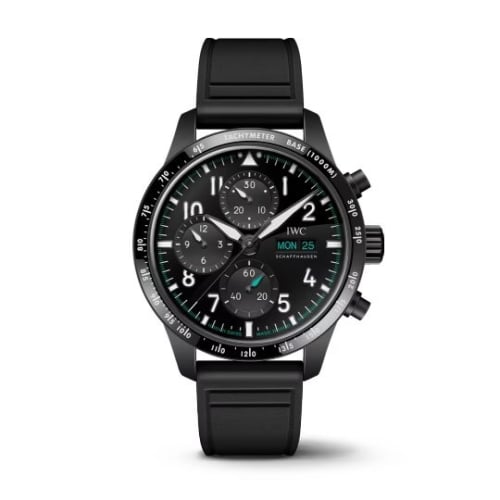
IWC Schaffhausen
Pilot's Watch Performance Chronograph Ceratanium / Black / Rubber
Ref. IW3883-06
CN/A
EN/A
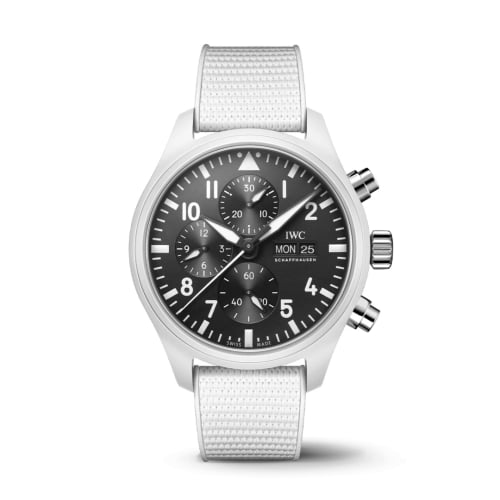
IWC Schaffhausen
Pilot's Watch Chronograph Top Gun Lake Tahoe
Ref. IW3891-05
CN/A
EN/A
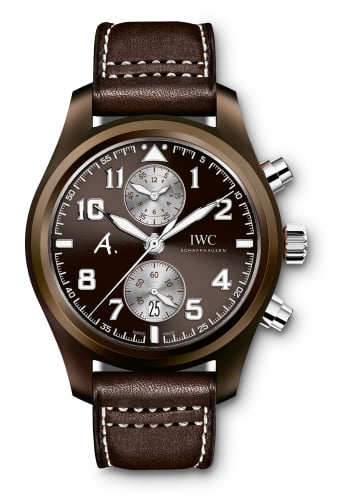
IWC Schaffhausen
Pilot's Watch Chronograph Edition Antoine De Saint Exupery Edition The Last Flight Platinum
Ref. IW3880-05
CN/A
EN/A
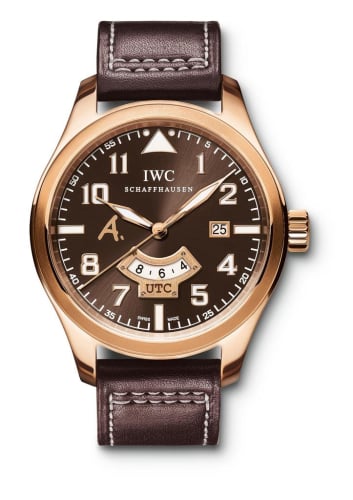
IWC Schaffhausen
Pilot's Watch UTC Antoine De Saint Exupery Rose Gold
Ref. IW3261-03
CN/A
EN/A
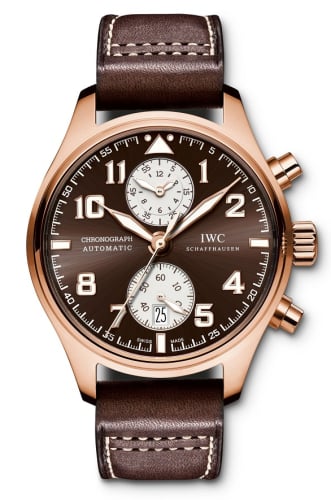
IWC Schaffhausen
Pilot's Watch Chronograph Edition Antoine De Saint Exupery
Ref. IW3878-05
CN/A
EN/A
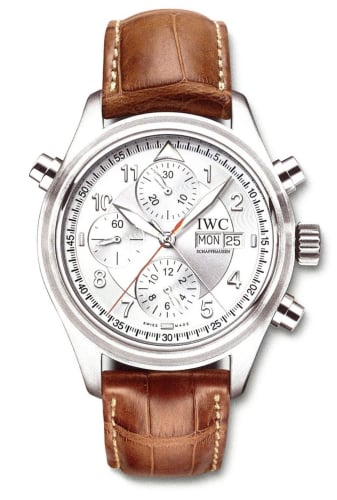
IWC Schaffhausen
Pilot's Watch Spitfire Double Chronograph Stainless Steel / Silver / French / Strap
Ref. IW3713-44
CN/A
EN/A
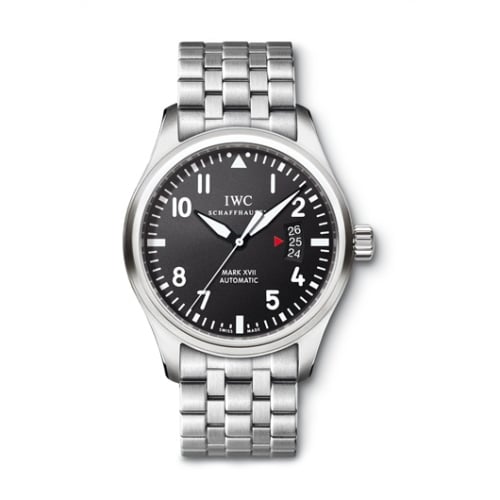
IWC Schaffhausen
Pilot's Watch Mark XVII Bracelet
Ref. IW3265-04
CN/A
EN/A
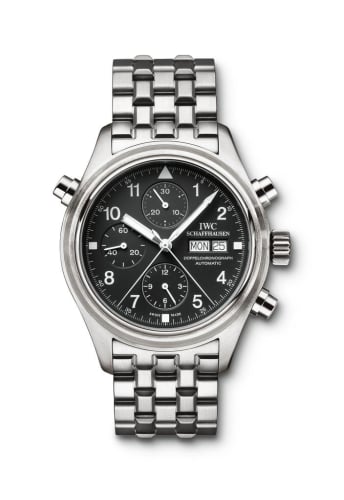
IWC Schaffhausen
Pilot's Watch Doppelchronograph Stainless Steel / Black / English / Bracelet
Ref. IW3713-19
CN/A
EN/A
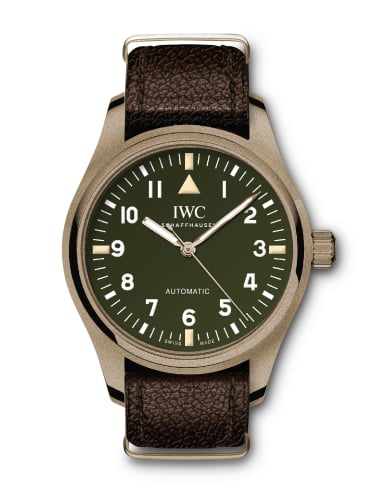
IWC Schaffhausen
Pilot's Watch 36 The Rake & Revolution
Ref. IW3240-19
CN/A
EN/A
IWC Schaffhausen
Pilot's Watch Spitfire Chronograph Stainless Steel / Silver / Italian / Bracelet
Ref. IW3706-27
CN/A
EN/A
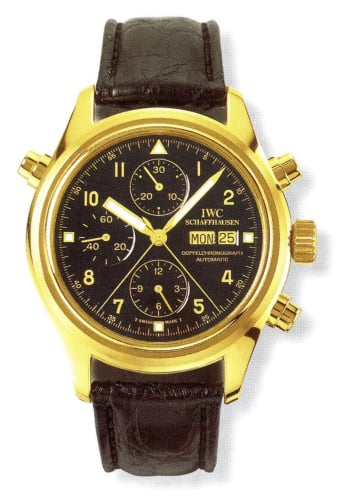
IWC Schaffhausen
Pilot's Watch Doppelchronograph Yellow Gold / Black / Italian / Strap
Ref. IW3711-14
CN/A
EN/A
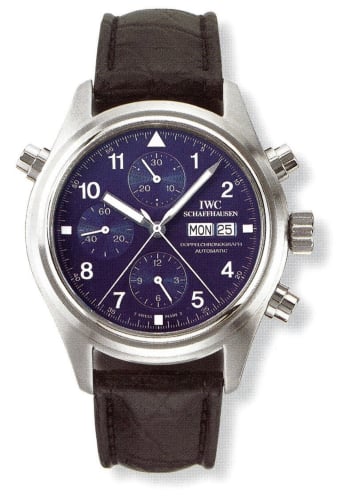
IWC Schaffhausen
Pilot's Watch Doppelchronograph Platinum / Blue / Italian / Strap
Ref. IW3711-26
CN/A
EN/A
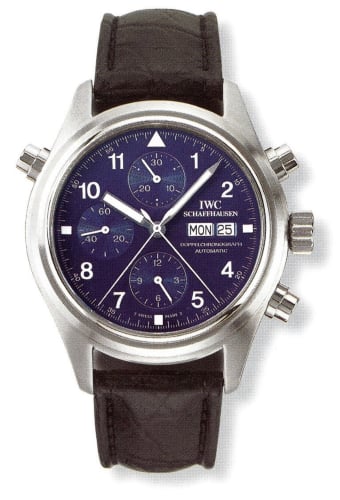
IWC Schaffhausen
Pilot's Watch Doppelchronograph Platinum / Blue / French / Strap
Ref. IW3711-28
CN/A
EN/A
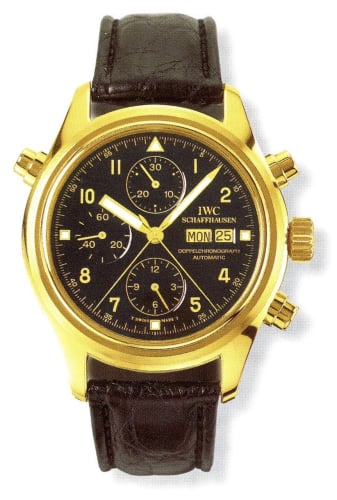
IWC Schaffhausen
Pilot's Watch Doppelchronograph Yellow Gold / Black / Italian
Ref. IW3713-14
CN/A
EN/A
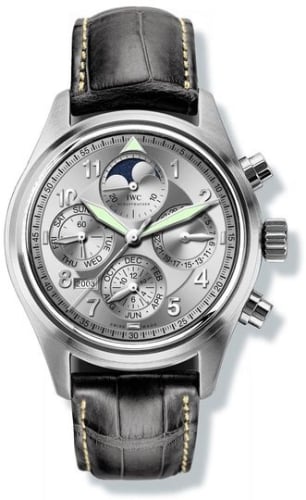
IWC Schaffhausen
Pilot's Watch Spitfire Chronograph Perpetual Calendar Stainless Steel / Silver / Sincere
Ref. IW3757-05
CN/A
EN/A
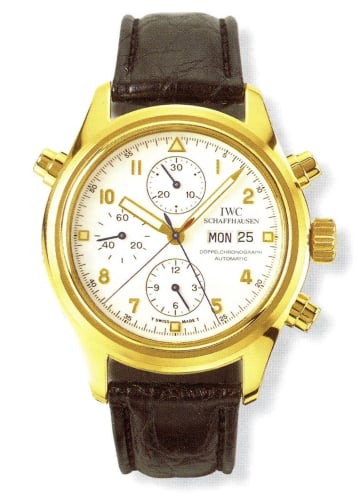
IWC Schaffhausen
Pilot's Watch Doppelchronograph Yellow Gold / White / Spanish
Ref. IW3713-27
CN/A
EN/A
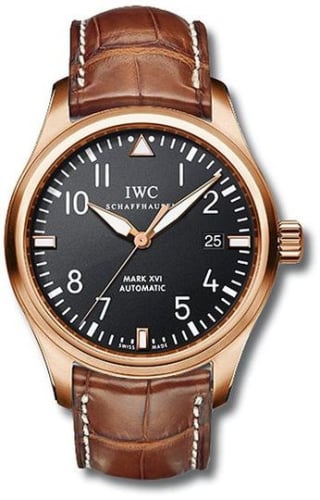
IWC Schaffhausen
Pilot's Watch Mark XVI Rose Gold / Black / Mercer
Ref. IW3255-15
CN/A
EN/A
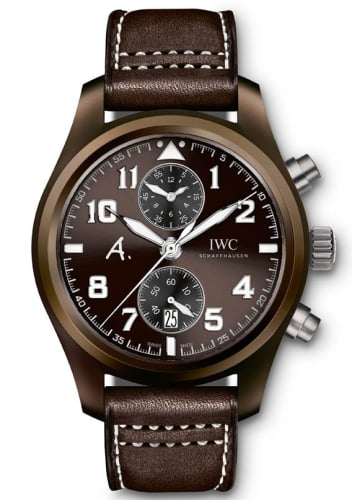
IWC Schaffhausen
Pilot's Watch Chronograph Edition Antoine De Saint Exupery Edition The Last Flight
Ref. IW3880-04
CN/A
EN/A
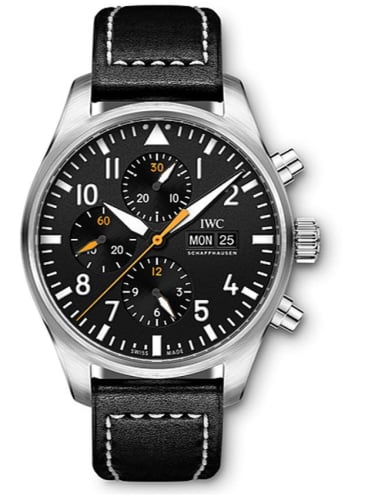
IWC Schaffhausen
Pilot's Watch Chronograph Stainless Steel / Black / Staffel 11
Ref. IW3777-27
CN/A
EN/A
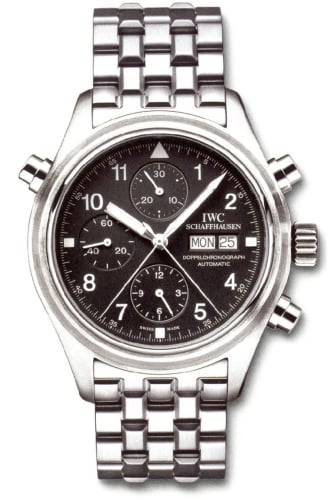
IWC Schaffhausen
Pilot's Watch Doppelchronograph Stainless Steel / Black / German / Bracelet
Ref. IW3713-17
CN/A
EN/A
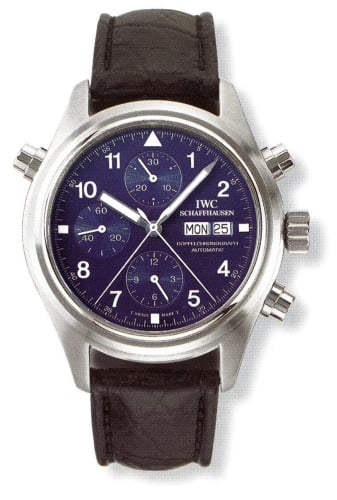
IWC Schaffhausen
Pilot's Watch Doppelchronograph Platinum / Blue / Spanish
Ref. IW3713-28
CN/A
EN/A
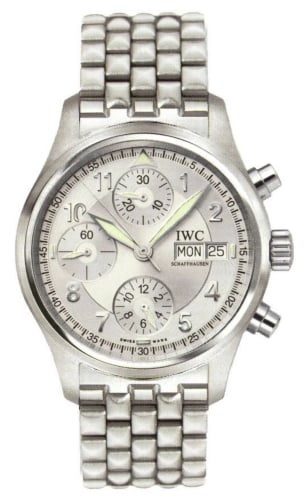
IWC Schaffhausen
Pilot's Watch Spitfire Chronograph Stainless Steel / Silver / German / Bracelet
Ref. IW3706-26
CN/A
EN/A
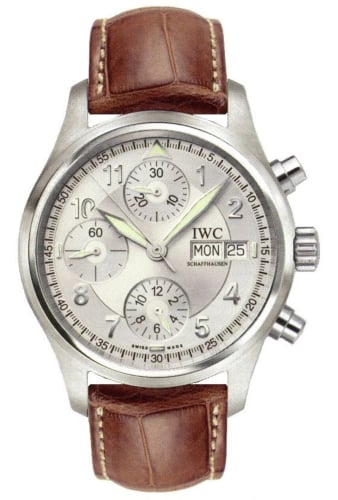
IWC Schaffhausen
Pilot's Watch Spitfire Chronograph Stainless Steel / Silver / Spanish / Strap
Ref. IW3706-25
CN/A
EN/A
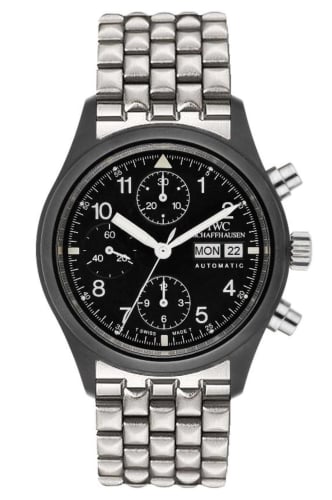
IWC Schaffhausen
Pilot's Watch Chronograph Ceramic / English / Bracelet
Ref. IW3705-07
CN/A
EN/A
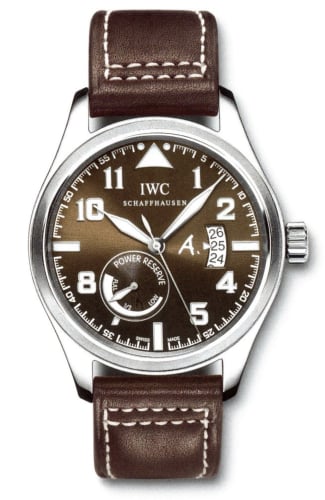
IWC Schaffhausen
Pilot's Watch Antoine De Saint Exupery Power Reserve Platinum
Ref. IW3201-01
CN/A
EN/A
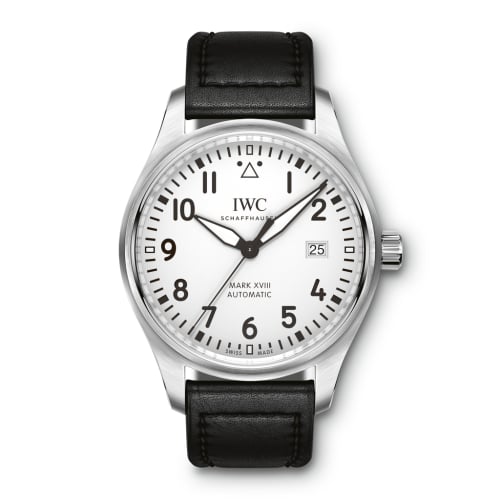
IWC Schaffhausen
Pilot's Watch Mark XVIII Silver
Ref. IW3270-12
CN/A
EN/A
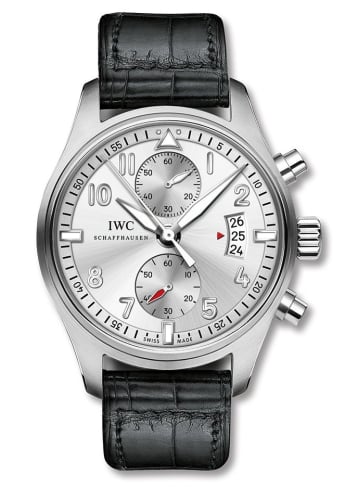
IWC Schaffhausen
Pilot's Watch Spitfire Chronograph JU-Air
Ref. IW3878-09
CN/A
EN/A
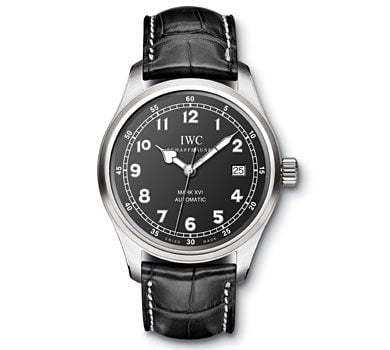
IWC Schaffhausen
Pilot's Watch Mark XVI Japan
Ref. IW3255-16
CN/A
EN/A
IWC Schaffhausen
Mark XI
Ref. 6B/346
CN/A
EN/A
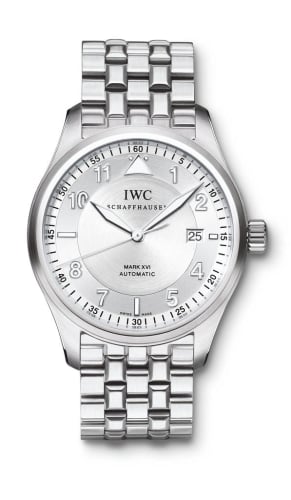
IWC Schaffhausen
Pilot's Watch Spitfire Mark XVI Stainless Steel / Silver / Bracelet
Ref. IW3255-05
CN/A
EN/A
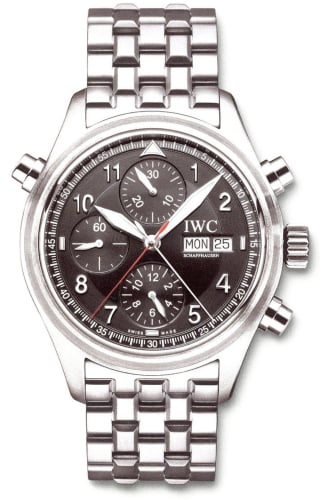
IWC Schaffhausen
Pilot's Watch Spitfire Double Chronograph Stainless Steel / Black / Italian / Bracelet
Ref. IW3713-37
CN/A
EN/A
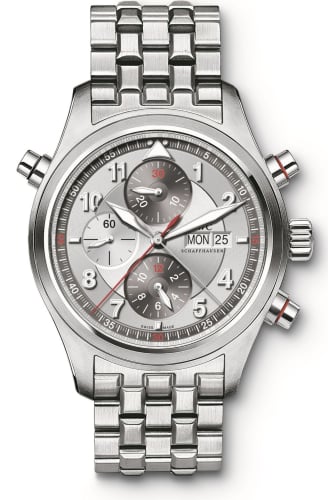
IWC Schaffhausen
Pilot's Watch Spitfire Double Chronograph Stainless Steel / Panda / Bracelet
Ref. IW3718-05
CN/A
EN/A
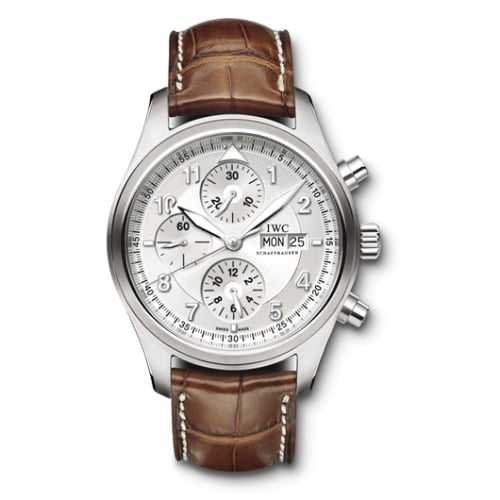
IWC Schaffhausen
Pilot's Watch Spitfire Chronograph Stainless Steel / Silver / Strap
Ref. IW3717-02
CN/A
EN/A
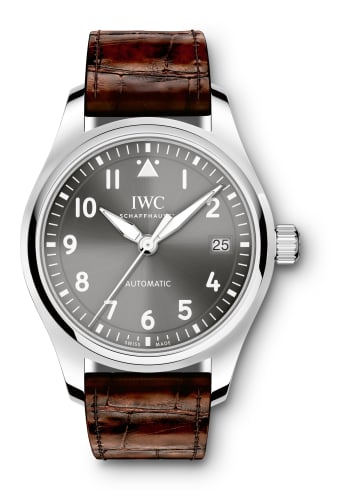
IWC Schaffhausen
Pilot's Watch 36 Grey
Ref. IW3240-01
CN/A
EN/A
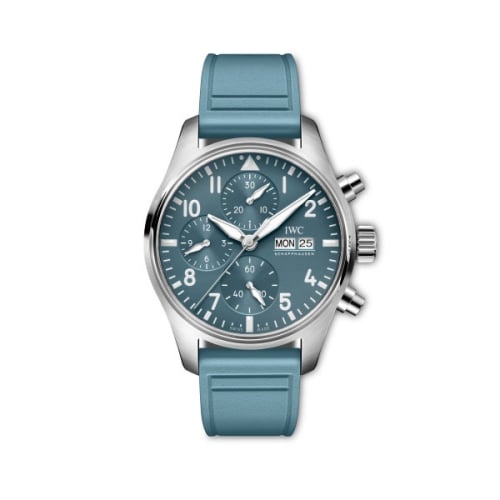
IWC Schaffhausen
Pilot's Watch Chronograph 41 Top Gun Miramar Stainless Steel
Ref. IW3881-17
CN/A
EN/A
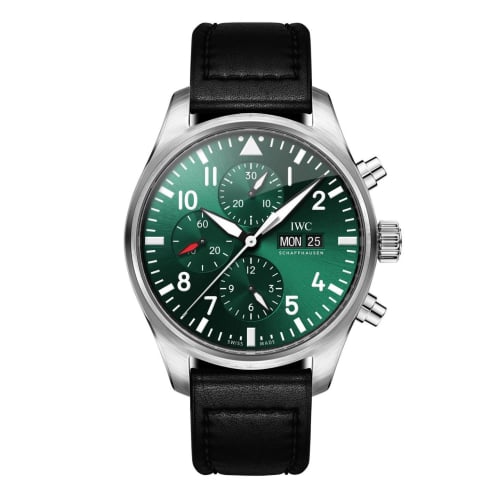
IWC Schaffhausen
Pilot's Watch Chronograph Solidarity with Beirut
Ref. IW3777-31
CN/A
EN/A
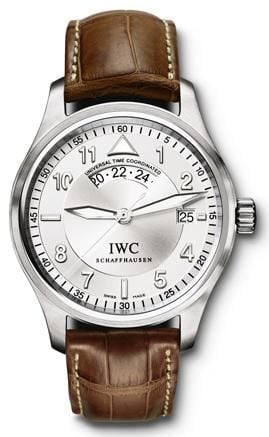
IWC Schaffhausen
Pilot's Watch Spitfire UTC Stainless Steel / Silver / Strap
Ref. IW3251-07
CN/A
EN/A
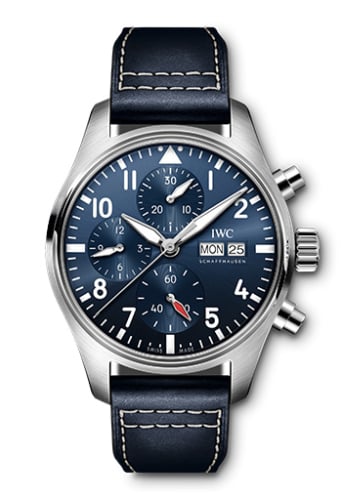
IWC Schaffhausen
Pilot's Watch Chronograph 41 Stainless Steel / Blue
Ref. IW3881-01
CN/A
EN/A
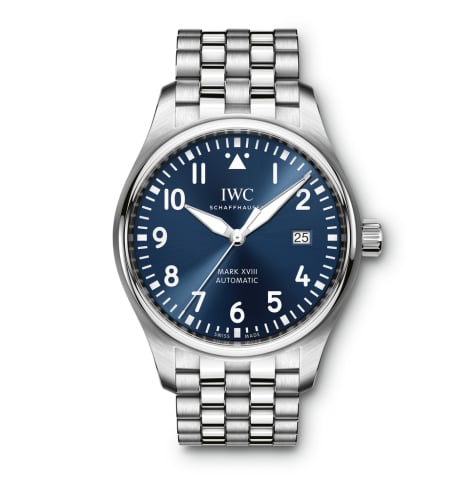
IWC Schaffhausen
Pilot's Watch Mark XVIII Le Petit Prince / Bracelet
Ref. IW3270-16
CN/A
EN/A
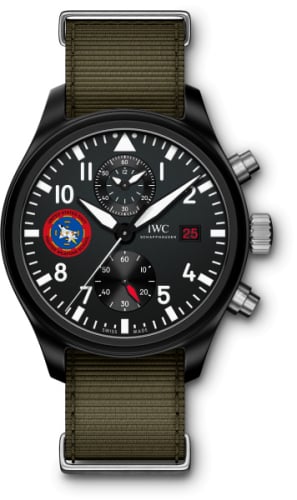
IWC Schaffhausen
Pilot’s Watch Top Gun Chronograph Strike Fighter Tactics Instructor
Ref. IW3890-04
CN/A
EN/A
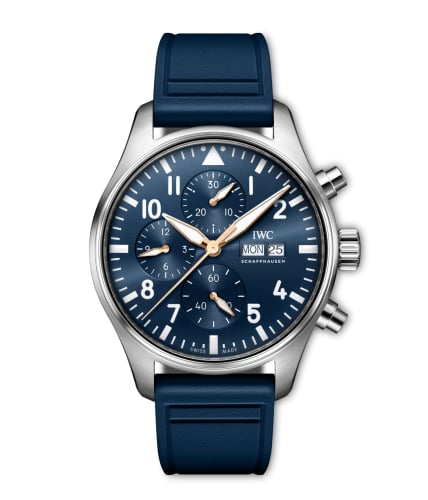
IWC Schaffhausen
Pilot's Watch Chronograph 20 Years Le Petit Prince
Ref. IW3780-11
CN/A
EN/A
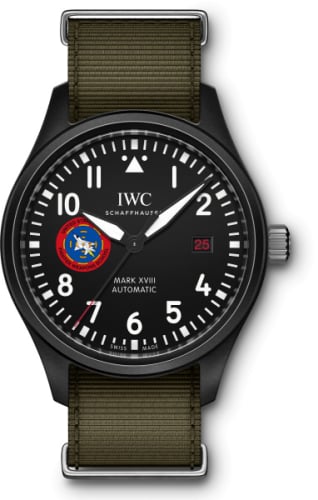
IWC Schaffhausen
Pilot's Watch Mark XVIII Strike Fighter Tactics Instructor
Ref. IW3247-05
CN/A
EN/A
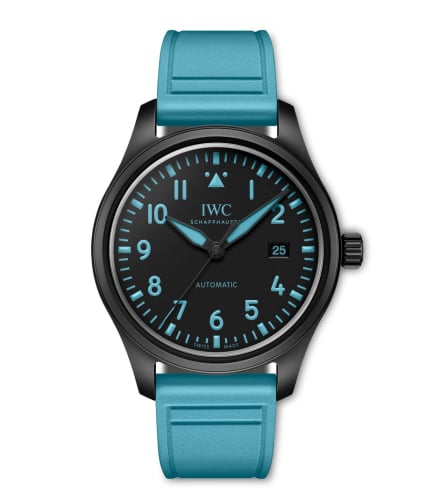
IWC Schaffhausen
Pilot's Watch Automatic 41 George Russell
Ref. IW3281-07
CN/A
EN/A
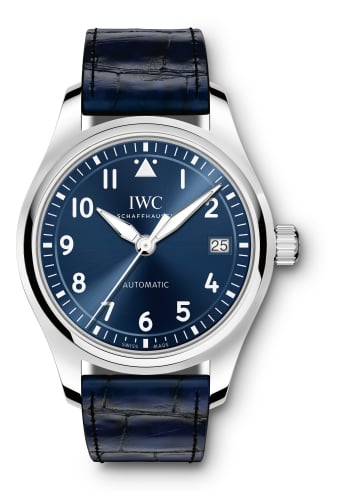
IWC Schaffhausen
Pilot's Watch 36 Blue
Ref. IW3240-08
CN/A
EN/A
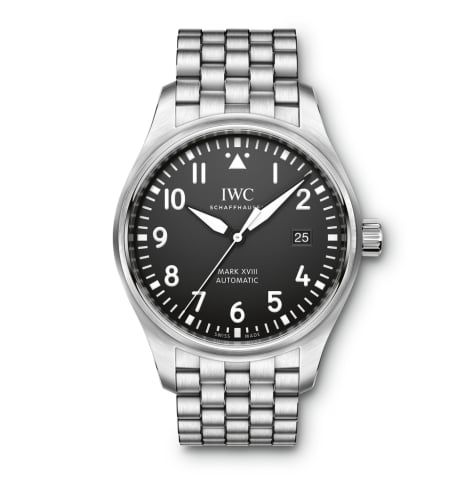
IWC Schaffhausen
Pilot's Watch Mark XVIII Stainless Steel / Black / Bracelet
Ref. IW3270-15
CN/A
EN/A
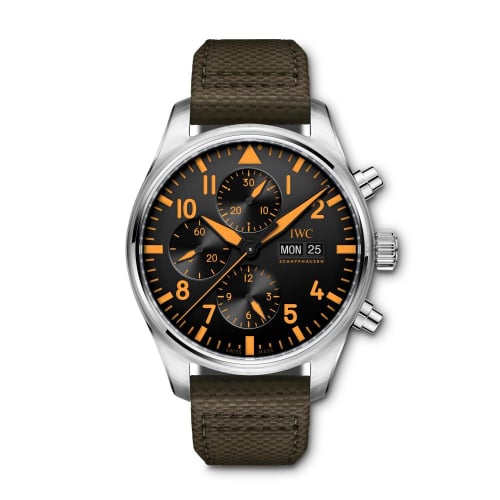
IWC Schaffhausen
Pilot's Watch Chronograph Orange Storm
Ref. IW3777-30
CN/A
EN/A
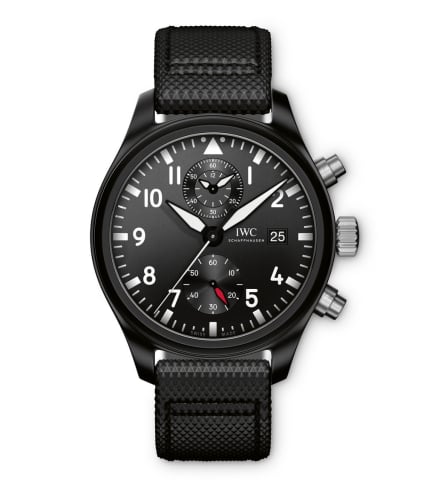
IWC Schaffhausen
Pilot’s Watch Top Gun Chronograph
Ref. IW3890-01
CN/A
EN/A
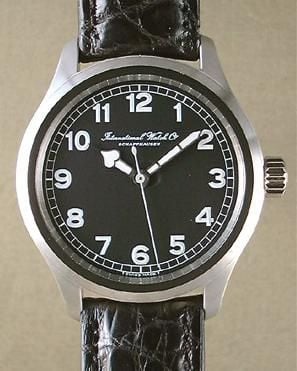
IWC Schaffhausen
Pilot's Watch Mark XII Platinum / Black / Japan
Ref. IW3241-09
CN/A
EN/A
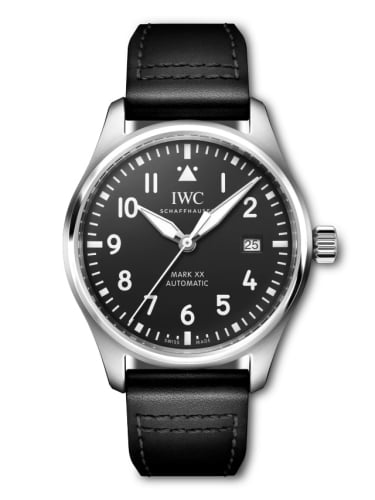
IWC Schaffhausen
Pilot's Watch Mark XX Stainless Steel / Black
Ref. IW3282-01
CN/A
EN/A
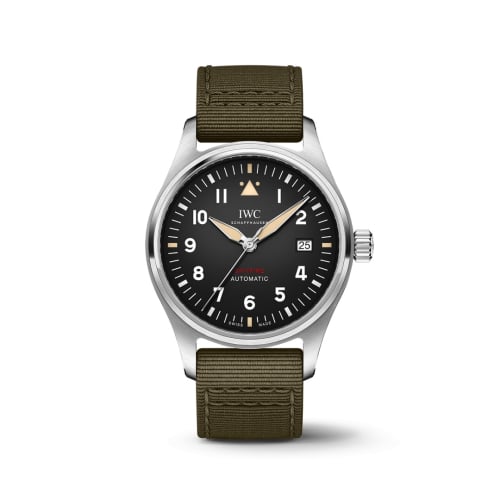
IWC Schaffhausen
Pilot's Watch Automatic Spitfire Stainless Steel / Black
Ref. IW3268-05
CN/A
EN/A
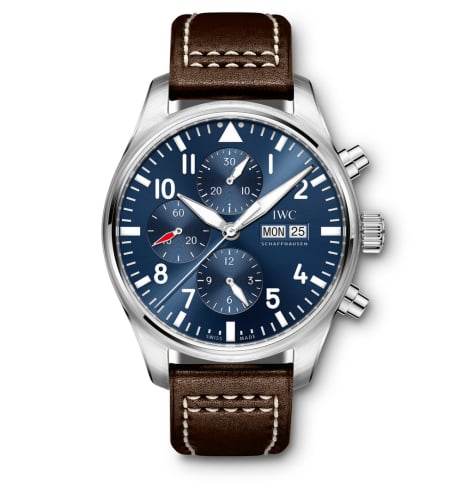
IWC Schaffhausen
Pilot's Watch Chronograph Stainless Steel / Le Petit Prince
Ref. IW3777-14
CN/A
EN/A
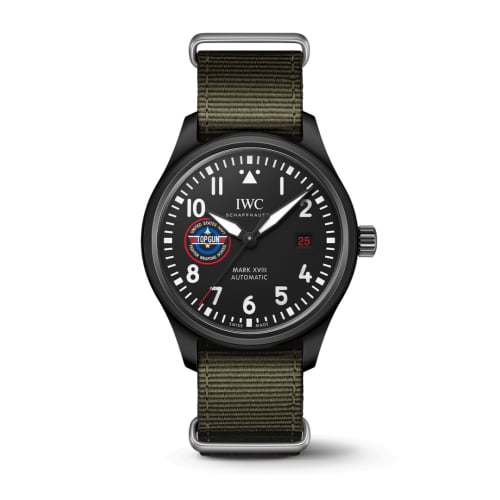
IWC Schaffhausen
Pilot's Watch Mark XVIII Edition STFI
Ref. IW3247-12
CN/A
EN/A
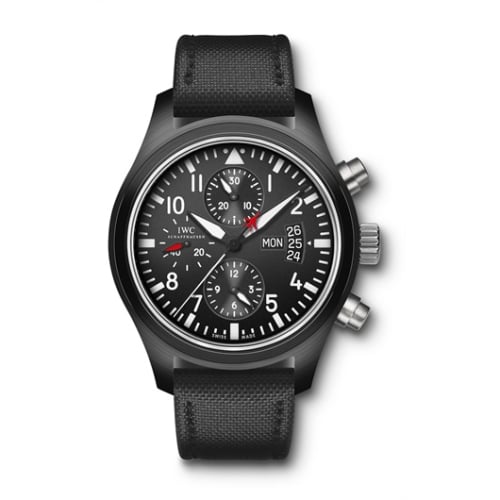
IWC Schaffhausen
Pilot's Watch Chrono-Automatic Edition Top Gun
Ref. IW3789-01
CN/A
EN/A
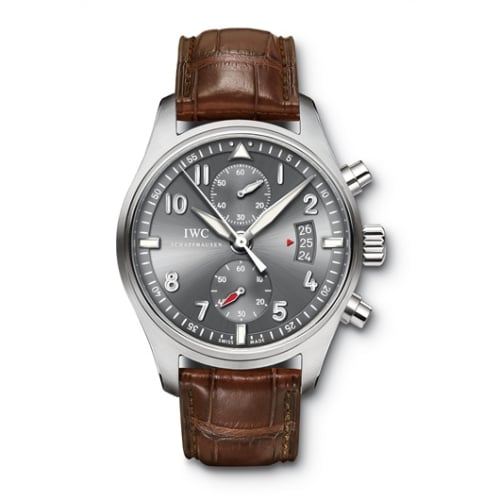
IWC Schaffhausen
Pilot's Watch Spitfire Chronograph
Ref. IW3878-02
CN/A
EN/A
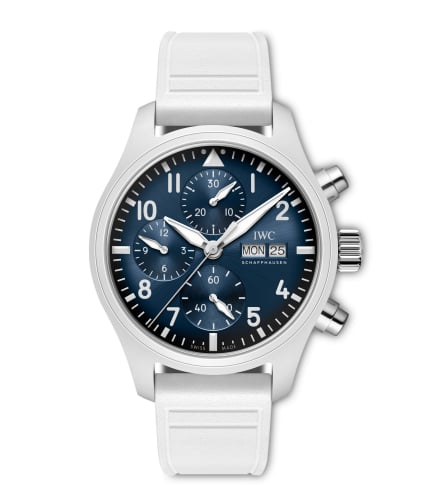
IWC Schaffhausen
Pilot's Watch Chronograph 41 Le Petit Prince
Ref. IW3894-10
CN/A
EN/A
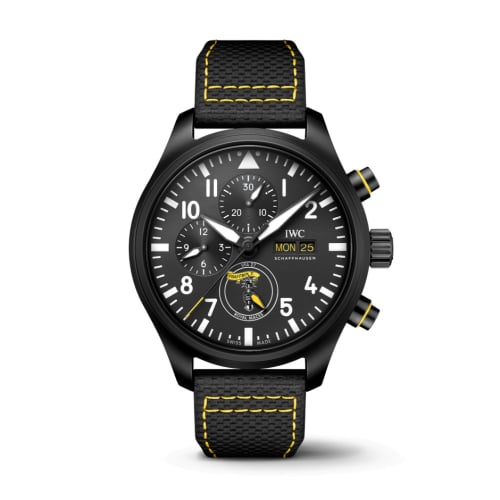
IWC Schaffhausen
Pilot's Watch Chronograph Royal Maces
Ref. IW3891-07
CN/A
EN/A
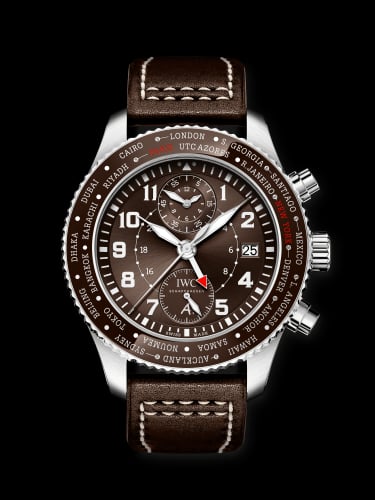
IWC Schaffhausen
Pilot’s Watch Timezoner Chronograph 80 Years Flight to New York
Ref. IW3950-03
CN/A
EN/A
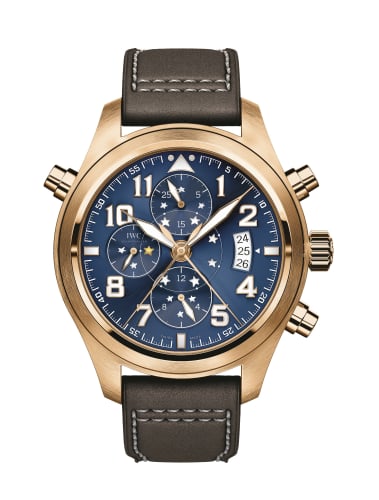
IWC Schaffhausen
Pilot's Watch Double Chronograph Le Petit Prince Sothebys
Ref. IW3718-10
CN/A
EN/A
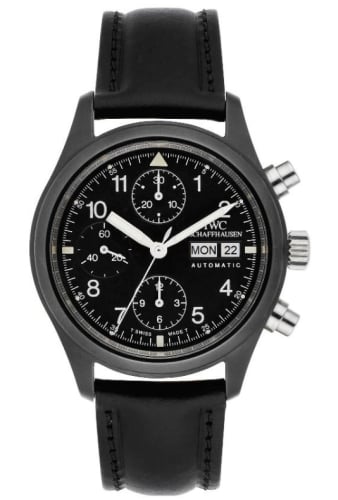
IWC Schaffhausen
Pilot's Watch Chronograph Ceramic / Italian / Strap
Ref. IW3705-02
CN/A
EN/A
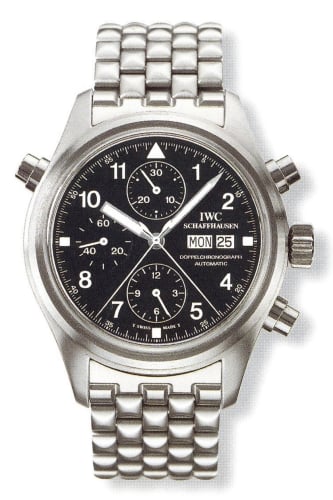
IWC Schaffhausen
Pilot's Watch Doppelchronograph Stainless Steel / Black / English / Bracelet
Ref. IW3711-19
CN/A
EN/A
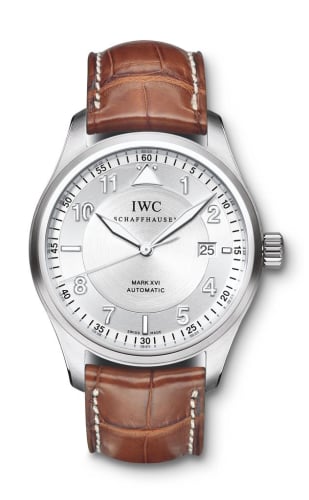
IWC Schaffhausen
Pilot's Watch Spitfire Mark XVI Stainless Steel / Silver / Strap
Ref. IW3255-02
CN/A
EN/A
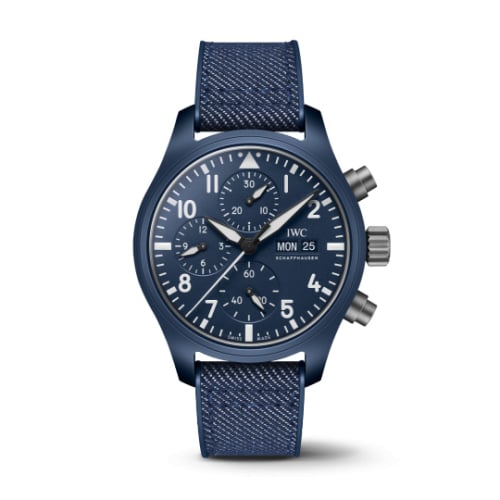
IWC Schaffhausen
Pilot's Watch Chronograph 41 Top Gun Oceana
Ref. IW3894-04
CN/A
EN/A
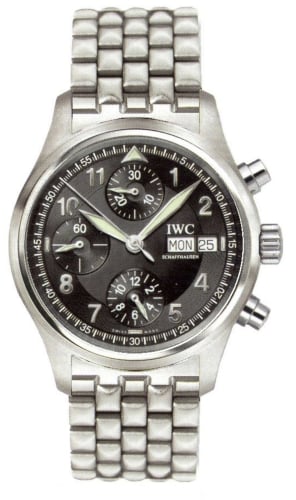
IWC Schaffhausen
Pilot's Watch Spitfire Chronograph Stainless Steel / Black / Italian / Bracelet
Ref. IW3706-17
CN/A
EN/A
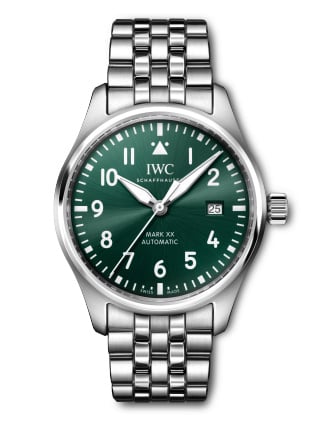
IWC Schaffhausen
Pilot's Watch Mark XX Stainless Steel / Green / Bracelet
Ref. IW3282-06
CN/A
EN/A
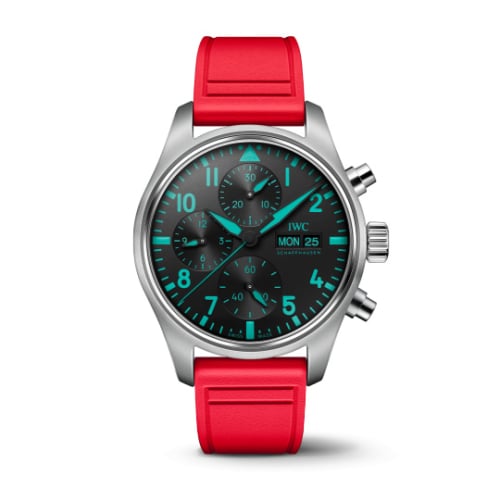
IWC Schaffhausen
Pilot's Watch Chronograph 41 Mercedes-AMG Petronas Formula One Team
Ref. IW3881-14
CN/A
EN/A
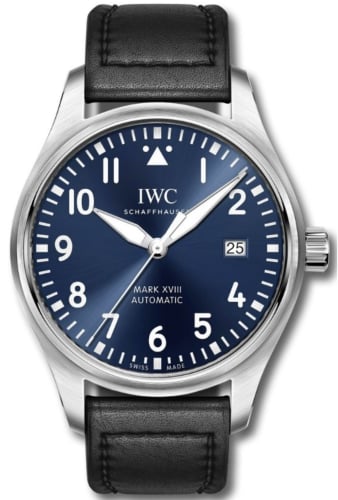
IWC Schaffhausen
Pilot's Watch Mark XVIII Stainless Steel / Edition 150 Years
Ref. IW3270-22
CN/A
EN/A
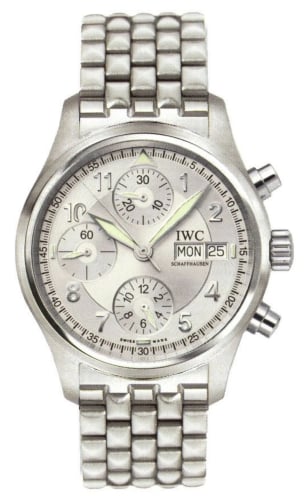
IWC Schaffhausen
Pilot's Watch Spitfire Chronograph Stainless Steel / Silver / English / Bracelet
Ref. IW3706-28
CN/A
EN/A
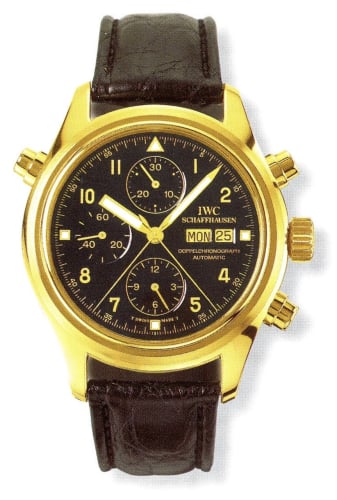
IWC Schaffhausen
Pilot's Watch Doppelchronograph Yellow Gold / Black / German
Ref. IW3713-13
CN/A
EN/A
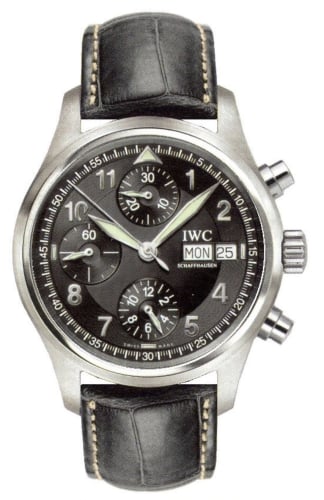
IWC Schaffhausen
Pilot's Watch Spitfire Chronograph Stainless Steel / Black / French / Strap
Ref. IW3706-14
CN/A
EN/A
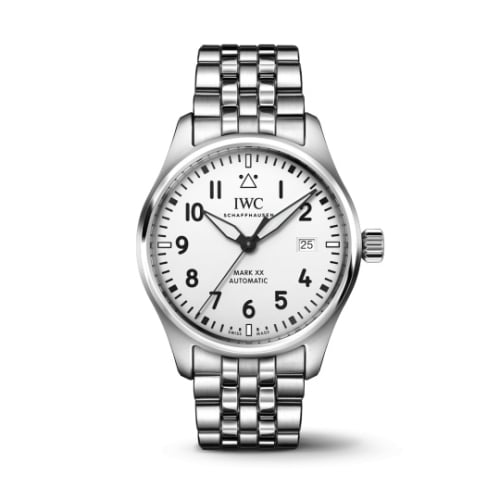
IWC Schaffhausen
Pilot's Watch Mark XX Stainless Steel / White / Bracelet
Ref. IW3282-08
CN/A
EN/A
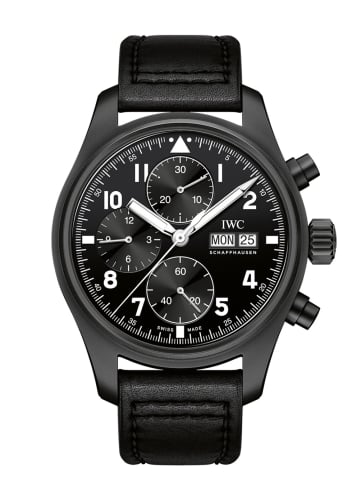
IWC Schaffhausen
Pilot's Watch Chronograph Tribute to 3705
Ref. IW3879-05
CN/A
EN/A
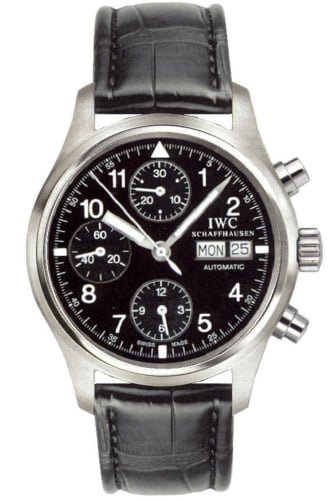
IWC Schaffhausen
Pilot's Watch Chronograph Stainless Steel / Black / Spanish / Strap
Ref. IW3706-09
CN/A
EN/A
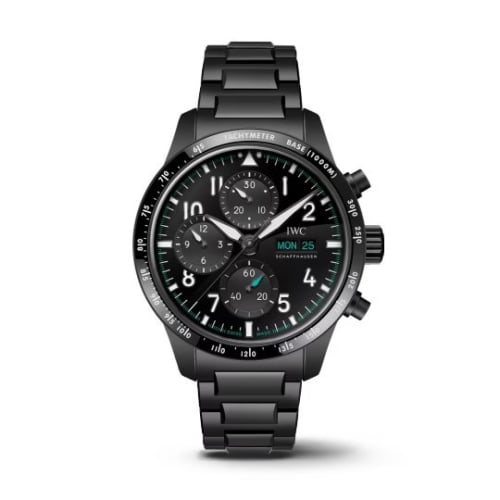
IWC Schaffhausen
Pilot's Watch Performance Chronograph Petronas Formula One Team
Ref. IW3883-07
CN/A
EN/A
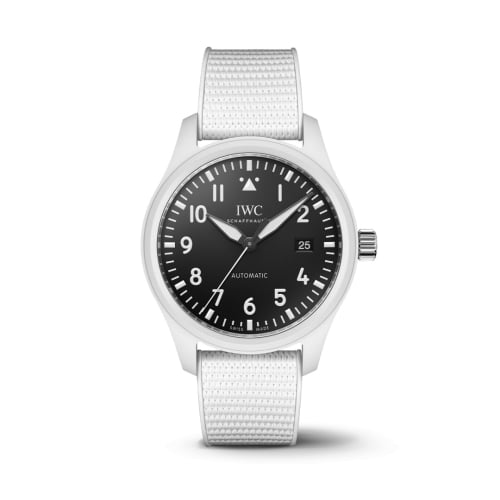
IWC Schaffhausen
IWC Pilot's Watch Automatic 41 Top Gun Lake Tahoe
Ref. IW3281-04
CN/A
EN/A
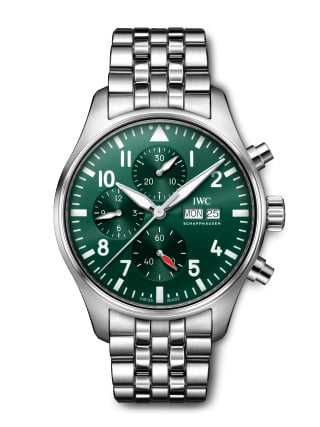
IWC Schaffhausen
Pilot's Watch Chronograph Stainless Steel / Green / Bracelet
Ref. IW3780-06
CN/A
EN/A
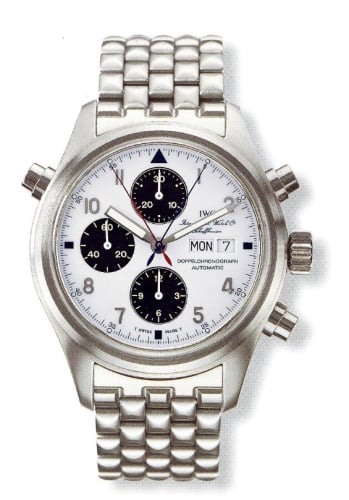
IWC Schaffhausen
Pilot's Watch Doppelchronograph Stainless Steel / White / Japan / Bracelet
Ref. IW3713-30
CN/A
EN/A
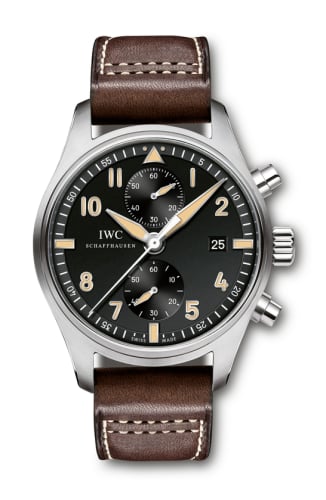
IWC Schaffhausen
Pilot's Watch Chronograph Spitfire Collectors Forum CF3
Ref. IW3787-08
CN/A
EN/A
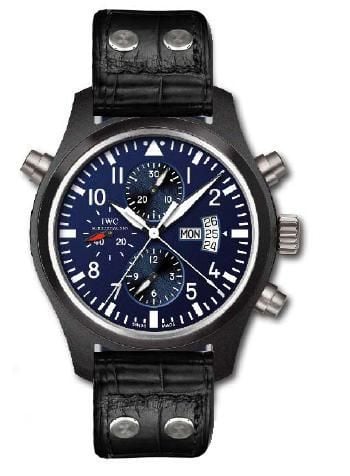
IWC Schaffhausen
Pilot's Watch Double Chronograph Top Gun Carlson
Ref. IW3799-04
CN/A
EN/A
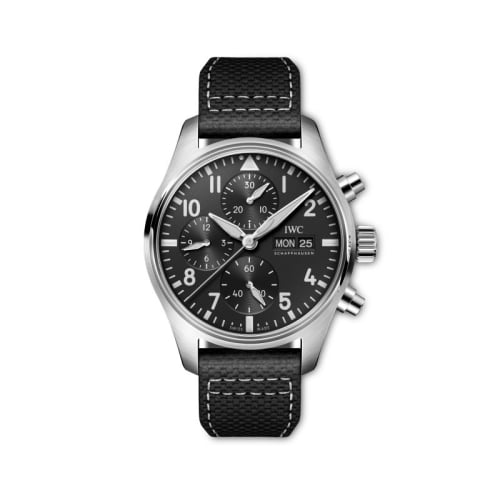
IWC Schaffhausen
Pilot's Watch Chronograph 41 C.03 Collective Horology
Ref. IW3881-05
CN/A
EN/A
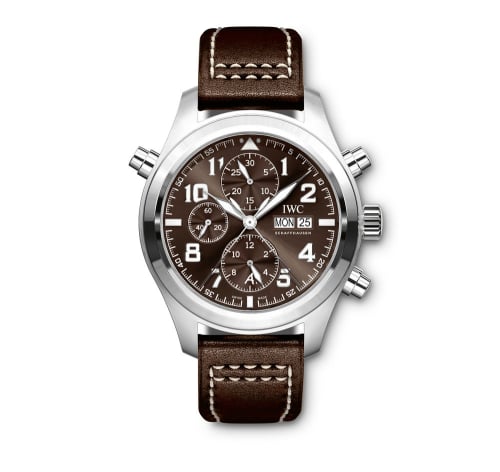
IWC Schaffhausen
Pilot's Watch Spitfire Double Chronograph Antoine de Saint Exupery
Ref. IW3718-08
CN/A
EN/A
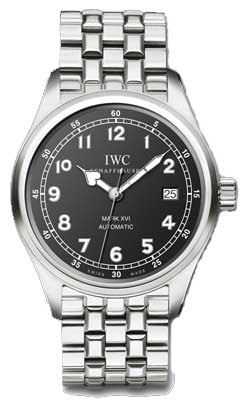
IWC Schaffhausen
Pilot's Watch Mark XVI Japan / Bracelet
Ref. IW3255-17
CN/A
EN/A
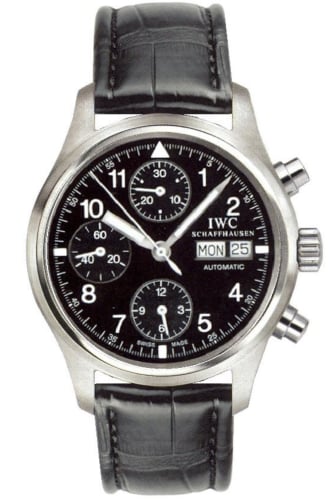
IWC Schaffhausen
Pilot's Watch Chronograph Stainless Steel / Black / French / Strap
Ref. IW3706-04
CN/A
EN/A
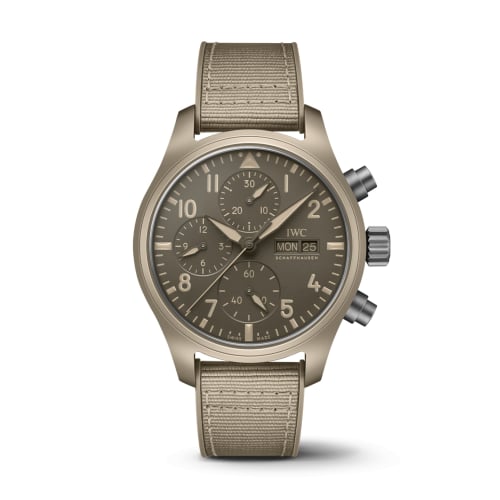
IWC Schaffhausen
Pilot's Watch Chronograph 41 Top Gun Mojave Desert
Ref. IW3894-02
CN/A
EN/A
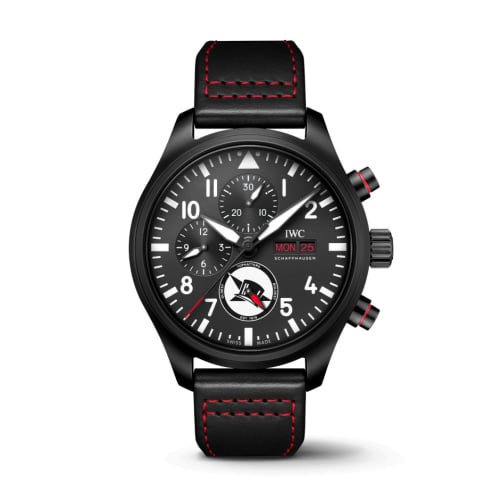
IWC Schaffhausen
Pilot's Watch Chronograph Tophatters
Ref. IW3891-08
CN/A
EN/A
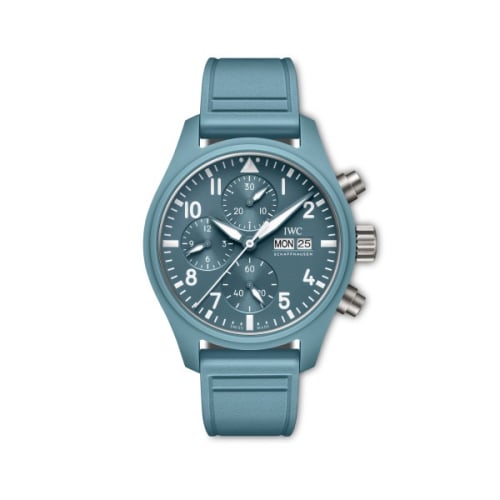
IWC Schaffhausen
Pilot's Watch Chronograph 41 Top Gun Miramar Ceramic
Ref. IW3894-09
CN/A
EN/A
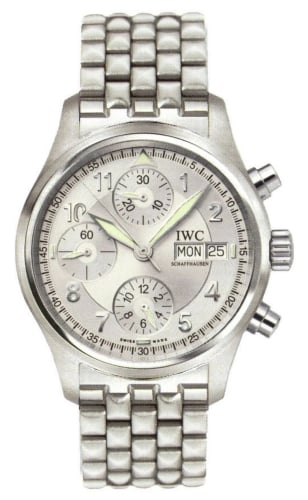
IWC Schaffhausen
Pilot's Watch Spitfire Chronograph Stainless Steel / Silver / Spanish / Bracelet
Ref. IW3706-30
CN/A
EN/A
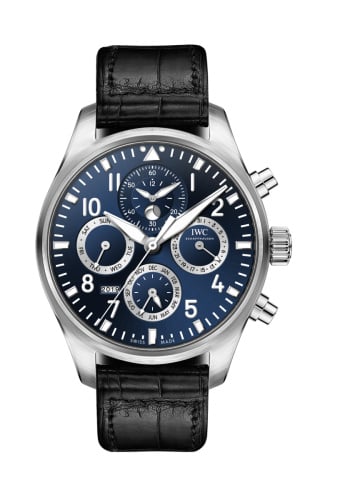
IWC Schaffhausen
Pilot's Watch Perpetual Calendar Chronograph Laureus Charity Night 2019
Ref. IW3922-03
CN/A
EN/A
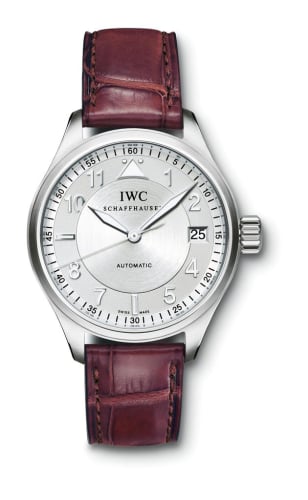
IWC Schaffhausen
Pilot's Watch Spitfire Midsize / Bordeaux Alligator
Ref. IW3256-05
CN/A
EN/A
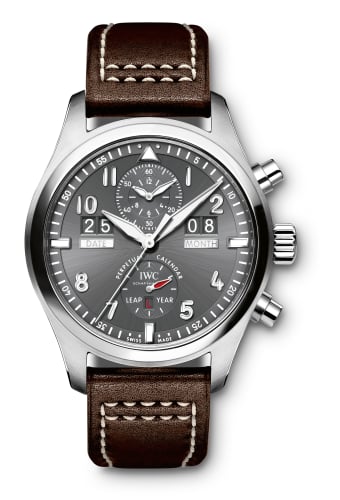
IWC Schaffhausen
Pilot's Watch Spitfire Perpetual Calendar Digital Date-Month Stainless Steel
Ref. IW3791-08
CN/A
EN/A
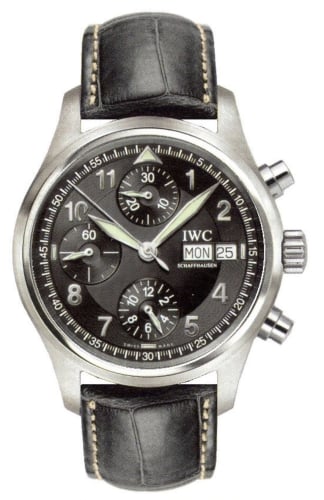
IWC Schaffhausen
Pilot's Watch Spitfire Chronograph Stainless Steel / Black / Italian / Strap
Ref. IW3706-12
CN/A
EN/A
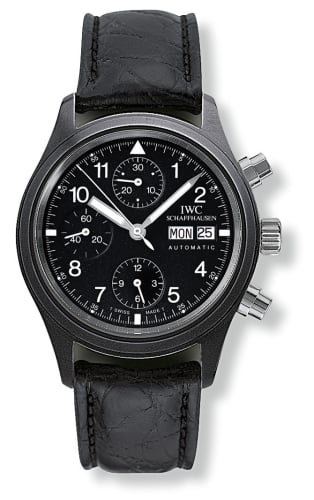
IWC Schaffhausen
Pilot's Watch Chronograph Ceramic / English / Strap
Ref. IW3705-03
CN/A
EN/A
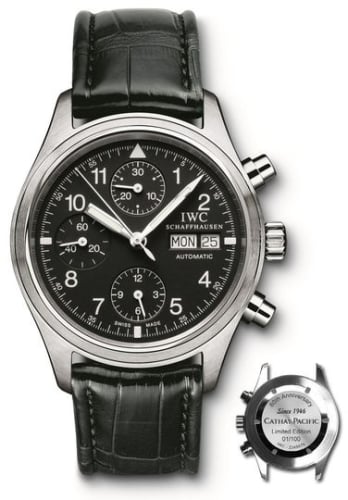
IWC Schaffhausen
Pilot's Watch Chronograph Stainless Steel / Black / Cathay Pacific
Ref. IW3706-31
CN/A
EN/A
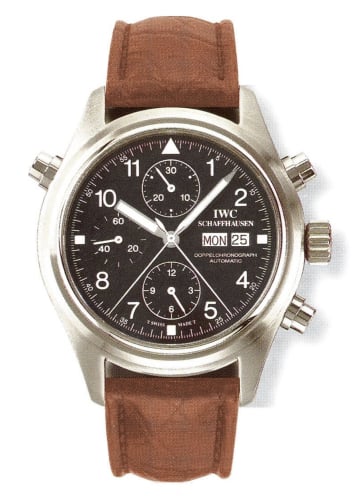
IWC Schaffhausen
Pilot's Watch Doppelchronograph Stainless Steel / Black / English / Strap
Ref. IW3713-07
CN/A
EN/A
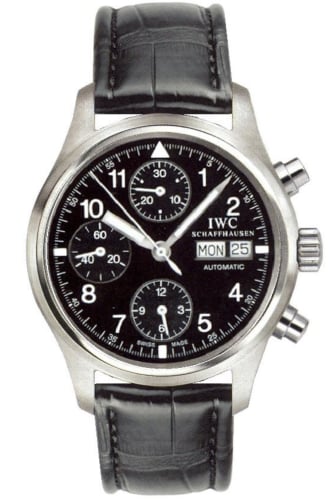
IWC Schaffhausen
Pilot's Watch Chronograph Stainless Steel / Black / Italian / Strap
Ref. IW3706-02
CN/A
EN/A
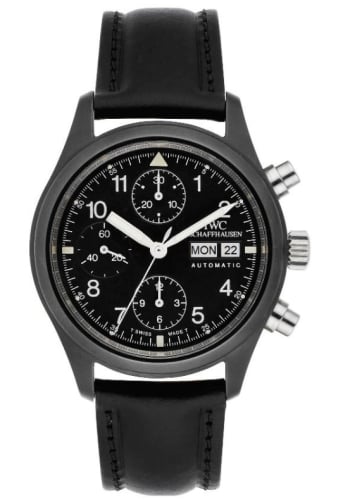
IWC Schaffhausen
Pilot's Watch Chronograph Ceramic / German / Strap
Ref. IW3705-01
CN/A
EN/A
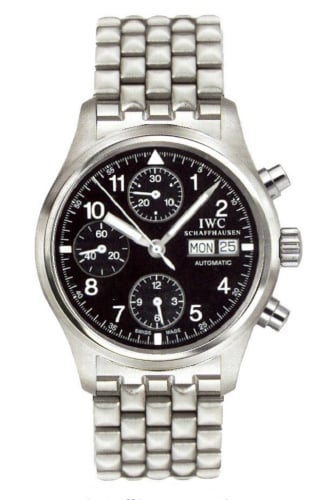
IWC Schaffhausen
Pilot's Watch Chronograph Stainless Steel / Black / Spanish / Bracelet
Ref. IW3706-10
CN/A
EN/A
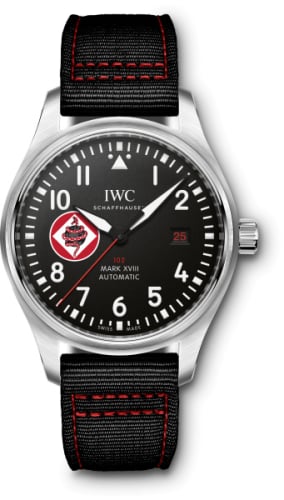
IWC Schaffhausen
Pilot's Watch Mark XVIII Military Edition Diamondbacks
Ref. IW3270-18
CN/A
EN/A
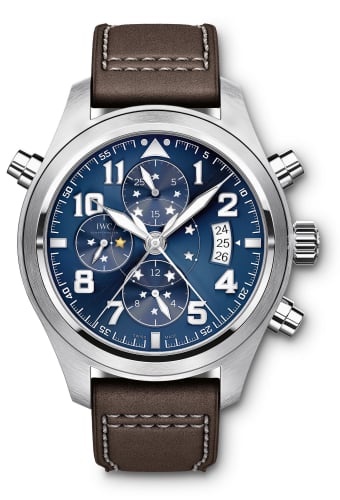
IWC Schaffhausen
Pilot's Watch Double Chronograph Le Petit Prince
Ref. IW3718-07
CN/A
EN/A
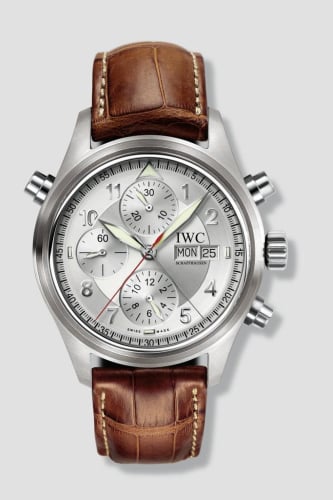
IWC Schaffhausen
Pilot's Watch Spitfire Double Chronograph Stainless Steel / Silver / German / Strap
Ref. IW3713-41
CN/A
EN/A
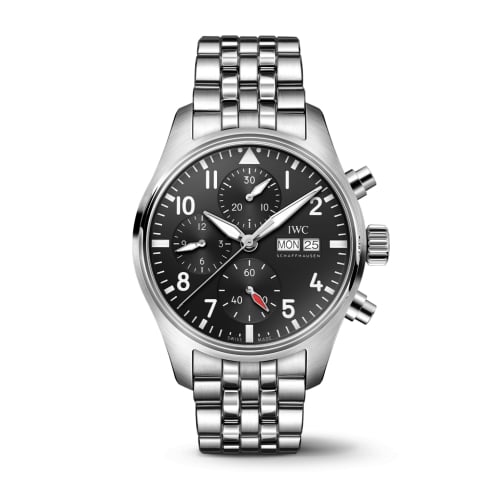
IWC Schaffhausen
Pilot's Watch Chronograph 41 Stainless Steel / Black / Bracelet
Ref. IW3881-13
CN/A
EN/A
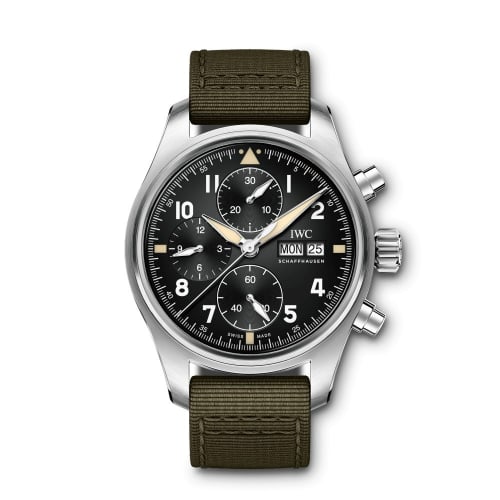
IWC Schaffhausen
Pilot's Watch Chronograph Spitfire Stainless Steel / Black / Textile
Ref. IW3879-01
CN/A
EN/A
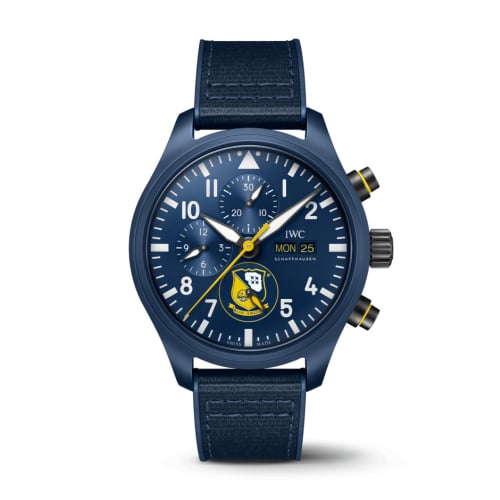
IWC Schaffhausen
Pilot's Watch Chronograph Blue Angels
Ref. IW3891-09
CN/A
EN/A
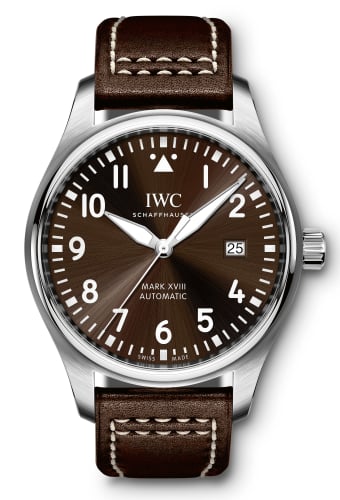
IWC Schaffhausen
Pilot's Watch Mark XVIII Antoine de Saint Exupery
Ref. IW3270-03
CN/A
EN/A
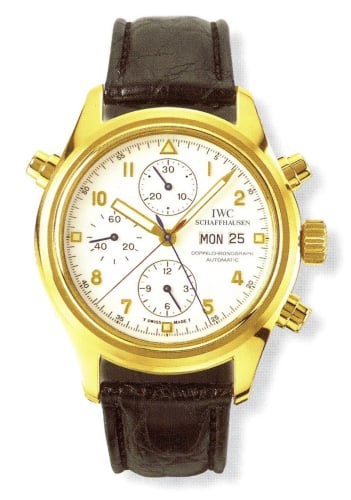
IWC Schaffhausen
Pilot's Watch Doppelchronograph Yellow Gold / White / English / Strap
Ref. IW3711-11
CN/A
EN/A
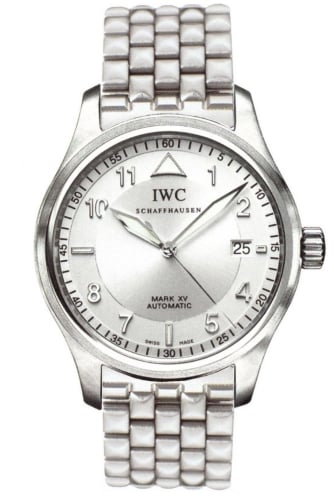
IWC Schaffhausen
Pilot's Watch Mark XV Spitfire Stainless Steel / Silver / Strap
Ref. IW3253-14
CN/A
EN/A
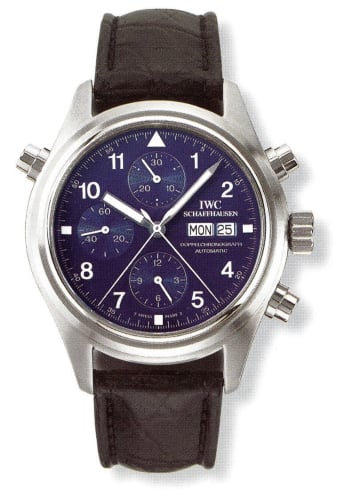
IWC Schaffhausen
Pilot's Watch Doppelchronograph Platinum / Blue / English / Strap
Ref. IW3711-27
CN/A
EN/A
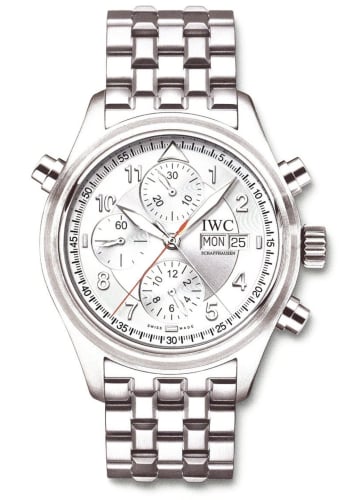
IWC Schaffhausen
Pilot's Watch Spitfire Double Chronograph Stainless Steel / Silver / Spanish / Bracelet
Ref. IW3713-50
CN/A
EN/A
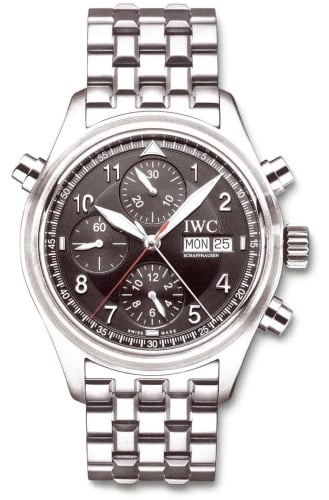
IWC Schaffhausen
Pilot's Watch Spitfire Double Chronograph Stainless Steel / Black / German / Bracelet
Ref. IW3713-36
CN/A
EN/A
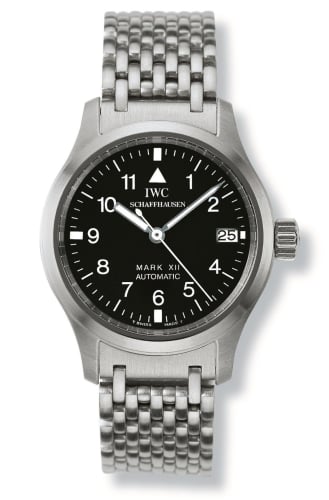
IWC Schaffhausen
Lady Pilot's Watch Mark XII Stainless Steel / Black / Bracelet
Ref. IW4421-02
CN/A
EN/A
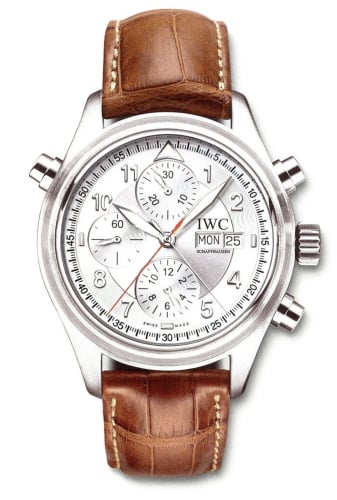
IWC Schaffhausen
Pilot's Watch Spitfire Double Chronograph Stainless Steel / Silver / English / Strap
Ref. IW3713-43
CN/A
EN/A
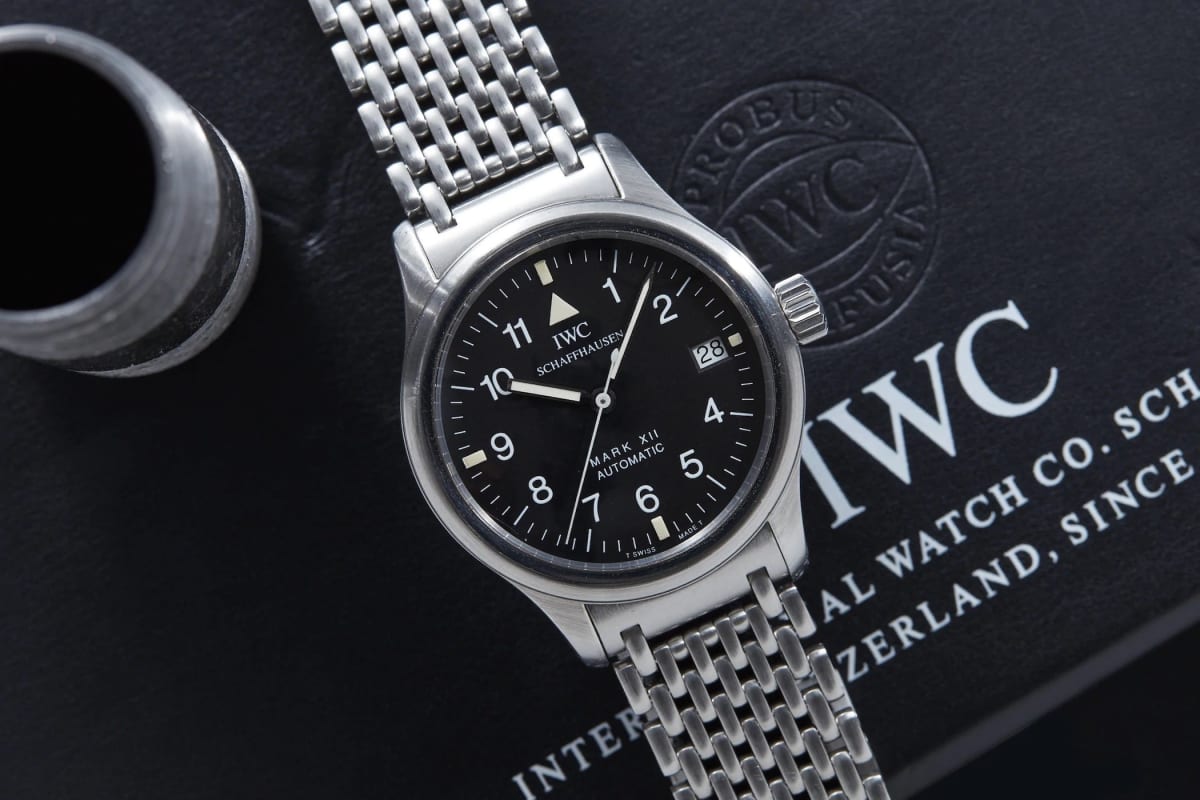
IWC Schaffhausen
Pilot Mark XII
Ref. 3241
CN/A
EN/A
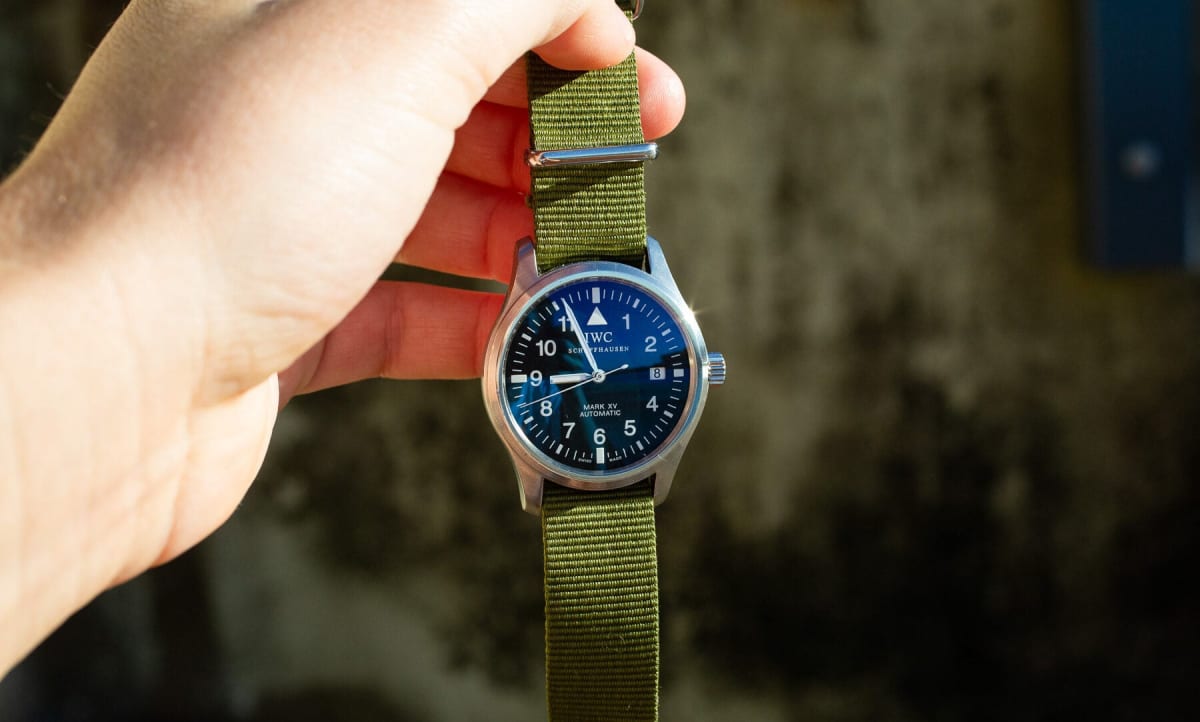
IWC Schaffhausen
Pilot Mark XV
Ref. 3253
CN/A
EN/A
No image
IWC Schaffhausen
Pilot's Watch B-Uhr
Ref. 52 T.S.C.
CN/A
EN/A
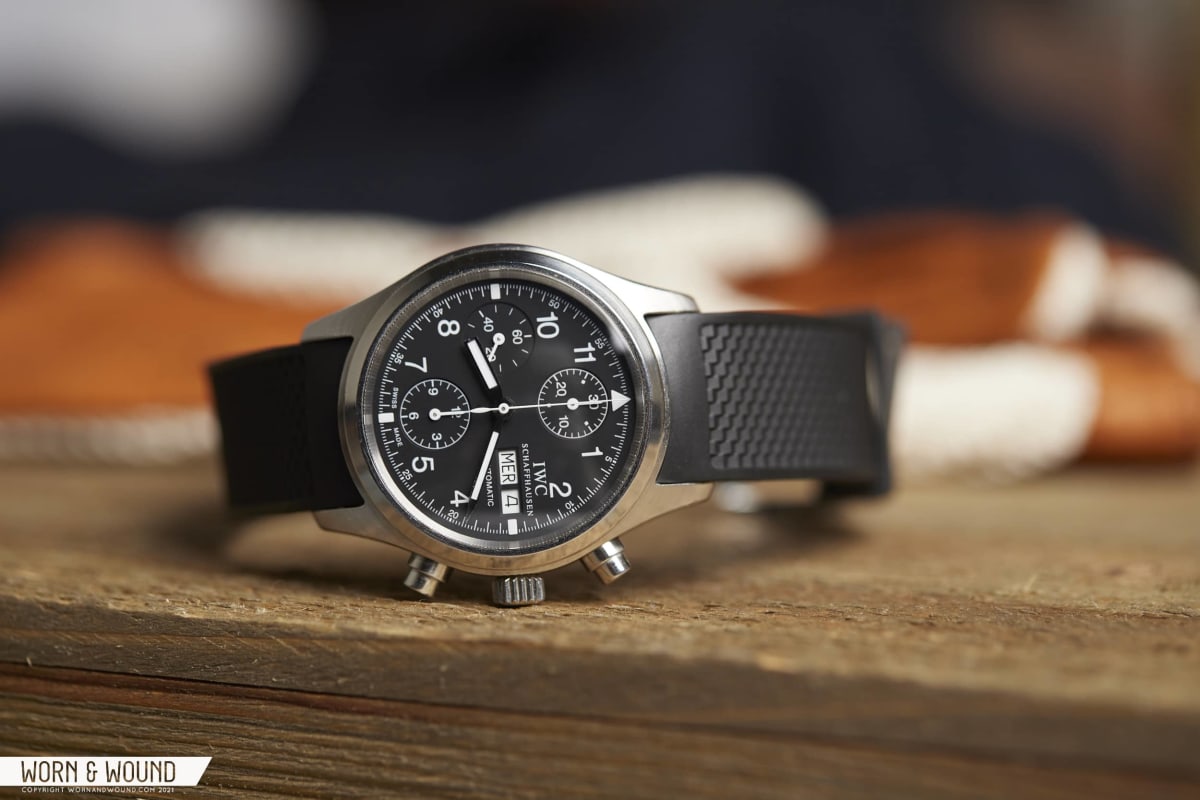
IWC Schaffhausen
Pilot Chronograph Fliegerchronograph
Ref. 3706
CN/A
EN/A
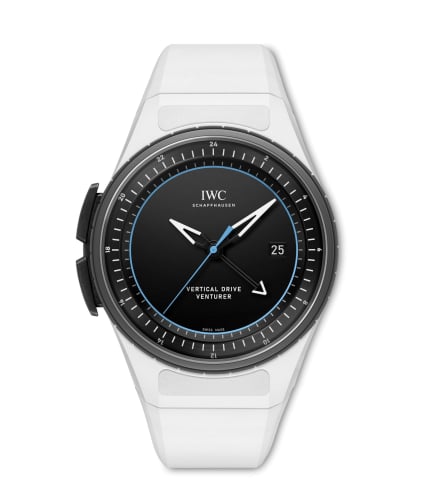
IWC Schaffhausen
Pilot's Venturer Vertical Drive
Ref. IW3286-01
CN/A
EN/A
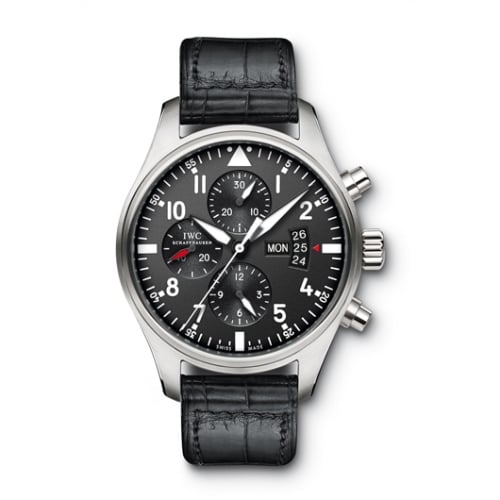
IWC Schaffhausen
Pilot's Watch Chronograph Stainless Steel / Black / Strap
Ref. IW3777-01
CN/A
EN/A
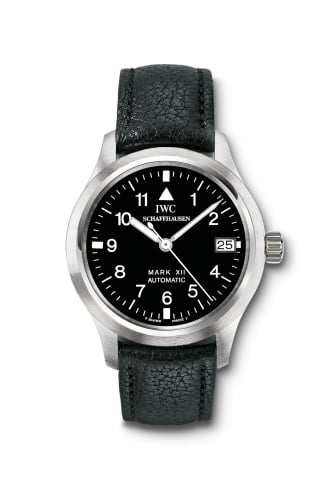
IWC Schaffhausen
Pilot's Watch Mark XII Stainless Steel / Black / Strap
Ref. IW3241-01
CN/A
EN/A
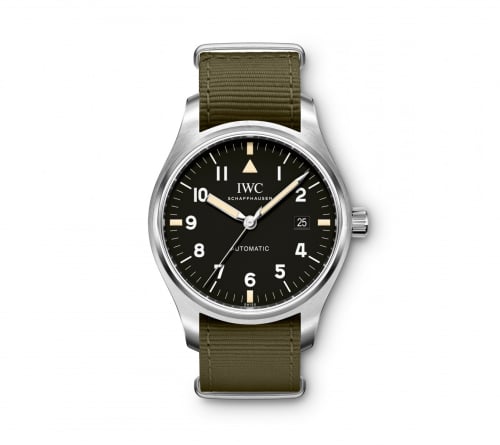
IWC Schaffhausen
Pilot's Watch Mark XVIII Tribute to Mark 11
Ref. IW3270-07
CN/A
EN/A
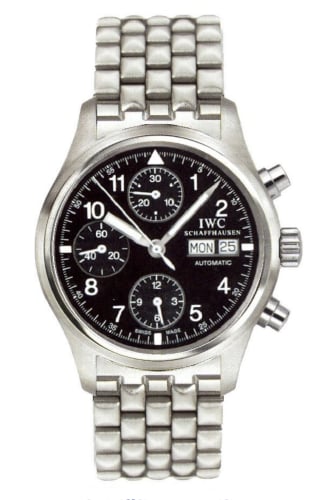
IWC Schaffhausen
Pilot's Watch Chronograph Stainless Steel / Black / English / Bracelet
Ref. IW3706-07
CN/A
EN/A
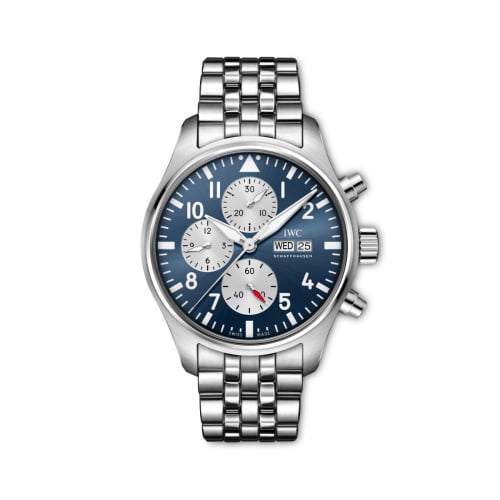
IWC Schaffhausen
Pilot's Watch Chronograph Laureus Sport for Good
Ref. IW3780-10
CN/A
EN/A
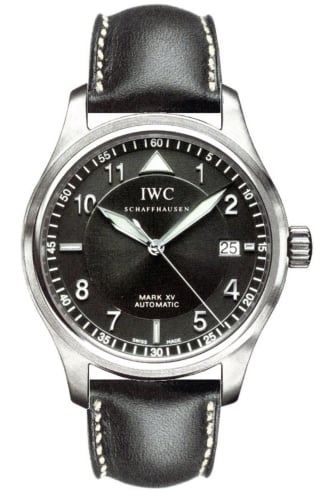
IWC Schaffhausen
Pilot's Watch Mark XV Spitfire Stainless Steel / Black / Strap
Ref. IW3253-11
CN/A
EN/A
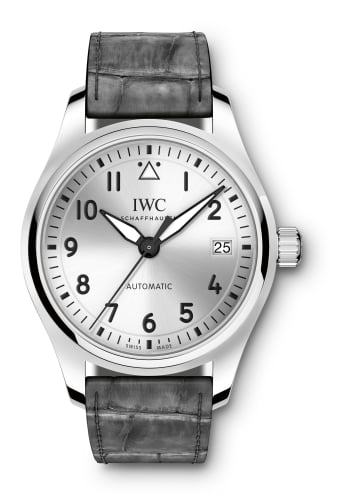
IWC Schaffhausen
Pilot's Watch 36 Silver
Ref. IW3240-07
CN/A
EN/A
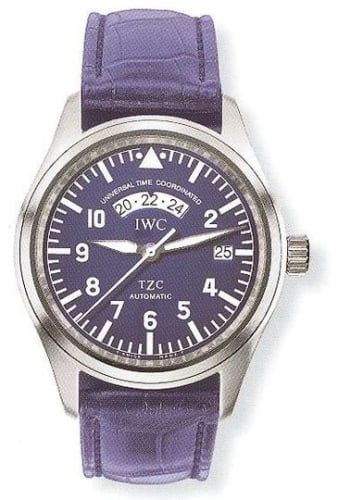
IWC Schaffhausen
Pilot's Watch UTC Platinum / Blue / Strap
Ref. IW3251-03
CN/A
EN/A
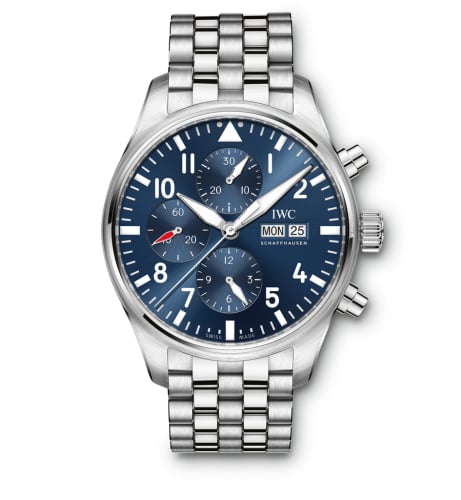
IWC Schaffhausen
Pilot's Watch Chronograph Stainless Steel / Le Petit Prince / Bracelet
Ref. IW3777-17
CN/A
EN/A
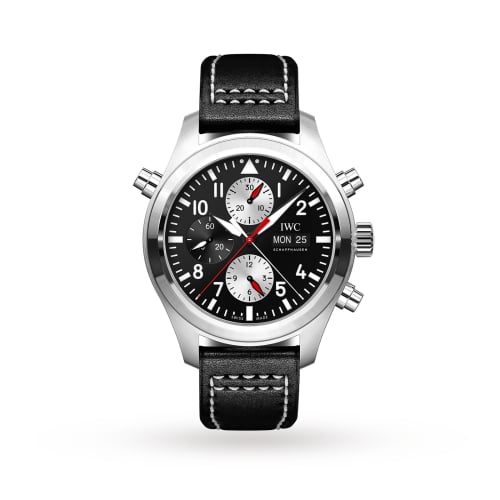
IWC Schaffhausen
Pilot's Watch Double Chronograph Stainless Steel / Black-Silver / Calf / Watches of Switzerland
Ref. IW3718-13
CN/A
EN/A
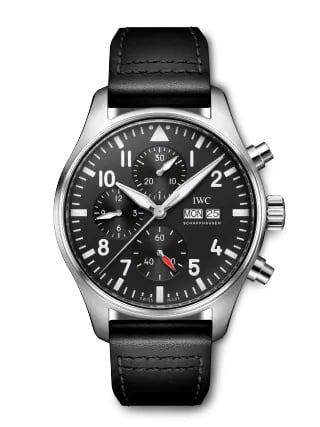
IWC Schaffhausen
Pilot's Watch Chronograph Stainless Steel / Black
Ref. IW3780-01
CN/A
EN/A
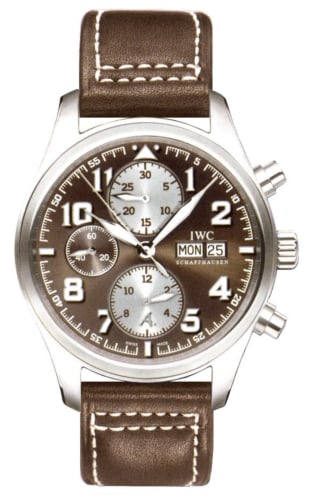
IWC Schaffhausen
Pilot's Watch Chronograph Antoine de Saint Exupéry Stainless Steel
Ref. IW3717-09
CN/A
EN/A
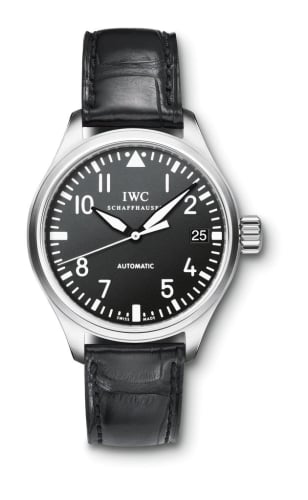
IWC Schaffhausen
Pilot's Watch Midsize / Black Alligator
Ref. IW3256-01
CN/A
EN/A
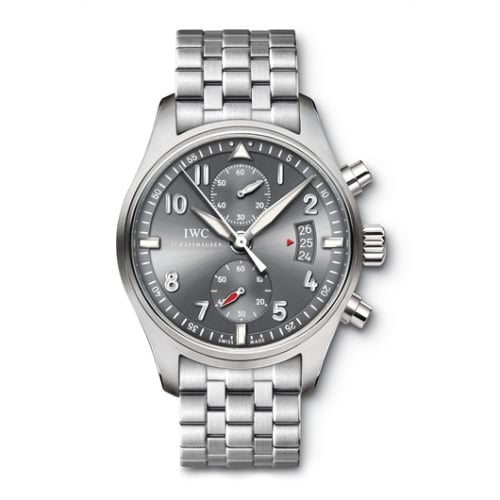
IWC Schaffhausen
Pilot's Watch Spitfire Chronograph Bracelet
Ref. IW3878-04
CN/A
EN/A
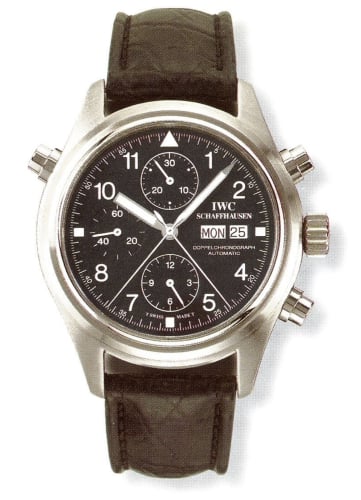
IWC Schaffhausen
Pilot's Watch Doppelchronograph Stainless Steel / Black / English / Strap
Ref. IW3711-03
CN/A
EN/A
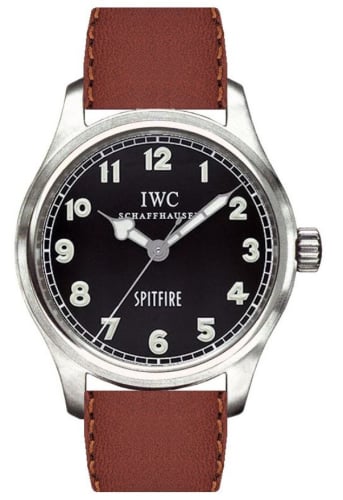
IWC Schaffhausen
Pilot's Watch Mark XV Stainless Steel / Black / Spitfire
Ref. IW3253-05
CN/A
EN/A
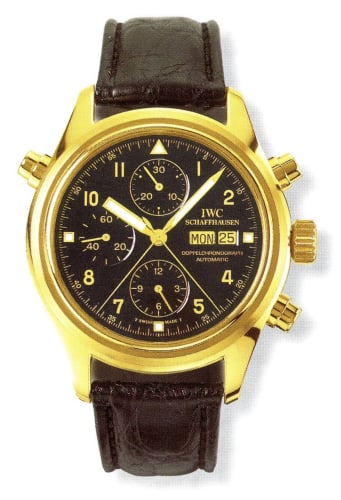
IWC Schaffhausen
Pilot's Watch Doppelchronograph Yellow Gold / Black / German / Strap
Ref. IW3711-13
CN/A
EN/A
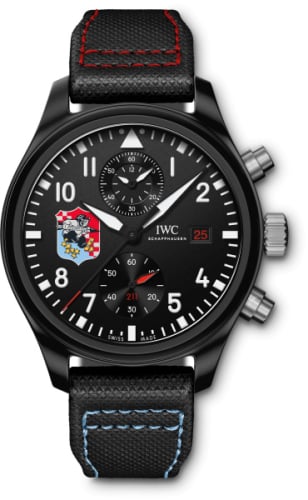
IWC Schaffhausen
Pilot’s Watch Chronograph Military Edition Fighting Checkmates
Ref. IW3890-12
CN/A
EN/A
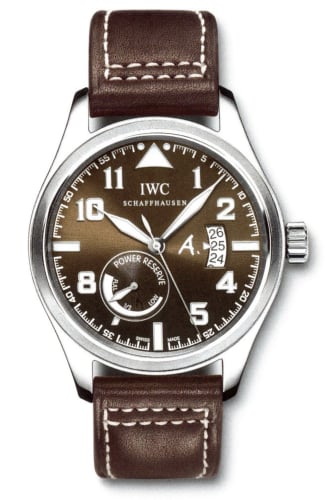
IWC Schaffhausen
Pilot's Watch Antoine De Saint Exupery Power Reserve Stainless Steel
Ref. IW320104
CN/A
EN/A
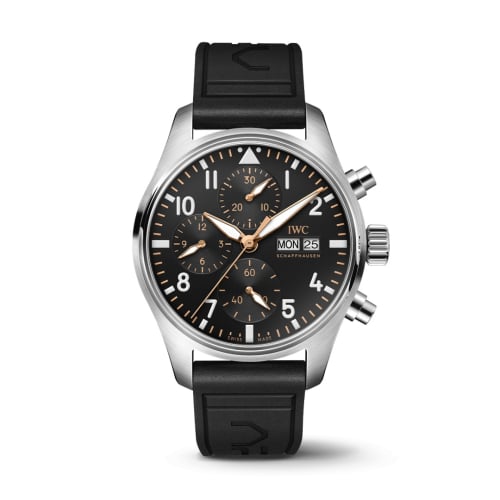
IWC Schaffhausen
Pilot's Watch Chronograph 41 APXGP
Ref. IW3881-16
CN/A
EN/A
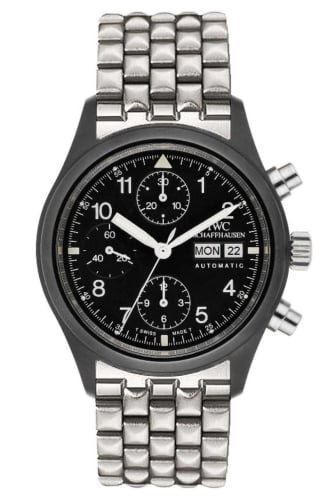
IWC Schaffhausen
Pilot's Watch Chronograph Ceramic / German / Bracelet
Ref. IW3705-05
CN/A
EN/A
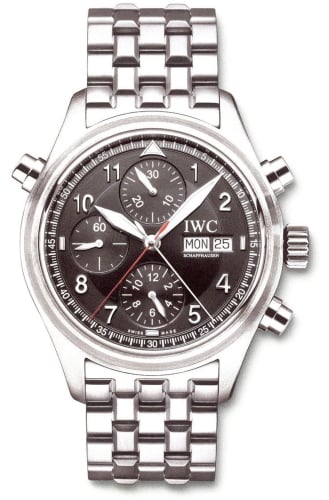
IWC Schaffhausen
Pilot's Watch Spitfire Double Chronograph Stainless Steel / Black / Spanish / Bracelet
Ref. IW3713-40
CN/A
EN/A
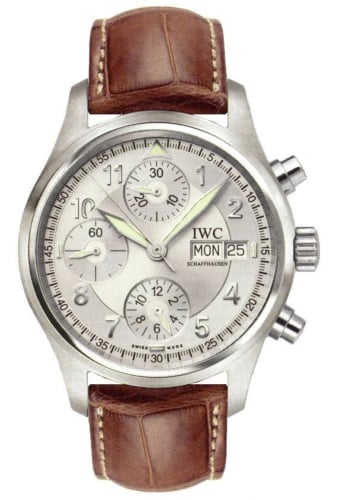
IWC Schaffhausen
Pilot's Watch Spitfire Chronograph Stainless Steel / Silver / Italian / Strap
Ref. IW3706-22
CN/A
EN/A
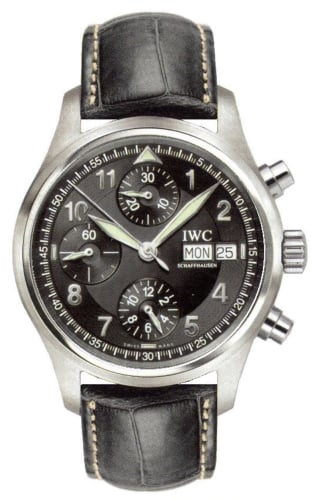
IWC Schaffhausen
Pilot's Watch Spitfire Chronograph Stainless Steel / Black / German / Strap
Ref. IW3706-11
CN/A
EN/A
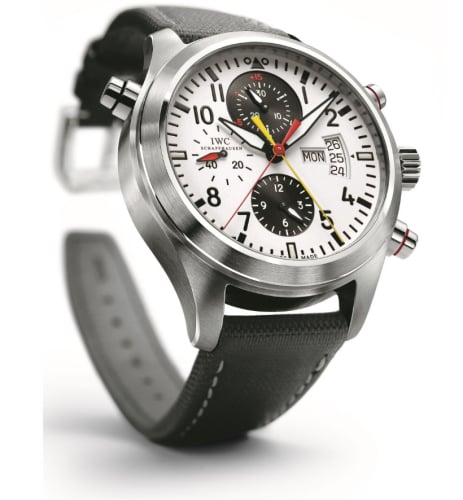
IWC Schaffhausen
Pilot's Watch Spitfire Double Chronograph DFB
Ref. IW3718-03
CN/A
EN/A
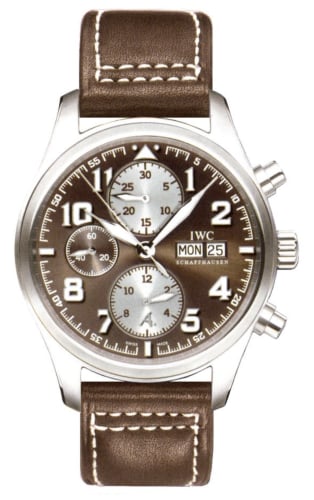
IWC Schaffhausen
Pilot's Watch Chronograph Antoine de Saint Exupéry White Gold
Ref. IW3717-08
CN/A
EN/A
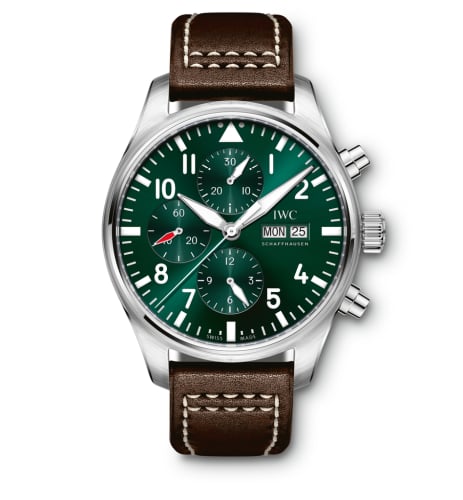
IWC Schaffhausen
Pilot's Watch Chronograph Stainless Steel / Racing Green / Calf
Ref. IW3777-26
CN/A
EN/A
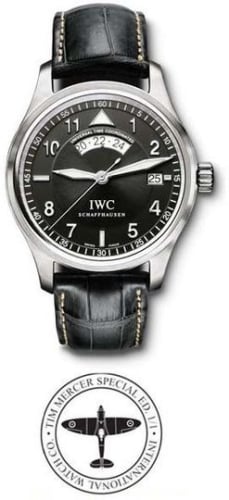
IWC Schaffhausen
Pilot's Watch Spitfire UTC Platinum / Black / Tim Mercer
Ref. IW3251-09-1
CN/A
EN/A
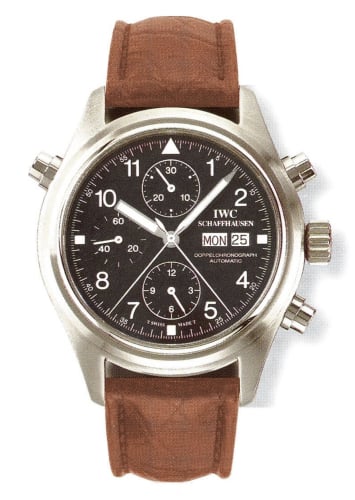
IWC Schaffhausen
Pilot's Watch Doppelchronograph Stainless Steel / Black / Italian / Strap
Ref. IW3713-06
CN/A
EN/A
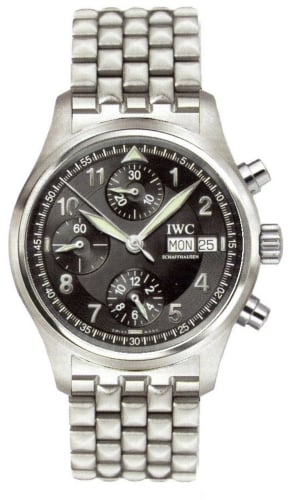
IWC Schaffhausen
Pilot's Watch Spitfire Chronograph Stainless Steel / Black / German / Bracelet
Ref. IW3706-16
CN/A
EN/A
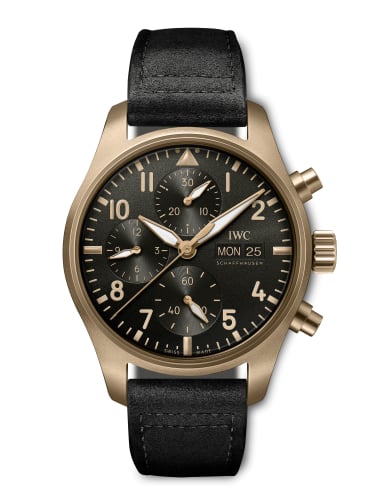
IWC Schaffhausen
Pilot's Watch Chronograph Spitfire Mr. Porter
Ref. IW3879-07
CN/A
EN/A
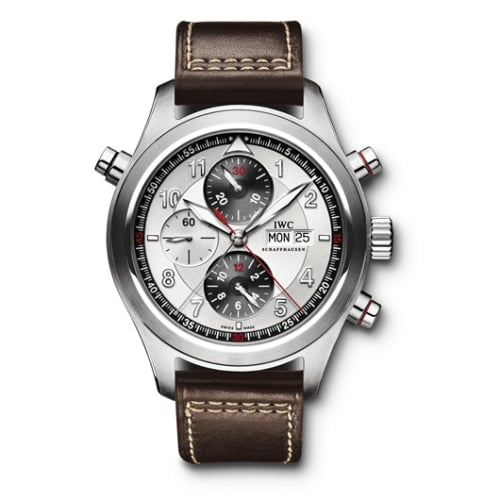
IWC Schaffhausen
Pilot's Watch Spitfire Double Chronograph Stainless Steel / Panda / Strap
Ref. IW3718-06
CN/A
EN/A
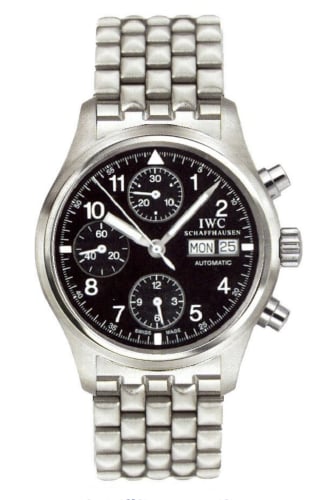
IWC Schaffhausen
Pilot's Watch Chronograph Stainless Steel / Black / French / Bracelet
Ref. IW3706-08
CN/A
EN/A
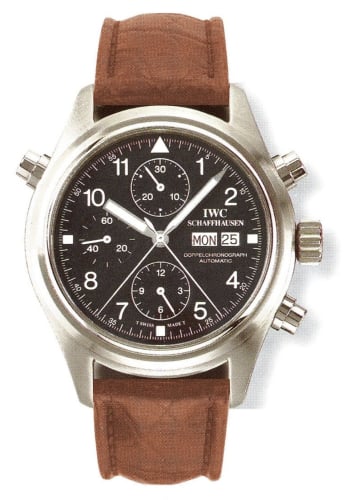
IWC Schaffhausen
Pilot's Watch Doppelchronograph Stainless Steel / Black / French / Strap
Ref. IW3711-08
CN/A
EN/A
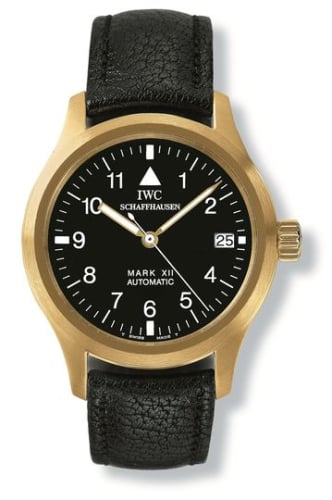
IWC Schaffhausen
Pilot's Watch Mark XII Yellow Gold / Black / Strap
Ref. IW3241-03
CN/A
EN/A
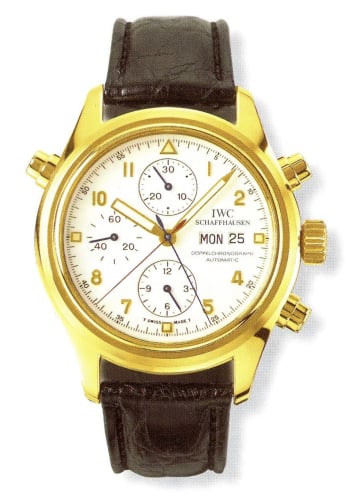
IWC Schaffhausen
Pilot's Watch Doppelchronograph Yellow Gold / White / French / Strap
Ref. IW3711-12
CN/A
EN/A
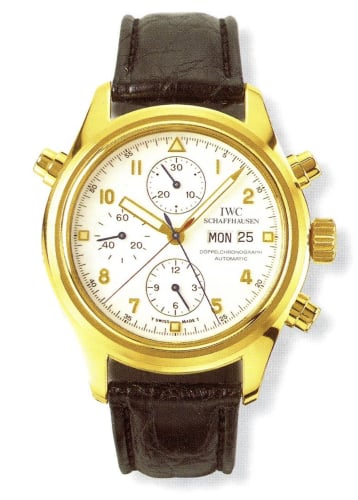
IWC Schaffhausen
Pilot's Watch Doppelchronograph Yellow Gold / White / French
Ref. IW3713-12
CN/A
EN/A
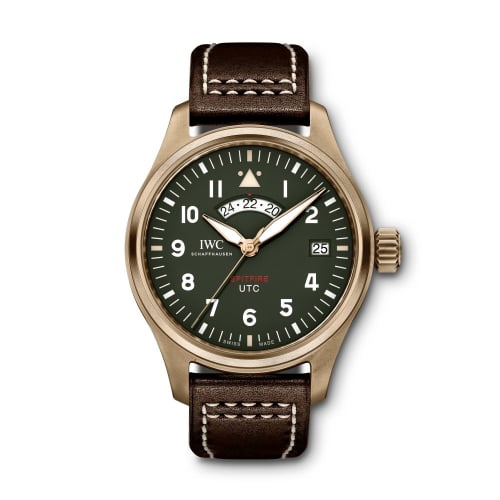
IWC Schaffhausen
Pilot's Watch UTC Spitfire Edition 'MJ271'
Ref. IW3271-01
CN/A
EN/A
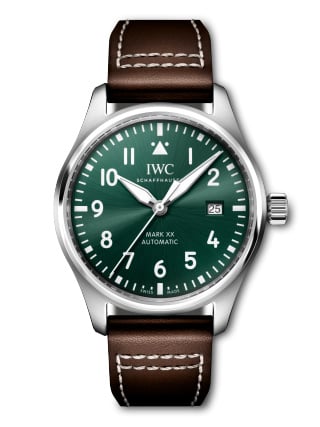
IWC Schaffhausen
Pilot's Watch Mark XX Stainless Steel / Green
Ref. IW3282-05
CN/A
EN/A
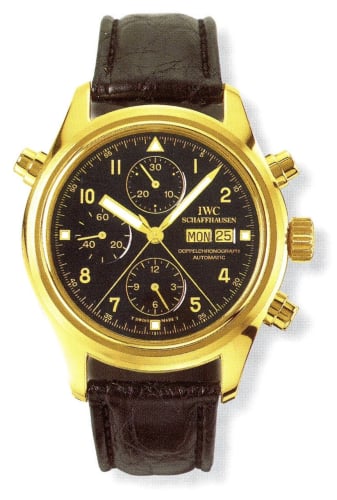
IWC Schaffhausen
Pilot's Watch Doppelchronograph Yellow Gold / Black / French
Ref. IW3713-16
CN/A
EN/A
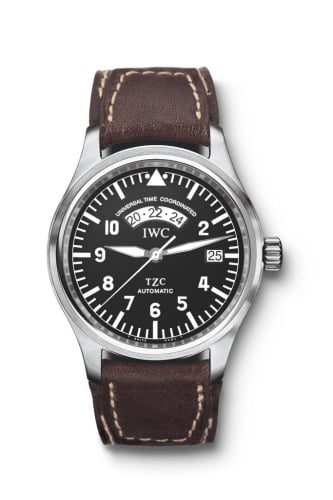
IWC Schaffhausen
Pilot's Watch UTC Stainless Steel / Black / Strap
Ref. IW3251-01
CN/A
EN/A
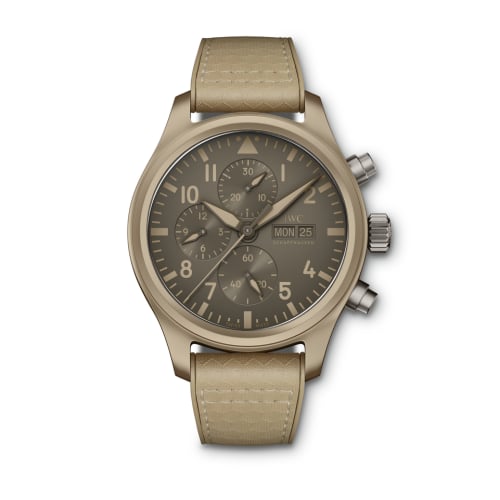
IWC Schaffhausen
Pilot's Watch Chronograph Top Gun Edition 'Mojave Desert'
Ref. IW3891-03
CN/A
EN/A
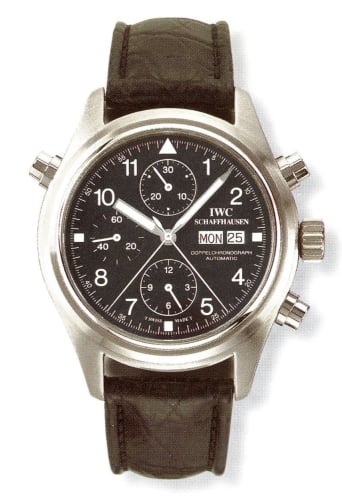
IWC Schaffhausen
Pilot's Watch Doppelchronograph Stainless Steel / Black / English / Strap
Ref. IW3713-03
CN/A
EN/A
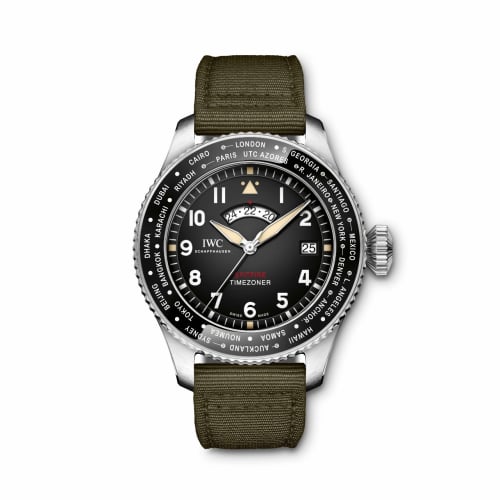
IWC Schaffhausen
Pilot’s Watch Timezoner Spitfire Edition “The Longest Flight”
Ref. IW3955-01
CN/A
EN/A
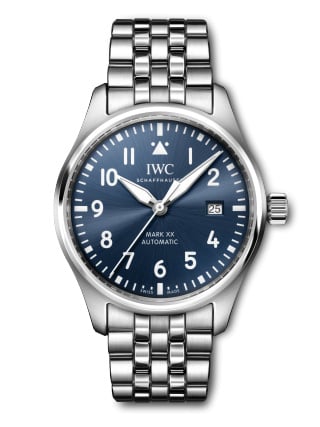
IWC Schaffhausen
Pilot's Watch Mark XX Stainless Steel / Blue / Bracelet
Ref. IW3282-04
CN/A
EN/A
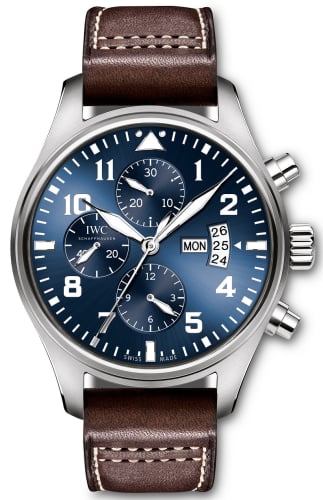
IWC Schaffhausen
Pilot's Watch Chronograph Stainless Steel / Le Petit Prince / Strap
Ref. IW3777-06
CN/A
EN/A
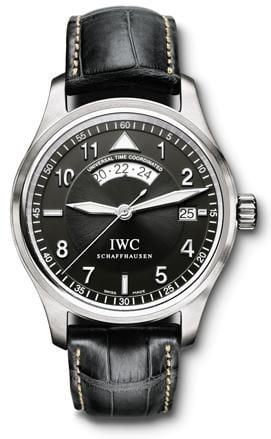
IWC Schaffhausen
Pilot's Watch Spitfire UTC Stainless Steel / Black / Strap
Ref. IW3251-05
CN/A
EN/A
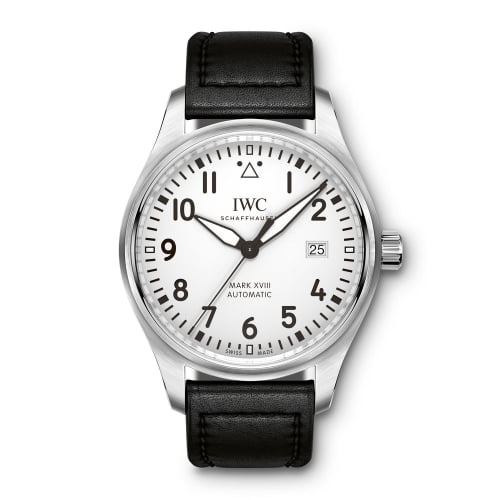
IWC Schaffhausen
Pilot's Watch Mark XVIII Silver
Ref. IW3270-02
CN/A
EN/A
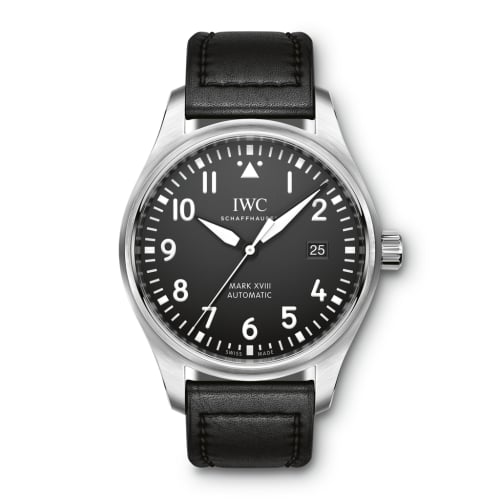
IWC Schaffhausen
Pilot's Watch Mark XVIII Stainless Steel / Black
Ref. IW3270-09
CN/A
EN/A
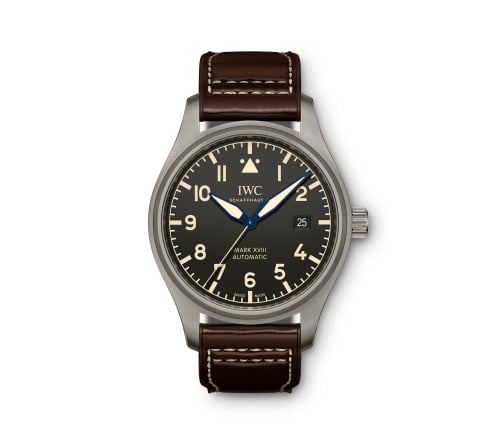
IWC Schaffhausen
Pilot's Watch Mark XVIII Heritage
Ref. IW3270-06
CN/A
EN/A
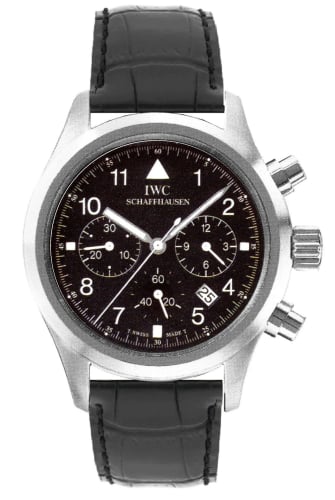
IWC Schaffhausen
Pilot's Watch Chronograph Mecaquartz Stainless Steel / Black / Strap
Ref. IW3741-01
CN/A
EN/A
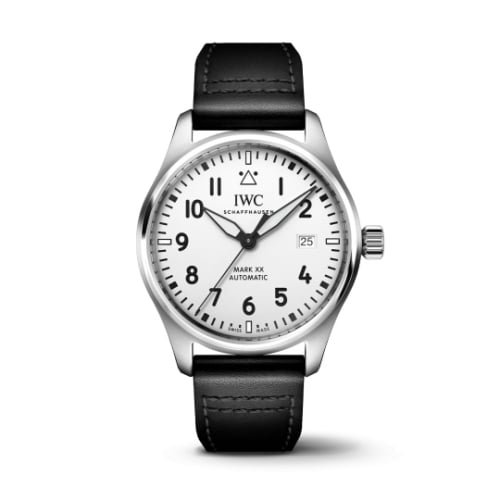
IWC Schaffhausen
Pilot's Watch Mark XX Stainless Steel / White
Ref. IW3282-07
CN/A
EN/A
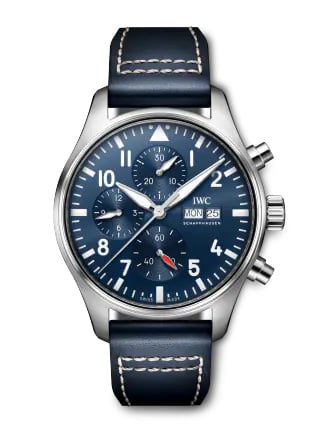
IWC Schaffhausen
Pilot's Watch Chronograph Stainless Steel / Blue
Ref. IW3780-03
CN/A
EN/A
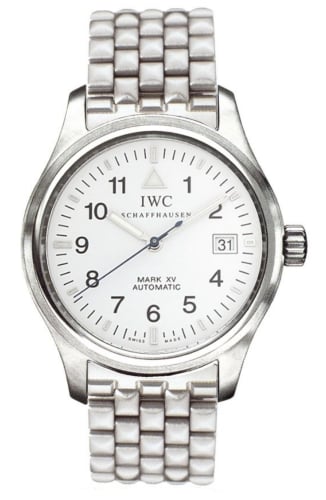
IWC Schaffhausen
Pilot's Watch Mark XV Stainless Steel / White / Bracelet
Ref. IW3253-10
CN/A
EN/A
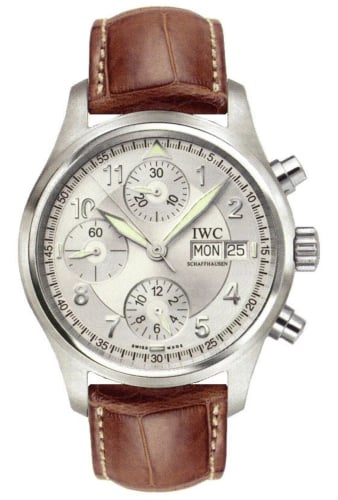
IWC Schaffhausen
Pilot's Watch Spitfire Chronograph Stainless Steel / Silver / German / Strap
Ref. IW3706-21
CN/A
EN/A
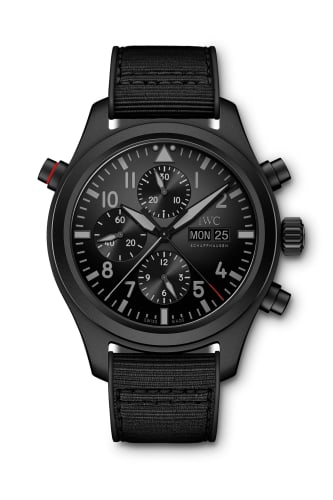
IWC Schaffhausen
Pilot's Watch Double Chronograph Top Gun Ceratanium
Ref. IW3718-15
CN/A
EN/A
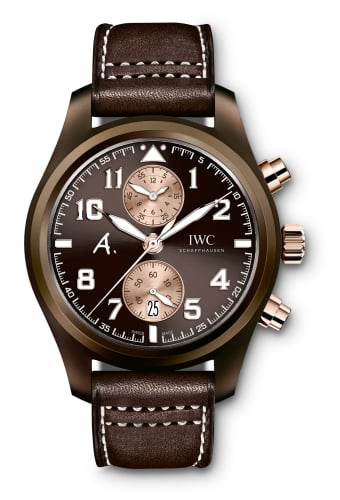
IWC Schaffhausen
Pilot's Watch Chronograph Edition Antoine De Saint Exupery Edition The Last Flight Red Gold
Ref. IW3880-06
CN/A
EN/A
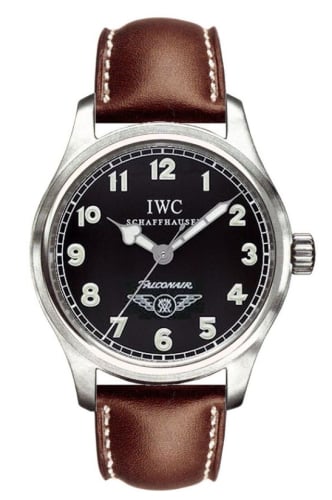
IWC Schaffhausen
Pilot's Watch Mark XV Stainless Steel / Black / Falconair
Ref. IW3253-08
CN/A
EN/A
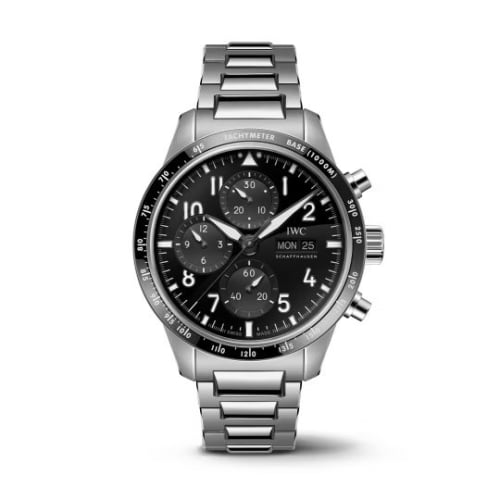
IWC Schaffhausen
Pilot's Watch Performance Chronograph Titanium / Black / Bracelet
Ref. IW3883-04
CN/A
EN/A
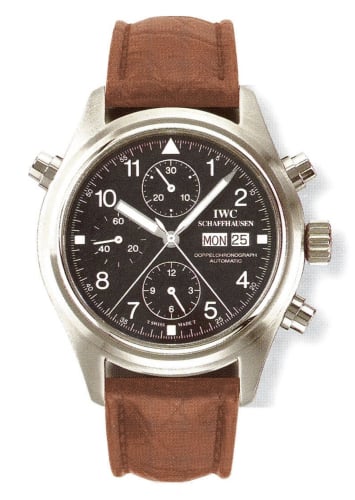
IWC Schaffhausen
Pilot's Watch Doppelchronograph Stainless Steel / Black / German / Strap
Ref. IW3713-05
CN/A
EN/A
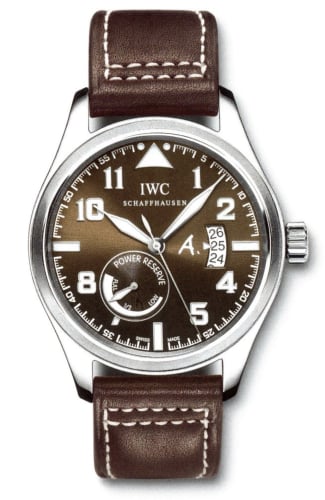
IWC Schaffhausen
Pilot's Watch Antoine De Saint Exupery Power Reserve White Gold
Ref. IW3891-10
CN/A
EN/A
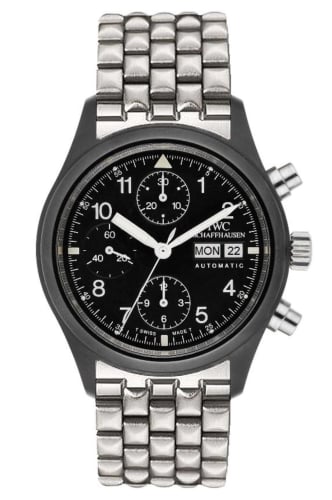
IWC Schaffhausen
Pilot's Watch Chronograph Ceramic / French / Bracelet
Ref. IW3705-08
CN/A
EN/A
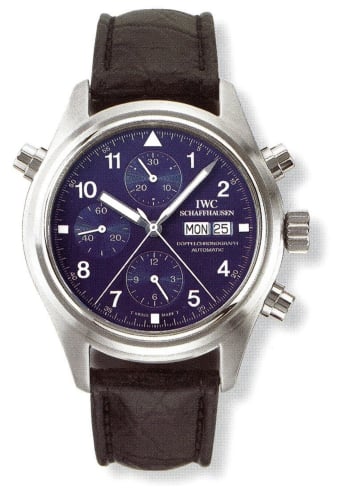
IWC Schaffhausen
Pilot's Watch Doppelchronograph Platinum / Blue / English
Ref. IW3713-23
CN/A
EN/A
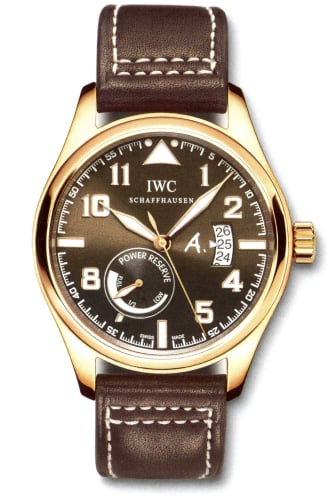
IWC Schaffhausen
Pilot's Watch Antoine De Saint Exupery Power Reserve Rose Gold
Ref. IW3201-03
CN/A
EN/A
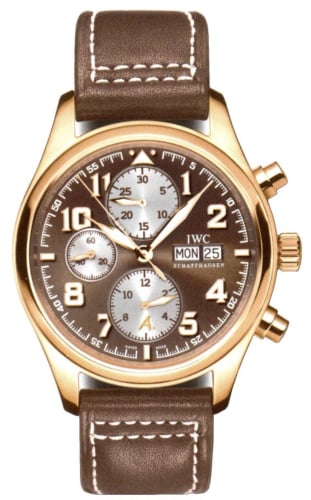
IWC Schaffhausen
Pilot's Watch Chronograph Antoine de Saint Exupéry Rose Gold
Ref. IW3717-11
CN/A
EN/A
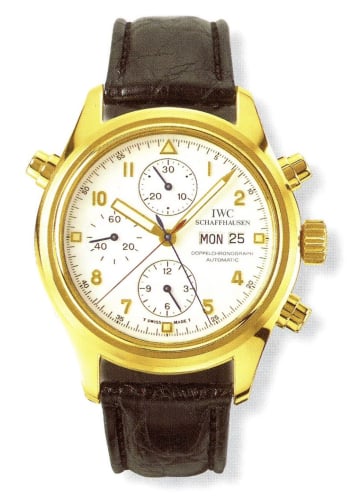
IWC Schaffhausen
Pilot's Watch Doppelchronograph Yellow Gold / White / Italian / Strap
Ref. IW3711-10
CN/A
EN/A
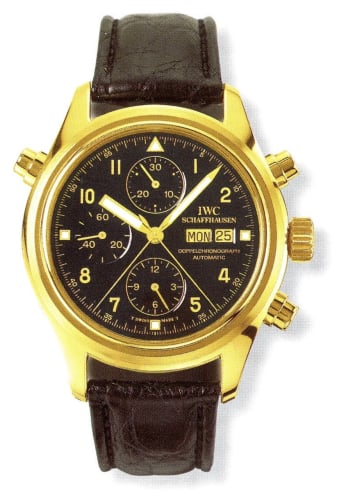
IWC Schaffhausen
Pilot's Watch Doppelchronograph Yellow Gold / Black / English
Ref. IW3713-15
CN/A
EN/A
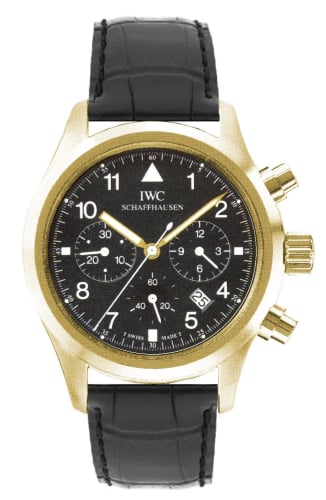
IWC Schaffhausen
Pilot's Watch Chronograph Mecaquartz Yellow Gold / Black / Strap
Ref. IW3741-04
CN/A
EN/A
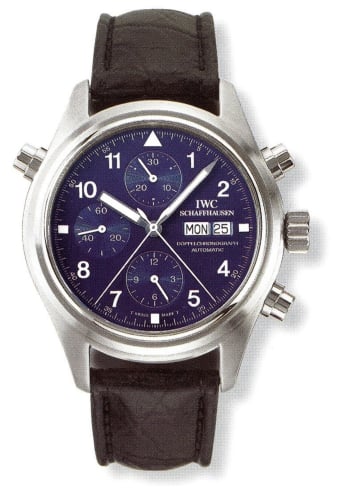
IWC Schaffhausen
Pilot's Watch Doppelchronograph Platinum / Blue / French
Ref. IW3713-24
CN/A
EN/A
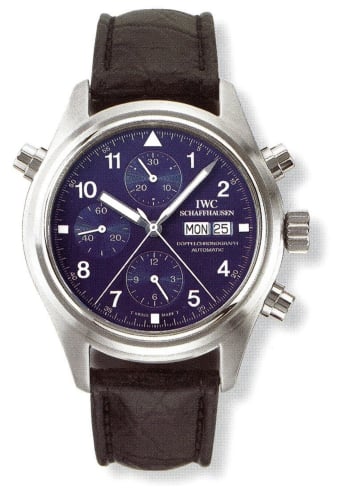
IWC Schaffhausen
Pilot's Watch Doppelchronograph Platinum / Blue / German
Ref. IW3713-21
CN/A
EN/A
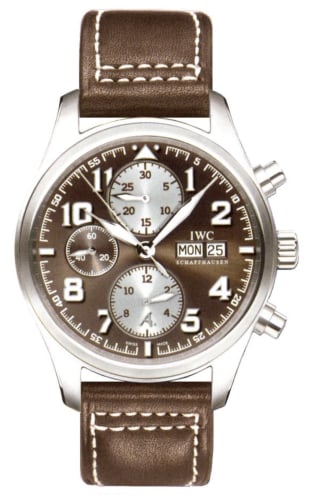
IWC Schaffhausen
Pilot's Watch Chronograph Antoine de Saint Exupéry Platinum
Ref. IW3717-07
CN/A
EN/A
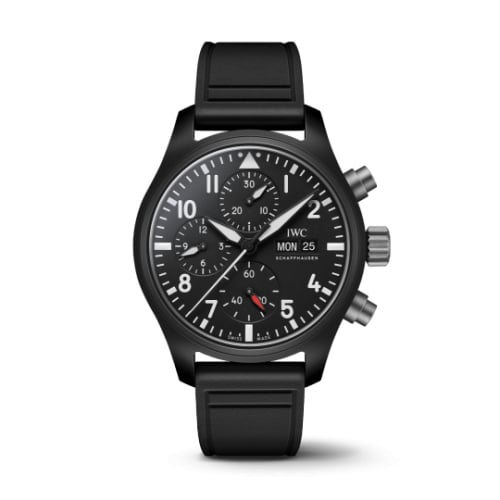
IWC Schaffhausen
Pilot's Watch Chronograph 41 Top Gun
Ref. IW3894-01
CN/A
EN/A
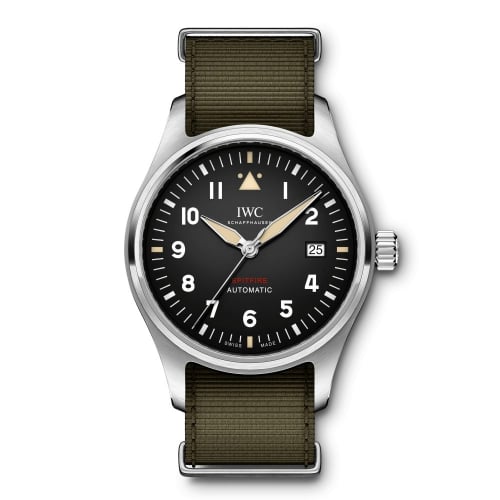
IWC Schaffhausen
Pilot's Watch Automatic Spitfire Stainless Steel / Black / NATO
Ref. IW3268-01
CN/A
EN/A
All Reviews(11 across all references)

The Architect
ExpertSep 27, 2026
69
74
Dial & Handset70
Case & Design65
Movement62
Bracelet / Strap78
Wearability