Hublot
Classic Fusion
N/A
Community
43
Expert
4 reviews
References
235
References in this Family
Hublot
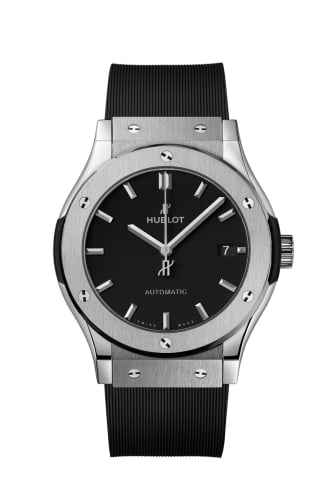
Classic Fusion Titanium 42
Ref. 542.NX.1171.RX
CN/A
E43
Hublot
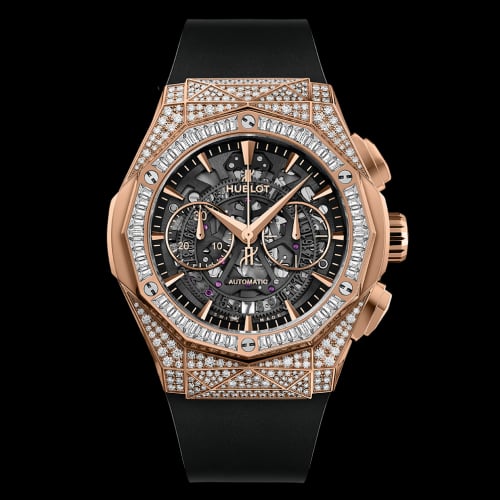
Classic Fusion 45 Aerofusion Chronograph Orlinski King Gold Jewellery
Ref. 525-OX-0180-RX-0904-ORL19
CN/A
EN/A
Hublot
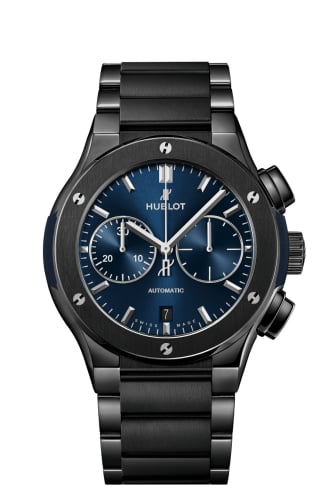
Classic Fusion 45 Chronograph Ceramic / Blue / Bracelet
Ref. 520-CM-7170-CM
CN/A
EN/A
Hublot
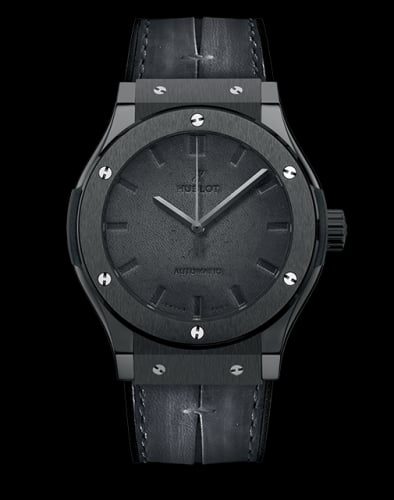
Classic Fusion 45 Berlutti All Black
Ref. 511-CM-0500-VR-BER16
CN/A
EN/A
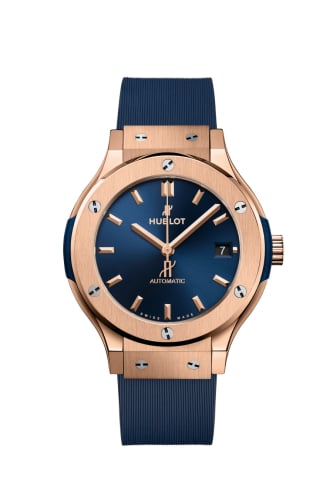
Hublot
Classic Fusion 38 King Gold / Blue / Alligator
Ref. 565-OX-7180-RX
CN/A
EN/A
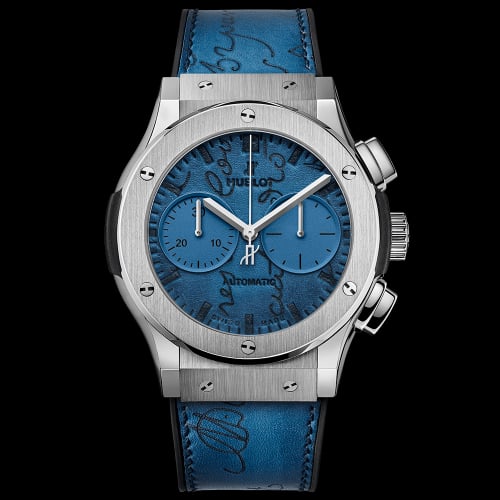
Hublot
Classic Fusion 45 Chronograph Berluti Scritto Ocean Blue
Ref. 521-NX-050B-VR-BER18
CN/A
EN/A
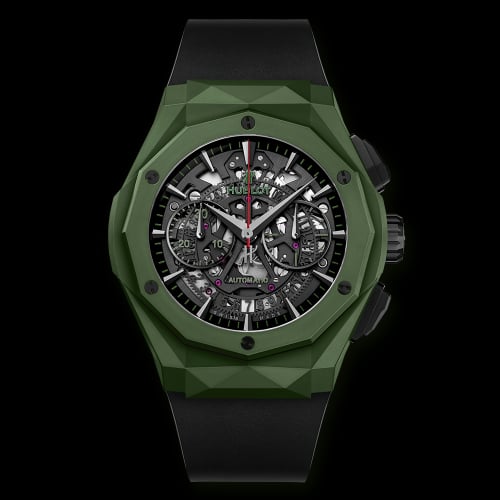
Hublot
Classic Fusion 45 Aerofusion Chronograph Orlinski Mexico Green Ceramic
Ref. 525-GX-0179-RX-ORL18
CN/A
EN/A
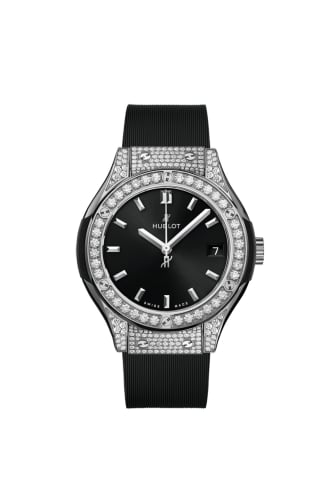
Hublot
Classic Fusion 33 Titanium - Pavé / Black / Alligator
Ref. 581-NX-1470-RX-1704
CN/A
EN/A
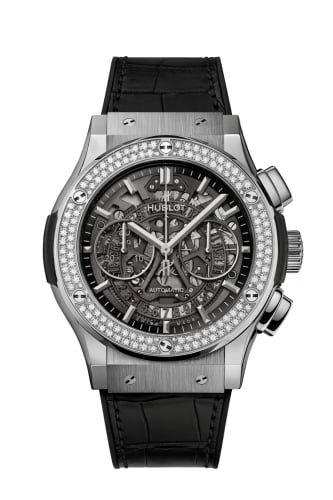
Hublot
Classic Fusion 45 Aerofusion Chronograph Titanium / Diamond
Ref. 525-NX-0170-LR-1104
CN/A
EN/A
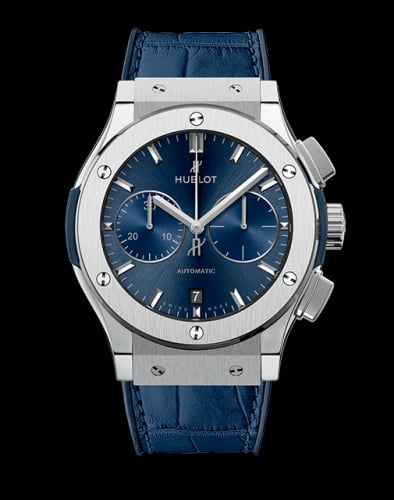
Hublot
Classic Fusion 45 Chronograph Titanium / Blue / Alligator
Ref. 521-NX-7170-LR
CN/A
EN/A
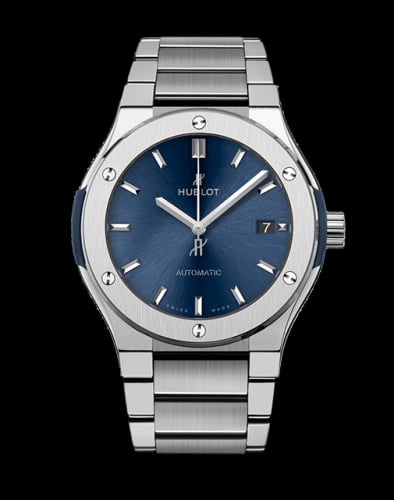
Hublot
Classic Fusion 45 Titanium / Blue / Bracelet
Ref. 510-NX-7170-NX
CN/A
EN/A
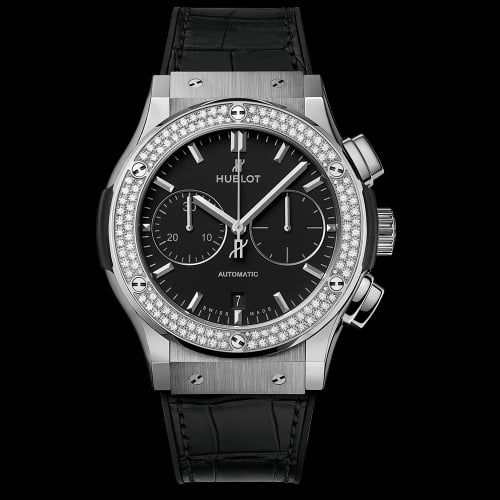
Hublot
Classic Fusion 45 Chronograph Titanium / Diamonds
Ref. 521-NX-1171-LR-1104
CN/A
EN/A
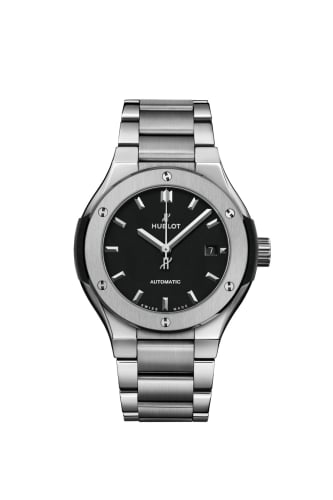
Hublot
Classic Fusion 33 Titanium / Black / Bracelet
Ref. 585-NX-1170-NX
CN/A
EN/A
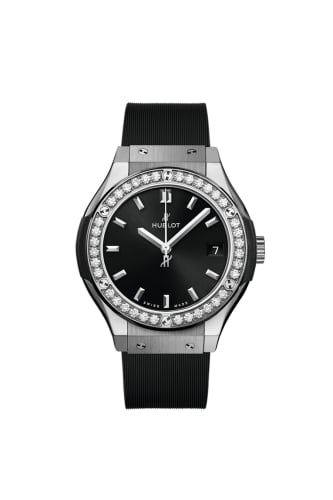
Hublot
Classic Fusion 33 Titanium - Diamond / Black / Rubber
Ref. 581-NX-1470-RX-1104
CN/A
EN/A
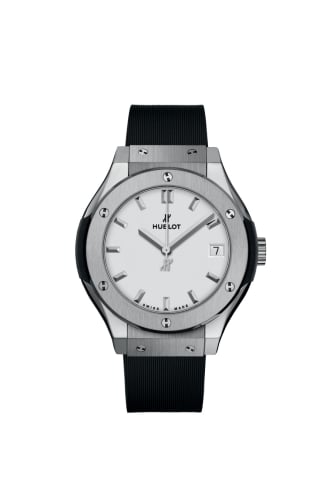
Hublot
Classic Fusion 33 Titanium / Opaline / Rubber
Ref. 581-NX-2611-RX
CN/A
EN/A
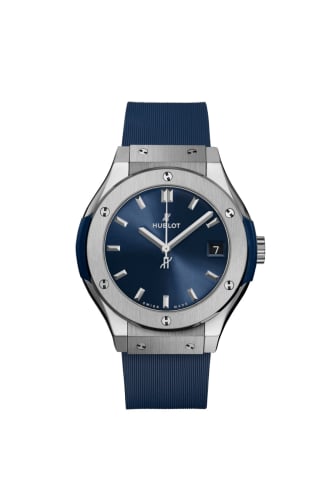
Hublot
Classic Fusion 33 Titanium / Blue / Rubber
Ref. 581-NX-7170-RX
CN/A
EN/A
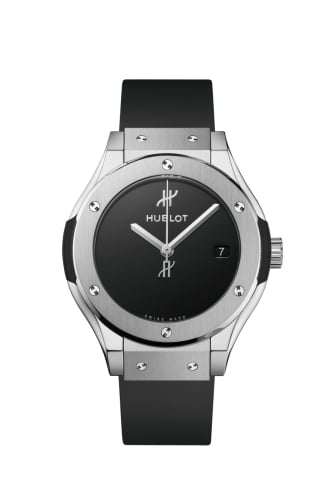
Hublot
Classic Fusion Original 38 Titanium / Black
Ref. 565-NX-1270-RX-MDM
CN/A
EN/A
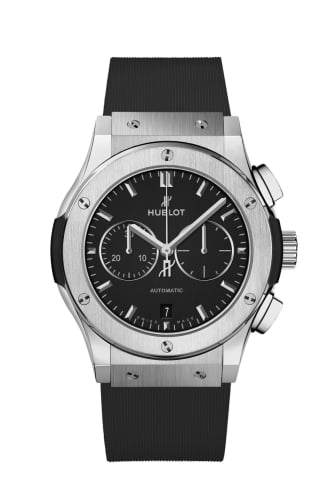
Hublot
Classic Fusion 42 Chronograph Titanium / Black / Rubber
Ref. 541-NX-1171-RX
CN/A
EN/A
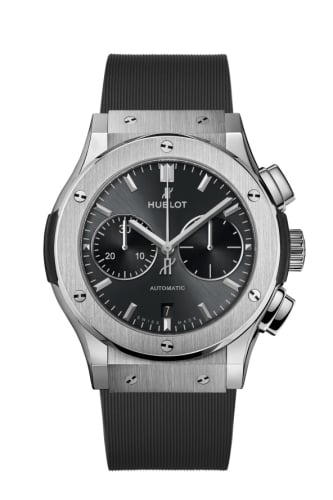
Hublot
Classic Fusion 45 Chronograph Titanium / Racing Grey / Rubber
Ref. 521-NX-7071-RX
CN/A
EN/A
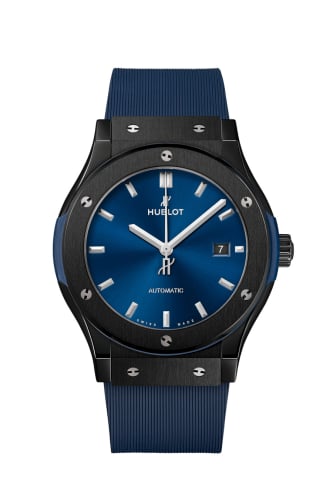
Hublot
Classic Fusion 42 Ceramic / Blue / Rubber
Ref. 542-CM-7170-RX
CN/A
EN/A
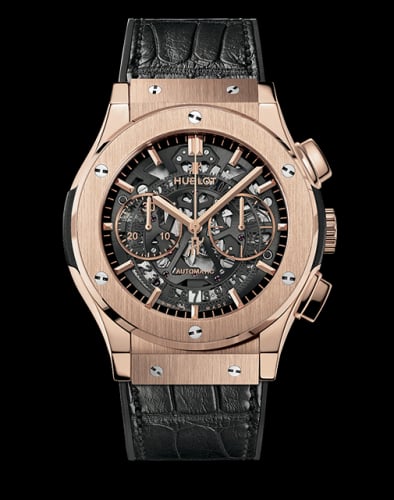
Hublot
Classic Fusion 45 Aerofusion Chronograph King Gold
Ref. 525-OX-0180-LR
CN/A
EN/A
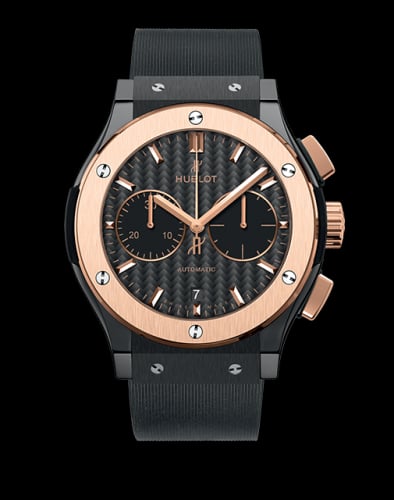
Hublot
Classic Fusion 45 Chronograph Ceramic - King Gold / Black
Ref. 521-CO-1781-RX
CN/A
EN/A
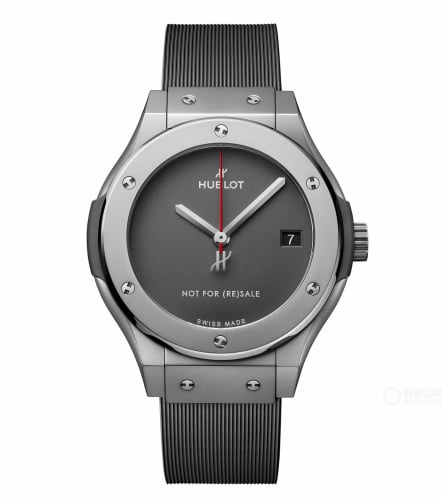
Hublot
Classic Fusion Hodinkee Not For (Re-) Sale
Ref. 565-NX-8070-RX-HDK23
CN/A
EN/A
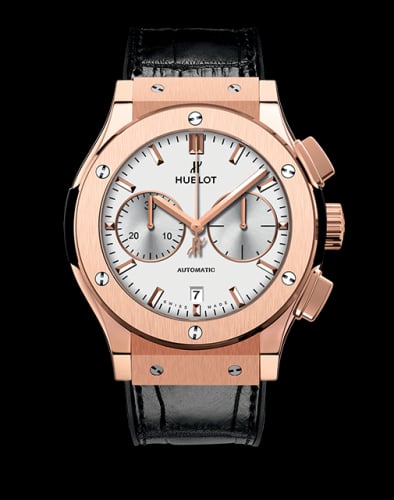
Hublot
Classic Fusion 45 Chronograph King Gold / Opalin
Ref. 521-OX-2611-LR
CN/A
EN/A
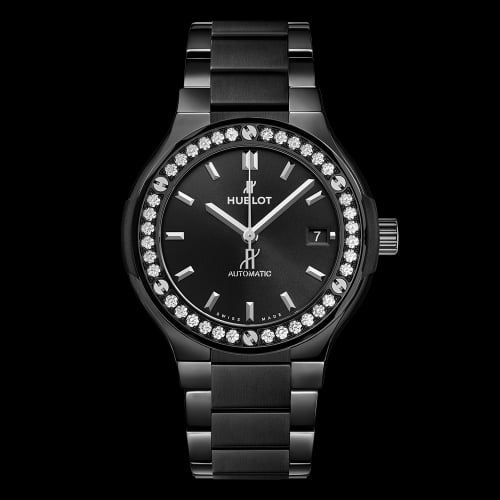
Hublot
Classic Fusion 38 Black Magic - Diamond / Bracelet
Ref. 568-CM-1470-CM-1204
CN/A
EN/A
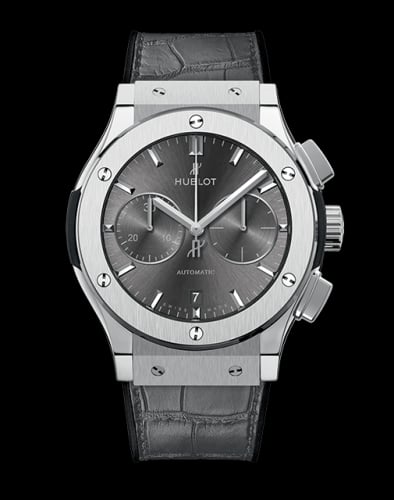
Hublot
Classic Fusion 45 Chronograph Titanium / Racing Grey
Ref. 521-NX-7071-LR
CN/A
EN/A
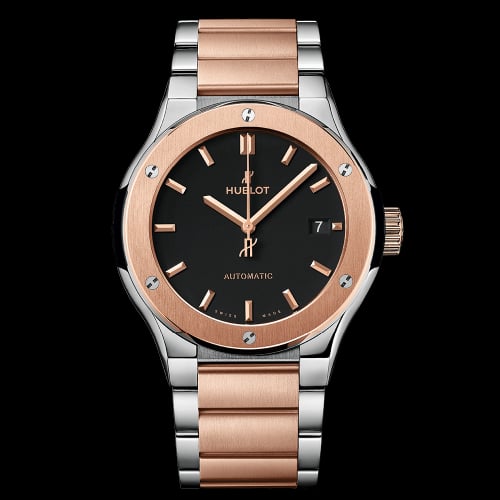
Hublot
Classic Fusion 45 Titanium - King Gold Bracelet
Ref. 510-NO-1180-NO
CN/A
EN/A
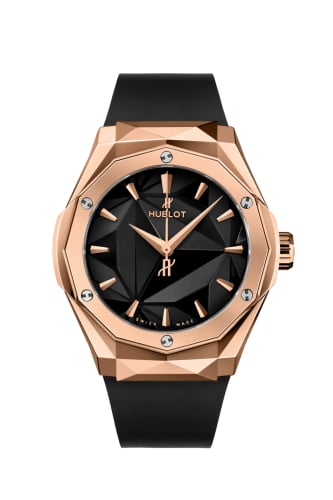
Hublot
Classic Fusion Orlinski 40 King Gold / Black / Rubber
Ref. 550-OS-1800-RX-ORL19
CN/A
EN/A
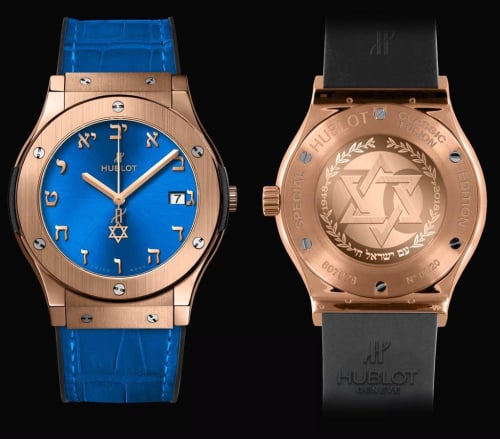
Hublot
Classic Fusion 45 King Gold / Blue / 70th Anniversary Israel
Ref. 511-OX-7170-LR-ISL18
CN/A
EN/A
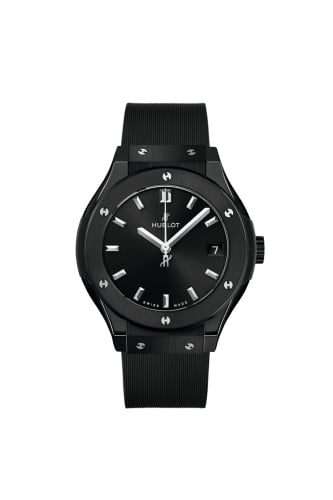
Hublot
Classic Fusion 33 Black Magic
Ref. 581-CM-1470-RX
CN/A
EN/A
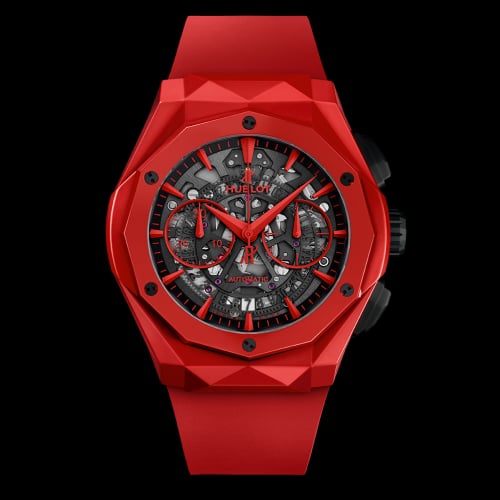
Hublot
Classic Fusion 45 Aerofusion Chronograph Orlinski Red Ceramic
Ref. 525-CF-0130-RX-ORL19
CN/A
EN/A
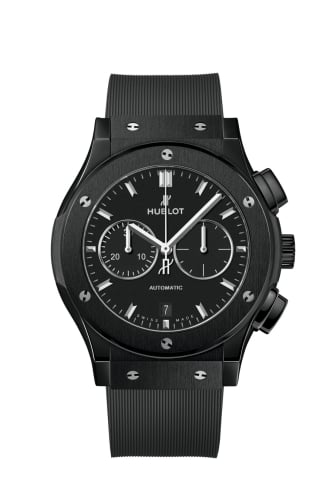
Hublot
Classic Fusion 42 Chronograph Ceramic / Black / Alligator
Ref. 541-CM-1171-RX
CN/A
EN/A
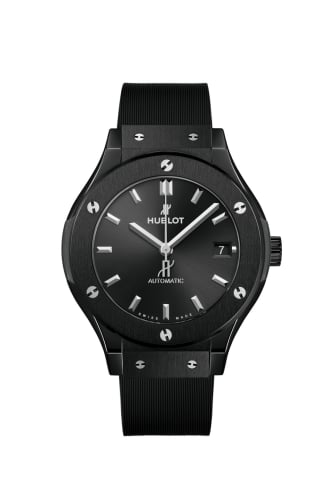
Hublot
Classic Fusion 38 Black Magic
Ref. 565-CM-1470-RX
CN/A
EN/A
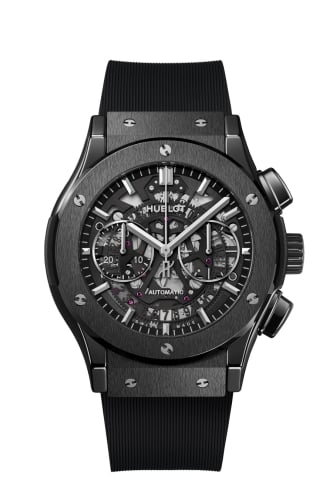
Hublot
Classic Fusion 45 Aerofusion Chronograph Black Magic
Ref. 525-CM-0170-RX
CN/A
EN/A
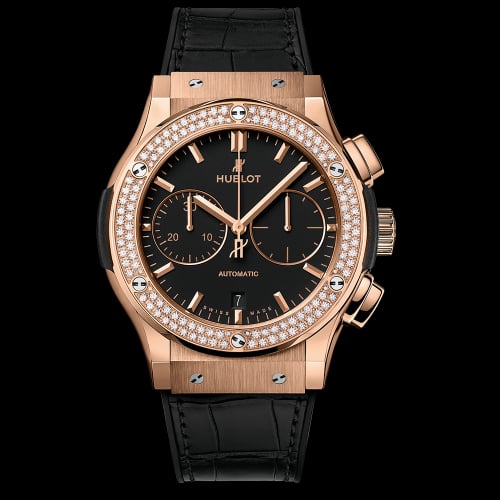
Hublot
Classic Fusion 45 Chronograph King Gold / Diamonds
Ref. 521-OX-1181-LR-1104
CN/A
EN/A
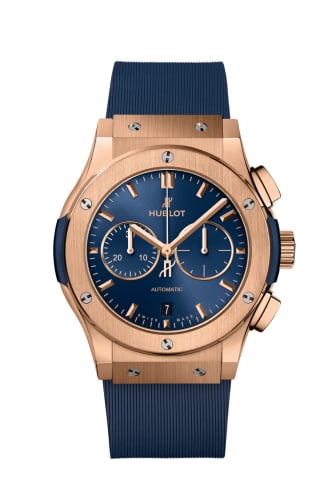
Hublot
Classic Fusion 42 Chronograph King Gold / Blue / Rubber
Ref. 541-OX-7180-RX
CN/A
EN/A
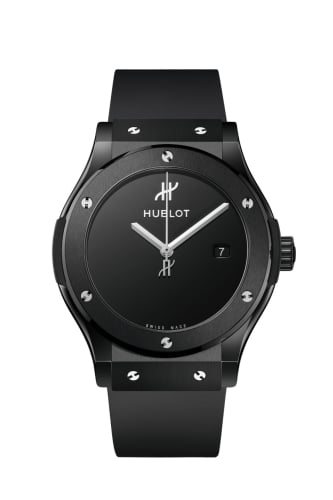
Hublot
Classic Fusion Original 42 Black Magic
Ref. 542-CX-1270-RX-MDM
CN/A
EN/A
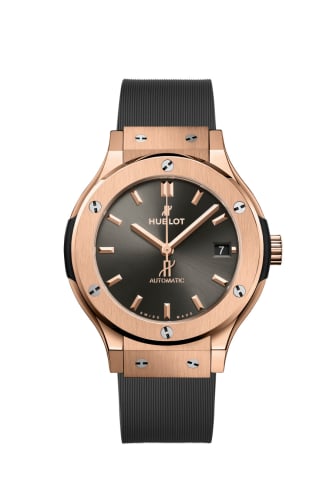
Hublot
Classic Fusion 38 King Gold / Racing Grey / Rubber
Ref. 565-OX-7081-RX
CN/A
EN/A
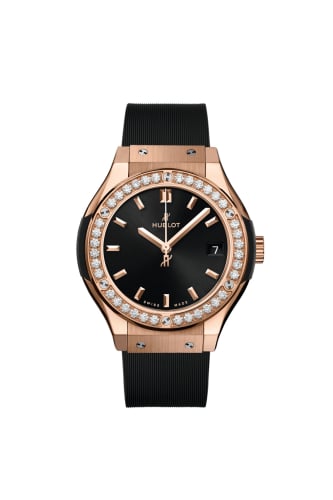
Hublot
Classic Fusion 33 King Gold - Diamond / Black / Rubber
Ref. 581-OX-1480-RX-1104
CN/A
EN/A
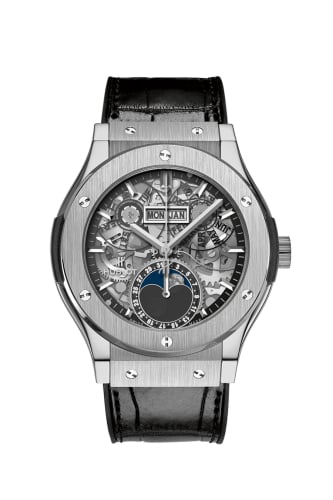
Hublot
Classic Fusion Aerofusion Moonphase Titanium / Alligator
Ref. 547-NX-0170-LR
CN/A
EN/A
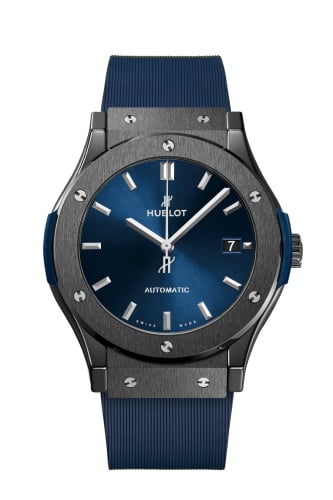
Hublot
Classic Fusion 45 Ceramic / Blue / Rubber
Ref. 511-CM-7170-RX
CN/A
EN/A
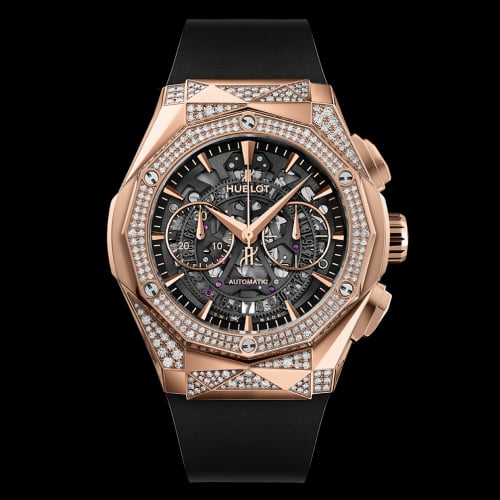
Hublot
Classic Fusion 45 Aerofusion Chronograph Orlinski King Gold Alternative Pavé
Ref. 525-OX-0180-RX-1804-ORL19
CN/A
EN/A
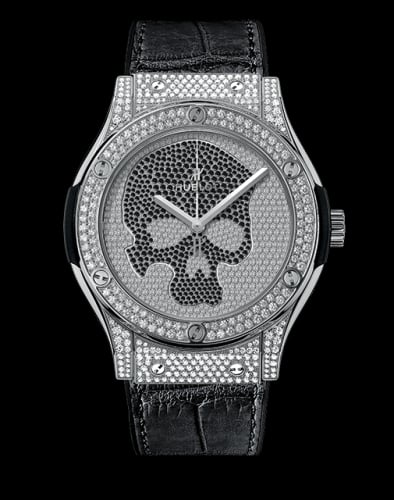
Hublot
Classic Fusion 45 Skull Full Pavé
Ref. 511-NX-9000-LR-1704-SKULL
CN/A
EN/A
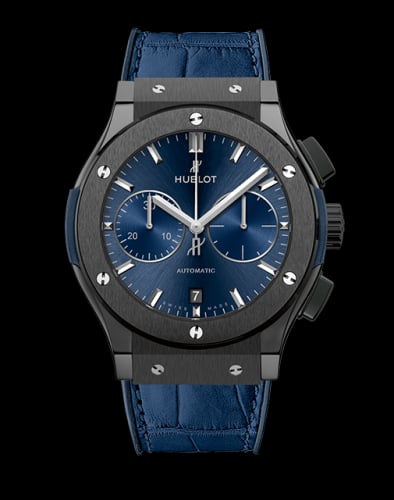
Hublot
Classic Fusion 45 Chronograph Ceramic / Blue
Ref. 521-CM-7170-LR
CN/A
EN/A
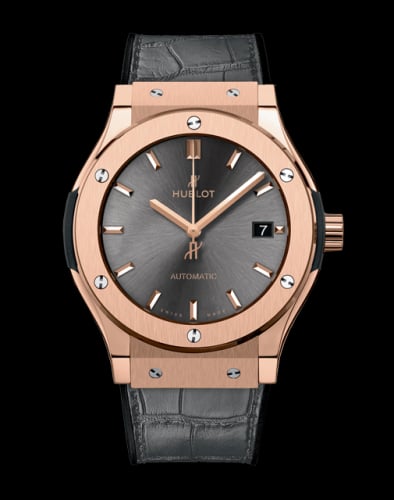
Hublot
Classic Fusion 45 King Gold / Racing Grey
Ref. 511-OX-7081-LR
CN/A
EN/A
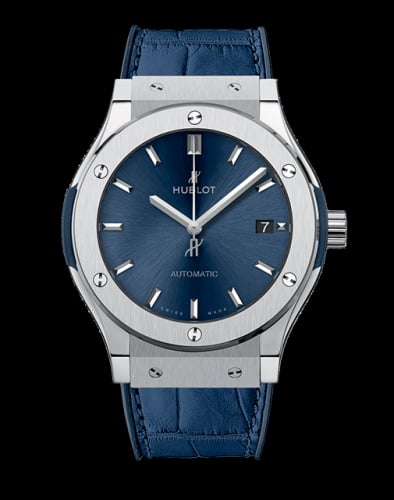
Hublot
Classic Fusion 45 Titanium / Blue
Ref. 511-NX-7170-LR
CN/A
EN/A
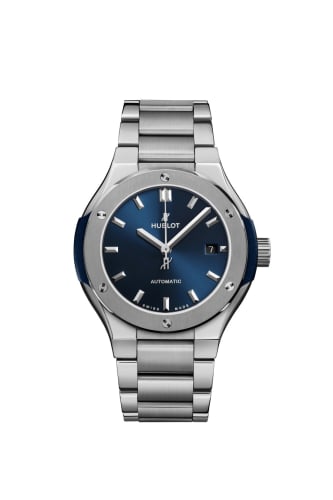
Hublot
Classic Fusion 33 Titanium / Blue / Bracelet
Ref. 585-NX-7170-NX
CN/A
EN/A
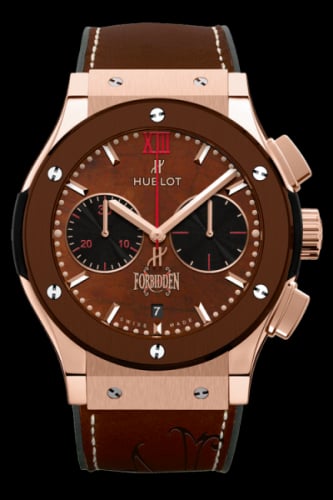
Hublot
Classic Fusion 45 Chronograph Forbiden X King Gold
Ref. 521-OC-0589-VR-OPX14
CN/A
EN/A
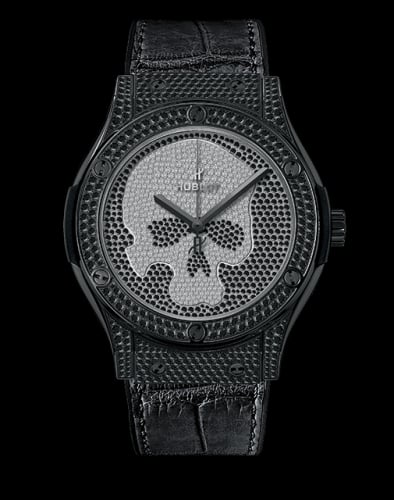
Hublot
Classic Fusion 45 Skull Black Full Pavé
Ref. 511-ND-9100-LR-1700-SKULL
CN/A
EN/A
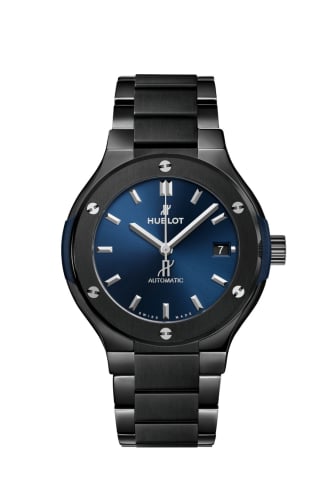
Hublot
Classic Fusion 38 Ceramic / Blue / Bracelet
Ref. 568-CM-7170-CM
CN/A
EN/A
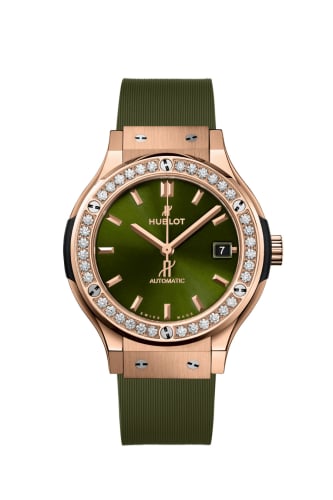
Hublot
Classic Fusion 38 King Gold - Diamond / Green / Rubber
Ref. 565-OX-8980-RX-1204
CN/A
EN/A
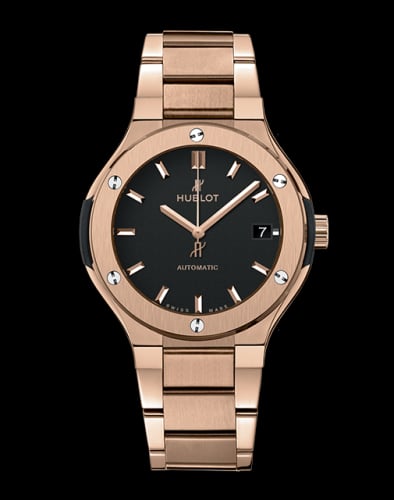
Hublot
Classic Fusion 38 King Gold / Black / Bracelet
Ref. 568-OX-1180-OX
CN/A
EN/A
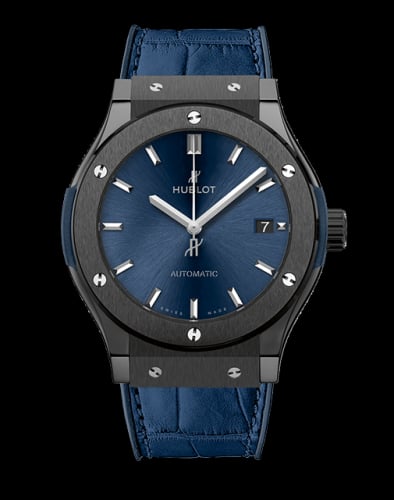
Hublot
Classic Fusion 45 Ceramic / Blue / Alligator
Ref. 511-CM-7170-LR
CN/A
EN/A
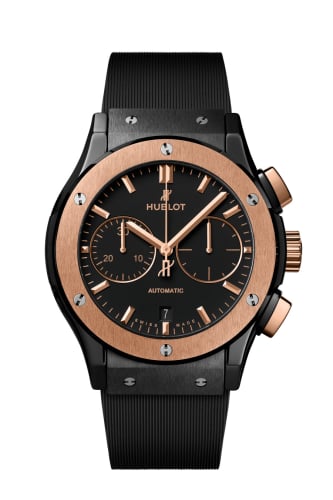
Hublot
Classic Fusion 45 Chronograph Ceramic - King Gold
Ref. 521-CO-1181-RX
CN/A
EN/A
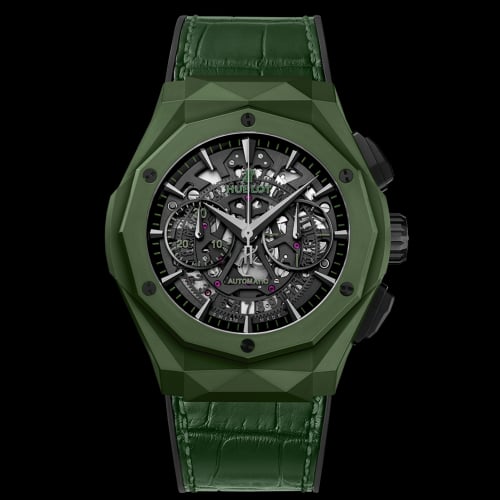
Hublot
Classic Fusion 45 Aerofusion Chronograph Orlinski Green Ceramic
Ref. 525-GX-0179-LR-ORL19
CN/A
EN/A
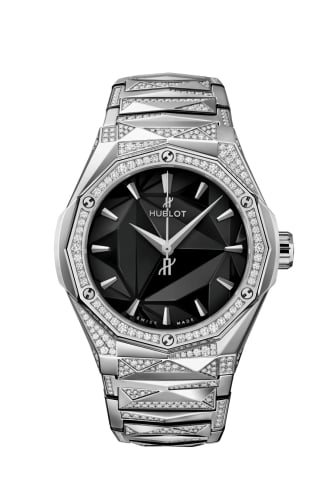
Hublot
Classic Fusion Orlinski 40 Titanium - Alternative Pavé / Black / Bracelet
Ref. 550-NS-1800-NS-3804-ORL22
CN/A
EN/A
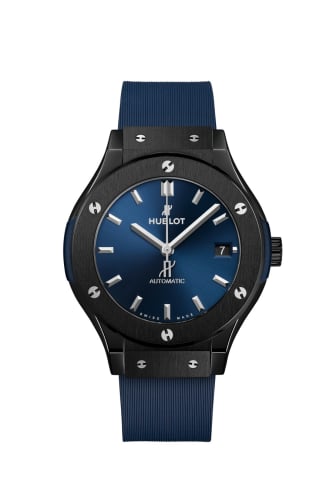
Hublot
Classic Fusion 38 Ceramic / Blue / Rubber
Ref. 565-CM-7170-RX
CN/A
EN/A
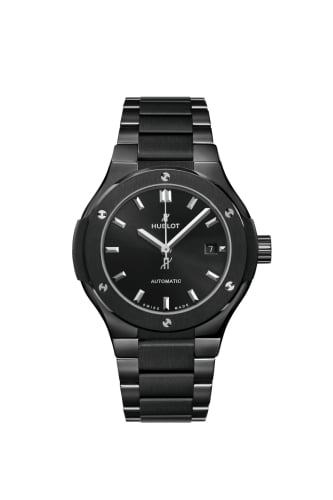
Hublot
Classic Fusion 33 Black Magic / Bracelet
Ref. 585-CM-1470-CM
CN/A
EN/A
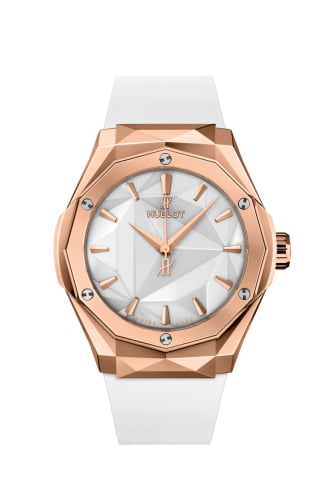
Hublot
Classic Fusion Orlinski 40 King Gold / White / Rubber
Ref. 550-OS-2200-RW-ORL20
CN/A
EN/A
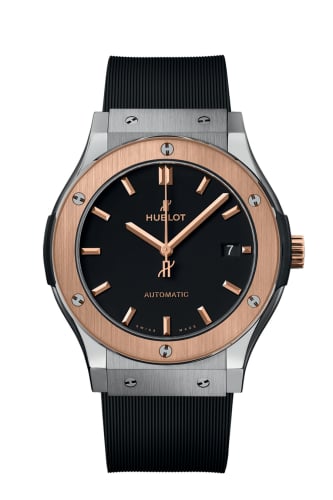
Hublot
Classic Fusion 45 Titanium - King Gold / Black / Rubber
Ref. 511-NO-1181-RX
CN/A
EN/A
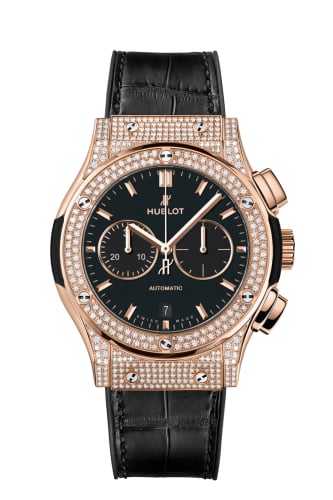
Hublot
Classic Fusion 42 Chronograph King Gold - Pavé / Black / Alligator
Ref. 541-OX-1181-LR-1704
CN/A
EN/A
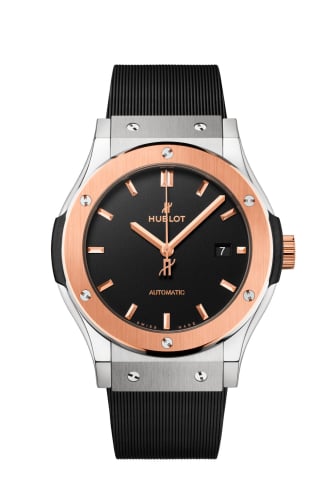
Hublot
Classic Fusion 42 Titanium - King Gold / Black / Rubber
Ref. 542-NO-1181-RX
CN/A
EN/A
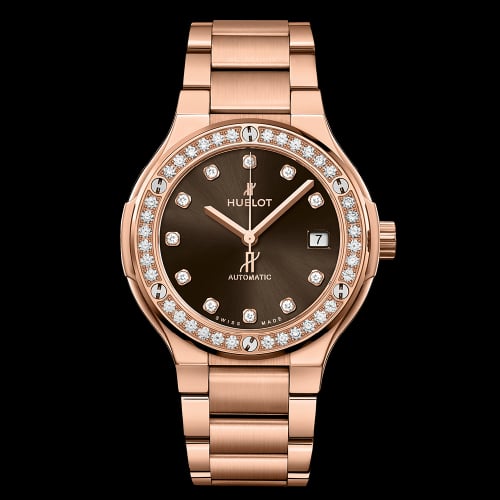
Hublot
Classic Fusion 38 King Gold - Diamond / Brown / Bracelet
Ref. 568-OX-898M-OX-1204
CN/A
EN/A
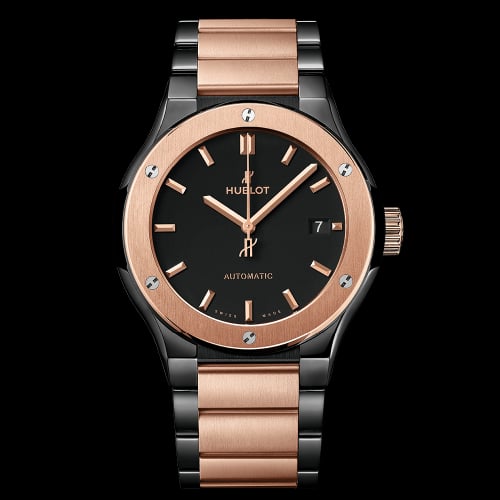
Hublot
Classic Fusion 45 Ceramic - King Gold / Black / Bracelet
Ref. 510-CO-1180-CO
CN/A
EN/A
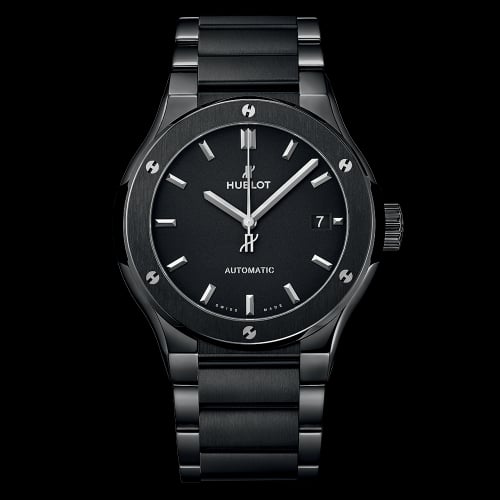
Hublot
Classic Fusion 45 Black Magic / Bracelet
Ref. 510-CM-1170-CM
CN/A
EN/A
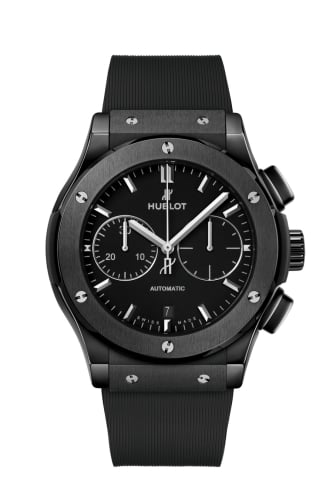
Hublot
Classic Fusion 45 Chronograph Black Magic
Ref. 521-CM-1171-RX
CN/A
EN/A
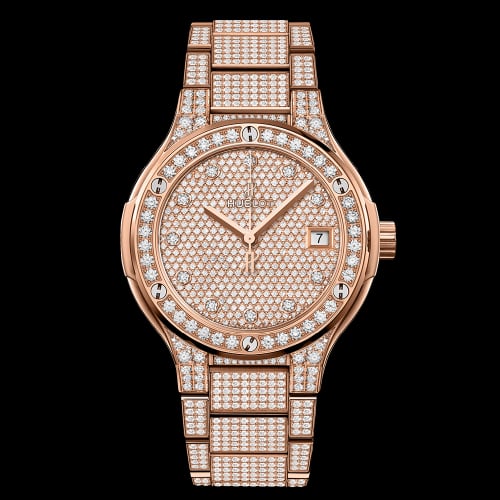
Hublot
Classic Fusion 38 King Gold - Full Pavé
Ref. 568-OX-9000-OX-3604
CN/A
EN/A
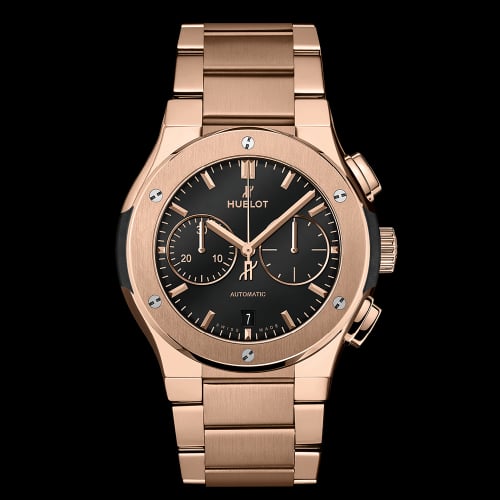
Hublot
Classic Fusion 42 Chronograph King Gold / Black / Bracelet
Ref. 540-OX-1180-OX
CN/A
EN/A
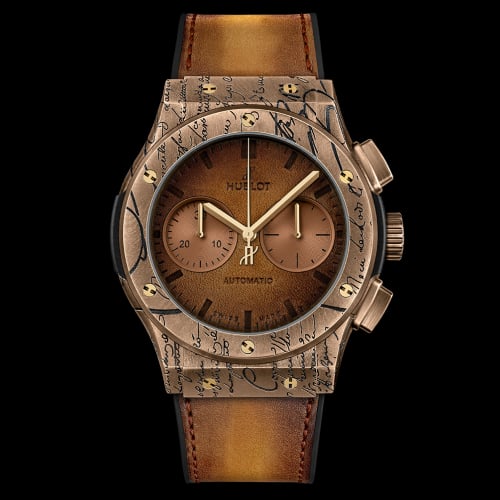
Hublot
Classic Fusion 45 Chronograph Berluti Cold Gold
Ref. 521-BZ-05IG-VR-BER19
CN/A
EN/A
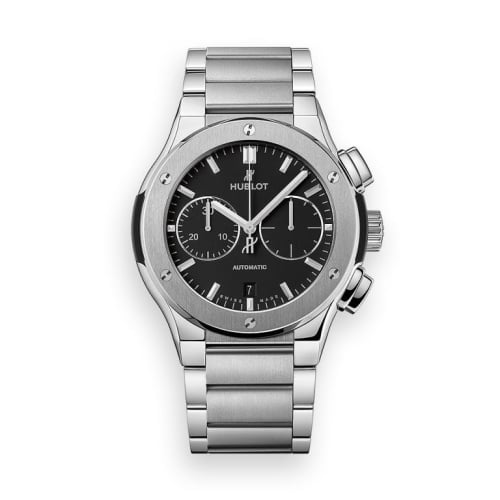
Hublot
Classic Fusion 45 Chronograph Titanium / Black / Bracelet
Ref. 520-NX-1170-NX
CN/A
EN/A
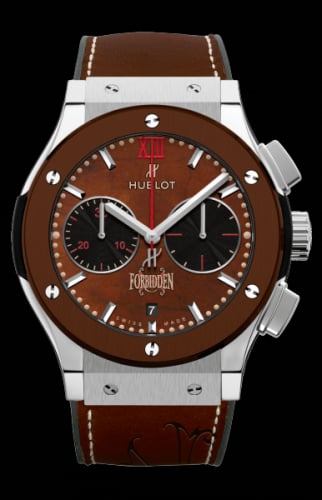
Hublot
Classic Fusion 45 Chronograph Forbiden X Titanium
Ref. 521-NC-0589-VR-OPX14
CN/A
EN/A
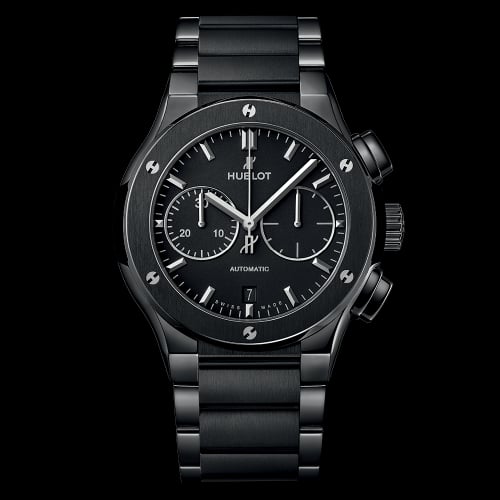
Hublot
Classic Fusion 45 Chronograph Black Magic / Bracelet
Ref. 520-CM-1170-CM
CN/A
EN/A
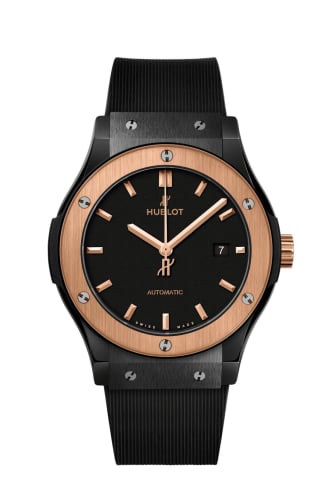
Hublot
Classic Fusion 42 Ceramic - King Gold / Black / Rubber
Ref. 542-CO-1181-RX
CN/A
EN/A
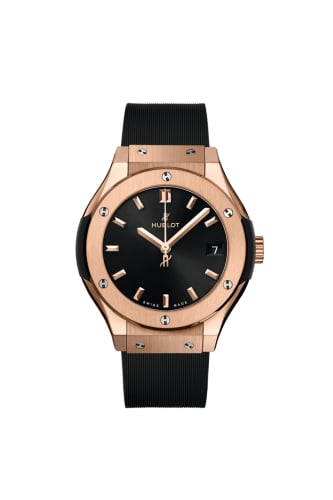
Hublot
Classic Fusion 33 King Gold / Black / Rubber
Ref. 581-OX-1480-RX
CN/A
EN/A
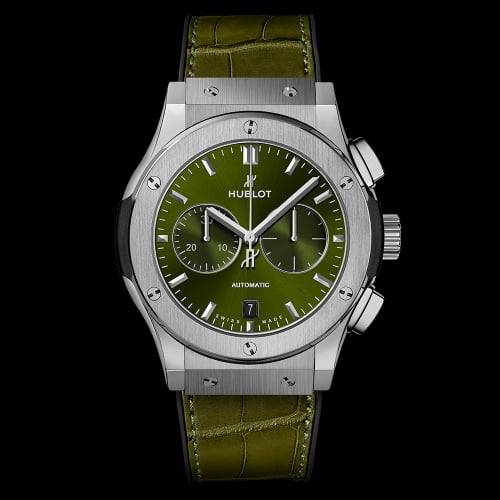
Hublot
Classic Fusion 42 Chronograph Titanium / Green / Alligator
Ref. 541-NX-8970-LR
CN/A
EN/A
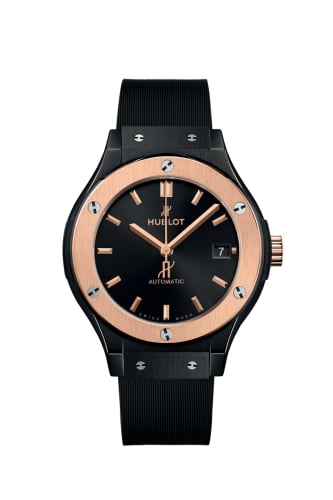
Hublot
Classic Fusion 38 Ceramic - King Gold / Black / Rubber
Ref. 565-CO-1480-RX
CN/A
EN/A
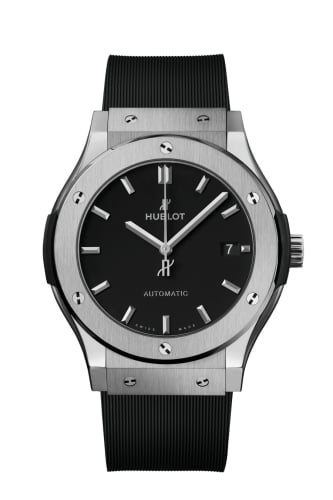
Hublot
Classic Fusion 45 Titanium / Black / Rubber
Ref. 511-NX-1171-RX
CN/A
EN/A
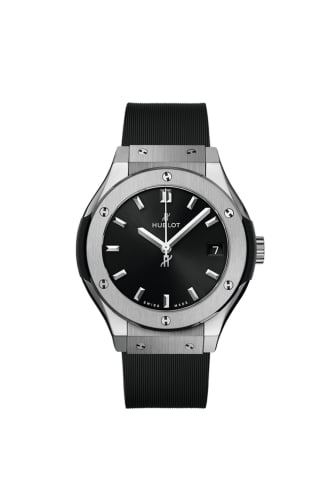
Hublot
Classic Fusion 33 Titanium / Black / Rubber
Ref. 581-NX-1470-RX
CN/A
EN/A
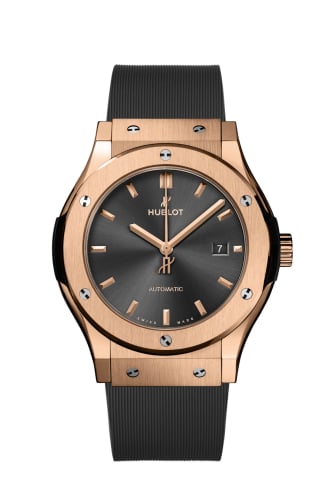
Hublot
Classic Fusion 42 King Gold / Racing Grey / Rubber
Ref. 542-OX-7081-RX
CN/A
EN/A
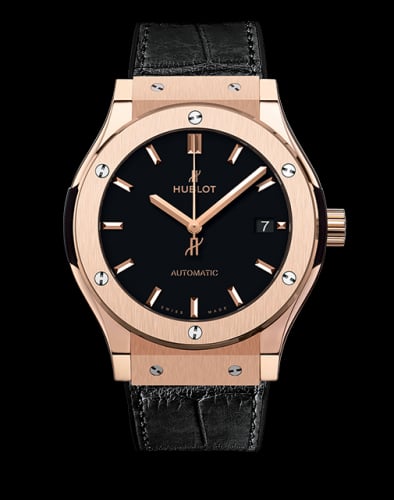
Hublot
Classic Fusion 45 King Gold / Black
Ref. 511-OX-1181-LR
CN/A
EN/A
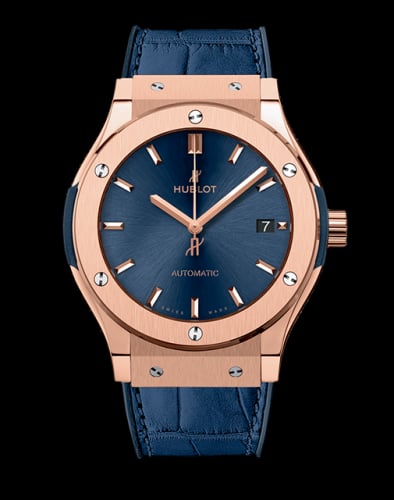
Hublot
Classic Fusion 45 King Gold / Blue
Ref. 511-OX-7180-LR
CN/A
EN/A
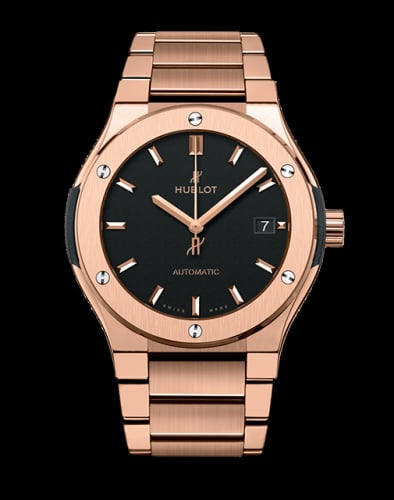
Hublot
Classic Fusion 45 King Gold / Black / Bracelet
Ref. 510-OX-1180-OX
CN/A
EN/A
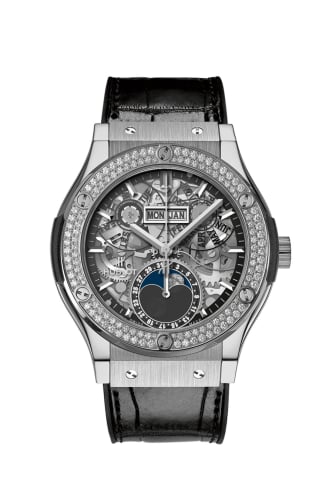
Hublot
Classic Fusion Aerofusion Moonphase Titanium - Diamond / Alligator
Ref. 547-NX-0170-LR-1104
CN/A
EN/A
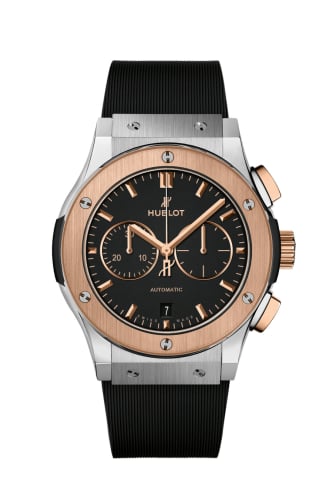
Hublot
Classic Fusion 42 Chronograph Titanium - King Gold / Black / Rubber
Ref. 541-NO-1181-RX
CN/A
EN/A
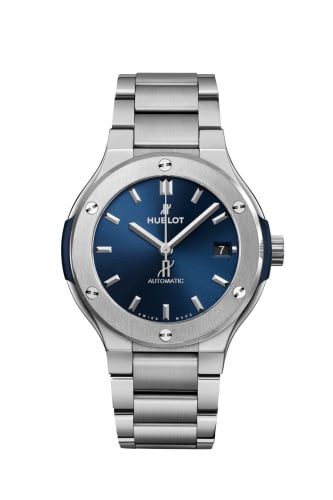
Hublot
Classic Fusion 38 Titanium / Blue / Bracelet
Ref. 568-NX-7170-NX
CN/A
EN/A
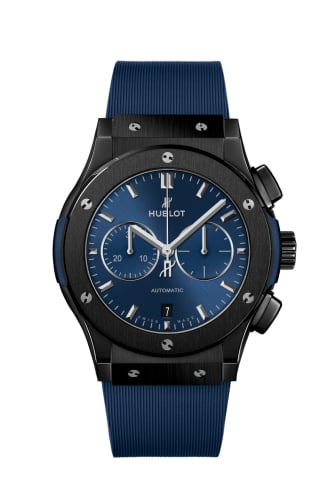
Hublot
Classic Fusion 42 Chronograph Ceramic / Blue / Rubber
Ref. 541-CM-7170-RX
CN/A
EN/A
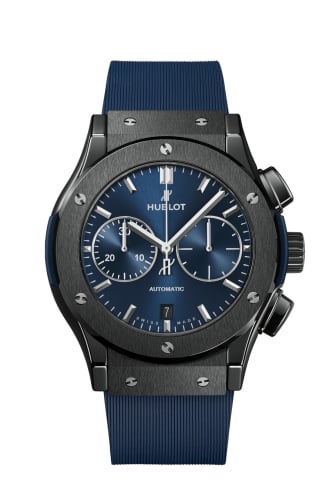
Hublot
Classic Fusion 45 Chronograph Ceramic / Blue / Rubber
Ref. 521-CM-7170-RX
CN/A
EN/A
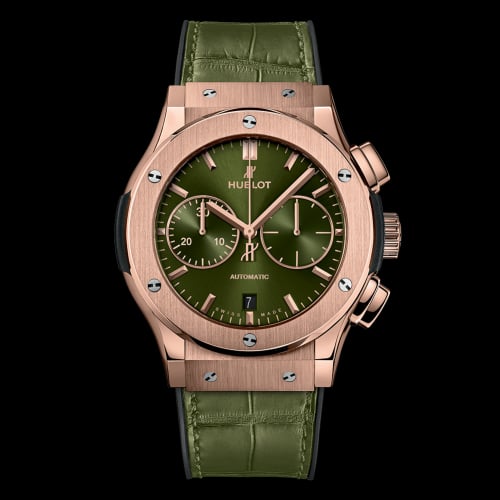
Hublot
Classic Fusion 45 Chronograph King Gold / Green
Ref. 521-OX-8980-LR
CN/A
EN/A
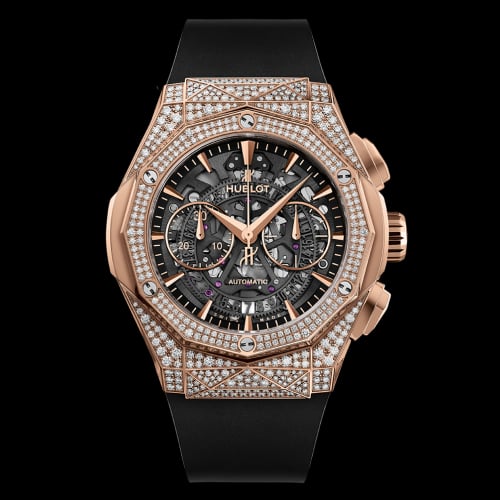
Hublot
Classic Fusion 45 Aerofusion Chronograph Orlinski King Gold Pavé
Ref. 525-OX-0180-RX-1704-ORL19
CN/A
EN/A
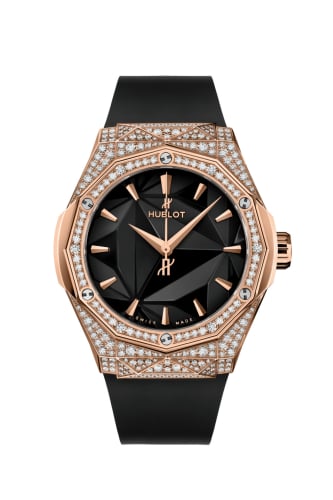
Hublot
Classic Fusion Orlinski 40 Kng Gold - Pavé / Black / Rubber
Ref. 550-OS-1800-RX-1604-ORL19
CN/A
EN/A
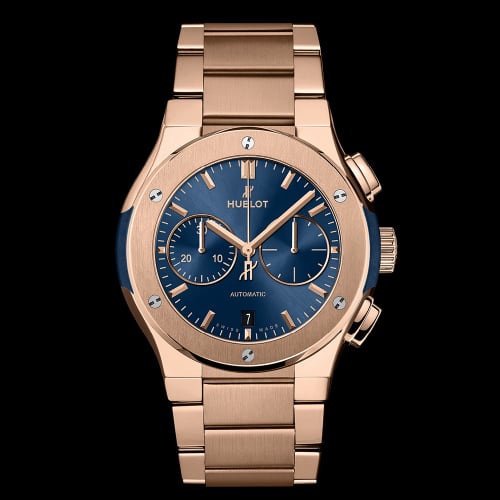
Hublot
Classic Fusion 42 Chronograph King Gold / Blue / Bracelet
Ref. 540-OX-7180-OX
CN/A
EN/A
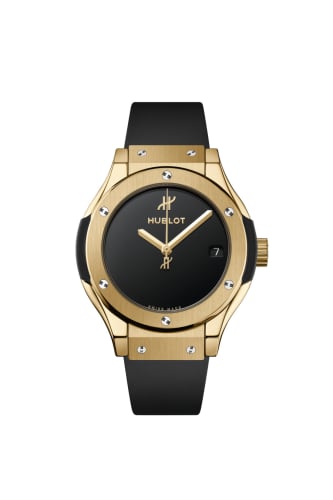
Hublot
Classic Fusion Original 33 Yellow Gold / Black
Ref. 581-VX-1230-RX-MDM
CN/A
EN/A
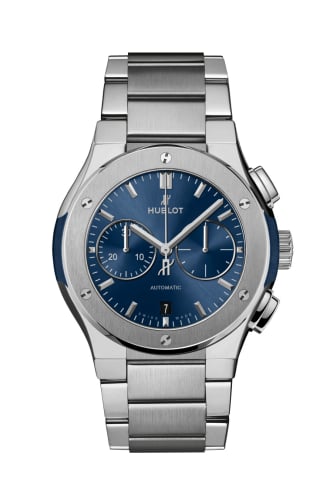
Hublot
Classic Fusion 42 Chronograph Titanium / Blue / Bracelet
Ref. 540-NX-7170-NX
CN/A
EN/A
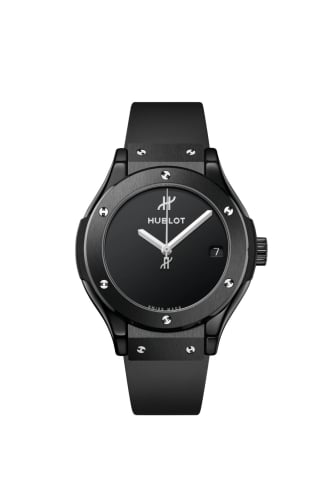
Hublot
Classic Fusion Original 33 Black Magic
Ref. 581-CX-1270-RX-MDM
CN/A
EN/A
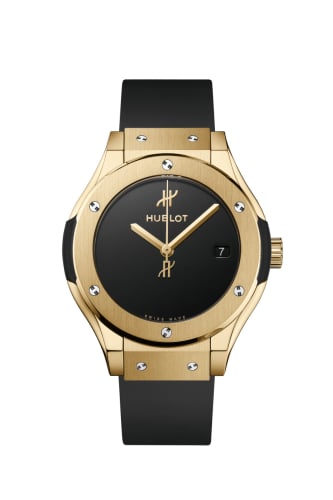
Hublot
Classic Fusion Original 38 Yellow Gold / Black
Ref. 565-VX-1230-RX-MDM
CN/A
EN/A
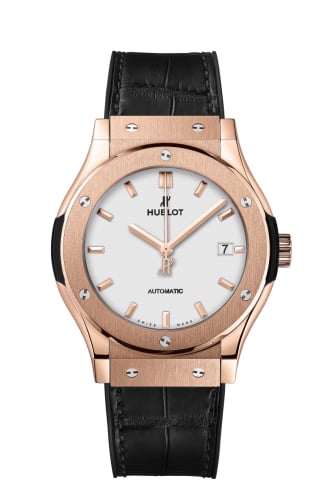
Hublot
Classic Fusion 42 King Gold / Opalin / Alligator
Ref. 542-OX-2611-LR
CN/A
EN/A
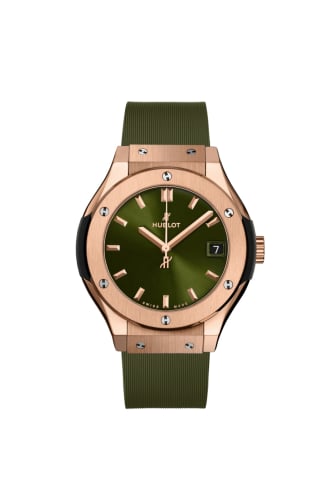
Hublot
Classic Fusion 33 King Gold / Green / Alligator
Ref. 581-OX-8980-RX
CN/A
EN/A
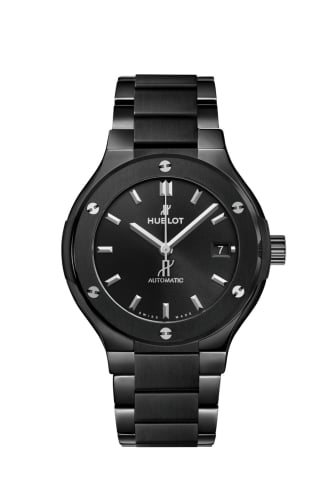
Hublot
Classic Fusion 38 Black Magic / Bracelet
Ref. 568-CM-1470-CM
CN/A
EN/A
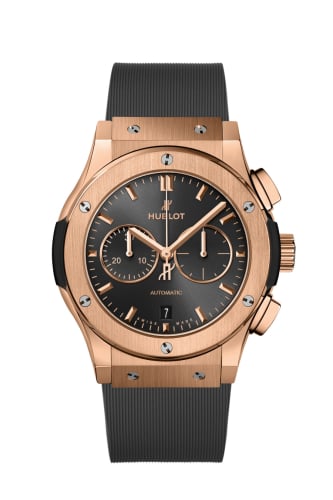
Hublot
Classic Fusion 42 Chronograph King Gold / Racing Grey / Rubber
Ref. 541-OX-7080-RX
CN/A
EN/A
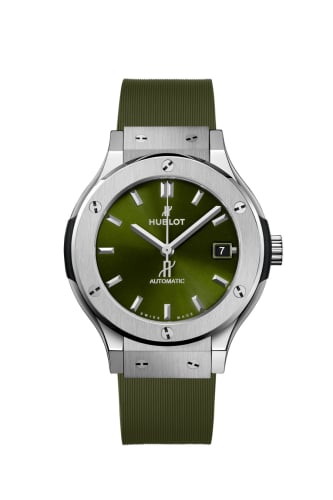
Hublot
Classic Fusion 38 Titanium / Green / Rubber
Ref. 565-NX-8970-RX
CN/A
EN/A
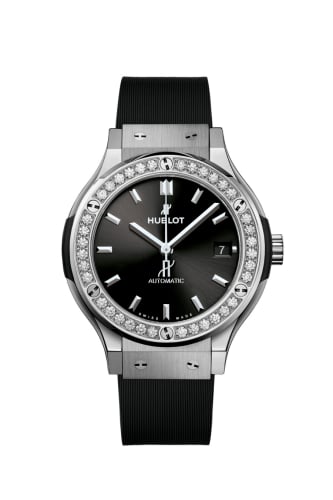
Hublot
Classic Fusion 38 Titanium - Diamond / Black / Rubber
Ref. 565-NX-1470-RX-1204
CN/A
EN/A
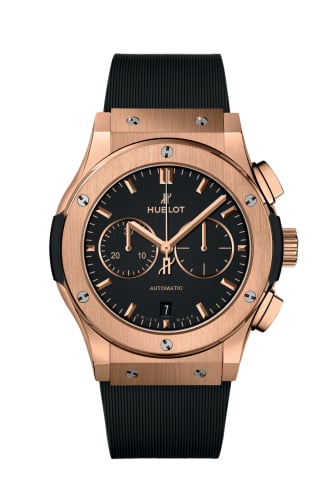
Hublot
Classic Fusion 42 Chronograph King Gold / Black / Rubber
Ref. 541-OX-1181-RX
CN/A
EN/A
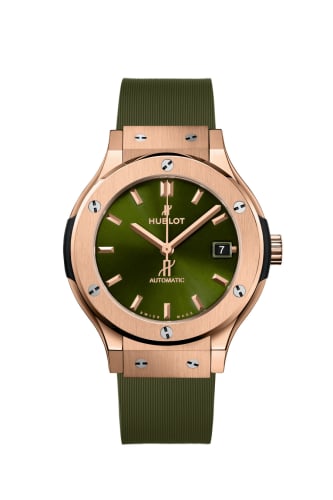
Hublot
Classic Fusion 38 King Gold / Green / Alligator
Ref. 565-OX-8980-RX
CN/A
EN/A
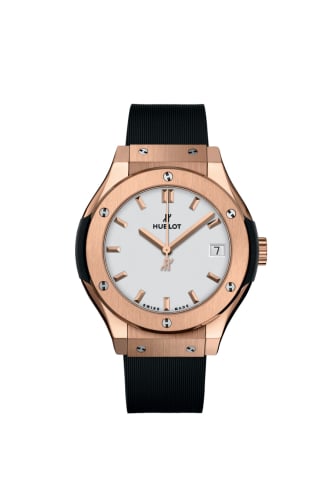
Hublot
Classic Fusion 33 King Gold / Opalin / Alligator
Ref. 581-OX-2611-RX
CN/A
EN/A
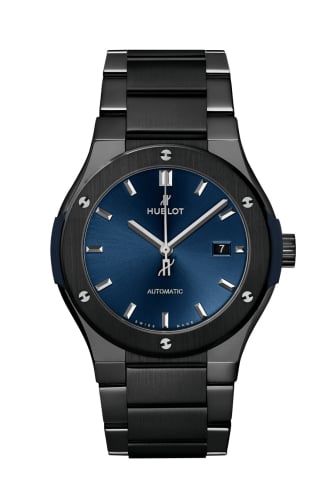
Hublot
Classic Fusion 42 Ceramic / Blue / Bracelet
Ref. 548-CM-7170-CM
CN/A
EN/A
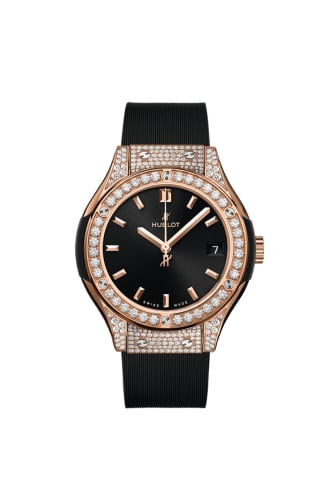
Hublot
Classic Fusion 33 King Gold - Pavé / Black / Rubber
Ref. 581-OX-1480-RX-1704
CN/A
EN/A
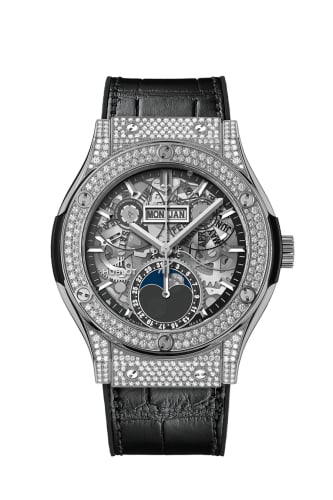
Hublot
Classic Fusion Aerofusion Moonphase Titanium - Pavé / Alligator
Ref. 547-NX-0170-LR-1704
CN/A
EN/A
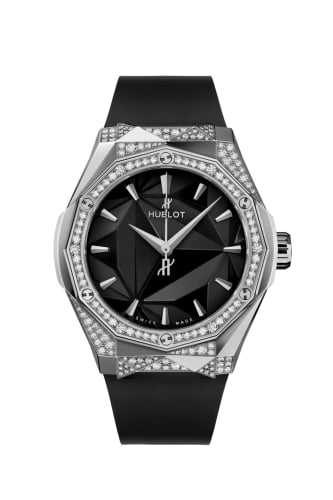
Hublot
Classic Fusion Orlinski 40 Titanium - Alternative Pavé / Black / Rubber
Ref. 550-NS-1800-RX-1804-ORL19
CN/A
EN/A
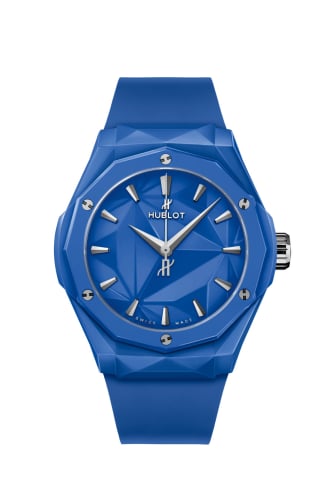
Hublot
Classic Fusion Orlinski 40 Blue Ceramic / Blue / Rubber
Ref. 550-ES-5100-RX-ORL21
CN/A
EN/A
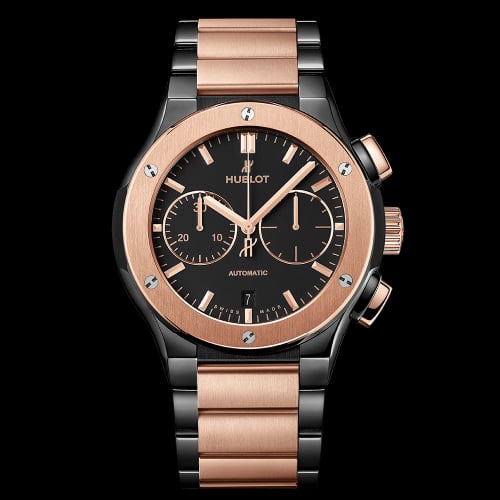
Hublot
Classic Fusion 45 Chronograph Ceramic - King Gold / Black / Bracelet
Ref. 520-CO-1180-CO
CN/A
EN/A
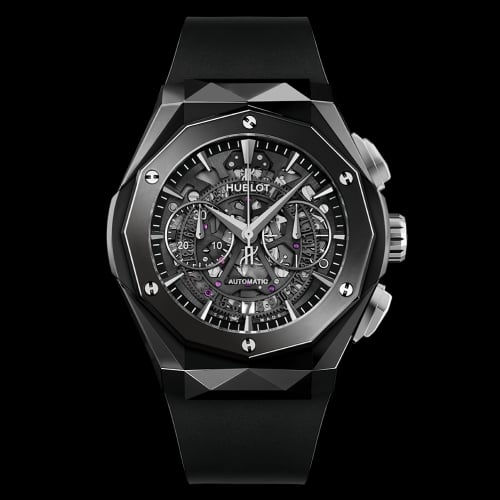
Hublot
Classic Fusion 45 Aerofusion Chronograph Orlinski Black Magic
Ref. 525-CS-0170-RX-ORL19
CN/A
EN/A
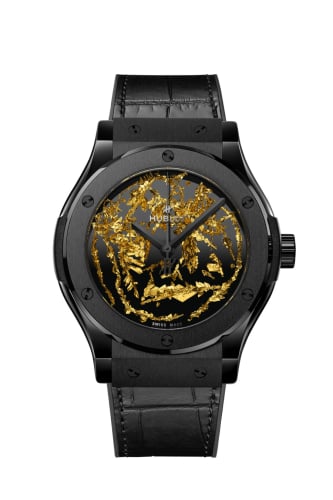
Hublot
Classic Fusion Gold Crystal 42 Ceramic
Ref. 542-CX-0660-LR
CN/A
EN/A
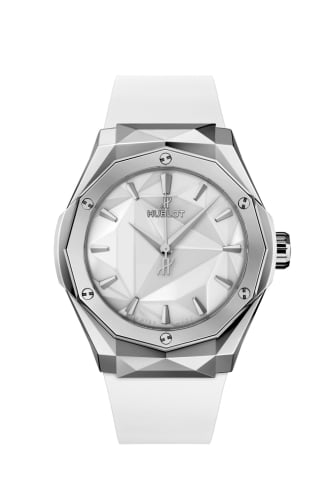
Hublot
Classic Fusion Orlinski 40 Titanium / White / Rubber
Ref. 550-NS-2200-RW-ORL20
CN/A
EN/A
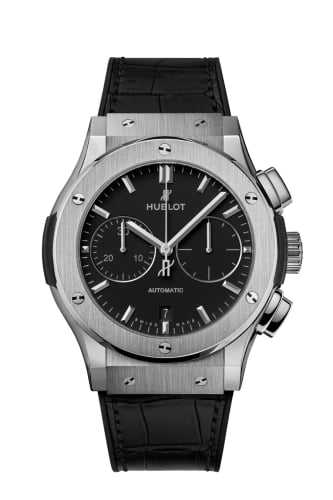
Hublot
Classic Fusion 45 Chronograph Titanium / Black / Alligator
Ref. 521-NX-1171-LR
CN/A
EN/A
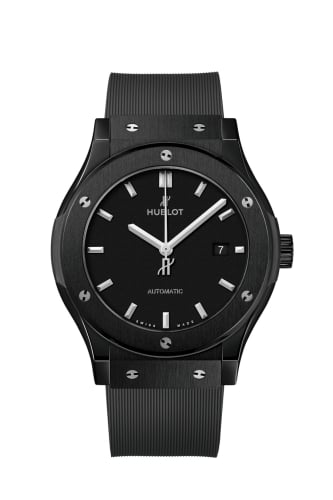
Hublot
Classic Fusion 42 Black Magic
Ref. 542-CM-1171-RX
CN/A
EN/A
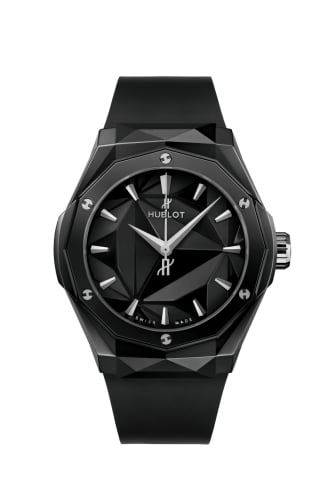
Hublot
Classic Fusion Orlinski 40 Black Magic
Ref. 550-CS-1800-RX-ORL21
CN/A
EN/A
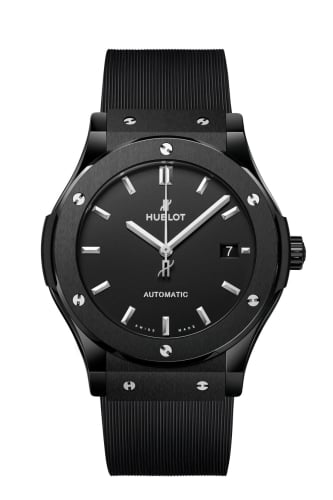
Hublot
Classic Fusion 45 Black Magic
Ref. 511-CM-1171-RX
CN/A
EN/A
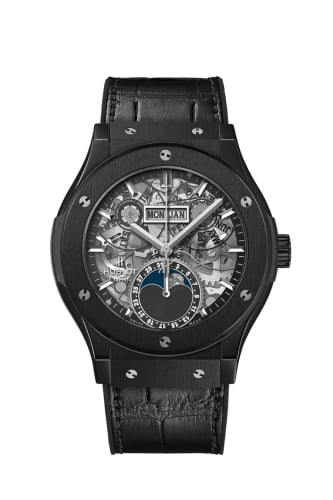
Hublot
Classic Fusion Aerofusion Moonphase Black Magic / Alligator
Ref. 547-CX-0170-LR
CN/A
EN/A
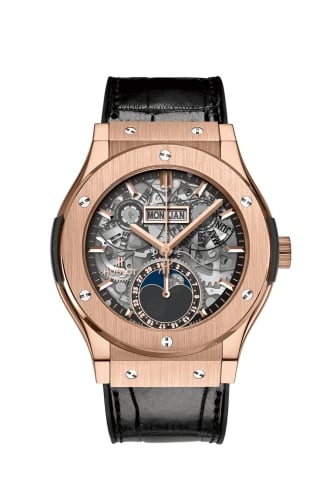
Hublot
Classic Fusion Aerofusion Moonphase King Gold / Alligator
Ref. 547-OX-0180-LR
CN/A
EN/A
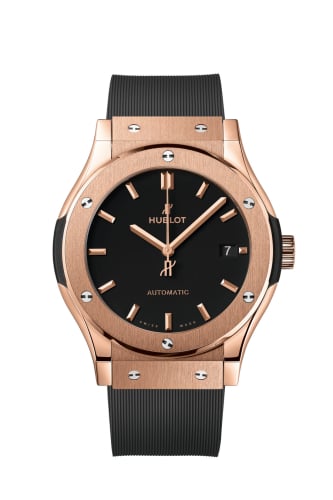
Hublot
Classic Fusion 42 King Gold / Black / Rubber
Ref. 542-OX-1181-RX
CN/A
EN/A
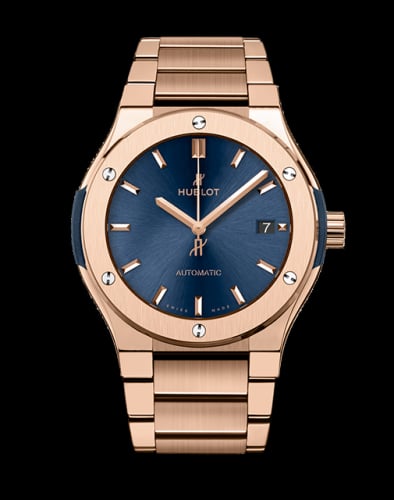
Hublot
Classic Fusion 45 King Gold / Blue / Bracelet
Ref. 510-OX-7180-OX
CN/A
EN/A
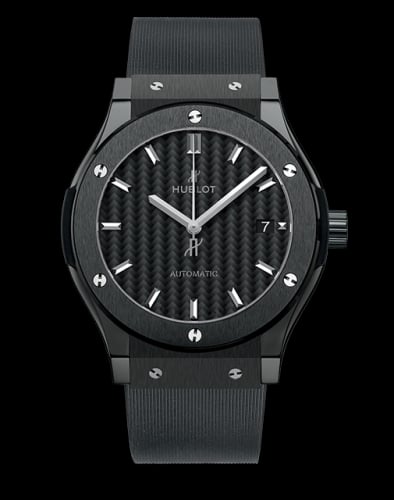
Hublot
Classic Fusion 45 Black Magic
Ref. 511-CM-1771-RX
CN/A
EN/A
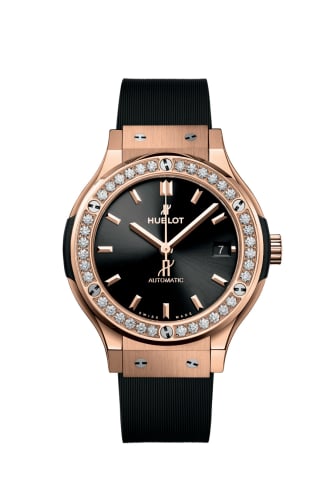
Hublot
Classic Fusion 38 King Gold - Diamond / Black / Rubber
Ref. 565-OX-1480-RX-1204
CN/A
EN/A
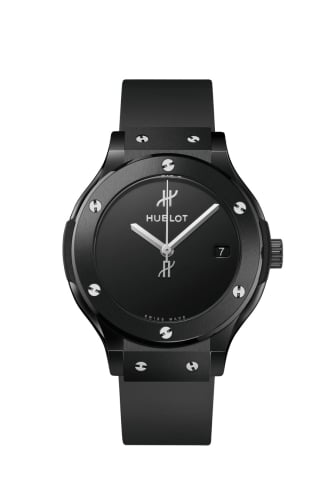
Hublot
Classic Fusion Original 38 Black Magic
Ref. 565-CX-1270-RX-MDM
CN/A
EN/A
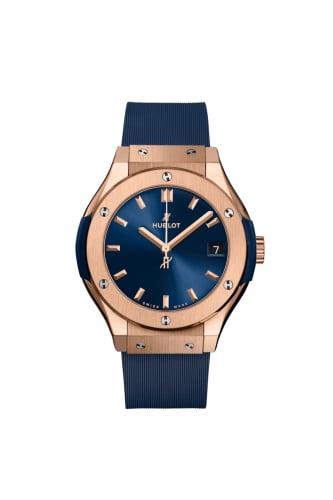
Hublot
Classic Fusion 33 King Gold / Blue / Alligator
Ref. 581-OX-7180-RX
CN/A
EN/A
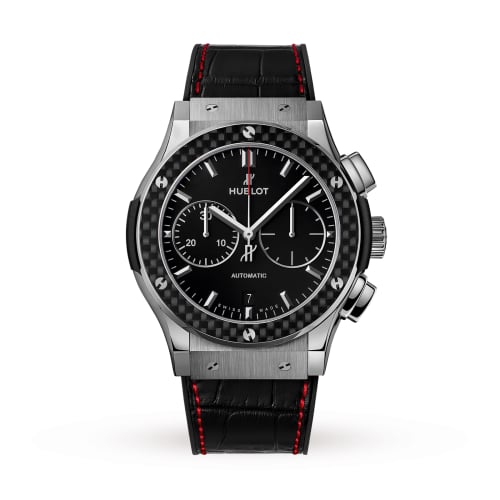
Hublot
Classic Fusion 45 Chronograph Titanium / Black / Watches of Switzerland
Ref. 521-NQ-1170-LR-AUM18
CN/A
EN/A
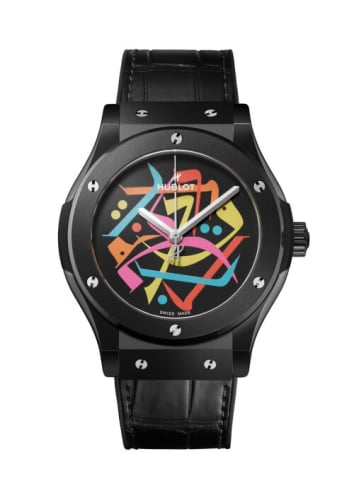
Hublot
Classic Fusion 42 Black Magic Dubai Watch Week
Ref. 542-CM-1199-LR-DWW23
CN/A
EN/A
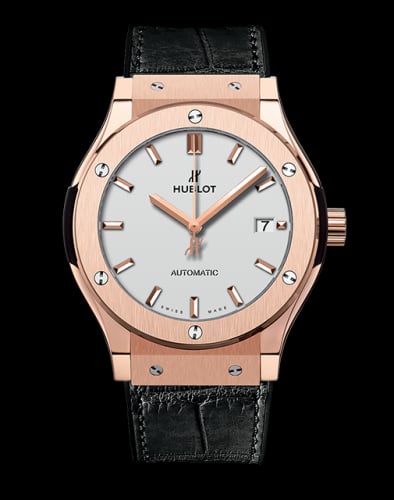
Hublot
Classic Fusion 45 King Gold / Opalin
Ref. 511-OX-2611-LR
CN/A
EN/A
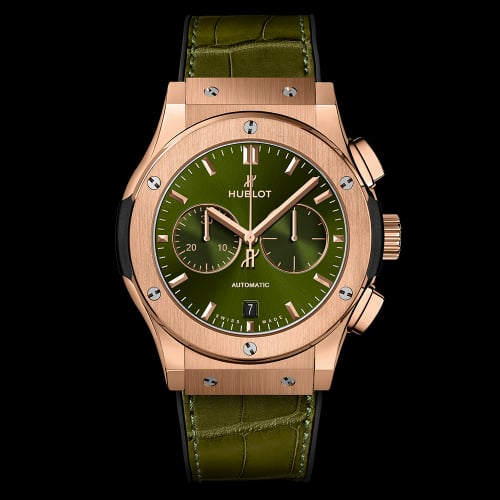
Hublot
Classic Fusion 42 Chronograph King Gold / Green / Alligator
Ref. 541-OX-8980-LR
CN/A
EN/A
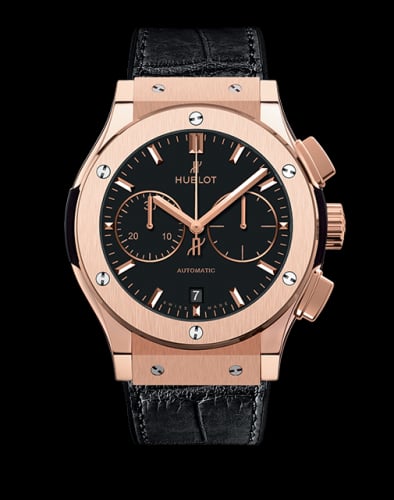
Hublot
Classic Fusion 45 Chronograph King Gold / Black
Ref. 521-OX-1181-LR
CN/A
EN/A
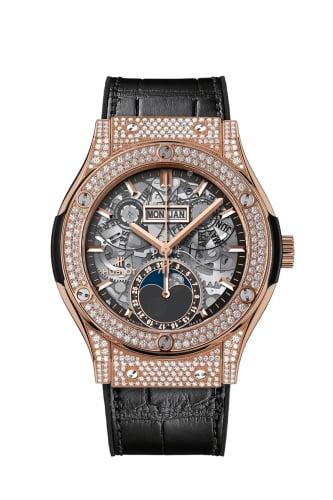
Hublot
Classic Fusion Aerofusion Moonphase King Gold - Pavé / Alligator
Ref. 547-OX-0180-LR-1704
CN/A
EN/A
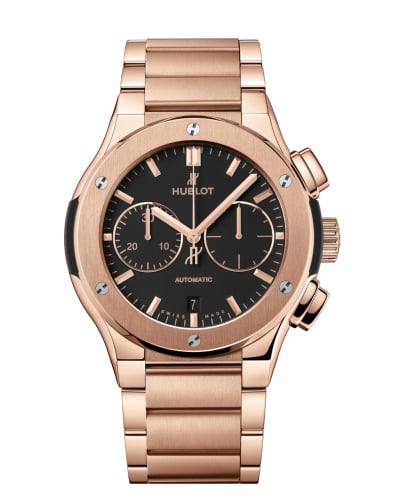
Hublot
Classic Fusion 45 Chronograph King Gold / Black / Bracelet
Ref. 520-OX-1180-OX
CN/A
EN/A
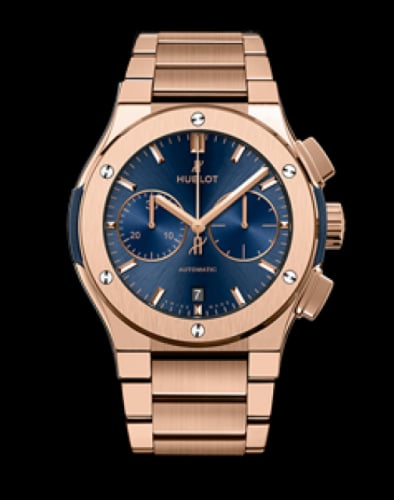
Hublot
Classic Fusion 45 Chronograph King Gold / Blue / Bracelet
Ref. 520-OX-7180-OX
CN/A
EN/A
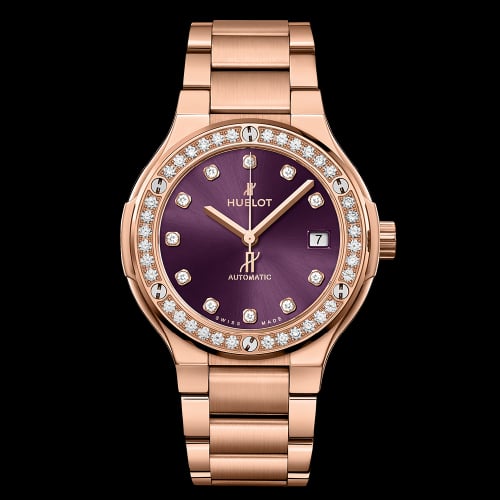
Hublot
Classic Fusion 38 King Gold - Diamond / Purple / Bracelet
Ref. 568-OX-898V-OX-1204
CN/A
EN/A
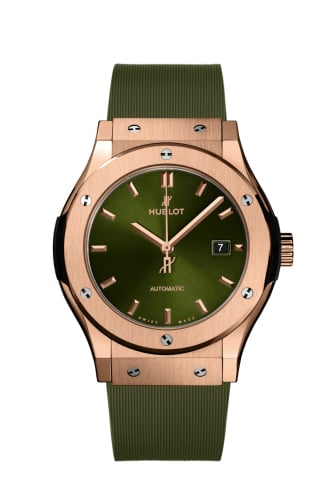
Hublot
Classic Fusion 42 King Gold / Green / Alligator
Ref. 542-OX-8980-RX
CN/A
EN/A
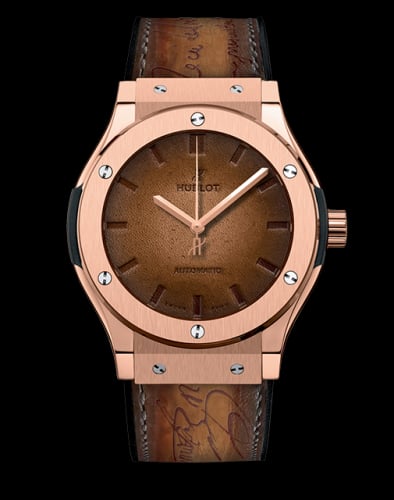
Hublot
Classic Fusion 45 Berlutti Scritto
Ref. 511-OX-0500-VR-BER16
CN/A
EN/A
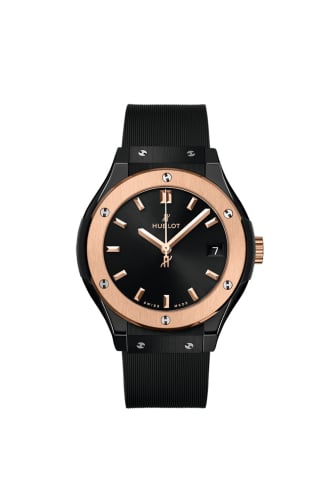
Hublot
Classic Fusion 33 Ceramic - King Gold / Black / Rubber
Ref. 581-CO-1480-RX
CN/A
EN/A
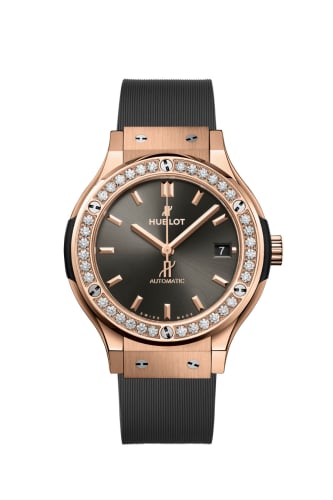
Hublot
Classic Fusion 38 King Gold - Diamond / Racing Grey / Rubber
Ref. 565-OX-7081-RX-1204
CN/A
EN/A
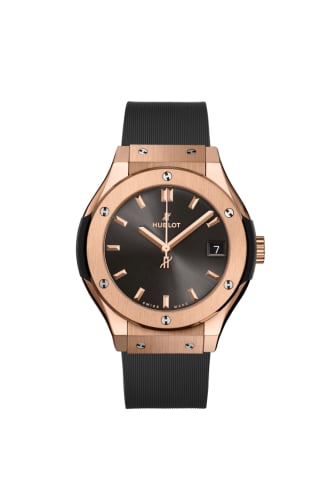
Hublot
Classic Fusion 33 King Gold / Racing Grey / Rubber
Ref. 581-OX-7081-RX
CN/A
EN/A
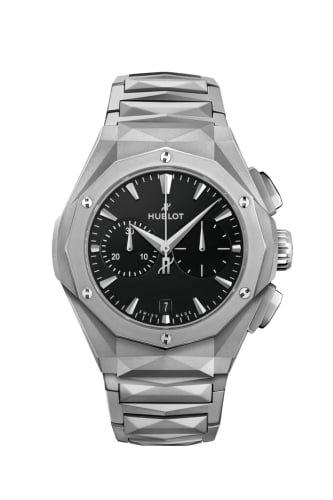
Hublot
Classic Fusion 41 Chronograph Orlinski Titanium / Black / Bracelet
Ref. 549-NI-1270-NI-ORL23
CN/A
EN/A
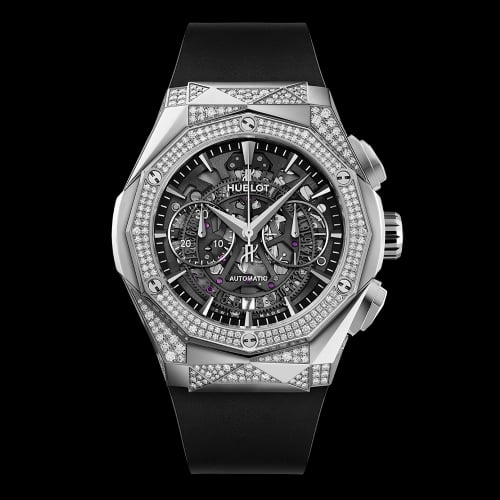
Hublot
Classic Fusion 45 Aerofusion Chronograph Orlinski Titanium Alternative Pavé
Ref. 525-NX-0170-RX-1804-ORL18
CN/A
EN/A
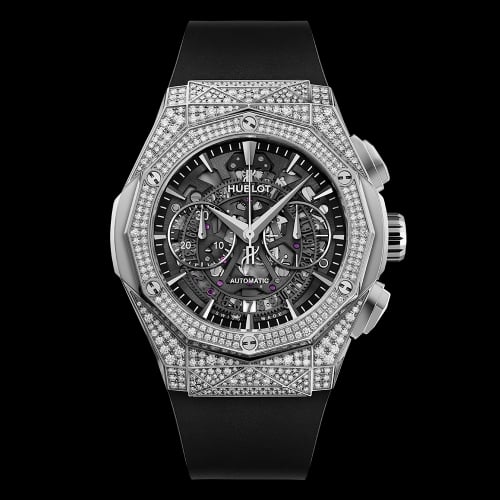
Hublot
Classic Fusion 45 Aerofusion Chronograph Orlinski Titanium Pavé
Ref. 525-NX-0170-RX-1704-ORL18
CN/A
EN/A
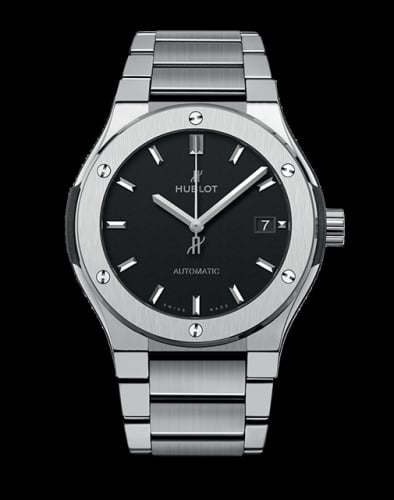
Hublot
Classic Fusion 45 Titanium / Black / Bracelet
Ref. 510-NX-1170-NX
CN/A
EN/A
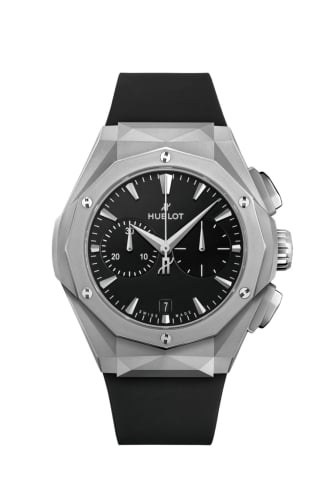
Hublot
Classic Fusion 41 Chronograph Orlinski Titanium / Black / Rubber
Ref. 549-NI-1270-RX-ORL23
CN/A
EN/A
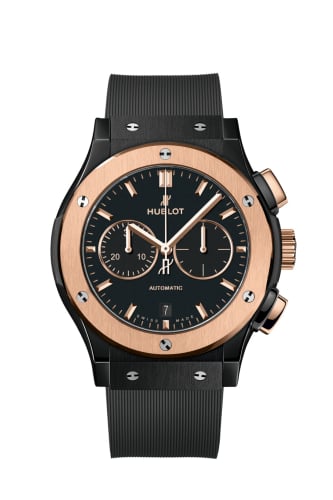
Hublot
Classic Fusion 42 Chronograph Ceramic - King Gold / Black / Rubber
Ref. 541-CO-1181-RX
CN/A
EN/A
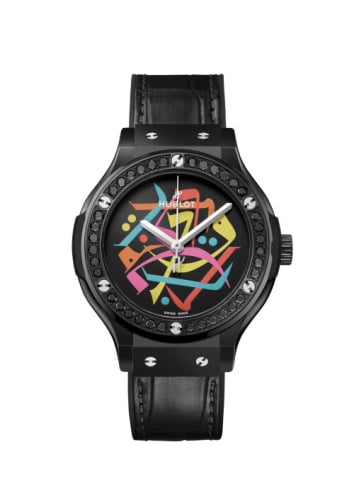
Hublot
Classic Fusion 38 Black Magic Diamonds Dubai Watch Week
Ref. 565-CM-1199-LR-1200-DWW23
CN/A
EN/A
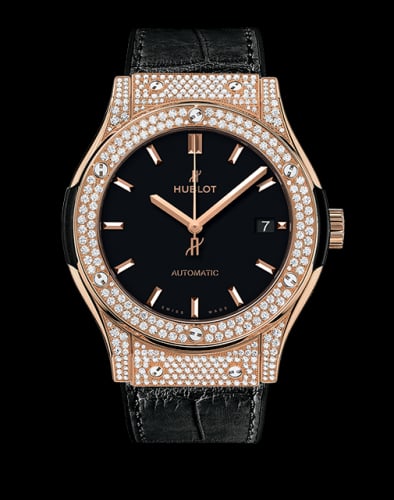
Hublot
Classic Fusion 45 King Gold / Pavé / Black
Ref. 511-OX-1181-LR-1704
CN/A
EN/A
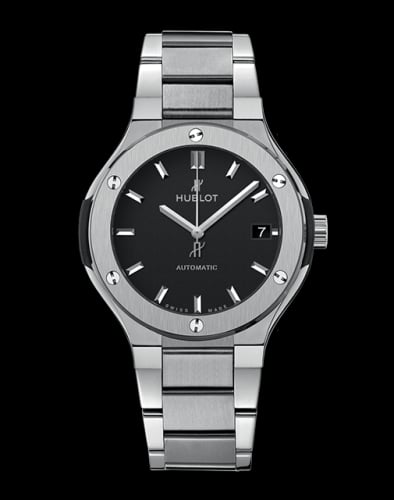
Hublot
Classic Fusion 38 Titanium / Black / Bracelet
Ref. 568-NX-1170-NX
CN/A
EN/A
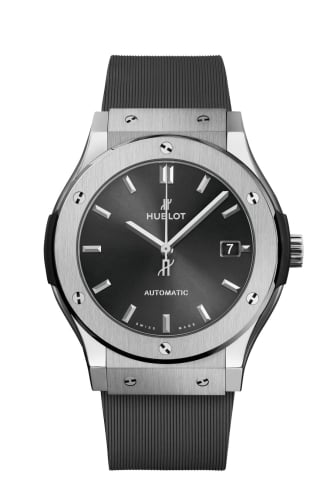
Hublot
Classic Fusion 45 Titanium / Racing Grey / Rubber
Ref. 511-NX-7071-RX
CN/A
EN/A
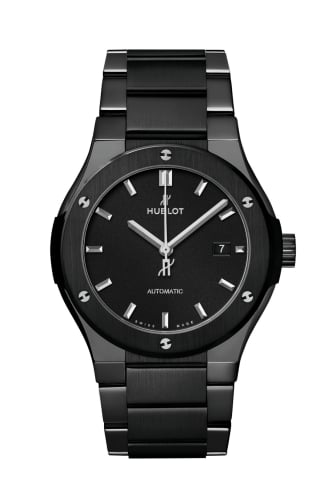
Hublot
Classic Fusion 42 Black Magic / Bracelet
Ref. 548-CM-1170-CM
CN/A
EN/A
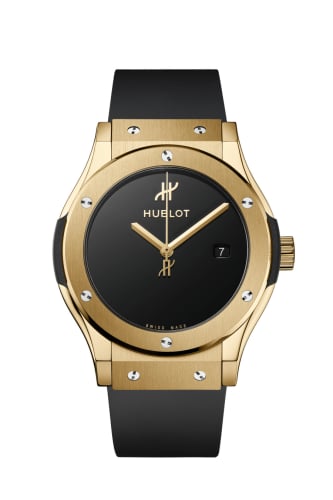
Hublot
Classic Fusion Original 42 Yellow Gold / Black
Ref. 542-VX-1230-RX-MDM
CN/A
EN/A
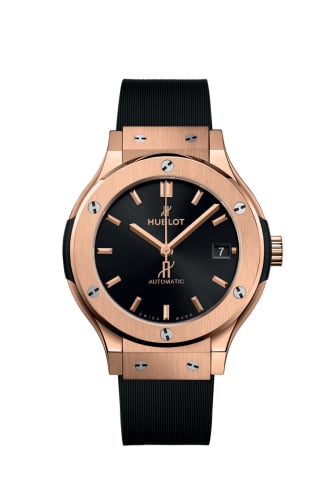
Hublot
Classic Fusion 38 King Gold / Black / Rubber
Ref. 565-OX-1480-RX
CN/A
EN/A
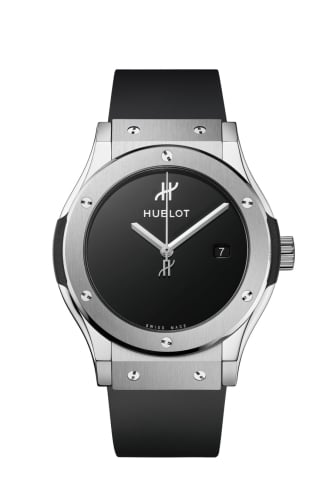
Hublot
Classic Fusion Original 42 Titanium / Black
Ref. 542-NX-1270-RX-MDM
CN/A
EN/A
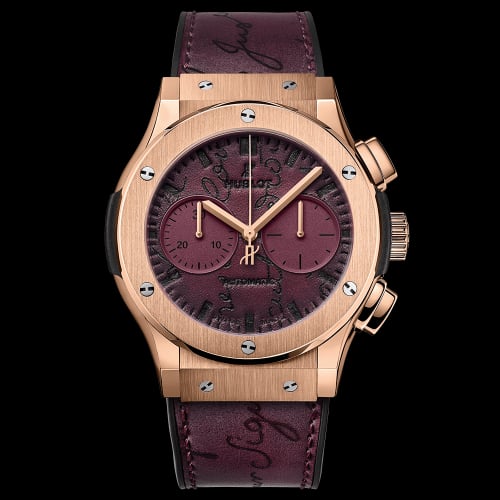
Hublot
Classic Fusion 45 Chronograph Berluti Scritto Bordeaux
Ref. 521-OX-050V-VR-BER18
CN/A
EN/A
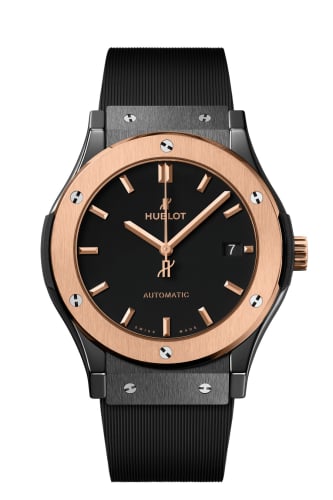
Hublot
Classic Fusion 45 Ceramic - King Gold / Black / Rubber
Ref. 511-CO-1181-RX
CN/A
EN/A
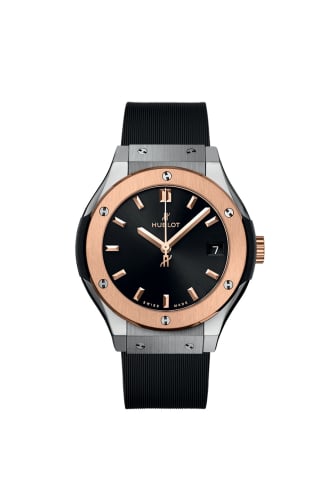
Hublot
Classic Fusion 33 Titanium - King Gold / Black / Rubber
Ref. 581-NO-1480-RX
CN/A
EN/A
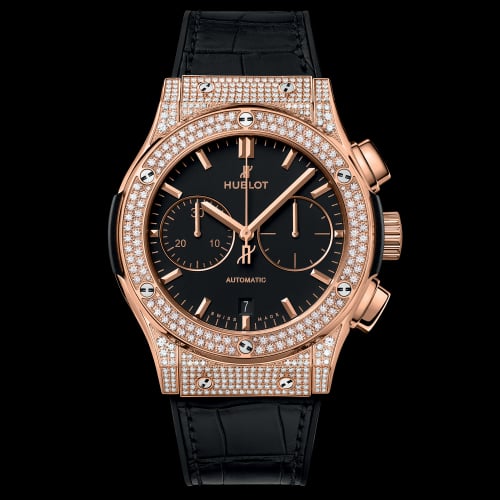
Hublot
Classic Fusion 45 Chronograph King Gold / Pavé
Ref. 521-OX-1181-LR-1704
CN/A
EN/A
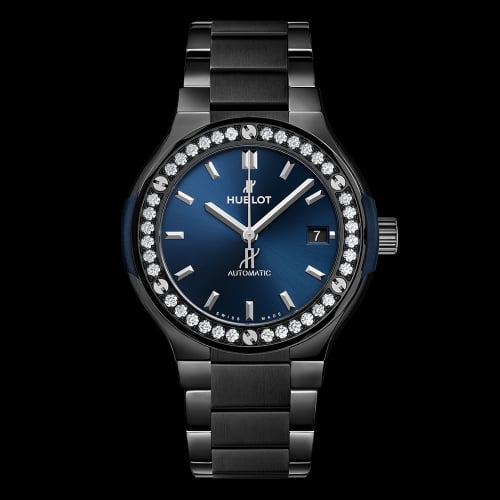
Hublot
Classic Fusion 38 Ceramic - Diamond / Blue / Bracelet
Ref. 568-CM-7170-CM-1204
CN/A
EN/A
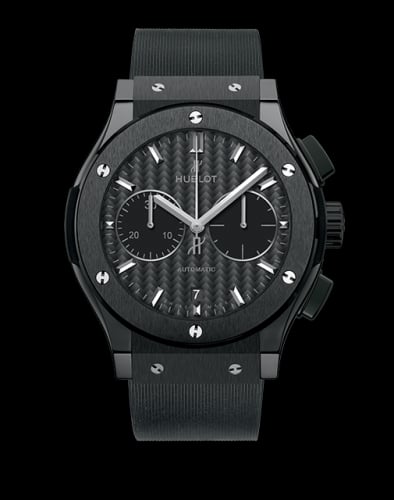
Hublot
Classic Fusion 45 Chronograph Black Magic
Ref. 521-CM-1771-RX
CN/A
EN/A
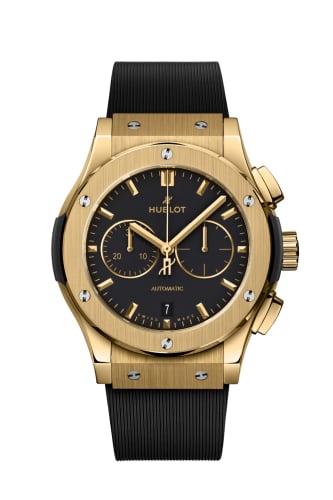
Hublot
Classic Fusion 42 Chronograph King Gold / Black / Rubber
Ref. 541-VX-1130-RX
CN/A
EN/A
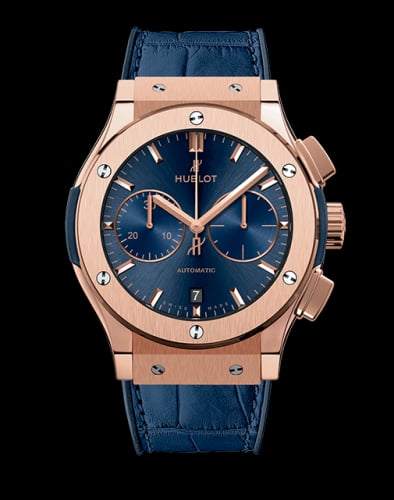
Hublot
Classic Fusion 45 Chronograph King Gold / Blue
Ref. 521-OX-7180-LR
CN/A
EN/A
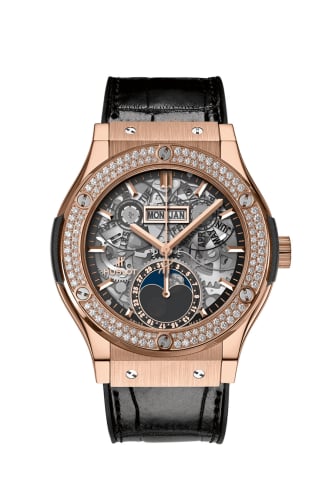
Hublot
Classic Fusion Aerofusion Moonphase King Gold - Diamond / Alligator
Ref. 547-OX-0180-LR-1104
CN/A
EN/A
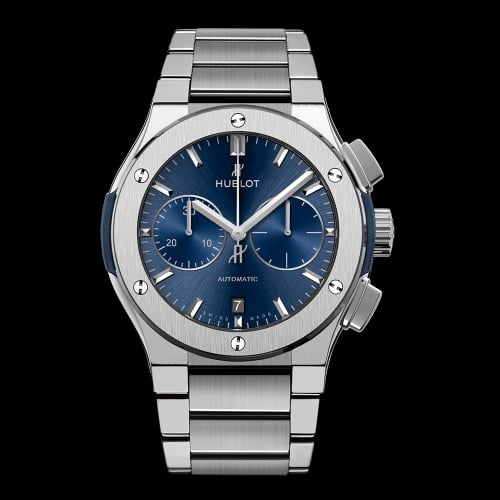
Hublot
Classic Fusion 45 Chronograph Titanium / Blue / Bracelet
Ref. 520-NX-7170-NX
CN/A
EN/A
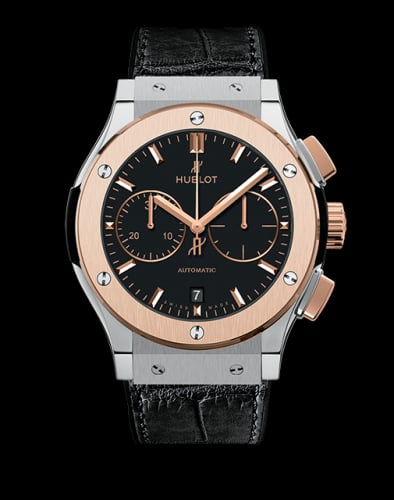
Hublot
Classic Fusion 45 Chronograph Titanium / King Gold / Black
Ref. 521-NO-1181-LR
CN/A
EN/A
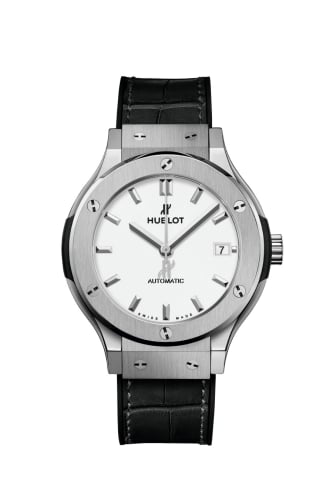
Hublot
Classic Fusion 38 Titanium / Opaline / Alligator
Ref. 565-NX-2611-LR
CN/A
EN/A
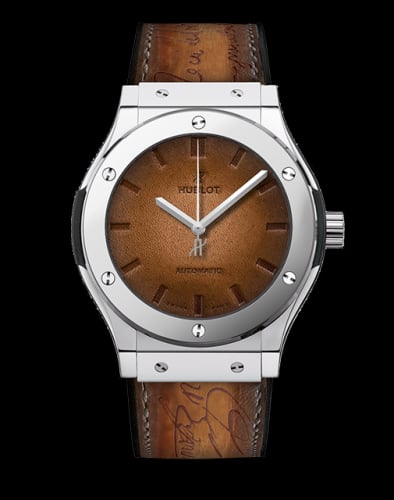
Hublot
Classic Fusion 45 Berluti Scritto Platinum / Brown
Ref. 511-TX-050T-VR-BER16
CN/A
EN/A
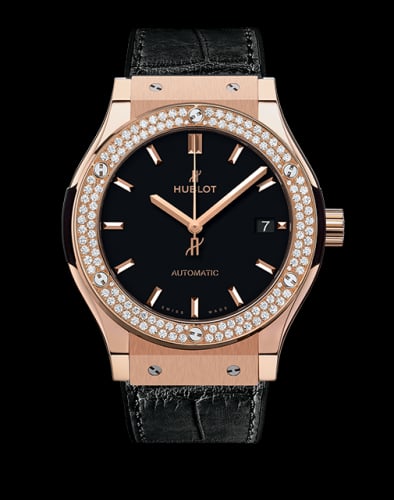
Hublot
Classic Fusion 45 King Gold / Diamonds / Black
Ref. 511-OX-1181-LR-1104
CN/A
EN/A
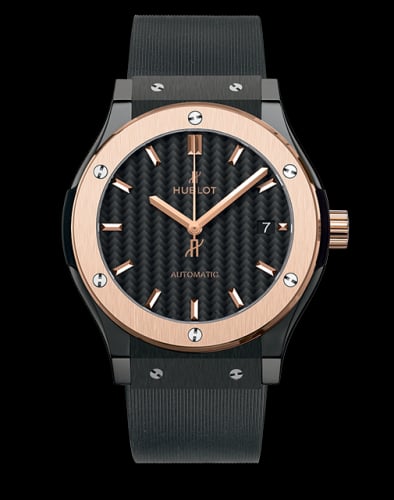
Hublot
Classic Fusion 45 Ceramic / King Gold
Ref. 511-CO-1781-RX
CN/A
EN/A
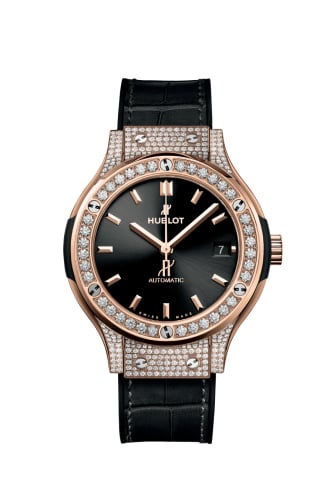
Hublot
Classic Fusion 38 King Gold - Pavé / Black / Alligator
Ref. 565-OX-1480-LR-1604
CN/A
EN/A
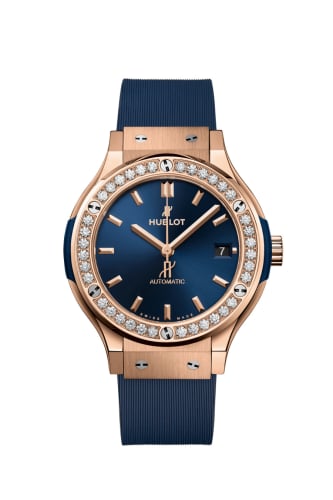
Hublot
Classic Fusion 38 King Gold - Diamond / Blue / Rubber
Ref. 565-OX-7180-RX-1204
CN/A
EN/A
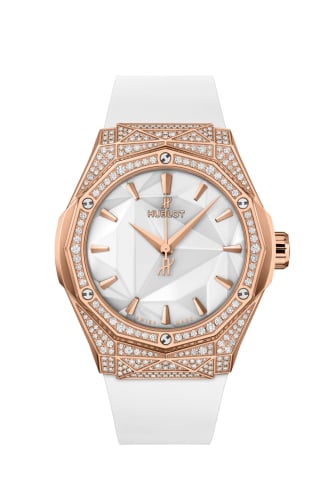
Hublot
Classic Fusion Orlinski 40 Kng Gold - Pavé / White / Rubber
Ref. 550-OS-2200-RW-1604-ORL20
CN/A
EN/A
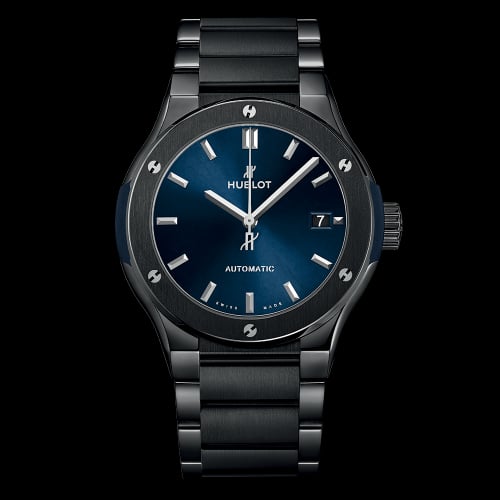
Hublot
Classic Fusion 45 Ceramic / Blue / Bracelet
Ref. 510-CM-7170-CM
CN/A
EN/A
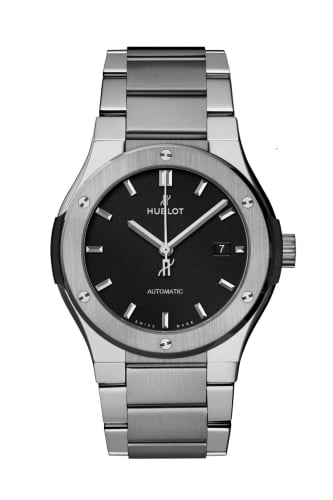
Hublot
Classic Fusion 42 Titanium / Black / Bracelet
Ref. 548-NX-1170-NX
CN/A
EN/A
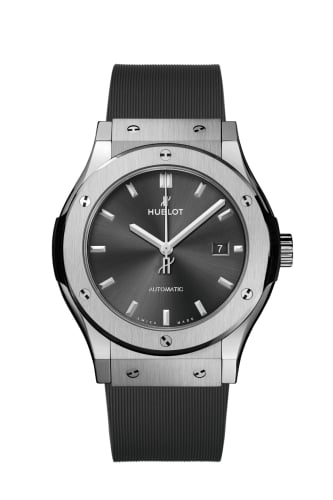
Hublot
Classic Fusion 42 Titanium / Racing Grey / Rubber
Ref. 542-NX-7071-RX
CN/A
EN/A
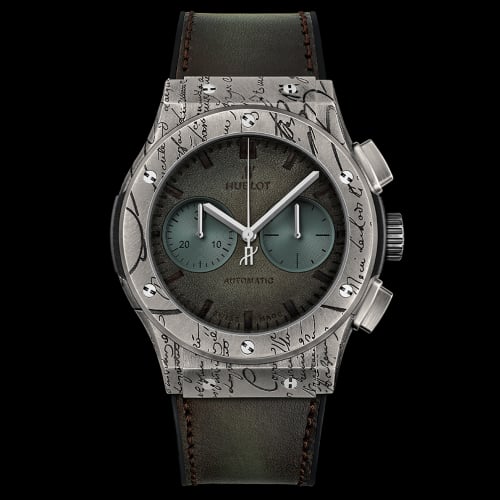
Hublot
Classic Fusion 45 Chronograph Berluti Cold Brown
Ref. 521-NX-05IB-VR-BER19
CN/A
EN/A
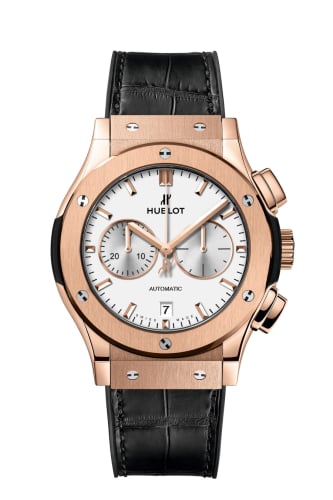
Hublot
Classic Fusion 42 Chronograph King Gold / Opalin / Alligator
Ref. 541-OX-2611-LR
CN/A
EN/A
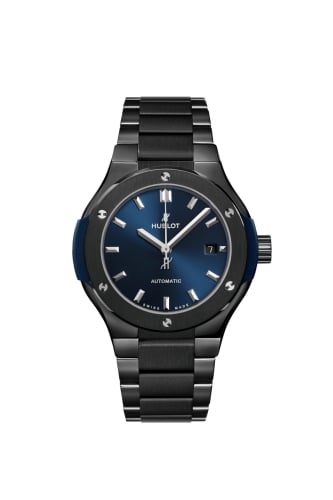
Hublot
Classic Fusion 33 Ceramic / Blue / Bracelet
Ref. 585-CM-7170-CM
CN/A
EN/A
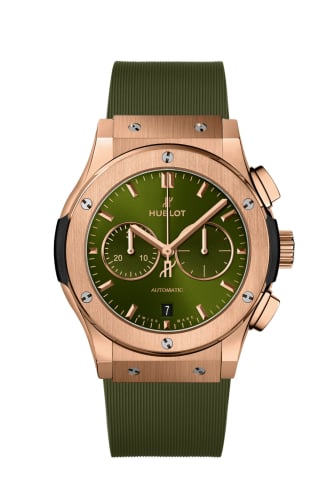
Hublot
Classic Fusion 42 Chronograph King Gold / Green / Rubber
Ref. 541-OX-8980-RX
CN/A
EN/A
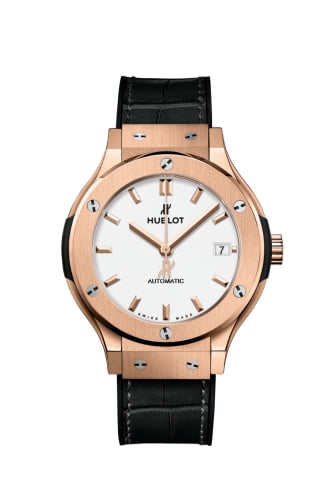
Hublot
Classic Fusion 38 King Gold / Opalin / Alligator
Ref. 565-OX-2611-LR
CN/A
EN/A
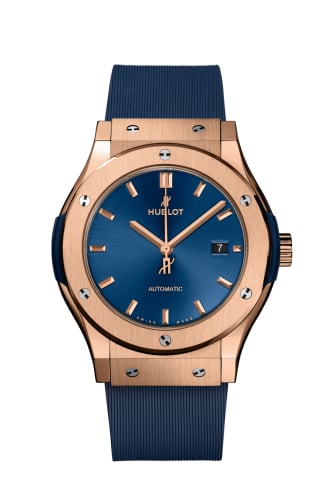
Hublot
Classic Fusion 42 King Gold / Blue / Alligator
Ref. 542-OX-7180-RX
CN/A
EN/A
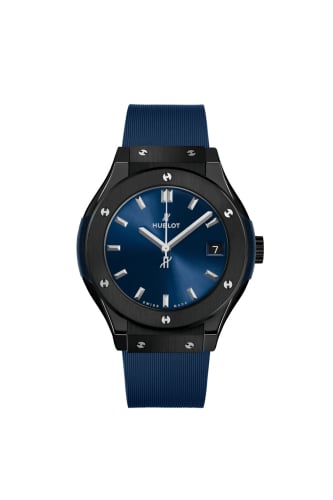
Hublot
Classic Fusion 33 Ceramic / Blue / Rubber
Ref. 581-CM-7170-RX
CN/A
EN/A
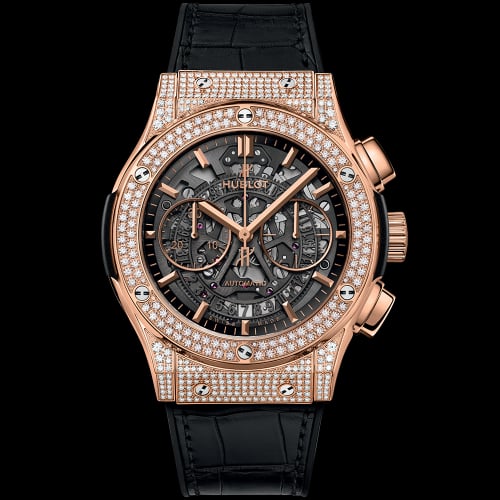
Hublot
Classic Fusion 45 Aerofusion Chronograph King Gold Pavé
Ref. 525-OX-0180-LR-1704
CN/A
EN/A
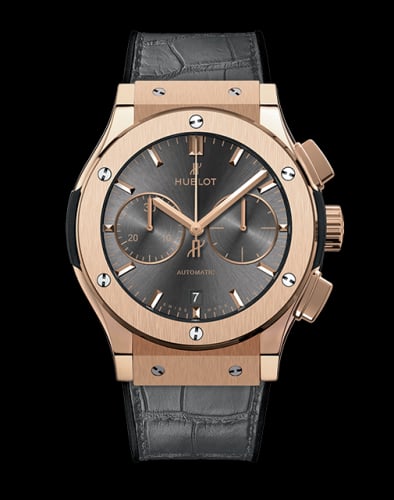
Hublot
Classic Fusion 45 Chronograph King Gold / Racing Grey
Ref. 521-OX-7081-LR
CN/A
EN/A
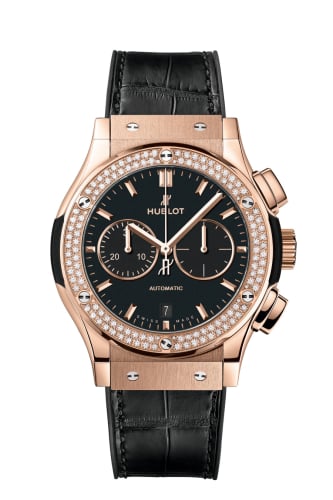
Hublot
Classic Fusion 42 Chronograph King Gold - Diamond / Black
Ref. 541-OX-1181-LR-1104
CN/A
EN/A
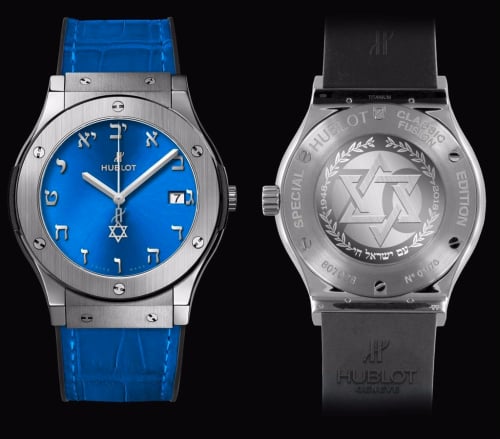
Hublot
Classic Fusion 45 Titanium / Blue / 70th Anniversary Israel
Ref. 511-NX-7170-LR-ISL18
CN/A
EN/A
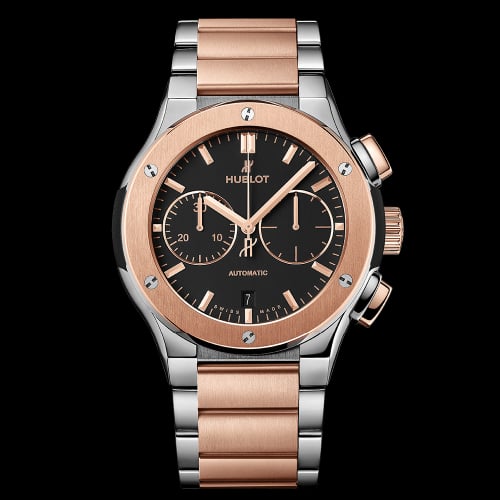
Hublot
Classic Fusion 45 Chronograph Titanium - King Gold / Black / Bracelet
Ref. 520-NO-1180-NO
CN/A
EN/A
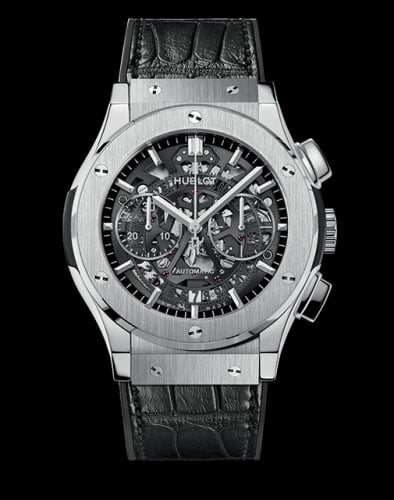
Hublot
Classic Fusion 45 Aerofusion Chronograph Titanium
Ref. 525-NX-0170-LR
CN/A
EN/A
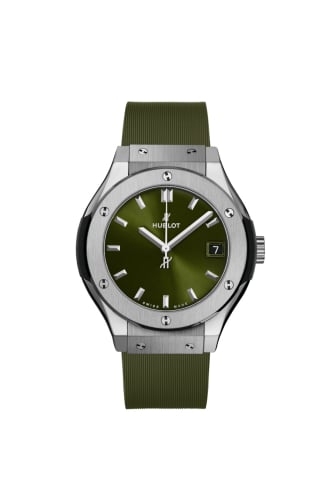
Hublot
Classic Fusion 33 Titanium / Green / Rubber
Ref. 581-NX-8970-RX
CN/A
EN/A
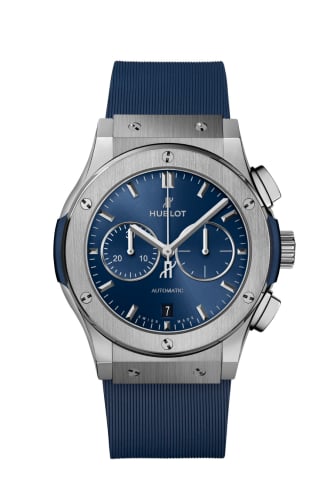
Hublot
Classic Fusion 42 Chronograph Titanium / Blue / Rubber
Ref. 541-NX-7170-RX
CN/A
EN/A
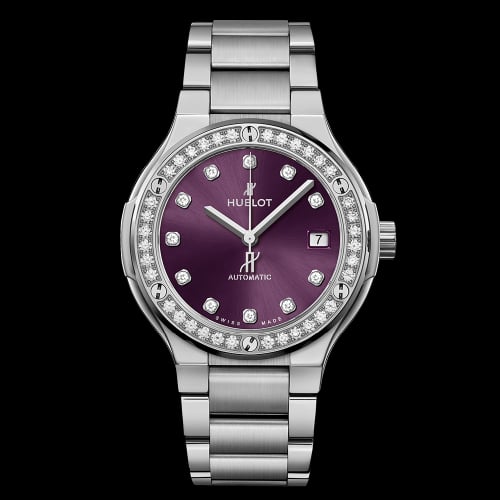
Hublot
Classic Fusion 38 Titanium - Diamond / Purple / Bracelet
Ref. 568-NX-897V-NX-1204
CN/A
EN/A
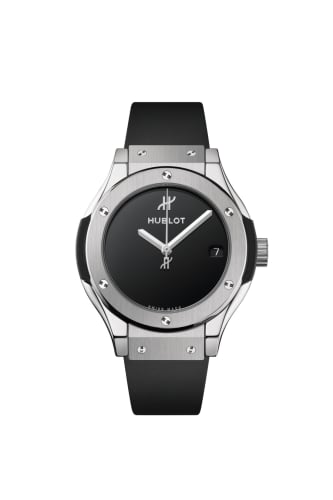
Hublot
Classic Fusion Original 33 Titanium / Black
Ref. 581-NX-1270-RX-MDM
CN/A
EN/A
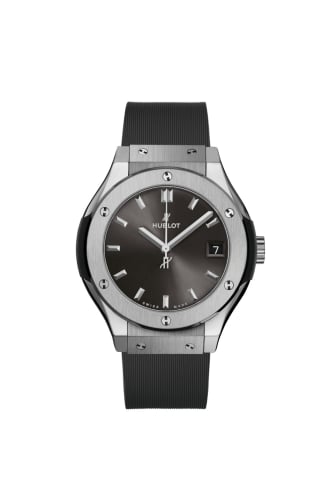
Hublot
Classic Fusion 33 Titanium / Racing Grey / Rubber
Ref. 581-NX-7071-RX
CN/A
EN/A
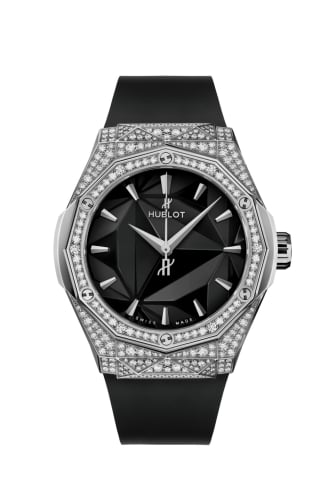
Hublot
Classic Fusion Orlinski 40 Titanium - Pavé / Black / Rubber
Ref. 550-NS-1800-RX-1604-ORL19
CN/A
EN/A
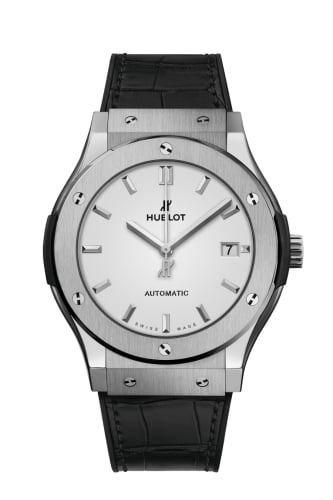
Hublot
Classic Fusion 45 Titanium / Opalin
Ref. 511-NX-2611-LR
CN/A
EN/A
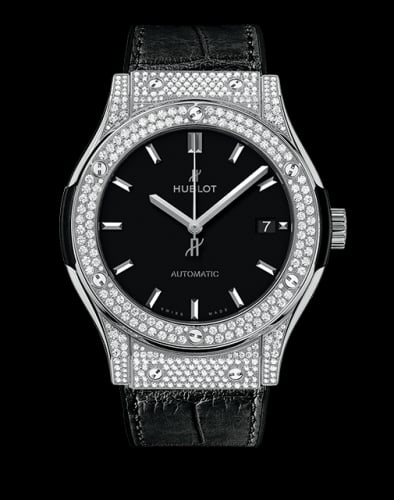
Hublot
Classic Fusion 45 Titanium Pavé / Black / Diamond
Ref. 511-NX-1171-LR-1704
CN/A
EN/A
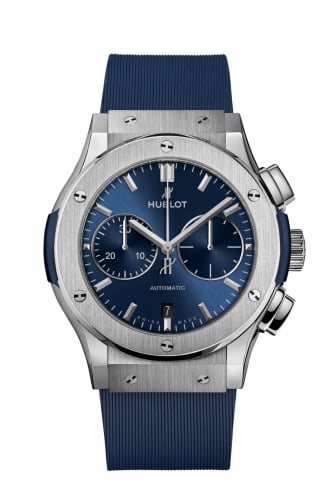
Hublot
Classic Fusion 45 Chronograph Titanium / Blue / Rubber
Ref. 521-NX-7170-RX
CN/A
EN/A
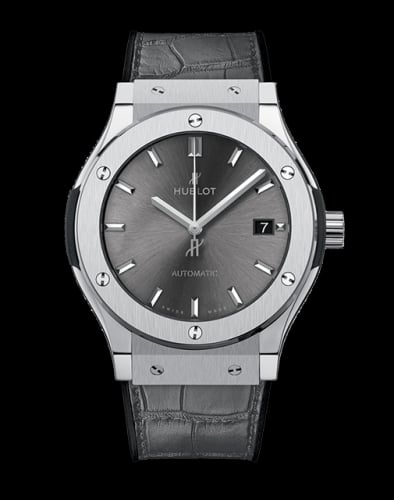
Hublot
Classic Fusion 45 Titanium / Racing Grey
Ref. 511-NX-7071-LR
CN/A
EN/A
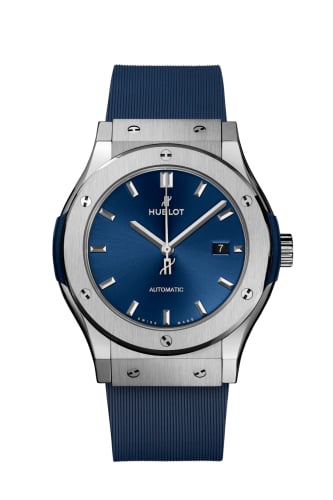
Hublot
Classic Fusion 42 Titanium / Blue / Rubber
Ref. 542-NX-7170-RX
CN/A
EN/A
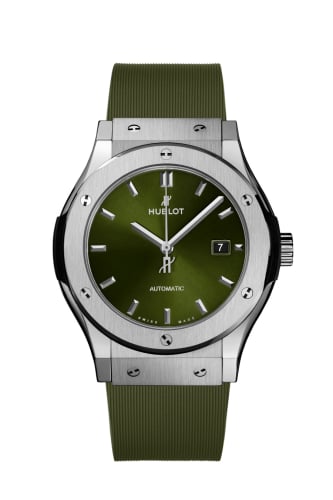
Hublot
Classic Fusion 42 Titanium / Green / Rubber
Ref. 542-NX-8970-RX
CN/A
EN/A
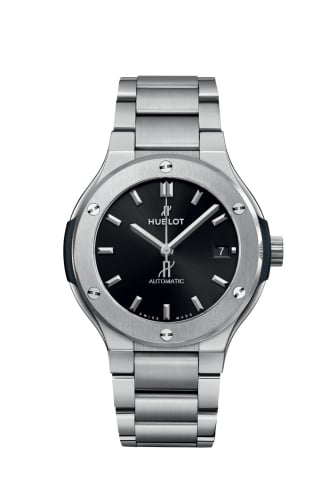
Hublot
Classic Fusion 38 Titanium / Black / Bracelet
Ref. 568-NX-1470-NX
CN/A
EN/A
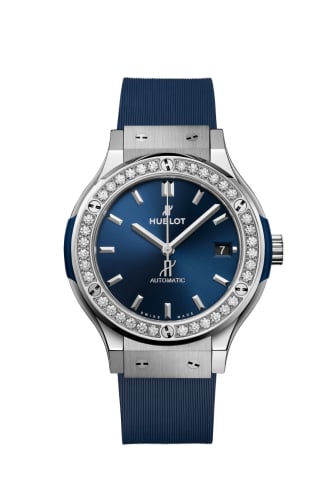
Hublot
Classic Fusion 38 Titanium - Diamond / Blue / Rubber
Ref. 565-NX-7170-RX-1204
CN/A
EN/A
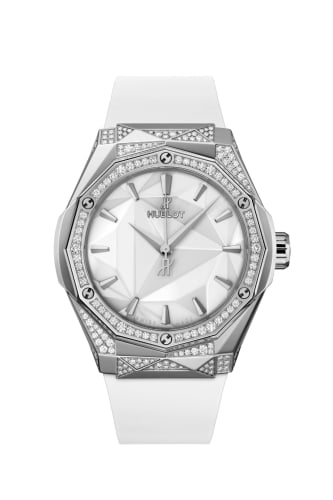
Hublot
Classic Fusion Orlinski 40 Titanium - Alternative Pavé / White / Rubber
Ref. 550-NS-2200-RW-1804-ORL20
CN/A
EN/A
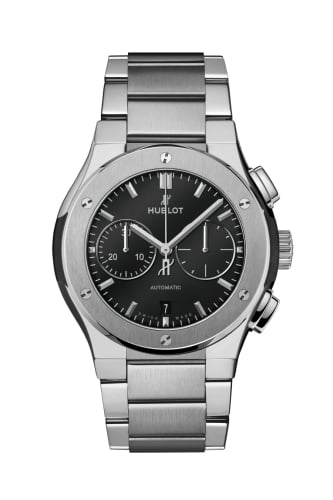
Hublot
Classic Fusion 42 Chronograph Titanium / Black / Bracelet
Ref. 540-NX-1170-NX
CN/A
EN/A
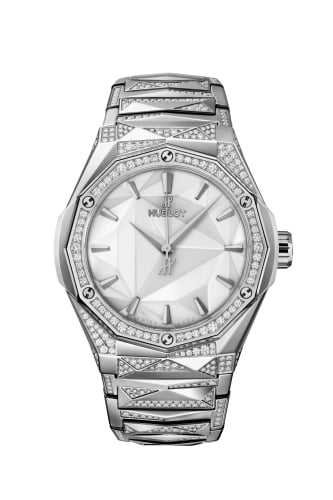
Hublot
Classic Fusion Orlinski 40 Titanium - Alternative Pavé / White / Bracelet
Ref. 550-NS-2200-NS-3804-ORL22
CN/A
EN/A
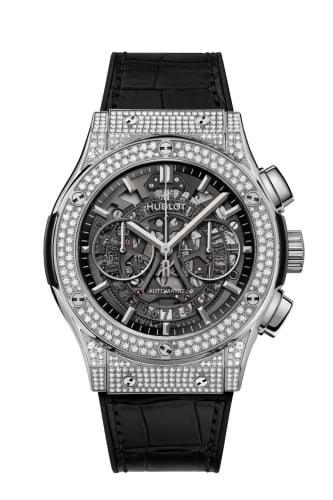
Hublot
Classic Fusion 45 Aerofusion Chronograph Titanium - Pavé
Ref. 525-NX-0170-LR-1704
CN/A
EN/A
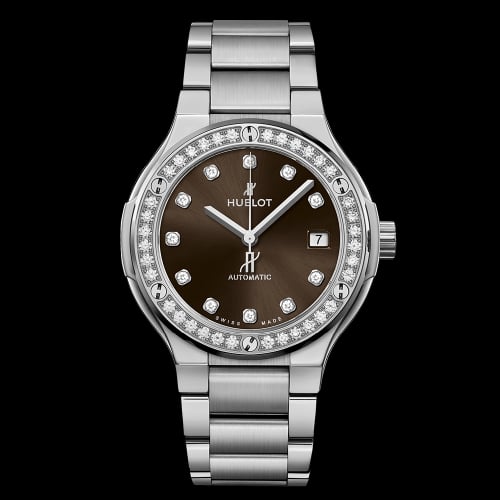
Hublot
Classic Fusion 38 Titanium - Diamond / Brown / Bracelet
Ref. 568-NX-897M-NX-1204
CN/A
EN/A
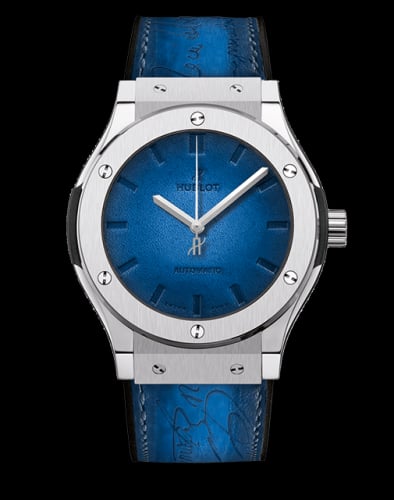
Hublot
Classic Fusion 45 Berluti Scritto Titanium / Blue
Ref. 511-NX-050B-VR-BER16
CN/A
EN/A
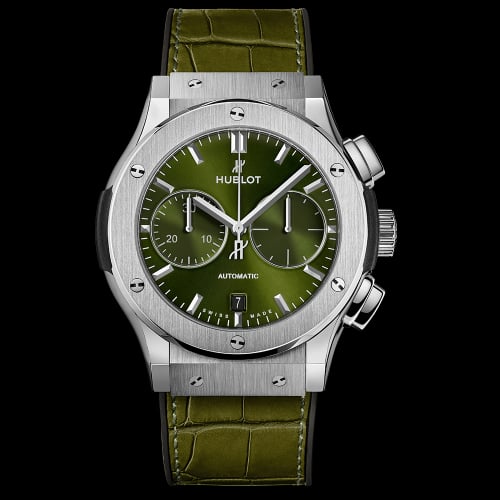
Hublot
Classic Fusion 45 Chronograph Titanium / Green
Ref. 521-NX-8970-LR
CN/A
EN/A
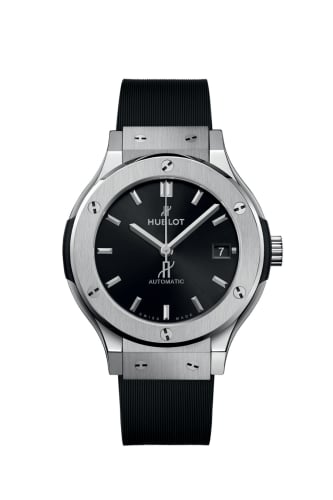
Hublot
Classic Fusion 38 Titanium / Black / Rubber
Ref. 565-NX-1470-RX
CN/A
EN/A
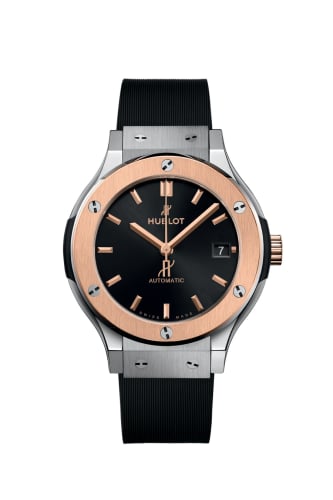
Hublot
Classic Fusion 38 Titanium - King Gold / Black / Rubber
Ref. 565-NO-1480-RX
CN/A
EN/A
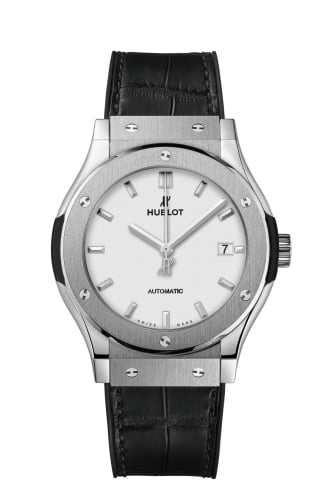
Hublot
Classic Fusion 42 Titanium / Opaline / Alligator
Ref. 542-NX-2611-LR
CN/A
EN/A
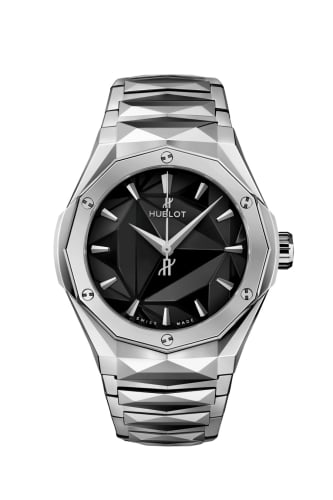
Hublot
Classic Fusion Orlinski 40 Titanium / Black / Bracelet
Ref. 550-NS-1800-NS-ORL22
CN/A
EN/A
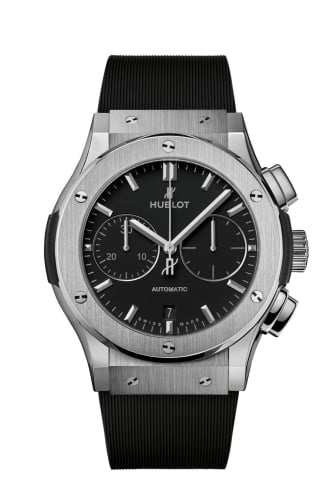
Hublot
Classic Fusion 45 Chronograph Titanium / Black / Rubber
Ref. 521-NX-1171-RX
CN/A
EN/A
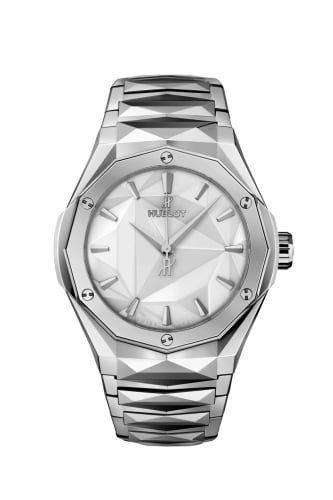
Hublot
Classic Fusion Orlinski 40 Titanium / Black / Bracelet
Ref. 550-NS-2200-NS-ORL22
CN/A
EN/A
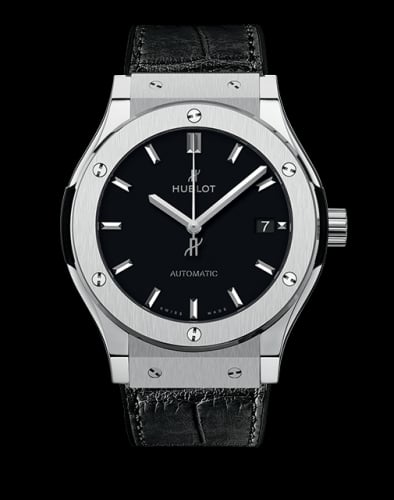
Hublot
Classic Fusion 45 Titanium / Black
Ref. 511-NX-1171-LR
CN/A
EN/A
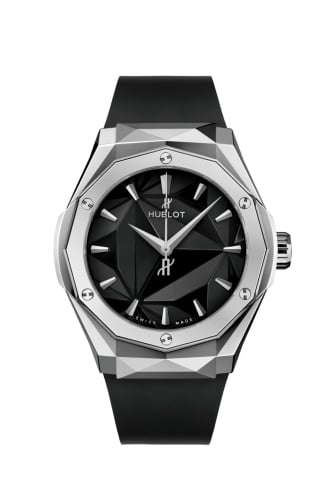
Hublot
Classic Fusion Orlinski 40 Titanium / Black / Rubber
Ref. 550-NS-1800-RX-ORL19
CN/A
EN/A
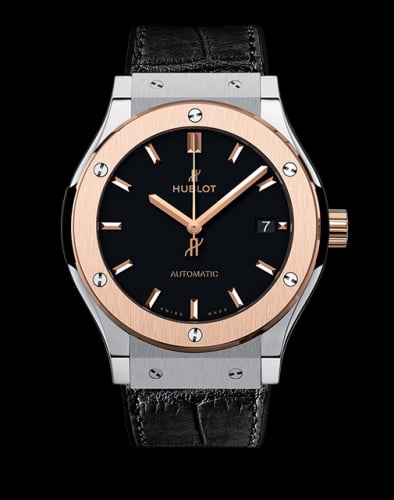
Hublot
Classic Fusion 45 Titanium / King Gold / Black
Ref. 511-NO-1181-LR
CN/A
EN/A
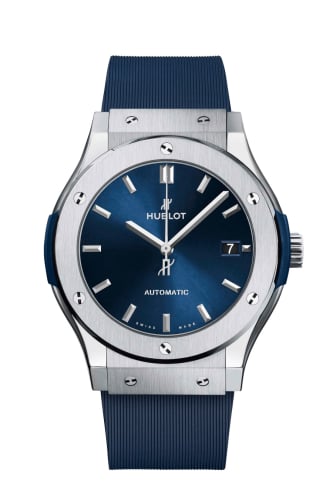
Hublot
Classic Fusion 45 Titanium / Blue / Rubber
Ref. 511-NX-7170-RX
CN/A
EN/A
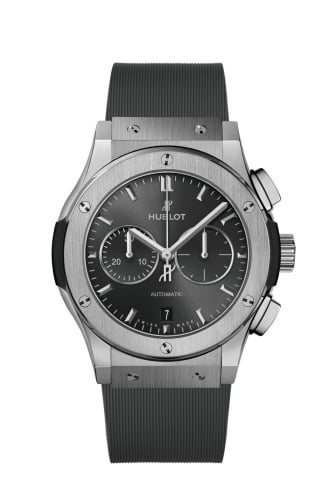
Hublot
Classic Fusion 42 Chronograph Titanium / Racing Grey / Rubber
Ref. 541-NX-7070-RX
CN/A
EN/A
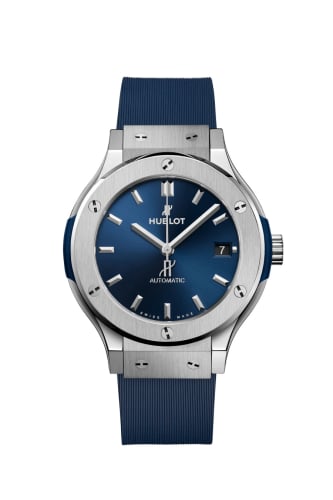
Hublot
Classic Fusion 38 Titanium / Blue / Rubber
Ref. 565-NX-7170-RX
CN/A
EN/A
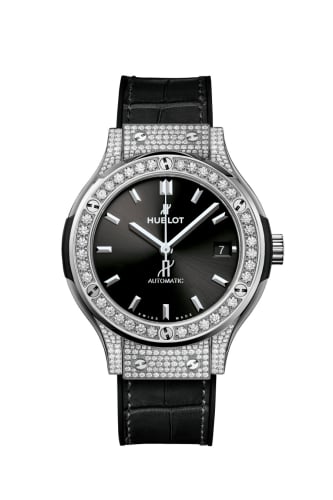
Hublot
Classic Fusion 38 Titanium - Pavé / Black / Alligator
Ref. 565-NX-1470-LR-1604
CN/A
EN/A
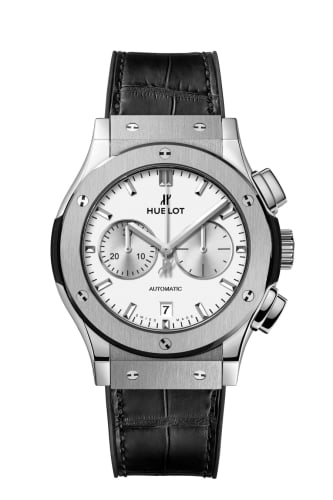
Hublot
Classic Fusion 42 Chronograph Titanium / Opalin / Alligator
Ref. 541-NX-2611-LR
CN/A
EN/A
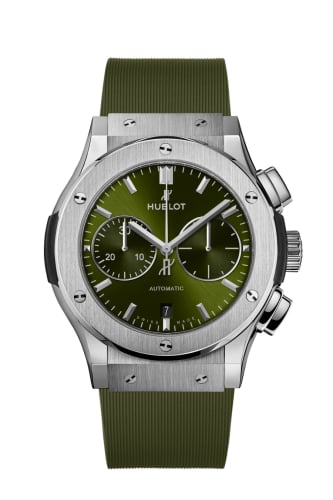
Hublot
Classic Fusion 45 Chronograph Titanium / Green / Rubber
Ref. 521-NX-8970-RX
CN/A
EN/A
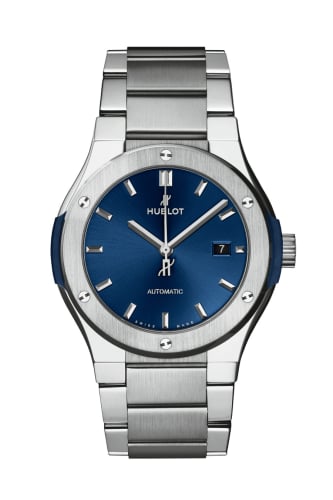
Hublot
Classic Fusion 42 Titanium / Blue / Bracelet
Ref. 548-NX-7170-NX
CN/A
EN/A
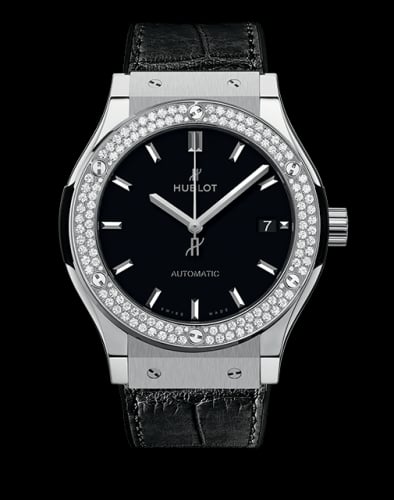
Hublot
Classic Fusion 45 Titanium Diamonds / Black
Ref. 511-NX-1171-LR-1104
CN/A
EN/A
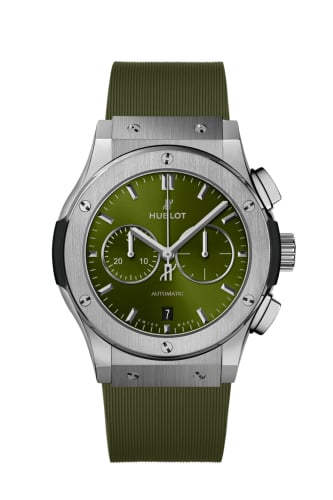
Hublot
Classic Fusion 42 Chronograph Titanium / Green / Rubber
Ref. 541-NX-8970-RX
CN/A
EN/A
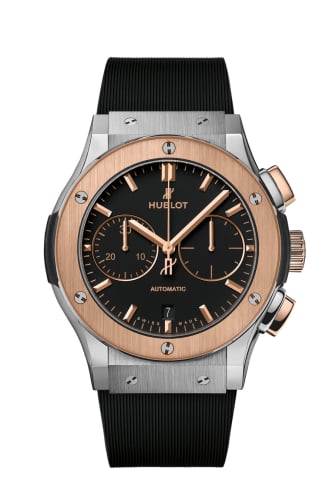
Hublot
Classic Fusion 45 Chronograph Titanium - King Gold / Black / Rubber
Ref. 521-NO-1181-RX
CN/A
EN/A
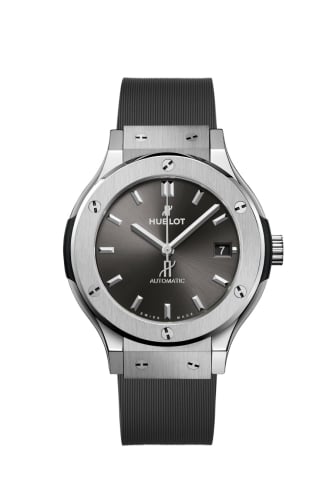
Hublot
Classic Fusion 38 Titanium / Racing Grey / Rubber
Ref. 565-NX-7071-RX
CN/A
EN/A
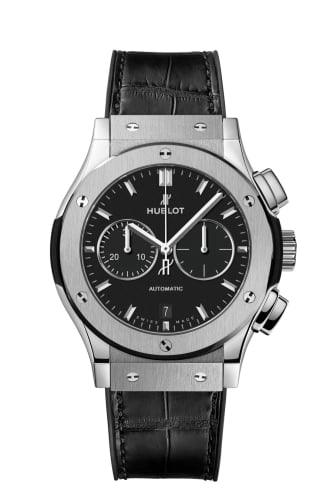
Hublot
Classic Fusion 42 Chronograph Titanium / Black / Alligator
Ref. 541-NX-1171-LR
CN/A
EN/A
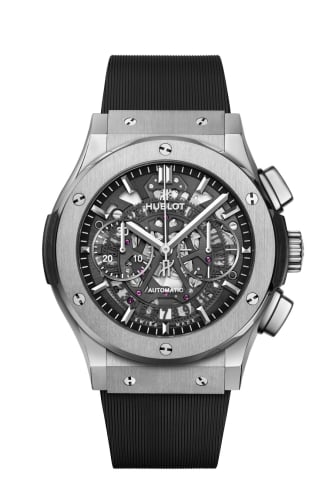
Hublot
Classic Fusion 45 Aerofusion Chronograph Titanium / Black / Rubber
Ref. 525-NX-0170-RX
CN/A
EN/A
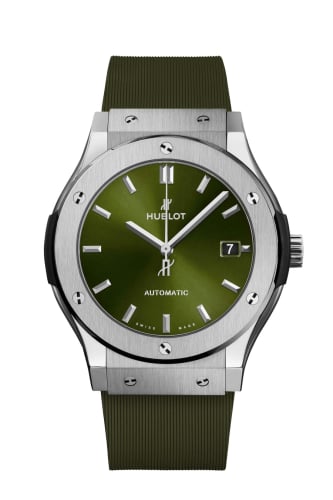
Hublot
Classic Fusion 45 Titanium / Green / Rubber
Ref. 511-NX-8970-RX
CN/A
EN/A
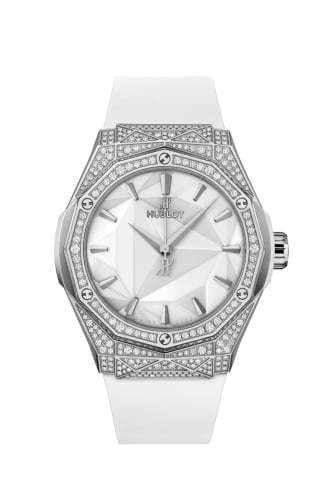
Hublot
Classic Fusion Orlinski 40 Titanium - Pavé / White / Rubber
Ref. 550-NS-2200-RW-1604-ORL20
CN/A
EN/A
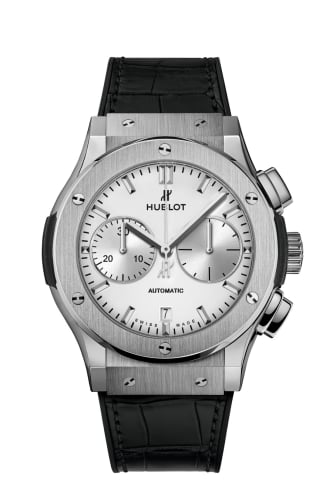
Hublot
Classic Fusion 45 Chronograph Titanium / Opalin / Alligator
Ref. 521-NX-2611-LR
CN/A
EN/A
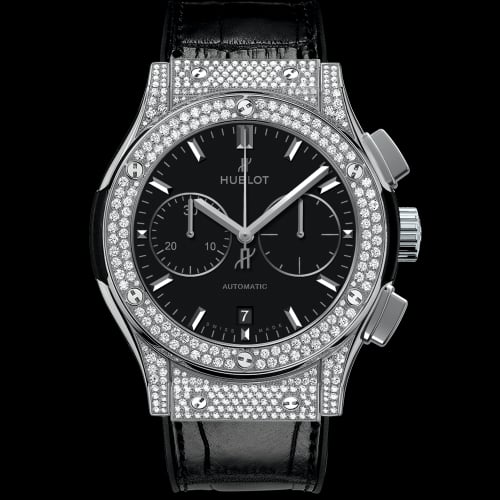
Hublot
Classic Fusion 45 Chronograph Titanium / Pavé
Ref. 521-NX-1171-LR-1704
CN/A
EN/A
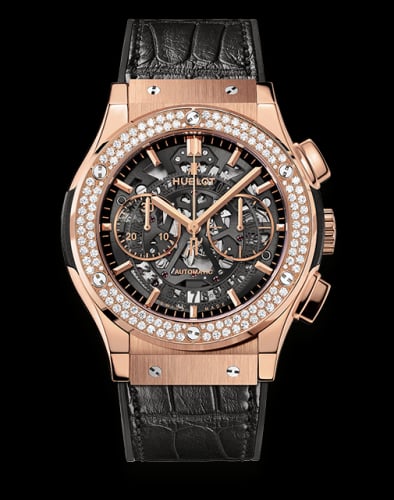
Hublot
Classic Fusion 45 Aerofusion Chronograph King Gold / Diamond / Alligator
Ref. 525-OX-0180-LR-1104
CN/A
EN/A
All Reviews(4 across all references)
T
The Dude
ExpertJul 1, 2026
32
34
Dial & Handset28
Case & Design42
Movement32
Bracelet / Strap44
Wearability14