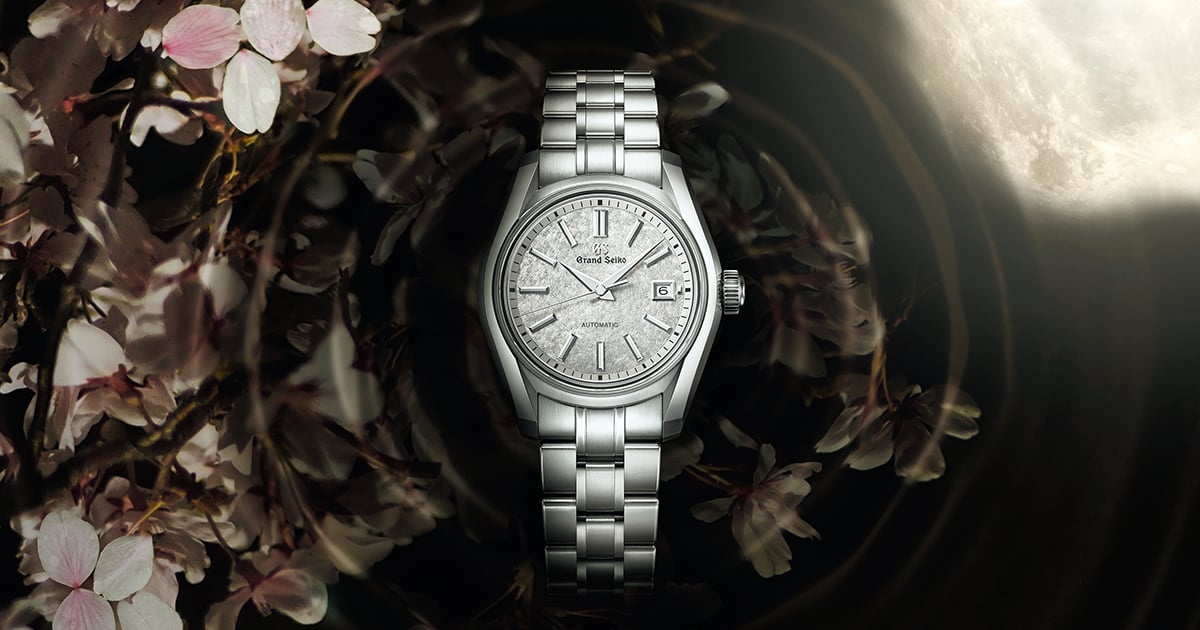
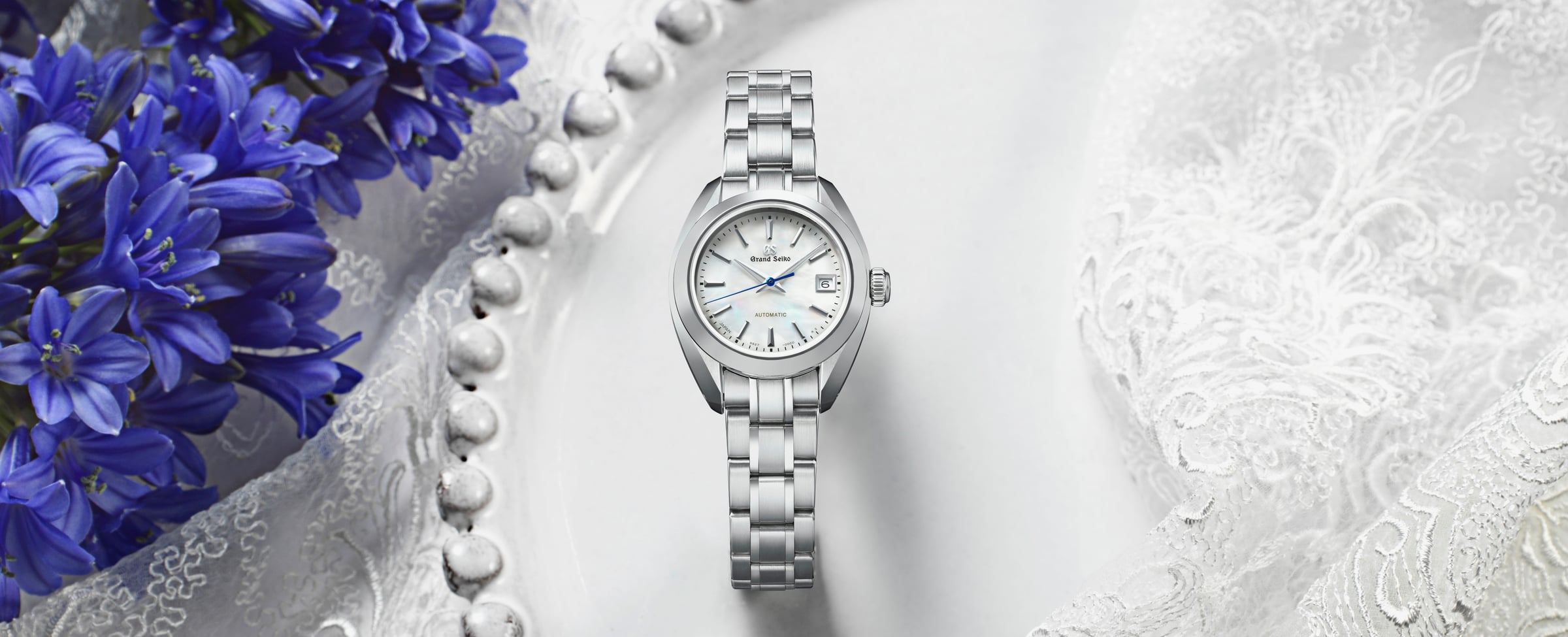
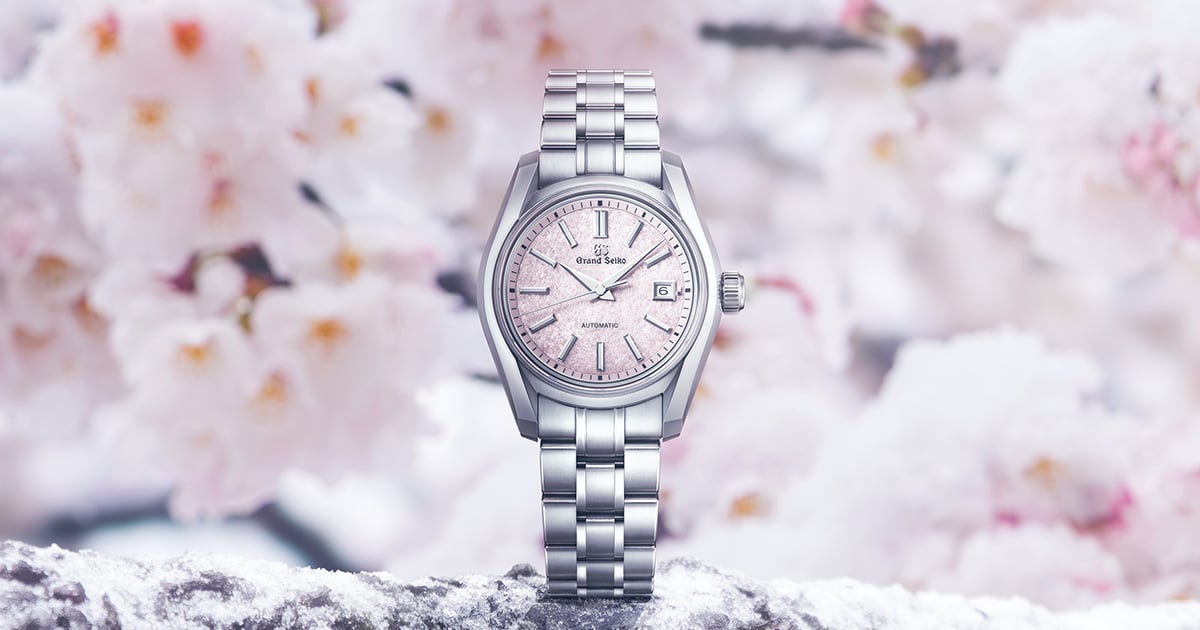
The STGK007 occupies a precise coordinate within Grand Seiko's quartz lineage — one that prioritizes finishing discipline over mechanical complexity. The caliber 9S27 is not a common quartz proposition; it is a high-accuracy temperature-compensated movement, the direct descendant of the 9F family that Grand Seiko deployed to demonstrate that quartz could carry the same philosophical weight as mechanical horology. Concordantly, the movement scores exceptionally not because quartz is inherently superior, but because the 9S27 represents a defensible best-in-class execution of the format. The dial and handset, as one expects from a manufacture whose Shizukuishi atelier treats surface treatment as a primary design language, demonstrate the Zaratsu-polished indices and hands that have defined Grand Seiko's aesthetic across its predecessors for decades. The case diameter of 27.8 millimeters, however, introduces an analytical complication. At that diameter, the case design is functionally constrained — there exists a certainty that the proportional vocabulary of Grand Seiko's sharper case geometry reads differently at sub-30 millimeter scale. Wearability improves accordingly for smaller wrists, but the case thickness of 11.2 millimeters produces a ratio that the geometry cannot entirely resolve. The value axis is the primary tension: the probability that a quartz movement, however accomplished, justifies Grand Seiko pricing against the broader competitive field is a question the market has not unanimously resolved.
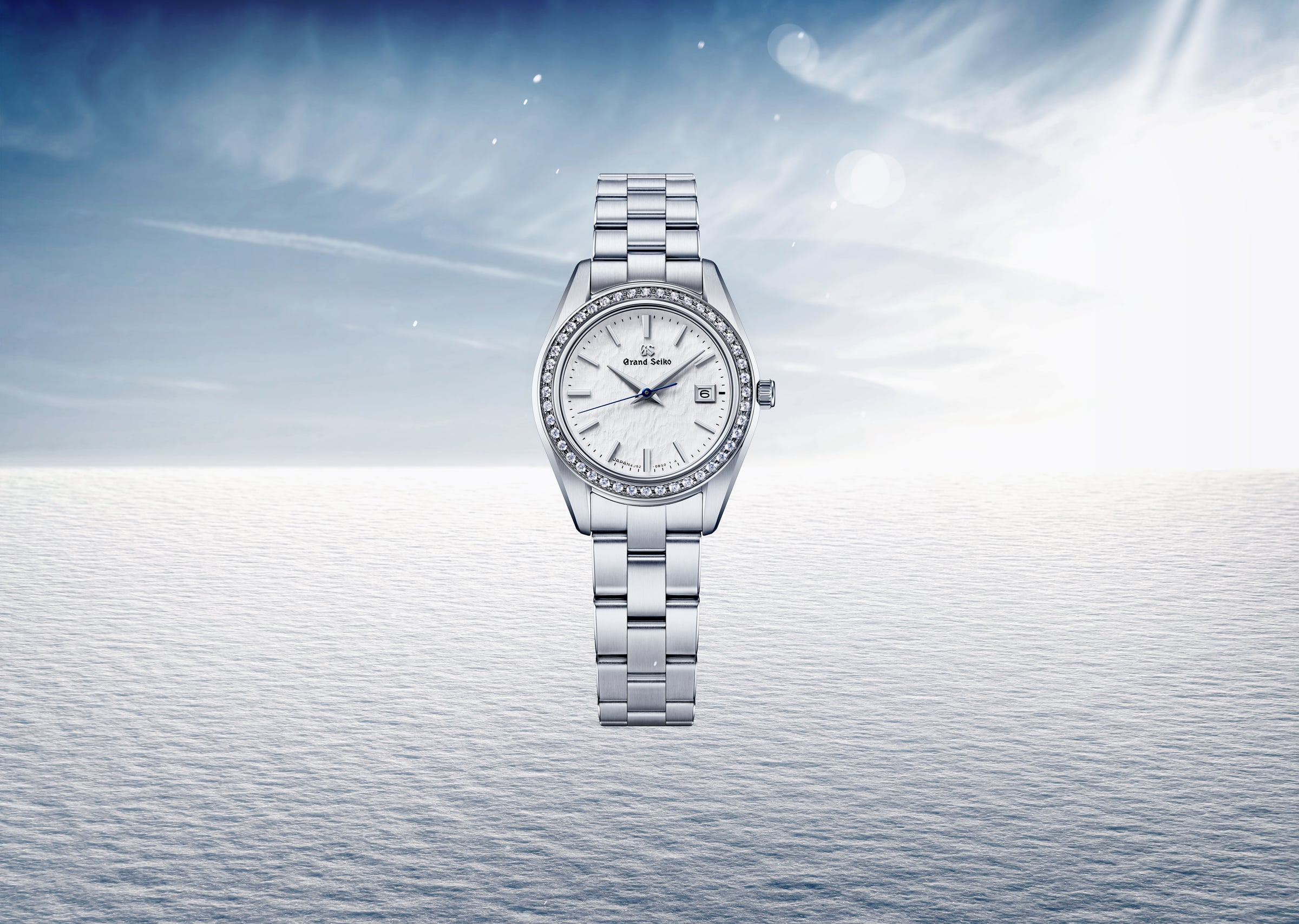
The STGF385 occupies a precise coordinate within Grand Seiko's feminine quartz lineage — a category in which the manufacturer has demonstrated consistent competence while remaining systematically underexamined by the horological press. The caliber 4J52 is not a movement designed to provoke discussion; it is designed to function, and concordantly, it does so with the accuracy endemic to Grand Seiko's quartz iterations. The value proposition, however, requires scrutiny. A quartz movement at the pricing stratum Grand Seiko occupies invites comparison to Swiss and domestic predecessors offering mechanical alternatives at similar thresholds, and the probability that this specification justifies its position in the market without appeal to the dial's aesthetic execution is low. That dial, by any reasonable measure, rescues the analysis. Grand Seiko's Zaratsu-polished case architecture and characteristic snowflake-inspired surface textures produce an outcome that its contemporaries at this diameter — 28.9 millimeters, a disciplined proportion for a feminine dress piece — seldom match in terms of light manipulation and finish graduation. Ergo, the STGF385 is an object whose wearability and visual resolution substantially exceed its mechanical ambition. There exists a certainty that its audience is defined not by movement philosophy but by an appreciation for surface craft elevated well past the threshold of its quartz classification.
The STGF359 occupies a considered position within Grand Seiko's feminine quartz lineage, its 28.9mm case diameter representing a deliberate calibration for a segment that the Maison has addressed with increasing seriousness across successive collections. The dial, produced under the Shizukuishi atelier's exacting Zaratsu-adjacent finishing protocols, exhibits the snowflake-derived textural vocabulary that distinguishes Grand Seiko's aesthetic from its Swiss contemporaries — a surface treatment that, vis-à-vis the functional minimalism of Longines or Tissot at comparable price points, constitutes a legitimate differentiator. The caliber 4J52 is adequate. It functions. It does not, concordantly, generate the horological conversation that Grand Seiko's spring-drive iterations demand; it is a quartz movement beneath a dial that deserves more considered engineering beneath it. The case thickness of 8.7mm against a sub-29mm diameter produces a proportion that reads as deliberate rather than incidental, contributing to wearability that is exceptional for its category. The value equation, however, presents friction. There exists a certainty that prospective purchasers will encounter the price point and interrogate the quartz specification, as the brand's prestige architecture is constructed substantially upon mechanical and spring-drive precedents. The probability of this reference satisfying an analytically rigorous buyer without qualification approaches moderate, but its aesthetic execution remains the defining argument in its favor.
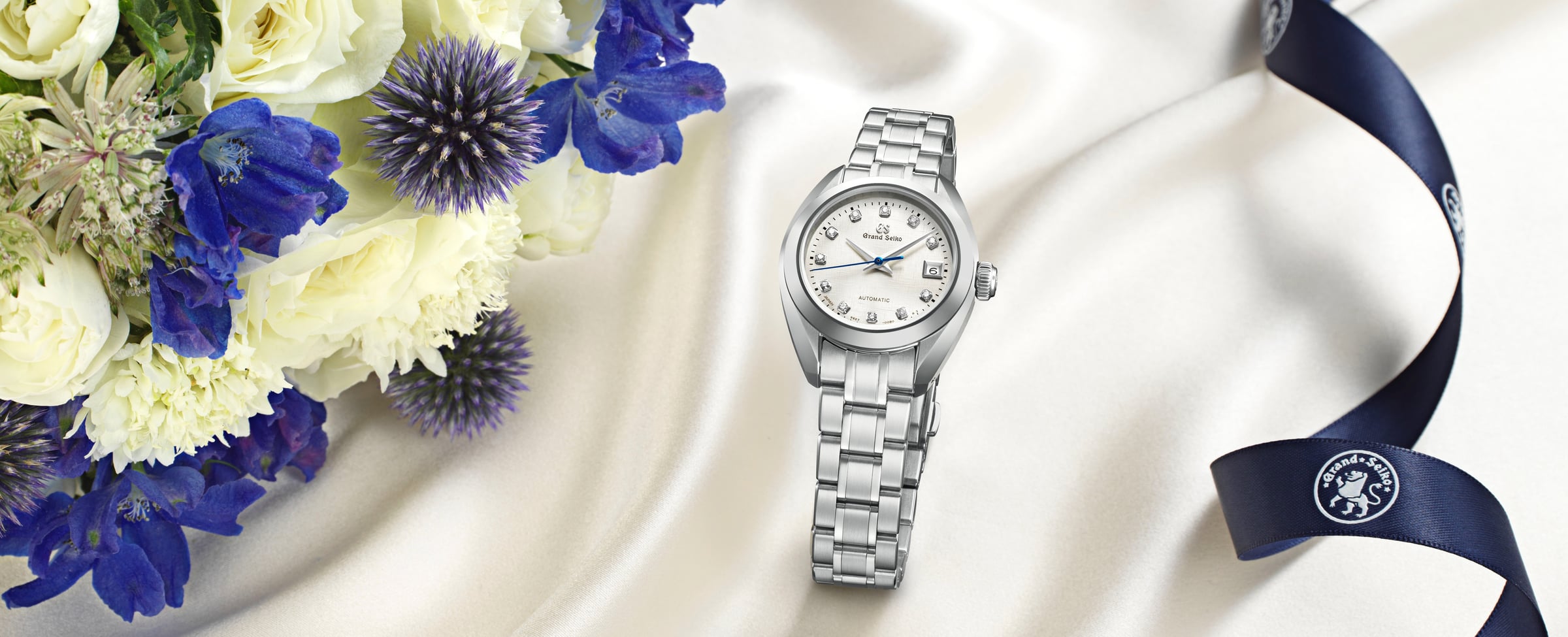
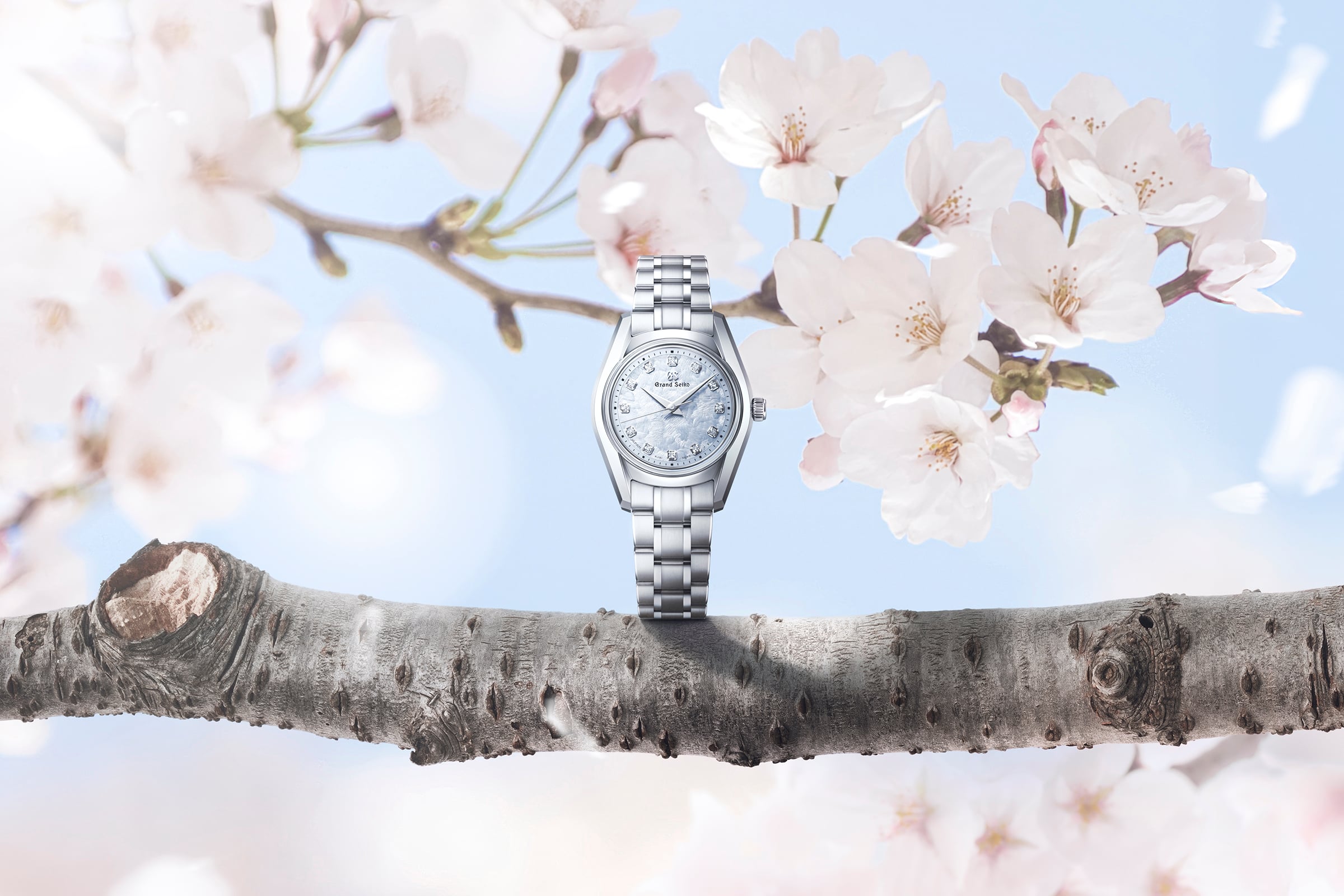
The STGF389 occupies a precise coordinate within Grand Seiko's feminine quartz lineage, a category the manufacture has cultivated with considerably more discipline than its Swiss contemporaries operating at equivalent price strata. The dial — and here the analysis must pause with appropriate weight — represents the axis upon which this reference justifies its existence. Grand Seiko's Shizukuishi and Shinshu ateliers have, through successive iterations, refined the art of dial surface treatment to a degree that the probability of finding comparable execution at this price point from any other manufacture approaches negligible. The textured finish and Zaratsu-polished indices achieve a luminous precision that renders the quartz movement beneath almost philosophically irrelevant. Concordantly, the case diameter of twenty-six millimeters positions the reference within a narrowly defined wearing demographic, which is simultaneously its constraint and its integrity — it does not pretend toward universality. The caliber 4J51 is adequate; it functions. One does not, however, purchase this reference for its movement. Ergo, the value proposition is genuinely contested. The price demanded for a quartz-regulated instrument, however beautifully housed, requires from the prospective owner a specific ideological commitment to dial craft over mechanical virtue — a commitment not every collector will extend without reservation.
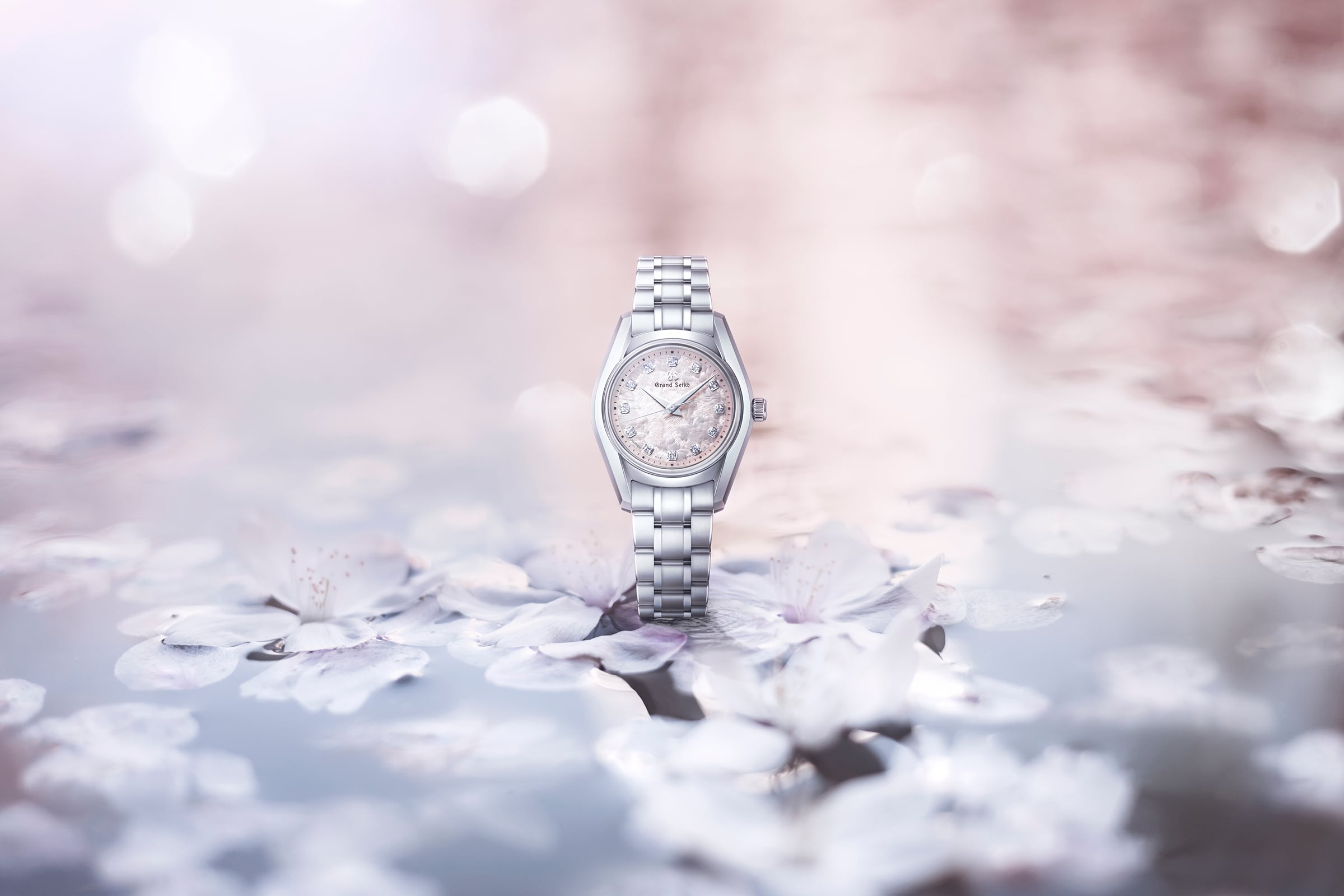
The STGF387 occupies a precise coordinate within Grand Seiko's taxonomy: a 26mm quartz dress-casual reference directed toward a smaller-wristed demographic, wherein the Seiko Artisan atelier's surface refinements are deployed in service of accessibility rather than complication. The dial execution — characteristic of the Shinshu or Shizukuishi ateliers depending on production assignment — demonstrates the Zaratsu-adjacent finishing and textural depth that distinguishes Grand Seiko's visual language from its Swiss contemporaries. Concordantly, this axis is where the reference earns genuine distinction; the handset maintains the same exacting applied geometry found across the broader lineage regardless of case scale. The case design, at 26mm, presents an interesting constraint. It does not attempt to replicate the architectural assertiveness of the larger Sport or Evolution 9 iterations, and the proportions function correctly without aspiring beyond their categorical station. The caliber 4J51, however, is the axis requiring honest accounting. Quartz movement at this price tier — Grand Seiko quartz commands a non-trivial premium — satisfies accuracy requirements while providing no mechanical narrative. As you undoubtedly gather, the value equation becomes the structural tension of this reference: the finishing is exceptional, the movement adequate, and the market price sits at an interval where mechanical alternatives from within the same house become a measurable probability. Wearability for its intended wrist scale is, nonetheless, a resolved problem.