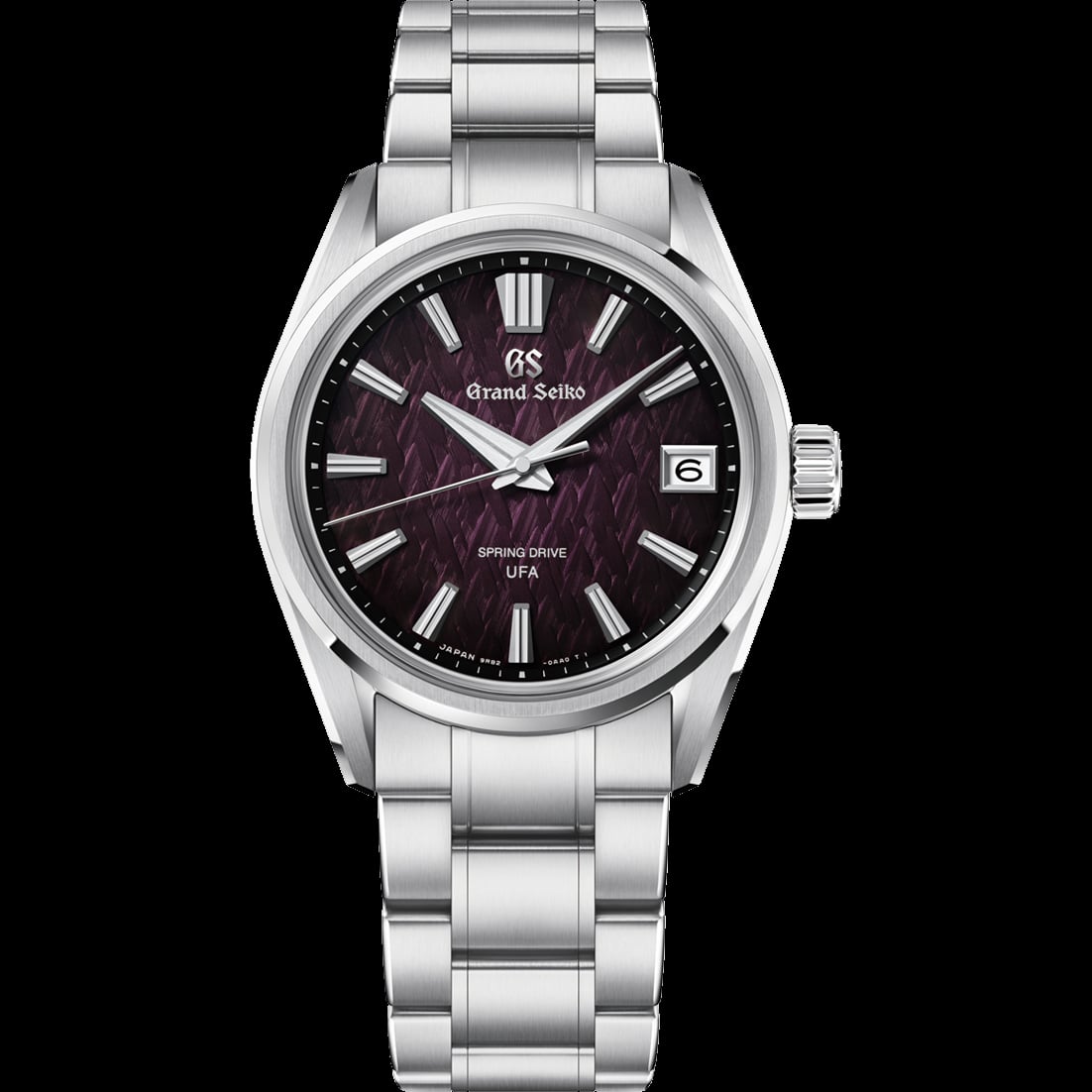
The SLGB005 occupies a precise coordinate within Grand Seiko's Elegance Collection lineage — a reference distinguished by the application of Byakkotai dial texturing, its surface geometry replicating the silver grass plains of the Shinshu highlands through a process of hand-finishing that resists straightforward mechanical replication. Concordantly, the dial must be understood not as decoration but as a primary structural argument: the interaction of light across its striated surface constitutes the watch's central aesthetic proposition, and it achieves this with a legibility that predecessors in the broader luxury dress category rarely manage simultaneously. The caliber 9RB2 represents a variant of Grand Seiko's established high-beat Spring Drive architecture — a movement that, vis-à-vis conventional mechanical regulation, introduces the Tri-synchro resonator as a governing mechanism, producing accuracy figures that approach those of quartz without abandoning the kinetic discipline of mechanical winding. There exists a certainty that 37 millimeters of case diameter is a deliberate editorial position against the prevailing expansion of contemporary case proportions, and the 11.4mm thickness sustains the case's credibility as a dress instrument. The bracelet executes its function adequately without introducing the refinement of the dial. As you undoubtedly gather, the value calculus is complicated: the asking price positions the SLGB005 against European dress alternatives of comparable specification, where the probability of matching its dial execution approaches low.
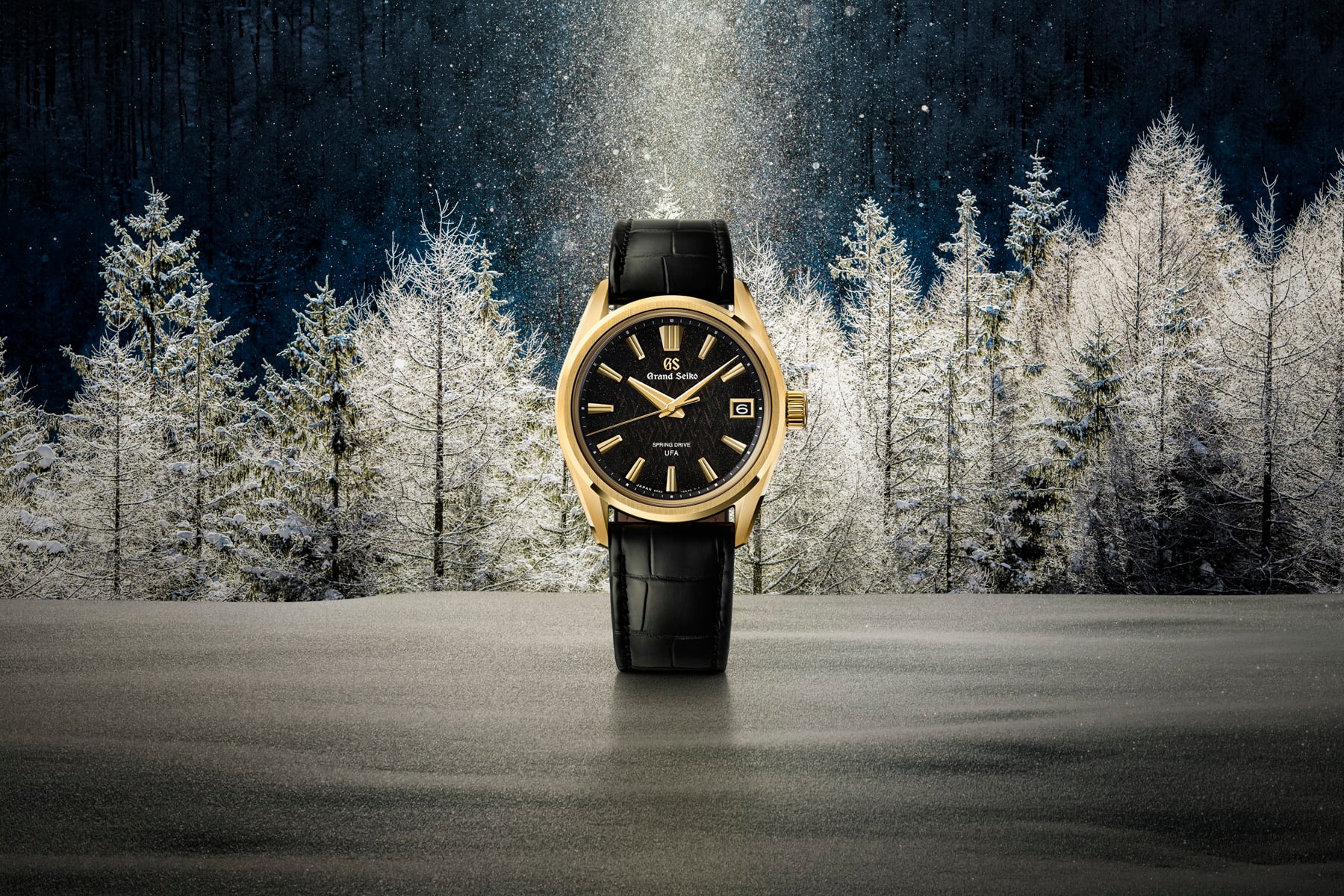
The SLGB006 represents Grand Seiko's application of its Spring Drive architecture — specifically the 9RB2 caliber — to a dress proposition executed in 18-karat yellow gold, a material selection that positions this reference deliberately within a lineage of formal horology that the Suwa and Shizukuishi ateliers have approached with increasing confidence over successive decades. The dial, as you undoubtedly gather, is the instrument's dominant argument: the Snowflake texture rendered in gold-tone produces a refracted luminosity that varies demonstrably under angular light, a characteristic that distinguishes it from the flatter finishes of its steel-cased predecessors. The 9RB2 caliber, a Spring Drive variant combining mechanical winding with electromagnetic regulation, achieves a stated accuracy of plus or minus one second per day — a figure that situates it above conventional automatic competitors. Concordantly, the 37-millimeter diameter reflects a considered restraint, appropriate to the dress category and more disciplined than the case inflation observed across contemporaries. The 11.4-millimeter thickness, however, represents a measurable compromise for a watch of this formality. Ergo, the value axis emerges as the material tension. Yellow gold construction places the SLGB006 in a pricing stratum where Swiss maisons with longer formal pedigree compete directly, and the probability that buyers prioritize Grand Seiko's horological precision over inherited prestige at this price point remains uncertain.
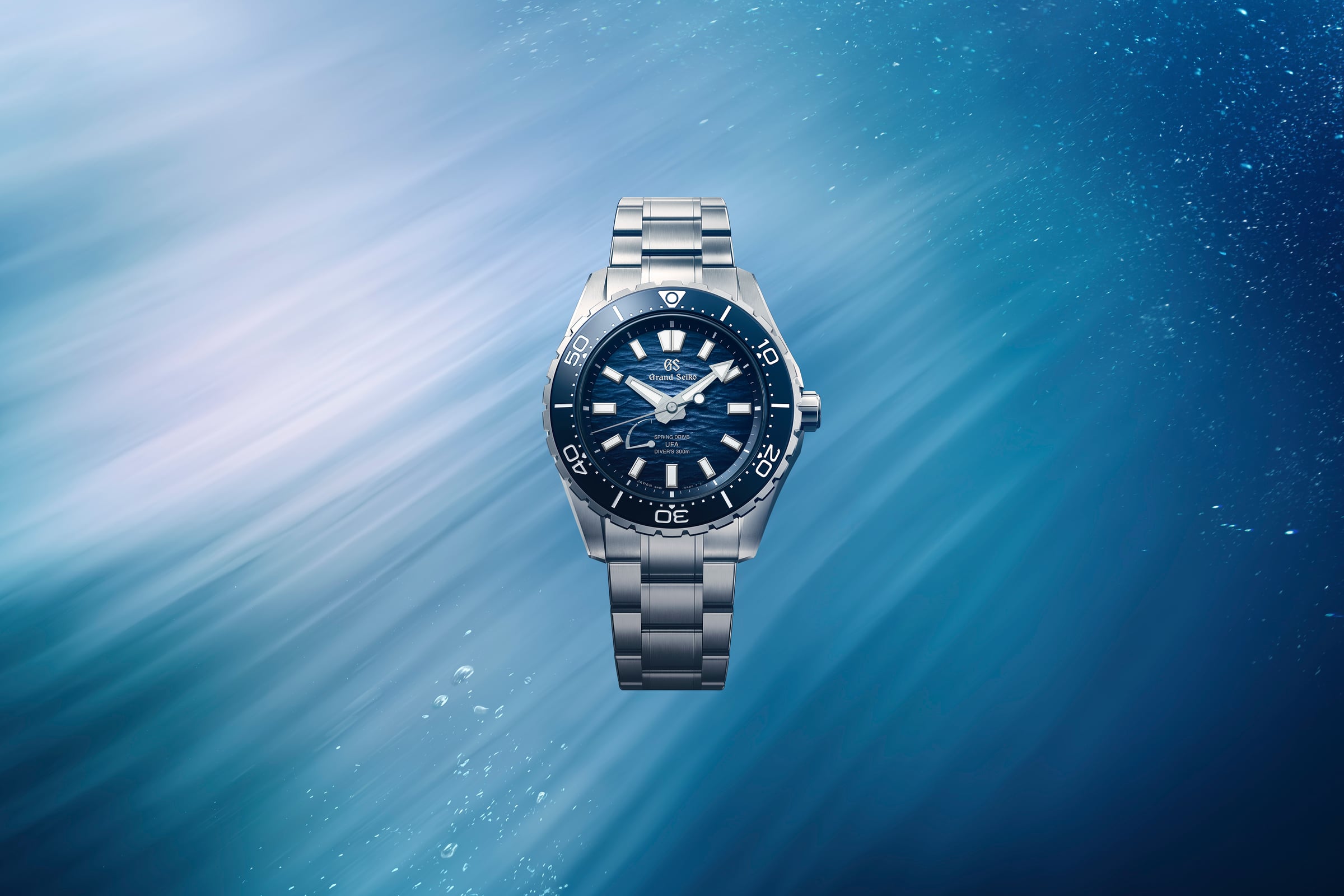
The SLGB023 represents Grand Seiko's systematic application of its Zaratsu-polished aesthetic logic to the dive instrument category — a category that, vis-à-vis the brand's storied dress and spring drive lineage, has historically received less rigorous formal attention. The caliber 9RB1 is the operative fact that distinguishes this iteration from the broader field of 300-meter tool watches: a spring drive movement producing accuracy within plus or minus 0.5 seconds per day, concordantly rendering the mechanical-versus-quartz distinction largely academic for practical timekeeping purposes. This is a paradigm-defining level of precision for an automatic-class movement architecture. The case diameter at 40.8mm and thickness at 12.9mm describe a geometry that remains within the boundaries of wearable discipline, particularly given the titanium construction, which the probability of daily fatigue reduces to near negligibility. The dial and handset, characteristic of the Shizukuishi atelier's approach, exhibit the texturing and applied luminous indices that place this iteration above adequate without achieving the full visual resolution of Grand Seiko's most celebrated dress references. The bracelet executes its function without distinction. The value axis presents the predictable friction of the Grand Seiko premium: ergo, the question is not whether the specification justifies the price in absolute terms, but whether the market segment in which this reference competes — against Rolex, Tudor, and Seiko's own contemporaries — absorbs that premium with sufficient justification.
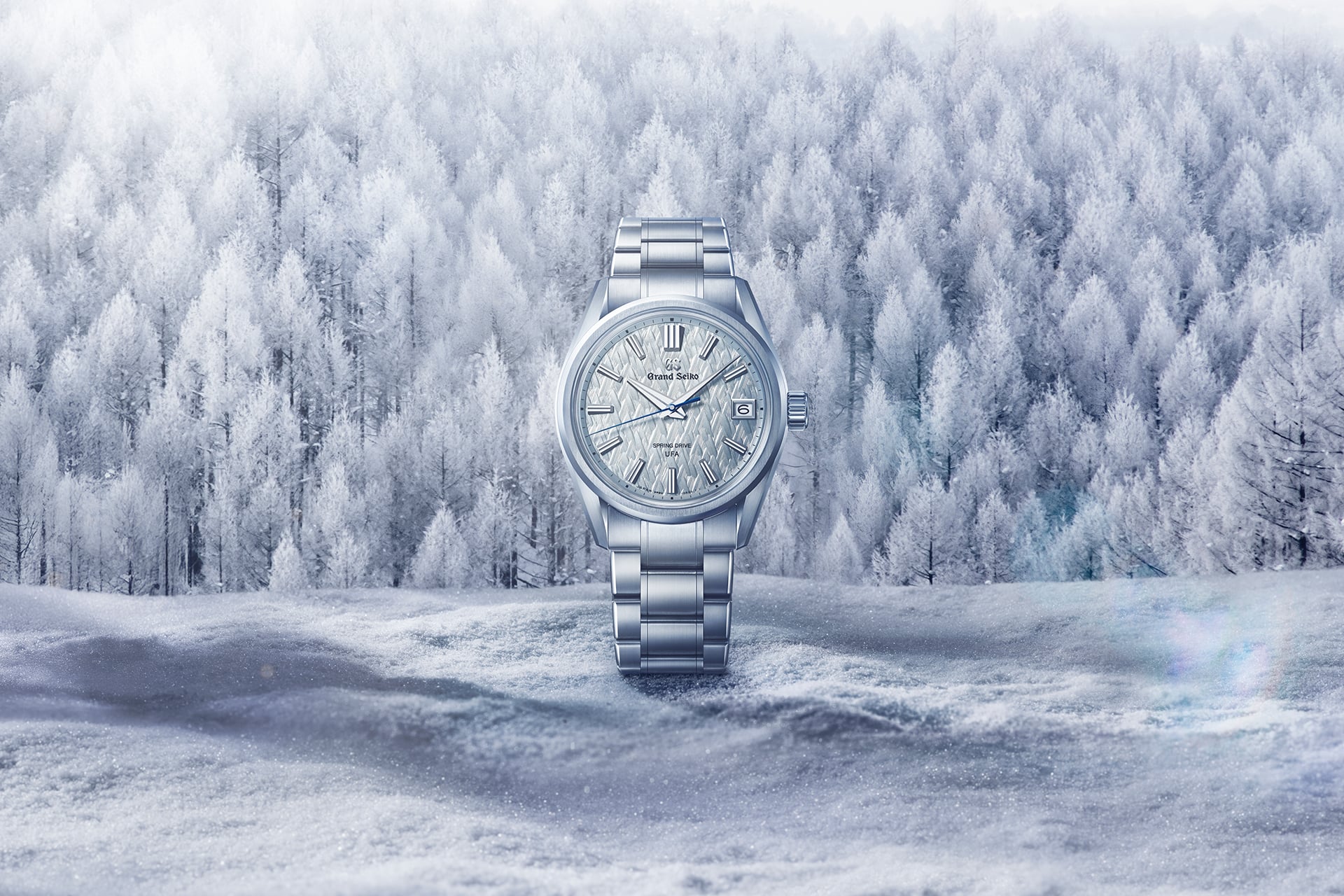
The SLGB003 represents Grand Seiko's application of its Evolution 9 case architecture to the Spring Drive mechanism, specifically the 9RB2 caliber — itself a convergence of mechanical winding and quartz-regulated glide-spring regulation that occupies a taxonomically singular position in horology. Vis-à-vis the broader Spring Drive lineage, this iteration introduces a dial treatment of textured restraint, its surface derived from the Shinshu highland landscape, producing a depth of field that Zaratsu-polished indices interrupt with characteristic precision. The probability that any competing manufacture at this price stratum achieves equivalent dial dimensionality approaches negligible. Concordantly, the Evolution 9 case in titanium at 37 millimeters represents a considered recalibration toward discipline — a contraction from the 40-millimeter iterations that have dominated the contemporary sport-luxury category. The 11.4-millimeter thickness, however, is not negligible for a case of this diameter, and the wearability calculus must account for this proportion. The titanium bracelet executes adequately, with acceptable finishing, though it does not approach the articulation of Grand Seiko's finest integrated bracelet work. As you undoubtedly gather, the value axis presents the central tension: $11,400 USD positions this reference against objectively more complex instruments. The inevitability is that the Spring Drive's mechanical singularity and the dial's handcraft justify the majority, though not the entirety, of that premium.
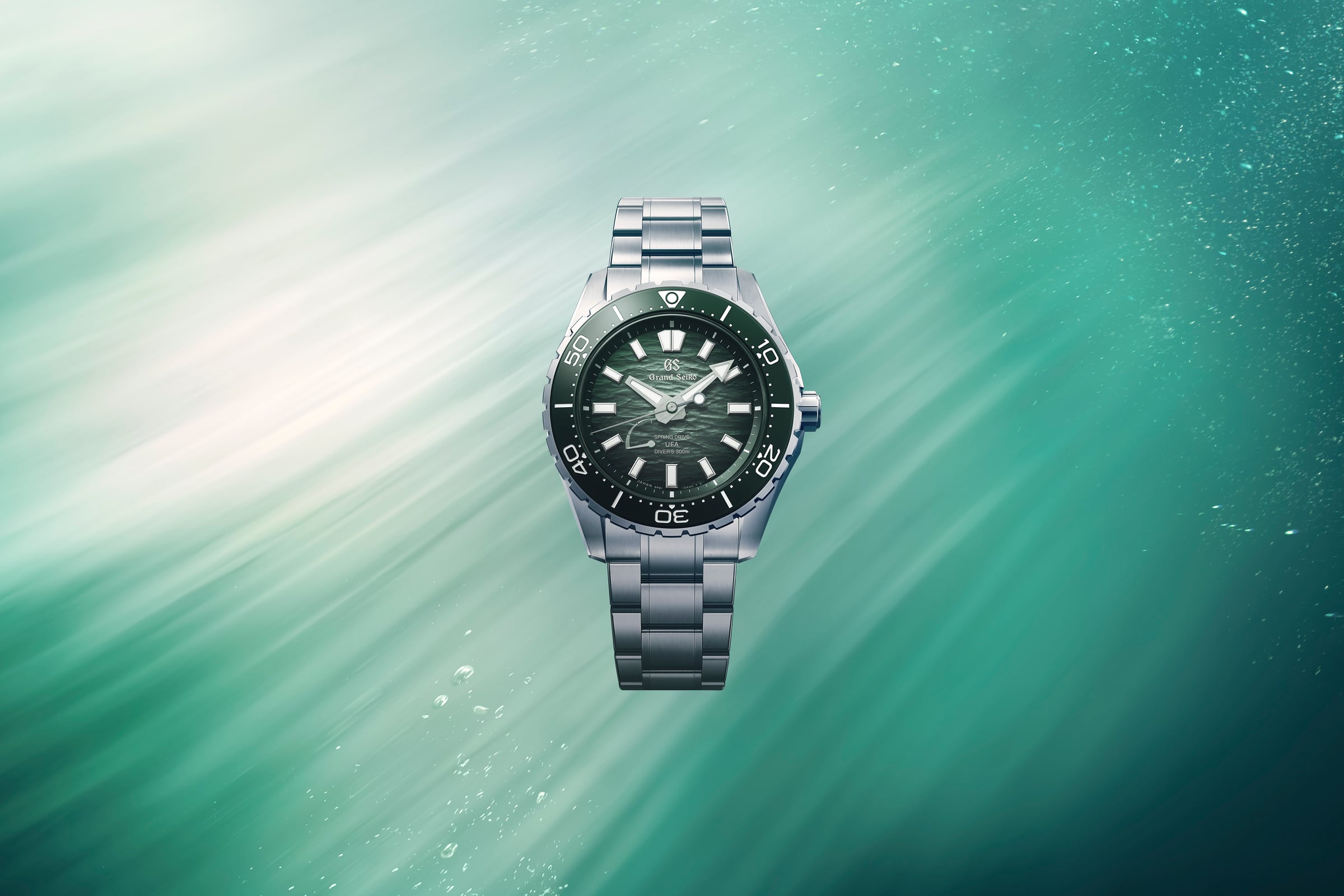
If this was a tad bit cheaper it would be the best diver on the market