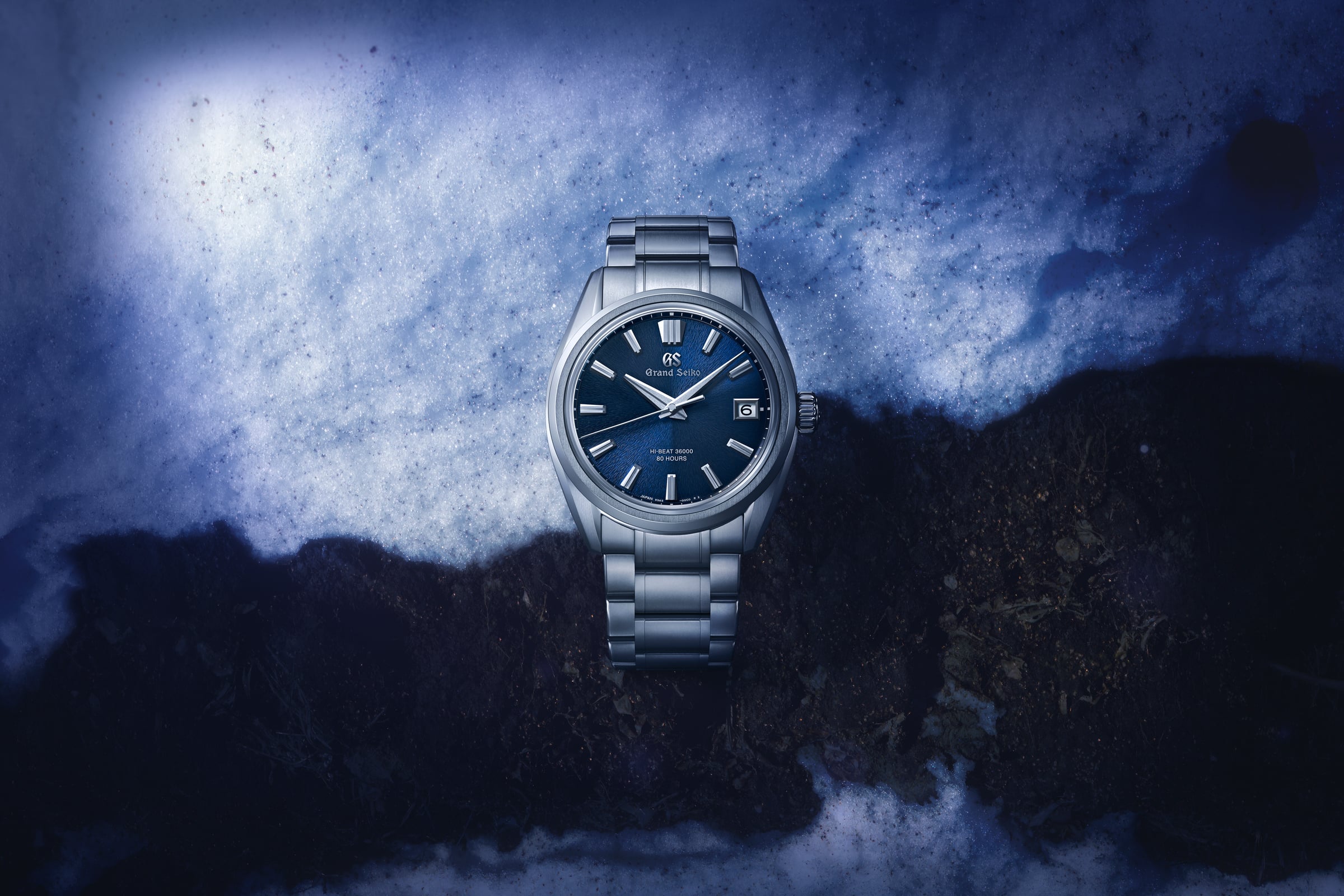
The SLGH019 occupies a specific coordinate within Grand Seiko's sport taxonomy — a titanium expression of the Snowflake lineage rendered through the technical apparatus of the caliber 9SA5, the manufacture's most consequential movement architecture in several decades. Its predecessors, constructed around the 9SA5's antecedents and the venerable 9SA5 prototype iterations, established the foundational expectation that Grand Seiko's sport category would subordinate legibility to texture. The dial here continues that tradition with characteristic discipline. Concordantly, the 9SA5 warrants particular attention: a dual-impulse escapement of proprietary geometry, producing a 36,000 vph frequency across an 80-hour power reserve in a movement of genuine intellectual ambition. This is not an acquired Swiss architecture — it is an original one, and the probability that its influence on manufacture-level engineering propagates outward through the next decade approaches certainty. The titanium case, at 40 millimeters and 11.7 millimeters of thickness, achieves a proportional restraint that the sport category frequently abandons. Wearability is, ergo, unusually high for the specification. The value axis introduces friction — the SLGH019 occupies pricing territory where its movement excellence competes against Swiss alternatives of established market legibility, a contest in which Grand Seiko's secondary market remains less predictable. Adequate but not exceptional as a value proposition for the category.
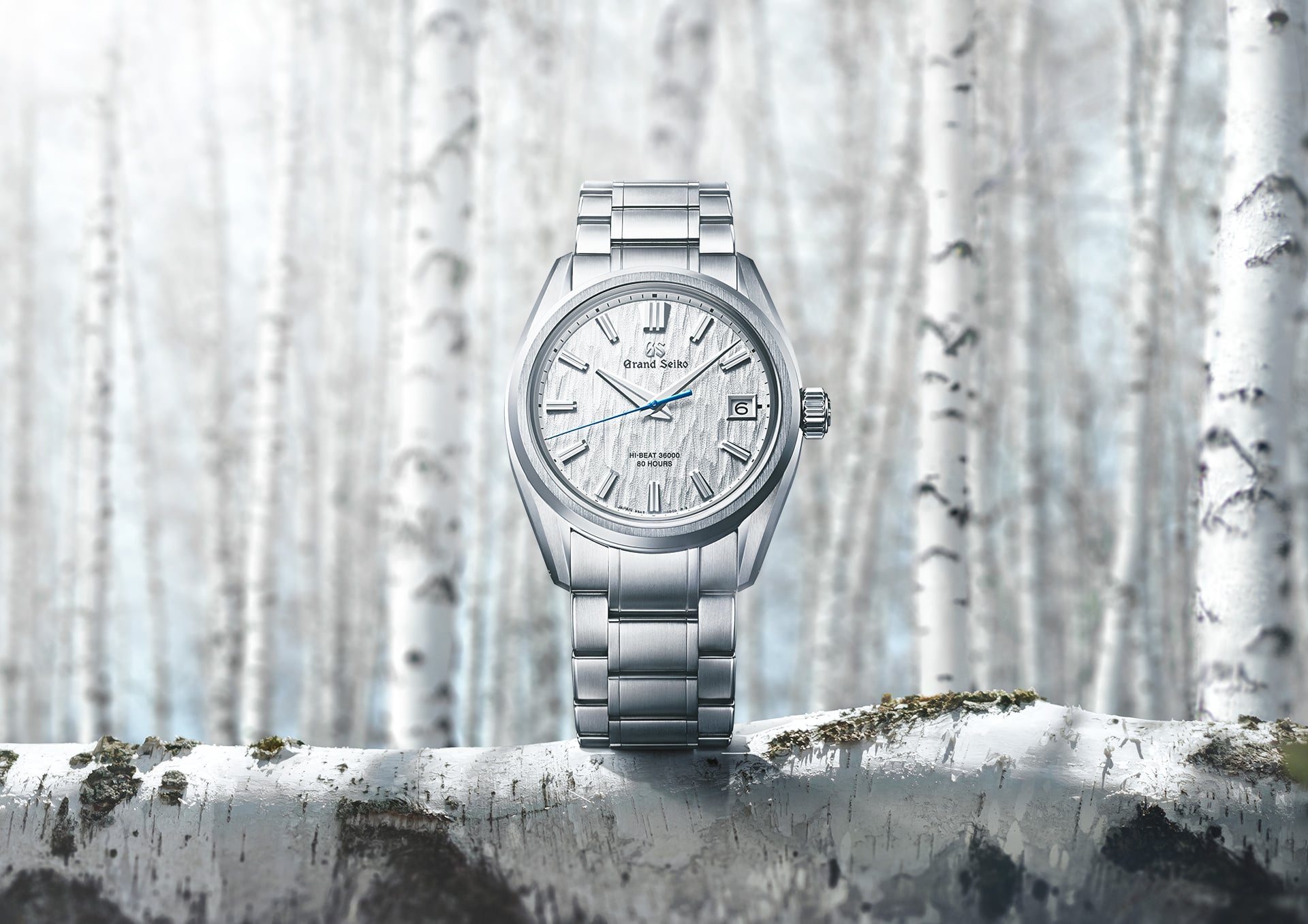
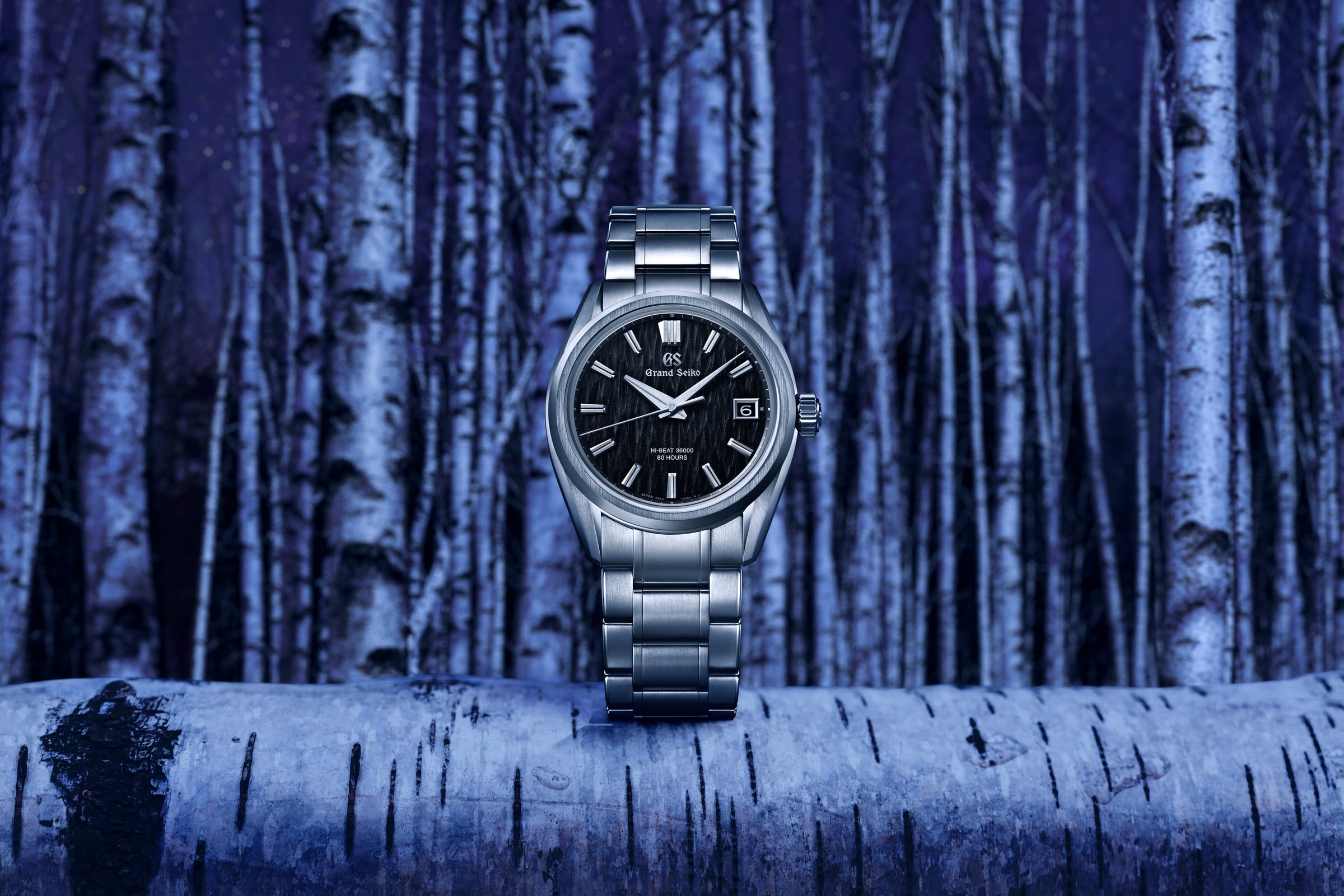
The SLGH005 represents a decisive inflection point in Grand Seiko's developmental trajectory — specifically, the maturation of the Evolution 9 case architecture introduced as a deliberate departure from the Spring Drive-dominated aesthetic of its immediate predecessors. The dial, rendered in a Shinshu forest motif through Zaratsu-polished and textured surfaces, achieves a depth of light interaction that most Swiss contemporaries do not approach. Concordantly, the alternation of mirror-finished and brushed planes on the case constitutes a paradigm of finishing discipline rarely encountered at this price stratum. The caliber 9SA5 merits particular analysis: its free-sprung balance with dual impulse escapement represents a genuine mechanical innovation rather than incremental refinement, operating at 36,000 beats per hour with an 80-hour power reserve — a combination that predecessor Hi-Beat calibers did not simultaneously achieve. As you undoubtedly gather, the bracelet, while competently executed, lacks the same degree of formal resolution as the case it serves; the proportional transitions between links read as adequate rather than considered. The wearability equation at 40mm by 11.7mm places the SLGH005 at the perimeter of dress-watch discipline. The probability that this reference is undervalued vis-à-vis its Swiss equivalents in finishing and mechanical innovation approaches near-certainty.
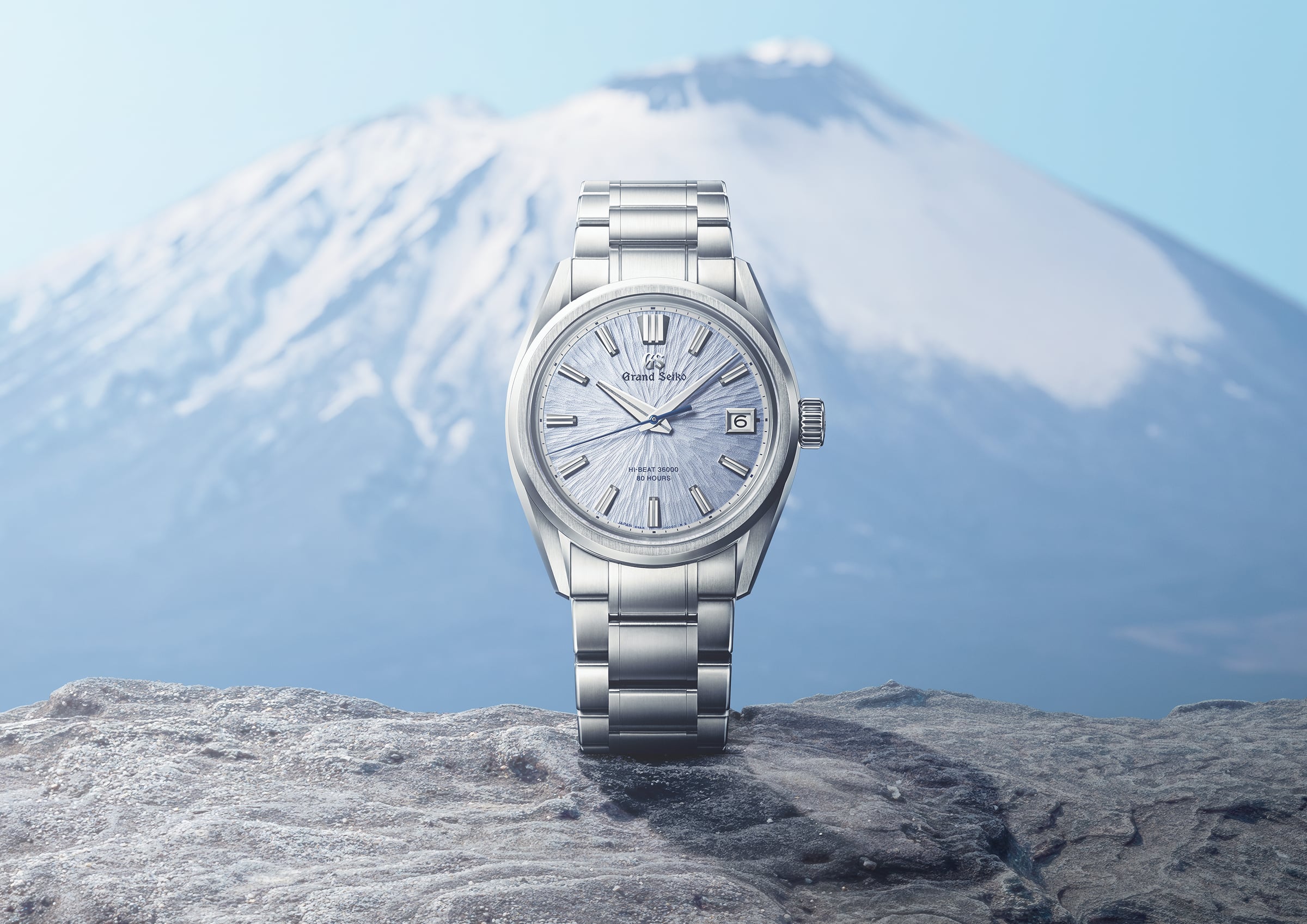
The SLGH017 represents a convergence of Grand Seiko's dual imperatives: the pursuit of mechanical precision and the preservation of its Shinshu aesthetic tradition. Vis-à-vis its steel-cased predecessors in the Heritage Collection, the titanium construction achieves a measurable reduction in mass without the visual compromise that alloys of lesser refinement tend to impose. The dial — a textured evocation of the Shinshu highland forest — is, concordantly, among the most legible and formally accomplished surfaces produced within the contemporary sport-adjacent category. The Zaratsu-polished case geometry presents an interesting structural resolution: flowing surfaces that resist the visual fatigue common to hard-edged sport case iterations. The caliber 9SA5 demands particular attention. Its dual-impulse escapement and free-sprung balance represent a genuine departure from the lever escapement conventions that predecessors of this line inherited from Swiss influence. The probability that this movement architecture becomes the defining mechanical benchmark for Japanese horology within the current decade is, as you undoubtedly gather, not negligible — hence the paradigm-adjacent score. The bracelet executes its function without distinction. Wearability, at forty millimeters and 11.7 millimeters of thickness in titanium, is the reference's most effortless attribute. Value is the axis that introduces friction: the pricing tier positions the SLGH017 against Swiss competitors of demonstrably lesser mechanical ambition but substantially greater market recognition. The inevitability is that recognition lags the specification.
The SLGH013 represents a significant node within Grand Seiko's systematic expansion of the Sport collection, deploying the caliber 9SA5 — the manufacture's most consequential movement architecture in several decades — within a case geometry that serves the Zaratsu-finished sport category with notable discipline. The dual-impulse escapement and free-sprung balance of the 9SA5 constitute a genuine departure from conventional lever escapement orthodoxy, and there exists a certainty that this movement, across the broader industry, will be recognized as paradigm-adjacent in its mechanical ambition. Concordantly, the dial in this reference exhibits the characteristic textural depth associated with the Shinshu atelier's interpretation of natural landscape — a methodology inherited from predecessors in the 44GS design language, wherein surface treatment substitutes for complication as the primary index of craft. The case, at forty millimeters and 11.7 millimeters of thickness, achieves proportional restraint that many sport iterations at this specification level do not. The bracelet, while functionally integrated, does not achieve the same precision of articulation as the case surfaces it terminates, representing the reference's most tractable deficiency. The value calculus is complicated by the 9SA5's genuine technical merit vis-à-vis its price positioning against Swiss manufacture equivalents — adequate, though not unambiguously compelling.
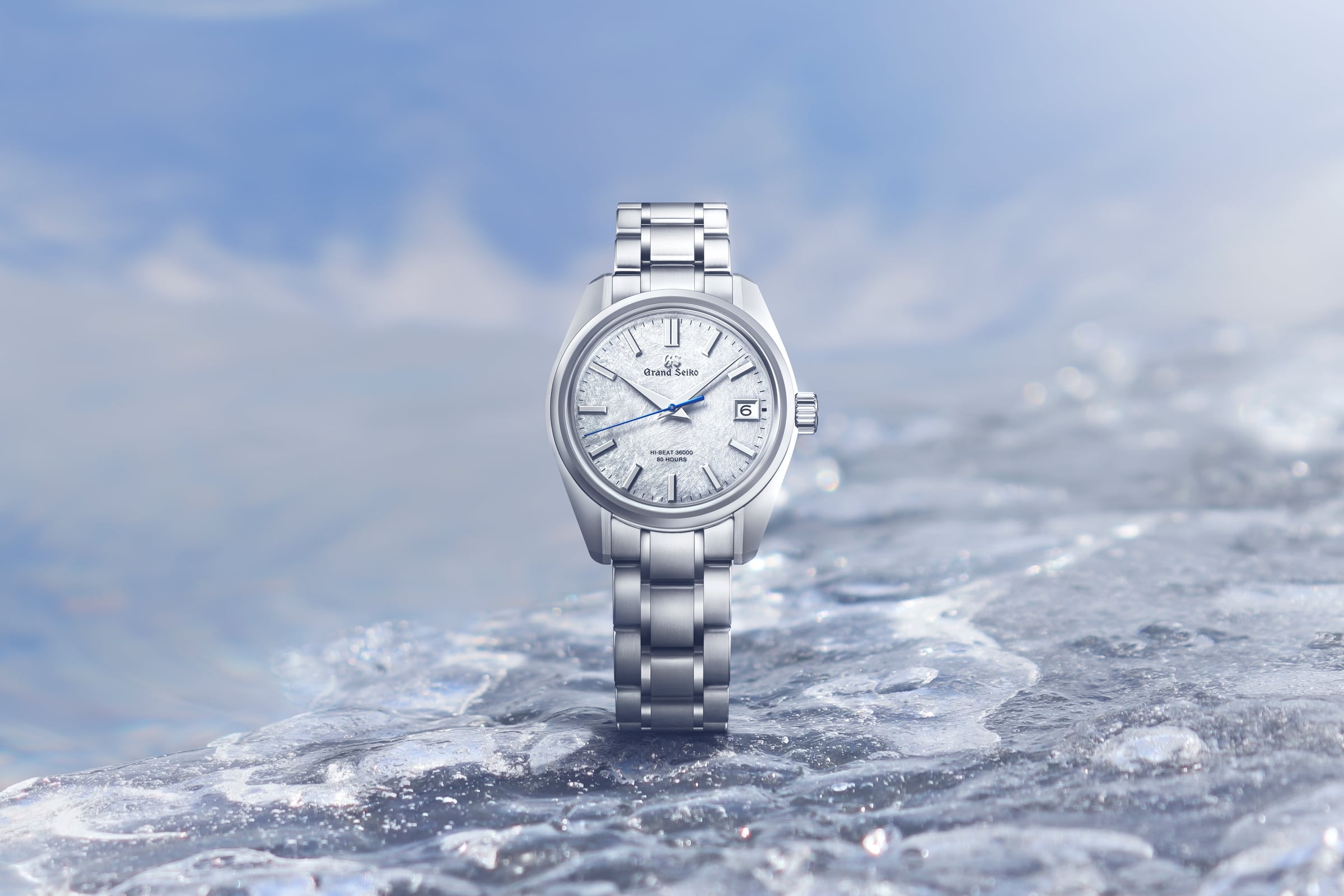
The SLGH027 occupies a precise coordinate within Grand Seiko's sport lineage — a Snowflake-derived expression rendered in the high-beat architecture of the 9SA5 caliber, itself a structural departure from the Spring Drive mechanism that defined the SLGA series predecessors. The dial texture, produced through the Shinshu Shirane plateau's winter surface as referential source material, achieves a diffusion of light that resists easy categorization within conventional sports watch design. Concordantly, the case geometry — forty millimeters of diameter at 11.7mm thickness — reflects the Zaratsu-polished discipline that distinguishes Grand Seiko's manufacturing philosophy from its Swiss contemporaries. The 9SA5 movement warrants particular notation: a dual impulse escapement of Grand Seiko's own theoretical and mechanical construction, operating at 36,000 vibrations per hour, achieves accuracy figures that approach chronometer certification from a position of structural superiority rather than mere calibration. As you undoubtedly gather, the bracelet execution, while technically accomplished, does not present the same qualitative argument as the dial surface. The value proposition exists within a peculiar tension — the probability of a buyer locating equivalent dial craft and movement innovation at this price tier approaches zero, yet the category premium for the Grand Seiko name compresses the equation's margin. Ergo, this iteration rewards the discriminating observer disproportionately.
The SLGH011 occupies a consequential position within the Grand Seiko lineage — it is the first Sport reference to house the caliber 9SA5, a movement that represents a categorical departure from the brand's preceding mechanical architecture. The dual-impulse escapement and free-sprung balance wheel assembly constitute a structural reinvention rather than an incremental refinement; vis-à-vis the 9S series that defined Grand Seiko's mechanical credibility across prior decades, the 9SA5 introduces a +/-0.5 seconds-per-day accuracy specification that approaches the theoretical boundary of conventional mechanical regulation. Concordantly, the eighty-hour power reserve resolves a persistent adequacy complaint leveled at predecessors. The dial, inspired by the Shinshu highland landscape, achieves a textural complexity that competitors in this category do not systematically produce. The case geometry at forty millimeters and 11.7 millimeters of thickness is disciplined, and wearability is an expected consequence of that restraint. The bracelet, while competently integrated, does not distinguish itself with the same conviction as the dial or movement. Ergo, the value axis presents the inevitable complication: the probability of this reference being considered fairly priced against Swiss mechanical alternatives at equivalent retail positioning is, at present, contested — though there exists a certainty that the 9SA5 alone justifies serious analytical consideration.