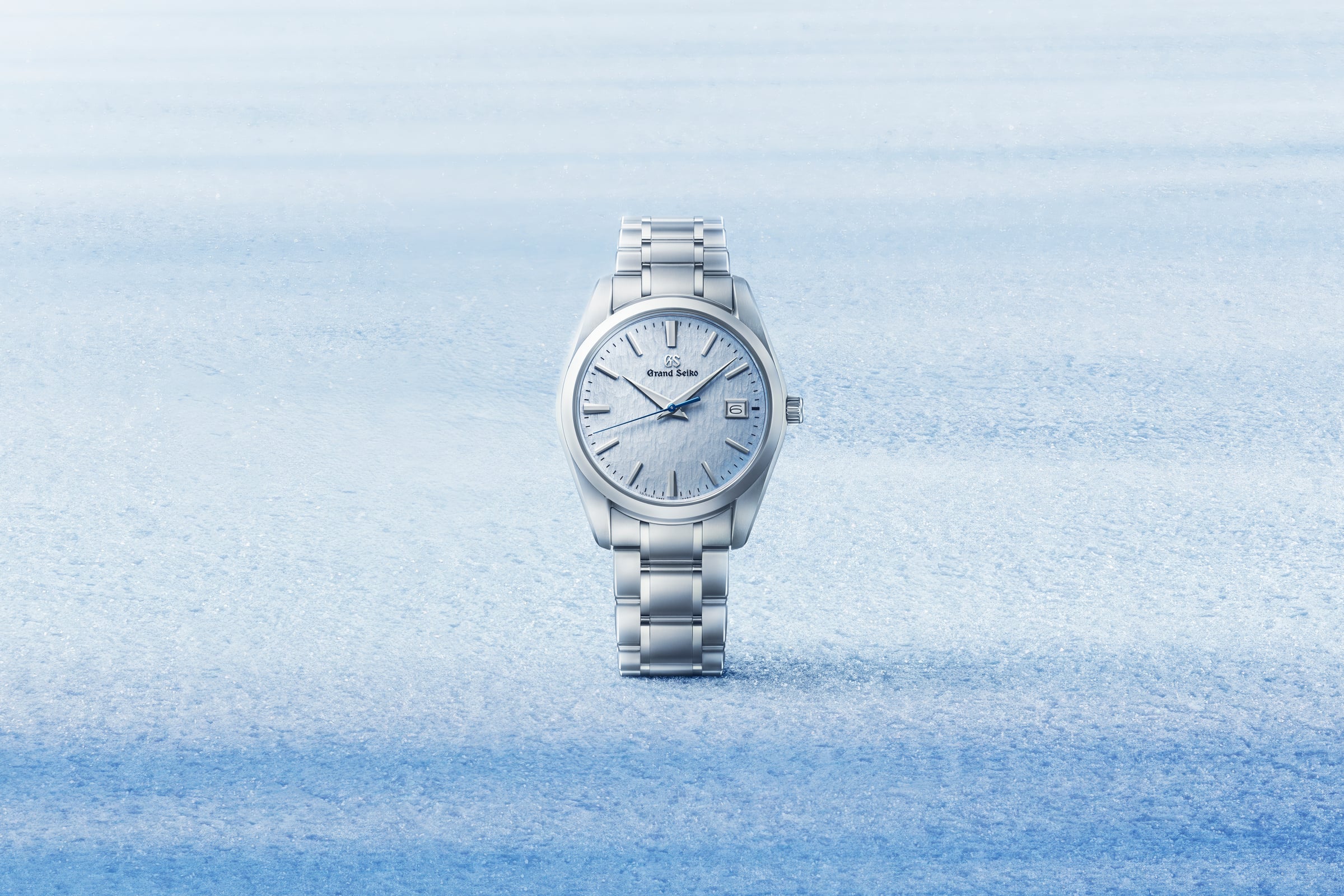
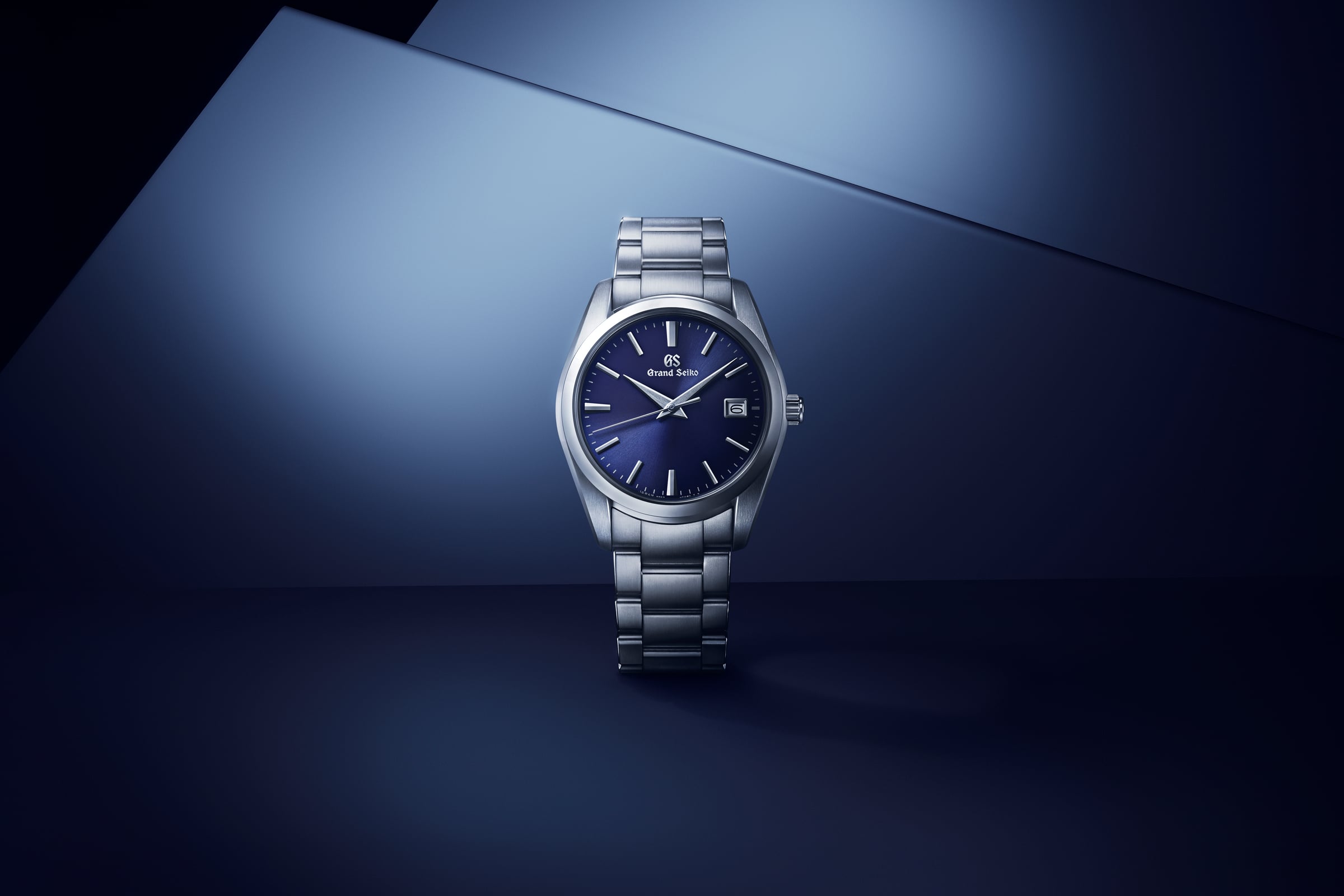
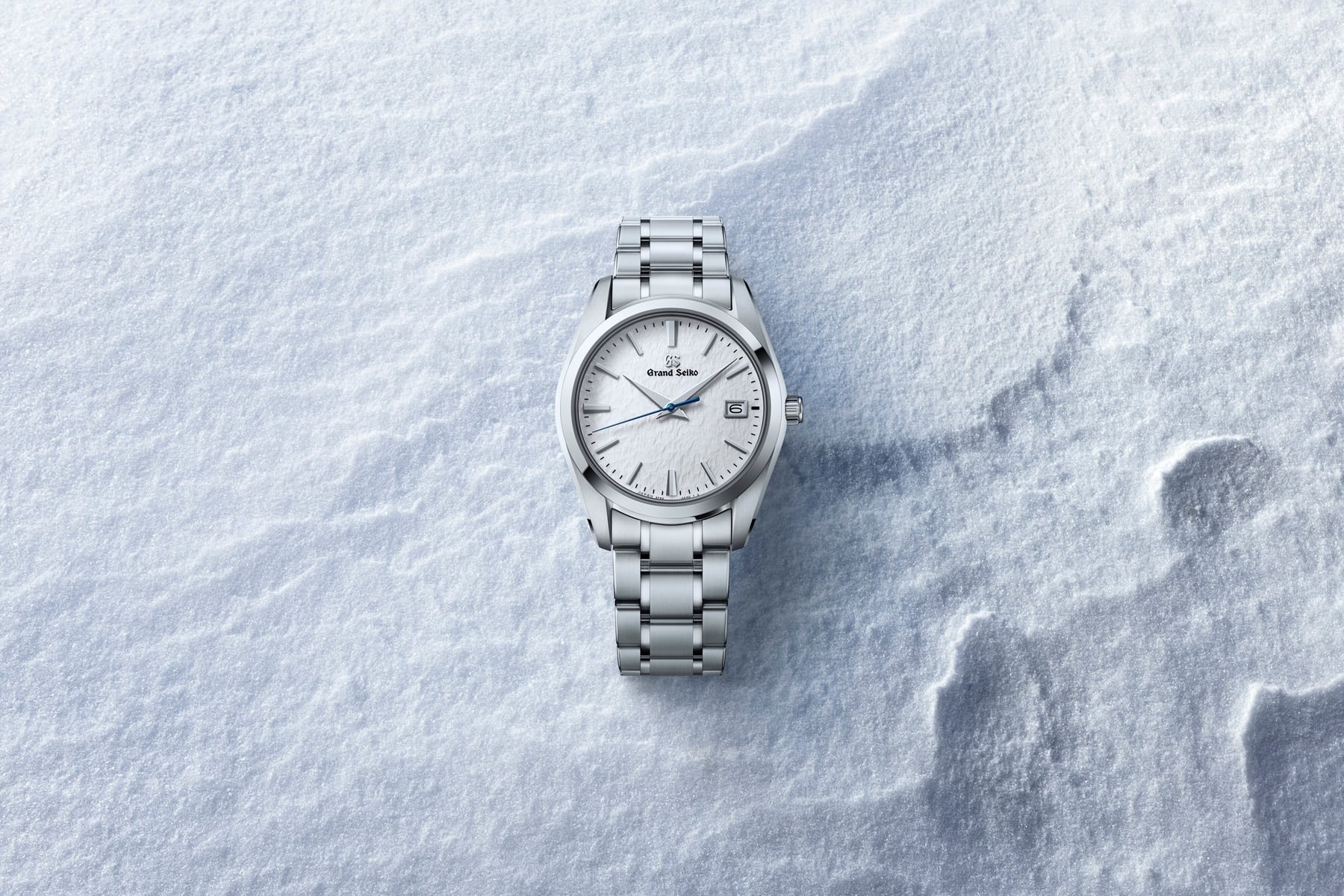
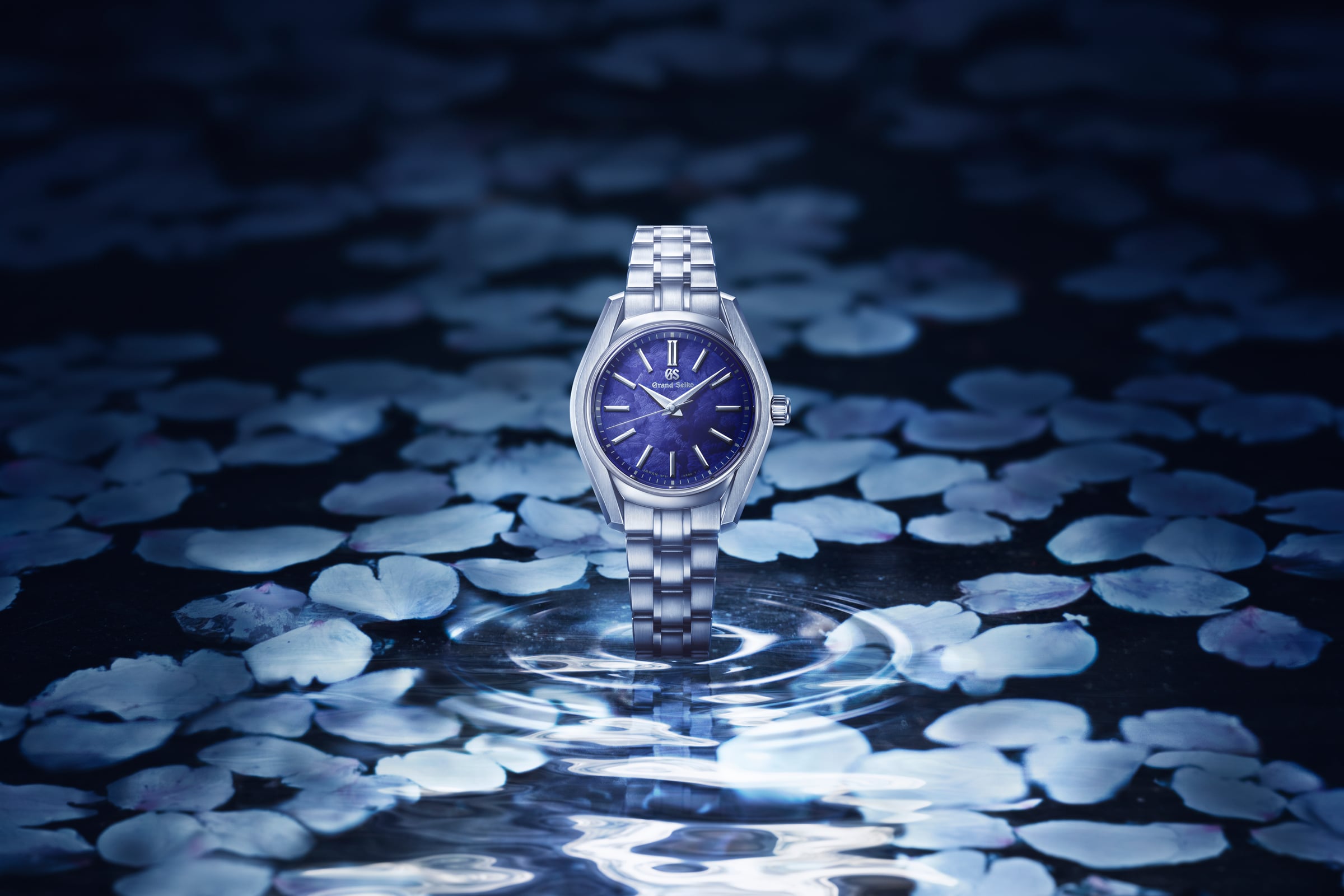
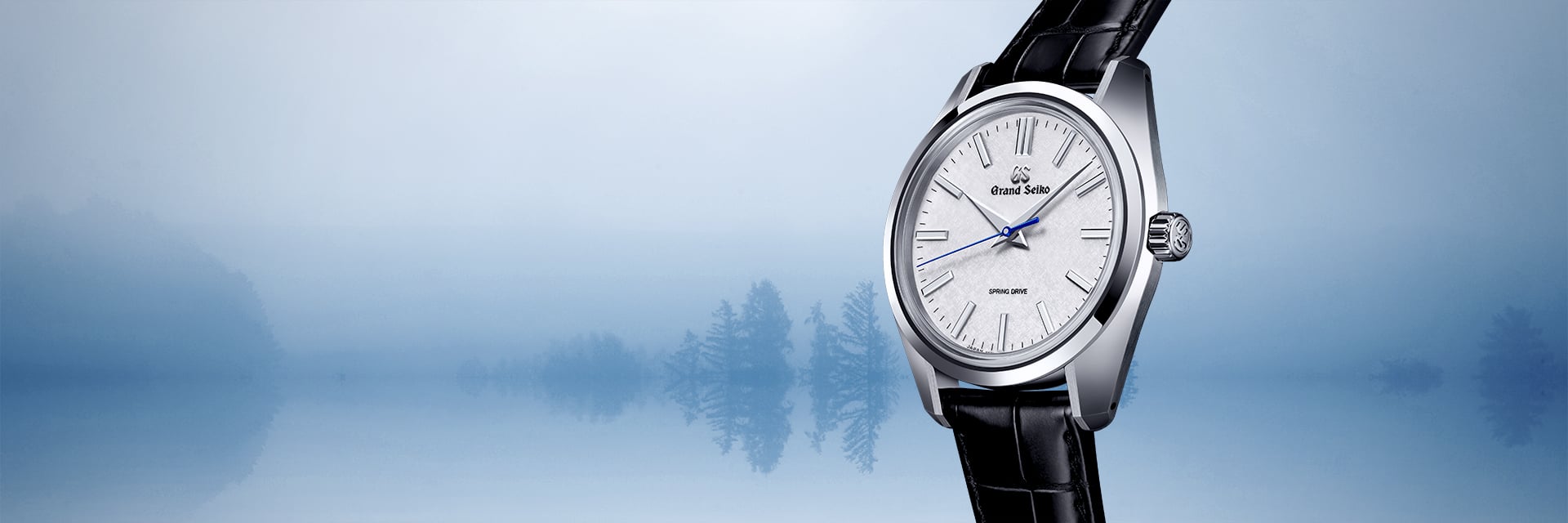
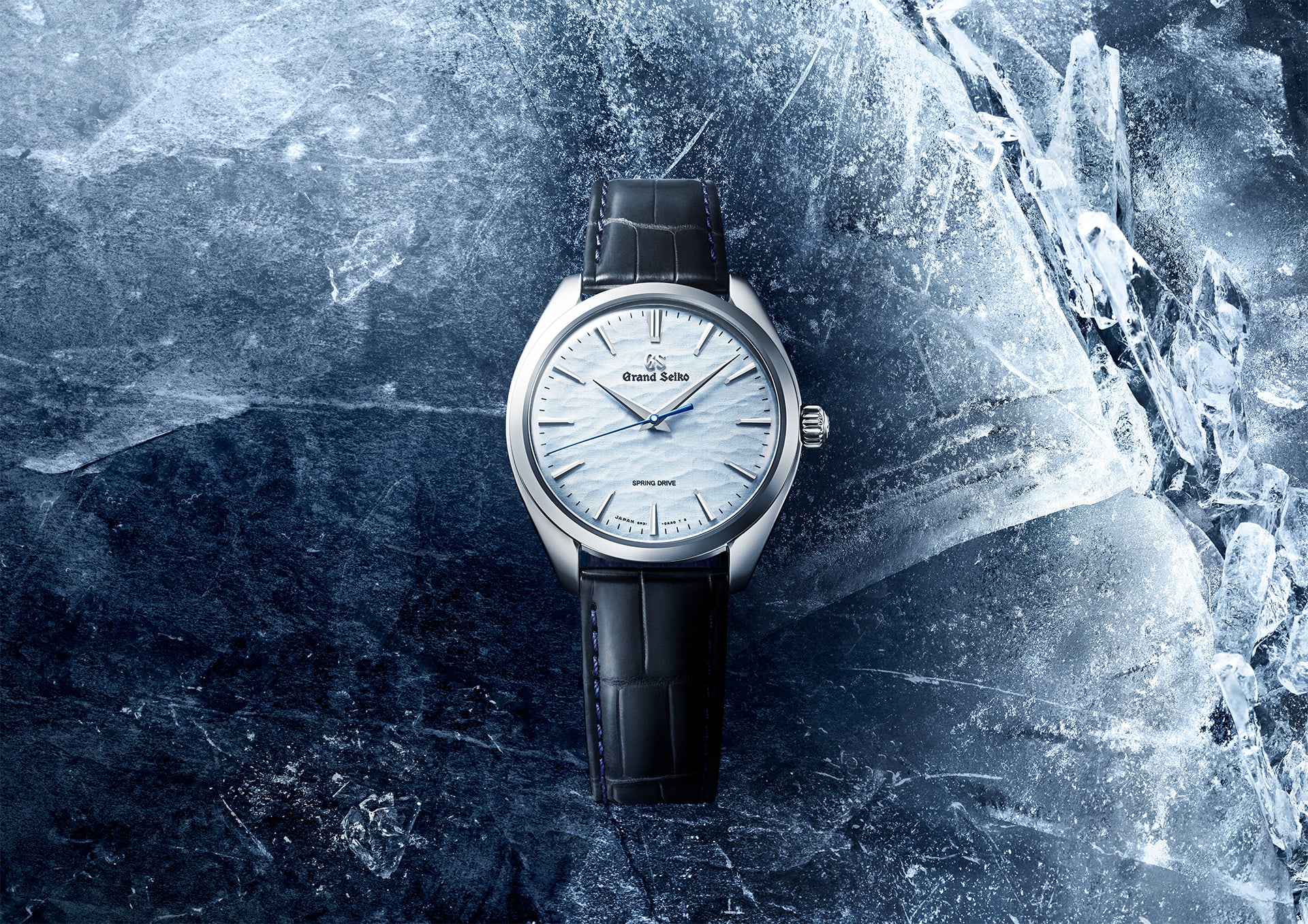
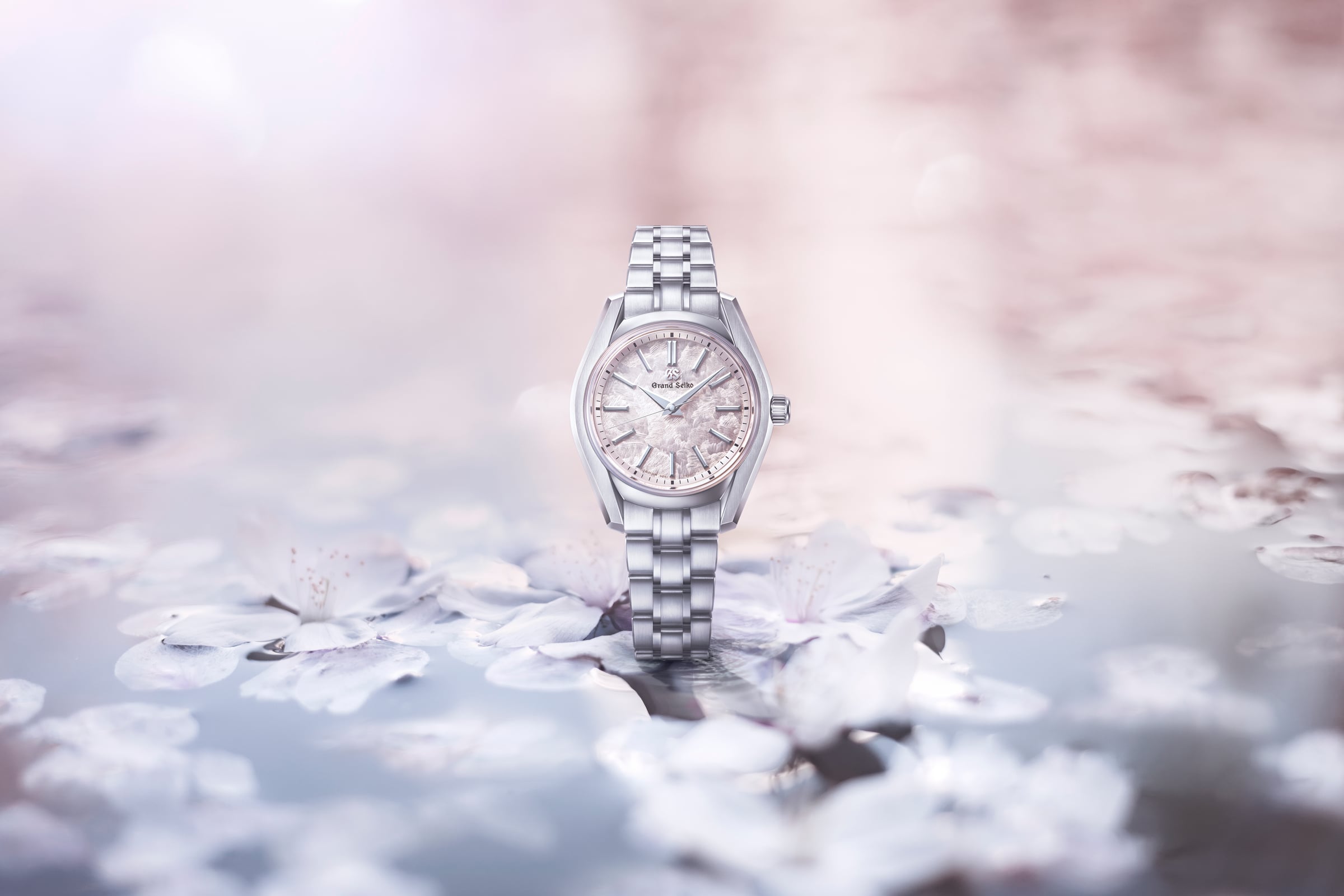
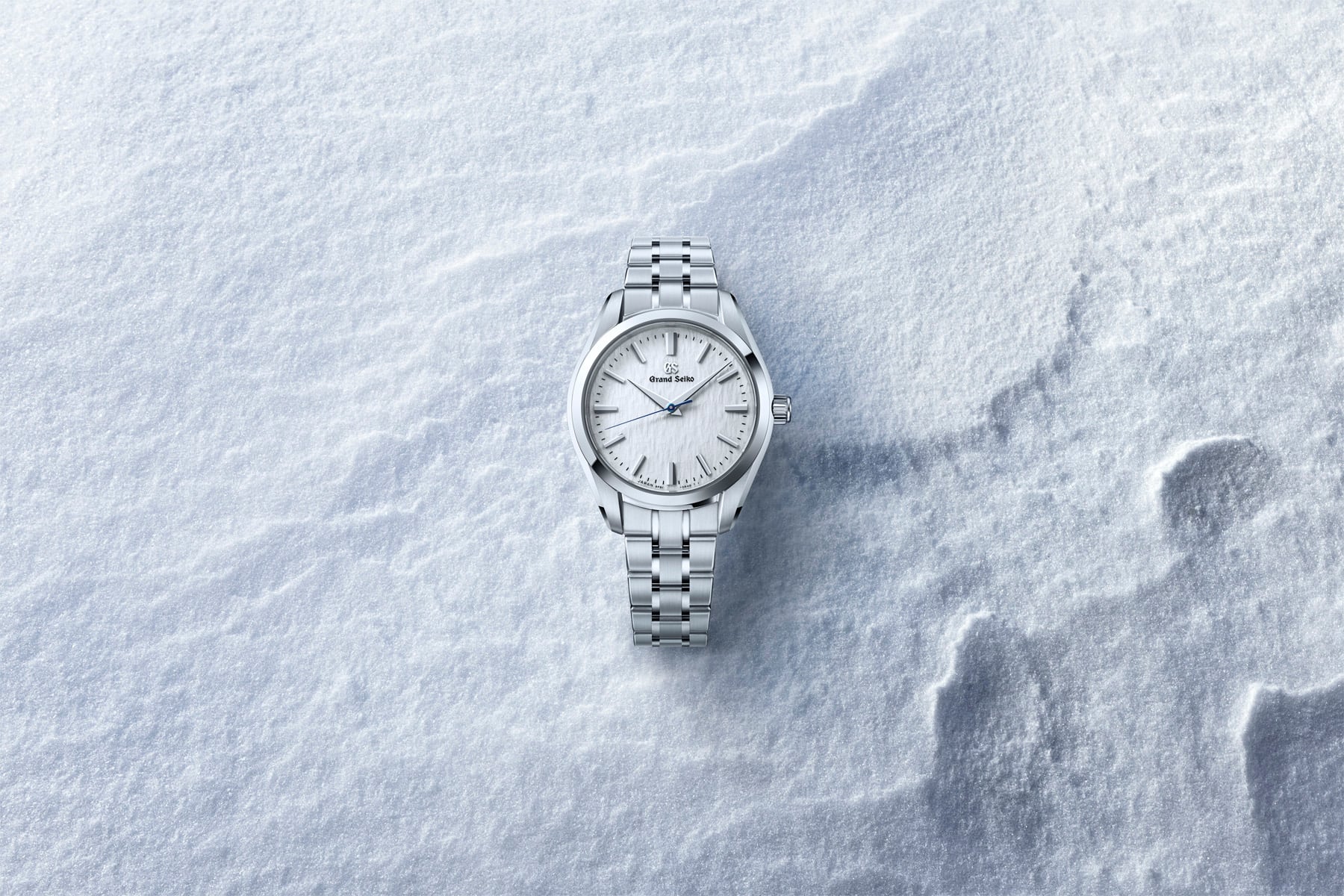
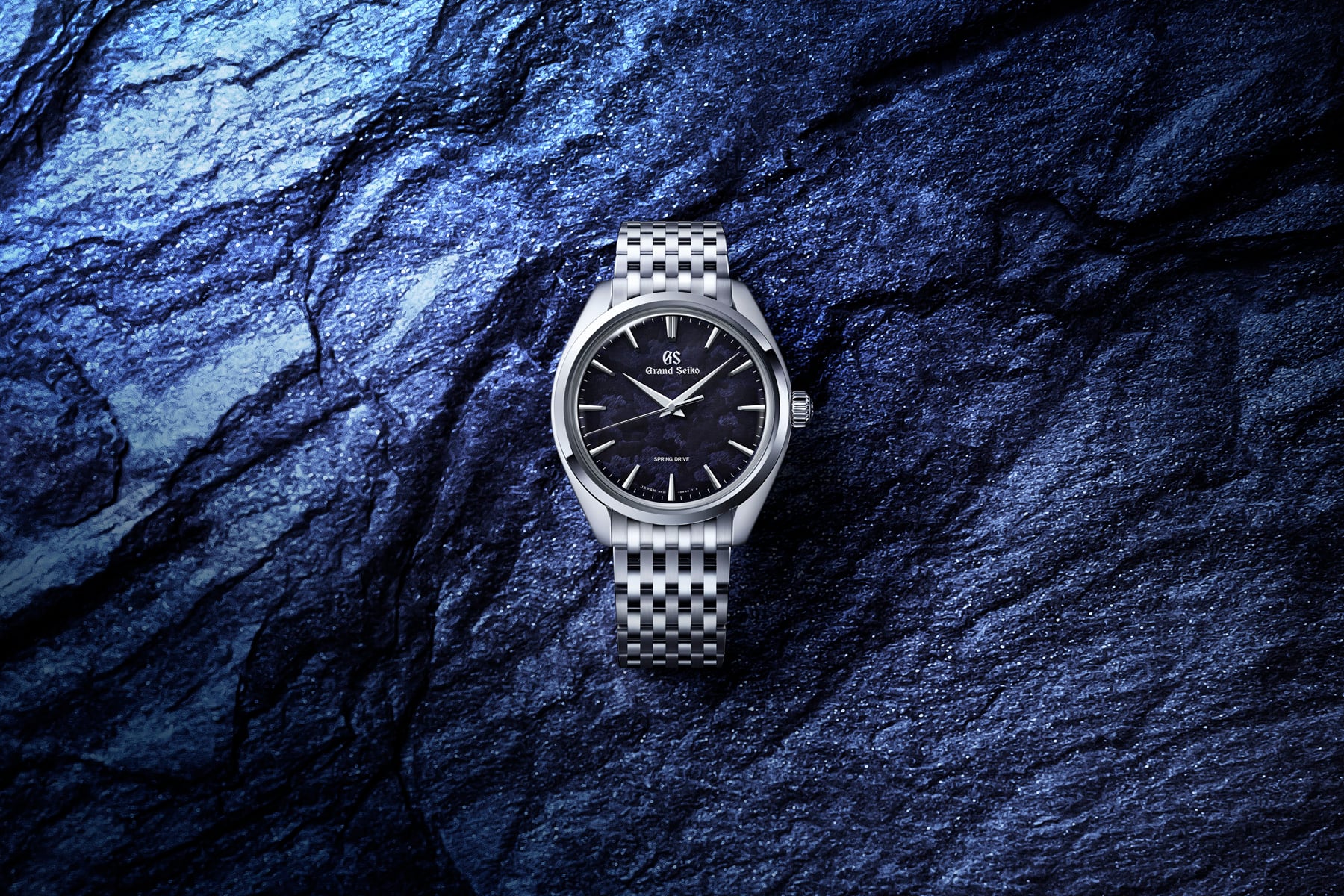
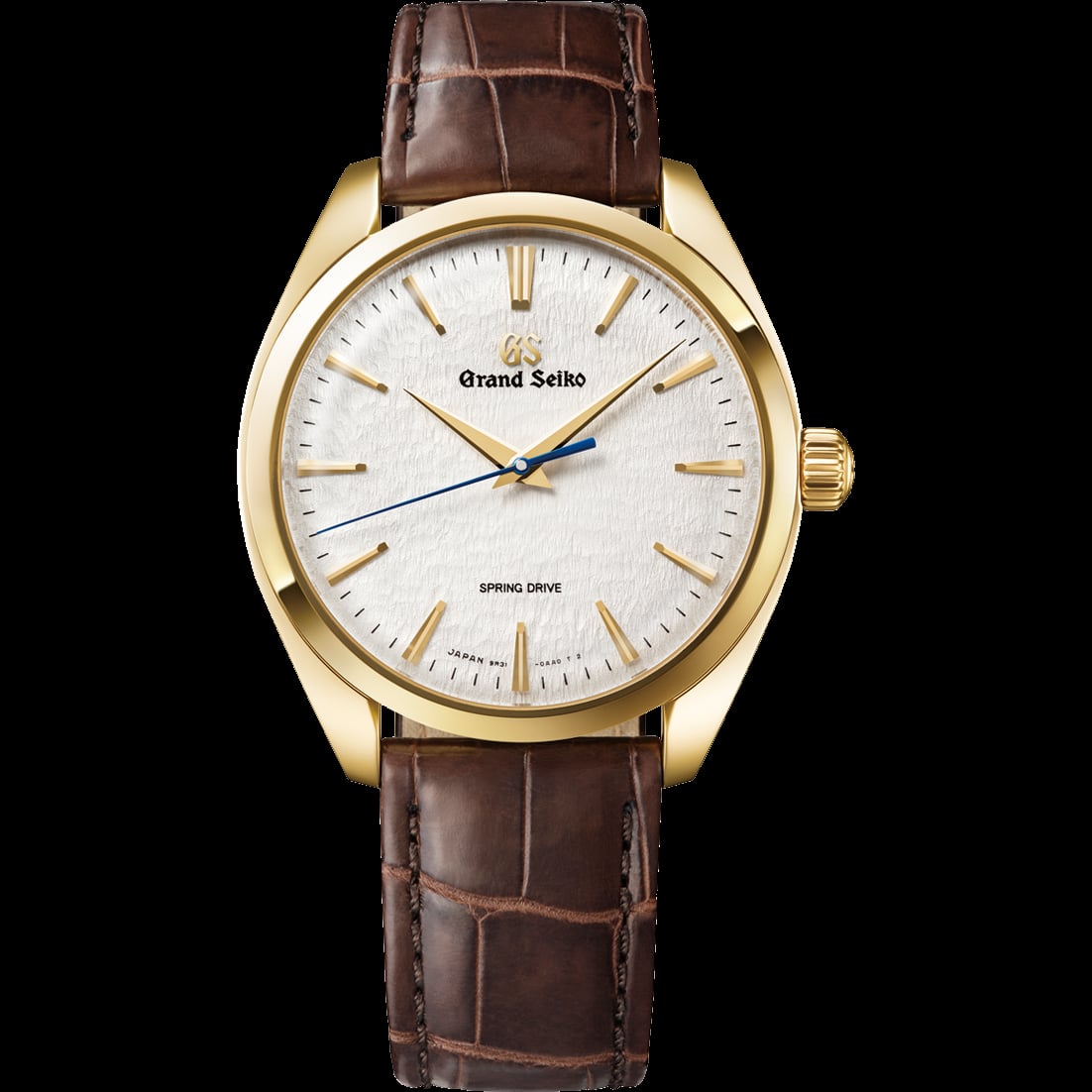
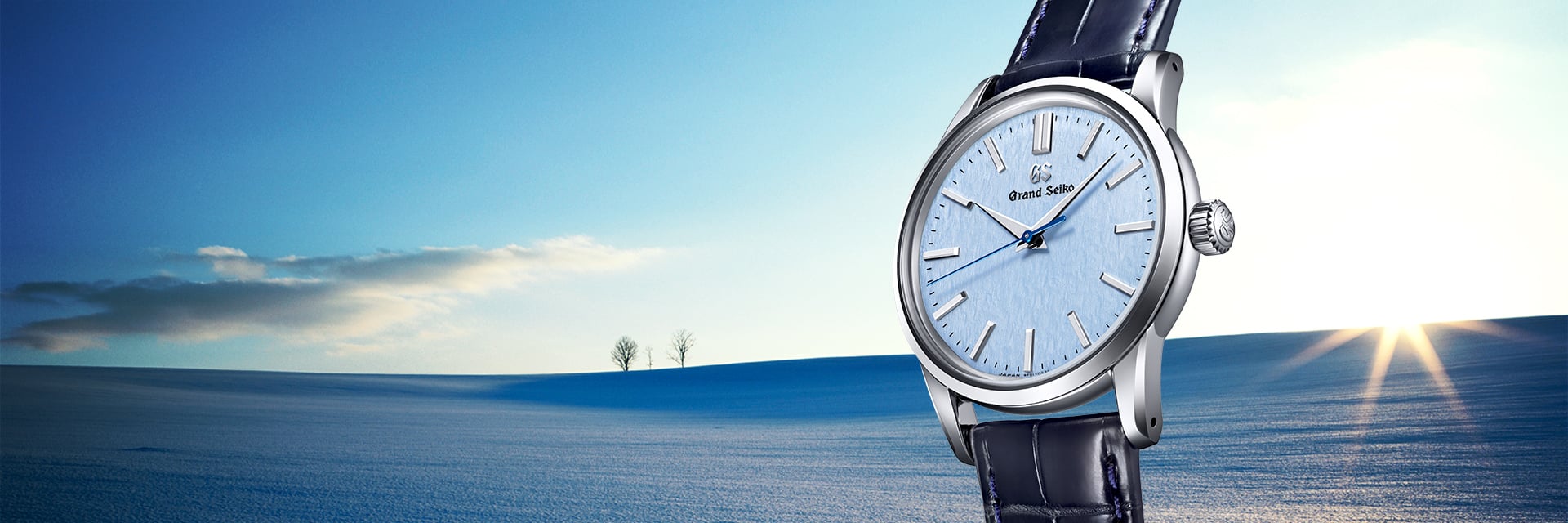
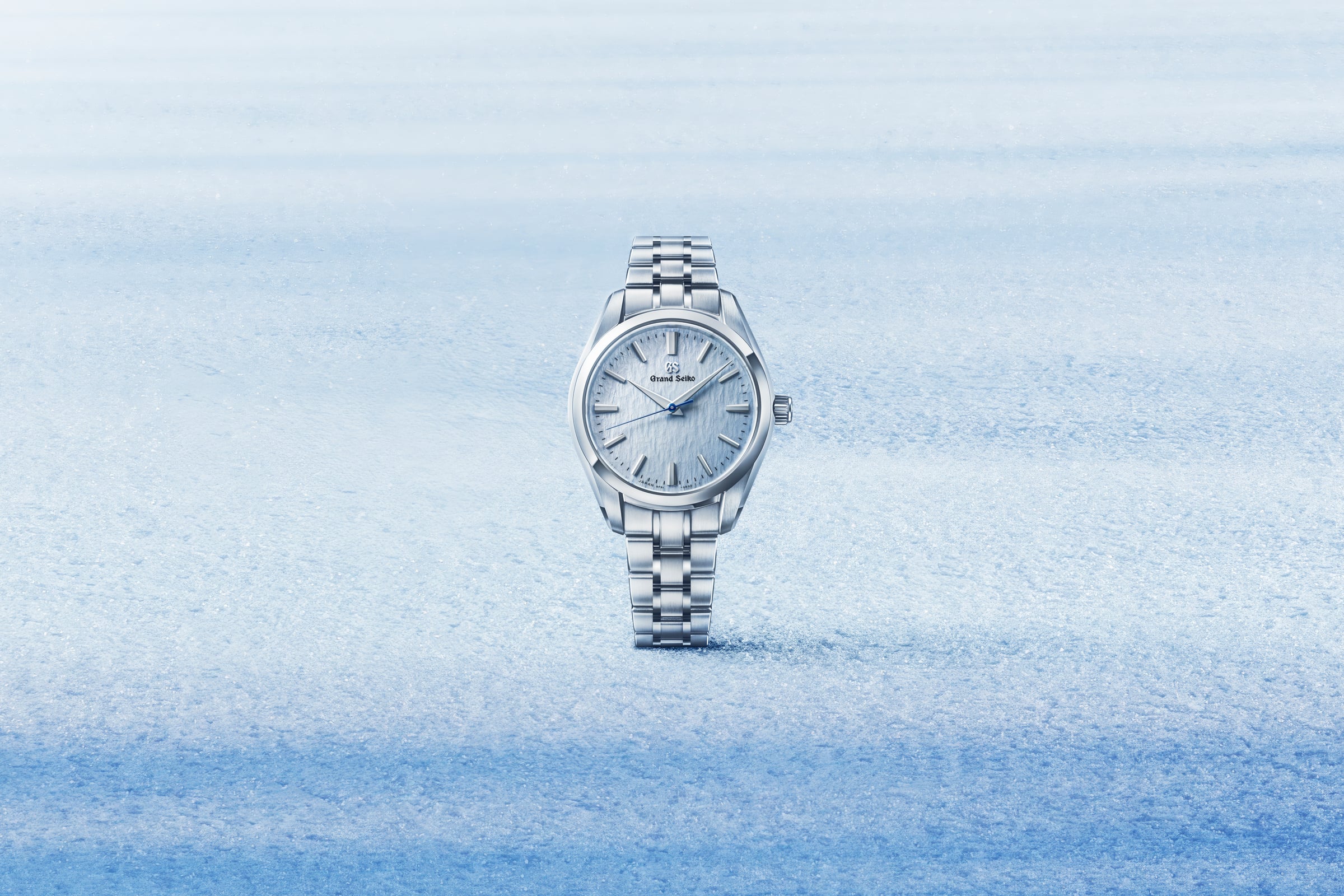
The SBGY013 is, without qualification, one of the most beautiful dials in production watchmaking today. The Spring Drive 9R31 movement underpins a dial that captures the particular quality of light on snow-dusted birch trees - an effect Grand Seiko's artisans achieve through a combination of hand-applied texture and layered lacquer that no photograph does justice to. Spring Drive technology itself occupies a unique technical category: neither purely mechanical nor electronic, it achieves a positional accuracy of ±1 second per day by using a quartz oscillator as a governor rather than a power source. For the collector who understands what they're looking at, this reference represents an extraordinary convergence of craft and engineering. One of the essential modern references.
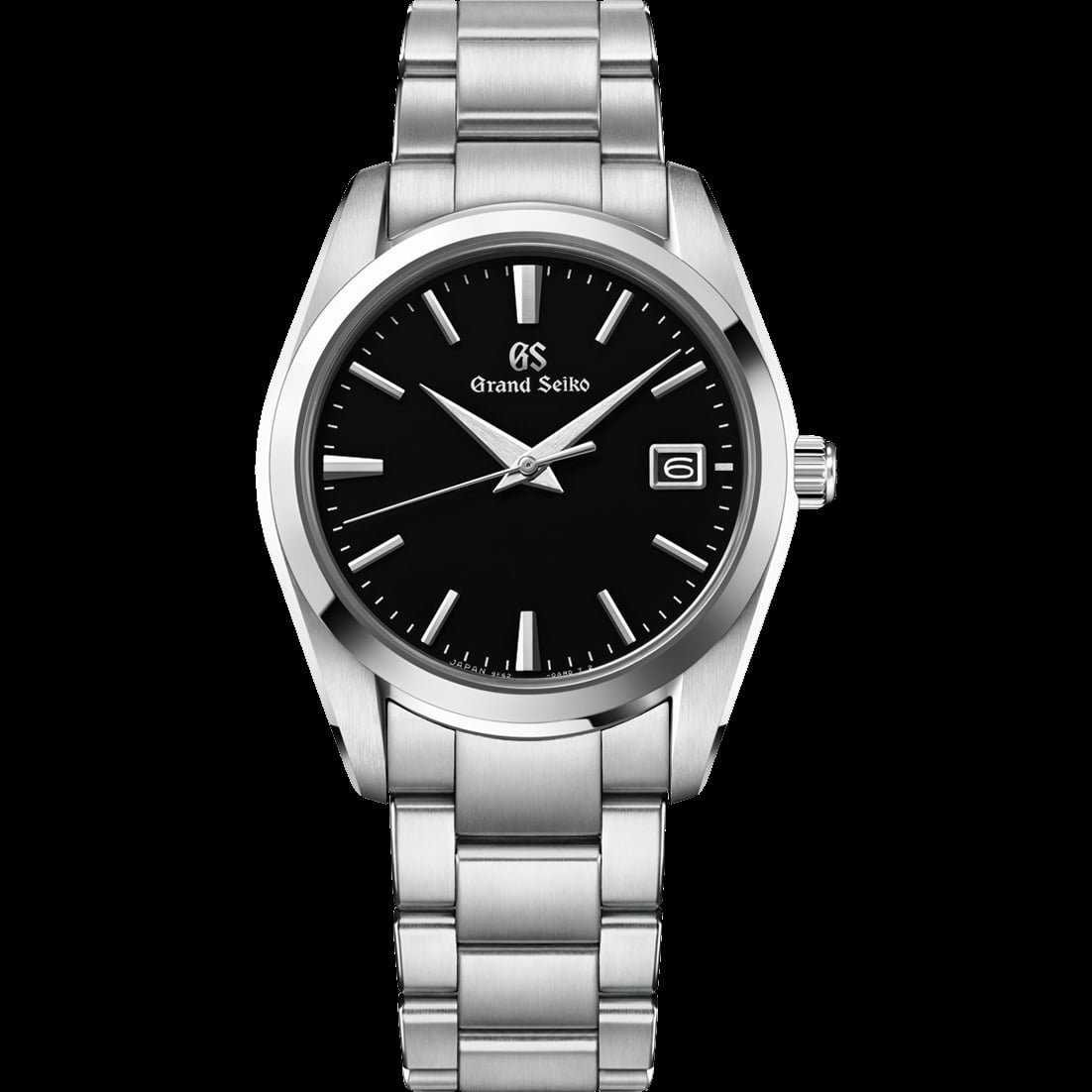
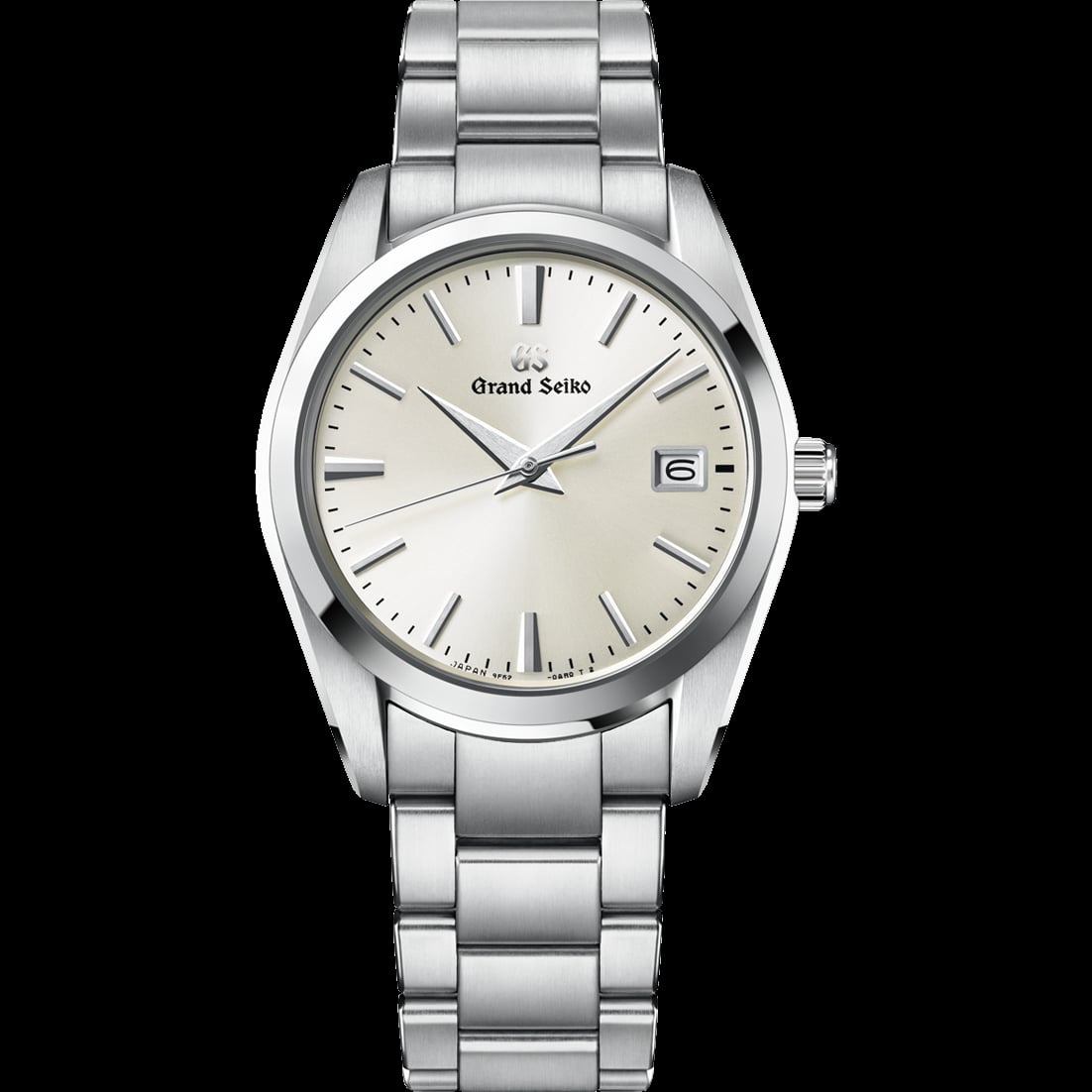
The SBGX263 occupies a precise coordinate within Grand Seiko's quartz lineage — a discipline the manufacturer has pursued with uncommon seriousness since the introduction of the 9F caliber family in 1993. Vis-à-vis the brand's mechanical and Spring Drive iterations, the 9F62 does not occupy a subordinate position; its ±10 seconds annual accuracy and instantaneous date mechanism represent a considered engineering outcome, not a concession. The probability that any competing quartz movement at this price stratum matches the 9F62's finishing standards approaches zero. The dial, characteristically, exhibits the Zaratsu-polished indices and textured surface treatment that define the Shinshu atelier's output — surfaces that behave differently under varying light conditions, which is the intended function of their geometry. Concordantly, the 37mm case diameter presents a restraint that contemporary sport-casual category watches have largely abandoned, and its 10mm thickness renders it genuinely unobtrusive beneath a cuff. The bracelet executes its function adequately without achieving distinction. As you undoubtedly gather, the value axis is where the analysis grows complicated: a quartz movement, however exceptional its specification, commands psychological resistance at Grand Seiko's price point from an audience conditioned to equate mechanical complexity with justified expenditure. This is the inevitability the SBGX263 cannot fully escape.
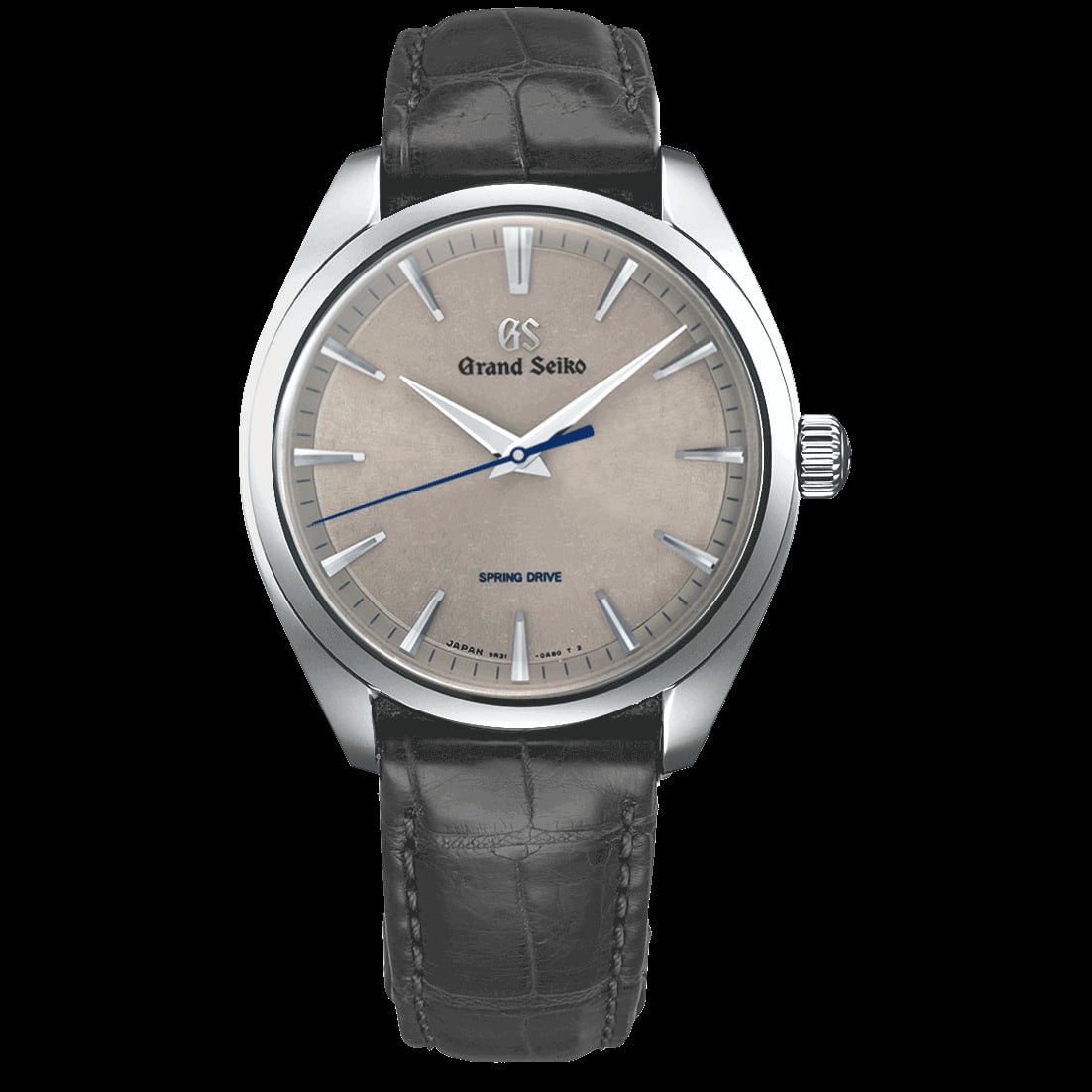
The SBGY007 occupies a precise coordinate within Grand Seiko's Spring Drive lineage — though here the movement is not Spring Drive but the 9R31 quartz caliber, a distinction that positions this reference as an exercise in aesthetic inheritance decoupled from mechanical aspiration. The dial, executed in Grand Seiko's characteristic Shizukuishi-influenced texture, commands the analysis immediately. Its layered surface and the quality of its applied indices reflect the Shinshu atelier's sustained discipline with light and reflection, and the probability that a comparable execution exists at this price stratum approaches negligible. Concordantly, the 38.5mm case at 10.2mm thickness represents a proportion that serves the wrist with unusual discipline — a category in which its contemporaries have, with notable frequency, abdicated restraint. The wearability coefficient is, ergo, high. The case architecture itself, while competent, does not deviate materially from the established Grand Seiko vocabulary established across prior quartz iterations. As you undoubtedly gather, the value axis introduces friction: a quartz movement of demonstrable accuracy does not, for a significant portion of the market, justify a price point adjacent to entry-level mechanical competitors. The 30-meter water resistance further narrows the functional envelope. The bracelet executes adequately without distinction. The SBGY007 is, concordantly, a watch whose legitimacy rests almost entirely on the singularity of its dial — which is, in this case, a defensible foundation.

The SBGX265 occupies a precise coordinate within Grand Seiko's taxonomy: the 9F quartz lineage, a series whose foundational premise is the systematic invalidation of the assumption that mechanical movement constitutes the only legitimate vehicle for horological ambition. Caliber 9F62, the movement present in this reference, achieves annual accuracy within ten seconds — a specification that renders the mechanical versus quartz hierarchy, as commonly argued by collectors, something of an irrational construct. The probability that any mechanical movement at this price stratum performs comparably approaches negligible. Concordantly, the dial execution reflects the Shinshu atelier's characteristic discipline: Zaratsu-polished surfaces producing the flat, mirror-quality finishing that distinguishes Grand Seiko's output from its contemporaries in ways that photography fails to adequately resolve. The 37mm case diameter represents a studied restraint, vis-à-vis the industry's persistent expansion of proportions past the threshold of elegance. At 9.9mm thickness, the case achieves meaningful wearability beneath a cuff — a functional outcome its predecessors in the 9F lineage established and this iteration preserves without regression. The bracelet, while competently integrated, exhibits finishing gradations that fall short of the dial's exceptional standard. As you undoubtedly gather, the value proposition is complicated: the entry price demands consideration, yet no mechanical alternative delivers equivalent precision at equivalent cost.
The SBGX357 occupies a considered position within Grand Seiko's quartz lineage, its execution anchored by the caliber 9F62 — a movement that, concordantly, represents one of the most rigorously engineered quartz mechanisms in commercial production, achieving ±10 seconds annual accuracy through a instantaneous-jump seconds mechanism that eliminates the positional drag characteristic of lesser quartz iterations. The dial, rendered in Grand Seiko's signature Shiroganezumi aesthetic, demonstrates the Shinshu Micro Artist Studio's capacity for surface textures that transform light into a perceptual variable rather than a static condition. Vis-à-vis its dial craft, the case design is more restrained in ambition: 37 millimeters of titanium at 10.6mm thickness represents a proportion optimized for wearability over statement, and the matte-brushed surfaces reflect the same textural discipline apparent in the dial. The bracelet executes adequately within the category without approaching the integrated architectural solutions observed in the brand's more elevated references. As you undoubtedly gather, the value axis presents the persistent tension inherent to all Grand Seiko quartz offerings — the probability of a uninitiated buyer accepting quartz mechanics at this price stratum approaches a statistical minority, despite the 9F62's objective superiority over most mechanical alternatives in timekeeping precision. The inevitability is that this reference rewards the analytically disposed over the romantically inclined.
The SBGX355 occupies a deliberate position within Grand Seiko's quartz lineage — a category the manufacture has defended with unusual intellectual seriousness since the 9F caliber's introduction in 1993. That caliber, the 9F62 variant present here, achieves a rated accuracy of plus or minus ten seconds annually, a specification that renders the mechanical-versus-quartz debate largely academic at this price stratum. Concordantly, the Zaratsu-polished surfaces of the titanium case demonstrate that Grand Seiko's finishing philosophy does not attenuate by movement category; the alternation between mirror and brushed planes is executed with the same discipline applied to its mechanical predecessors. At thirty-seven millimeters, the case diameter represents a studied restraint that the broader industry has largely abandoned, and the 10.6mm profile sits with notable flatness against the wrist for a 100-meter water-resistant construction. The probability that this reference finds its most natural audience among those who understand finishing as a primary axis of value — rather than movement complication — approaches certainty. Vis-à-vis the value proposition, however, there exists a meaningful tension: the quartz stigma, irrational as it demonstrably is, exerts downward pressure on secondary market desirability relative to Spring Drive and mechanical iterations of equivalent finishing quality. Ergo, the SBGX355 rewards the analytically rigorous buyer and penalizes the status-motivated one.
The SBGX363 represents Grand Seiko's persistent conviction that quartz deserves the same devotional attention applied to mechanical iterations — a thesis the 9F51 caliber argues with considerable discipline. Accuracy to plus or minus ten seconds annually positions this movement beyond the reach of most Swiss quartz competitors, concordantly establishing it as a paradigm-defining technical proposition within its category. The dial and handset, executed in the Shinshu atelier tradition, demonstrate the surface finish articulation that separates Grand Seiko from its contemporaries; the applied indices catch light with the calculated geometry of a house that understands metallurgy as visual language. The case at 32.3 millimeters presents a more constrictive proposition than the broader market presently favors. Whether this constitutes restraint or a failure to progress beyond its predecessors depends entirely upon the wrist presented to it. For smaller anatomies, the inevitability of this dimension is a virtue; for the contemporary standard, it narrows the audience measurably. The bracelet finishing reflects the broader commitment to surface quality, though it does not achieve the mechanical integration of Grand Seiko's higher references. The value axis demands scrutiny: a quartz proposition at this price tier requires the buyer to consciously reject mechanical alternatives of comparable cost, accepting that horological correctness and finishing pedigree are sufficient justification. The probability that a buyer reasoning purely on specification will find satisfaction here is moderate, at best.
The SBGY023 occupies a deliberate position within Grand Seiko's Spring Drive lineage — specifically within the 9R31 caliber's iteration of that technology, which applies the glide-wheel electromagnetic brake to a movement of reduced dimensional footprint. The dial, a study in the Shinshu highland aesthetic that the Shojiro Yamazaki atelier has refined across successive seasons, achieves what few contemporary manufactures attempt: the texturing of light itself as a functional element. Snowfall striations across the silver-white surface produce a probability of visual interest that shifts categorically with ambient illumination. This is notable execution, defensibly exceptional within the casual segment. The case, at 38.5mm with a restrained 10.2mm thickness, reflects the proportional discipline that Grand Seiko's predecessors in the 44GS lineage established as doctrine. Concordantly, 30 meters of water resistance represents a calculated concession — adequate for the category, though it constrains the reference against competitors of equivalent positioning. The bracelet, while competently finished with characteristic zaratsu-polished surfaces, lacks the architectural innovation present in higher-tier references. As you undoubtedly gather, the value axis presents the central difficulty: Spring Drive technology at this price stratum demands justification against mechanical alternatives of comparable market position, and the inevitability is that prospective acquirers must assess whether technical refinement alone resolves that equation.
The SBGX359 represents Grand Seiko's continued refinement of the 9F quartz lineage, a caliber whose development history demonstrates Seiko's institutional commitment to precision as an end in itself rather than a commercial proposition. Caliber 9F51, operating at an accuracy specification of plus or minus ten seconds per year, occupies a category that mechanical horology cannot contest on technical grounds. This is a certainty that the Swiss mechanical establishment has chosen, strategically, not to acknowledge. The dial execution adheres to Grand Seiko's established vocabulary — hand-applied indices, a textured surface exhibiting the characteristic luminosity produced by Shinshu atelier finishing disciplines — and represents exceptional execution for the category. Concordantly, the 33mm case diameter, a dimension that the contemporary market has progressively abandoned in favor of larger propositions, renders this reference disciplined to the point of narrowing its addressable wearership. The bracelet finishing reflects the same Zaratsu-adjacent discipline applied to the case, adequate in its execution without producing a result that distinguishes itself among the brand's own iterations. Vis-à-vis the value equation, the SBGX359 presents a structural tension: quartz movements, regardless of their technical superiority, are valued by the market at a discount to mechanical alternatives of demonstrably lower precision. The probability that this asymmetry resolves in the quartz caliber's favor within a foreseeable horological cycle remains low.
The SBGY013 is nearly a perfect watch - it is so thin and wearable - it has such a great bracelet - and it has a dial you can get lost in for days
The SBGY013 occupies a precise coordinate within Grand Seiko's Spring Drive quartz lineage — the caliber 9R31 representing a movement category that invites categorical confusion among observers unfamiliar with Spring Drive's fundamental proposition. It is neither purely mechanical nor purely electronic, but a regulated hybrid that achieves ±15 seconds per year accuracy through the Tri-synchro regulator, a figure no conventional lever escapement predecessor in this price tier could approach. Concordantly, the dial — the celebrated Shironeri white lacquer execution — warrants serious consideration as an aesthetic object independent of its functional context. Its textured luminosity references traditional Japanese craft methodology, and the applied indices and hands demonstrate Zaratsu-polished finishing that competitors at this price point do not replicate with equivalent discipline. The case proportion of 38.5mm and 10.2mm thickness produces an iteration of considerable wearability, suited to the casual category designation without sacrificing compositional seriousness. The value axis, however, presents friction: a Spring Drive quartz reference commanding a price typically reserved for mechanical movements will inevitably encounter resistance from consumers who evaluate cost against complication. The probability that this reference finds its audience remains circumscribed to those who prioritize finishing and accuracy above movement romanticism — a smaller population than Grand Seiko's broader positioning might suggest.
The SBGY043 represents Grand Seiko's application of its Micro Artist Studio dial philosophy to the Spring Drive Spring Drive Quartz format — specifically, the 9R31 caliber, which occupies a categorically distinct position vis-à-vis the mechanical Spring Drive iterations that define the marque's horological reputation. The dial, understood to depict the birch forests of Shinshu across seasonal transition, achieves a textural depth that photographic reproduction consistently fails to communicate with precision. The probability that any competing manufacture at this price stratum produces comparable surface complexity approaches negligible. Concordantly, the 38.5mm case diameter and 10.2mm profile reflect a considered restraint that predecessors in Grand Seiko's Elegance Collection have maintained with admirable discipline, yielding wearability metrics that the broader market, trending perpetually toward dimensional excess, has largely abandoned. As you undoubtedly gather, however, the value equation presents a structural complication: the 9R31 caliber, while technically accomplished as a quartz movement, introduces a philosophical dissonance when positioned within a price bracket historically associated with mechanical manufacture. Thirty meters of water resistance further circumscribes the watch's functional scope. Ergo, the SBGY043 is best understood not as a horological instrument but as a portable decorative object of verifiable excellence — its scores in dial craft and wearability reflecting genuine achievement, its value score reflecting the inevitability of category friction.
The SBGY002 occupies a precise coordinate within Grand Seiko's Spring Drive lineage — specifically the 9R31 caliber, a tri-synchro regulated movement that renders the quartz designation somewhat misleading. The glide wheel's continuous sweep is not the product of a conventional stepping motor, and concordantly, the movement's behavior is closer in spirit to mechanical regulation than to battery-driven timekeeping. The dial, finished in Grand Seiko's characteristic Shinshu snowfall texture, demonstrates the Shojiro Yamazaki atelier's sustained command of surface treatment. Light disperses across the white lacquered field with a non-uniform elegance that photographic reproduction consistently fails to encode. The yellow gold case at 38.5 millimeters achieves a proportion that predecessors from the 1960s Seiko lineage would recognize as disciplined. Case thickness at 10.2mm remains within the envelope of wearability for dress-adjacent contexts. The value axis, however, presents the review's most adverse finding. A quartz-adjacent movement — regardless of its Spring Drive distinction — housed in precious metal and priced accordingly creates a value asymmetry that the market has historically resisted. The probability that a prospective acquirer perceives equivalent returns vis-à-vis a mechanical Grand Seiko at comparable price points is low. The watch is formally accomplished; ergo, the deficiency exists not in execution but in the inevitability of category positioning.
The SBGX361 represents a specific coordinate within Grand Seiko's 9F quartz lineage — a caliber whose antecedents stretch to the original 9F series introduction in 1993, itself a systematic refutation of the assumption that quartz movements occupy a lesser tier of horological ambition. The 9F51 achieves an annual accuracy of plus or minus ten seconds, a specification that renders the movement paradigm-defining within its category, distinguishing this iteration meaningfully from its Swiss quartz contemporaries. The dial, consistent with Grand Seiko's Shizukuishi and Shinshu atelier traditions, demonstrates the Zaratsu-polished indices and textured surface work that constitute the studio's most defensible contribution to the broader discipline. Concordantly, the handset exhibits the sharp faceting characteristic of the lineage. Where the analysis becomes complicated is the case diameter: thirty-three millimeters positions the SBGX361 as a proposition for a specific wrist proportion, and the probability that this dimension functions as a wearability constraint for a meaningful segment of the contemporary market approaches certainty. The value equation is the inevitable tension — the price point for a quartz movement, regardless of its precision, encounters resistance from a market that continues to conflate mechanical complexity with worth. Ergo, the SBGX361 is a technically coherent instrument whose market positioning remains the primary friction against an otherwise disciplined outcome.
If you've not looked at Grand Seiko's 9F quartz offerings lately, the SBGX365 is your wake-up call. The dial finishing here is absolutely stunning - that layered texture catches light in a way that no photograph does justice. Under a white shirt cuff it reads as quietly confident rather than flashy, which is exactly what you want from a daily wear. The bracelet polishing is exceptional, leagues ahead of what you'd expect at this price point. Yes, it's quartz - but the 9F51 movement is ±10 seconds per year accurate, and frankly the finishing budget clearly went where it matters most: the dial and case. Proper bit of kit.
The SBGX365 occupies a precise coordinates within Grand Seiko's quartz lineage — a smaller-cased iteration of the 9F caliber series that has, since its introduction, systematically dismantled the categorical prejudice against battery-driven timekeeping at the upper register of the market. The 9F51 caliber exhibits ±10 seconds annual accuracy and an instantaneous date change mechanism; concordantly, this is not quartz in the dismissive sense its detractors invoke, but a horological argument conducted at a different frequency. The dial and handset reflect the Shinshu Shojiro atelier's established vocabulary: applied indices with that particular Zaratsu-polished edge work, surfaces alternating between granular texture and mirror finish in proportions that reward examination. The case diameter of 32.3mm presents a structural complication. At a dimension that predecessors of this format once considered standard for dress-watch taxonomy, the SBGX365 positions itself as correct for smaller wrists yet categorically narrow for contemporary casual wear expectations. Ergo, wearability becomes a function of physiognomy rather than universal utility. The value proposition is where the analysis becomes less charitable. The probability that a quartz movement, however precisely executed, justifies pricing that approaches entry-level mechanical competitors from the same manufacture is a calculation many prospective owners will find unfavorable. The inevitability is that craftsmanship commands its premium regardless of the oscillator powering it.
Bracelet needs fixing. Dial is soooooo good tho
The SBGY011 represents Grand Seiko's deployment of the Spring Drive caliber 9R31 within a deliberately restrained 40mm case — a dimensional choice that, vis-à-vis the brand's broader Sport collection, signals compositional discipline over the volumetric expansion that has characterized much of the contemporary sport watch category. The dial presents the Shinshu Shiojiri forest motif, a textural execution achieved through the Zaratsu-polished indices and hands catching incident light with the precision one expects of Grand Seiko's dial atelier. As you undoubtedly gather, this is a design language with no meaningful predecessor in Swiss horology — it operates from a separate lineage entirely, one rooted in the Nagano workshops and their iterations of craft-as-specification. The caliber 9R31 is not a conventional quartz movement. Spring Drive mechanics convert mechanical energy through a tri-synchro regulator, achieving ±15 seconds per month accuracy — a specification that occupies a category of its own, neither wholly mechanical nor electronic. Ergo, the movement score reflects genuine innovation rather than category convention. The value proposition warrants scrutiny, however. At its market price point, the SBGY011 competes against well-resourced Swiss sport references and the probability of consumer hesitation at this tier — absent the brand recognition Grand Seiko has not fully established outside specialist circles — is not negligible. Wearability, concordantly, is its most unambiguous strength.
The SBGX353 represents Grand Seiko's continued deployment of the 9F61 caliber — a movement that, vis-à-vis the broader quartz category, occupies a position of near-theoretical superiority. The 9F lineage, introduced in 1993, established a standard of ±10 seconds annual accuracy and a zero-reset seconds mechanism that eliminates the positional error inherent in conventional quartz constructions. There exists a certainty that no competing production quartz caliber at this price stratum matches its empirical precision. The dial, executed in Grand Seiko's characteristic Zaratsu-finished case and faceted handset, demonstrates the Shinshu and Shizukuishi ateliers' methodical approach to light diffusion — surfaces that lesser predecessors within the Japanese market could not approach. Concordantly, the 34mm diameter warrants examination. At that dimension, the SBGX353 occupies a deliberately restrained proportion that the contemporary market has largely abandoned in favor of larger geometries. The 10.7mm thickness is not negligible for the case diameter, producing a stack ratio that prevents the case from reading as a dress instrument. Water resistance of 30 meters is, as you undoubtedly gather, perfunctory — adequate for incidental exposure, insufficient for anything more deliberate. The value axis is where the analysis encounters friction: at its retail position, the SBGX353 asks a premium that the casual category will interrogate with justifiable skepticism.
The SBGX261 occupies a precise coordinate within Grand Seiko's quartz lineage — the caliber 9F62 representing the marque's sustained argument that quartz execution, pursued to its theoretical limit, constitutes a legitimate horological discipline rather than a concession. The 9F62 achieves annual accuracy within ten seconds, a specification that renders the movement's quartz categorization largely irrelevant to the precision debate. Concordantly, the dial exemplifies the Shinshu Shojiro atelier's characteristic treatment of light: the textured surface negotiates illumination with a structural deliberateness that separates this iteration from the undifferentiated finishing of its Swiss contemporaries. The case, at thirty-seven millimeters, reflects a proportion inherited from an earlier consensus about casual wear — one that the broader market has since abandoned in favor of larger diameters. This restraint is not without consequence; the case reads correctly on narrower wrists while appearing modest against contemporary expectations. The bracelet executes its function adequately, though the integration between case and link structure exhibits the probability of refinement that later references in the series would address. As you undoubtedly gather, the value axis is where the analysis complicates: the SBGX261 commands pricing that demands the prospective owner fully accept the philosophical premise that quartz, executed with this discipline, warrants mechanical-tier investment. Those who accept that premise will find the equation defensible. Those who do not will find it irresolvable.