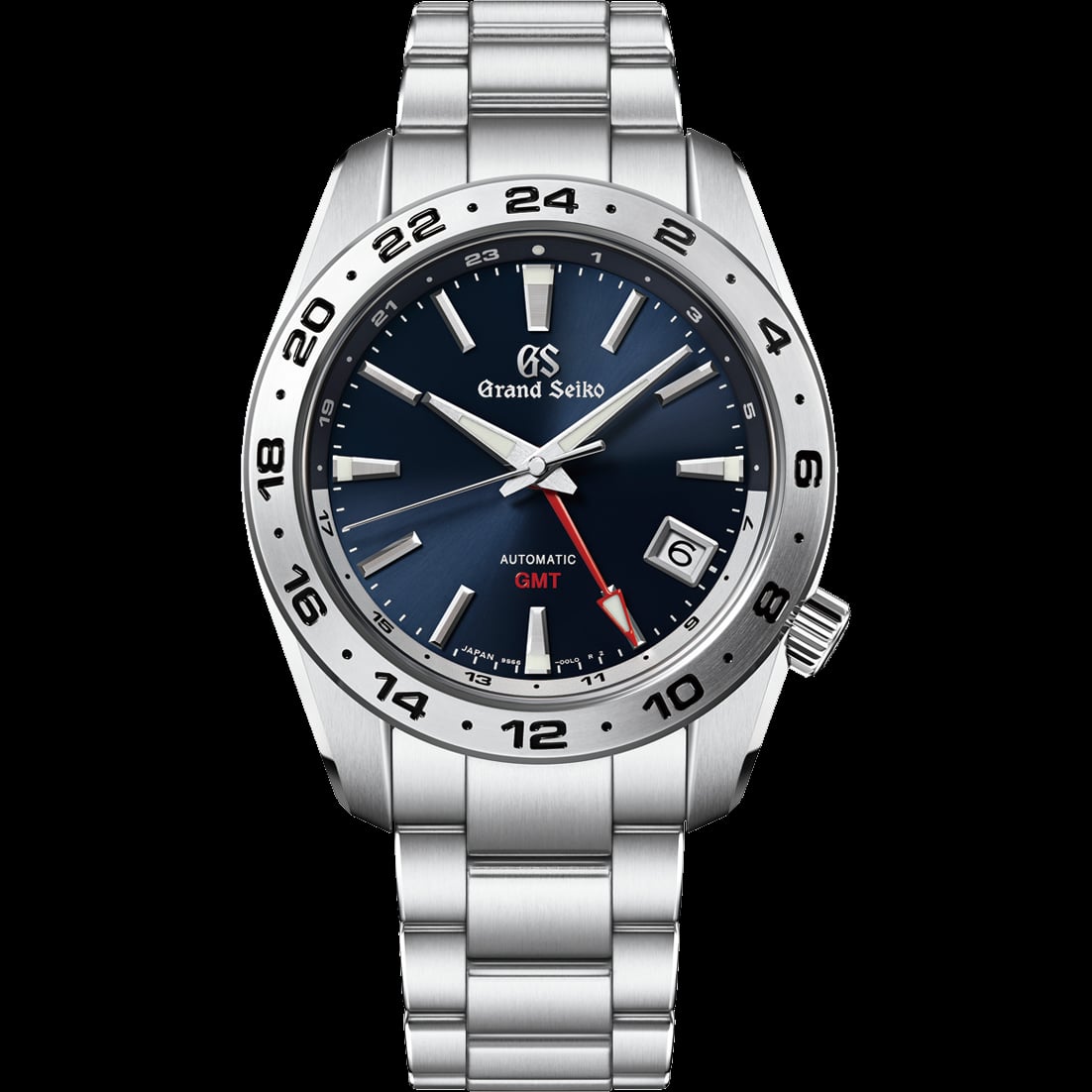
The SBGM247 occupies a precise intersection within Grand Seiko's Sport line: a GMT-capable iteration built upon the caliber 9S66, itself a mechanical movement of considerable distinction within the brand's automatic lineage. Predecessors in the SBGM series established the formal language — the Zaratsu-polished surfaces, the high-contrast dial treatment — and this reference extends that grammar without substantial deviation. The dial exhibits the characteristic luminous legibility that defines the Sport collection's functional ambitions, and the handset achieves a level of finishing that competitors at equivalent price coordinates rarely approximate. Concordantly, the caliber 9S66 merits serious consideration: a 72-hour power reserve, a beat rate of 28,800 vph, and a documented accuracy specification of plus-or-minus five seconds daily position this movement as a defensible best-in-class outcome for the automatic GMT category. The case diameter of 40.5mm is proportionally sound, though a thickness of 14.4mm introduces some compromise in formal wearability — the probability of this reference sitting cleanly beneath a dress shirt cuff is not negligible, but not assured. The bracelet executes adequately without distinction. As you undoubtedly gather, the value axis presents the central tension: Grand Seiko's pricing tier demands acknowledgment of alternatives, and the inevitability of comparison with Swiss GMT counterparts at similar retail levels is a calculus this reference does not decisively resolve in its own favor.
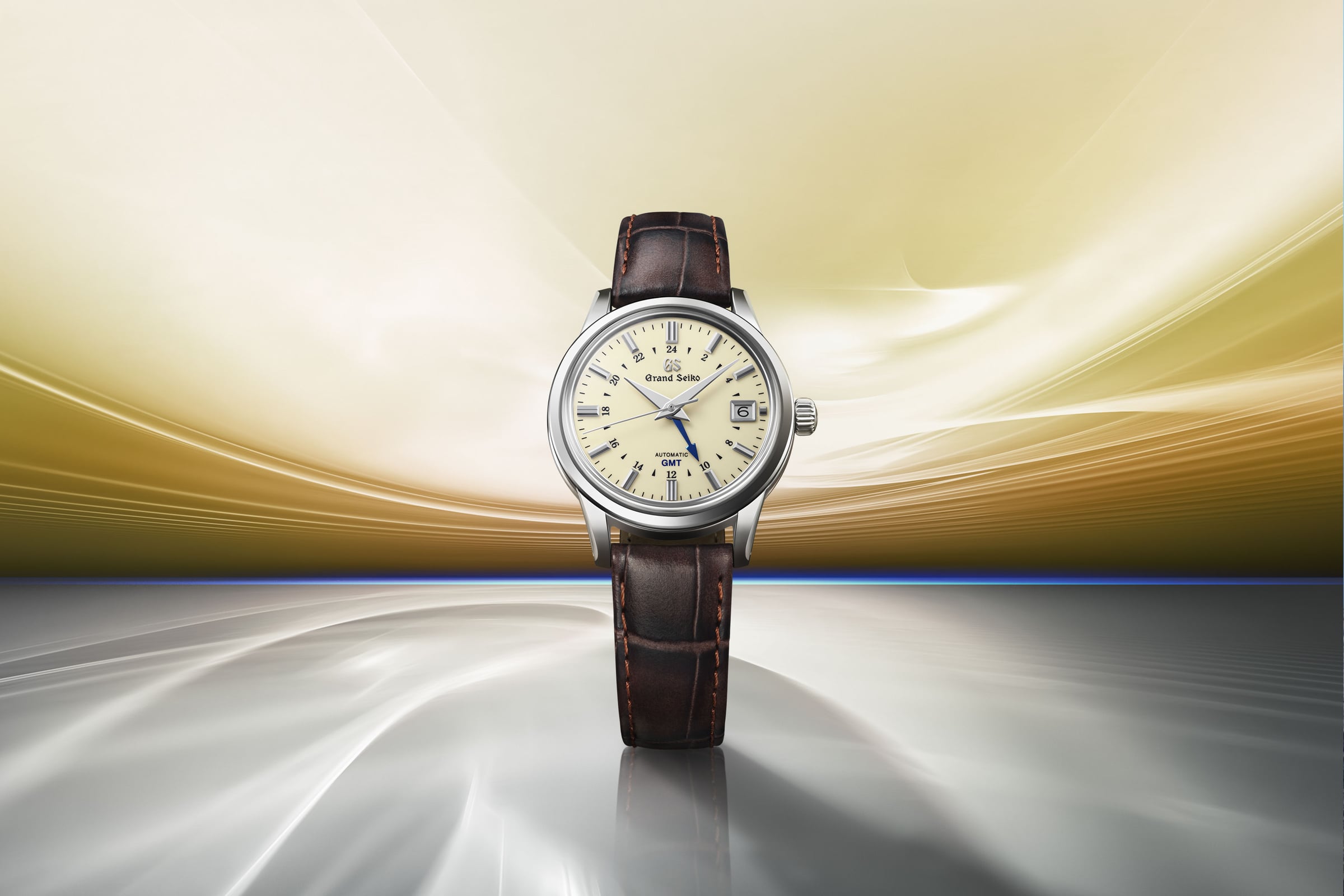
The SBGM221 represents Grand Seiko's formal application of GMT functionality to the Elegance collection — a designation that carries specific ontological weight within the brand's internal taxonomy, distinguishing it from the Sport and Heritage lineages. The Snowflake-adjacent dial texture, a surface treatment evolved from the brand's Shinshu atelier traditions, achieves a diffusion of light that its Swiss contemporaries at equivalent price strata demonstrably do not replicate. Concordantly, the Zaratsu-polished case planes — 39.5 millimeters in diameter, a disciplined proportion — execute the Seiko design language with a precision that vindicates the manual finishing process. The caliber 9S66 warrants particular consideration: operating at 28,800 vph with a 72-hour power reserve and a stated accuracy of plus or minus five seconds per day, it surpasses the chronometric obligations of its category without requiring COSC certification as institutional validation. The probability that a practitioner of formal horological analysis would find the movement lacking is low. What introduces friction into the value equation is the 30-meter water resistance — a figure that, vis-à-vis the dress watch category broadly, signals an incompleteness of specification. The crocodile strap, while appropriate to the Elegance designation, remains a manufacturer-selected variable that most owners will replace. Ergo, the SBGM221 is a coherent iteration whose limitations are architectural rather than executional.
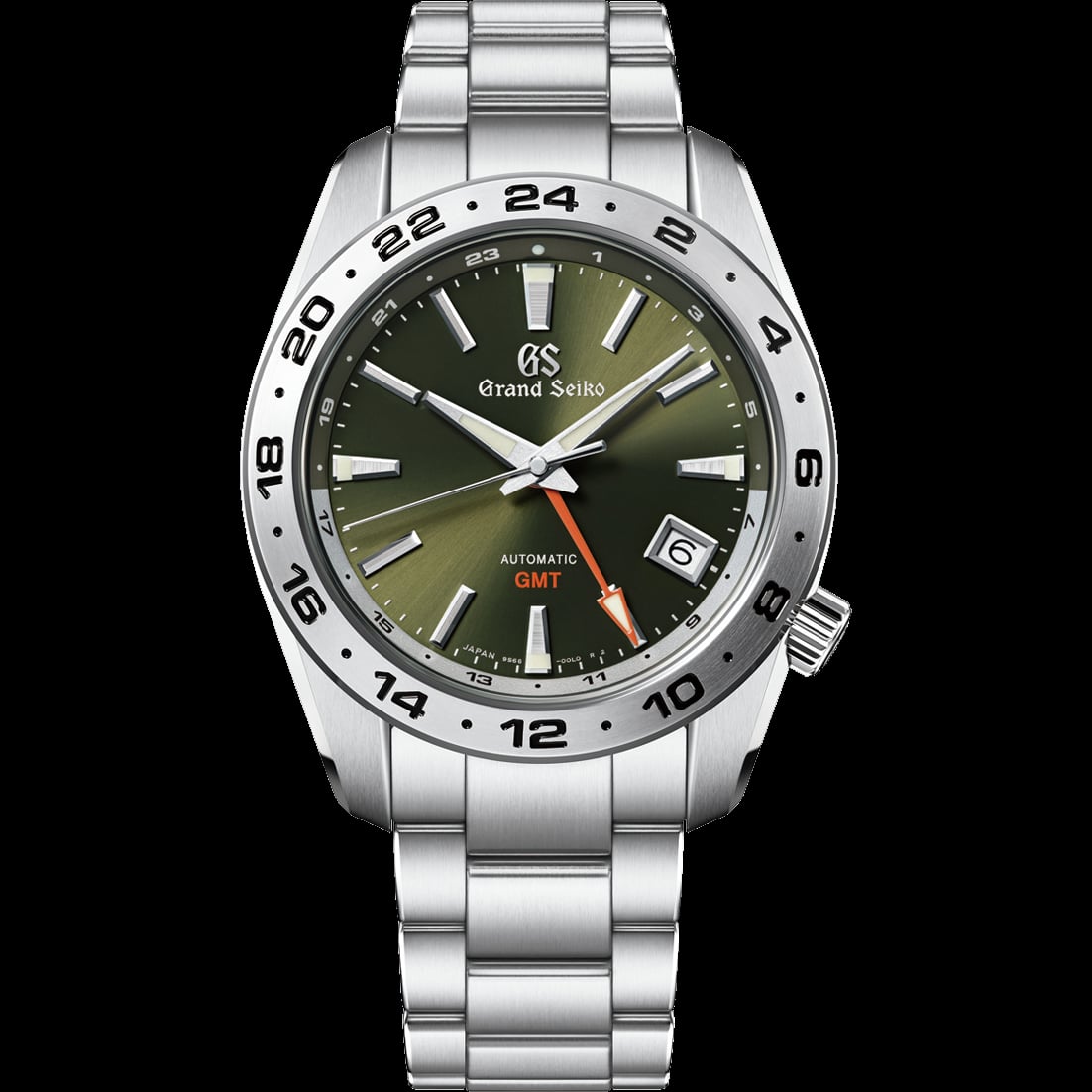
The SBGM245 occupies a precise coordinate within Grand Seiko's Sport line: a GMT variant deploying the caliber 9S66, itself a mechanical iteration that achieves a declared accuracy of plus or minus five seconds daily — a specification that positions it favorably vis-à-vis Swiss lever escapement benchmarks of comparable category. The dial, executed in Grand Seiko's characteristic Zaratsu-polished indices against a textured surface, reflects the design philosophy inherited from Suwa and Shinshu manufacturing traditions, wherein the distinction between applied decoration and functional legibility is deliberately collapsed. Concordantly, the handset maintains the brand's hierarchical clarity, with the GMT arbor visually subordinated to the primary hour display without sacrificing readability under operational conditions. The case, at 40.5 millimeters diameter and 14.4 millimeters of thickness, presents a tension: the diameter is disciplined, but the stack height introduces compromise in formal contexts. The probability that this thickness resolves itself across future iterations, as the movement architecture matures, remains measurable. The bracelet execution is considered rather than exceptional — finishing gradients present, integration adequate. As you undoubtedly gather, the value calculation is complicated by Grand Seiko's positioning between aspirational Swiss GMT predecessors and its own elevated pricing tier, where the movement's demonstrable precision must justify premiums against competitors offering comparable horological outcomes at lower cost.
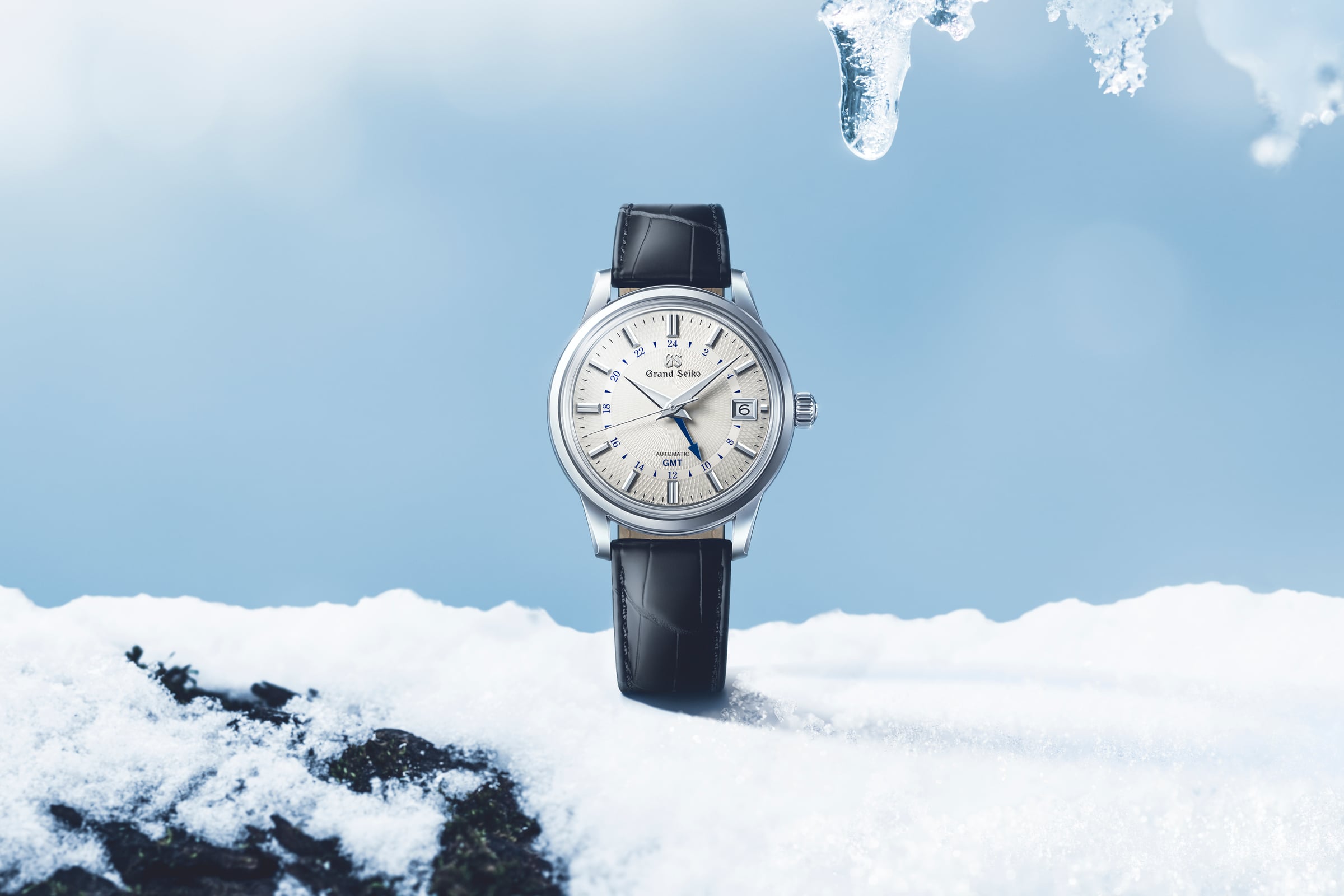
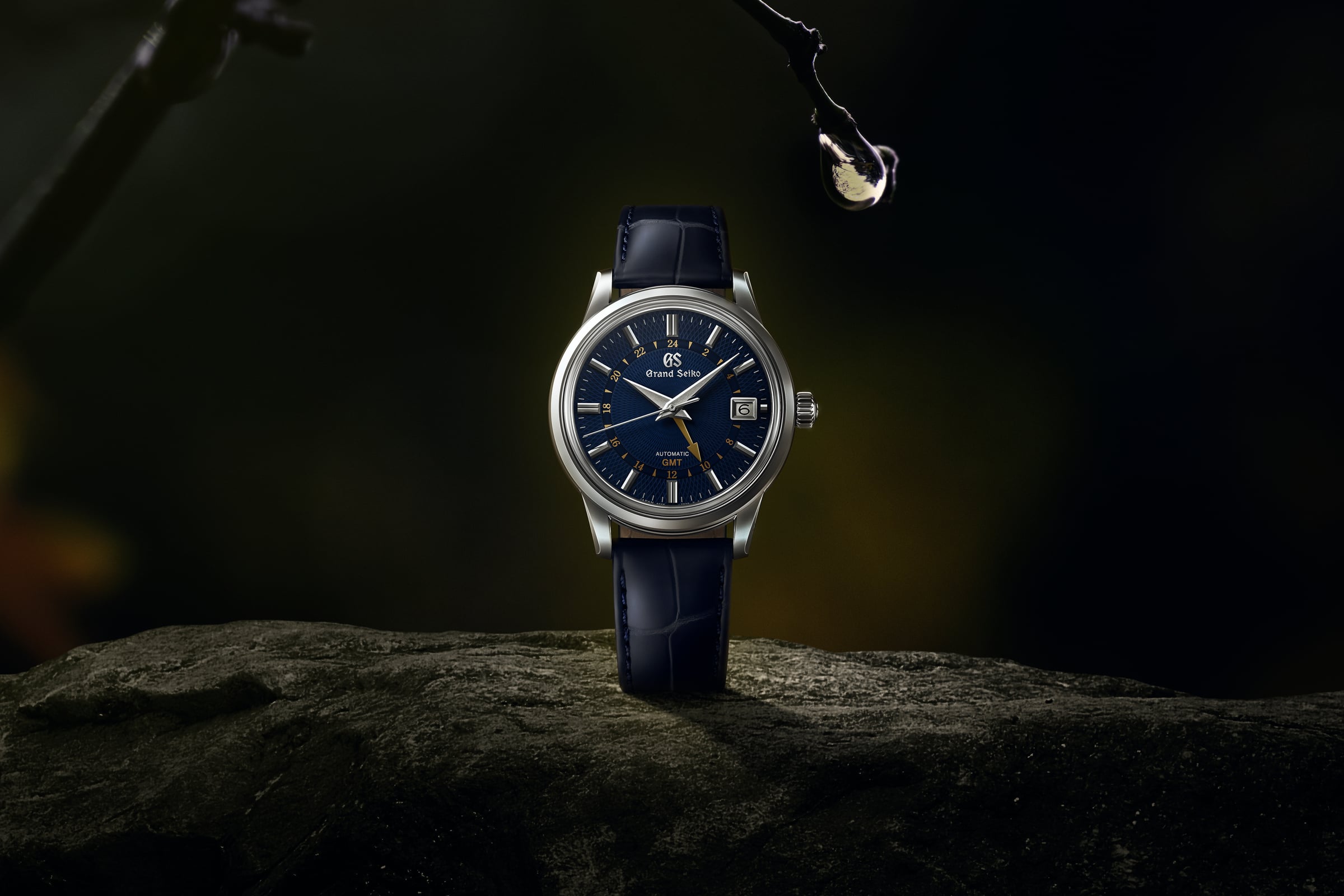
The SBGM255 occupies a precise coordinate within Grand Seiko's GMT lineage: a 39.5-millimeter expression of the caliber 9S66, itself a refinement of the 9S65 architecture with the addition of a bidirectional GMT complication. The dial — finished in a manner consistent with the Shinshu atelier's seasonal surface vocabulary — exemplifies the Zaratsu-polished case architecture that defines the brand's design philosophy vis-à-vis its Swiss contemporaries. The probability that a similarly priced European GMT achieves comparable surface finishing approaches negligible. Concordantly, the 9S66 caliber delivers a 72-hour power reserve and a 3Hz beat rate, figures that are adequate for the category without approaching the mechanical ambition of, say, the Spring Drive iterations housed within adjacent references. The case thickness of 14.1 millimeters constitutes the axis upon which wearability is most compromised — an inevitability of stacking a GMT module atop an already substantial automatic movement architecture. Ergo, the value proposition requires scrutiny: at its retail price point, the SBGM255 competes against references with superior water resistance specifications and thinner profiles. The bracelet executes its function with characteristic Grand Seiko refinement, though it does not redefine the category. As you undoubtedly gather, this reference rewards the collector prioritizing aesthetic discipline over mechanical ambition.
The SBGM257 represents Grand Seiko's continued elaboration of the GMT archetype within its Heritage collection lineage, deploying the caliber 9S66 — a movement of demonstrable mechanical credibility, delivering 72 hours of power reserve and a 28,800 bph beat rate that satisfies the precision demands of its category. Concordantly, the movement's independently adjustable local hour hand constitutes a genuine functional distinction rather than mere complication for its own sake. The dial exhibits the Shinshu Shiojiri studio's characteristic Snowflake texturing, a surface treatment that predecessors in the Grand Seiko catalogue established as an identifiable design language; vis-à-vis competitors at this price stratum, it remains compositionally superior. The case diameter of 39.5mm reflects disciplined proportioning, though the 14.1mm thickness introduces a wrist-stack penalty that the category's inherent mechanical complexity partially justifies but does not entirely excuse. The bracelet executes competently — finishing contrasts are present and considered — yet it does not approach the tactile resolution that the dial demands as a companion piece. The probability that a buyer at this price point interrogates the 30-meter water resistance rating and finds it wanting is non-trivial; this specification represents the most structurally incongruous element of the reference. As you undoubtedly gather, the value equation is complicated by positioning: the SBGM257 occupies premium territory where the inevitability of Swiss GMT alternatives applies persistent competitive pressure.