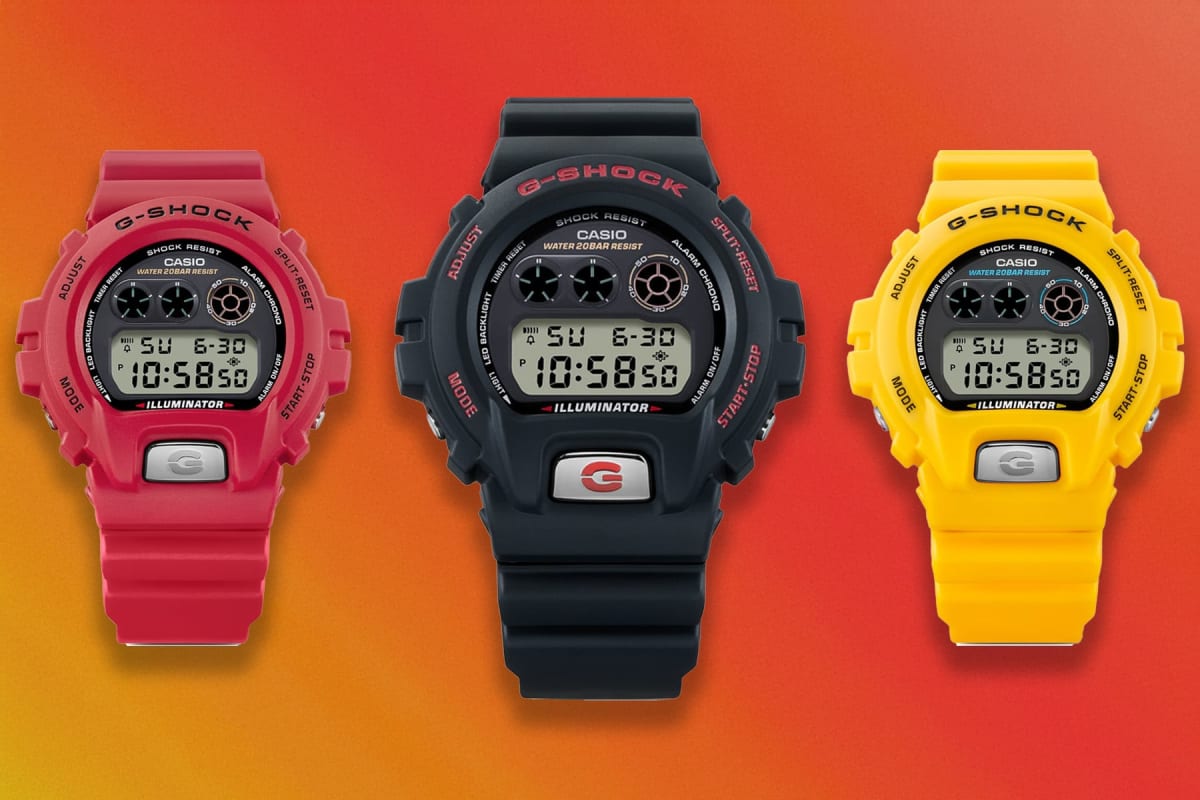
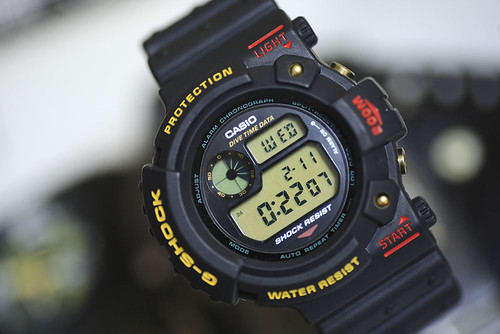
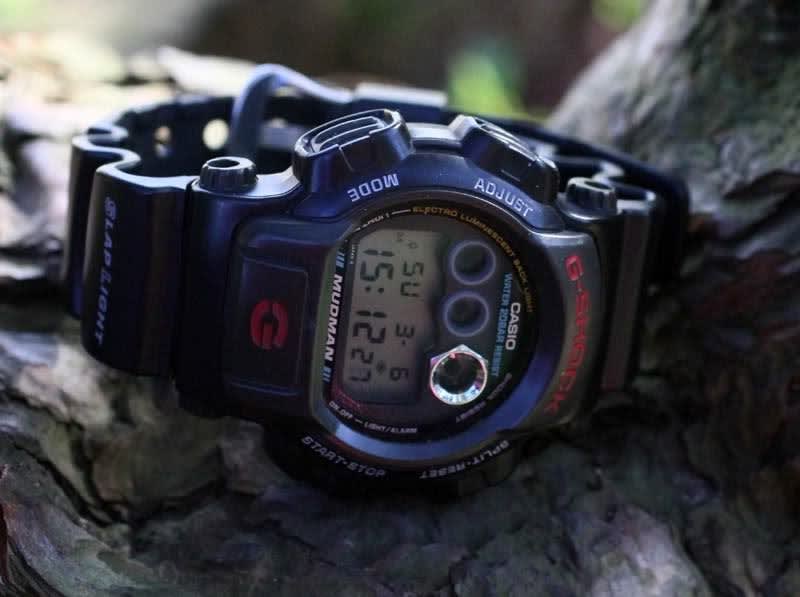
The GA-2100 represents a calculated departure from the volumetric excess that defined prior G-Shock iterations — most notably the GA-2000 and GA-110 lineages — by compressing case thickness to 11.8mm, a figure that approaches the dimensional discipline of analog dress instruments. Casio's design bureau, concordantly, has produced what the market has termed the 'CasiOak,' an acknowledgment of formal resemblance to a considerably more expensive Swiss predecessor. The octagonal bezel geometry is not accidental; it is a deliberate signal to a design vocabulary established elsewhere, rendered in carbon-reinforced resin at a fraction of the categorical cost. The dial's analog-digital hybrid execution is legible and uncluttered relative to its G-Shock predecessors, though the mineral crystal introduces a vulnerability that sapphire-equipped contemporaries do not share. The resin strap functions adequately within the instrument's categorical expectations without distinction. The movement, a standard Casio quartz module, performs its timekeeping function with the reliability one expects from this manufacturer, yet advances no horological proposition. Ergo, the value calculus here is perhaps the most defensible in the casual tool-watch category: 200-meter water resistance, a structurally novel case architecture, and recognizable design provenance — all delivered at ninety-nine dollars. The probability that a competing manufacturer offers equivalent specification at this price point approaches theoretical zero.
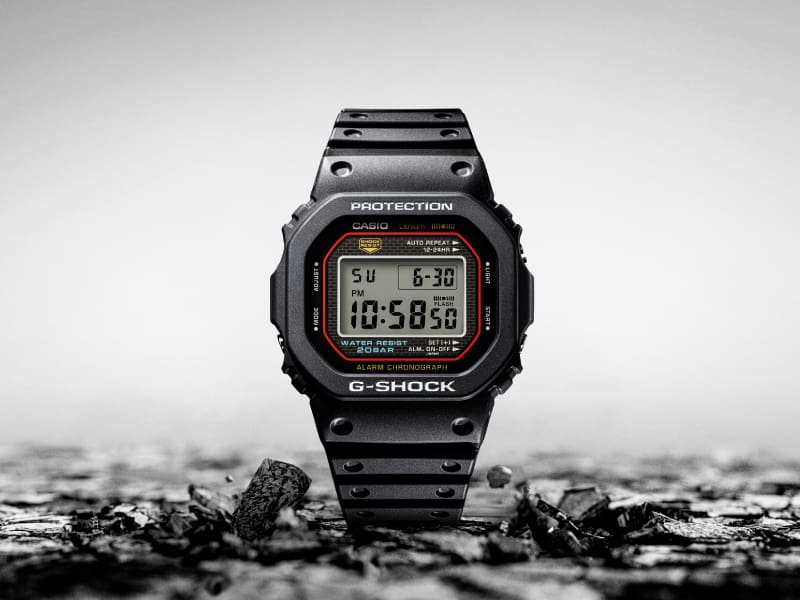
The GWG-2000-1A3 represents a calculated iteration within Casio's Mudmaster sub-lineage — itself a derivative of the G-Shock architecture established across four decades of systematic refinement. Vis-à-vis its GWG-1000 predecessors, the 2000-series introduces a restructured case geometry incorporating carbon fiber reinforcement alongside the familiar composite resin construction, producing a unit that is simultaneously lighter and more resistant to compressive stress than earlier iterations of equivalent volume. The dial presents a layered legibility framework calibrated for adverse operational conditions: high-contrast indices, a cluttered but functionally rational subdial arrangement, and a muddy earth-tone colorway in this particular reference that communicates its field-instrument ambitions with appropriate directness. Concordantly, the movement — a solar-atomic quartz caliber with multi-band reception — represents the functional apex of what quartz architecture can deliver as a category. There exists a certainty, however, that the case diameter of 53.2mm combined with an 18mm thickness constitutes the primary structural failure of this analysis. Wearability approaches the threshold of the deficient; the watch occupies wrist real estate at a scale that precludes comfortable wear for a meaningful proportion of potential users. The mineral crystal, at this price point, represents a specification concession one might reasonably contest. Ergo, the value proposition is adequate but conditional — contingent entirely upon the wearer's genuine operational need for what this instrument provides.
The G-Shock, man. This thing has been through some serious situations with me - bowling, various interstate incidents, one particularly rough carpet-related event. It just keeps going. Original DW-5000C is the way. The newer ones, whatever, they're fine, but this is the original vibe.