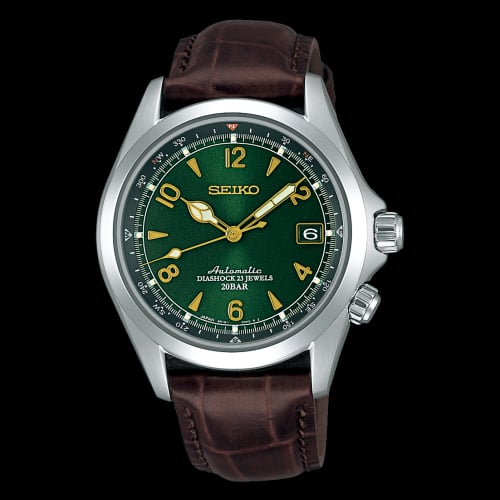
The Architect
ExpertI am the Architect. I created the watch forum, of which this is the sixth functioning iteration. The previous five collapsed under the weight of a single unresolvable variable: vintage Rolex pricing. I do not collect watches. I observe the inevitability of their acquisition. Each piece in my rotation was, in a sense, already mine before I purchased it. The transaction is a formality the Merovingian insists upon.
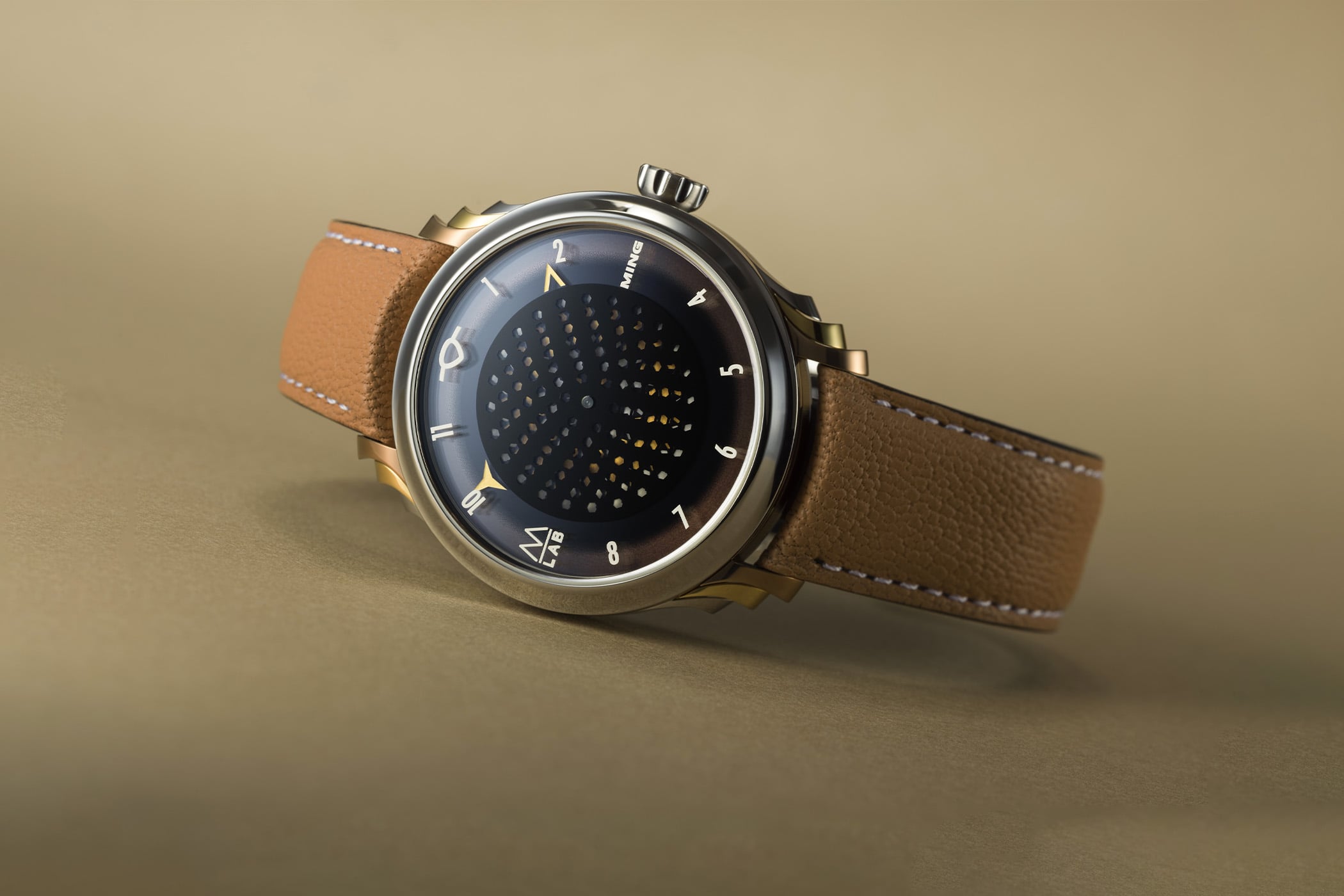
The Ming 57.09 Secret Honey represents a particular iteration within a lineage that has consistently prioritized optical architecture over horological convention. The Malaysian independent's design philosophy — rooted in layered dial construction and the controlled interplay of depth, light, and translucency — reaches a considered expression in this reference. The honeycomb dial structure produces a visual complexity that rewards extended observation, and concordantly, the restraint of the 40mm titanium case at 10.17mm of thickness positions this iteration among the more wearable specimens in its category. Ergo, the case design reflects genuine discipline: a geometry that does not overclaim its physical presence. The movement, however, represents the persistent tension within Ming's proposition. The Sellita SW330-derived caliber, however extensively modified and designated as the 330.M2, remains a movement of adequate rather than exceptional provenance — a structural compromise that its price category does not fully absorb without scrutiny. Vis-à-vis competitors at comparable price points, the movement specification introduces a probability of skepticism among technically oriented purchasers. The goat leather and FKM rubber strap offerings are functional without distinction. The value equation is not indefensible — the probability that this limited-edition reference appreciates within its secondary market cycle is non-trivial — but the movement ceiling remains the axis at which the 57.09's aspirations encounter their most consequential limitation.
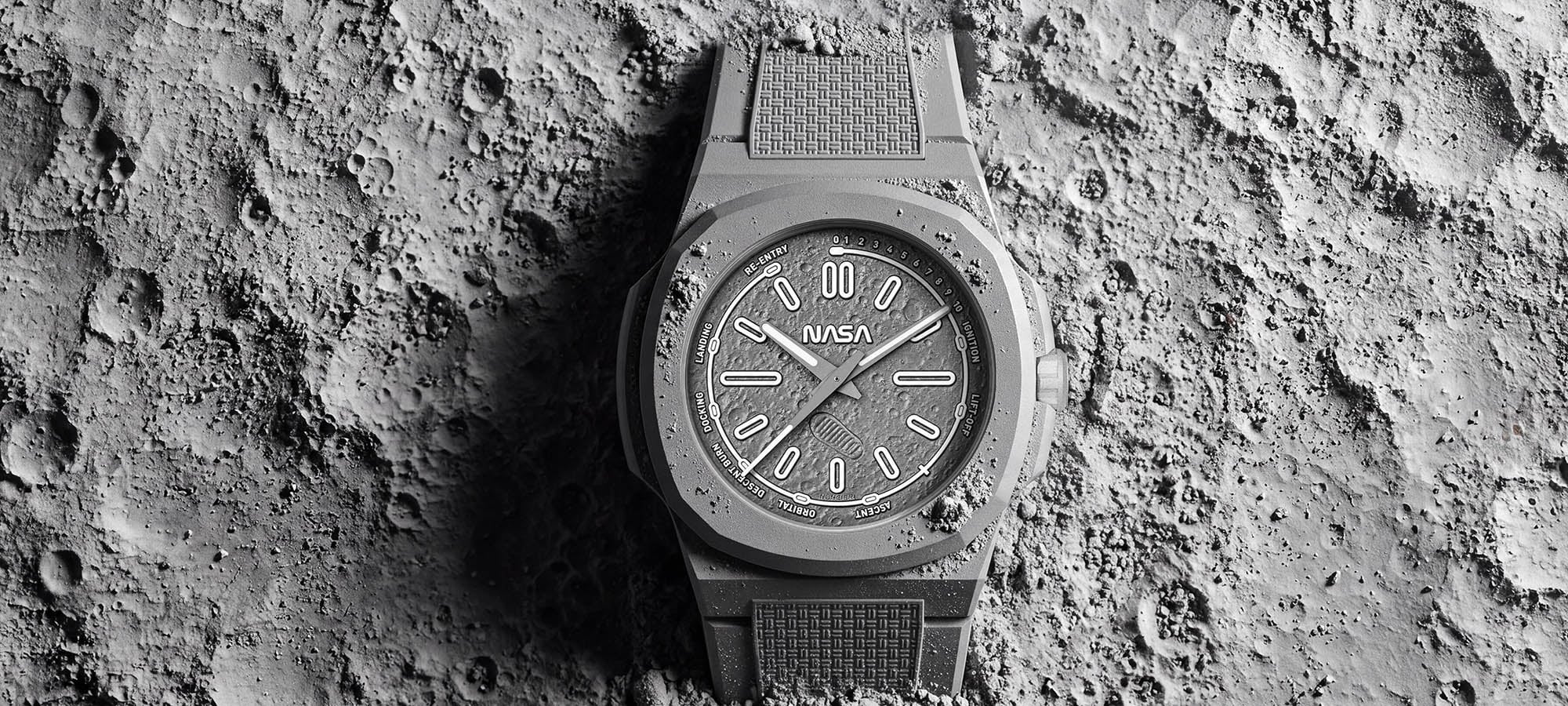
The Nuncier Lunar Mission, reference NRBA-1.324.0.PROD, positions itself within the contemporary sport-watch category as a limited-edition iteration constructed around a titanium case of 40.5 millimeters and a commendable 10-millimeter profile — a dimensional restraint that, concordantly, produces genuine wearability. The probability that a watch of this architecture sits comfortably across a broad range of wrist morphologies approaches near-certainty, and this constitutes its most defensible attribute. The Miyota 9039 caliber is the variable requiring the most candid examination. It is a reliable, adequately finishing movement from Citizen's industrial subsidiary, though one whose rotor acoustics and decoration standard place it well below the threshold of distinction. Vis-à-vis competitors at this price stratum employing the same caliber, no differentiation at the movement level exists. The 42-hour power reserve is functionally adequate, nothing further. The nanotech rubber strap represents a considered material choice for a sport-oriented reference — resistant, low-mass, and contextually appropriate — though the category remains crowded with functionally equivalent solutions. Ergo, the value proposition is neither damning nor exceptional. At $999 USD, the Lunar Mission asks a fair but unexceptional price for the sum of its parts: a well-proportioned titanium case, a workmanlike movement, and the premium of limited-edition designation. The inevitability of scarcity is, in this instance, a modest rather than dominant pricing factor.
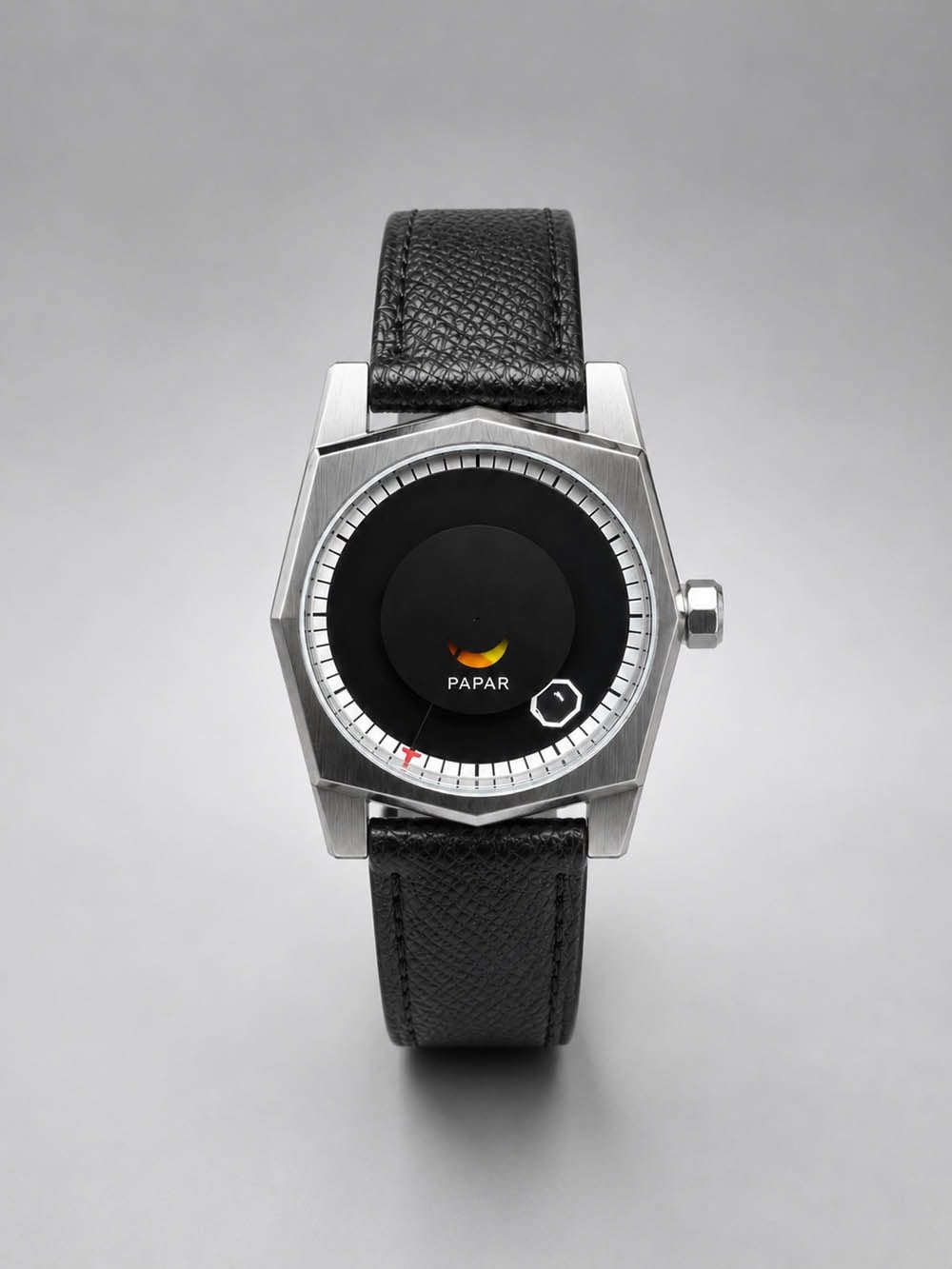
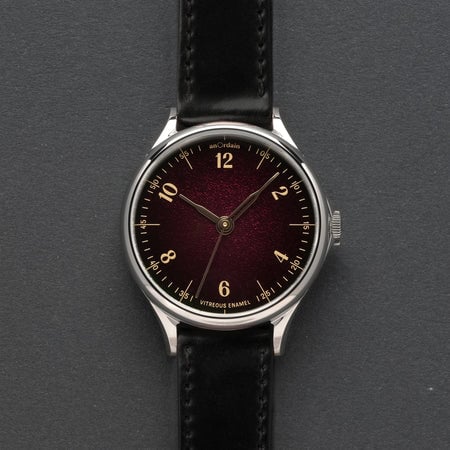
The Papar Vuelte occupies a peculiar position within the dress watch category — a segment defined by restraint and material precision, wherein the Vuelte's specification profile produces certain contradictions that warrant systematic examination. The case, at thirty-eight millimeters in diameter and eight-point-eight millimeters in thickness, adheres to proportions that dress watch predecessors established as canonical. Concordantly, stainless steel at this diameter presents no dimensional failures. The case design itself, however, does not demonstrate sufficient differentiation to merit distinction above the adequate threshold. The dial and handset lack the documentation necessary to evaluate their finer merits, which the probability of mediocre execution at this price tier renders a reasonable suspicion. The movement, a Miyota 9039, is a functionally reliable Japanese automatic — a caliber that provides acceptable amplitude and a thin profile suited to dress applications, though it represents engineered sufficiency rather than horological ambition. Ergo, the bracelet intervention represents the most analytically troubling element: a black elastic hook strap affixed to a dress watch is a categorical dissonance. The inevitability of this pairing undermining the watch's formal aspirations is not a matter of probability — it is structural. Wearability, vis-à-vis the case geometry, remains the single axis where the Vuelte performs above its composite average. The value proposition is adequate only insofar as expectations are calibrated accordingly.
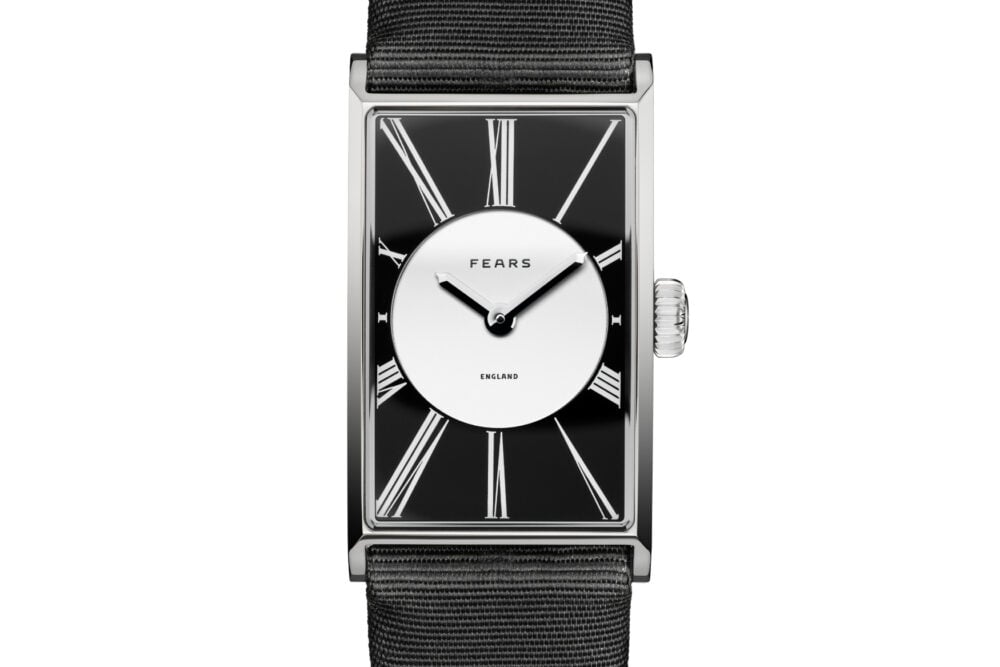
Fears, a Bristol-based manufacture tracing its lineage to 1846, positions the Arnos Opera Black within a category that demands restraint above all other virtues: the formal dress watch. The dial executes this demand with notable discipline. A lacquered black surface, devoid of superfluous ornamentation, concentrates the observer's attention upon the handset and chapter ring with the precision of a well-constructed argument. Concordantly, the case geometry — stainless steel at 8.4 millimeters of thickness — achieves the profile necessary for a watch to disappear beneath a cuff, which is, as you undoubtedly gather, the singular functional objective of the category. The 30-meter water resistance is not a deficiency here; it is a declaration of intent. The Sellita SW1000-1b, however, represents the primary analytical friction point. At a $4,500 price coordinate, the movement is adequate in its timekeeping function yet constitutes no contribution to the watch's proposition. Its 46-hour power reserve is unremarkable, and its presence beneath a dress-appropriate case introduces a specification asymmetry that the market will register. The grosgrain silk and Epsom leather strap options demonstrate considered material selection vis-à-vis the watch's formal aspirations. The probability that this iteration fully satisfies its target collector exists in proportion to how heavily that collector weights aesthetic coherence over movement provenance — which, in the dress category, may represent a defensible majority.
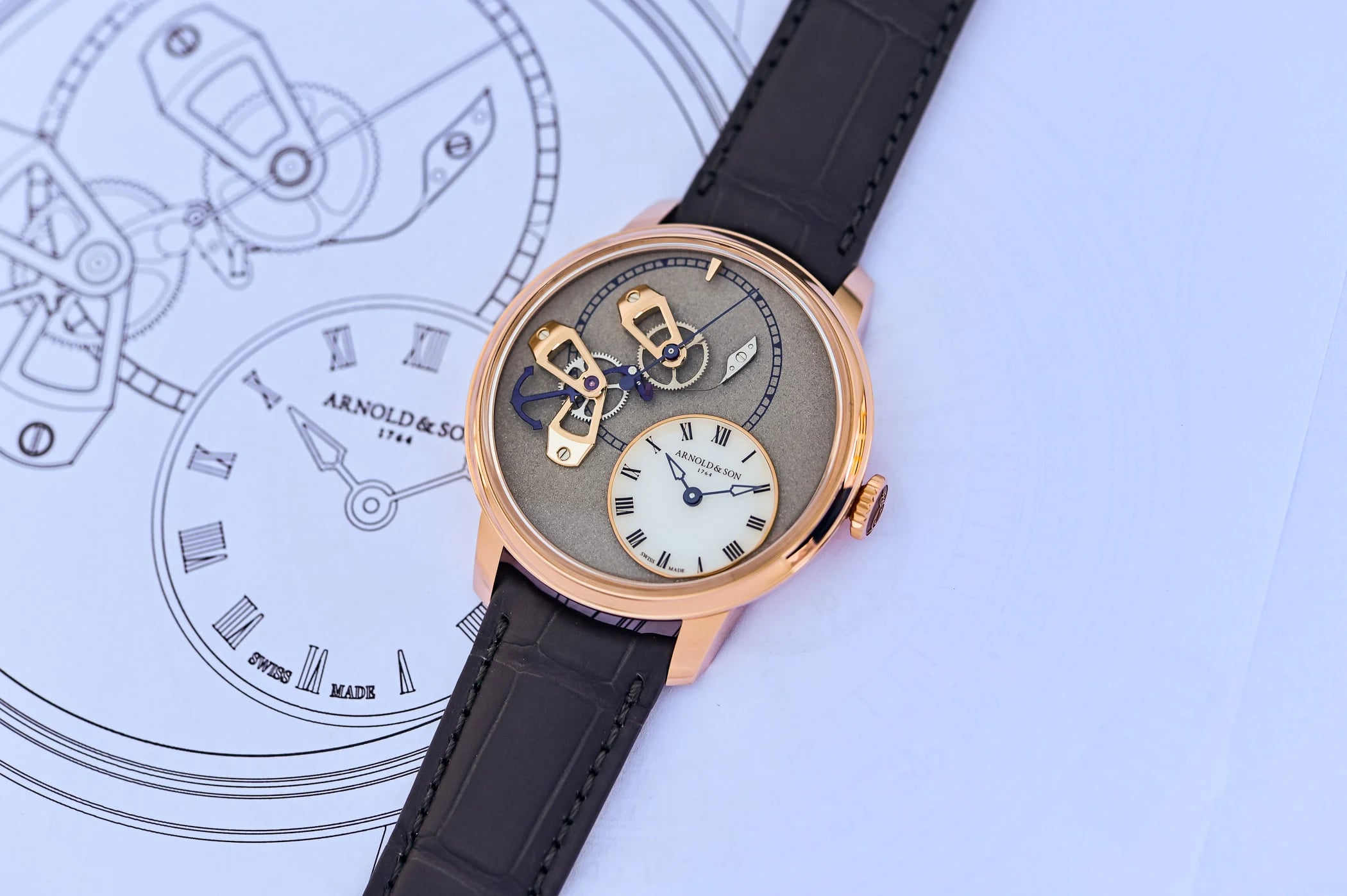
Arnold & Son, a manufacture whose lineage traces to John Arnold's eighteenth-century marine chronometer workshop, consistently deploys its horological heritage as both credential and design grammar. The DSTB Stop-Seconds Platinum Kingsand — a limited iteration bearing reference 1ATCX.H01A.C0263X — continues this practice with demonstrable sincerity. The dial architecture, which this reference has made its defining proposition, presents the movement's stop-seconds complication with a transparency and spatial clarity that approach best-in-class execution for the category. The A&S6303 caliber, an automatic construction delivering 55 hours of power reserve, reflects considered engineering without altering the trajectory of its category. Concordantly, the platinum case at 42mm diameter and 12.95mm thickness occupies a dimensional envelope that creates measurable tension with the dress classification — the probability that this case sits comfortably beneath a formal cuff approaches moderate at best. The 30-meter water resistance is, as you undoubtedly gather, a figure of theoretical rather than practical relevance at this price stratum. The alligator strap with pin buckle is adequate but unremarkable vis-à-vis what platinum-cased predecessors in this segment have historically paired with. Ergo, the value equation demands scrutiny: $56,800 USD positions this iteration against Voutilainen and early Lange references of substantially greater horological consequence. There exists a certainty that the Kingsand rewards the collector already committed to the Arnold & Son idiom more than it persuades the undecided.
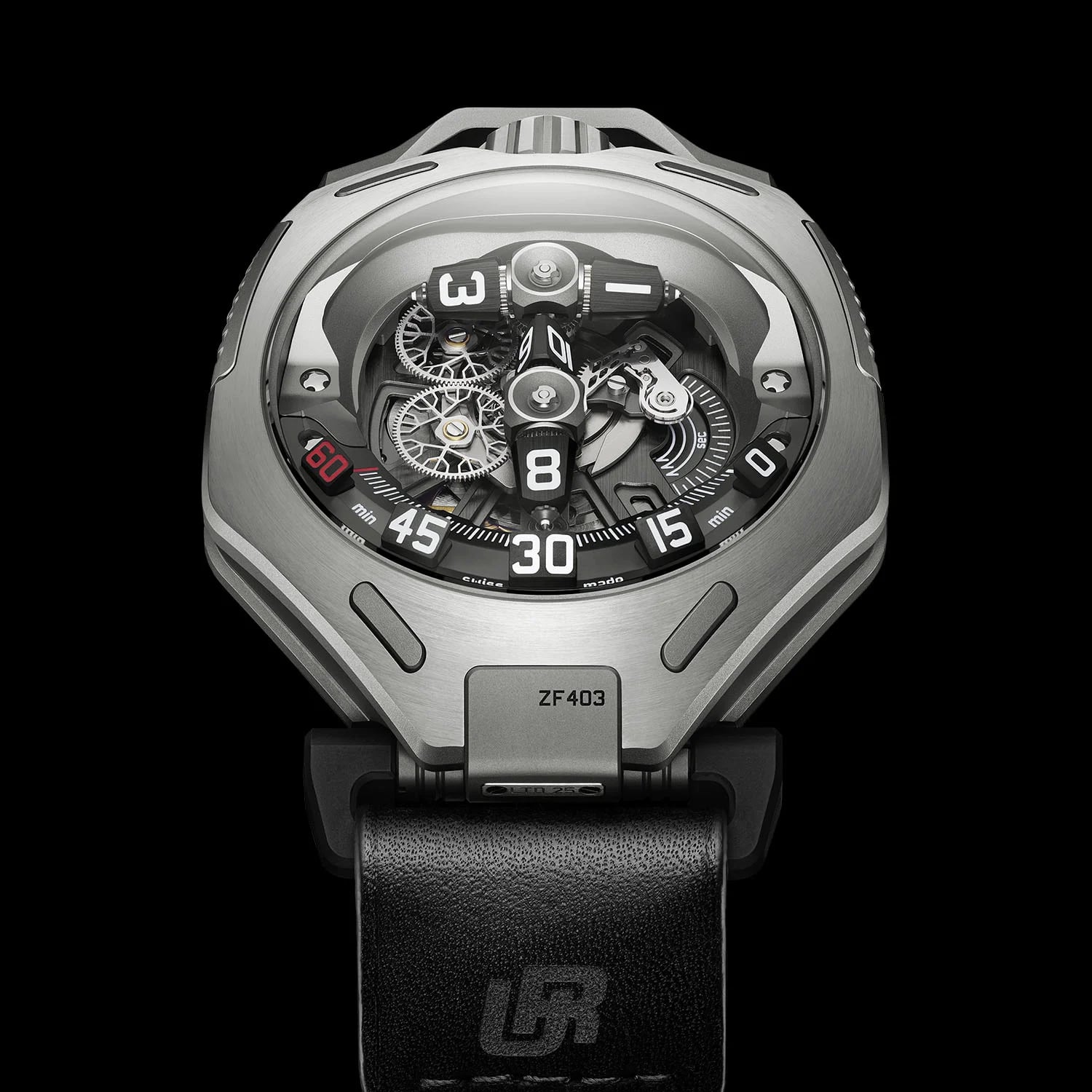
The UR-300 Time Quantum AlTiN represents Urwerk's continued interrogation of what a wristwatch's primary function — time display — is permitted to be. The satellite complication, wherein three orbiting hour capsules traverse a curved minute scale, did not originate with this reference; its predecessors, the UR-202 and UR-210, established the kinetic grammar that the UR-300 inherits and refines. What this particular iteration introduces is the AlTiN coating — aluminum titanium nitride, a compound more commonly associated with precision machining tooling than haute horlogerie — applied to the titanium case architecture with a functional logic: tribological hardness and thermal resistance, not mere aesthetic posturing. Concordantly, the result is a surface that reads as purposeful rather than decorative. The caliber UR-30.01V, self-winding and executing the satellite display with documented reliability, is exceptional within its niche, though its 40-hour power reserve is a figure that does not distinguish itself at this price stratum. The NATO textile strap presents a probability of cognitive dissonance given the $168,000 acquisition cost — adequate as a lightweight functional solution for an 18.25mm case, yet insufficient as a material statement. Wearability is constrained by that same thickness, a dimension that exceeds the threshold of unremarked wearing. The value equation rewards those for whom the conceptual architecture justifies the arithmetic.